
Michelin Selected
A Michelin Selected ryokan on the shores of Lake Akan in Hokkaido, Akan Tsuruga Bessou Hinanoza sits within one of Japan's most geothermally active landscapes.

Pearl is the En Primeur Club membership app — saves, bookings, and concierge access live there. Same editors, same standards.
- Address
- 2-8-1, Akanko Onsen, Akan-cho, Hokkaido Prefecture, Japan
- Phone
- 0154-67-3050
- Directions
- Get directions
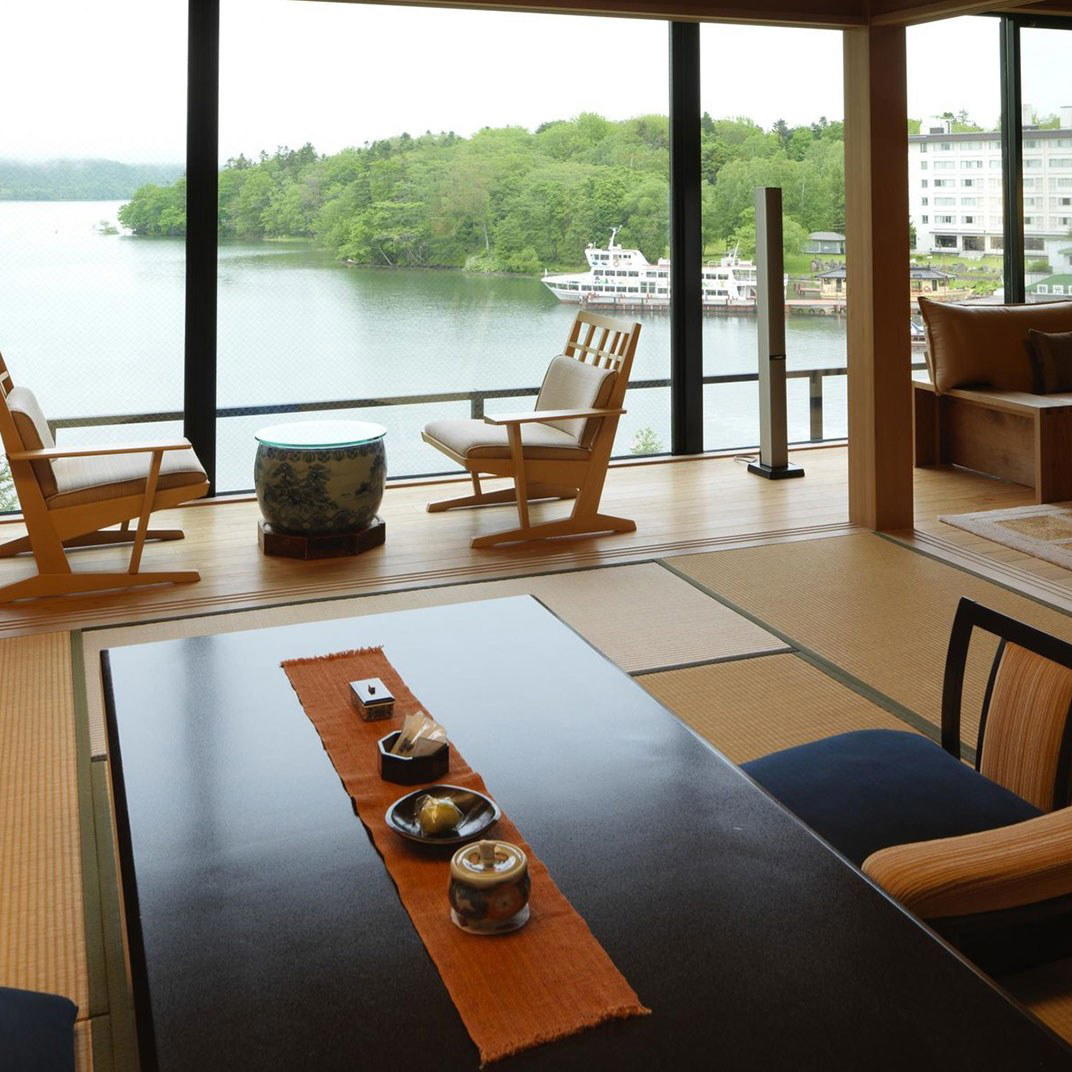
Where Lake Akan Sets the Terms
Hokkaido's interior lake district operates by different logic than the hot-spring towns closer to Japan's population centres. At Lake Akan, the landscape is the primary force: a caldera lake surrounded by dense Ainu-country forest, steam rising from the shoreline at low temperatures, the surface broken only by the famous marimo algae balls that have made this a protected natural monument. Ryokan properties here don't compete on proximity to urban culture or transport convenience. They compete on immersion depth — how completely the built environment surrenders to the natural one.
Akan Tsuruga Bessou Hinanoza, addressed at 2-8-1 Akanko Onsen in the Akan-cho district, occupies this very specific competitive tier. Its Michelin Selected designation in the 2025 Michelin Hotels guide places it within the curated upper bracket of Japanese accommodation — a category that, in the ryokan context, signals consistent standards across hospitality, onsen quality, and the integration of place into the guest experience. That recognition is not a general luxury endorsement; it reflects the particular discipline required to operate a credible lakeside retreat in one of Hokkaido's more remote corners.
The Architecture of Withdrawal
The design language governing Lake Akan's premium ryokan tier is shaped by a specific philosophy: retreat through material honesty. Timber, stone, and water are not decorative gestures here, they are structural to the experience. Properties in this category tend to use natural materials that age visibly, corridors that frame lake views rather than filling them with furniture, and spatial proportions that prioritise stillness over stimulation. The architectural ambition, if one can call it that, is to make the guest feel peripheral to the landscape rather than central to it.
Hinanoza sits within this tradition. The name itself, a word that can be read as a place of shelter or refuge, signals the intent. In the wider context of Japan's premium ryokan scene, properties with this kind of naming register tend toward interiority: private baths rather than shared pools as the primary onsen format, rooms oriented toward natural views over interior courtyard performance, and a general restraint in communal spaces that distinguishes them from resort-scale competitors. Compare this to the international footprint approach taken by larger Hokkaido properties, and the difference is one of scale philosophy as much as aesthetics. For a broader sense of how Hokkaido positions itself across accommodation tiers, see our full Hokkaido Prefecture restaurants guide.
Onsen as Architecture
In Hokkaido's premium ryokan sector, the onsen program is never a secondary amenity, it is the central spatial argument. Lake Akan sits above a geothermal system that produces sodium chloride-rich spring water, and properties along the Akanko Onsen strip have built their identities around that geological fact. The thermal baths are not identical across the area's properties; water composition, temperature management, and bath design create meaningful differentiation within what might appear, from the outside, to be a uniform category.
The highest-tier properties in this class dedicate significant architectural attention to the bath sequence: the transition from dressing room to water, the relationship between interior and outdoor bathing spaces, and the way natural light is managed across different times of day. These decisions accumulate into what regular onsen travellers recognise as a considered program versus a functional one. The Michelin Selected distinction implies Hinanoza operates at the considered end of that spectrum.
For comparison, other Michelin-recognised ryokan properties across Japan that have resolved this spatial question include Gora Kadan in Hakone and Asaba in Izu, both of which treat the bath architecture as central to their spatial identity. Within Hokkaido itself, Zaborin in Kutchan represents a more contemporary architectural interpretation of the same private-bath-led philosophy.
Kaiseki and the Hokkaido Ingredient Argument
Hokkaido's position as Japan's primary agricultural and seafood prefecture gives lakeside ryokan dining a specific credibility. The island produces the majority of Japan's dairy, significant portions of its grain, and some of its most prized cold-water seafood, hairy crab, sea urchin from the Okhotsk coast, Hokkaido scallops, and white asparagus in early summer. A ryokan kaiseki sequence in this region draws on a supply chain that properties in Kyoto or Tokyo access at a remove; here, the ingredient argument is geographic and seasonal by default.
Hinanoza, in the Akan-cho district, operates within reach of that ingredient network. The kaiseki format at properties of this tier typically structures the evening meal around a sequence of eight to twelve courses, with course composition shifting across seasons to reflect what the region is producing at that moment. The format is not unique to Hokkaido, but the ingredient palette is, Akan-area ryokan are able to pull from inland Hokkaido produce alongside the seafood that defines coastal properties. This dual access gives lakeside kaiseki a different range than either a mountain-only or coast-only property would have.
How Hinanoza Sits Within Japan's Wider Ryokan Tier
Japan's Michelin Selected hotel category, as of the 2025 guide, encompasses properties that have passed quality thresholds across hospitality consistency, physical condition, and what the inspectors assess as authentic character of place. Most Michelin-recognised ryokan cluster near the established hot-spring towns of Hakone, Kinosaki, and Kyoto's surroundings. The Akan-cho address represents the kind of deliberate remoteness that self-selects its guests.
Travellers who choose Hokkaido's interior lakes over those more accessible alternatives are typically trading transport convenience for a different quality of isolation. The journey, whether from Kushiro, which has airport access, or from Sapporo via inland highway, is itself part of the arrival sequence. This is a pattern recognisable across Japan's more remote premium ryokan, from Fufu Nikko in the mountains north of Tokyo to Kamenoi Besso in Kyushu's Yufuin valley. The remoteness is a feature, not a logistical problem.
Other Michelin-recognised properties across Japan's island chain that operate within comparable design and hospitality frameworks include Nishimuraya Honkan in Kinosaki-cho, Amanemu in Mie, and Satoyama-Jujo in Niigata. For those cross-referencing against urban luxury in Japan, Bvlgari Hotel Tokyo and HOTEL THE MITSUI KYOTO represent a structurally different tier of experience, one defined by urban positioning rather than landscape withdrawal.
Planning the Visit
Lake Akan is most easily reached from Kushiro Airport, which connects to Tokyo and Sapporo. The drive from Kushiro takes approximately 90 minutes through forest and wetland. Seasonal timing is consequential: spring brings the forest back to activity after heavy snowfall months, autumn produces the most photographed foliage on the lake perimeter, and winter concentrates the onsen experience into its most elemental form, with snow on the outdoor bath edges and ice forming along the lake margins. Summer, notably, is when the marimo algae are most visible and when the Ainu cultural programming at Akanko Onsen reaches its highest frequency.
Reservations at properties of this category in the Akan area typically require advance booking, particularly for shoulder-season weekends and during the autumn foliage period. Direct booking through the property is the standard approach for ryokan of this tier, as third-party availability tends to be limited for peak dates.
In Context: Similar Options
Comparable venues nearby, for context on price, style, and recognition.
| Venue | Cuisine | Price | Awards | Notes |
|---|---|---|---|---|
| Akan Tsuruga Bessou HinanozaThis venue — the venue you are viewing | Contemporary classic luxury ryokan blending traditional Japanese hospitality with modern comfort and design. | Not listed | Michelin Selected | Not listed |
| Hoshino Resorts KAI Sengokuhara | Contemporary Japanese ryokan blending traditional hospitality with modern luxury and artistic expression; positioned as a creative retreat centered on art, nature, and wellness. | $750–1,000 | Not listed | Sengokuhara, Hakone |
| Fufu Hakone | Small luxury hot spring resort set in Hakone mountains with distinctive room designs inspired by Japanese nature. | Not listed | 1 Michelin Key | Gora |
| Maruyo Hotel | Historic designers ryokan with traditional elegance. | $500–750 | Michelin Selected · Tablet Hotels Best New Hotel Designs (Asia) | Senbacho |
| The Hiramatsu Hotels & Resorts Atami | Traditional Sukiya-zukuri ryokan converted into a gourmet auberge | Not listed | 1 Michelin Key | Atami |
| Portom International Hokkaido | Modern Japanese art hotel in airport terminal | Not listed | Michelin Selected | New Chitose Airport |
Recognition history
Dated appearances from independent guides and award organizations, with the underlying list record or original source where available.
Michelin Selected
Michelin
Continue exploring
More in Hokkaido
Details
- Romantic
- Quiet
- Elegant
- Scenic
- Romantic Getaway
- Wellness Retreat
- Anniversary
- Weekend Escape
- Waterfront
- Private Dining
- Destination Spa
- Panoramic View
- Private Villa
- Wi Fi
- Spa
- Sauna
- Concierge
- Room Service
- Restaurant
- Bar
- Massage
- Waterfront
- Mountain
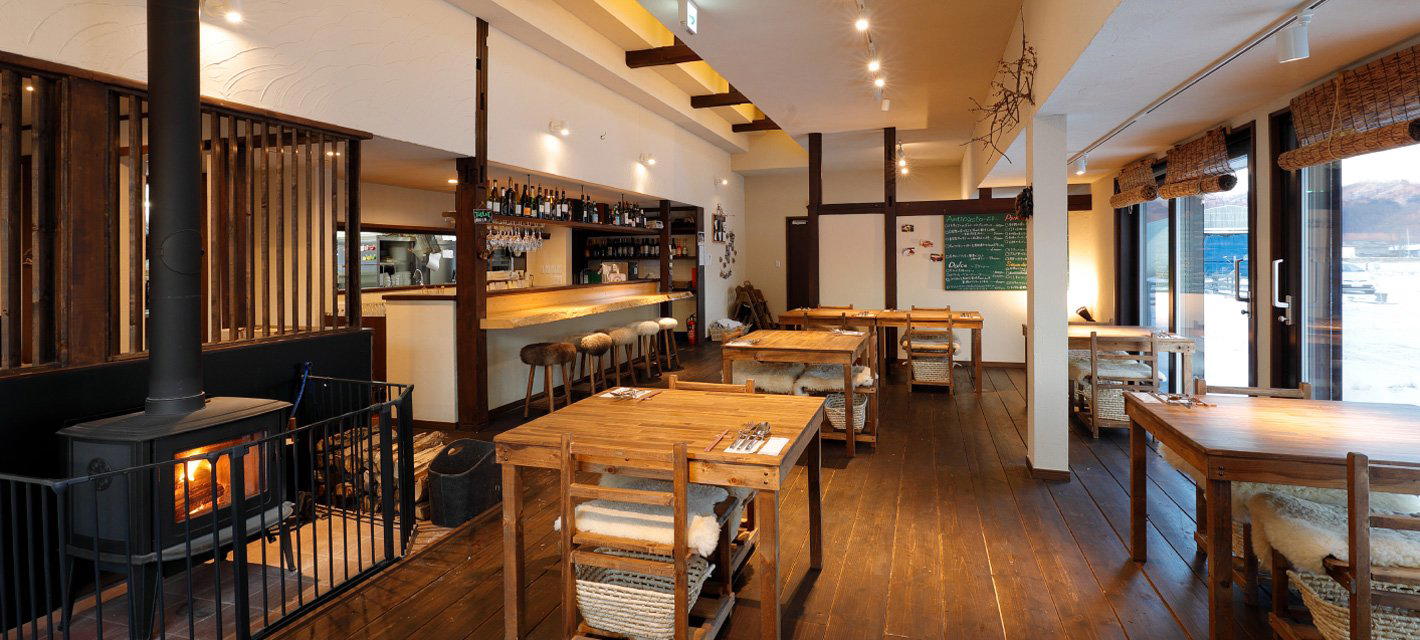
Serene and tranquil with soft natural light, natural wood furnishings, and carefully curated spaces that flow from peaceful lobby lounge to bar and foot bath overlooking the lake and mountains.