
Michelin Selected
Scapes The Suite sits in Hayama, the understated coastal town on Sagami Bay that has long drawn Tokyo's quieter wealth away from the Hakone crowds. Selected for the Michelin Hotels 2025 guide, the property belongs to a small-key, design-attentive tier of Japanese coastal retreats where the physical setting and spatial quality do most of the work that large resort amenities do elsewhere.

Pearl is the En Primeur Club membership app, where members save venues, book tables and use the concierge.
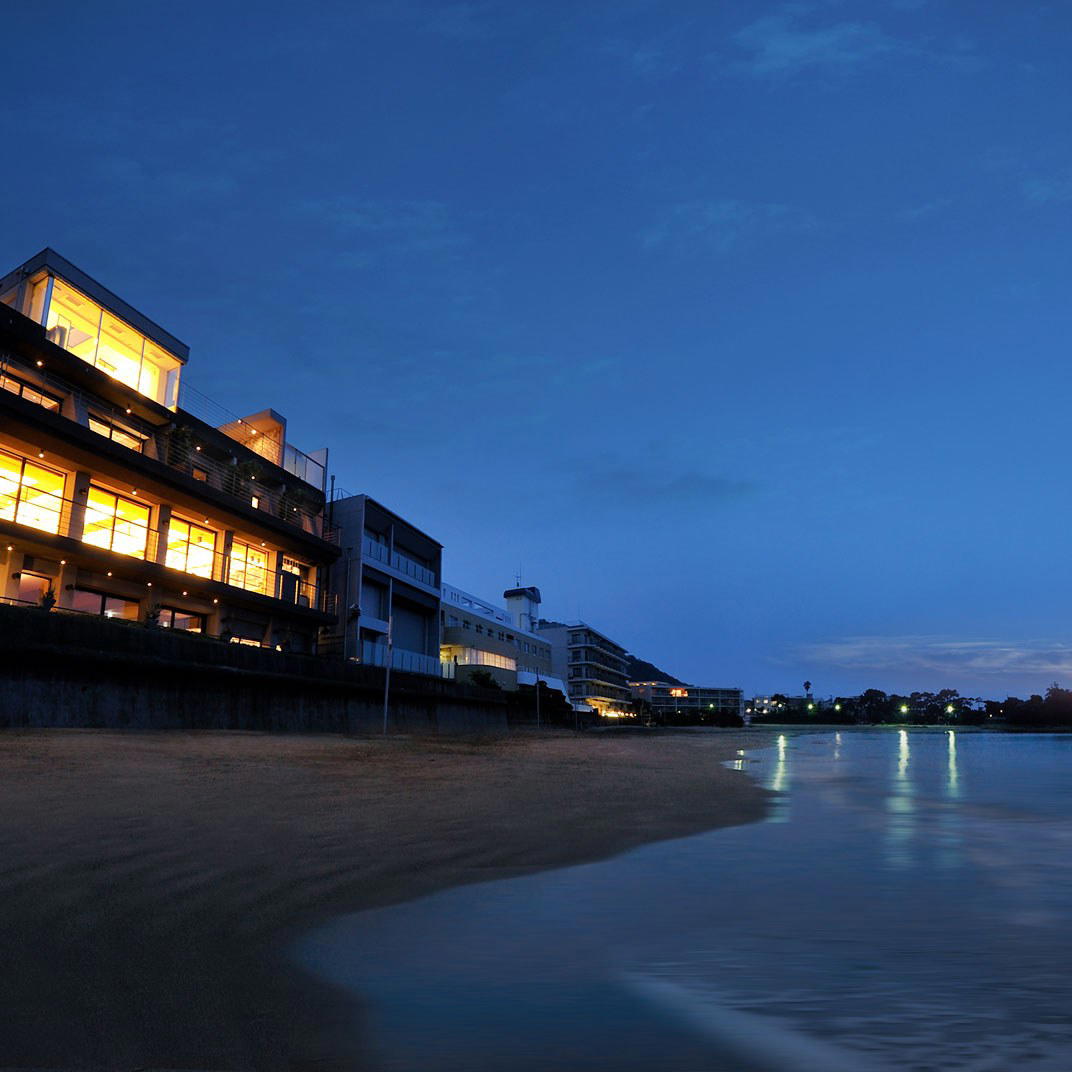
Sagami Bay and the Architecture of Restraint
Hayama occupies a particular position in the geography of Japanese coastal escapes. Roughly an hour south of Tokyo by train, it sits on the western shore of Sagami Bay, where the Miura Peninsula tapers toward open water and the Izu mountains frame the horizon. Unlike Kamakura, its more visited neighbor, Hayama has never courted mass tourism. The town is known for its Imperial villa, its small marina, and a consistent preference for understatement that has made it a long-standing retreat for Tokyo professionals who want proximity to the capital without its register. That social character shapes what hospitality here looks and feels like. Scapes The Suite, addressed at 922-2 Horiuchi, sits within that context and makes spatial quality the central argument for the stay. See our full Hayama restaurants guide for broader context on the town's eating and drinking scene.
What the Michelin Selection Signals
Michelin's hotel program, expanded aggressively across Japan through the mid-2020s, applies different logic from its restaurant stars. Selection does not reward scale or amenity count. The evaluators look at physical quality, service coherence, and a legible sense of place, criteria that favor smaller, design-led properties over large resort formats. Scapes The Suite's inclusion in the Michelin Selected Hotels 2025 list places it in a peer group that includes structurally distinct retreats across the Japanese archipelago: properties like Gora Kadan in Hakone, Zaborin in Kutchan, and Benesse House in Naoshima, each of which treats the built environment as primary rather than incidental. Within the Shonan coast specifically, that recognition signals a level of finish and editorial intentionality that sets the property apart from generic coastal accommodation in the region.
Space as the Program
Suite-format properties in Japan operate on a different premise from room-and-board hotels. The spatial proposition is the stay itself. Where larger properties layer amenities, restaurants, spas, pools, organized activities, to justify rates and fill itineraries, a suite-format house asks the building and its relationship to the landscape to carry the guest experience. This is a demanding test. When it works, guests arrive with nothing scheduled and leave with a precise memory of light on water, of how a room was oriented toward the treeline, of the quality of silence at a particular hour. When it does not work, the absence of programming simply feels like absence. The Michelin designation implies the former: that Scapes The Suite has solved the spatial problem with enough conviction to earn recognition from evaluators whose vocabulary is essentially architectural.
Along the Kanagawa coast and into the Izu Peninsula, this design-led, low-key retreat format has matured considerably over the past decade. Asaba in Izu and Atami Izusan Karaku in Atami represent the tradition of small Japanese coastal ryokan that prioritize material quality and setting over scale. Scapes The Suite occupies a related niche, albeit one inflected more by contemporary suite-hotel logic than classical ryokan format. The comparison matters for guests deciding between formats: a ryokan delivers ritual and prescribed sequence; a suite property delivers space and self-determination.
Hayama in the Wider Context of Japanese Coastal Luxury
Japanese coastal hospitality at the premium tier has diversified considerably. The Aman model, represented in Japan by properties like Amanemu in Mie, established a template of large-footprint pavilion architecture integrated into protected natural settings. The Fufu group, with properties at Fufu Kawaguchiko and Fufu Nikko, has pursued a different model: recognizable brand discipline applied across scenic Japanese locations. Island and peninsula properties like Jusandi in Ishigaki and Halekulani Okinawa serve a southern coast itinerary with a distinct climate logic. Scapes The Suite belongs to none of these groups. It is independent, coastal, and within day-trip distance of Tokyo, which means it serves a different travel behavior: the short-duration, high-quality escape rather than the destination week.
That proximity to the capital is a structural advantage. Guests traveling from Tokyo do not need to route through a domestic flight or a long shinkansen journey. The Yokosuka Line reaches Zushi, the closest major station, in roughly an hour from Shinjuku, with Hayama accessible from there by bus or taxi. For travelers building a Japan itinerary that includes city time at properties like Bvlgari Hotel Tokyo, a night or two in Hayama offers a coastal counterweight without requiring a significant logistical detour.
How to Think About Booking
Suite-format properties with limited keys and Michelin recognition tend to compress their availability quickly, particularly around public holidays and the Golden Week window in late April and early May, when the Shonan coast draws significant domestic traffic. The sakura shoulder season in late March also tightens coastal availability across Kanagawa. Hayama's own summer, when Sagami Bay's beaches draw day visitors, creates a secondary pressure period. Guests who prefer the town at its quietest, and the light on the bay at its most legible, often find the autumn months, from late September through November, the most reliable window.
To calibrate expectations accurately, it helps to place Scapes The Suite against the broader spread of Michelin-selected Japanese small-hotel properties. Nishimuraya Honkan in Kinosaki and Kamenoi Besso in Yufu represent the classical onsen ryokan within that recognized group. Satoyama-Jujo in Niigata and Nasu Mukunone in Nasu sit at the nature-immersion end. Scapes The Suite's coastal Kanagawa address places it in a different register from all of these, closer in character to a contemporary design retreat than a tradition-forward onsen property. Guests seeking the ceremony of a classical ryokan should look at different formats. Guests seeking a well-composed, Michelin-recognized space near the sea, within reach of Tokyo, are exactly where the property's logic points.
For those extending a Japan itinerary further, the Kansai circuit offers its own design-led hotel tier. HOTEL THE MITSUI KYOTO and properties in the Niseko mountain corridor, including Higashiyama Niseko Village, represent different geographic chapters of the same broader premium-small-hotel story that Scapes The Suite joins on the Sagami coast.
In Context: Similar Options
Comparable venues nearby, for context on price, style, and recognition.
| Venue | Cuisine | Price | Awards | Notes |
|---|---|---|---|---|
| Scapes The SuiteThis venue (the venue you are viewing) | Seaside boutique with modern serenity | Not listed | Michelin Selected | Not listed |
| Hanzuiryo (半水盧) | Luxury heritage ryokan with contemporary service standards, positioned as a upper-tier wellness and culinary destination within a protected national park. | Not listed | 1 Michelin Key | Unzen |
| 別邸仙寿庵 | Modern luxury ryokan fusing contemporary architecture with traditional Japanese hospitality | Not listed | Not listed | Tanigawa |
| Takaragawa Onsen Osenkaku (宝川温泉 汪泉閣) | Traditional Japanese ryokan with historic charm since 1923 | Not listed | 4-Star | Takaragawa Onsen |
| Mitsui Garden Hotel Kyoto Shijo (三井ガーデンホテル京都四条) | Japanese-style designer hotel with Gion Festival inspiration | $1–100 | Not listed | Shimogyo-ku |
| Shishi-Iwa House | Architect-driven forest retreat that blends contemporary Japanese design, art, and culinary culture with close contact to nature. | $300–500 | 1 Michelin Key · Mr & Mrs Smith Seal of Approval | Karuizawa |
Recognition history
Dated appearances from independent guides and award organizations, with the underlying list record or original source where available.
Michelin Selected
Michelin
Continue exploring
More in Hayama
Hotels in Hayama
All hotels in Hayama →
Bars in Hayama
Browse all →





Details
- Romantic
- Quiet
- Modern
- Elegant
- Scenic
- Intimate
- Sophisticated
- Minimalist
- Romantic Getaway
- Honeymoon
- Anniversary
- Weekend Escape
- Beachfront
- Panoramic View
- Wi Fi
- Spa
- Room Service
- Concierge
- Private Beach
- Hot Tub
- Waterfront
- Mountain
- Wheelchair Accessible
- Elevator
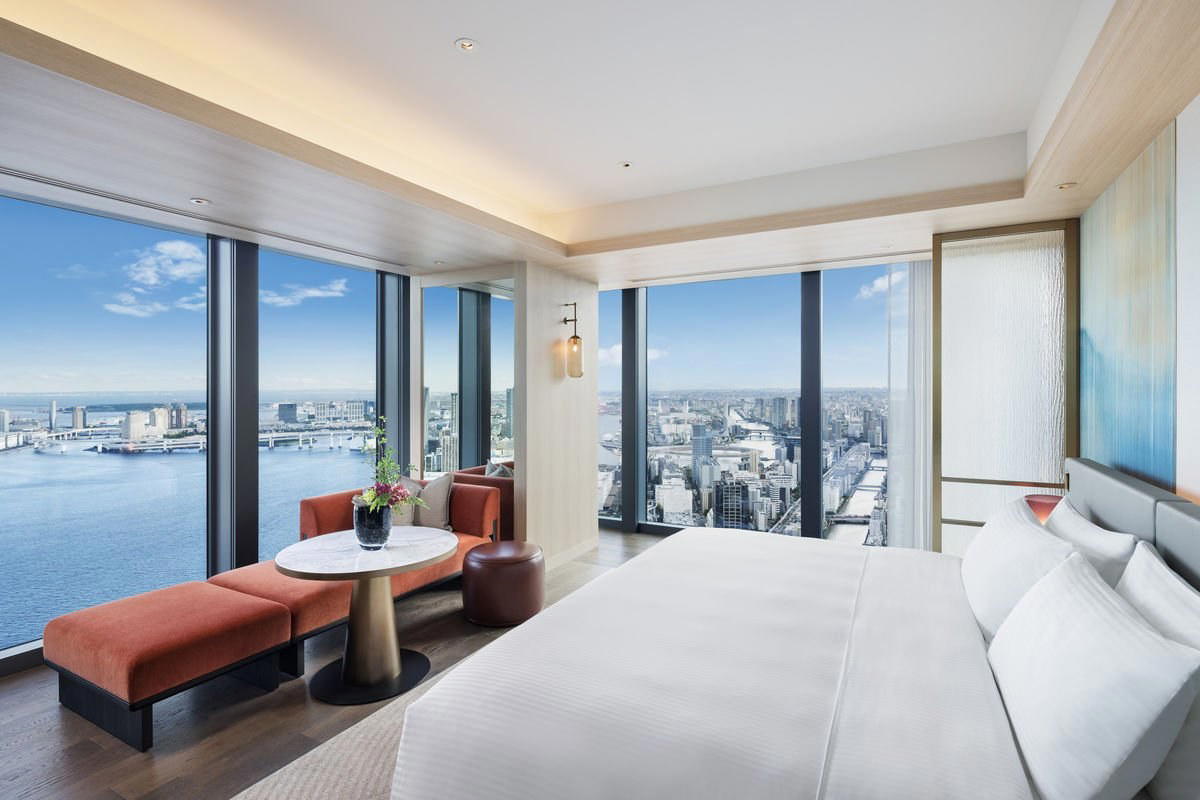
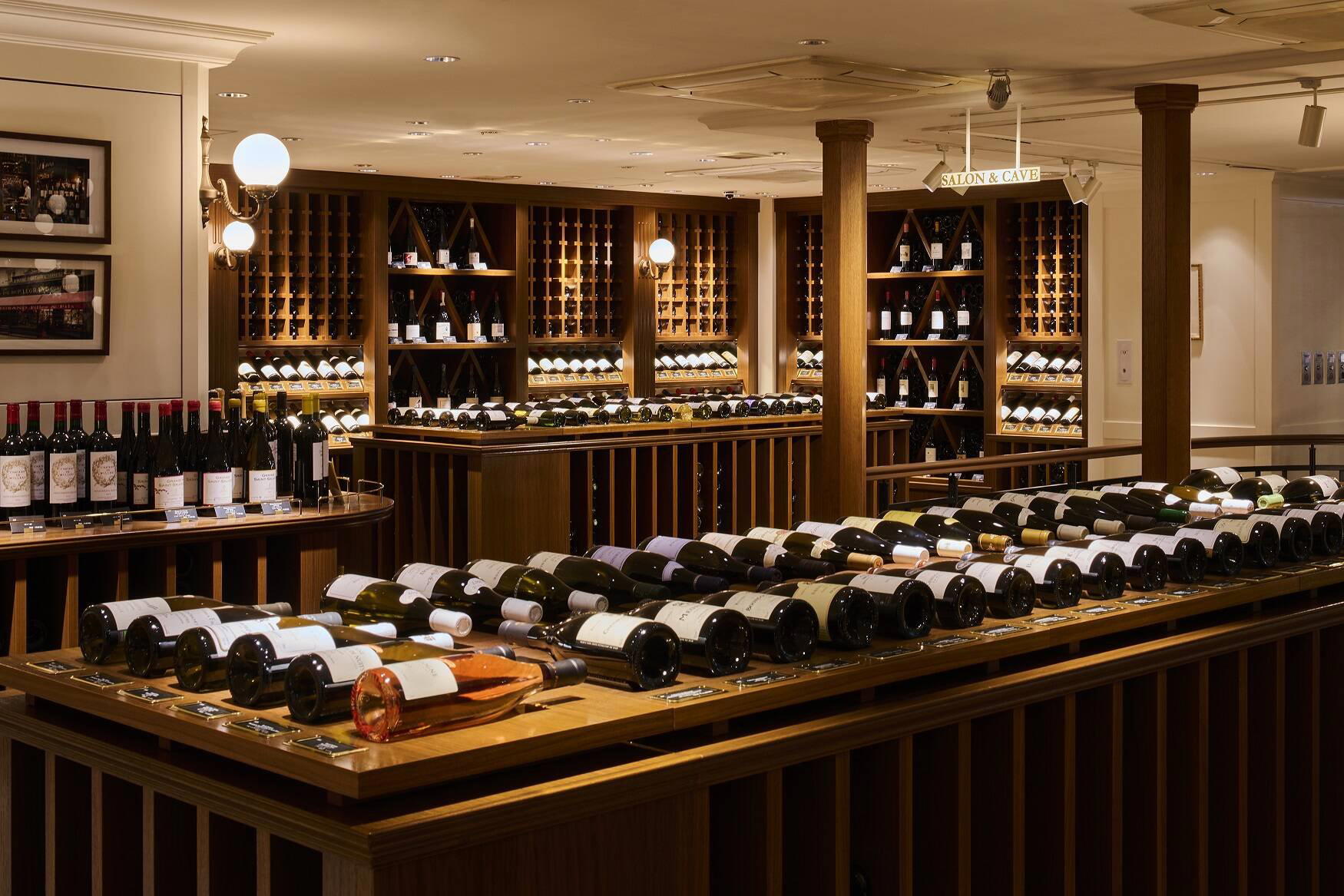
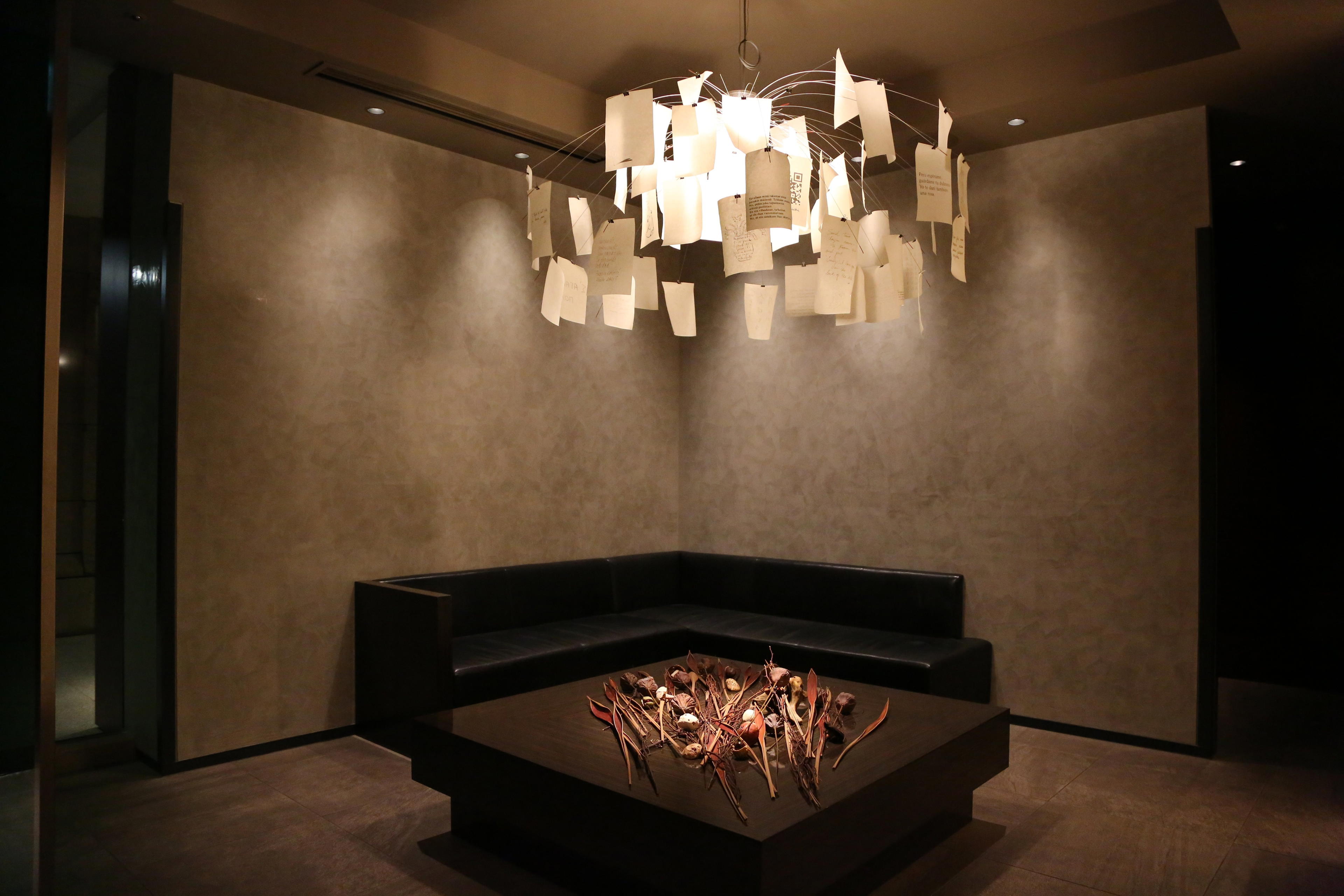
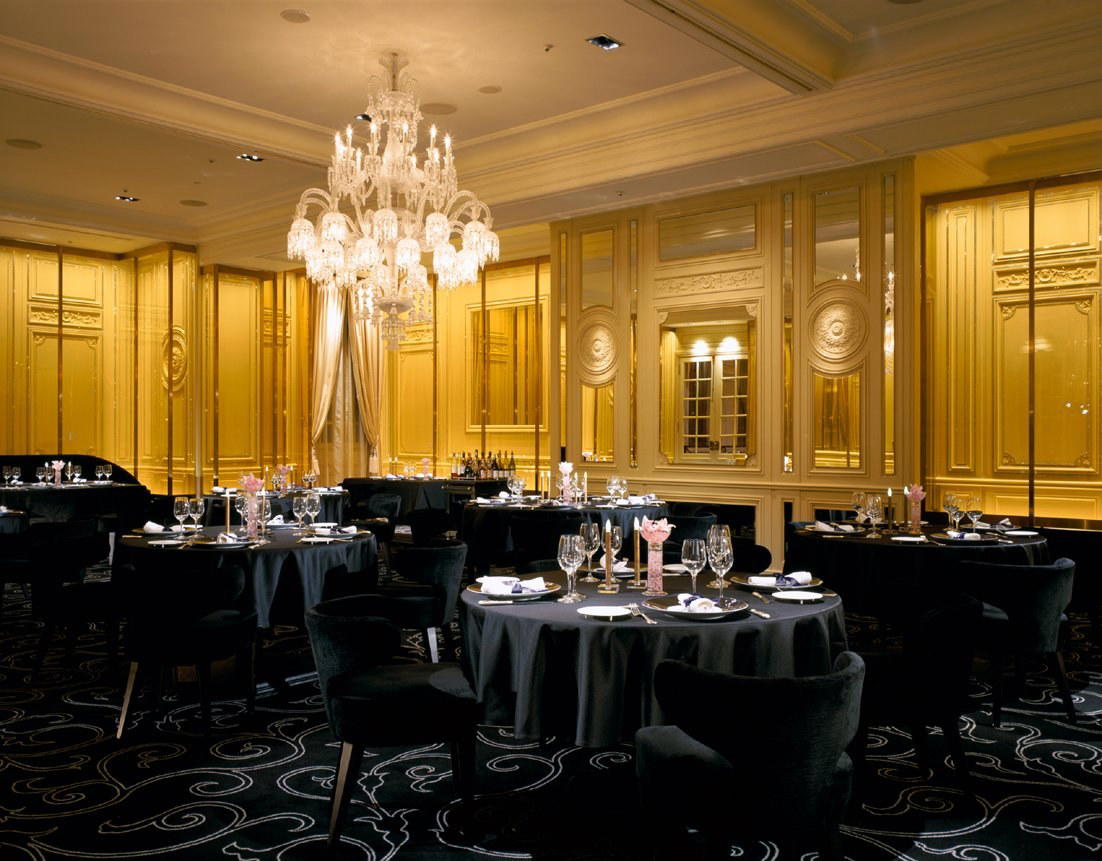
Serene and sophisticated atmosphere with modern design, plush bedding, spa-like bathrooms, and soothing nature-inspired decor promoting tranquility and romance.