

1 Michelin Key · La Liste Top Hotels
Higashiyama Niseko Village, a Ritz-Carlton Reserve earns a Michelin Key (2024) and 91 points from La Liste (2026) for its ski-in ski-out position at the foot of Mount Annupuri, 50 rooms designed around contemporary Japanese modernism, two destination Japanese restaurants, and a Sothys spa. Rates from $459 per night place it at the premium end of Niseko's resort tier, alongside properties where design and dining credentials carry as much weight as snow depth.

Pearl is the En Primeur Club membership app — saves, bookings, and concierge access live there. Same editors, same standards.
- Address
- 919-28 Soga, Niseko, Abuta District, Hokkaido 048-1522
- Phone
- +81 136-44-3491
- Website
- ritzcarlton.com
- Directions
- Get directions
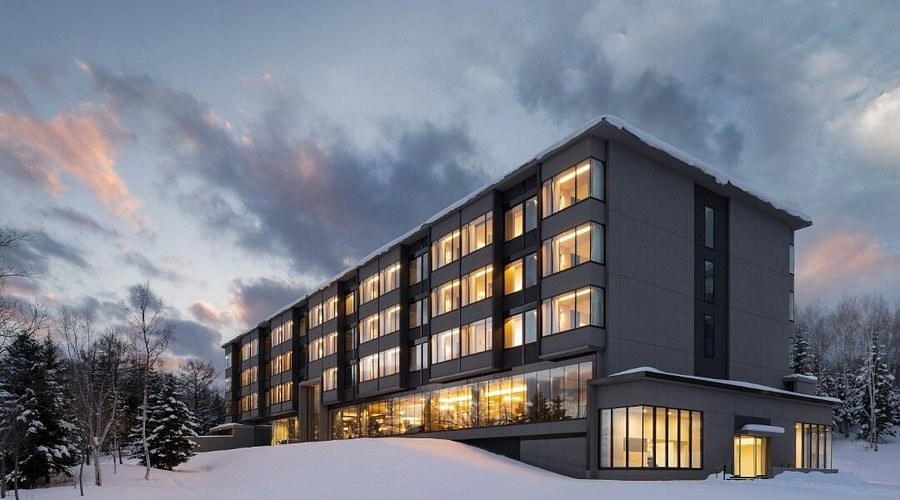
Where Hokkaido's Mountain Setting Meets the Ritz-Carlton Reserve Tier
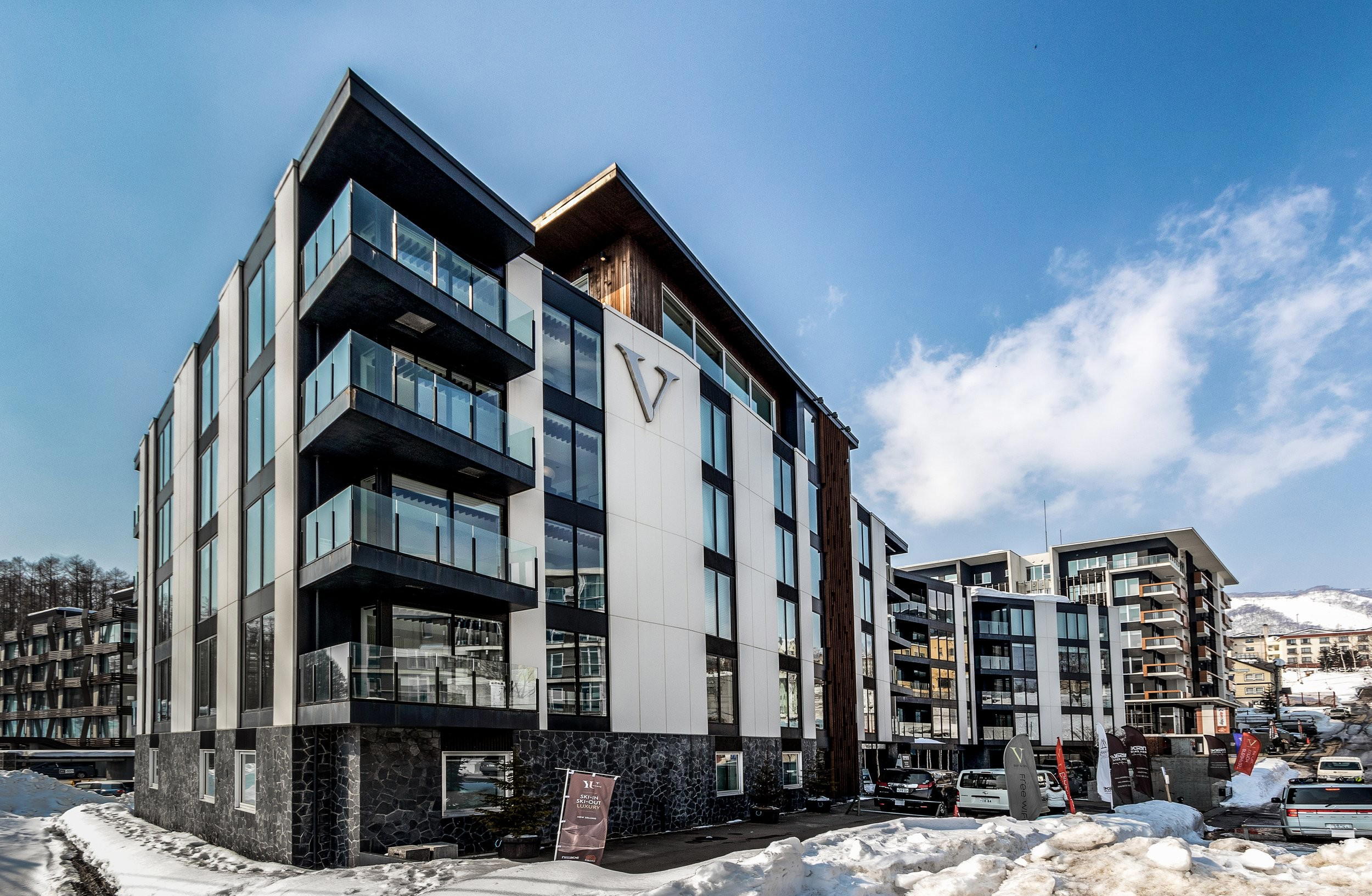
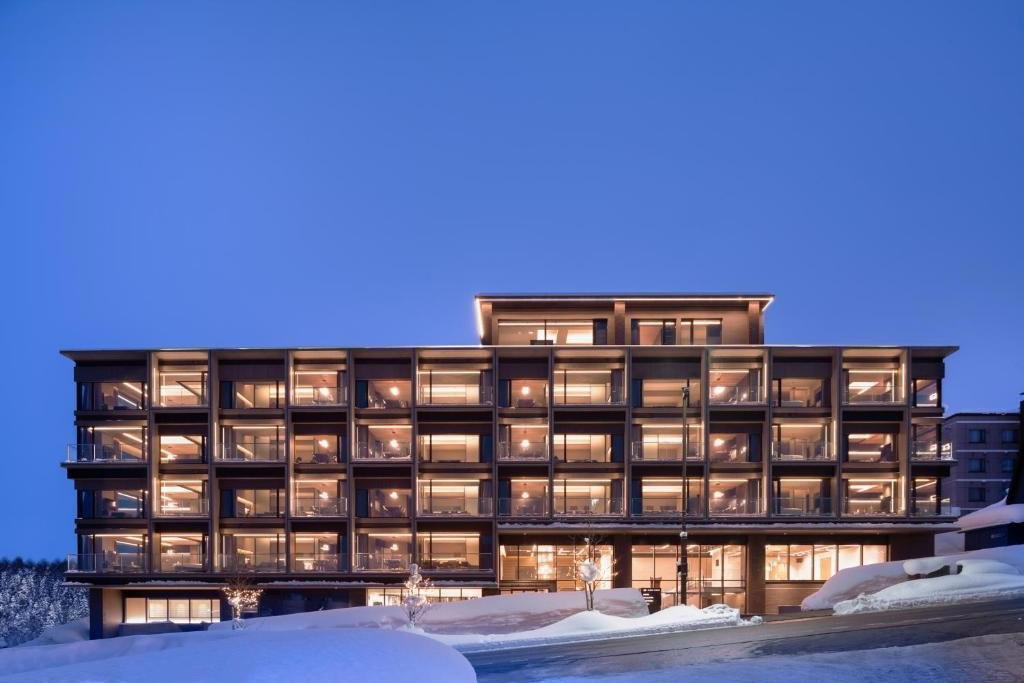
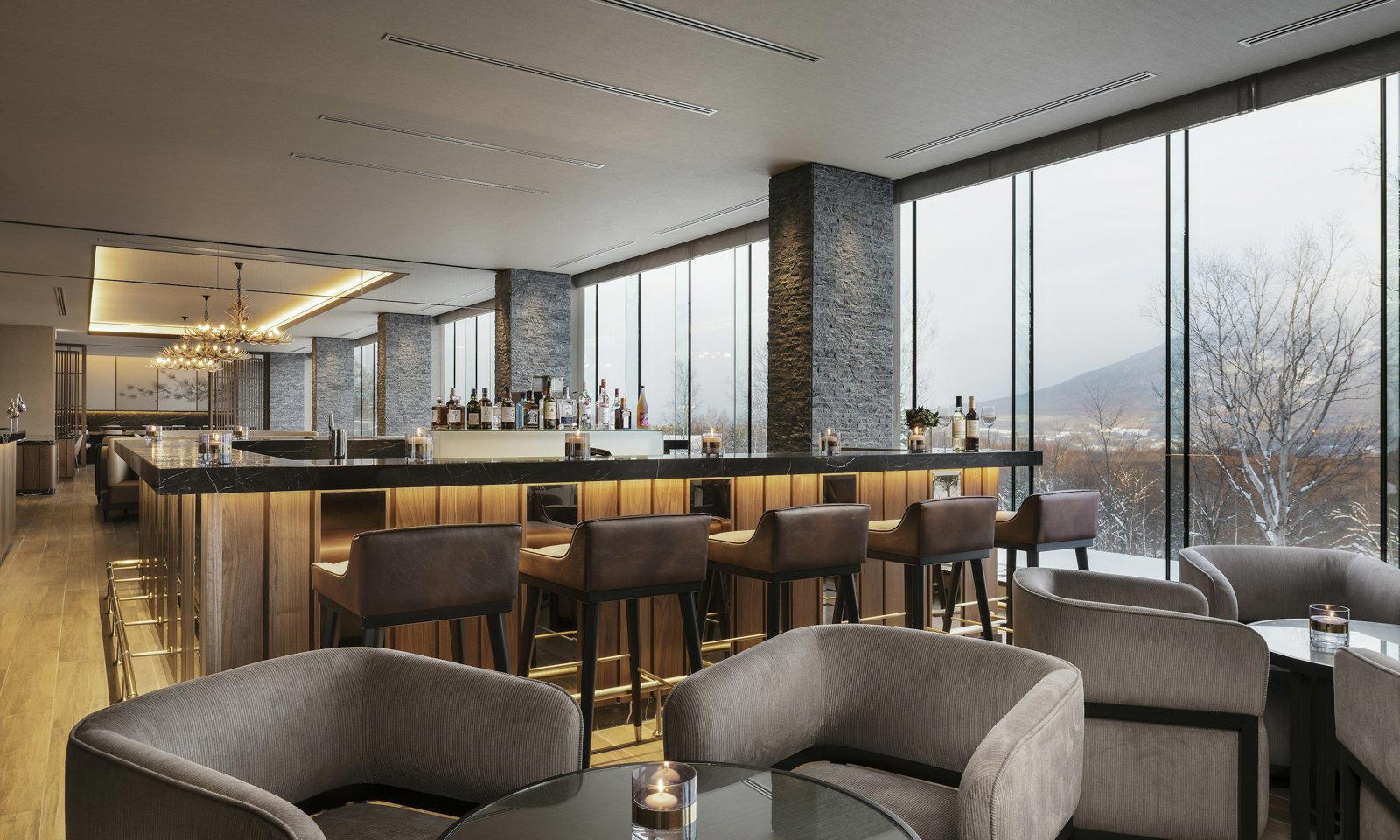
Arriving at Higashiyama Niseko Village, a Ritz-Carlton Reserve in winter, the first thing you register is not the lobby — it's the slope. The hotel sits at the base of Mount Annupuri with ski-in ski-out access that removes every friction point between waking up and the first run of the day. The architecture keeps the mountain in frame at almost every angle: contemporary Japanese design with modernist lines, natural materials drawn from the regional palette, and a spatial restraint that lets the views do the structural work. Niseko has built an international reputation over two decades as Hokkaido's leading resort destination, and Higashiyama occupies the upper tier of that market, where the question is no longer whether a property is comfortable but whether its design and dining programme justify the premium over well-appointed neighbours like Park Hyatt Niseko Hanazono or Hilton Niseko Village.
The Dining Programme: Two Japanese Restaurants as the Editorial Core
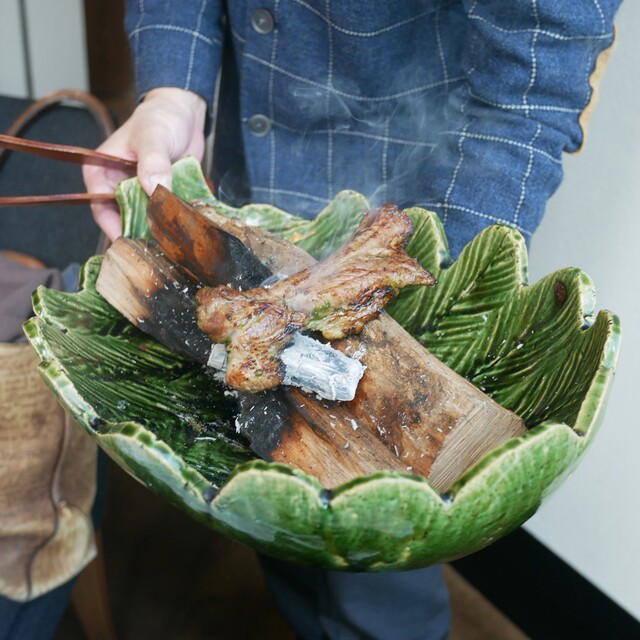
Within the Ritz-Carlton Reserve framework globally, dining is not an amenity — it is positioned as a primary reason to be in the building. Higashiyama carries that logic into Hokkaido through two Japanese restaurants that draw on the island's extraordinary larder: dairy, seafood, and produce with a regional specificity that few parts of Japan can match. Hokkaido ingredients have become a marker of quality in Japanese fine dining from Tokyo southward; having direct access to that supply chain, within a resort kitchen that has earned Michelin recognition, gives the dining programme a credibility that extends beyond the ski season.
The Michelin Key awarded in 2024, part of the Guide's newer hotel-specific recognition category, signals that the property's hospitality standards cleared a threshold that most Niseko properties have not. In the broader context of Japan's premium ryokan and resort dining scene, where properties like Zaborin in nearby Kutchan and Gora Kadan in Hakone have built reputations around kaiseki-anchored food programmes, Higashiyama's dual-restaurant structure offers a different model: two distinct Japanese formats under one roof, giving guests range across a stay rather than depth in a single tradition. For comparison across Japan's premium hotel dining tier, HOTEL THE MITSUI KYOTO in Kyoto and Amanemu in Mie both operate with similarly integrated dining philosophies where the restaurant is inseparable from the overall guest proposition.
Niseko's Position in Japan's Resort Hierarchy
Niseko sits in a distinct category within Japanese travel: a resort town built primarily around winter sports but increasingly viable year-round, with a summer season drawing visitors for hiking, cycling, and the valley's agricultural character. The comparison set is not onsen towns or urban luxury hotels, it is mountain resort destinations measured against international peers. La Liste's 91-point score in its 2026 ranking places Higashiyama in a competitive bracket where the reference points span Aspen, St. Moritz, and the handful of Japanese resort properties that have crossed into international awareness. At $459 per night as an entry price point, the hotel occupies the premium segment of Niseko's market, above mid-tier properties and in the same tier as Setsu Niseko and Muwa Niseko.
The Ritz-Carlton Reserve designation matters here as a market signal. The Reserve sub-brand operates a small global portfolio of properties positioned above the standard Ritz-Carlton tier, with an emphasis on destination-specific design and an attendant-to-guest ratio that leans heavily toward the personal. Within that framework, 50 rooms is a deliberately constrained number, enough to sustain a full restaurant and spa operation while keeping the guest-to-staff dynamic closer to a boutique property than a large resort. Properties like Ki Niseko (木ニセコ) and The Green Leaf Niseko Village operate nearby within the same Niseko Village precinct but at different price and format positions, which makes direct comparison useful for guests deciding on fit rather than just availability.
The Spa and the Full-Stay Architecture
Higashiyama's Sothys spa adds a recovery infrastructure that matters more in a ski context than in most hotel settings. The physical demands of a full day on Annupuri's terrain create genuine demand for serious spa facilities, and Sothys, a French professional skincare and treatment brand with a clinical reputation distinct from lifestyle-oriented alternatives, positions the spa at the technical end of the treatment spectrum rather than the ambient wellness tier. In the broader Japanese luxury resort context, this is where Higashiyama differs from properties like Fufu Kawaguchiko in Fujikawaguchiko or Asaba in Izu, where the spa philosophy tends toward onsen tradition rather than treatment-room formalism. Both approaches are credible; they suit different types of guests.
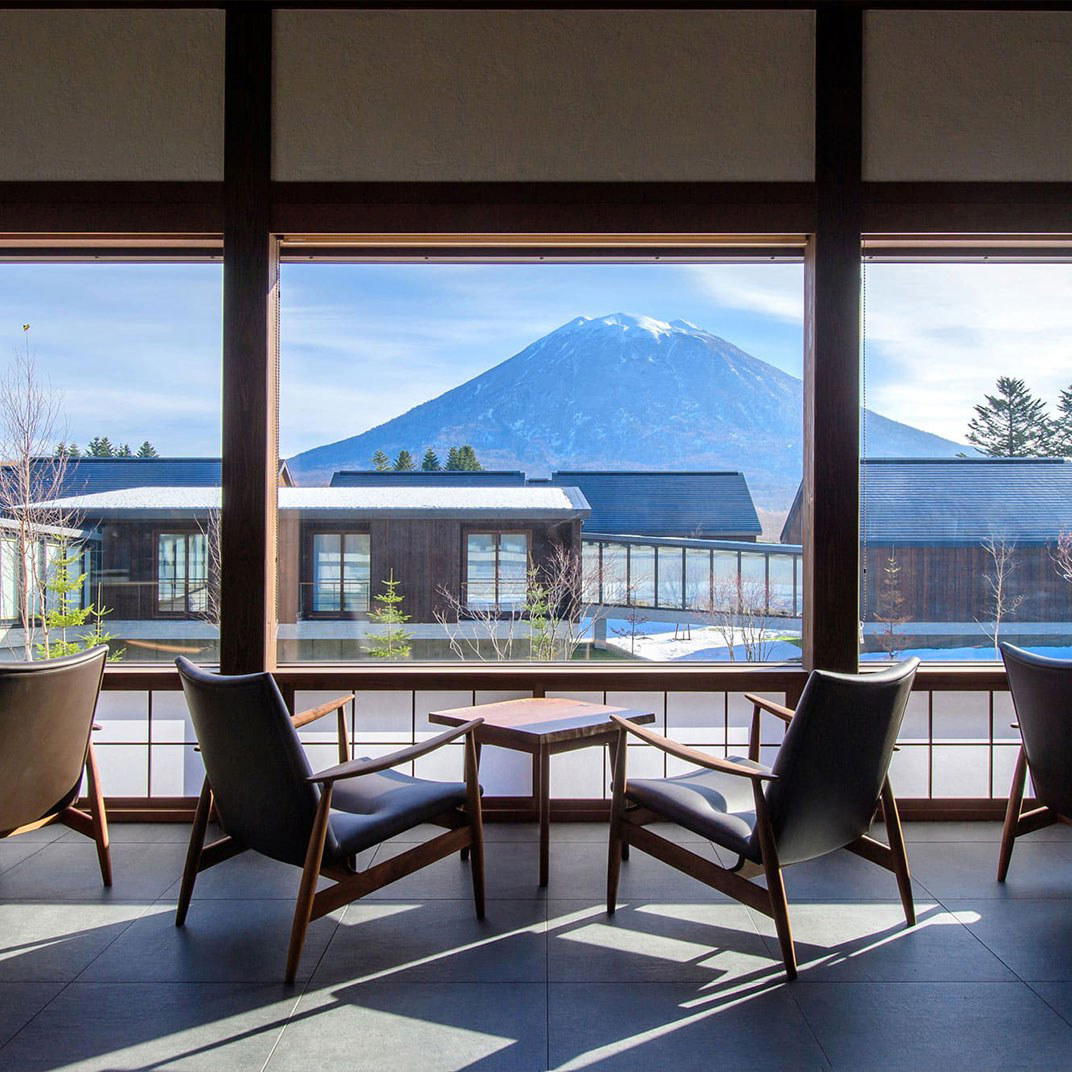
The mountain views that define the property's physical character are available through all seasons. Summer Niseko has developed a following among international visitors who discovered the region through skiing and returned to find a different, quieter version of the same landscape: green valleys, farm-road cycling, and the absence of the winter crowds that now define peak season. For those planning outside the December-to-March window, our full Niseko restaurants guide covers the seasonal dining and activity rhythm across the year.
Planning a Stay: Logistics and Booking
Higashiyama Niseko Village sits at 919-28 Soga, in the Niseko Village precinct of Abuta District, Hokkaido, roughly 90 minutes by road from New Chitose Airport, the main gateway for international arrivals connecting through Tokyo or Osaka. The peak booking window for ski season (mid-December through March) typically fills well in advance, particularly for the weeks around New Year when demand from the Australian and Southeast Asian markets is highest. Guests arriving for the summer or autumn seasons generally face less competition for dates, though the Michelin Key and La Liste recognition have sharpened demand across all periods. As part of Marriott International's portfolio, the property participates in the Bonvoy programme, which gives loyalty members a booking channel with points accumulation and status benefits. For guests comparing within Niseko's top tier, the key differentiators are format and service ratio: Higashiyama's 50 rooms and Reserve-level service model position it closer to a boutique operation than the larger resort footprints nearby.
Across Japan's broader luxury hotel map, the closest analogues in terms of design ambition and dining-forward positioning include Bvlgari Hotel Tokyo, Benesse House in Naoshima, Halekulani Okinawa, and ENOWA Yufu in Yufu, all properties where the physical environment is as much the product as the rooms themselves. For international reference points outside Japan, Aman New York, The Fifth Avenue Hotel in New York City, and Aman Venice occupy a comparable tier in terms of design seriousness and room count discipline. Additional Japan comparisons worth considering: Nishimuraya Honkan in Kinosaki-cho, Sekitei in Hatsukaichi-shi, Jusandi in Ishigaki, Fufu Nikko in Nikko, and ANA InterContinental Beppu Resort & Spa.
Booking and Cost Snapshot
| Venue | Price | Awards |
|---|---|---|
| Higashiyama Niseko Village, a Ritz-Carlton ReserveThis venue — the venue you are viewing | $300–500 | 1 Michelin Key · La Liste Top Hotels |
| Park Hyatt Niseko Hanazono | Not listed | 1 Michelin Key · Star Wine List |
| Muwa Niseko | Not listed | 1 Michelin Key |
| Setsu Niseko | Not listed | 1 Michelin Key |
| Hilton Niseko Village | $200–300 | Not listed |
Recognition history
Dated appearances from independent guides and award organizations, with the underlying list record or original source where available.
Michelin 1 Key
Michelin
La Liste Top Hotels
La Liste
Full recognition history (4 entries)
Michelin 1 Key
Michelin
Michelin 1 Key
Michelin
Continue exploring
More in Niseko
Hotels in Niseko
Browse all →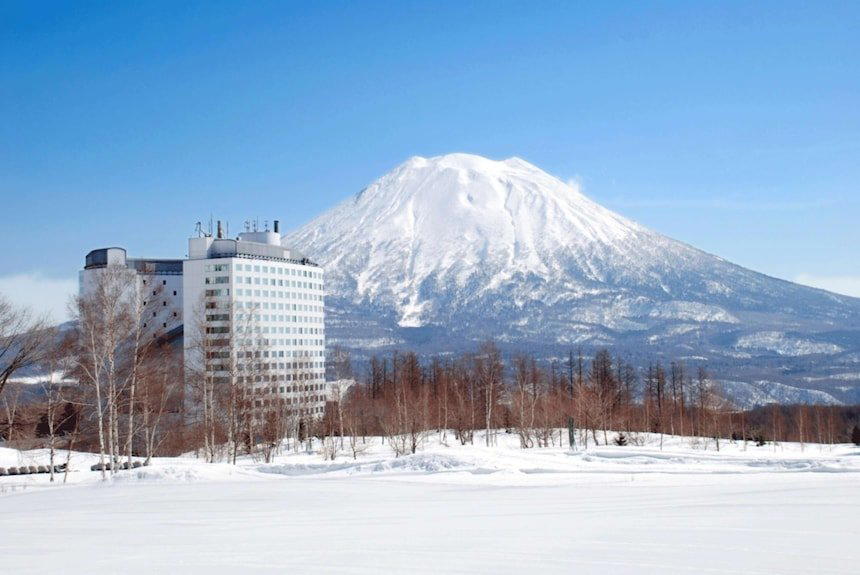
Restaurants in Niseko
Browse all →
Wineries in Niseko
Browse all →
Details
- Sophisticated
- Quiet
- Scenic
- Elegant
- Modern
- Weekend Escape
- Wellness Retreat
- Family Vacation
- Romantic Getaway
- Group Retreat
- Ski In Ski Out
- Destination Spa
- Panoramic View
- Design Destination
- Wi Fi
- Spa
- Fitness Center
- Room Service
- Concierge
- Business Center
- Valet Parking
- Kids Club
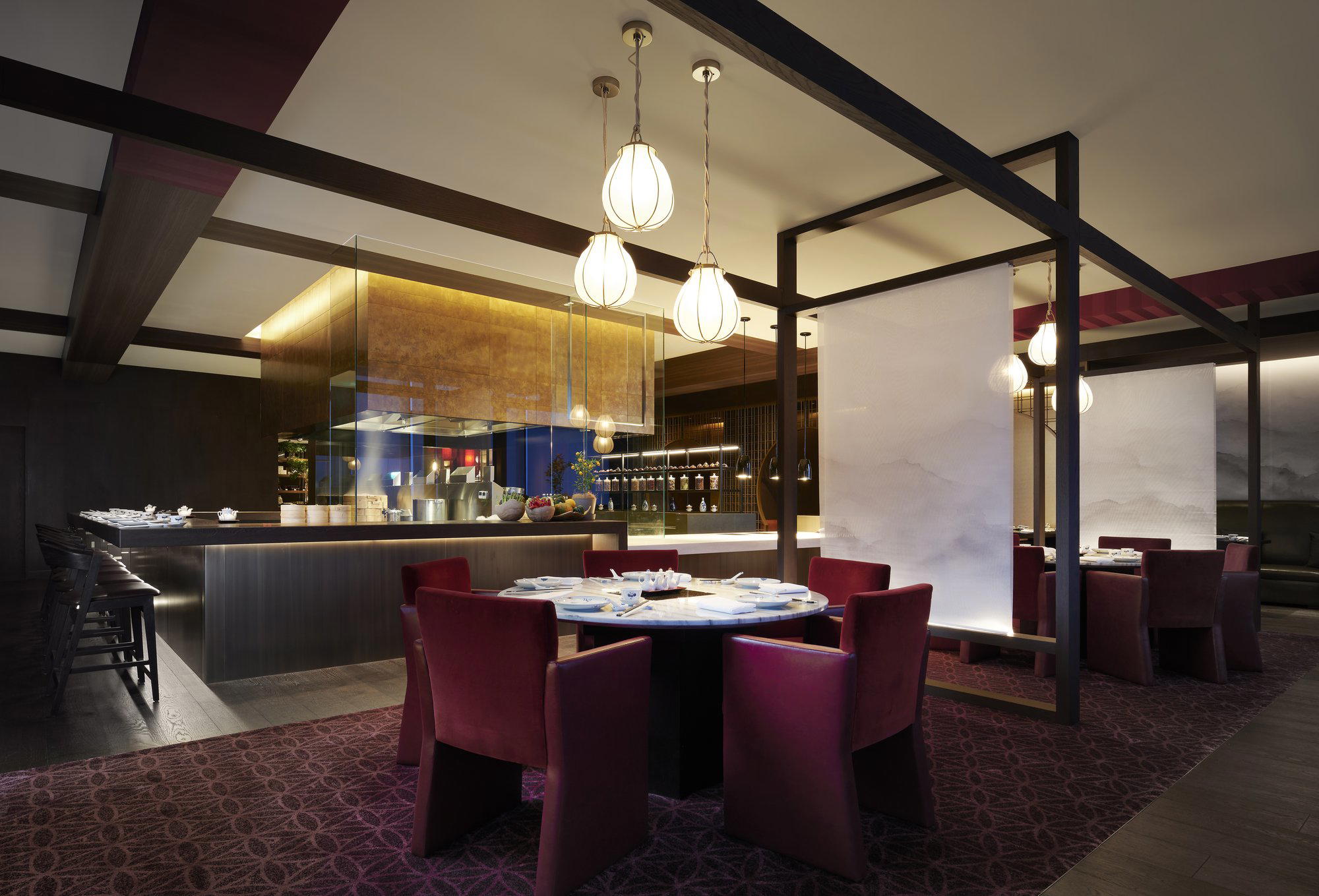
- Restaurant
- Bar
- Mountain
- Wheelchair Accessible
- Elevator
- Accessible Parking
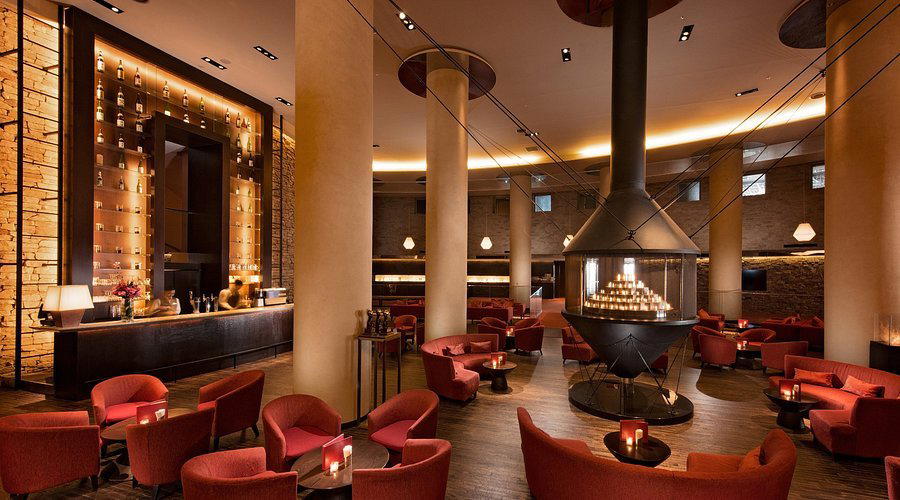
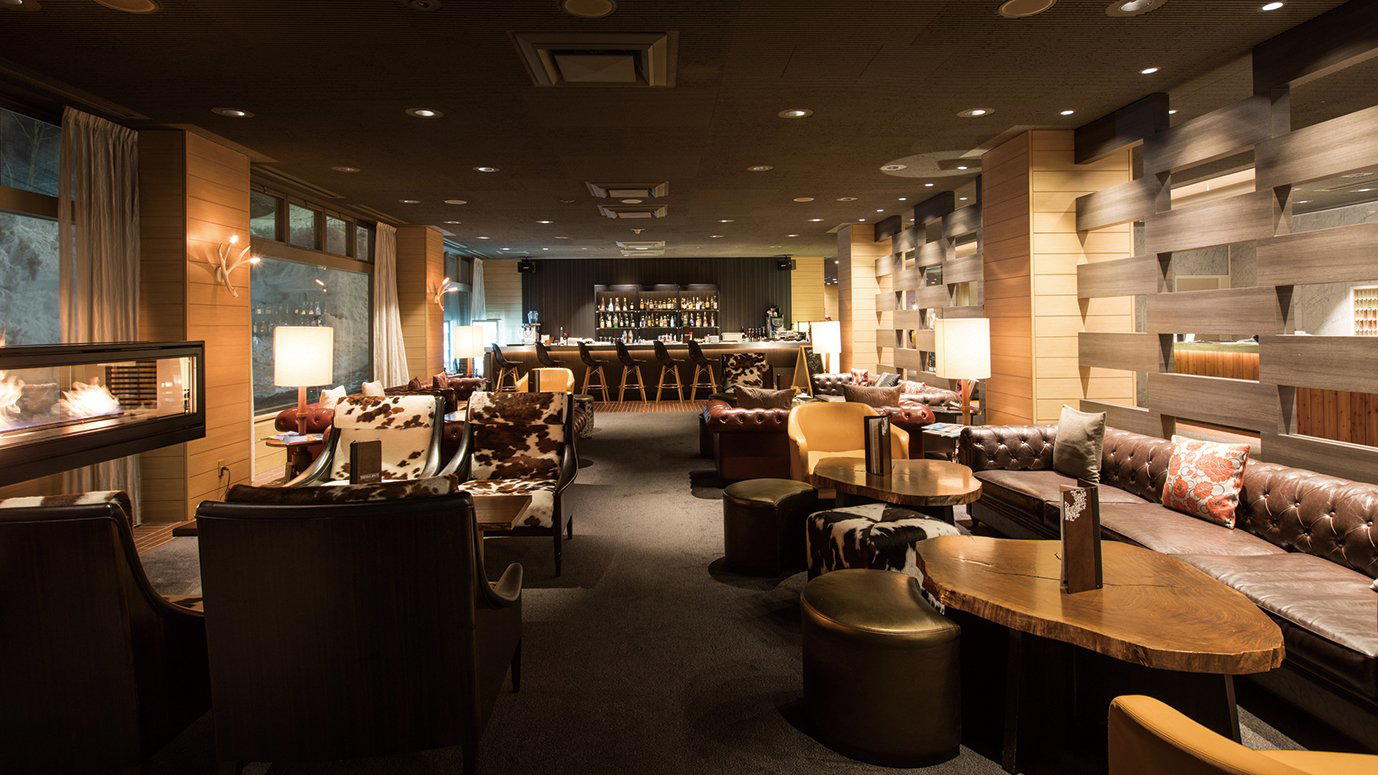
Exclusive, relaxed, and sophisticated, with a quiet alpine atmosphere shaped by classic-contemporary interiors, natural materials, and panoramic mountain views.