
Borgo Pignano Florence is a pre-opening property on Via Bolognese, 89, admitted to Virtuoso's Preview Program, a designation reserved for an extremely limited number of properties projected to rank among the world's leading addresses. Opening 1 September 2026, it sits in Florence's northern corridor, positioning itself against the city's most established luxury hotels before a single guest has checked in.
Pearl is the En Primeur Club membership app — saves, bookings, and concierge access live there. Same editors, same standards.
- Address
- Via Bolognese, 89, 50139 Firenze FI, Italy
- Website
- borgopignano.com
- Directions
- Get directions
 Saves & bookings on Pearl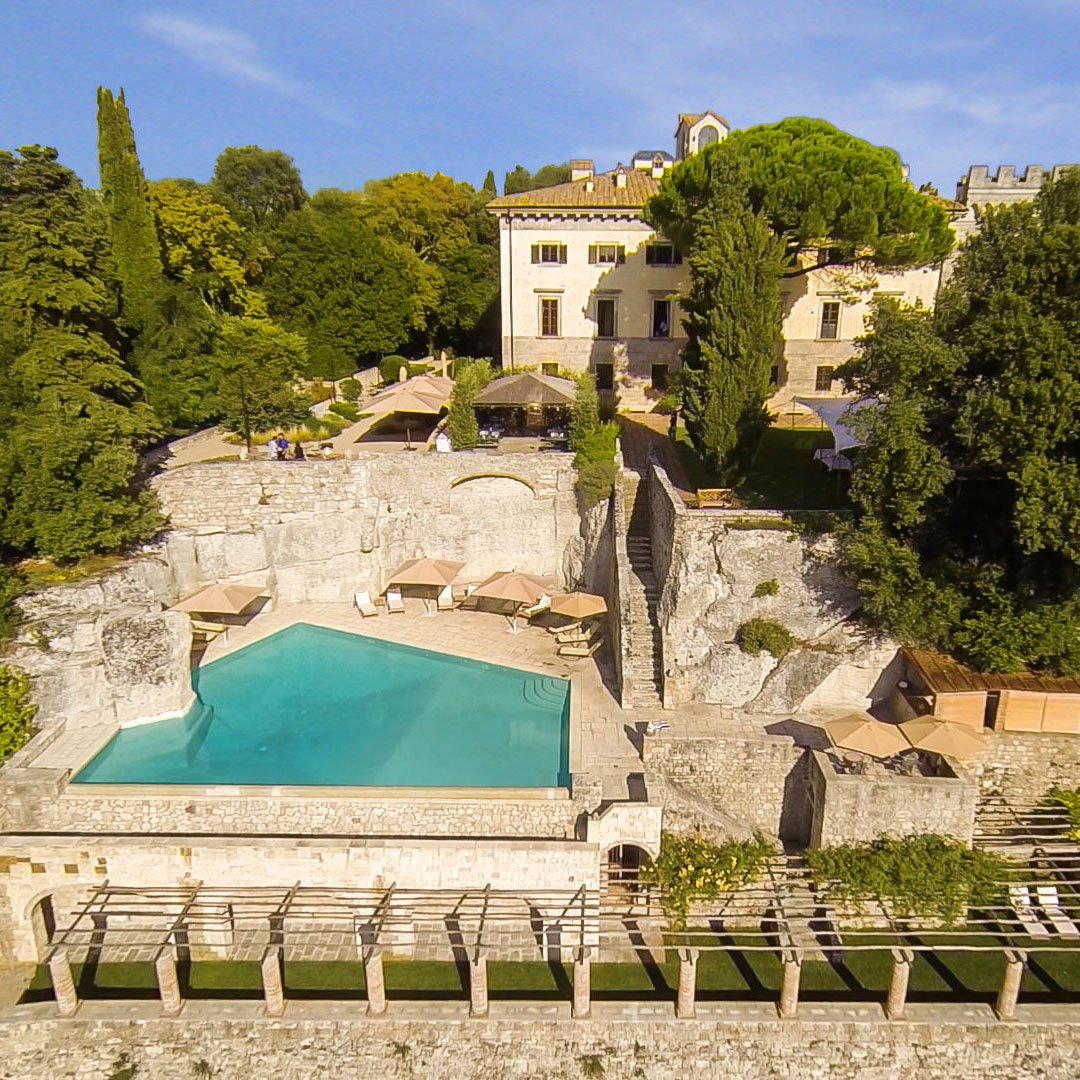
A Property Taking Shape Before Florence Sees It
The northern approach to Florence along Via Bolognese has always carried a different register than the city's historic centre. Where the Arno-side hotels orient guests toward museum queues and medieval stone, the Bolognese corridor climbs toward the Fiesole hills through a sequence of walled estates, private gardens, and ochre-coloured villas that have defined Florentine aristocratic living for centuries. It is in this context that Borgo Pignano Florence is taking shape, a property still pre-opening as of this writing, with an official 1 September 2026 opening listed by Borgo Pignano.
Pre-opening coverage of this kind requires a different kind of editorial discipline. What can be stated with confidence is that the property is positioned within Virtuoso's Preview Program.
What the Via Bolognese Address Implies
Location on this stretch of Florence tells you something about the kind of stay a property is designed to deliver. Hotels in the historic centre, including the Four Seasons Hotel Firenze, which occupies a 15th-century palazzo on Via del Serragli, and the Hotel Lungarno on the Arno riverbank, trade on proximity to the Uffizi, the Duomo, and Ponte Vecchio. Their competitive advantage is essentially geographical: you are in the painting, as it were.
The Bolognese corridor operates on a different logic. Properties here, including established addresses like Villa Cora and Villa La Massa, offer the Florentine experience as a retreat rather than an immersion. The city is close enough to reach with intent, but the property itself becomes the primary environment: gardens, architecture, light in the late afternoon. For guests who know Florence well enough to visit it selectively, rather than comprehensively, this positioning makes considerable sense.
Borgo Pignano Florence, by its name and address, signals alignment with that retreat model. The word borgo in Italian denotes a hamlet or village cluster rather than a single building, which in hospitality terms typically implies distributed accommodation across an estate footprint, a format that has performed strongly across Tuscany for guests seeking privacy and spatial generosity over urban density.
The Italian Borgo Format in Broader Context
Italy's premium hotel market has, over the past decade, split into two increasingly distinct camps. The first centres on historic-city palazzi, where the architecture itself is the primary attraction and luxury is delivered through restoration quality, service intensity, and proximity to cultural assets. Think Palazzo Portinari Salviati Residenza D'Epoca in Florence or Aman Venice, where the building is the proposition.
The second camp is the rural estate model: the converted borgo, abbey, or castello that offers land, silence, and a version of Italian life insulated from tourist-season pressure. Castello di Reschio in Lisciano Niccone, Rosewood Castiglion Del Bosco in Montalcino, and Borgo Egnazia in Savelletri di Fasano each occupy this territory with different regional flavours. Borgo Egnazia, for instance, draws on Apulian vernacular architecture and local food traditions as its defining character. Castiglion Del Bosco integrates a working Brunello estate into its offer. Stronger examples from this format doesn't simply provide a backdrop, it uses the agrarian or architectural heritage of the site as a legible, substantive element of the guest experience.
Borgo Pignano Florence appears to be entering this second camp, but from a position closer to the city than most of its category peers. That proximity to Florence is its differentiating variable: rural-estate atmosphere within reach of one of Europe's great cultural cities, rather than an isolated retreat requiring a full-day commitment to access anything beyond the property itself.
Florence's Hospitality Tier, Where a New Opening Lands
Florence has a well-stratified luxury hotel market. At the apex sit properties with multi-decade track records and significant real estate: the Four Seasons occupies the Palazzo della Gherardesca and its 11-acre private garden. Below that, a cluster of strong mid-luxury options includes Brunelleschi Hotel, Hotel Calimala, and Ad Astra. A smaller niche of design-led or boutique properties fills the space between those poles.
A Virtuoso Preview designation positions Borgo Pignano Florence in the apex conversation from the outset, before the property has accumulated reviews, repeat guests, or operational track record. That is both the ambition and the risk inherent in pre-opening coverage. Italy's newer luxury openings have generally done well when they bring a clear programmatic identity, not just a high construction budget. Casa Maria Luigia in Modena built its identity around food culture. Passalacqua in Moltrasio won the World's Leading Hotel title in 2023 on the back of rigorous service intensity and a singular architectural proposition on Lake Como. The question Borgo Pignano Florence will need to answer on opening is a specific one: what does this property do that the via Bolognese corridor and Florence more broadly cannot replicate elsewhere?
Planning Around a 1 September 2026 Opening
Virtuoso's Preview Program is structured specifically for travel advisors and their clients who want to position themselves ahead of high-demand openings. Member advisors receive pre-opening briefings, on-property contacts, and access to preferred rates and exclusive benefits at launch, a structure designed for guests who plan at the 12-to-18-month horizon rather than booking reactively. For travellers who already know Il San Pietro di Positano, JK Place Capri, or Borgo Santandrea on the Amalfi Coast and are building an Italy itinerary for late 2026 or later, Borgo Pignano Florence belongs in that planning conversation as a northern Tuscany anchor after its 1 September 2026 opening.
Specific room categories, dining formats, pricing, and on-property programming are not yet confirmed. Until then, the address and the Virtuoso Preview designation are the key reference points.
A Lean Comparison
Comparable venues nearby, for context on price, style, and recognition.
| Venue | Price | Notes |
|---|---|---|
| Borgo Pignano Florence - A Virtuoso Preview PropertyThis venue — the venue you are viewing | $$$$ | Not listed |
| Dimora Ghirlandaio | $$$$ | Galluzzo, Historic Tuscan estate with authentic Florentine charm |
| Velona's Jungle Luxury Suites | $$$$ | San Jacopino, Luxurious jungle-themed boutique B&B in a historic building with Art Deco architecture. |
| Il Tornabuoni | $$$$ | Santo Spirito, Luxury Renaissance revival palazzo with contemporary design integration, positioned as Italy's first Hyatt Unbound Collection property. |
| Il Salviatino | $$$$ | Coverciano, Historic 15th-century Renaissance villa blending classic elegance with contemporary design |
| Ville sull'Arno | $$$$ | Gavinana, Historic villa resort with modern renovations |
Recognition history
Dated appearances from independent guides and award organizations, with the underlying list record or original source where available.
Virtuoso Luxury Hotel Partner
Virtuoso
Continue exploring
More in Florence
Hotels in Florence
Browse all →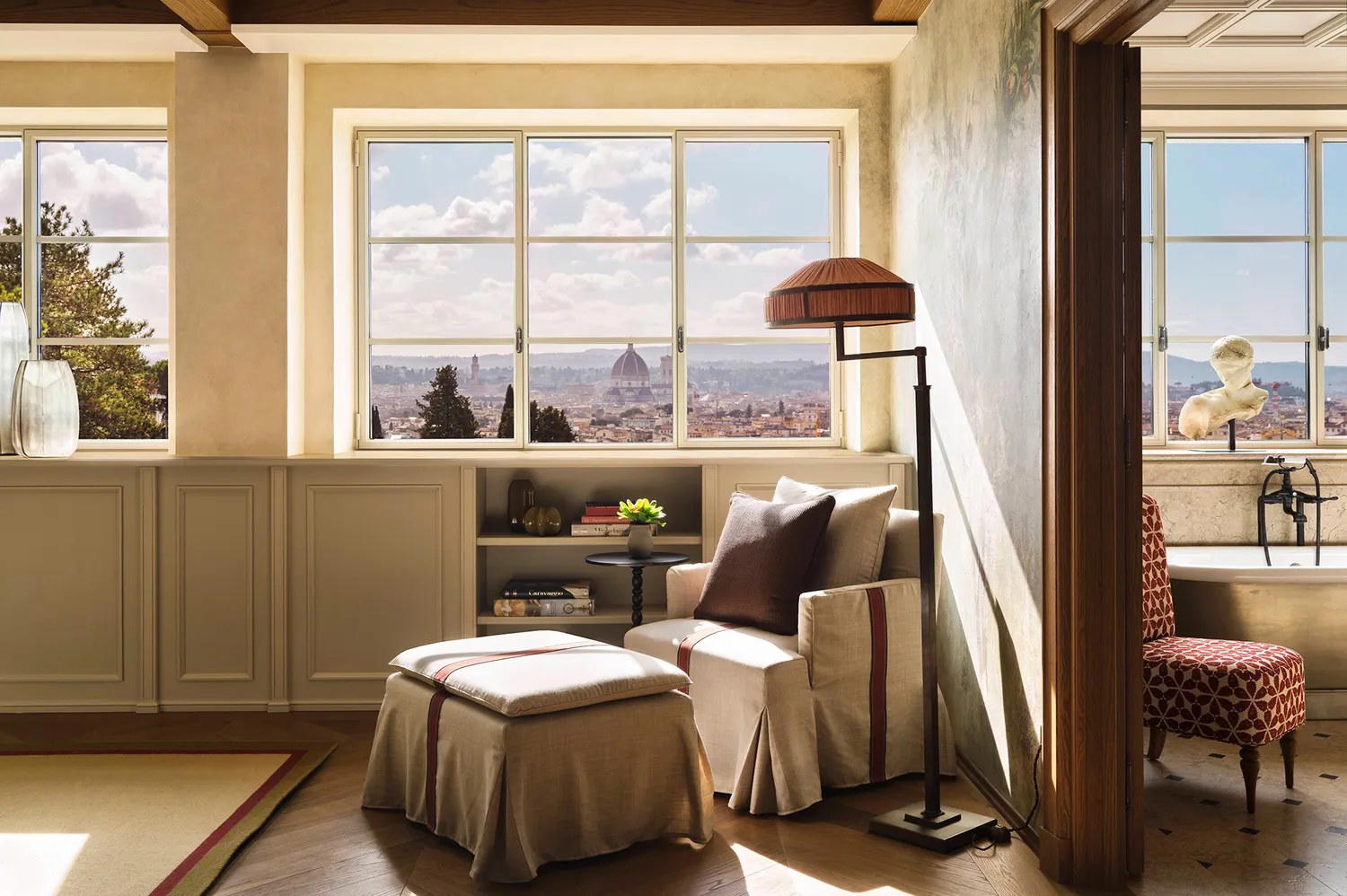
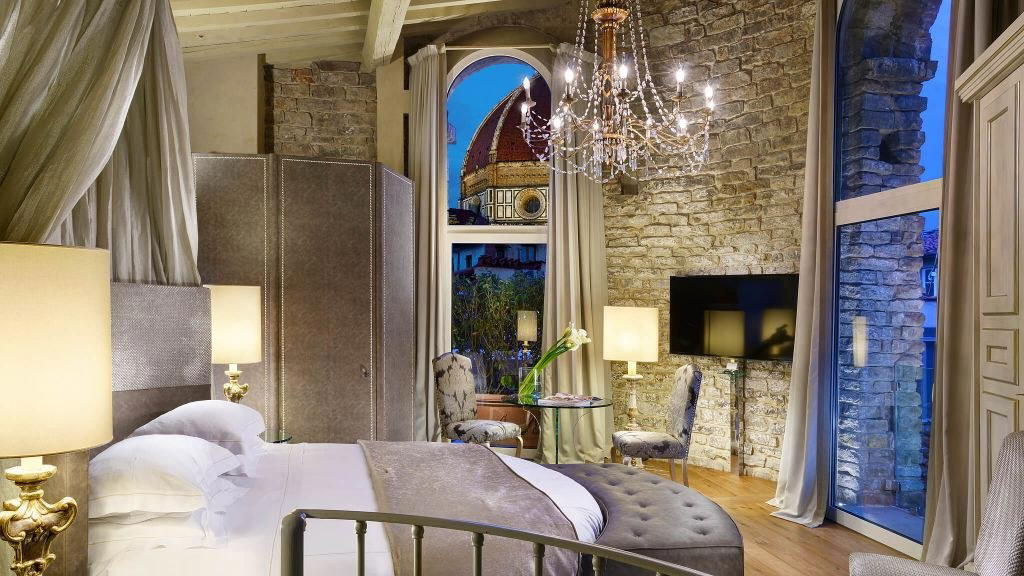
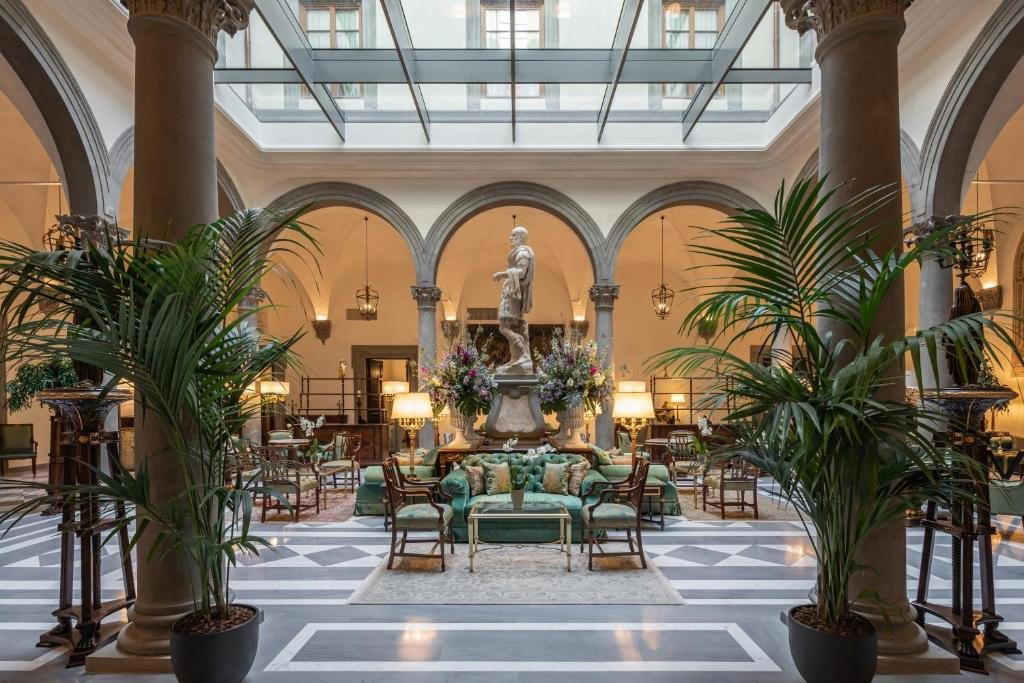
Bars in Florence
Browse all →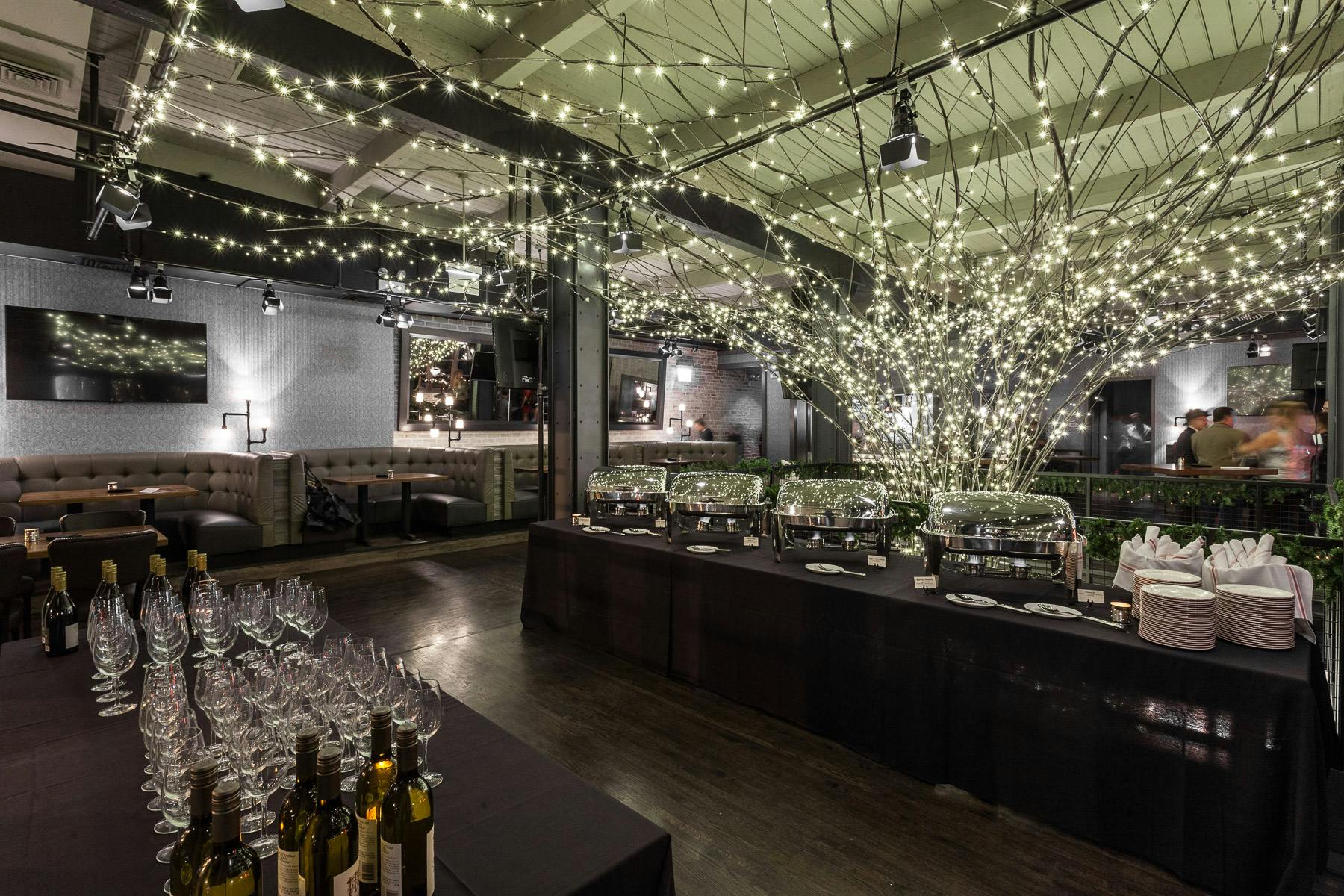
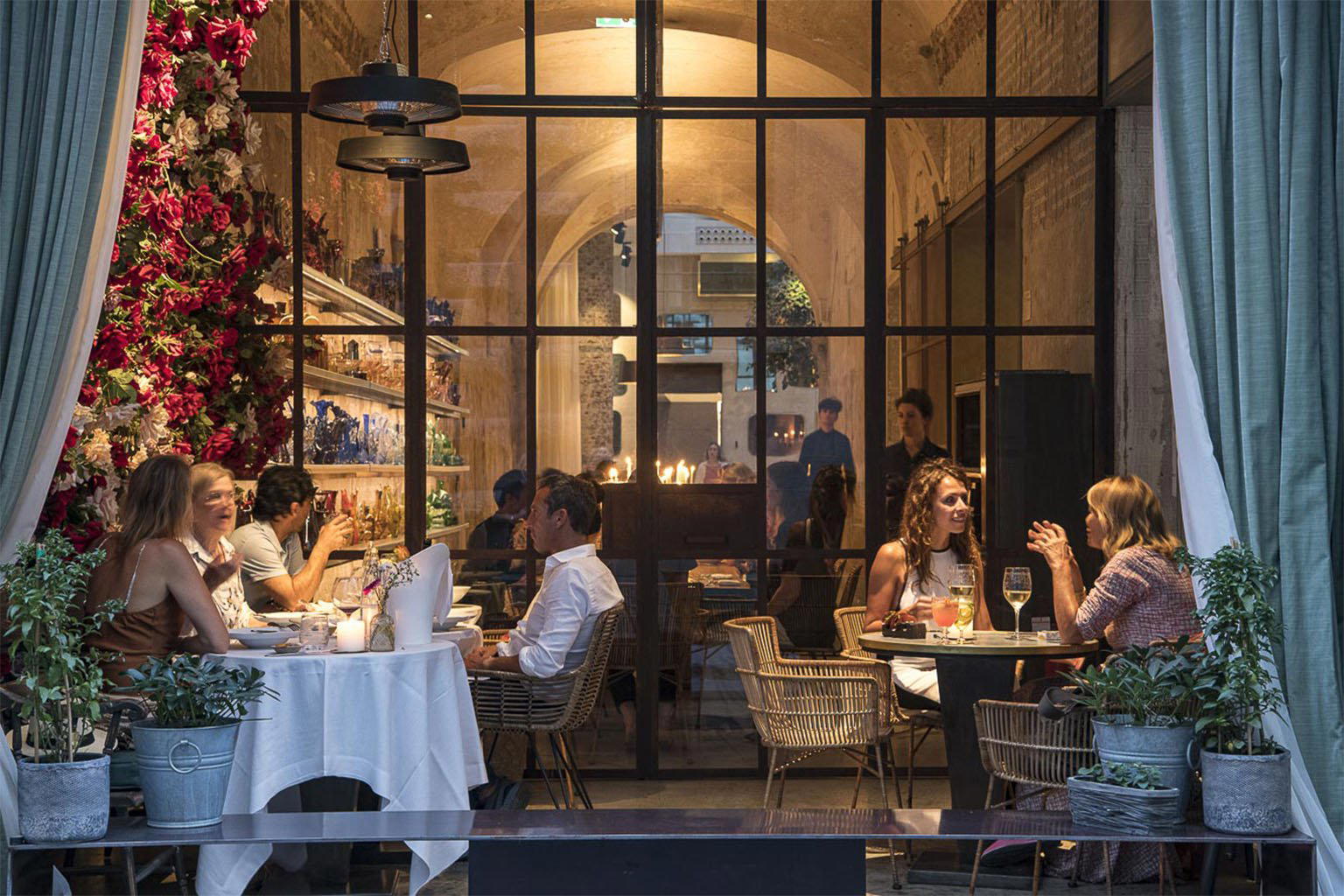
Restaurants in Florence
Browse all →
At a Glance
- Romantic
- Elegant
- Scenic
- Classic
- Sophisticated
- Whimsical
- Honeymoon
- Romantic Getaway
- Wellness Retreat
- Anniversary
- Celebration
- Infinity Pool
- Private Villa
- Destination Spa
- Historic Building
- Panoramic View
- Private Dining
- Garden
- Terrace
- Wi Fi
- Pool
- Spa
- Fitness Center
- Room Service
- Concierge
- Valet Parking
- EV Charging
- Kids Club
- Restaurant
- Bar
- Vineyard
- Garden
- Mountain
- Wi Fi
- Pool
- Spa
- Fitness Center
- Room Service
- Concierge
- Valet Parking
- EV Charging
- Kids Club
- Restaurant
- Bar
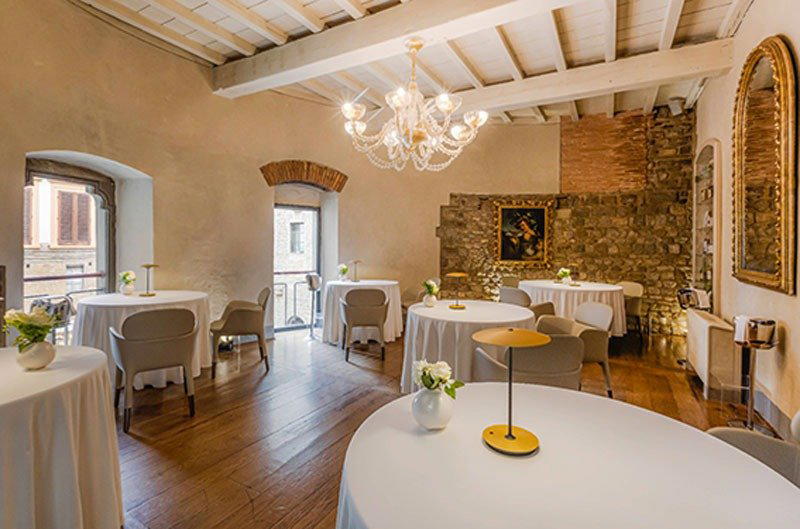
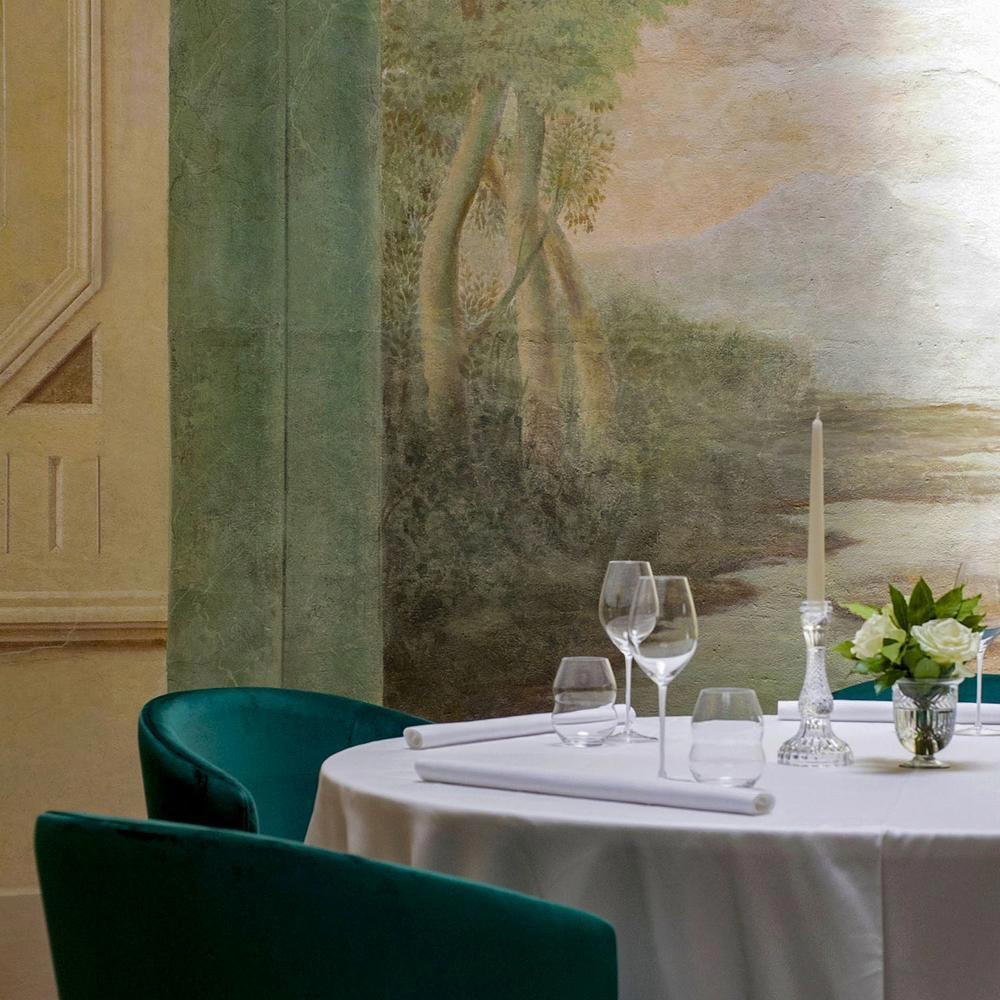
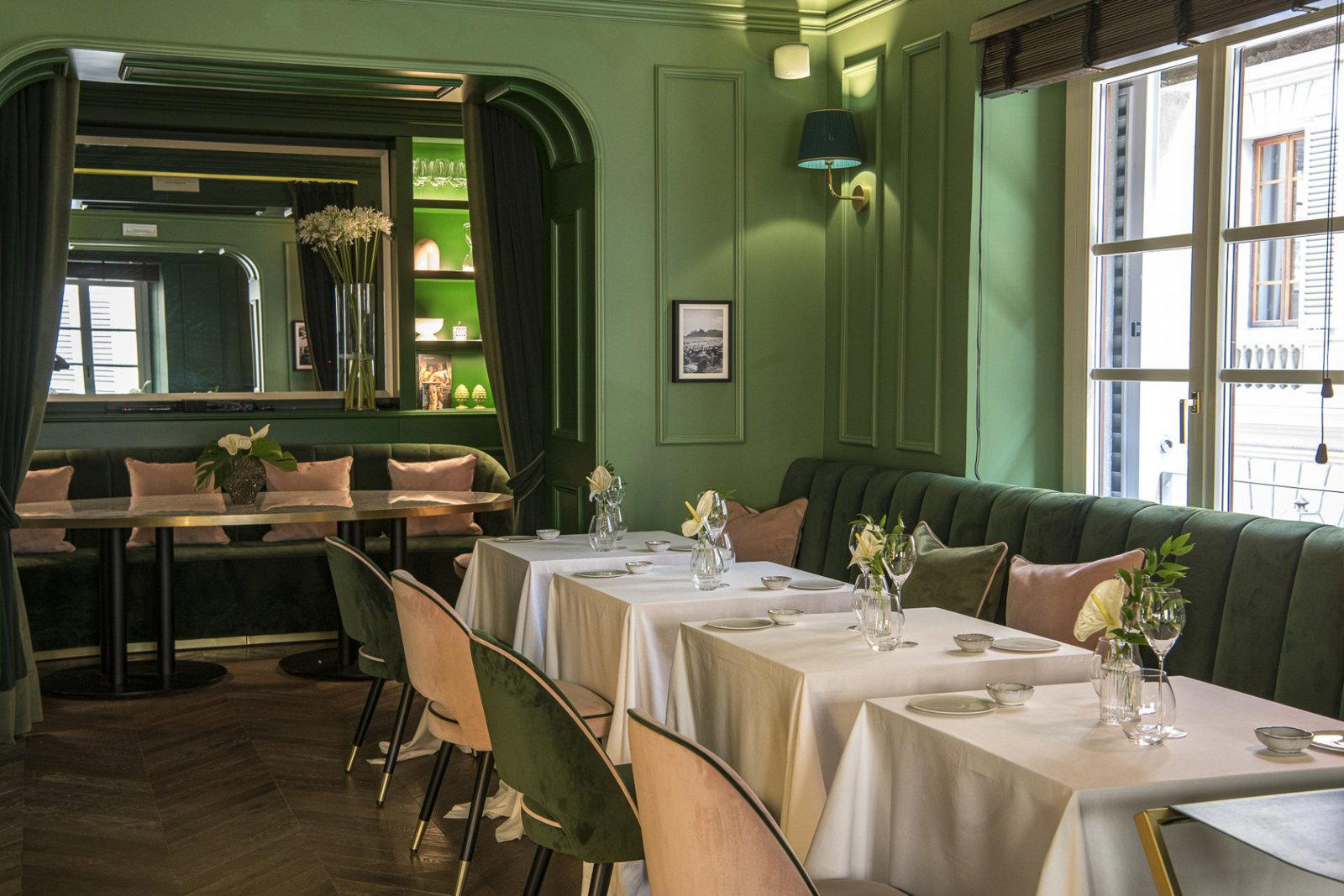
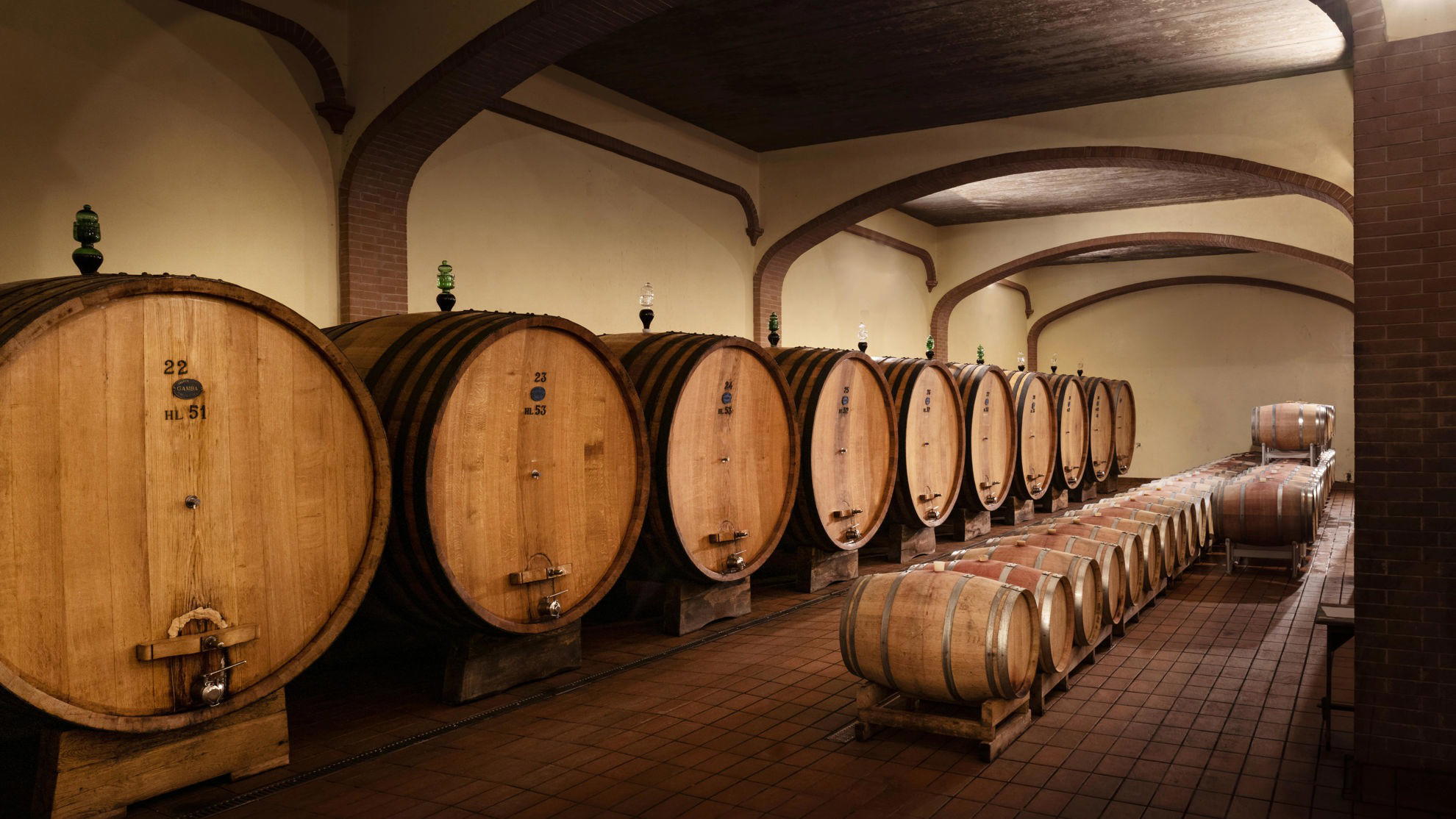
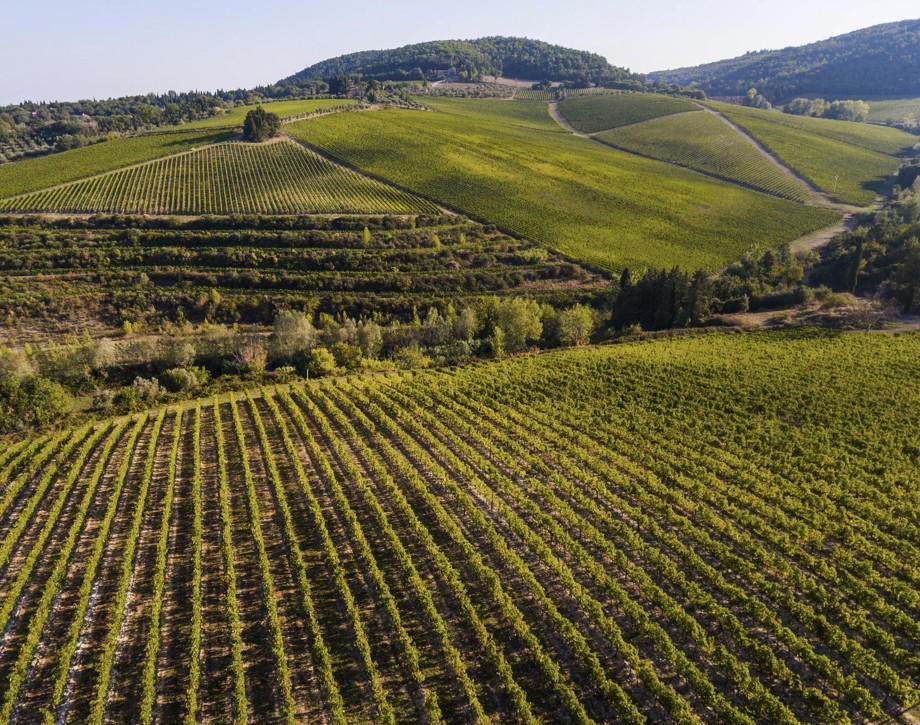
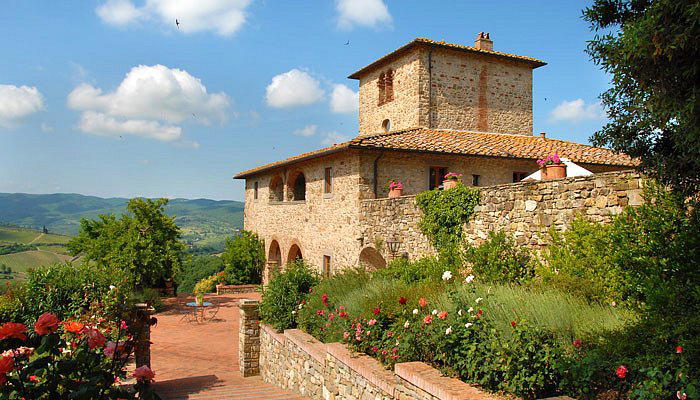
Serene and refined, with Renaissance-era period features, natural light from skylights and expansive windows overlooking Tuscan countryside, candlelit dining, and sunset aperitivo terraces creating an atmosphere of timeless elegance.