Pieve Aldina

Relais Chateaux Award
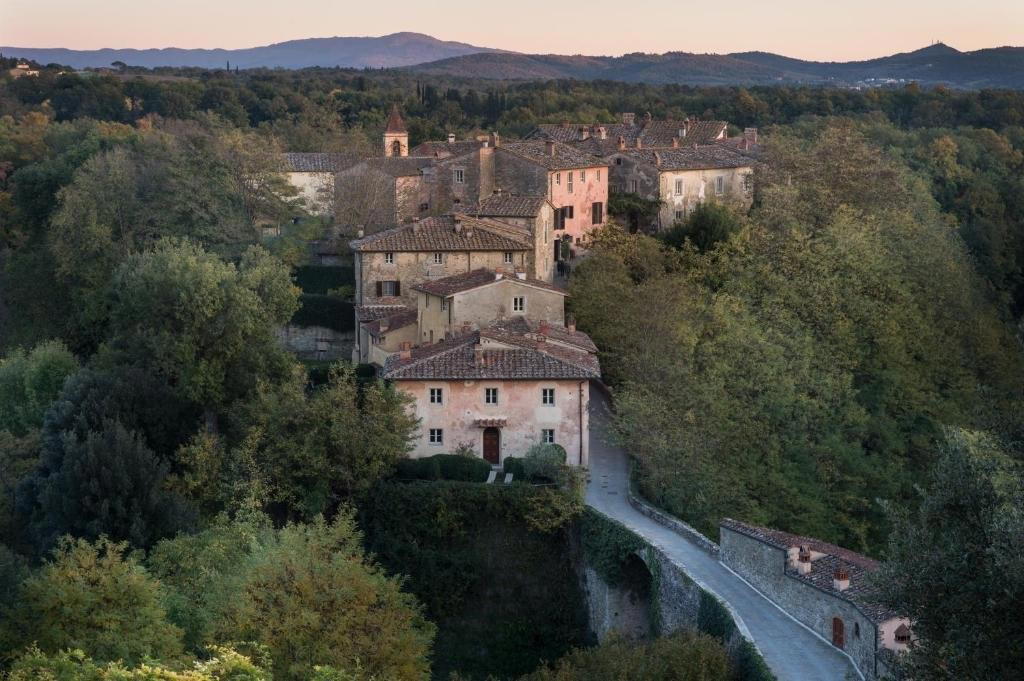
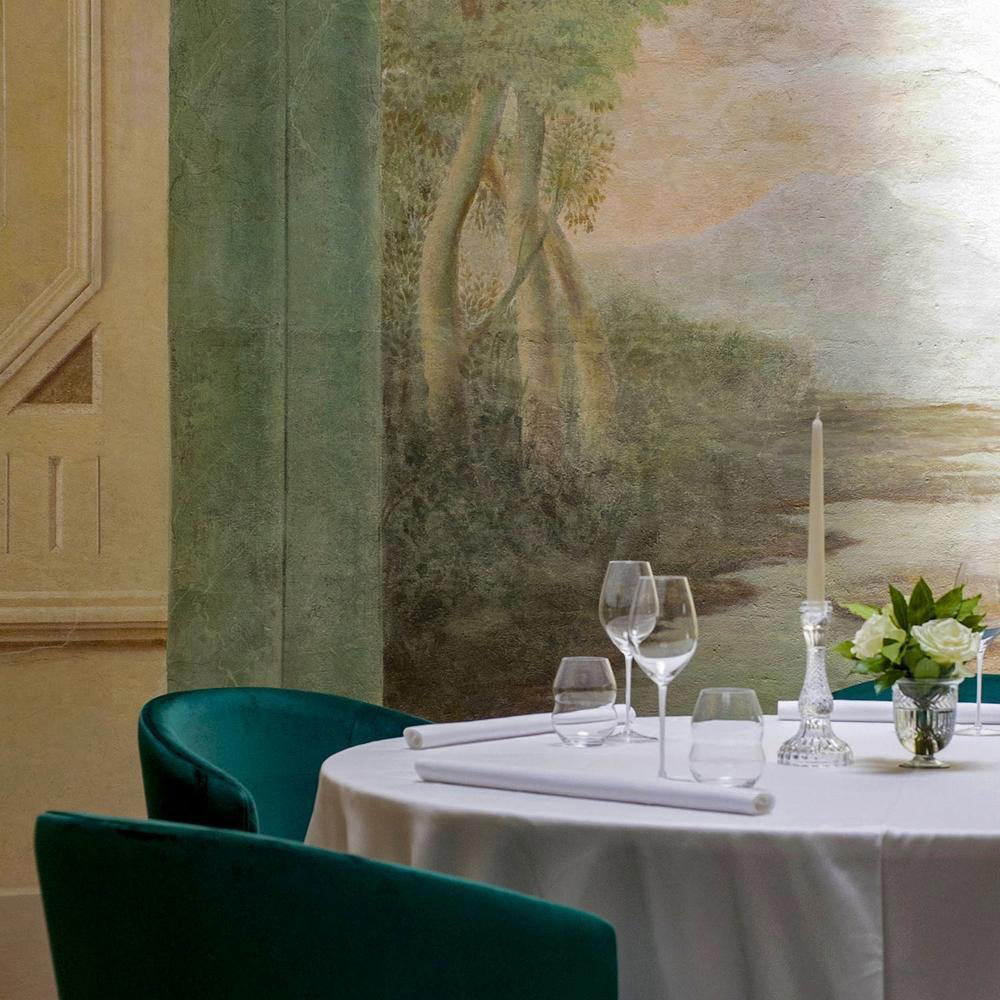
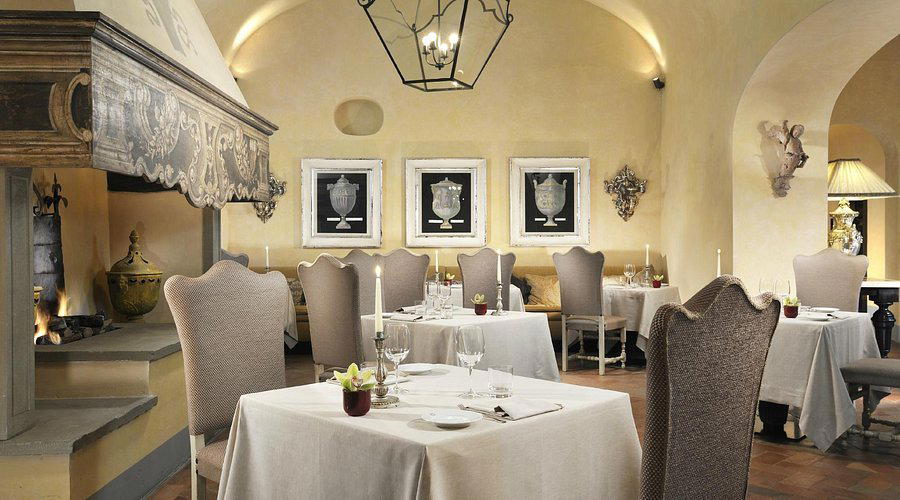
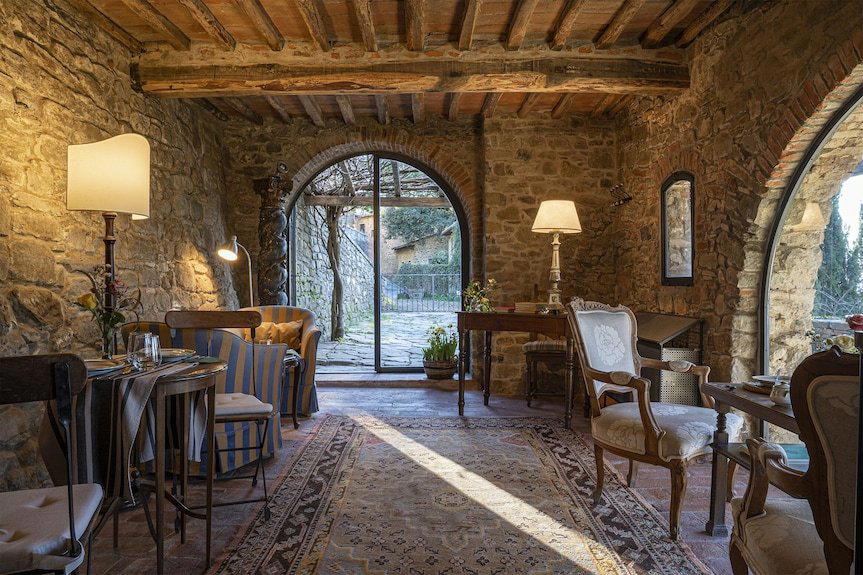
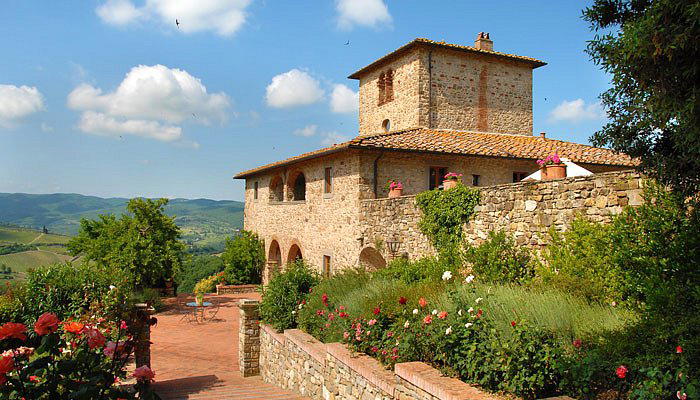
Pieve Aldina reads as Chianti hospitality built from masonry rather than spectacle: a 10th-century former bishops’ summer residence set along the Chiantigiana between Siena and Florence. The draw is architectural continuity, with original terracotta floors, beamed ceilings and archways framing a hotel experience tied closely to wine-country rhythms, terrace dining and slow rural pacing.

Pearl is the En Primeur Club membership app, where members save venues, book tables and use the concierge.
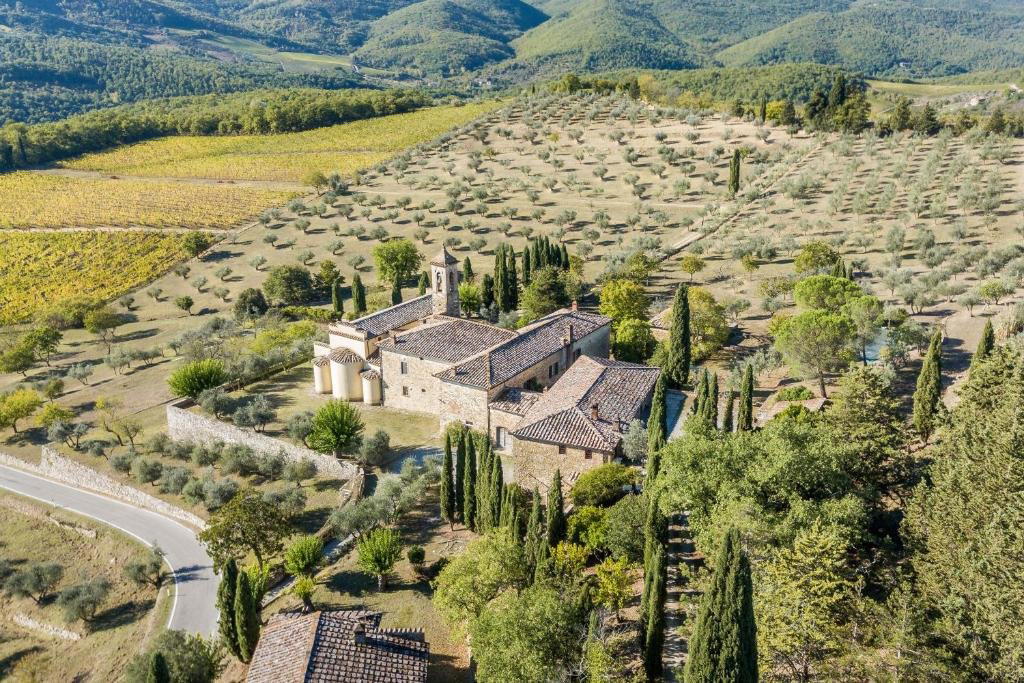
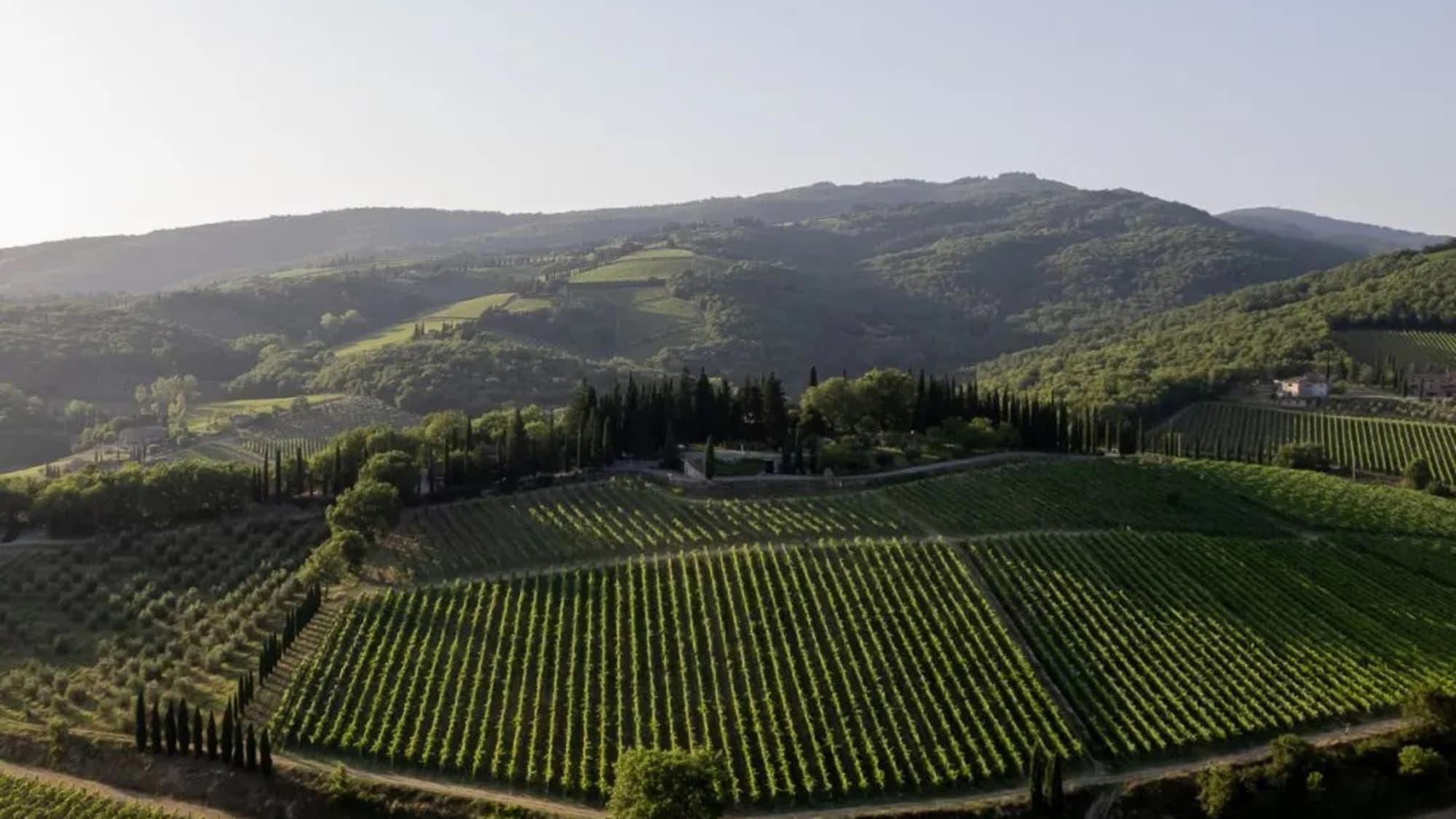
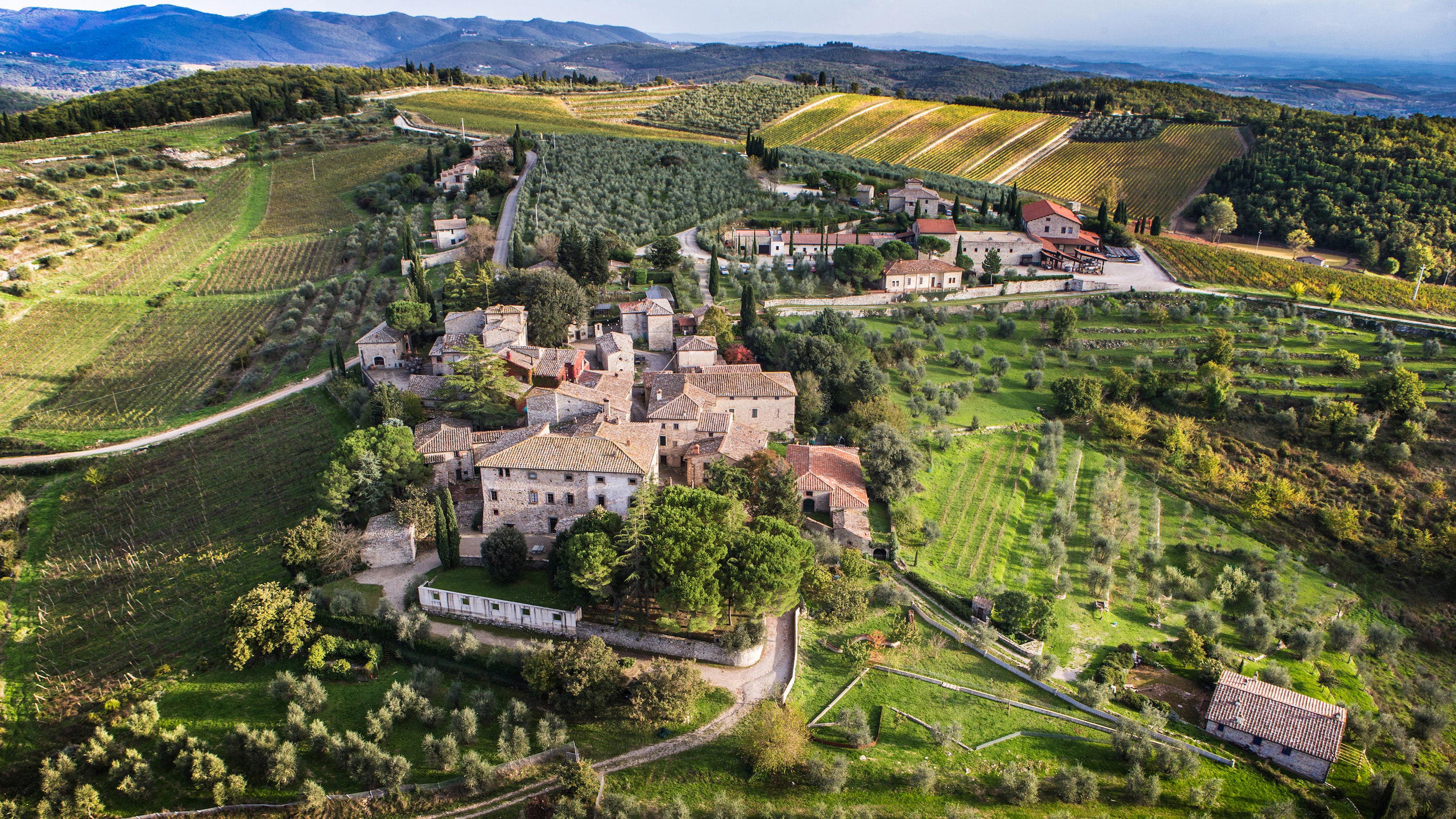
Approaching the Chianti hills, the architecture edits first. Stone walls, terracotta, cypress lines and vineyard geometry set a slower register than resort theatrics, and that restraint matters in Tuscany. Radda in Chianti sits in a wine-country tradition where hospitality is judged less by display than by how convincingly old agricultural and ecclesiastical structures remain legible. Pieve Aldina - Fontenille Collection belongs to that category: a hotel shaped around a 10th-century main building that once served as a summer residence for the bishops of Siena.
Chianti’s stronger hotel addresses often draw from hamlet architecture rather than grand-palace formality, a useful distinction for travellers choosing between a countryside base and a town hotel. Here, the point is not urban convenience or maximal service theatre; it is a stay organized around stone, slope, cellar culture and the road between Siena and Florence. For a wider read on the area’s lodging character, Our full Radda in Chianti hotels guide maps the local field, while Our full Radda in Chianti restaurants guide gives the dining context around the village and surrounding estates.
A 10th-century shell gives the hotel its authority
In contemporary Tuscan hospitality, restoration can slide into stage set. The more convincing properties preserve the grammar of the building: weight in the walls, irregularity in the floor, shade under arches, and the sense that rooms were adapted rather than invented. Pieve Aldina’s strongest credential is architectural rather than numerical. The main structure dates to the 10th century, and original terracotta floors, beamed ceilings and archways remain part of the experience. Those details anchor the hotel in Sienese rural architecture instead of the generic language of international countryside luxury.
That matters because Chianti is full of beautiful views; the harder task is giving a guest a reason to remember the building after the view has done its work. A former ecclesiastical residence carries a different tone from a converted farmhouse or castle hotel, favoring enclosure, cool interiors, shaded transitions and a measured relationship with the valley outside. In design terms, the property earns its place not through novelty, but through the survival of older proportions and materials.
The comparison within Radda is instructive. Relais Borgo Vescine also works in village-scale Chianti hospitality, but the editorial question is which countryside version travellers want: borgo atmosphere, ecclesiastical history, or a base closer to daily village life. Nearby names such as Borgo Vescine, Villa Le Barone and Castello di Spaltenna sit in the same broad conversation around heritage lodging in the Chianti hills, where age, restoration discipline and setting matter more than conventional resort hardware.
Terraces, wine-country pacing and the food culture around Radda
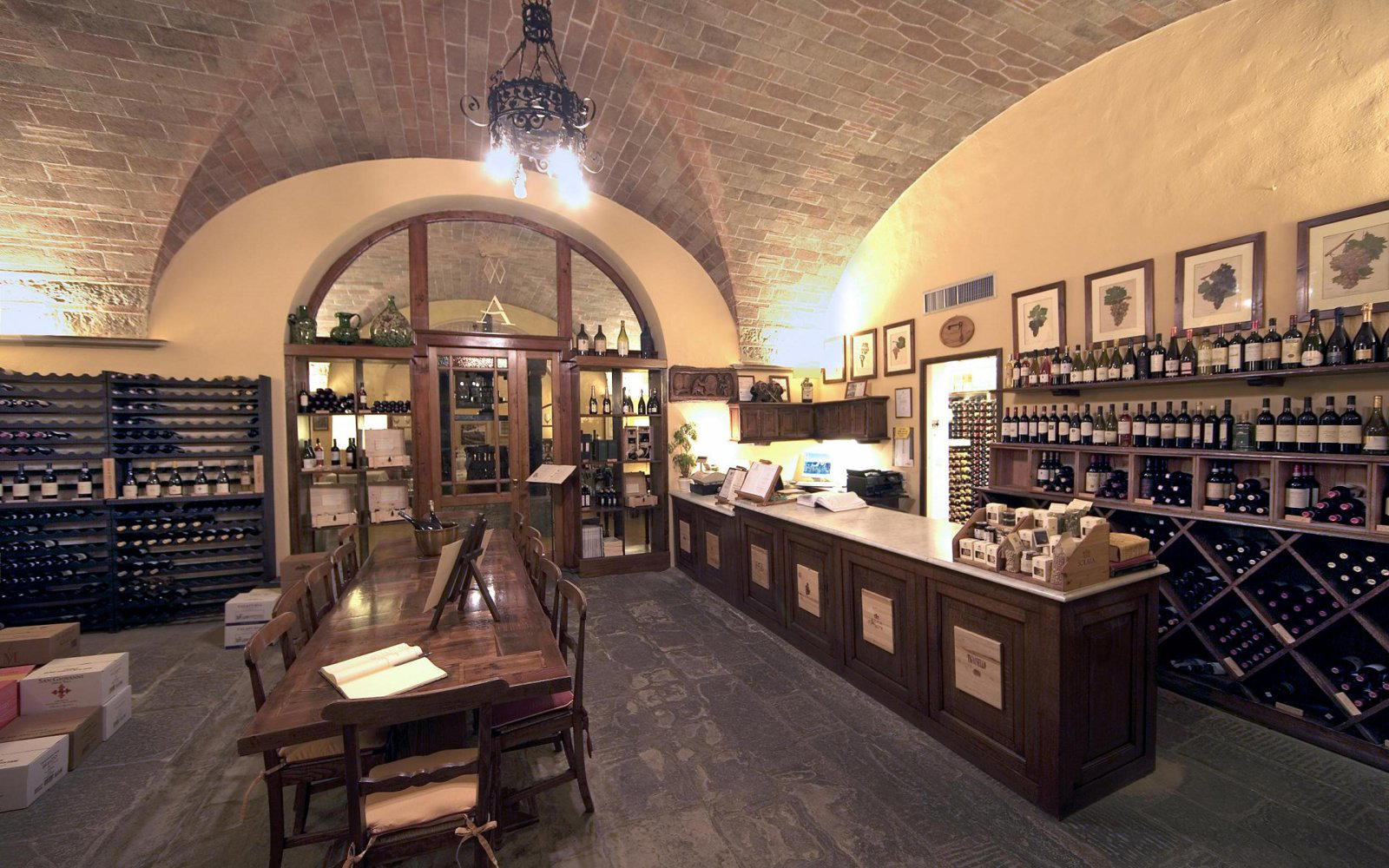
The food story is inseparable from place. Chianti dining is built around oil, wine, grilled meats, beans, bread soups, hand-rolled pasta and strong cellar culture; at hotel level, the better kitchens translate that inheritance without turning every meal into folklore. Pieve Aldina has two restaurants, both with terraces, including an oenoteca. That format suits Radda, where drinking and eating are rarely separate categories. A terrace here is not decorative; it is part of how the region teaches pace, with meals stretched around light, slope and the sound of a working countryside.
Oenoteca element is especially relevant in Chianti because wine routes shape the day. The Chiantigiana, the road linking Siena and Florence, is not just scenic; it is one of Tuscany’s defining corridors for cellar visits, hill towns and long lunches. A hotel on that route functions differently from a destination resort away from the road system. It becomes a base for moving through estates, villages and cooking traditions, then returning to a property whose materials belong to the same visual language.
Radda’s appeal is also scale. It does not behave like Florence, where hotel choice often turns on museum access, shopping streets and evening density, nor like the coast, where beach infrastructure drives the day. The village and its surroundings reward travellers who want a rural itinerary with cultural texture: wine cellars, olive groves, cooking classes, terraces, and drives that make short distances feel deliberately slow. For adjacent planning, Our full Radda in Chianti wineries guide, Our full Radda in Chianti bars guide and Our full Radda in Chianti experiences guide are more useful than a generic Tuscany checklist.
How to place it within Italy's design-hotel spectrum
Italy’s hotel scene is broad enough that “historic” can mean almost anything: an Alpine guesthouse, a Roman townhouse, a Sicilian spa resort, a Sardinian beach property or a restored Umbrian village. The useful distinction is between hotels that use history as surface decoration and hotels where the building determines the stay. Pieve Aldina falls into the second group because the 10th-century structure, original floors and rural Sienese setting define the experience before brand language or amenity lists enter.
That makes it a sharper fit for travellers who read hotels architecturally. For a different register of Italian design, compare the urban-cultural mood of 10 Corso Como Café in Milan, the northern historic scale of 1477 Reichhalter in Lana, the Roman townhouse format of 1880 Atypical Rooms in Rome, or the city-hotel energy of 25hours Hotel Piazza San Paolino in Florence. Coastal and resort references such as 7Pines Resort Sardinia in Baja Sardinia, Abi d'Oru Beach Hotel & Spa in Porto Rotondo and Abi d'Oru Beach Hotel&Spa in Costa Smeralda serve a different holiday logic.
Within that national spread, the Chianti address is for travellers who want the building, the road and the food culture to speak the same dialect. A massage and valley-facing pool add expected rural-hotel comforts, but the main draw remains the older structure and its relationship to surrounding vines, olive trees and cypress. Choose it for an architectural Tuscan base near Radda, not for urban density or resort spectacle.
Side-by-Side Snapshot
Comparable venues by cuisine and price in the same metro.
| Venue | Cuisine | Price | Awards | Notes |
|---|---|---|---|---|
| Pieve AldinaThis venue (the venue you are viewing) | Intimate countryside Relais & Châteaux retreat in a historic Chianti estate with its own church, gardens and vineyards. | $500–750 | Relais Chateaux Award | Not listed |
| Relais Borgo Vescine | Historic Tuscan borgo relais with restored rustic charm and modern luxury. | $100–200 | Michelin Selected · Star Wine List | Radda in Chianti |
| Pieve Aldina - Fontenille Collection | Contemporary renovation of a historic 12th-century episcopal complex blending antique architecture with modern design sensibility. | Not listed | Michelin Selected | Radda in Chianti |
| Maritim Resort Calabria | Large contemporary all‑inclusive beach resort operated by an international chain, designed for leisure stays with extensive activities and facilities. | $100–200 | Not listed | Villapiana / Villapiana Lido |
| Villa Tolomei Hotel & Resort | Restored Renaissance villa in 17-hectare park with vineyards and olive groves | $200–300 | Michelin Selected | Olivuzzo |
| Tivoli Palazzo Gaddi | Historic palace blending Renaissance heritage with modern luxury | Not listed | Michelin Selected | Centro Storico |
Recognition history
Dated appearances from independent guides and award organizations, with the underlying list record or original source where available.
Relais Chateaux Award
Relais Chateaux
Continue exploring
More in Radda in Chianti
Hotels in Radda in Chianti
All hotels in Radda in Chianti →
Bars in Radda in Chianti
Browse all →
Restaurants in Radda in Chianti
All restaurants in Radda in Chianti →
Details
- Romantic
- Scenic
- Elegant
- Rustic
- Intimate
- Classic
- Honeymoon
- Romantic Getaway
- Wellness Retreat
- Anniversary
- Weekend Escape
- Destination Wedding
- Infinity Pool
- Destination Spa
- Garden
- Terrace
- Historic Building
- Design Destination
- Panoramic View
- Private Dining
- Wi Fi
- Pool
- Spa
- Room Service
- Concierge
- Garden
- Vineyard
- Mountain
- Wheelchair Accessible
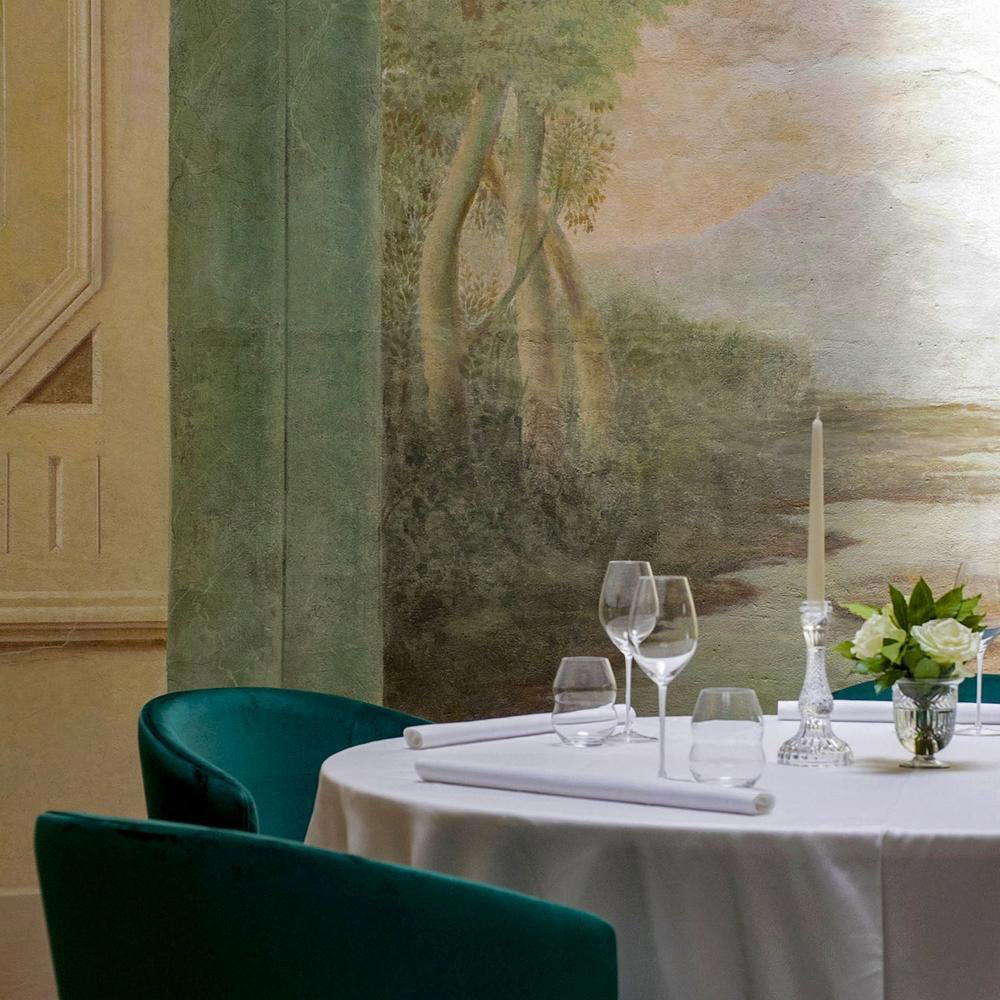
Tranquil and romantic countryside retreat with soft natural light, rustic stone architecture, terracotta floors and exposed beams, blended with minimalist contemporary design and candlelit indoor-outdoor dining overlooking vineyards and olive groves.