
50 Top Pizza Italia #18
Our verdict
Ranked 21st on the 50 Top Pizza Italia 2025 list, La Fenice brings a considered, modern approach to pizza in Pistoia, Tuscany. Chef Manuel Maiorano works with a wood-fired oven and 36–48 hour dough fermentation, producing a menu that spans classic Margherita to inventive sushi-style preparations and steamed dough experiments. The result is one of central Tuscany's more serious pizzeria addresses.

Pearl is the En Primeur Club membership app, where members save venues, book tables and use the concierge.
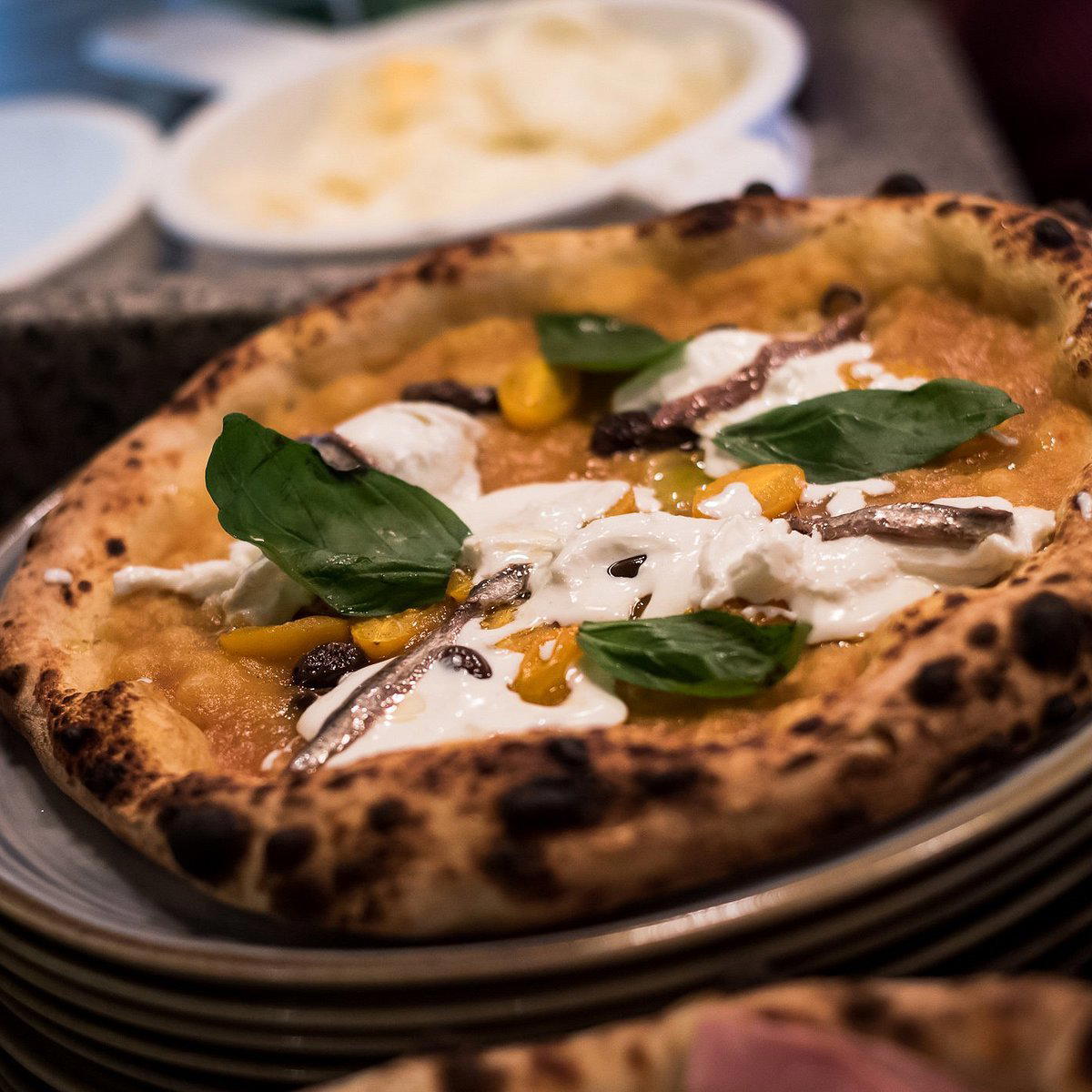
The menu
What to order
- Maiò pizza
- Special Guest pizza
- Visione di Marinara
- Uramaki Fusion pizza (Rosso di Sera, Marco Polo, Radici, Ebi)
- Spicchi d’Aria
- Pesca di Prato dessert pizza
A Different Kind of Pizza Town
Pistoia sits in the shadow of Florence, roughly 35 kilometres to the southeast, and has spent decades being passed over by travellers in favour of its more famous neighbour. That relative obscurity has created space for a particular kind of local ambition: restaurants and pizzerias that answer to Pistoiese regulars rather than tourist cycles, and where craft tends to develop on its own terms. La Fenice, on Via Dalmazia, belongs to that pattern. It is not trying to compete with the Florentine fine-dining tier, the Michelin-starred rooms of Enoteca Pinchiorri in Florence or the progressive kitchens of Enrico Bartolini in Milan occupy a different register entirely. La Fenice is a pizzeria, and it operates with the focused discipline that classification demands.
The physical approach to the restaurant signals what is inside: a calm, modern room without the theatrical excess that occasionally attaches itself to ambitious pizza addresses. The wood-fired oven is the dominant feature, as it should be, and the aroma of charred flour and rendered fat reaches the dining room before the menu does. Service is attentive without being intrusive, several accounts from regulars note the composure of the front-of-house, the sense that pace is managed deliberately rather than reactively. This is a room where the kitchen sets the rhythm.
The Architecture of the Dough
Contemporary Italian pizza has fractured into several distinct schools over the past decade. The Neapolitan tradition remains the dominant reference point, but a second tier of pizzerias has emerged across the peninsula that uses the Neapolitan base as a starting position rather than a fixed destination. These kitchens typically extend fermentation times, experiment with flour blends, and push toppings beyond the canonical set, not as provocation but as a logical consequence of treating dough as a living, variable material. La Fenice operates in that second tier.
Chef Manuel Maiorano rests his dough for between 36 and 48 hours. That window matters structurally: extended fermentation produces a more open crumb, reduces residual starch density, and creates the kind of digestibility that distinguishes a well-made base from a filling one. The result is described consistently as light, airy, and carrying the faint sourness that comes from time rather than from chemical shortcuts. This is the technical foundation on which everything else at La Fenice is built. For context on what long-fermentation discipline looks like at the highest levels of Italian craft dining, the commitment to process at restaurants like Osteria Francescana in Modena or Reale in Castel di Sangro runs on a parallel logic, rigour applied at the foundational stage, before any topping or garnish arrives.
Where the Menu Takes Risks
A ranking of 21st on the 50 Leading Pizza Italia 2025 list is a verifiable credential that places La Fenice inside the national conversation about where Italian pizza is headed. That list encompasses the full range of Italian pizza culture, from Neapolitan institutions to avant-garde addresses, and a position in the top 25 signals peer recognition across a competitive and regionally diverse field.
What earns La Fenice its position in that ranking is partly the dough programme, but also the menu's willingness to operate at range. The classic Margherita is present, and in a serious pizzeria it is always the most revealing dish, since there is nowhere to hide, but Maiorano also deploys sushi-style pizza constructions and steamed dough formats that reframe the base material entirely. These are not gimmicks added to attract attention. They reflect a chef engaging with pizza as a category that still has unresolved questions, rather than one that arrived fully formed. The raw material selection that underpins these experiments, tomatoes, mozzarella, anchovies, aromatic herbs, is described as careful and deliberate, which at the price of entry to a regional Tuscan pizzeria suggests a sourcing discipline that goes beyond convenience.
The Neapolitan appetizer section deserves mention separately. Fritti, small starters, and the ritual pre-pizza sequence of traditional Neapolitan hospitality appear at La Fenice, which positions the meal as a structured progression rather than a single-dish transaction. This is consistent with how the most thoughtful contemporary pizzerias approach the dining arc, closer in format logic to the tasting-menu restaurants like Le Calandre in Rubano or Piazza Duomo in Alba than to a takeaway counter, even if the register is entirely different.
Maiorano in Context
The editorial angle that frames a chef through evolution rather than biography asks what the food tells us about where the cook has been. At La Fenice, the evidence points toward a kitchen that has absorbed the Neapolitan tradition rigorously enough to depart from it without losing the thread. The sushi-format experiments suggest exposure to Japanese food culture, an influence that has circulated through Italian gastronomy with increasing frequency since the mid-2010s, visible in everything from the raw fish counters of Milanese restaurants to the Japanese-Italian crossovers appearing at addresses like Atomix in New York City. At La Fenice, that influence surfaces not as fusion for its own sake but as a set of techniques applied to a medium, pizza dough, that responds well to the precision and restraint those techniques demand.
This is not a kitchen trying to be something other than a pizzeria. It is a kitchen that has taken the pizzeria format seriously enough to ask what it can carry. That distinction matters when evaluating where La Fenice sits relative to Italy's broader gastronomic conversation, a conversation that now includes addresses like Dal Pescatore in Runate, Atelier Moessmer Norbert Niederkofler in Brunico, Quattro Passi in Marina del Cantone, Uliassi in Senigallia, and Casa Perbellini 12 Apostoli in Verona at the Michelin end, and where craft pizzerias ranked in national lists now constitute a serious middle tier of their own.
Planning a Visit
La Fenice is located at Via Dalmazia, 73, in Pistoia, a city well connected by rail to Florence (roughly 45 minutes on regional services) and accessible by road from the A11 autostrada. Pistoia's city centre is compact and walkable, and the restaurant sits within reach of the historic core. Given the 50 Leading Pizza Italia ranking and the modest scale typical of ambitious independent pizzerias, booking ahead is advisable, particularly on weekends and during the summer months when Pistoia draws more visitors. For a broader picture of where to eat, drink, and stay in the city, see our full Pistoia restaurants guide, our full Pistoia hotels guide, our full Pistoia bars guide, our full Pistoia wineries guide, and our full Pistoia experiences guide. For reference on globally recognised technique-driven dining, Le Bernardin in New York City represents the kind of process-led rigour that serious kitchens at every price point aspire toward.
Frequently asked questions
Is La Fenice child-friendly?
A pizzeria format in Pistoia, without a confirmed fine-dining structure, is a practical setting for families. The menu centres on pizza with a wood-fired oven as its anchor, which tends to translate well across age groups, and the service is noted for making each guest feel welcomed. The more experimental preparations, sushi-style pizza and steamed dough, sit alongside accessible classics like the Margherita.
Is La Fenice formal or casual?
La Fenice operates as a modern, confident pizzeria: no tasting-menu structure, no documented dress code, and a service style described consistently as attentive and composed rather than ceremonial. A ranking of 21st nationally on 50 Top Pizza Italia 2025 brings serious culinary intent, but the format remains accessible. Dress appropriately for a quality Italian restaurant without treating it as a special-occasion dining room.
Is La Fenice Michelin-listed?
La Fenice has received recognition including: La Fenice is a confident, modern pizzeria in Pistoia, Tuscany, known for its contemporary Italian and fusion pizzas. Chef Manuel Maiorano uses a wood-fired oven and dough rested 36–48 hours. The menu features classic Margherita alongside in….
What do regulars order at La Fenice?
The dough is the clearest argument for La Fenice's 21st-place ranking on 50 Top Pizza Italia 2025, so any order that foregrounds it, whether a classic Margherita or one of the more inventive fusion preparations, is a logical starting point. The kitchen is also documented for Neapolitan-style appetisers, which are worth ordering ahead of the pizza. The sushi-style pizza and steamed dough experiments signal where Chef Manuel Maiorano is pushing the format furthest.
Where is La Fenice located?
La Fenice is located at Via Dalmazia, 73, 51100 Pistoia PT, Italy, Pistoia.
Comparison Snapshot
| Venue | Cuisine | Price | Awards | Notes |
|---|---|---|---|---|
| La FeniceThis venue (the venue you are viewing) | Contemporary Italian gourmet pizzeria with Mediterranean and Japanese fusion influences | $30–50 | 50 Top Pizza Italia #18 | Not listed |
| Atelier Moessmer Norbert Niederkofler | Modern Alpine Fine Dining | $300–500 | 3 Michelin Stars · World's 50 Best #20 | Italian, Creative |
| Dal Pescatore | Classic Italian Fine Dining | $200–300 | 3 Michelin Stars · World's 50 Best #38 | Italian, Italian Contemporary |
| Enoteca Pinchiorri | Contemporary Italian Fine Dining | $200–300 | 3 Michelin Stars · World's 50 Best #32 | Italian - French, Italian Contemporary |
| Enrico Bartolini | Modern Italian Fine Dining | $300–500 | 3 Michelin Stars · World's 50 Best #85 | Creative |
| Osteria Francescana | Avant-Garde Italian Contemporary | $300–500 | 3 Michelin Stars · World's 50 Best #1 | Progressive Italian, Creative |
Recognition history
Dated appearances from independent guides and award organizations, with the underlying list record or original source where available.
50 Top Pizza Italia #18
50 Top Pizza
Full recognition history (4 entries)
50 Top Pizza World #59
50 Top Pizza
50 Top Pizza Italy #21
50 Top Pizza
50 Top Pizza World Best Pizza #46
50 Top Pizza
Continue exploring
More in Pistoia
Restaurants in Pistoia
All restaurants in Pistoia →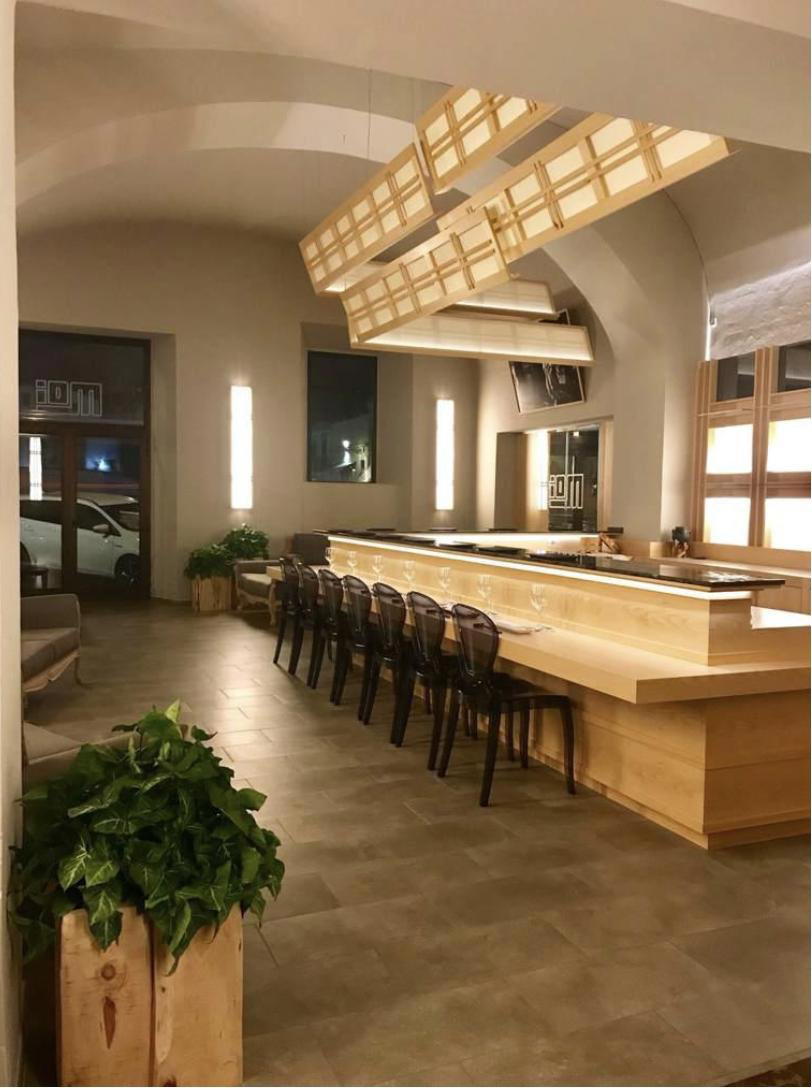
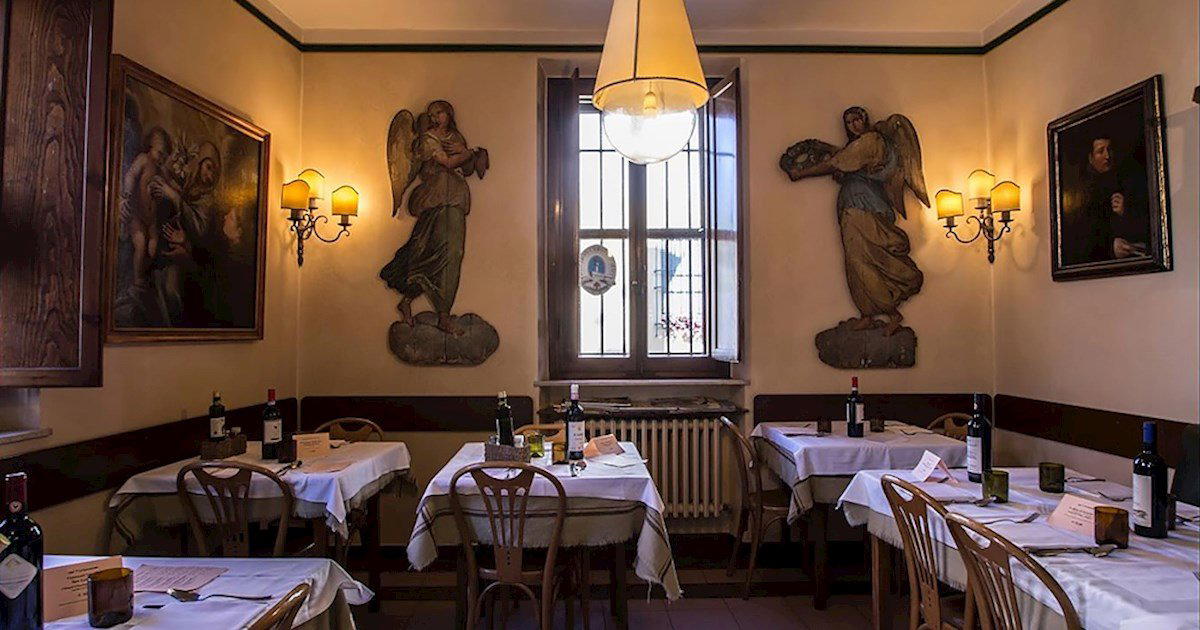
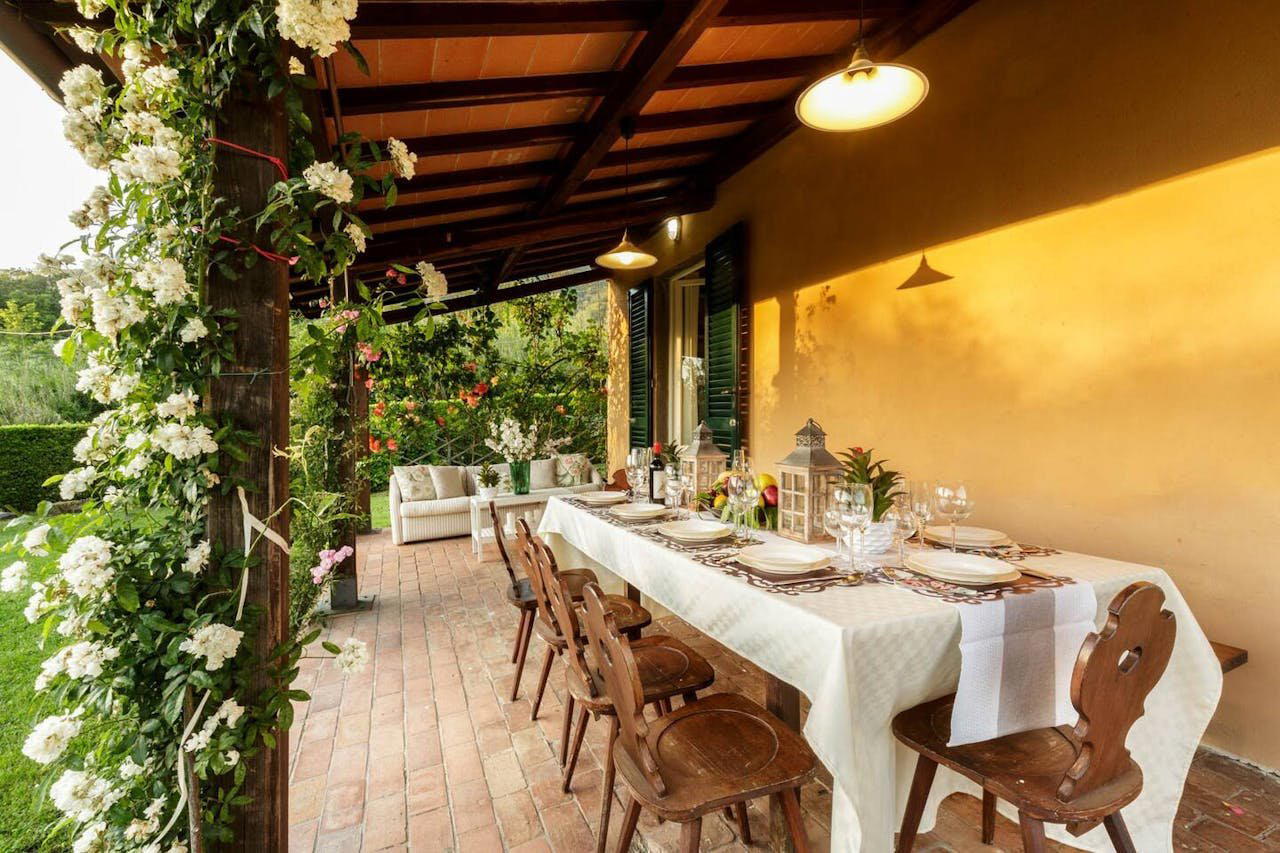
Bars in Pistoia
Browse all →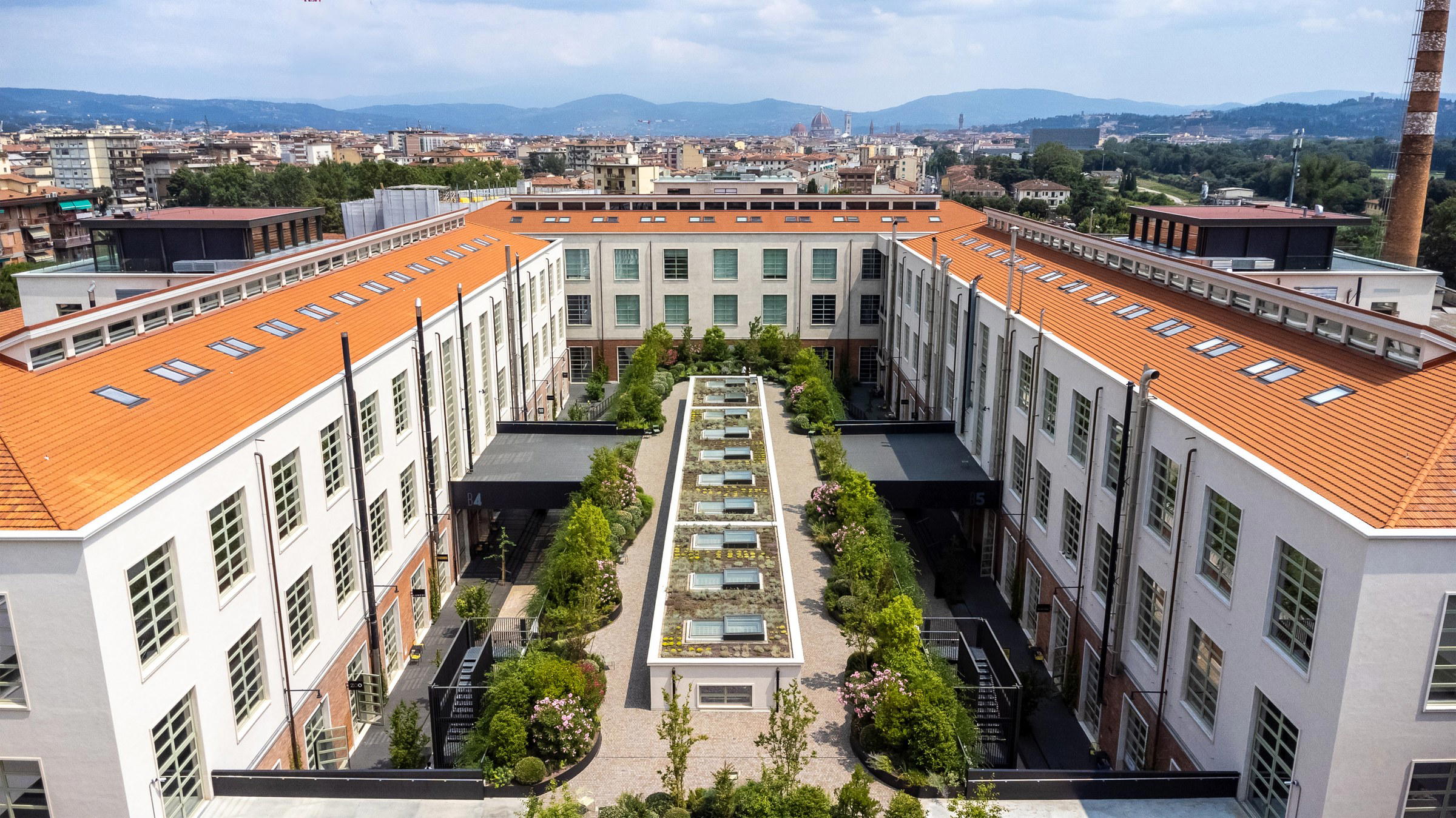
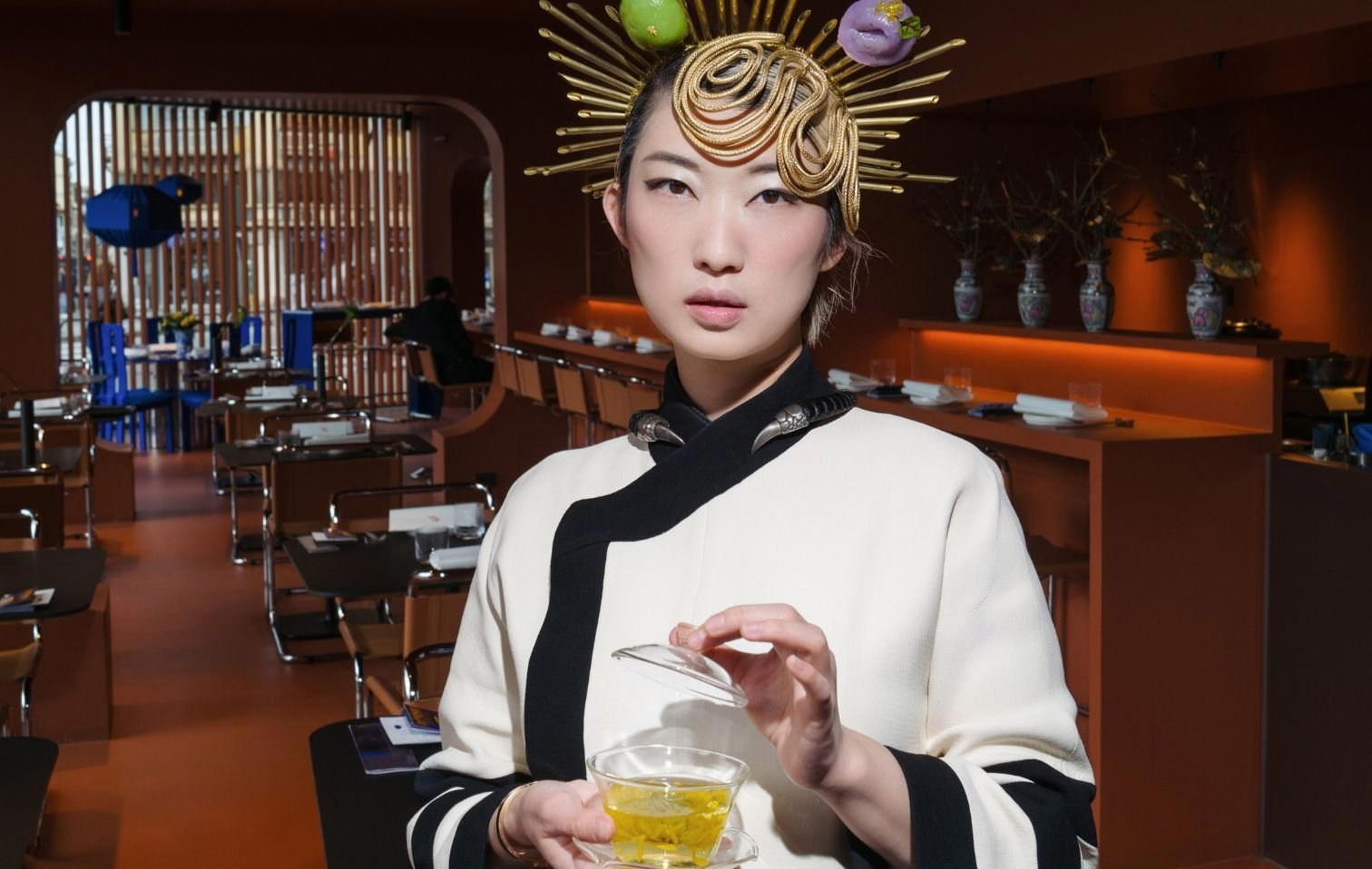
Hotels in Pistoia
Browse all →
La Fenice Pizzeria Contemporanea
The wine
- Wine program
- Deep wine list
- Extensive wine list
- Beer program
Details
- Modern
- Trendy
- Lively
- Cozy
- Energetic
- Date Night
- Group Dining
- Family
- Celebration
- Casual Hangout
- Special Occasion
- After Work
- Design Destination
- Standalone
- Extensive Wine List
- Beer Program
- Local Sourcing
- A La Carte
- Tasting Menu
- Small Plates
- Wine
- Beer
- Vegetarian Friendly
- Vegan Options
Current opening hours
- Monday
- Closed
- Tuesday
- Closed
- Wednesday
- Closed
- Thursday
- Closed
- Friday
- Closed
- Saturday
- Closed
- Sunday
- Closed
Hours can change for holidays and private events. Last verified .
Contemporary gourmet pizzeria with a creative, innovation-focused atmosphere, combining carefully plated pizzas and fusion dishes with calm, attentive table service in a modern dining room.