
A Michelin Key-awarded boutique in a converted 19th-century Arno-side complex, Riva Lofts Florence offers ten individually designed suites from around $181 per night. Period stone walls and arched windows coexist with concrete floors, contemporary art, and glass additions. Private entrances, kitchens in nine of the ten suites, and a courtyard pool make it one of Florence's most considered small-scale design stays.
Pearl is the En Primeur Club membership app — saves, bookings, and concierge access live there. Same editors, same standards.
- Address
- Via Baccio Bandinelli, 98, 50142 Firenze FI
- Phone
- +39 055 713 0272
- Website
- rivalofts.com
- Directions
- Get directions
 Saves & bookings on Pearl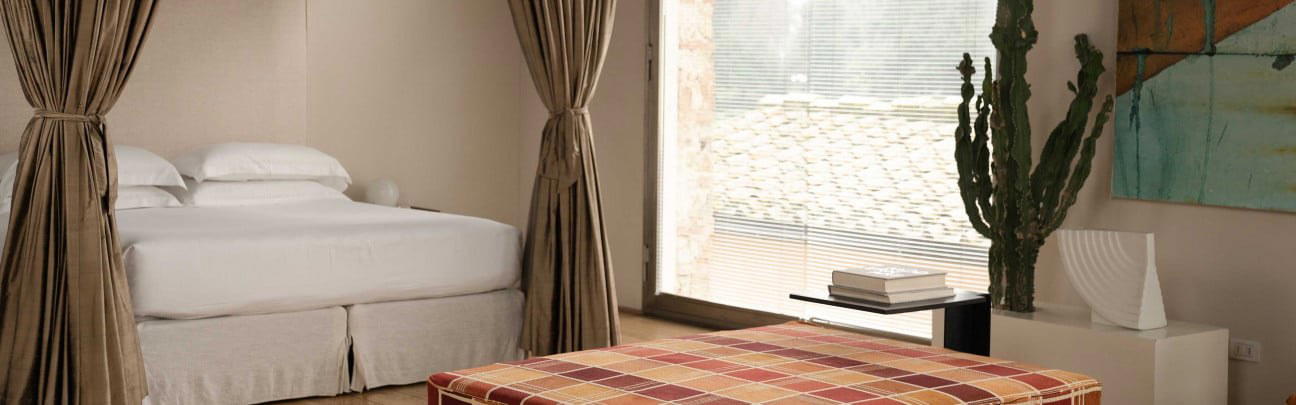
Where Industrial Florence Meets the Arno
Florence has always demanded that its buildings account for their past. A 15th-century palazzo carries its frescoes into the present; a medieval tower finds itself converted into a wine bar. Even purpose-built contemporary hotels in the city tend to occupy centuries-old shells, negotiating with original stone or ancient beam structures that no renovation budget can simply remove. Riva Lofts Florence sits within this tradition but at a relatively recent end of it. The complex on Via Baccio Bandinelli dates to the 19th century, a period when the stretch of the Arno running southwest from the city centre was given over to productive industry rather than postcard views. Before it became what it is now, the building passed through three prior identities: a factory, a cluster of artisans' workshops, and an architectural studio. Each layer left physical traces that the conversion chose to keep rather than conceal.
That editorial decision, to show the structure's working history rather than sand it smooth, places Riva Lofts in a distinct tier among Florence's small luxury properties. The city has many restored noble residences converted for hospitality, from the palatial Four Seasons Hotel Firenze in its 15th-century convent and garden to Palazzo Portinari Salviati Residenza D'Epoca, with its Renaissance frescoes still intact on the ceilings. Riva Lofts operates differently. The stone walls and arched windows are period; the floors are concrete; the additions are glass and metal. The collision is deliberate, and the resulting atmosphere reads less like a museum piece than like a working design studio that happens to offer beds.
The Architecture of Coexistence
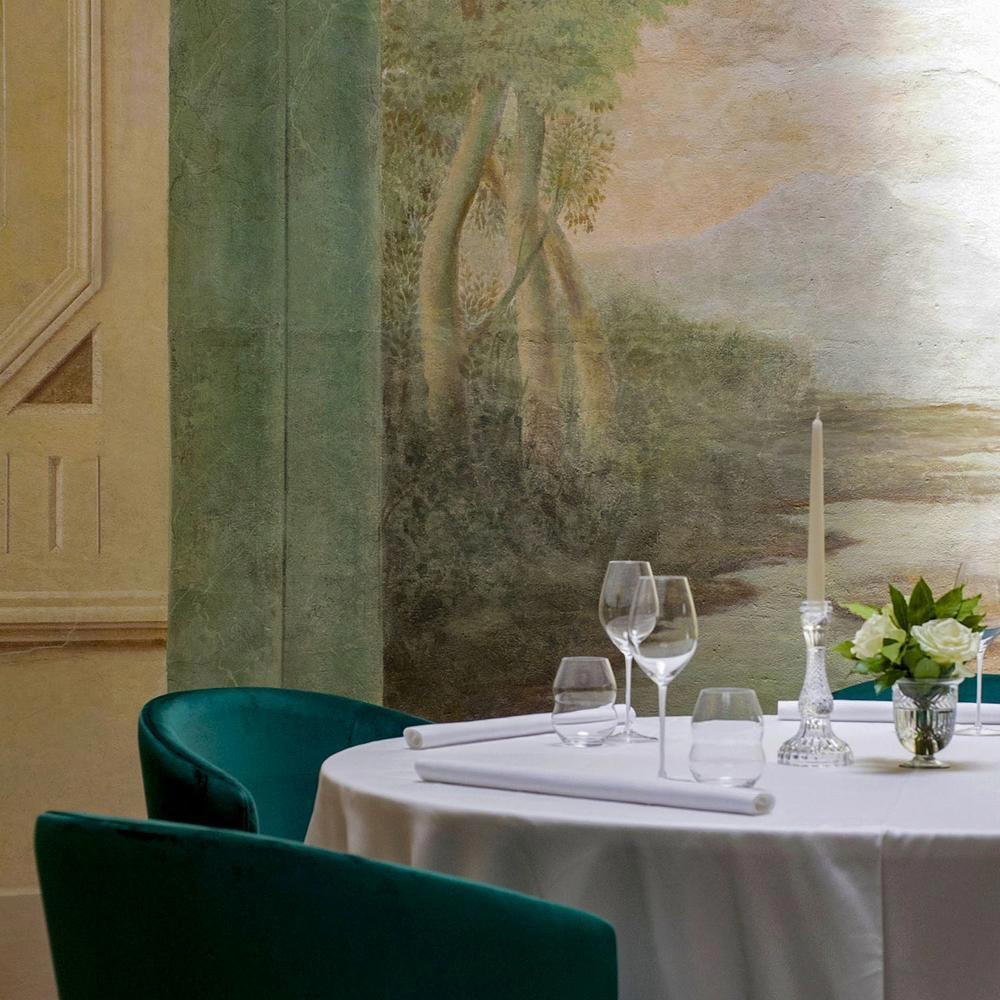
The design language throughout the ten suites turns on productive contrast. Antique mirrors and chairs share space with sleek contemporary furniture. Contemporary artworks hang against walls that remember their industrial function. Bathroom fixtures are current; the stone surrounds framing them are not. This kind of layering is attempted regularly in adaptive reuse projects and executed well far less often. The result here leans toward a high-end design catalog aesthetic, which the property itself acknowledges without apology, the references are clear and the curation is deliberate.
Each suite has a private entrance, which matters more practically than it might seem. In a ten-room property, the separation of arrival and circulation gives each space a self-contained character closer to a private apartment than a hotel room. Nine of the ten suites include kitchens, reinforcing that residential logic. Several have private terraces. Views from the upper levels take in either the Parco delle Cascine to the west or, on the other side, Brunelleschi's Cupola rising above the roofline to the northeast, a detail that places the building firmly within Florence's visual hierarchy even from this quieter, less touristed stretch of the river.
Among Florence's boutique design properties, the competitive set at this scale and price point includes options such as Ad Astra and Hotel Calimala. Riva Lofts distinguishes itself through the industrial conversion narrative and the specific apartment-style configuration of its suites, a format that serves longer-stay guests and design-conscious travellers who find standard hotel room formats limiting. For river-adjacent alternatives with different aesthetic orientations, Hotel Lungarno operates on the opposite bank closer to the Ponte Vecchio.
Common Space and the Logic of the Courtyard
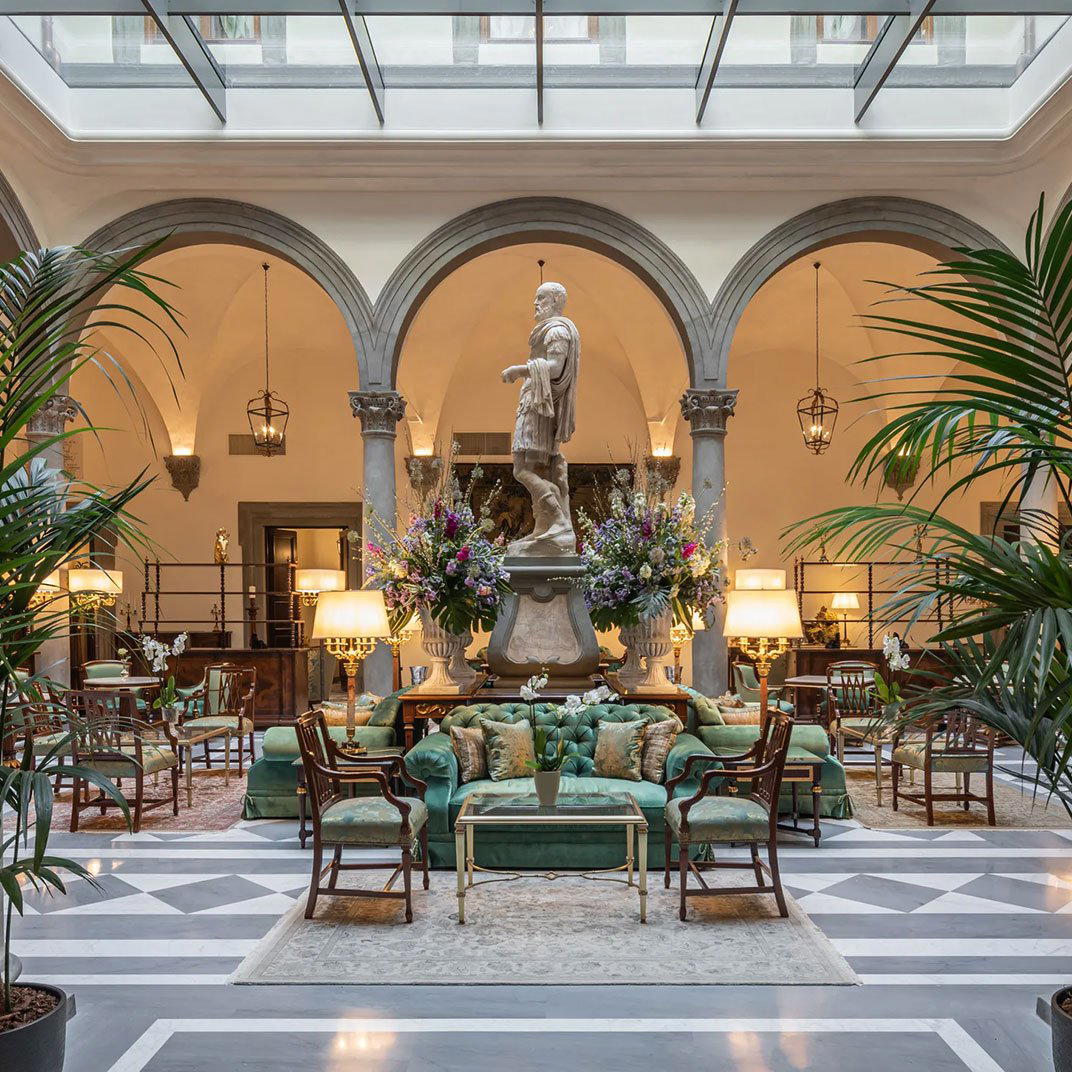
The design investment does not stop at the suite thresholds. The common spaces make a strong argument for the property's character. A sitting room lined with bookshelves and anchored by a stone fireplace gives guests a reason to leave their suites without leaving the building. At the centre of the courtyard garden, a white sandstone swimming pool operates as the social and visual focal point of the complex, an unusual amenity in a ten-room Florence boutique, and one that reinforces the residential quality the property pursues throughout.
Recent additions to the programming include in-room massage and garden yoga sessions with a trainer, expanding the wellness dimension without the infrastructure overhead of a full spa. These additions signal an understanding that the property's guests are likely to want personal, flexible service rather than large shared facilities, a judgement consistent with the broader format. Among Italian design-led properties of similar scale, this kind of add-on wellness programming has become a differentiating factor, as seen in comparable approaches at Castello di Reschio in Lisciano Niccone and Casa Maria Luigia in Modena.
Recognition and Where It Sits in the Italian Design Hotel Tier
Riva Lofts received a Michelin Key in 2024, the inaugural year of the Michelin hotel selection for Italy. The Key designation, applied to properties rather than restaurants, assesses design quality, service character, and overall guest experience against an international comparable set. Receiving a Key in the first year of the programme's Italian edition signalled the property's standing within a curated group.
Within Italy's design-led boutique hotel segment, Riva Lofts sits alongside properties that have made conversion and material authenticity central to their identity. Borgo Santandrea on the Amalfi Coast and Il Pellicano in Porto Ercole represent the southern Italian end of this sensibility; Passalacqua in Moltrasio and Portrait Milano offer northern comparisons. In the Venetian context, Aman Venice represents the palazzo-conversion approach at the highest price tier. Riva Lofts operates at a considerably more accessible entry point, rooms from around $181 per night, while maintaining Michelin-level credentials, which makes it a genuinely different proposition from the palatial end of the Italian luxury hotel market.
For those drawn to Florence's traditional villa hotel tradition, Villa Cora and Villa La Massa represent the landscaped-garden, neoclassical alternative, a sharply different register from the industrial-conversion aesthetic that Riva Lofts occupies. Brunelleschi Hotel, closer to the Duomo, converts a Byzantine tower and 6th-century church into its footprint, offering a more central but historically heavier alternative. None of these share Riva Lofts' specific combination of modernist material palette, private-entrance suites, and Arno-side industrial heritage.
Planning a Stay
Riva Lofts Florence sits at Via Baccio Bandinelli, 98, in the Isolotto district southwest of the historic centre, a quieter residential area that requires either a short taxi ride or a bicycle to reach the main tourist corridors efficiently. For guests prioritising design atmosphere, a courtyard pool, and suite-level privacy over immediate proximity to the Uffizi or Santa Croce, the location is a reasonable trade. At approximately $181 per night as a base rate for a Michelin Key property in Florence, the price-to-credential ratio compares well against the city's broader luxury tier. Rates should be verified directly at the time of booking, as they vary seasonally and by suite type. For a broader orientation to Florence's hotel options and dining before or after a stay, see our full Florence guide.
For context on how Riva Lofts fits within Italy's wider boutique hotel conversation, properties such as Corte della Maestà in Civita di Bagnoregio, Rosewood Castiglion Del Bosco in Montalcino, and Borgo Egnazia in Savelletri di Fasano each illustrate how different Italian regions and building typologies produce distinct hospitality characters. Outside Italy, design-led boutiques with strong conversion narratives include Bulgari Hotel Roma in the capital and, further afield, Il San Pietro di Positano on the Amalfi cliff. For those travelling beyond Italy, JK Place Capri, The Fifth Avenue Hotel in New York City, Aman New York, and Amangiri in Canyon Point represent the design-driven boutique tier in their respective markets.
Pricing, Compared
Comparable venues nearby, for context on price, style, and recognition.
| Venue | Price | Awards | Notes |
|---|---|---|---|
| Riva Lofts FlorenceThis venue — the venue you are viewing | $$$ | Michelin 1 Key | Not listed |
| Torre di Bellosguardo | $$$$ | Michelin 1 Key | Giardino Torrigiani, Historic 13th-century tower in Tuscan hills with period residences |
| Brunelleschi Hotel | $$$$ | Michelin 1 Key | San Niccolo, Historic boutique in medieval tower with modern luxury. |
| Hotel Calimala | $$$ | Michelin 1 Key | Santo Spirito, Luxury boutique hotel occupying two adjacent historic Florentine buildings with contemporary renovations by designer Alex Meitlis, featuring authentic materials like pietra serena and Tuscan marble. |
| Ad Astra | $$$ | Michelin 1 Key | Giardino Torrigiani, Eclectic boutique in ancestral mansion with wraparound terrace |
| Hotel Lungarno | $$$$ | Michelin 1 Key | Santo Spirito, Intimate luxury boutique on the River Arno with art collection and Michelin dining. |
Recognition history
Dated appearances from independent guides and award organizations, with the underlying list record or original source where available.
Mr & Mrs Smith Smith Seal of Approval
Mr & Mrs Smith
Michelin 1 Key
Michelin
Michelin 1 Key
Michelin
Continue exploring
More in Florence
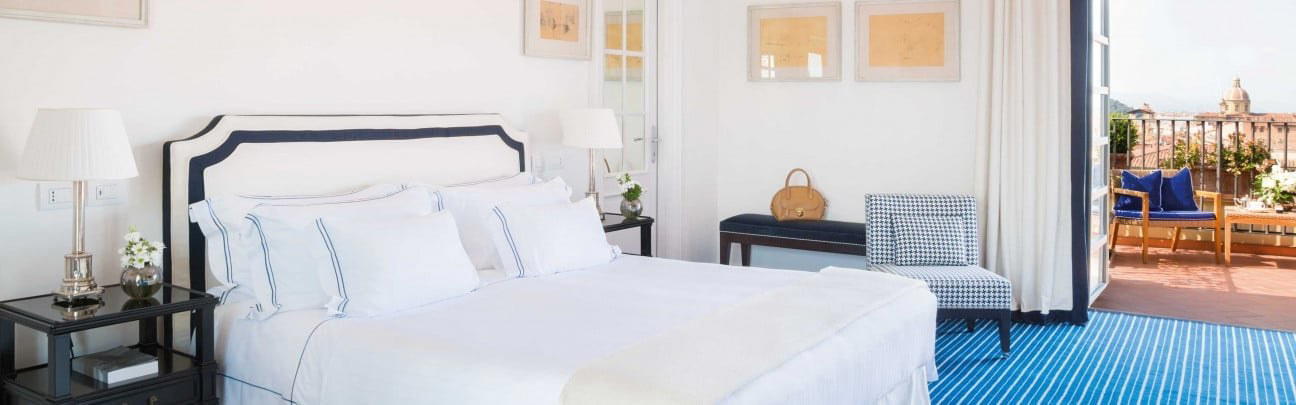
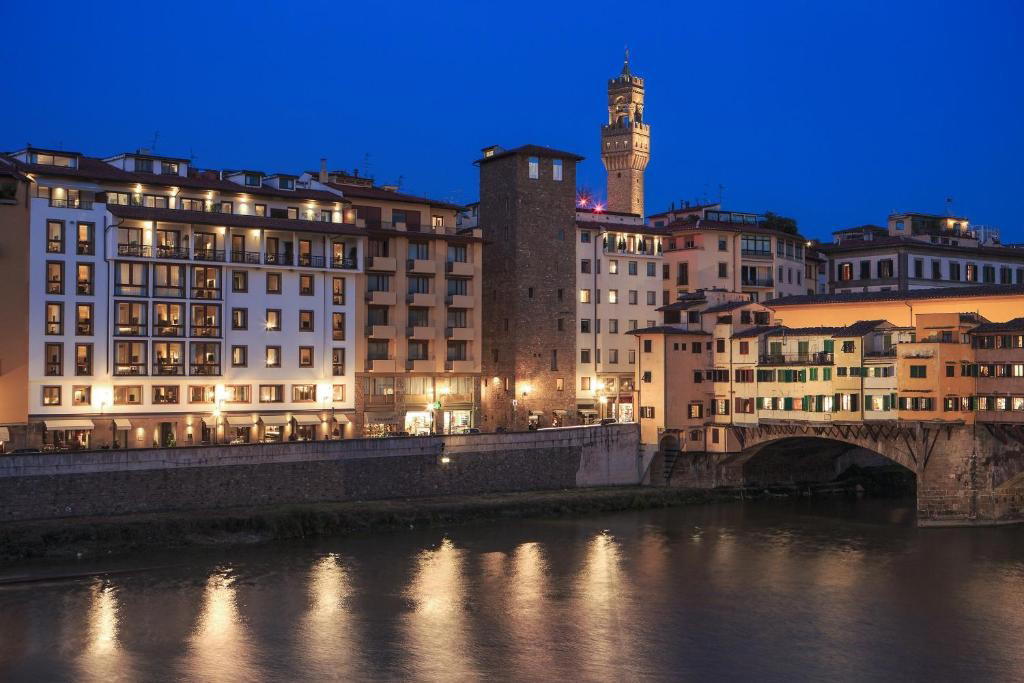
Hotels in Florence
Browse all →
Bars in Florence
Browse all →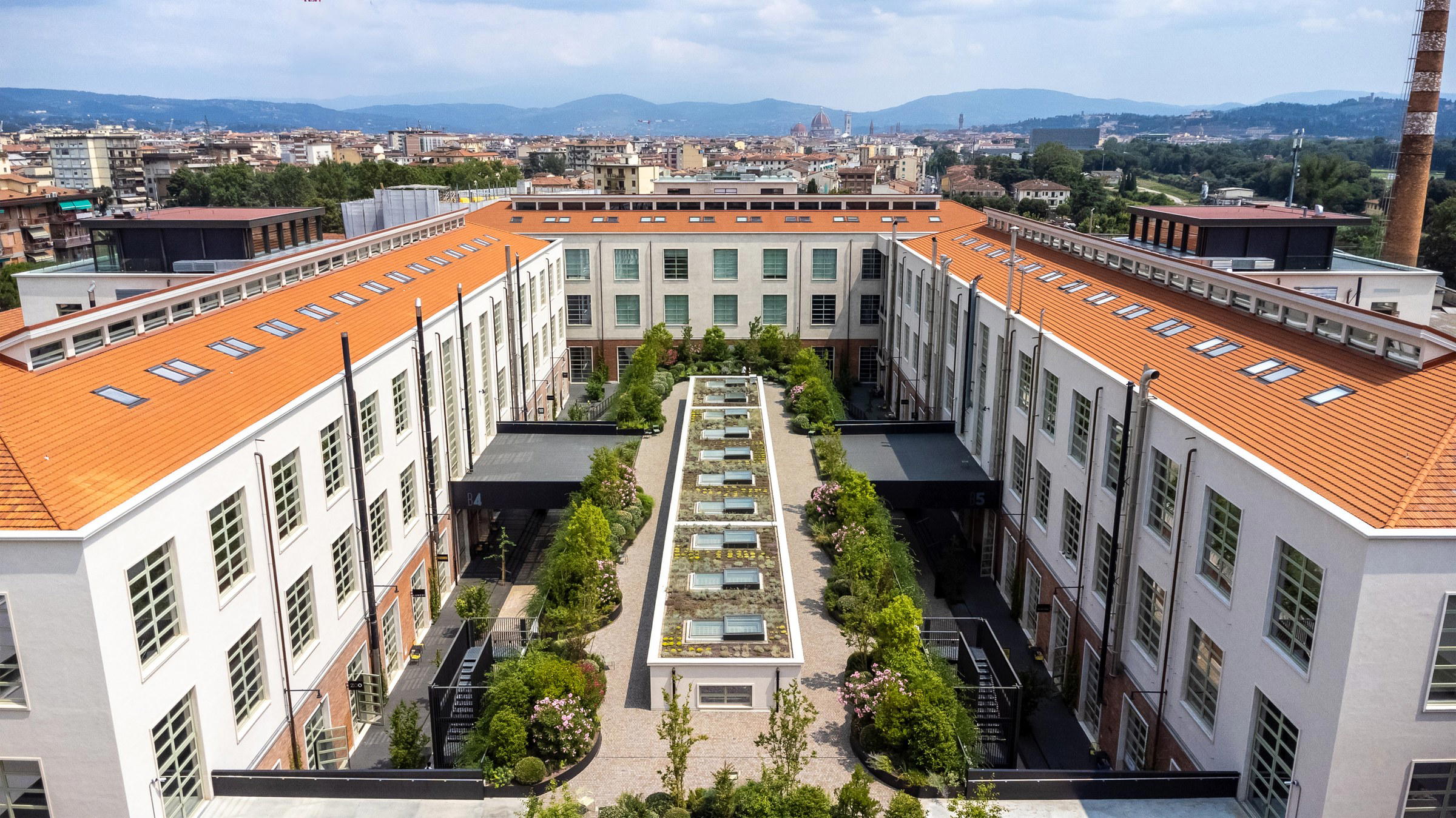

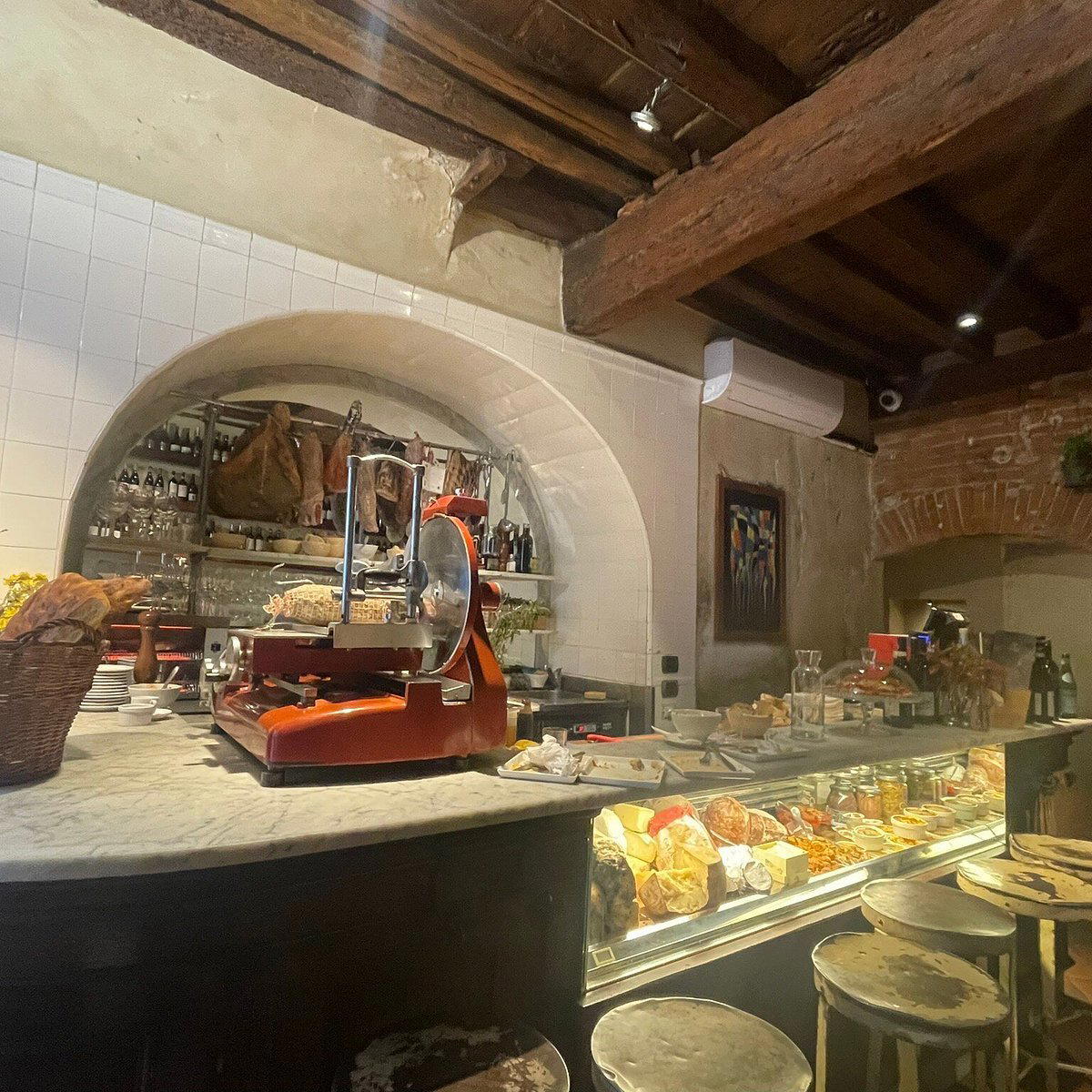
Restaurants in Florence
Browse all →
At a Glance
- Modern
- Quiet
- Elegant
- Minimalist
- Romantic Getaway
- Weekend Escape
- Garden
- Terrace
- Historic Building
- Wi Fi
- Pool
- Spa
- Concierge
- Room Service
- Fitness Center
- Street Scene
- Wi Fi
- Pool
- Spa
- Concierge
- Room Service
- Fitness Center
Bright natural light through large windows, peaceful garden oasis with pool and terrace, cozy communal lounge with fireplace and library for relaxed evenings.