
Set within Relais Borgo Santo Pietro's 100-hectare estate in the Sienese hills, Saporium earned its Michelin star in 2024 by anchoring modern Tuscan cooking to ingredients grown on the property itself: olives, grapes, fruit, and vegetables from gardens that double as the kitchen's supply chain. The candlelit dining room and 13th-century portico frame a wine list of over 1,300 labels, including the estate's own Pinot Nero.
Pearl is the En Primeur Club membership app — saves, bookings, and concierge access live there. Same editors, same standards.
- Address
- località Palazzetto 110, Chiusdino, 53012, Italy
- Phone
- +39 0577 751222
- Website
- saporium.com
- Directions
- Get directions
 Saves & bookings on Pearl
Where the Estate Is the Ingredient List
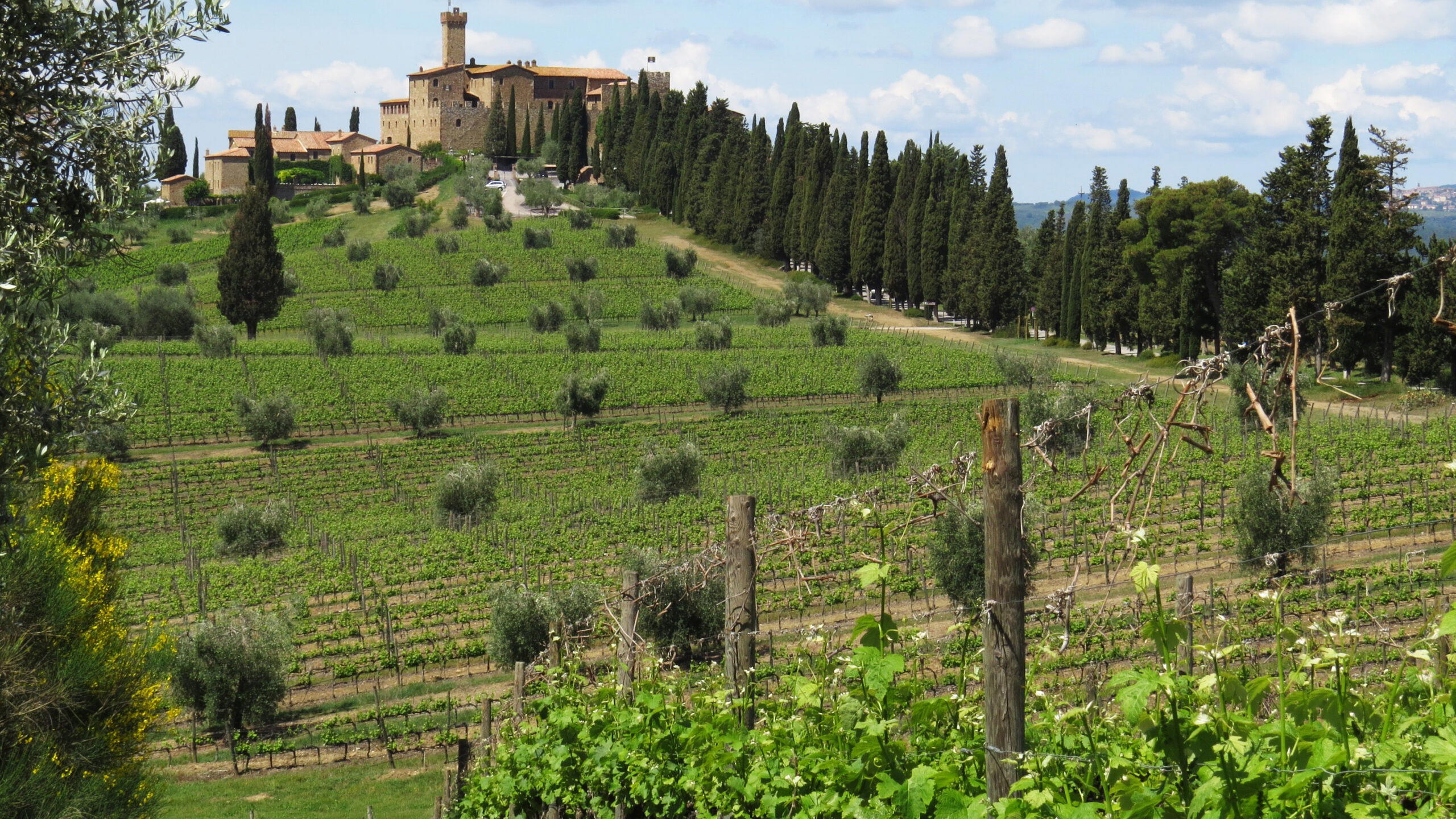
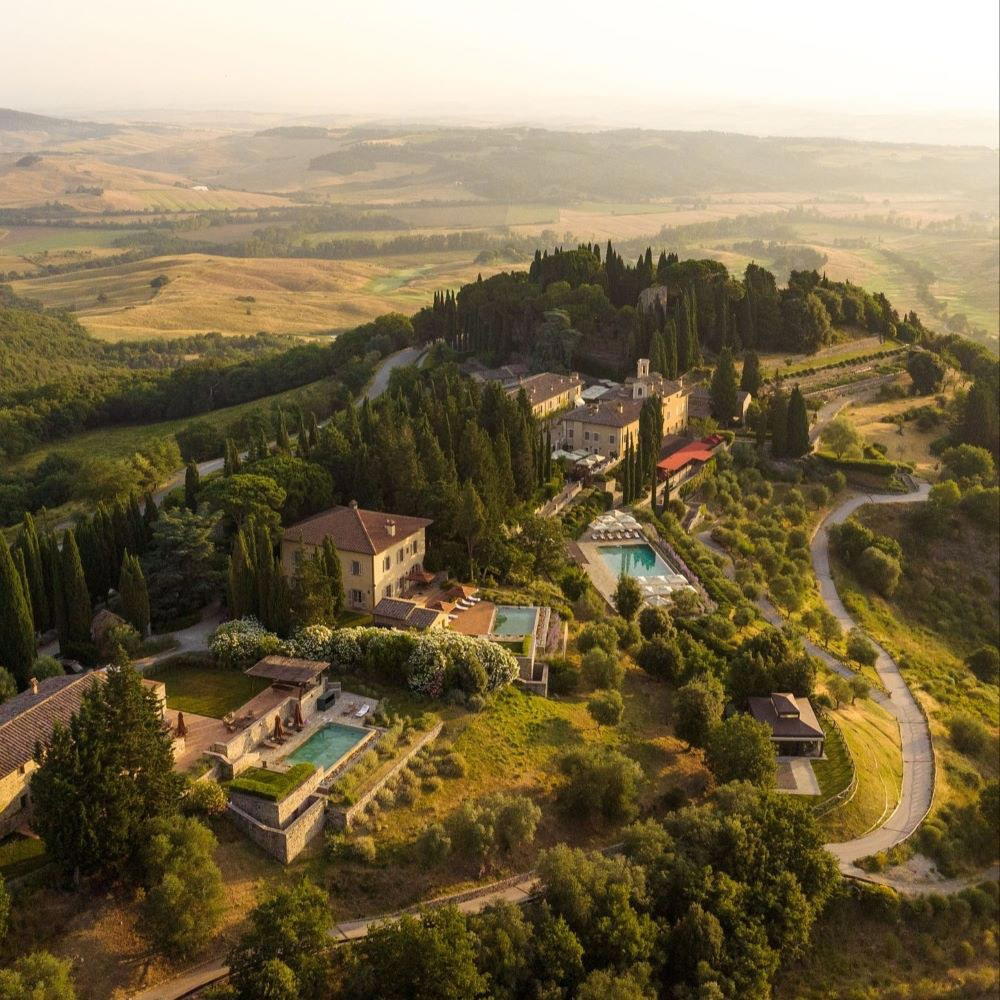
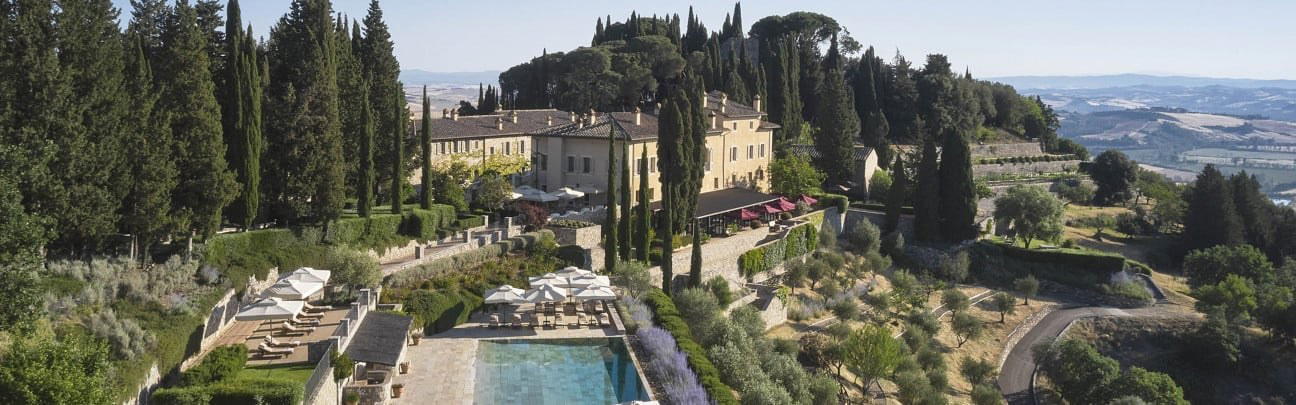
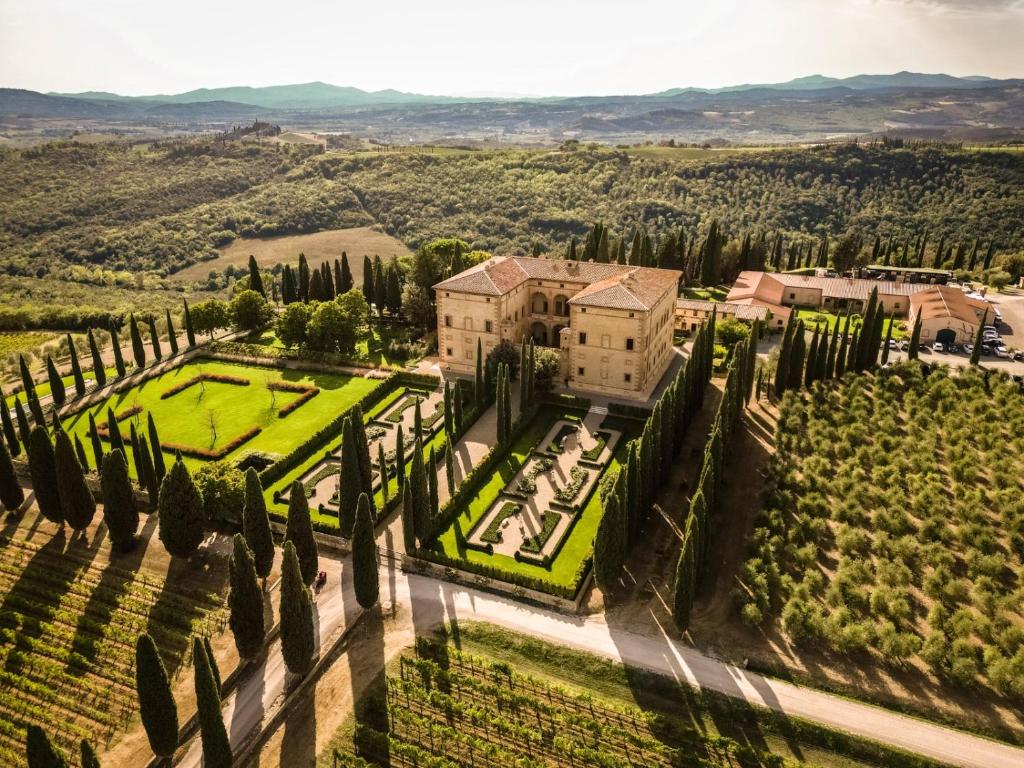
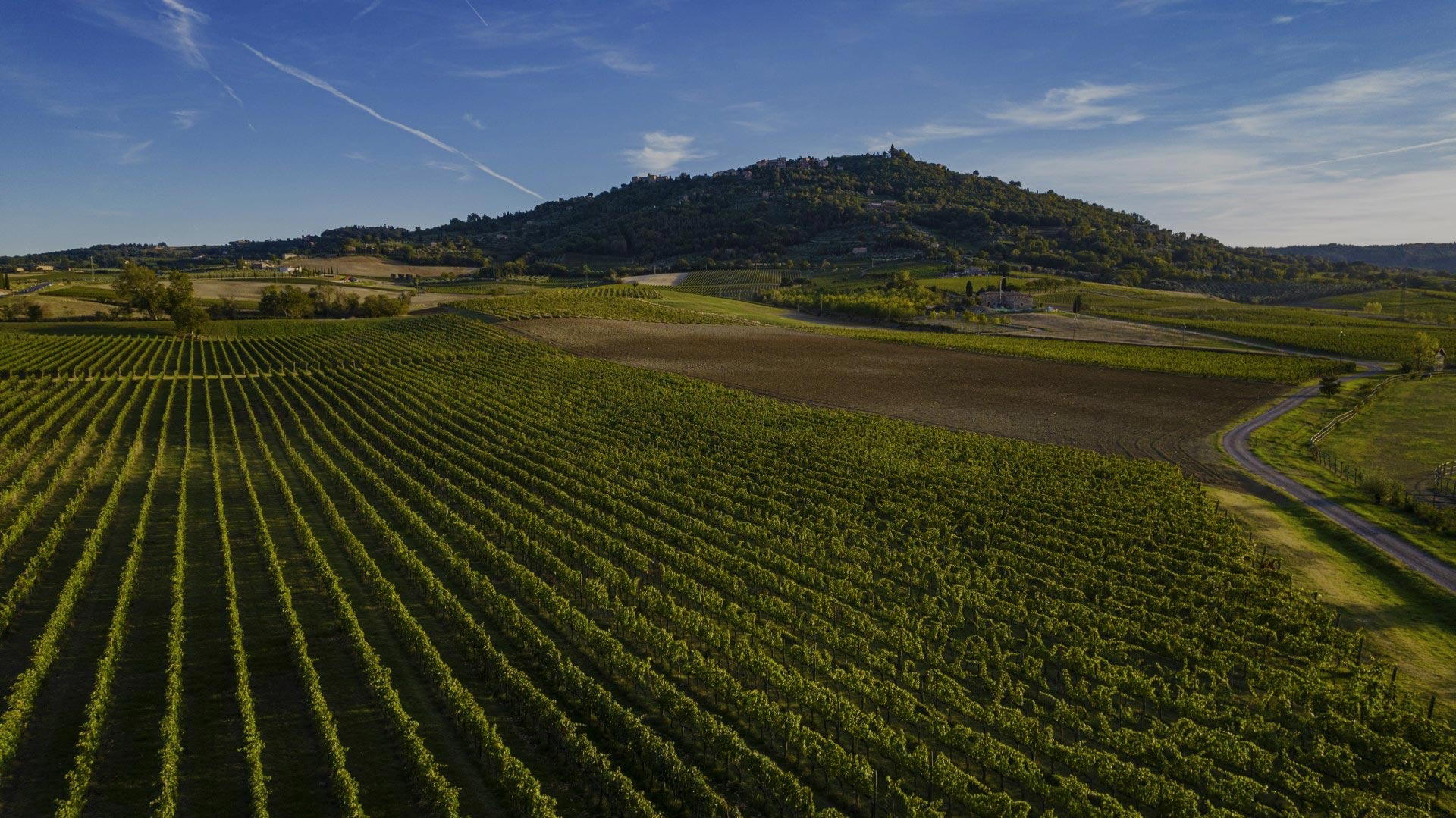
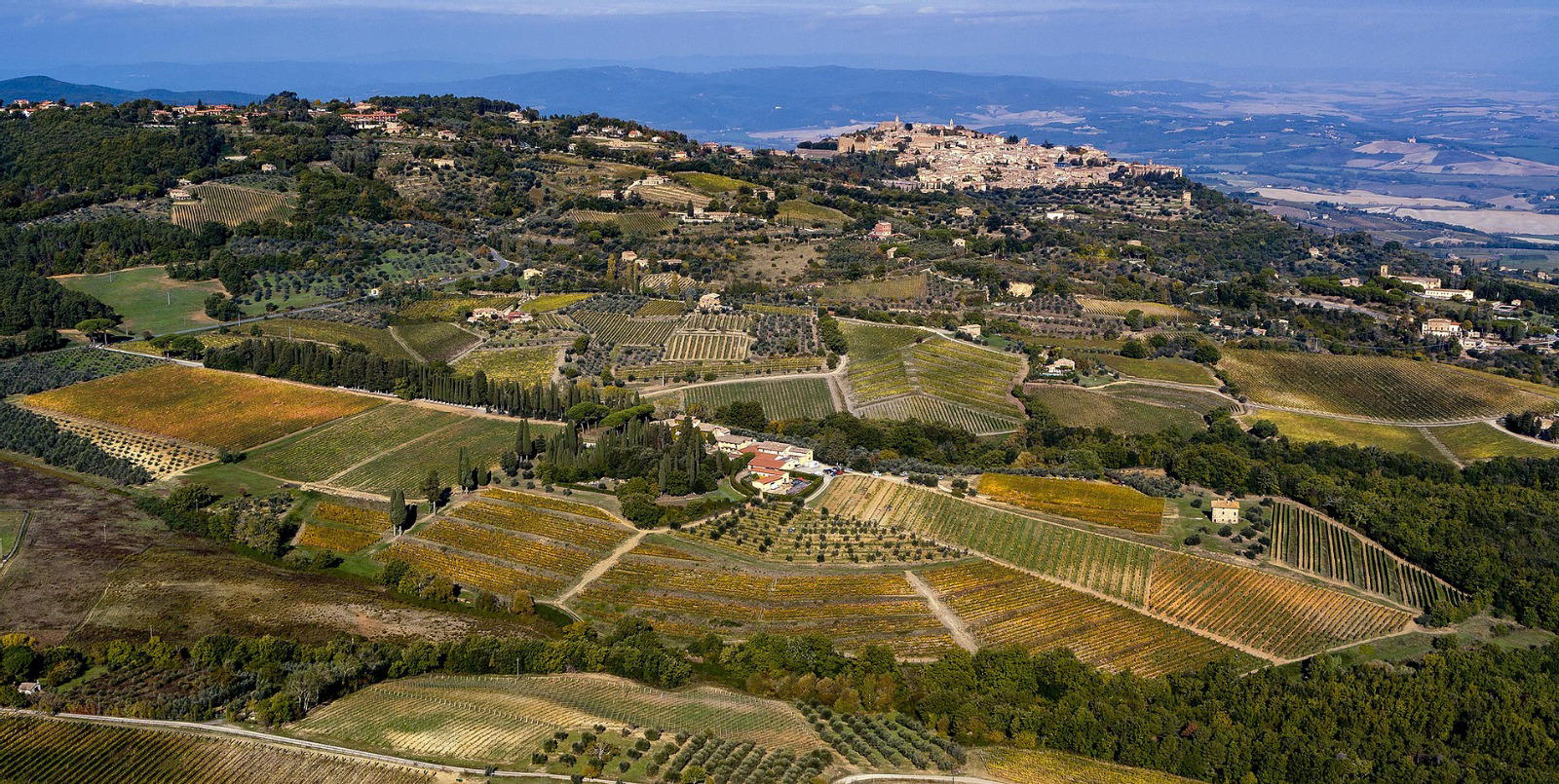
The road to Borgo Santo Pietro narrows as it climbs through the Sienese hills toward Chiusdino, a commune that most visitors to Tuscany pass over in favour of Siena or Montalcino. That oversight is, in part, what makes the dining experience at Saporium worth the detour. The property sits on 100 hectares of working land, olive groves, vineyards, orchards, and kitchen gardens, and the restaurant is, in practical terms, the point at which that land becomes a meal. This is not a rhetorical claim about farm-to-table cooking; it is a description of how the supply chain actually operates. The kitchen draws from what grows on the estate, and the menu shifts accordingly.
Within Italian fine dining, this model of hyper-local sourcing is less common than it is celebrated. Restaurants like Caino in Montemerano and L'Asinello in Castelnuovo Berardenga have built reputations in southern and central Tuscany on similar principles, close relationships with the land, seasonal constraints treated as creative parameters rather than limitations. Saporium belongs to this current in Tuscan cooking, though it approaches it from the specific vantage point of a luxury estate where the land itself is the primary asset.
The Physical Setting and What It Does to a Meal
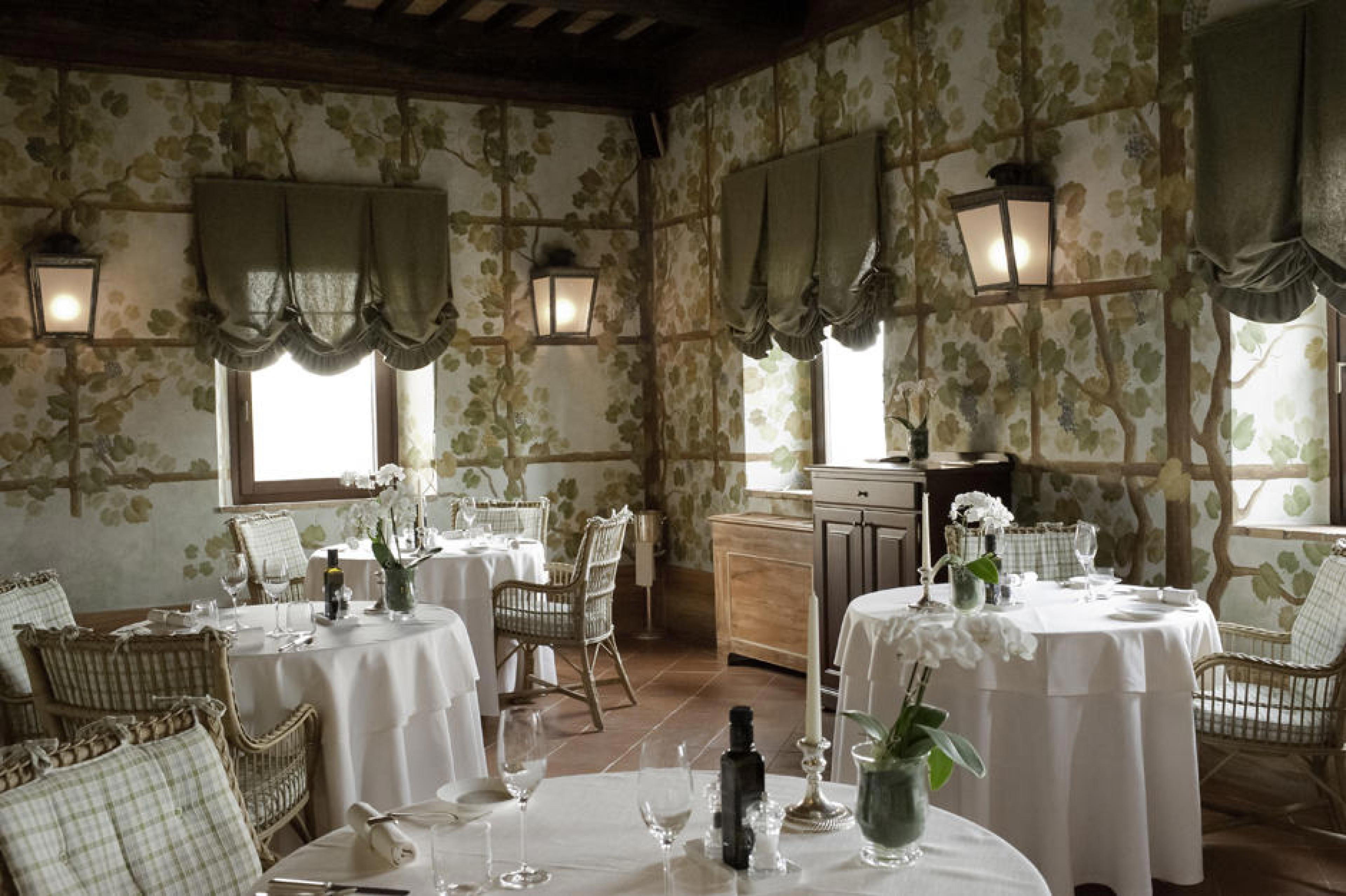
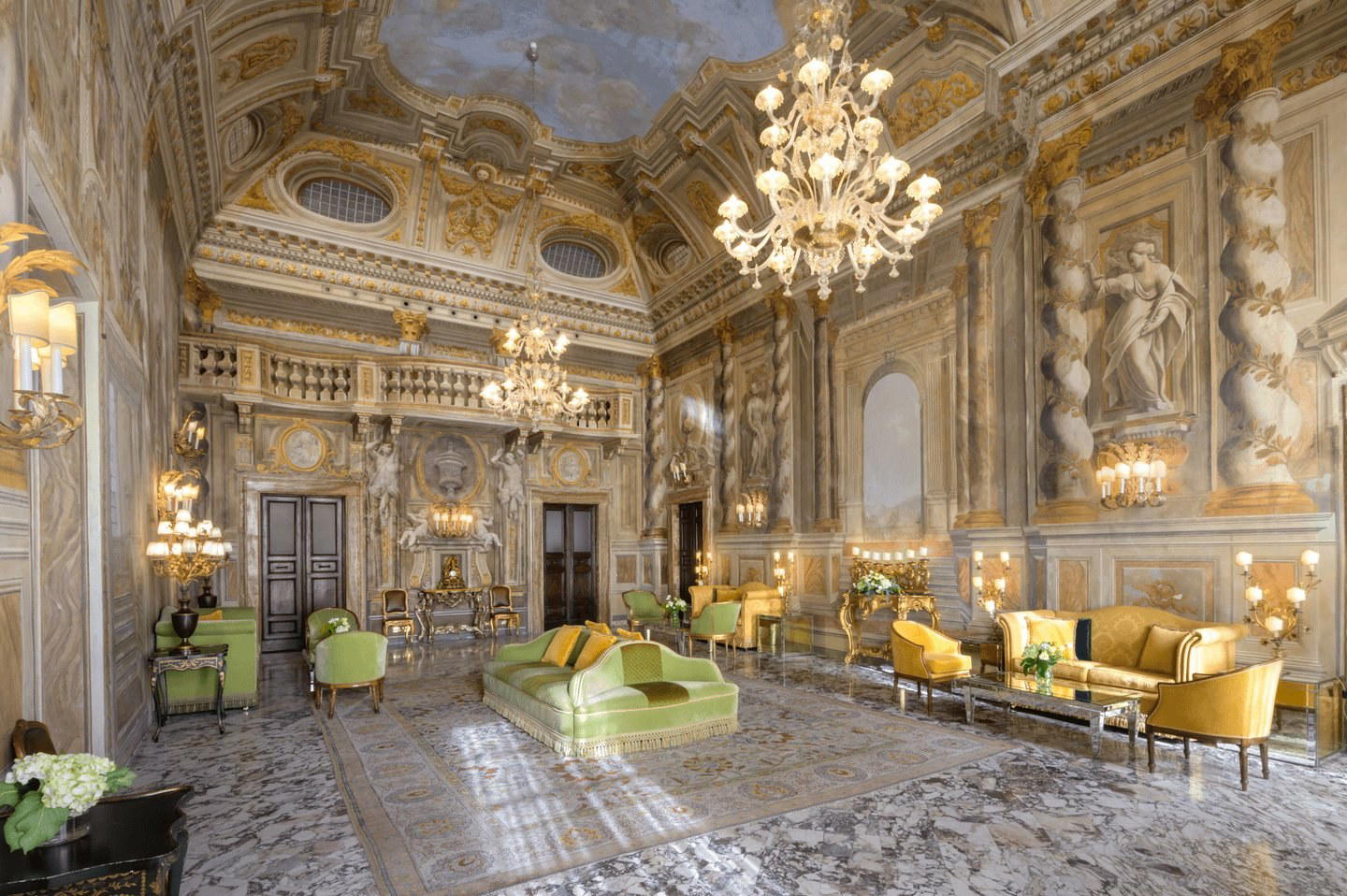
The dining room inside the Relais Borgo Santo Pietro is lit almost entirely by candles in the evening, hundreds of them, positioned to give the stone interior a warmth that electric lighting rarely achieves in spaces this old. The property dates to the medieval period, and that history is present in the architecture without being treated as a museum piece. The result is a room that functions as an argument for a certain kind of Italian dining: unhurried, material, attentive to the hour and the season.
In good weather, service moves outside to a 13th-century portico that looks across the estate's gardens toward the Valle Serena. The shift from candlelit interior to open-air stone arcade changes the register of the meal considerably. Both settings are available depending on season and conditions, and the choice between them is worth factoring into when you book. The summer portico experience, with the valley as a backdrop and garden herbs in the dishes in front of you, is a different proposition from the winter interior, where the candles do more work and the menu leans harder into preserved and aged ingredients from the estate.
The Sourcing Logic Behind the Cooking
The cuisine at Saporium is modern Italian farm-to-table, with the kitchen's work divided between executive chef Ariel Hagan, who designs the overall direction, and resident chef Luca Ottogalli, who translates that direction into daily execution. What matters editorially is less the division of labour than the sourcing philosophy that constrains both: the estate's olive groves, vineyards, orchards, and vegetable gardens form the ingredient foundation, and the menu is built outward from what those sources produce at any given point in the year.
This approach has specific consequences for what appears on the plate. Saddle of hare with cavolo nero and pear, noted in the Michelin record, is a dish that reads as a precise seasonal inventory: autumn game from the surrounding region, bitter brassica from the kitchen garden, fruit from the estate orchards. It illustrates how sourcing logic can produce dishes that feel less like composed restaurant cooking and more like a report on what the land is doing at a particular moment. That is a harder thing to achieve than it sounds, and it is one reason the 2024 Michelin star carries weight in this context.
Italy's Michelin-starred restaurants at the €€€€ tier, from Osteria Francescana in Modena to Enoteca Pinchiorri in Florence, from Le Calandre in Rubano to Piazza Duomo in Alba, tend to anchor their identity in technical ambition, regional ingredient prestige, or the personal signature of a named chef. Saporium's identity is anchored differently: in the specific productive capacity of one estate in the Sienese hills. That is a narrower but also more legible claim, and it gives the restaurant a coherence that is difficult to replicate without the same physical asset base.
The Wine Programme as an Extension of the Same Logic
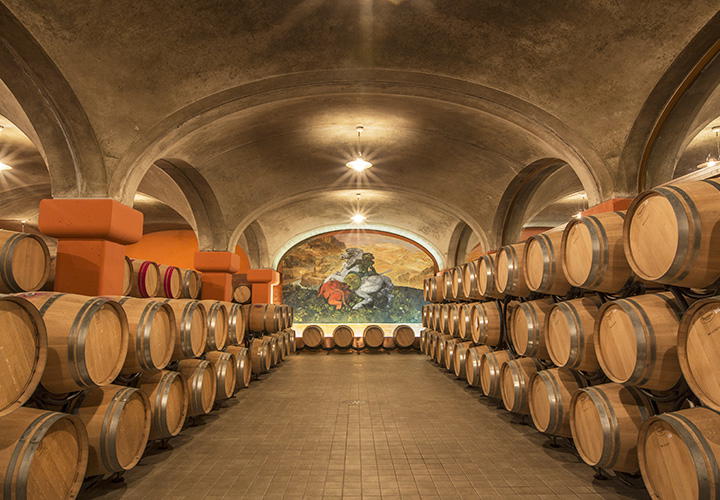
The wine list at Saporium runs to over 1,300 labels, which places it in the serious-collector tier of Italian restaurant wine programmes. At that scale, the list functions less as a curated selection and more as a reference library, capable of supporting extended tasting menus across multiple courses and pairing styles. The breadth is relevant for guests who arrive with specific regional interests, the Sienese zone alone produces enough variety across Sangiovese expressions and supporting varieties to sustain an entire evening's exploration.
The estate produces its own wines, and the Borgo's Pinot Nero is a reference point. Pinot Nero in Tuscany operates outside the region's dominant red wine identity, which is Sangiovese-led at every price tier from Chianti Classico to Brunello di Montalcino. An estate producing Pinot Nero in this zone is making a deliberate choice to work against the regional grain, and the wine's presence on the list as a recommended pairing suggests it holds its own on merit rather than simply as a house curiosity. For guests whose wine interest runs toward Burgundian varieties in Italian terroir, it is a useful data point.
Depth of the broader list also means that guests at the €€€€ price point who want to allocate seriously toward wine have the options to do so. This positions Saporium alongside Italian fine-dining programmes like Uliassi in Senigallia or Dal Pescatore in Runate, where wine depth is treated as integral to the format rather than supplementary to it.
Saporium in the Wider Context of Rural Italian Fine Dining
Pattern of fine-dining restaurants operating within or adjacent to luxury rural estates has become more pronounced across Italy over the past decade. Properties in Umbria, Piedmont, and southern Tuscany have increasingly built restaurant programmes that draw on their agricultural assets as a point of differentiation from urban competitors. What separates the stronger examples from the weaker ones is whether the sourcing genuinely informs the cooking or functions primarily as a marketing frame.
Saporium's Michelin recognition suggests the former. A single star awarded in 2024 indicates that the guide's inspectors found sufficient technical competence and ingredient quality to justify the distinction, which in rural Tuscany at the leading price tier means the kitchen is competing credibly with urban peers. For comparison, other Italian restaurants in the €€€€ category that have attracted sustained critical attention, such as Reale in Castel di Sangro, Quattro Passi in Marina del Cantone, or Atelier Moessmer Norbert Niederkofler in Brunico, operate in similarly non-metropolitan settings and demonstrate that geographic remoteness and serious cooking are not in tension.
For guests travelling through Tuscany with restaurant quality as a primary consideration, Saporium sits alongside Enrico Bartolini and Casa Perbellini 12 Apostoli in Verona in the tier of starred Italian restaurants where the full experience, setting, sourcing, wine depth, is as consequential as the technical cooking. The estate context at Chiusdino makes it a natural anchor for a longer stay in the region rather than a single-destination dinner.
Planning a Visit
Saporium is located at the Relais Borgo Santo Pietro, località Palazzetto 110, Chiusdino, 53012, in the Province of Siena. The restaurant sits within the hotel property and is the estate's primary fine-dining venue, which means availability is linked to the hotel's overall calendar. Guests staying at the Relais have direct access, but the restaurant operates as a destination in its own right for those driving from Siena or the surrounding zone. Given the rural location and the €€€€ price positioning, this is a meal that rewards advance planning: booking ahead and coordinating with the seasonal availability of the outdoor portico is advisable for those whose preference runs toward the al fresco setting.
Arriving with some sense of regional or varietal priorities will make the wine conversation with the sommelier more productive. The estate's own Pinot Nero is an accessible starting point, but the depth of the list supports more specific requests.
At-a-Glance Comparison
Comparable venues nearby, for context on price, style, and recognition.
| Venue | Cuisine | Price | Awards | Notes |
|---|---|---|---|---|
| SaporiumThis venue — the venue you are viewing | Modern Italian Farm-to-Table | $$$$ | Michelin 1 Star | Not listed |
| Sull’Albero Trattoria | Tuscan Trattoria | $$$ | Not listed | Chiusdino |
| Meo Modo | Modern Tuscan Fine Dining | $$$ | Not listed | Chiusdino |
| Octavin | Modern Tuscan Fine Dining | $$$$ | Michelin 1 Star | heart of Arezzo |
| Cannavacciuolo Vineyard | Modern Italian Fine Dining | $$$$ | Michelin 1 Star | Casanova di Terricciola |
| Gucci Osteria da Massimo Bottura | Contemporary Italian with Japanese and Mexican Influences | $$$$ | Michelin 1 Star | San Niccolo |
Recognition history
Dated appearances from independent guides and award organizations, with the underlying list record or original source where available.
Michelin 1 Star
Michelin
Michelin 1 Star
Michelin
Michelin 1 Star
Michelin
Continue exploring
More in Chiusdino
Restaurants in Chiusdino
Browse all →
Bars in Chiusdino
Browse all →

Hotels in Chiusdino
Browse all →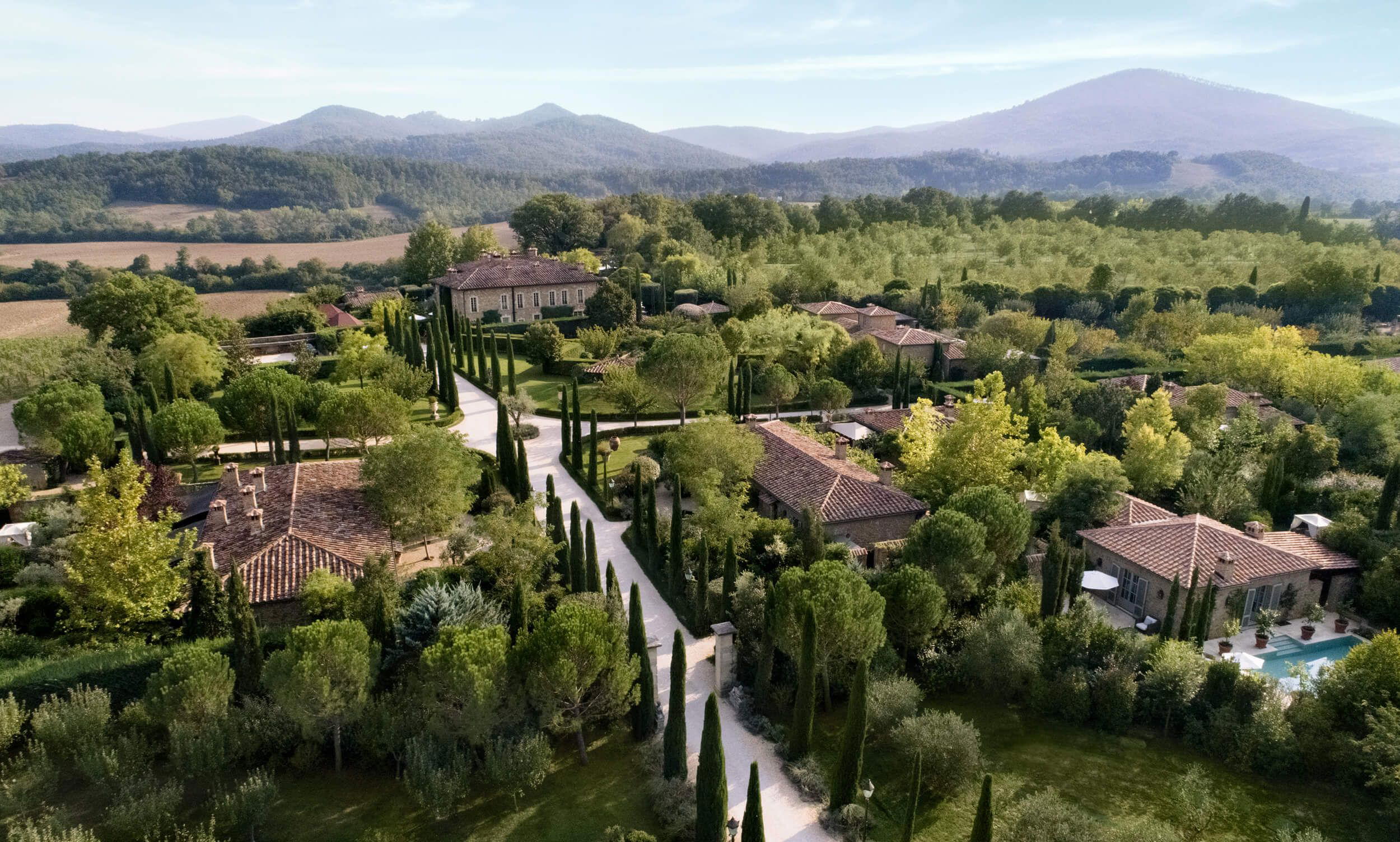
At a Glance
- Romantic
- Elegant
- Sophisticated
- Scenic
- Date Night
- Special Occasion
- Celebration
- Garden
- Terrace
- Private Dining
- Historic Building
- Panoramic View
- Hotel Restaurant
- Sommelier Led
- Farm To Table
- Organic
- Local Sourcing
- Garden
- Vineyard
Rare elegance with hundreds of candles providing soft, romantic lighting in the dining room; outdoor seating under a 13th-century portico with views of the Valle Serena and moonlit citrus trees.