

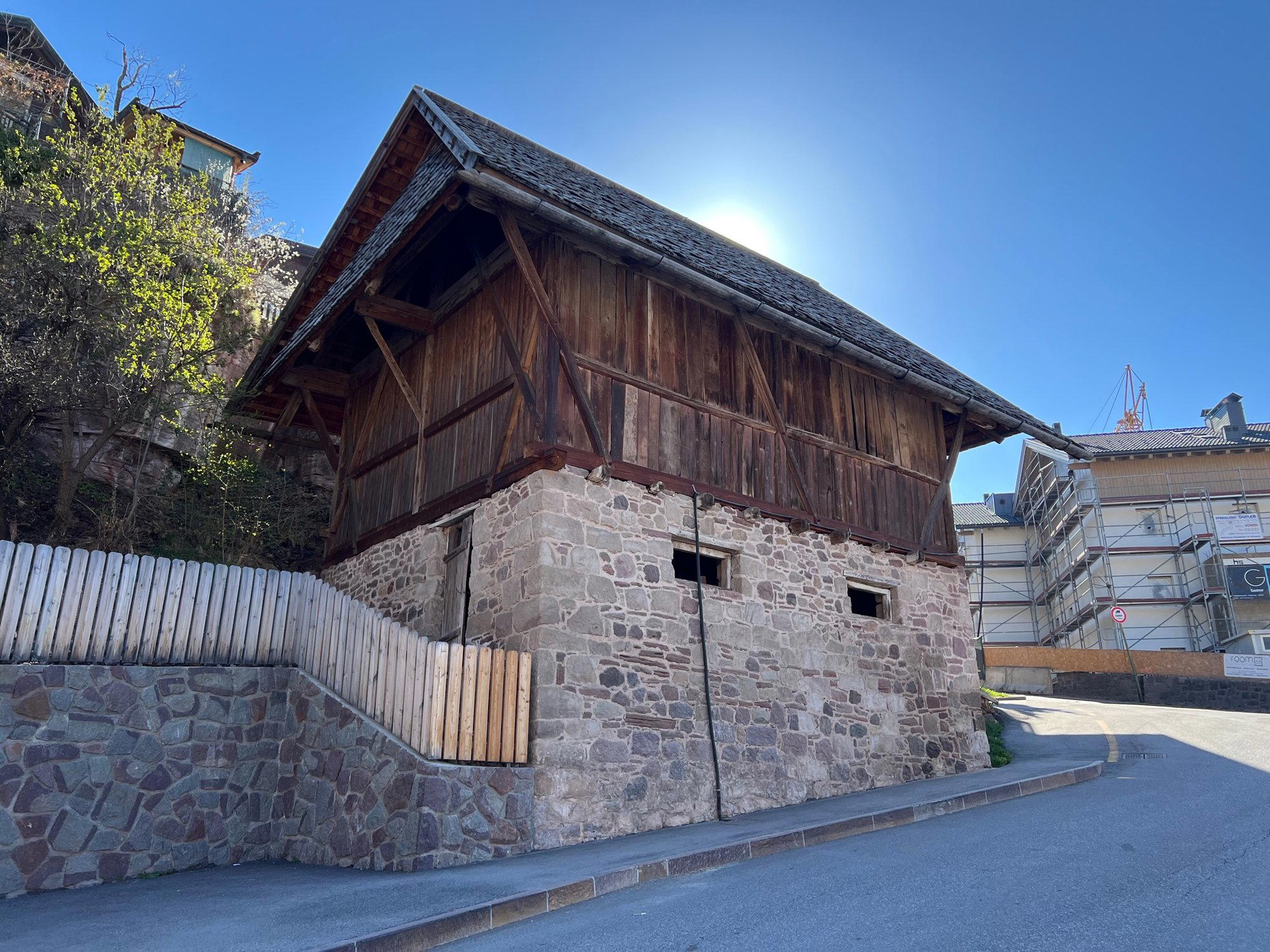
A 500-year-old structure on Metzgergasse in Lana, 1477 Reichhalter represents a particular South Tyrolean tradition: historic architecture repurposed with contemporary hospitality sensibility rather than period-room nostalgia. The building's age is not a decorative gesture but a structural fact, and the tension between centuries-old fabric and fresh programming defines the experience here.
Pearl is the En Primeur Club membership app — saves, bookings, and concierge access live there. Same editors, same standards.
- Address
- Metzgergasse 2, Lana 39011, Italy
- Phone
- 0039 0473 051 050
- Website
- marriott.com
- Directions
- Get directions
 Saves & bookings on Pearl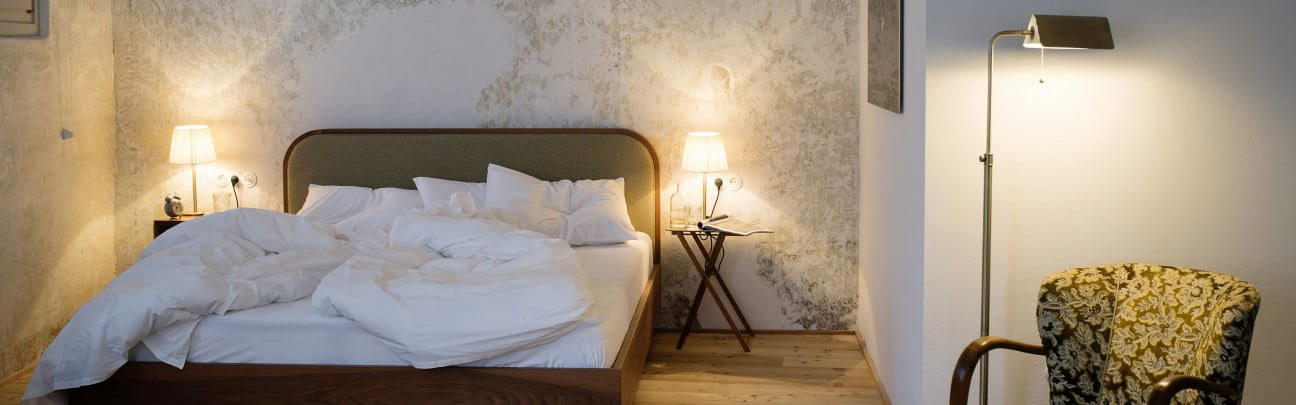
Five Centuries of Stone, Reframed
Metzgergasse cuts through the older quarter of Lana with the unhurried directness of a street that has never needed to announce itself. The buildings along it carry their age in the thickness of their walls rather than in any deliberate heritage presentation, and number 1477 Reichhalter belongs to that category firmly. The structure dates to 1477, the name is both address and timestamp, and the physical presence of the building registers before anything else: stonework that has absorbed five centuries of Alpine light, proportions that predate the standardisation of modern construction, and a spatial logic shaped by a different era's relationship to interior volume and height.
South Tyrol occupies an unusual position in the Italian hospitality conversation. Culturally and architecturally more Austrian than Italian in many of its older structures, the region has developed a distinct approach to adaptive reuse: working with the grain of Tyrolean building tradition rather than against it, and resisting the urge to soften historic fabric with cosmetic renovation. Particularly considered properties in the area treat their old structures as active participants in the hospitality offer, not as backdrops. 1477 Reichhalter sits within that current, where the 500-year-old envelope is explicitly part of what the property is offering.
Architecture as the Hospitality Argument
The tension that defines serious historic-building hospitality is between preservation and livability. Treat the structure as a museum and the guest experience becomes reverent but static. Overwhelm it with contemporary intervention and the reason for being in an old building disappears entirely.
1477 Reichhalter is described as marrying its historical structure with a fresh and sophisticated approach to hospitality, which in the South Tyrolean context translates to something specific. Sophistication in this region tends to be understated: material quality over decorative elaboration, precision in service over theatrical warmth, and a respect for the building's own spatial rhythm over the imposition of a design concept that could have been applied anywhere. Whether the interior reads as a careful stewardship of original fabric or a more decisive contemporary insertion, the building's 15th-century bones set parameters that newer constructions simply cannot replicate.
Lana and the South Tyrolean Frame
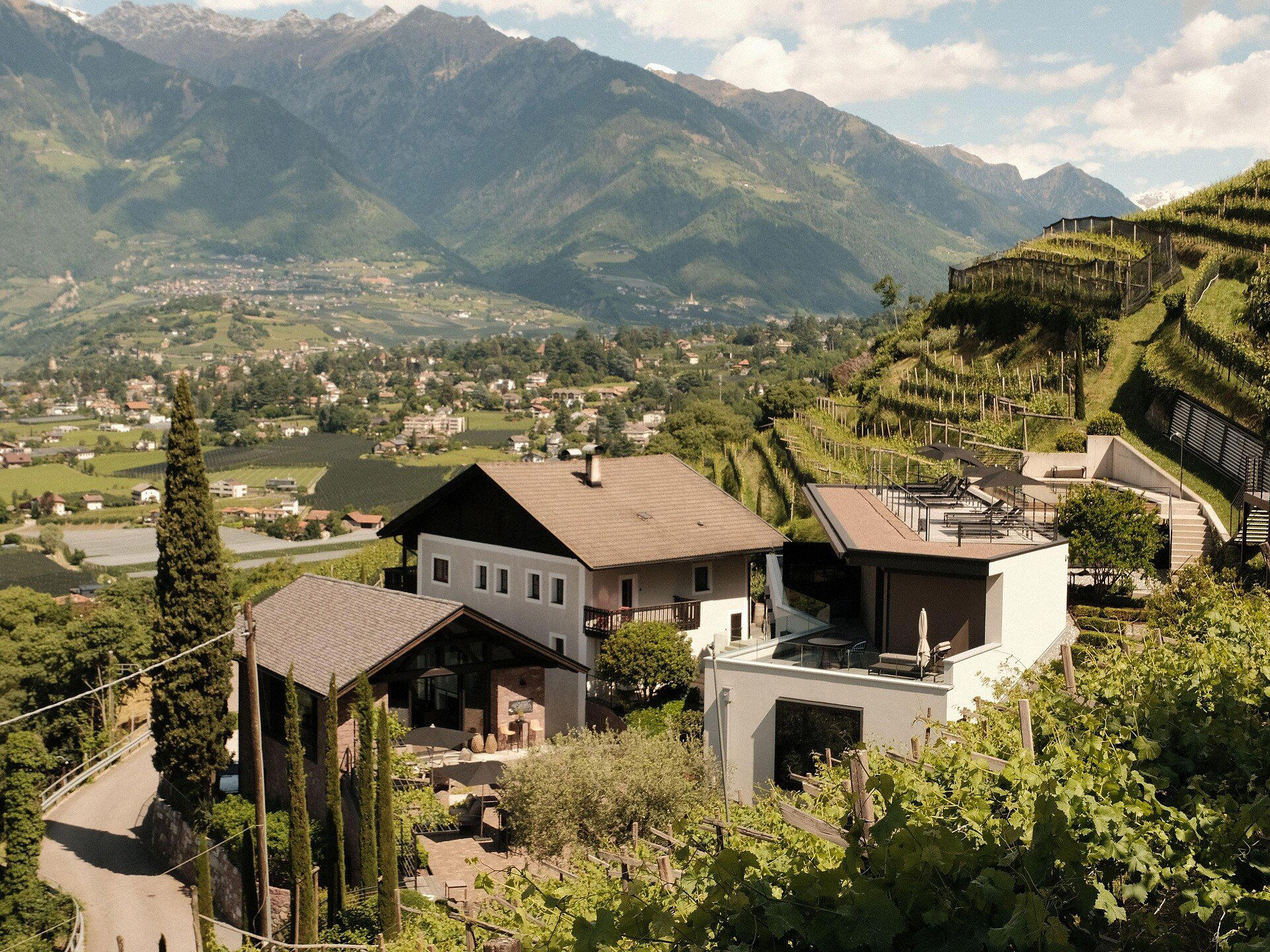
Lana itself sits in the Burggrafenamt district, between Bolzano and Merano, in a valley position that gives it a milder microclimate than the higher Alpine villages. The town is known for its apple orchards, South Tyrol produces a significant share of Europe's apple crop, and its built environment layers medieval, baroque, and 19th-century structures without strong separation between periods. Hospitality in the area ranges from large wellness-oriented hotels to smaller, more character-specific properties. Hotel Schwarzschmied and Villa Arnica represent the town's more design-forward accommodation options, while Vigilius Mountain Resort operates at altitude above the valley floor on a different spatial logic altogether. The hotel, positioned in the older street grain of the town centre, occupies a different niche from all three.
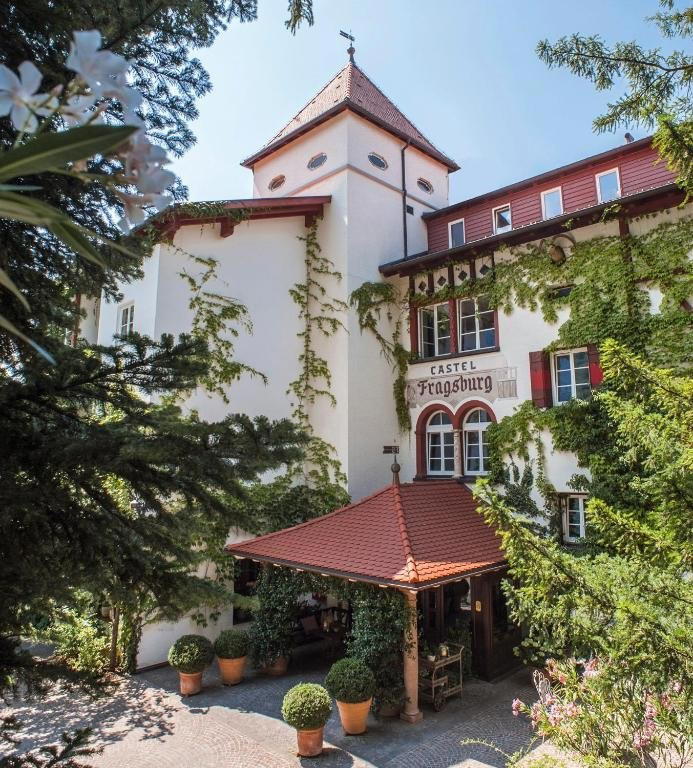
The broader South Tyrolean hospitality sector has invested heavily in the pairing of historic setting with contemporary food and wellness programming. Castel Fragsburg in Merano illustrates how properties in the area can carry significant architectural age while maintaining a crisp, modern service register. That dual identity, old container and present-tense experience, is what the leading operations in this corner of northern Italy have developed into a recognisable regional model. The hotel's positioning fits that model at the town-centre, historic-fabric end of the spectrum.
What a 15th-Century Address Implies About the Stay
Buildings of this age in northern Italian and South Tyrolean towns were typically constructed for purposes other than hospitality, merchant houses, guild buildings, or structures tied to civic or ecclesiastical function. The spatial vocabulary they carry is consequently different from purpose-built hotels: rooms organised around internal courtyards, ceiling heights governed by structural necessity rather than guest comfort calculation, and a relationship between public and private space that feels less segmented than modern hotel planning. When those buildings are converted thoughtfully, what remains is an interior logic that newer construction cannot manufacture.
For guests arriving from the larger Italian hotel circuit, from properties like Four Seasons Hotel Firenze in Florence, Aman Venice in Venice, or Bulgari Hotel Roma in Rome, the hotel represents a different register. The scale is intimate rather than grand, the location is a working town rather than a showcase city, and the architectural identity is northern European in character: heavier, more enclosed, built for Alpine winters rather than Mediterranean display. That shift in register is part of what the address offers.
Italy's most considered small historic properties share a common quality: the building itself does editorial work that no amount of interior design spend can replicate in a new structure. From Passalacqua in Moltrasio on Lake Como to Casa Maria Luigia in Modena, Borgo San Felice Resort in Castelnuovo Berardenga, and Borgo Egnazia in Savelletri di Fasano, the pattern holds: age, when handled without nostalgia, functions as a form of authority. The hotel's five centuries of fabric in a small Tyrolean town put it in that lineage, even if the scale and ambition differ from the larger resort operations further south.
Planning a Visit
The hotel is located at Metzgergasse 2 in Lana (39011), in the Alto Adige / South Tyrol region of northern Italy. Lana is most easily reached via Bolzano, which connects to the Italian rail network and has road access from the Brenner motorway corridor. The town sits roughly midway between Bolzano and Merano, making both day trips practical. Guests exploring the broader South Tyrolean accommodation range should also consider properties at different altitudes and formats: Vigilius Mountain Resort operates above the valley on a car-free plateau, offering a sharp contrast to the street-level, town-fabric experience that hotel provides.
Side-by-Side Snapshot
Comparable venues nearby, for context on price, style, and recognition.
| Venue | Cuisine | Price | Awards | Notes |
|---|---|---|---|---|
| 1477 ReichhalterThis venue — the venue you are viewing | Historic gasthaus with minimalist restoration preserving original stone and wood. | $$$$ | 4-Star | Not listed |
| DolceVita Hotel Alpiana Resort | Green luxury modern design blending contemporary aesthetics with natural elements and Mediterranean influences in an Alpine setting. | $$$$ | 4-Star | Foiana/Völlan |
| Villa Arnica | Contemporary luxury within a restored 1920s Alpine villa, blending period architecture with refined modern interiors and antique furnishings. | $$$$ | 4-Star | Lana |
| Hotel Schwarzschmied | holistic well-being oasis amid vineyards using regional larch, spruce, and marble | $$$ | 4-Star | Lana |
| Vigilius Mountain Resort | Hotel | Not listed | Michelin 1 Key | Lana |
| Tre Bacili | L’Ospitalità in Dimora | Restored historic Salentine mansion with scattered layout and generous intimate spaces | $$$$ | 4-Star | Spongano |
Recognition history
Dated appearances from independent guides and award organizations, with the underlying list record or original source where available.
Design Hotels Member
Design Hotels
Mr & Mrs Smith Smith Seal of Approval
Mr & Mrs Smith
Michelin Selected
Michelin
Continue exploring
More in Lana
Hotels in Lana
Browse all →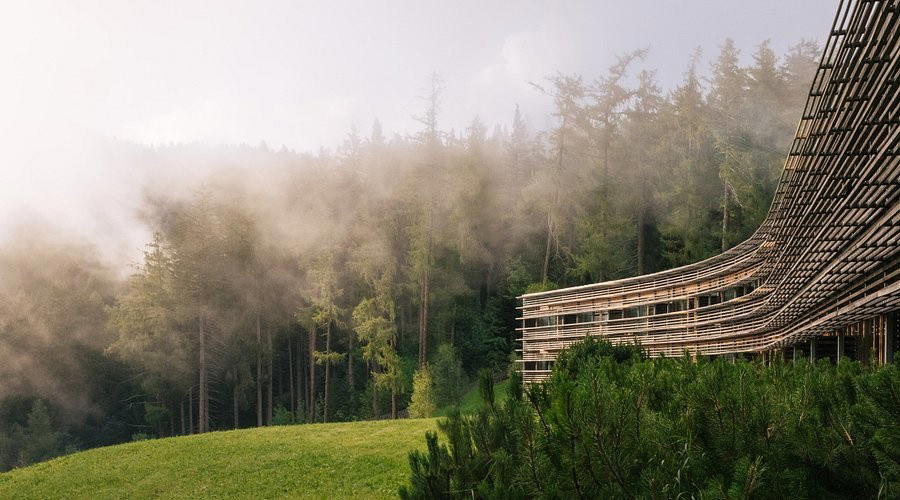
Bars in Lana
Browse all →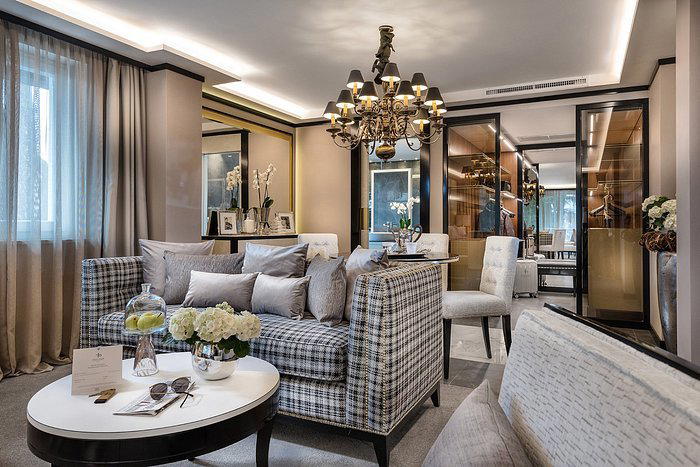
Restaurants in Lana
Browse all →
At a Glance
- Rustic
- Cozy
- Historic
- Intimate
- Elegant
- Romantic Getaway
- Weekend Escape
- Historic Building
- Terrace
- Wi Fi
- Restaurant
- Wi Fi
- Restaurant
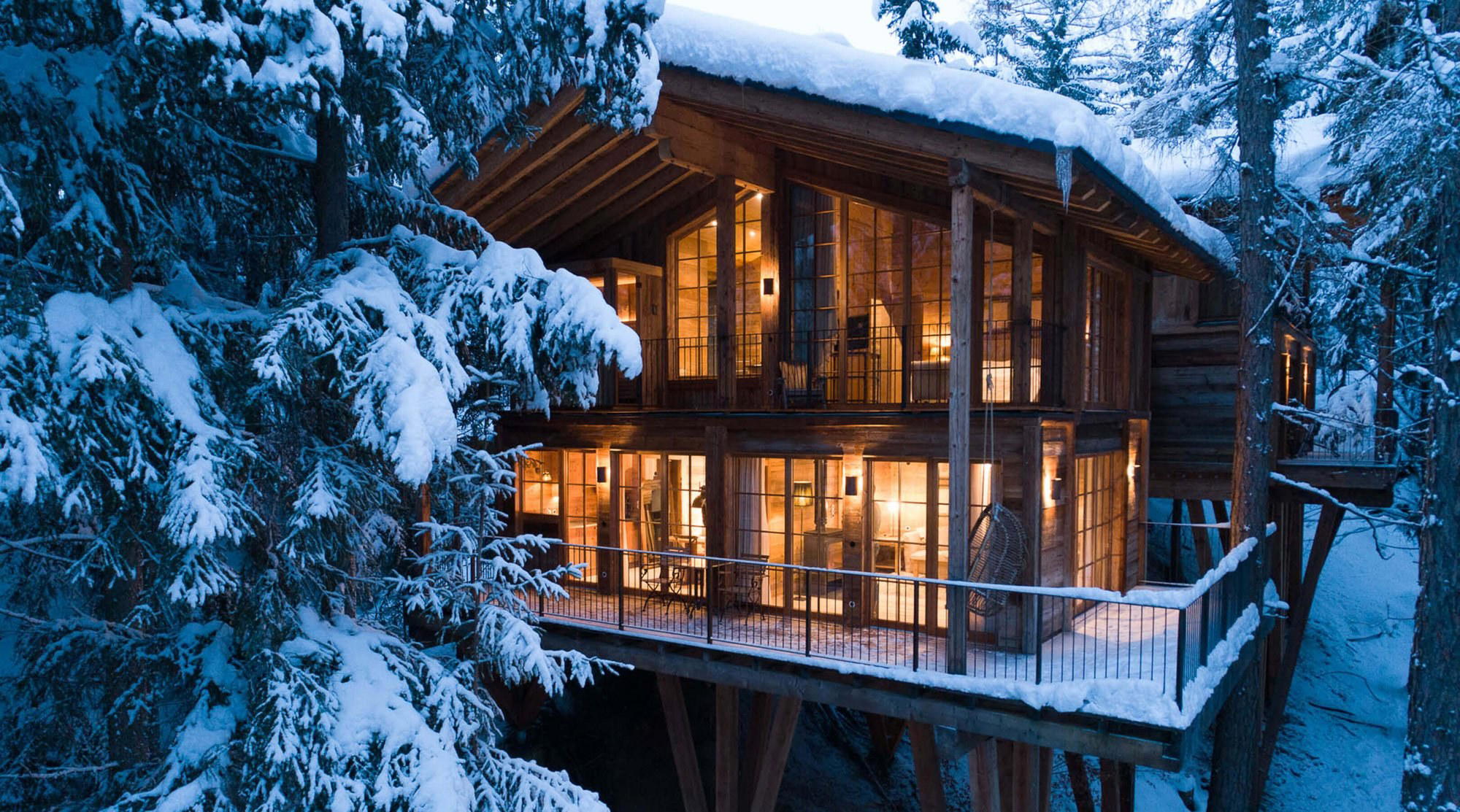
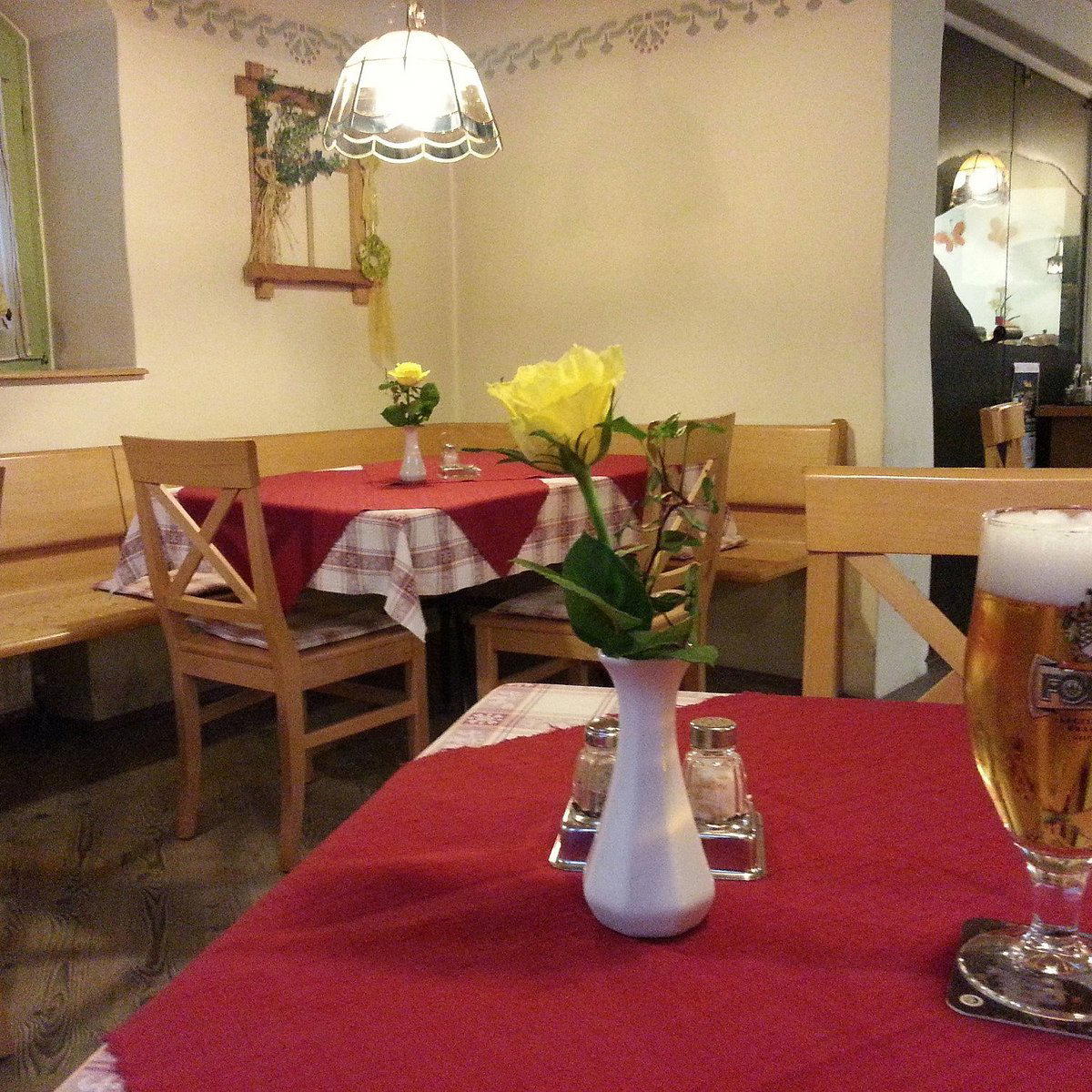
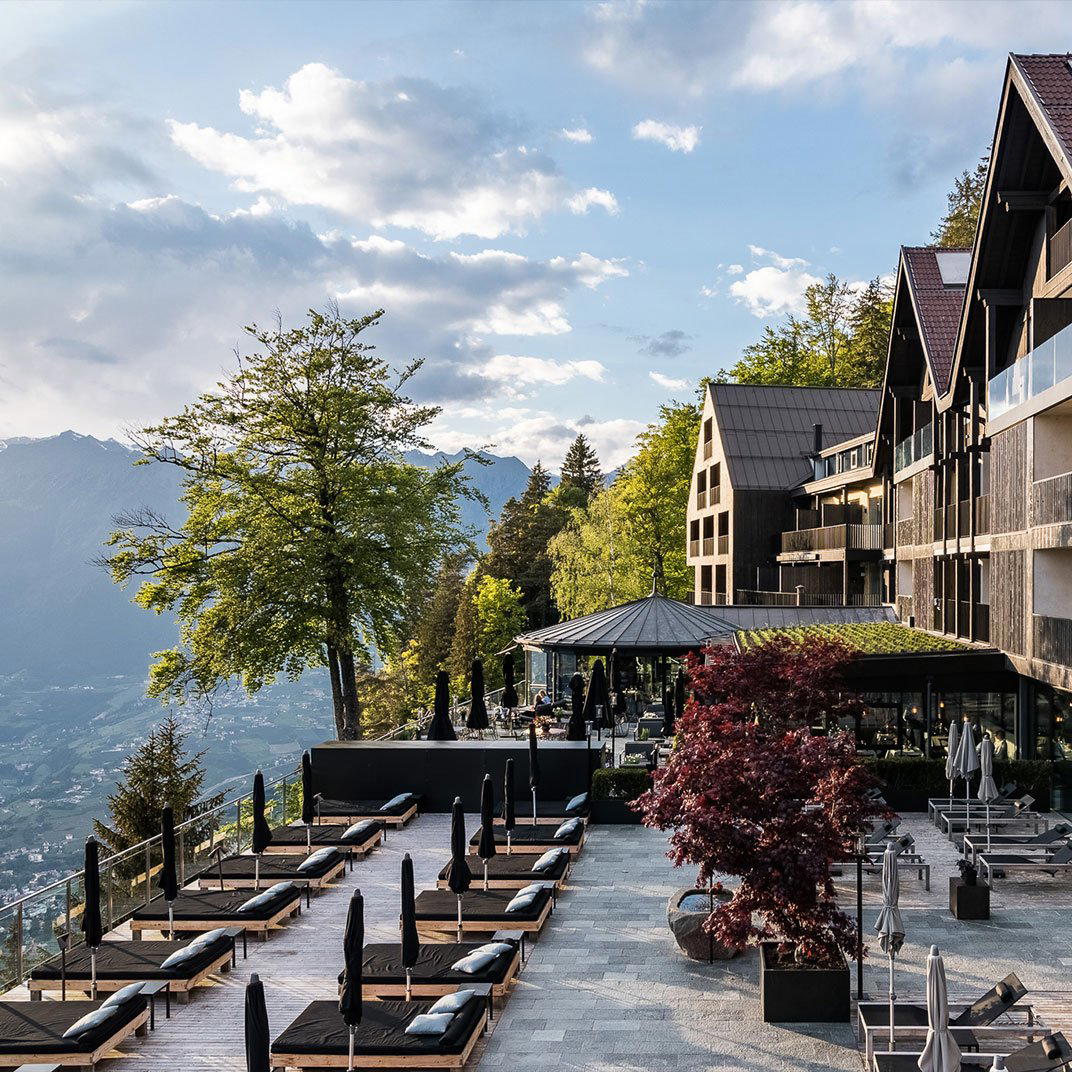
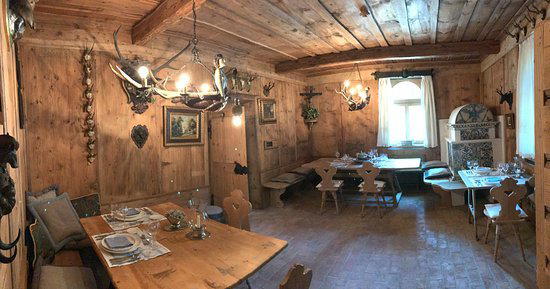
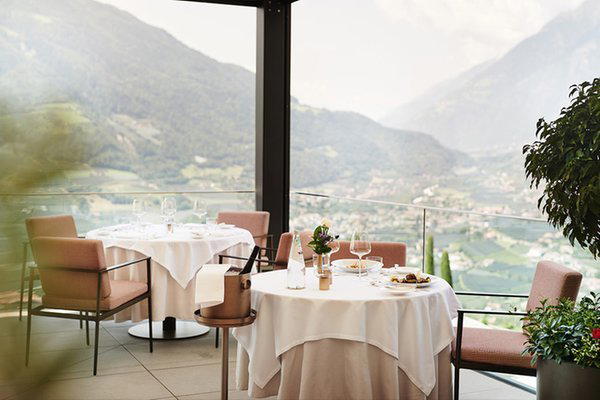
Cozy historic atmosphere with weathered stone walls, wooden beams, and mid-century furniture, creating a peaceful, timeless retreat.