


Michelin Selected · Small Luxury Hotels of the World Member · Forbes 4-Star
A 16th-century Florentine residence converted into a 14-room boutique property on Via degli Strozzi, Palazzo Vecchietti places guests inside the historic centre with an intimacy that larger hotels in the city cannot replicate. Rooms run from 430 square feet upward, with two full apartments for extended stays. Rated 4.8 on Google across 83 reviews.

Pearl is the En Primeur Club membership app — saves, bookings, and concierge access live there. Same editors, same standards.
A Palazzo on Via degli Strozzi
Florence's historic centre is dense with large-footprint hotels competing on brand recognition, spa acreage, and restaurant credentials. Palazzo Vecchietti operates on a different logic entirely. With 14 rooms set inside a 16th-century residence built by wealthy Renaissance-era traders, the property sits at the smaller end of the city's boutique tier, where the building itself carries as much authority as any amenity list. The address on Via degli Strozzi places guests within walking distance of the Piazza della Repubblica, the Uffizi, and Palazzo Strozzi, in a neighbourhood where the urban fabric has changed relatively little in five centuries. Compared with larger alternatives such as the Four Seasons Hotel Firenze or Brunelleschi Hotel, Palazzo Vecchietti trades scale for proximity to the city's architectural core and a room count that keeps the experience genuinely quiet.
The Architecture as Context
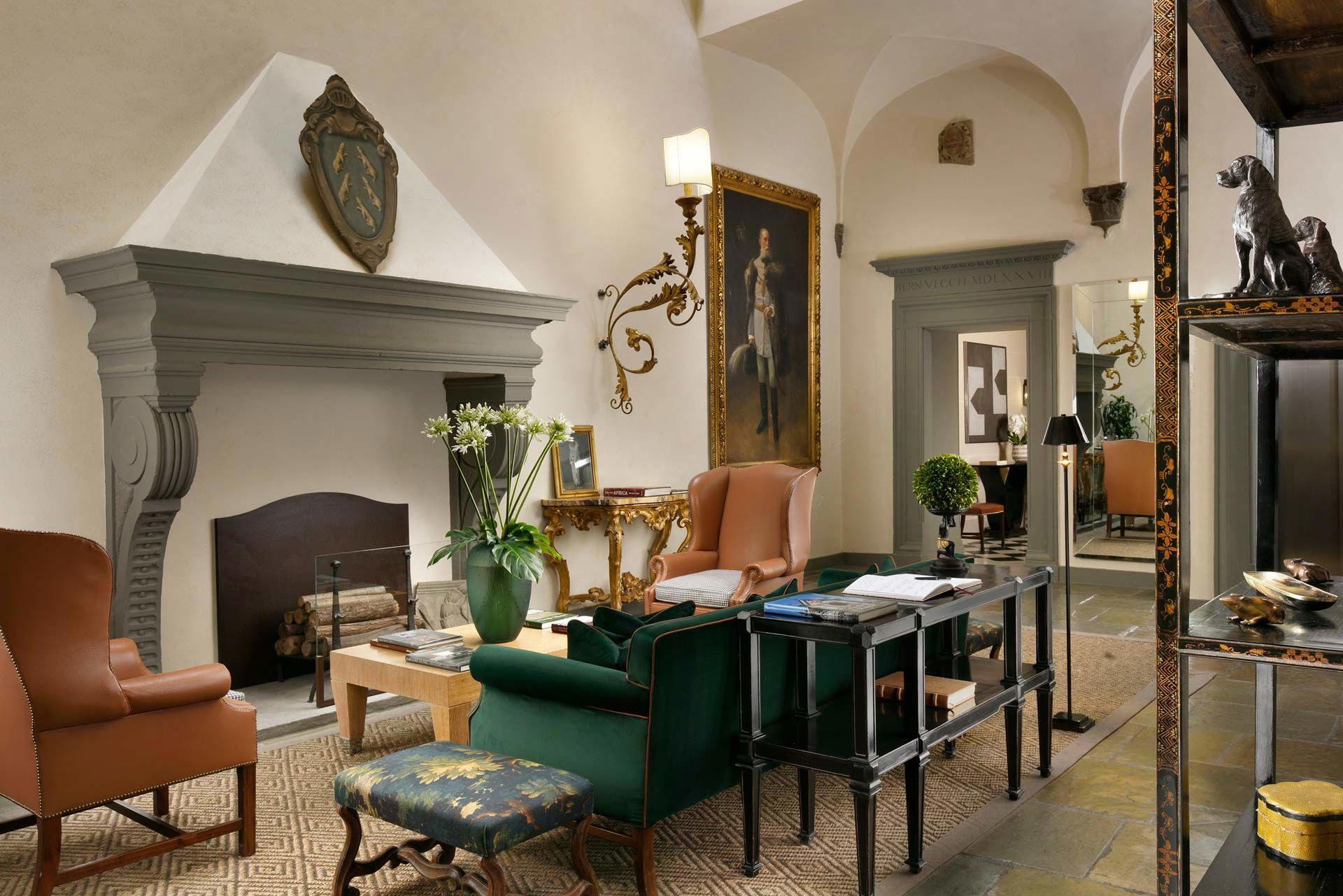
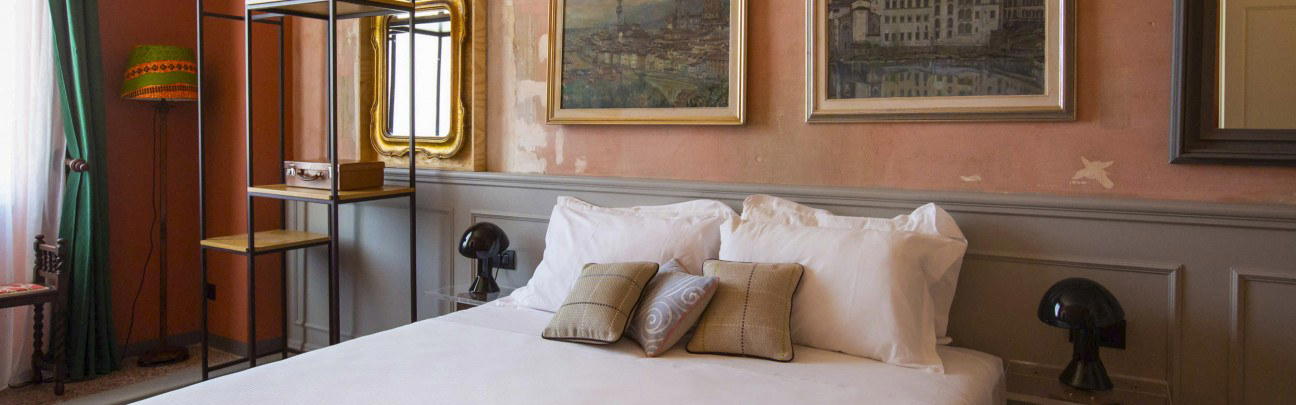
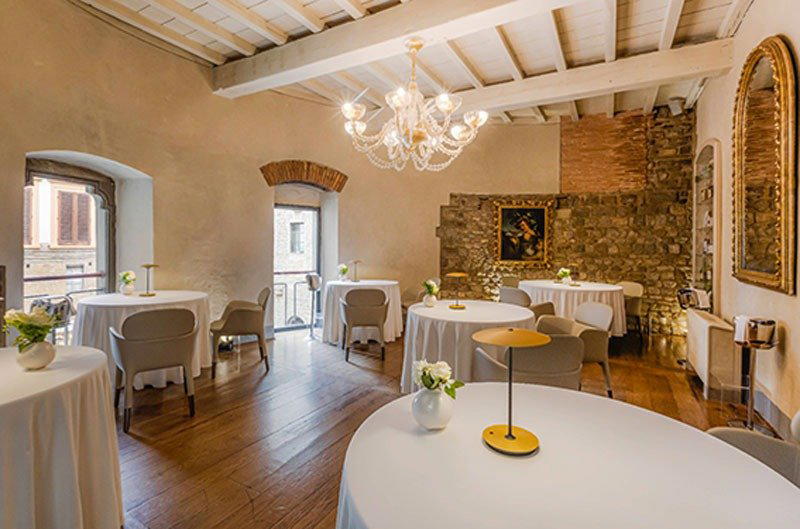
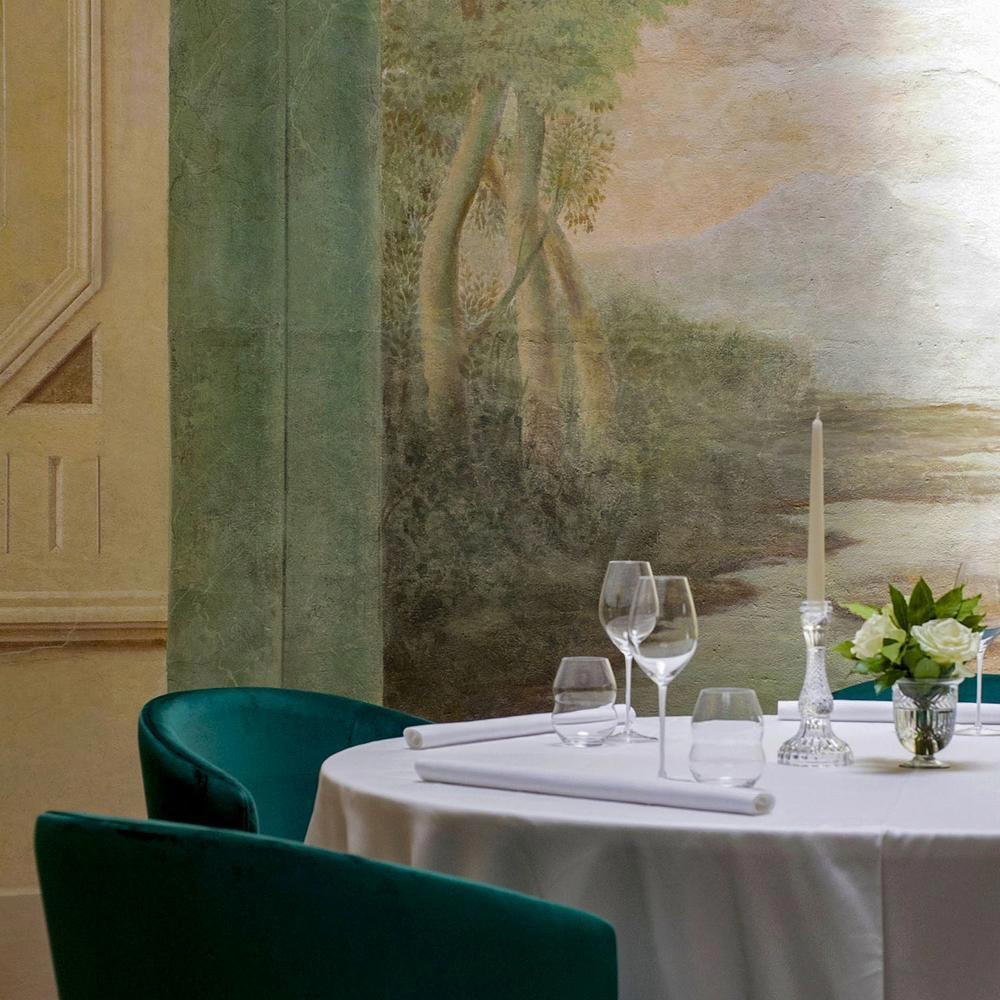
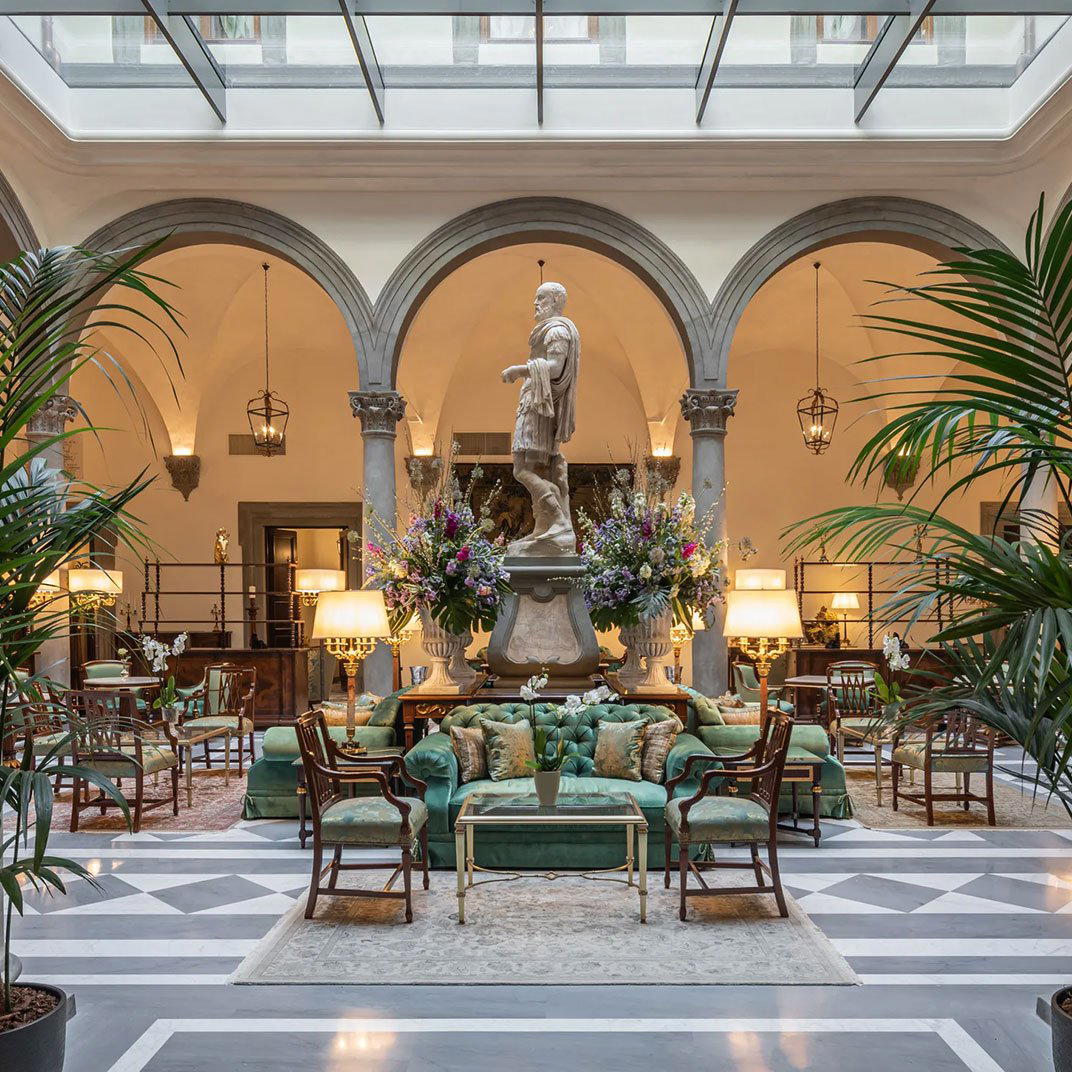
Florentine luxury hotels divide broadly into two camps: restored civic palazzi with grand public spaces designed to impress at arrival, and smaller residences where the intimacy of the original building becomes the distinguishing feature. Palazzo Vecchietti belongs firmly in the second category. The building was constructed by the Vecchietti family, merchants and Renaissance patrons whose social position placed them among the city's cultural financiers. That lineage is readable throughout the property in the furnishings, the proportions of the rooms, and the texture of the stonework — details the staff actively encourage guests to ask about, making the building's history an ongoing part of the stay rather than background scenery. The designer's approach, credited to Bönan, layers classic-meets-contemporary touches across the Renaissance-era spaces: striped rugs, cashmere throws, velvets, warm woods, and 20th-century prints sit alongside the original architecture without competing with it. It is a calibration that Italian boutique properties frequently attempt and do not always achieve.
Room Format and What the Scale Means in Practice
Boutique properties in Florence's historic centre frequently advertise exclusivity while still operating 50 or 60 keys. Palazzo Vecchietti's 14-room count is a meaningful constraint. At that scale, corridor traffic is minimal, staff-to-guest ratios are higher, and the building reads more like a private residence than a hotel. Deluxe rooms begin at 430 square feet. Each room includes a kitchenette and Nespresso machine, a practical detail that matters in a city where breakfast crowds at nearby cafes can be considerable. Bath products are sourced from Ortigia, the Sicilian soap and fragrance company based in Syracuse — a supplier with a specific regional identity rather than a generic hotel amenity choice. For guests considering longer stays or family travel, the two full apartments, the Leonardo da Vinci and the Lorenzo Il Magnifico, offer living rooms, stocked kitchens, large wardrobes, and Turkish baths. In format, these function as furnished Florentine apartments with hotel services attached, rather than oversized hotel rooms. If a terrace is a priority, the two rooms named Machiavelli include outdoor space with rooftop views over Florence; these book ahead of the standard inventory and should be specified at reservation.
On Sustainability and the Boutique Hotel Model
The sustainability conversation in luxury hospitality often defaults to solar panels, linen reuse programmes, and farm-to-table restaurant sourcing. Palazzo Vecchietti's environmental argument is structural rather than programmatic. Adaptive reuse of existing historic buildings, rather than new construction, carries a different kind of resource logic: no new materials, no site clearance, no embodied carbon from ground-up development. A 16th-century palazzo that has been inhabited continuously, or near-continuously, for five centuries represents a form of material longevity that no LEED certification on a new-build can replicate. The relatively small room count also limits energy and water demand per occupied night compared with properties operating at scale. The absence of an on-site restaurant reduces the food waste and supply-chain complexity that full-service luxury hotels carry as standard. Breakfast is served family-style at a shared table in the common room on the third floor, with options for gluten intolerances and other dietary needs, and afternoon snacks are available with advance notice. That format is both operationally lighter and more socially coherent than a staffed restaurant operating at partial capacity through the shoulder hours. For travellers who assess environmental footprint across the full arc of a stay, the combination of adaptive reuse, reduced key count, and simplified food service places Palazzo Vecchietti in a different position from larger competitors, even those with more visible sustainability credentials. Properties such as Ad Astra and Hotel Calimala operate in adjacent parts of Florence's boutique tier, each with their own approach to the historic-centre boutique format.
Wellness Without a Spa
Palazzo Vecchietti has no on-site spa, which is worth stating clearly before booking. For guests who require a full treatment menu, properties such as Villa Cora or Hotel Lungarno offer that as a baseline amenity. What Palazzo Vecchietti offers instead is staff with local knowledge of nearby spa facilities and the option of arranging in-room massage. That model suits a specific traveller: one who does not want to pay the room-rate premium that typically accompanies a full spa infrastructure, and who treats wellness as an occasional add-on rather than a daily programme.
Positioning Within Florence's Boutique Hotel Scene
Florence's premium accommodation market spans a wide range, from large institutional addresses like the Palazzo Portinari Salviati Residenza D'Epoca to design-led smaller properties. Palazzo Vecchietti positions closest to the latter, though it is less aggressively contemporary than some. Within Italy's broader boutique offering, comparison properties worth considering include Castello di Reschio in Lisciano Niccone for a rural Umbrian counterpart, Casa Maria Luigia in Modena for a northern Italian residence model, and Aman Venice for palazzo-scale at the higher end of the pricing tier. Further afield, Borgo Santandrea on the Amalfi Coast, Il San Pietro di Positano, JK Place Capri, and Portrait Milano represent Italy's small-luxury tier across different regions and price points. For those extending a European itinerary, Passalacqua in Moltrasio, Bulgari Hotel Roma, Il Pellicano in Porto Ercole, Rosewood Castiglion Del Bosco in Montalcino, Borgo Egnazia in Savelletri di Fasano, and Corte della Maestà in Civita di Bagnoregio represent the wider range of Italian property types worth mapping against a Florence stay. For international reference points in the small-luxury segment, The Fifth Avenue Hotel in New York, Aman New York, and Amangiri in Canyon Point offer useful calibration for what the category looks like at different price points globally.
Planning a Stay
Palazzo Vecchietti is located at Via degli Strozzi, 4, in Florence's historic centre, walkable from the city's main cultural institutions. With only 14 rooms, the property fills quickly during peak Florentine travel periods, particularly spring and autumn when the city receives the heaviest cultural tourism traffic. The two terrace rooms (Machiavelli) and the two apartments should be specified at the time of booking rather than requested on arrival. Breakfast is included in the common room on the third floor; afternoon snacks are available with advance notice. The property does not have an on-site restaurant, making access to Florence's wider dining scene a practical consideration, see our full Florence restaurants guide for options across the centre and beyond. For travellers comparing across Florence's boutique tier, Villa La Massa offers an alternative for those who want a riverside setting outside the city walls.
Comparison Snapshot
Comparable venues nearby, for context on price, style, and recognition.
| Venue | Cuisine | Price | Awards | Notes |
|---|---|---|---|---|
| Palazzo VecchiettiThis venue — the venue you are viewing | 16th-century historic palace with residential-style suites | $500–750 | Michelin Selected · Small Luxury Hotels of the World Member | Not listed |
| Il Salviatino | Historic 15th-century Renaissance villa blending classic elegance with contemporary design | Not listed | Michelin Selected · Mr & Mrs Smith Seal of Approval | Coverciano |
| Hotel Savoy, a Rocco Forte Hotel | Contemporary luxury blending Florentine heritage and modern Italian design | $500–750 | Michelin Selected · La Liste Top Hotels | Santo Spirito |
| Sina Villa Medici, Autograph Collection | Historic palazzo blending contemporary luxury with old-world charm | Not listed | Forbes Recommended | San Frediano |
| Portrait Firenze | Ferragamo family-owned luxury boutique hotel embodying 1950s Florentine glamour and haute couture heritage with discreet, intimate service. | $750–1,000 | Michelin Selected · La Liste Top Hotels | Santo Spirito |
| Tivoli Palazzo Gaddi | Historic palace blending Renaissance heritage with modern luxury | Not listed | Michelin Selected | Centro Storico |
Recognition history
Dated appearances from independent guides and award organizations, with the underlying list record or original source where available.
Michelin Selected
Michelin
Forbes 4-Star
Forbes
Small Luxury Hotels of the World Member
Small Luxury Hotels of the World
Continue exploring
More in Florence
Hotels in Florence
All hotels in Florence →
Bars in Florence
All bars in Florence →
Restaurants in Florence
All restaurants in Florence →

Details
- Elegant
- Sophisticated
- Intimate
- Classic
- Cozy
- Romantic Getaway
- Anniversary
- Honeymoon
- Historic Building
- Terrace
- Wi Fi
- Room Service
- Concierge
- Massage
- Street Scene
- Elevator
- Wheelchair Accessible
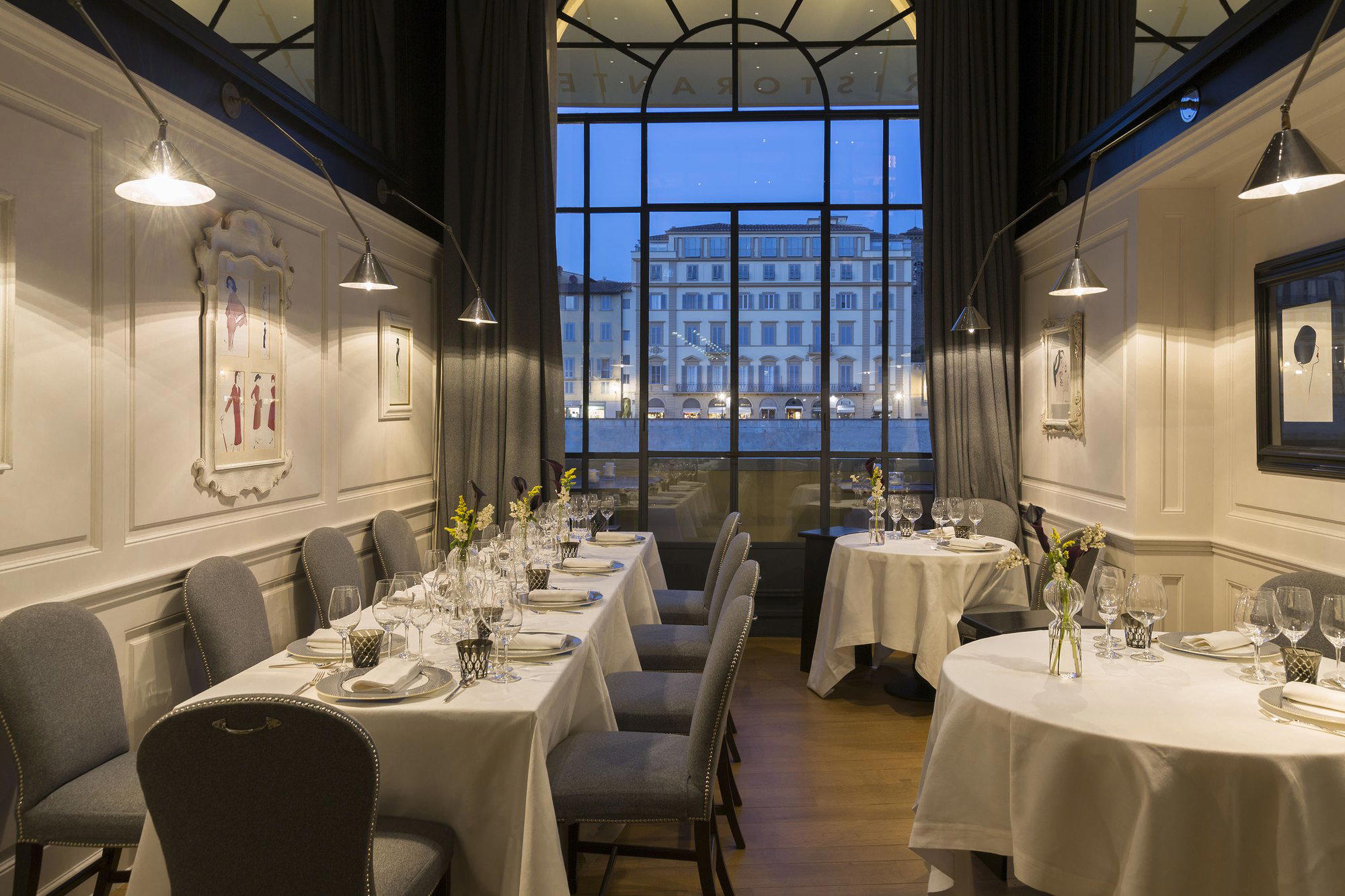
Elegant and tranquil with contemporary-classic interiors, original features like ornate cornices, and a peaceful retreat atmosphere praised for quietness and luxury.