MyNavona sits on Via di Tor Millina, steps from Piazza Navona in Rome's historic centre, placing guests inside one of the city's most concentrated pockets of baroque architecture, neighbourhood trattorias, and early-evening aperitivo culture. The address alone defines the experience: proximity to the piazza without the piazza's tourist pressure, in a quarter where Romans and visitors occupy the same streets on equal terms.
Pearl is the En Primeur Club membership app — saves, bookings, and concierge access live there. Same editors, same standards.
- Address
- Via di Tor Millina, 35, 00186 Roma RM, Italy
- Phone
- +39 339 379 9823
- Website
- mynavona.com
- Directions
- Get directions
 Saves & bookings on Pearl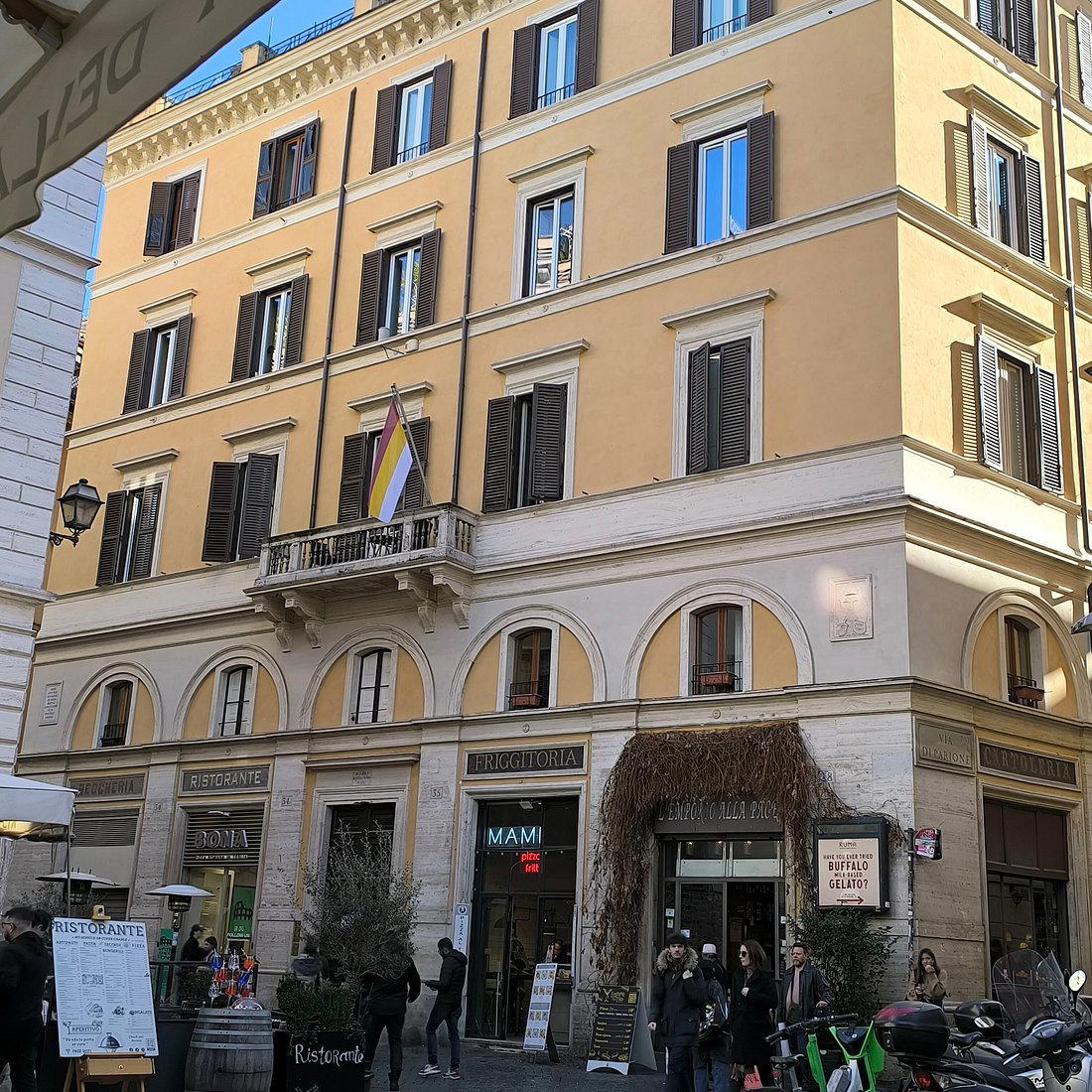
Piazza Navona's Medieval Street, Frozen in Time
Via di Tor Millina sits one block west of Piazza Navona, running along the edge of what was once the outer ring of the ancient Stadium of Domitian. The piazza's famous oval footprint traces that Roman structure directly, and the streets feeding off it, including this narrow lane at number 35, follow building lines established in the early medieval period. Walking the alley at midday, when Roman light cuts between buildings at a low angle and tourist traffic thins, the physical compression of the street makes the proximity to one of Europe's most theatrical baroque squares feel genuinely counterintuitive. Rome's centro storico does this repeatedly: a few metres separates spectacle from something quieter and more layered.
MyNavona occupies an address in this historically dense quarter. Property in the rione Parione neighbourhood, which surrounds Navona, tends to occupy structures with foundations that predate their current facades by centuries. The neighbourhood has operated as a residential and commercial zone continuously since antiquity, which gives the area a civic weight that purely monumental districts, the Forum, the Palatine, do not carry in the same way. This is where Romans lived, traded, and worshipped across overlapping civilisations, and the compressed street grid reflects that accumulated history.
Where the Venue Sits in Rome's Accommodation Tier
Rome's accommodation options around the historic centre have split into distinct bands over the past decade. At one end, large international luxury brands occupy palazzo conversions near the Spanish Steps and Via Veneto, properties like Bulgari Hotel Roma and Hotel Eden position themselves against a global luxury comparable set with corresponding price points. At the other end, smaller design-led properties in the centro storico compete on intimacy and location specificity. Hotel Vilòn, Maalot Roma, and Portrait Roma occupy this smaller-footprint tier, where address precision and building character carry as much weight as amenity scope.
MyNavona's address on Via di Tor Millina places it squarely in the dense historic core rather than on a prestige boulevard. That positioning appeals to a particular kind of traveller: one who wants Navona-adjacent access without the piazza's front-row noise, and who places neighbourhood immersion above hotel-campus scale. Properties in this micro-zone compete less on spa footage or rooftop bars and more on the quality of their immediate street, the depth of their building's history, and the practicality of walking to major sites. The Pantheon is roughly a ten-minute walk north-east; Campo de' Fiori sits a similar distance south. Both are reachable without a vehicle, which matters in a city where traffic restrictions in the ZTL zone make driving impractical for most visitors.
The Neighbourhood as the Experience
Rione Parione, the administrative district that contains Piazza Navona and its surrounding streets, is one of Rome's most historically concentrated zones. Medieval tower houses were absorbed into Renaissance palazzi; baroque church facades were inserted into fabric that predates them by half a millennium. The street-level experience alternates between food-supply shops serving local residents, wine bars that function as informal neighbourhood anchors, and gelaterie calibrated primarily for tourist throughput. Reading the difference between these categories quickly is one of the practical skills of staying in this part of Rome rather than visiting it on a day trip.
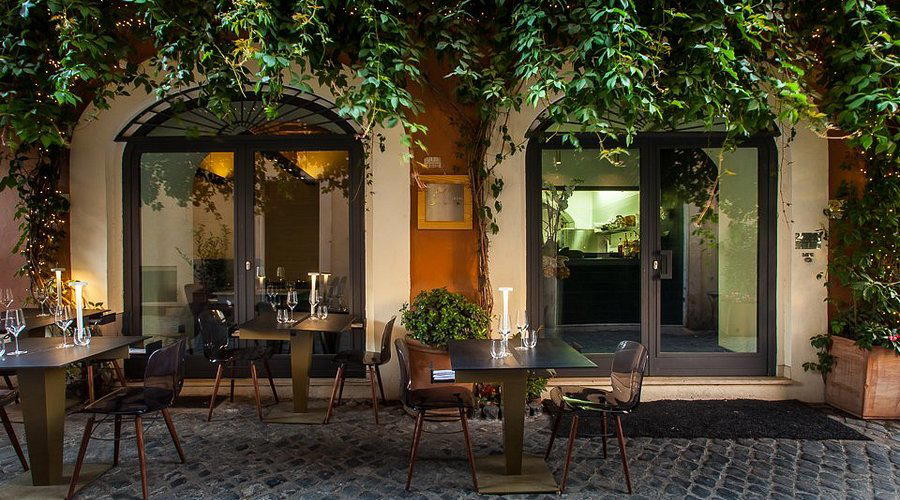
Accommodation on a street like Via di Tor Millina means waking into that fabric directly. The morning rhythm of the neighbourhood, before Navona fills, is its own argument for the address: bar counters occupied by Romans taking espresso standing, delivery vehicles threading lanes too narrow for comfort, the specific sound of cobblestone streets in a city that has not fully surrendered them to tarmac. For travellers contextualising Rome against other Italian experiences, those who might also consider Aman Venice for a different register of historic-fabric immersion, or Four Seasons Hotel Firenze for a palazzo conversion with full luxury infrastructure, MyNavona represents a different equation: address-first, amenity-second.
Booking and Planning
Prospective guests should check current availability directly through the property or major travel platforms before finalising plans. What the address confirms is the operative logic of a stay here: no vehicle is required or useful; the relevant logistics are pedestrian. Navona itself is a two-minute walk; the main archaeological sites and major churches of the centro storico fall within a thirty-minute walking radius. For those comparing Rome's smaller historic-centre properties, JK Place Roma, Hotel Locarno, and Hassler Roma represent a range of scales and price points.
Travellers building a wider Italian itinerary might sequence Rome with Castello di Reschio in Umbria, Casa Maria Luigia in Modena, or Borgo Santandrea on the Amalfi Coast for contrast across landscape and accommodation register. For those extending south, Il San Pietro di Positano and JK Place Capri offer coastal counterpoints. For Tuscany wine country, Rosewood Castiglion Del Bosco in Montalcino and Il Pellicano in Porto Ercole extend the regional range. Closer to Rome, the extraordinary plateau-leading village of Civita di Bagnoregio and Corte della Maestà make a viable day trip or short extension. For Puglia, Borgo Egnazia and Passalacqua on Lake Como complete a north-south Italian circuit.
International travellers arriving in Rome from the United States might also hold reference points from properties like The Fifth Avenue Hotel or Aman New York in New York, or Amangiri in Utah. These offer useful calibration points for understanding how MyNavona's historic-centre positioning translates across different luxury registers. The operative logic is different: in Rome's centro storico, the building's age and the street's history are the amenity, not a backdrop to one.
Cost Snapshot
Comparable venues nearby, for context on price, style, and recognition.
| Venue | Price | Awards | Notes |
|---|---|---|---|
| MyNavonaThis venue — the venue you are viewing | $$$ | 4-Star | Not listed |
| Campo de Fiori Suits | $$$ | 4-Star | San Eustachio, Elegant independent boutique blending historic charm with modern comforts. |
| Hotel Scenario | $$$ | 4-Star | Pigna, Modern boutique in historic 18th-century palazzo |
| Room Mate Collection Mia, Rome Colosseum | $$$ | 4-Star | Celio, Contemporary boutique hotel reinterpreting luxury through calm, light, and comfort. |
| Hotel Pulitzer Roma | $$$ | 4-Star | Ostiense, Contemporary design hotel with classic Italian influences positioned as ideal for business travelers and families. |
| Gigli d'Oro Suite Hotel | $$$ | 3-Star | Ponte, Historic boutique palazzo with modern luxury suites |
Continue exploring
More in Rome
Hotels in Rome
Browse all →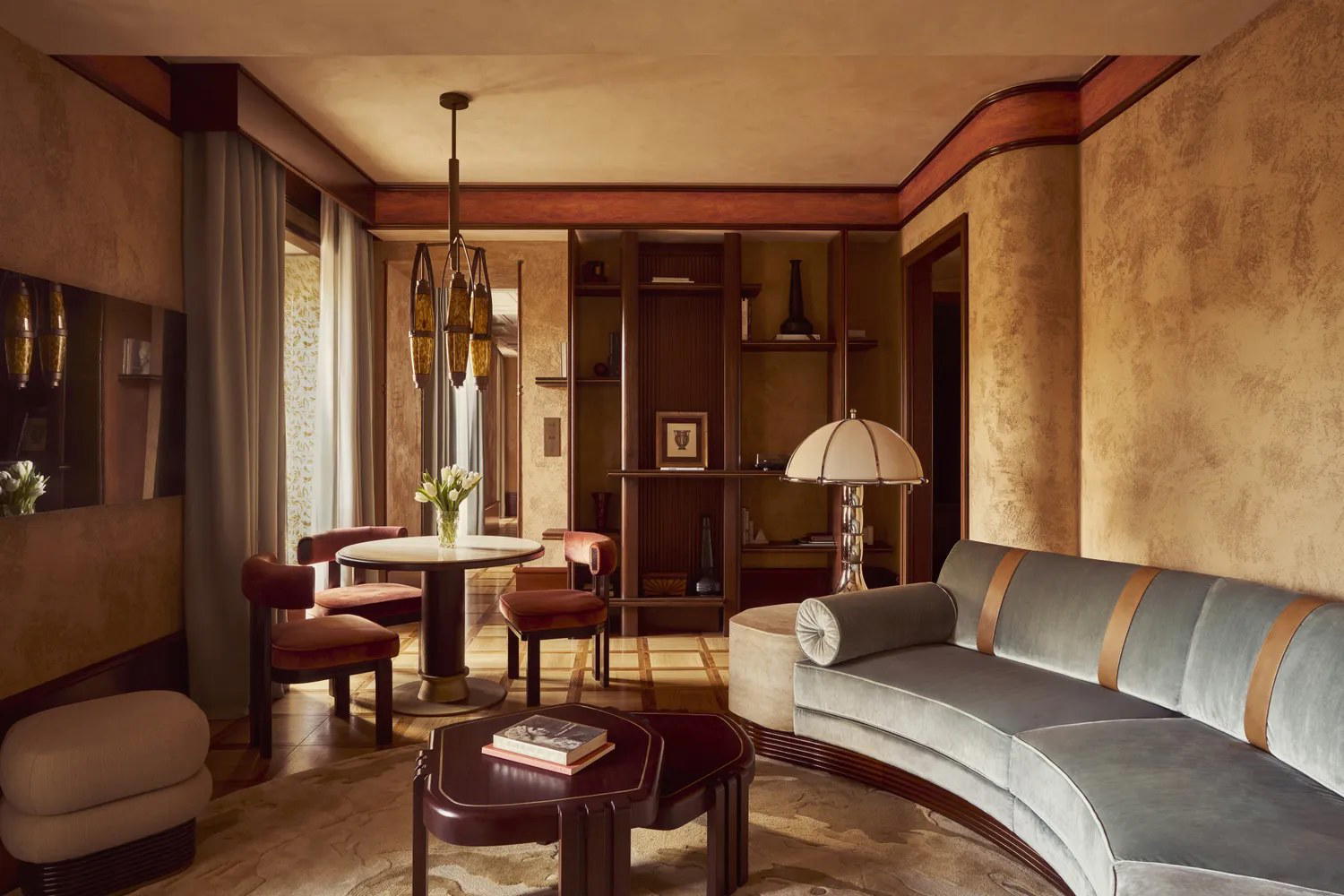
Bars in Rome
Browse all →
Restaurants in Rome
Browse all →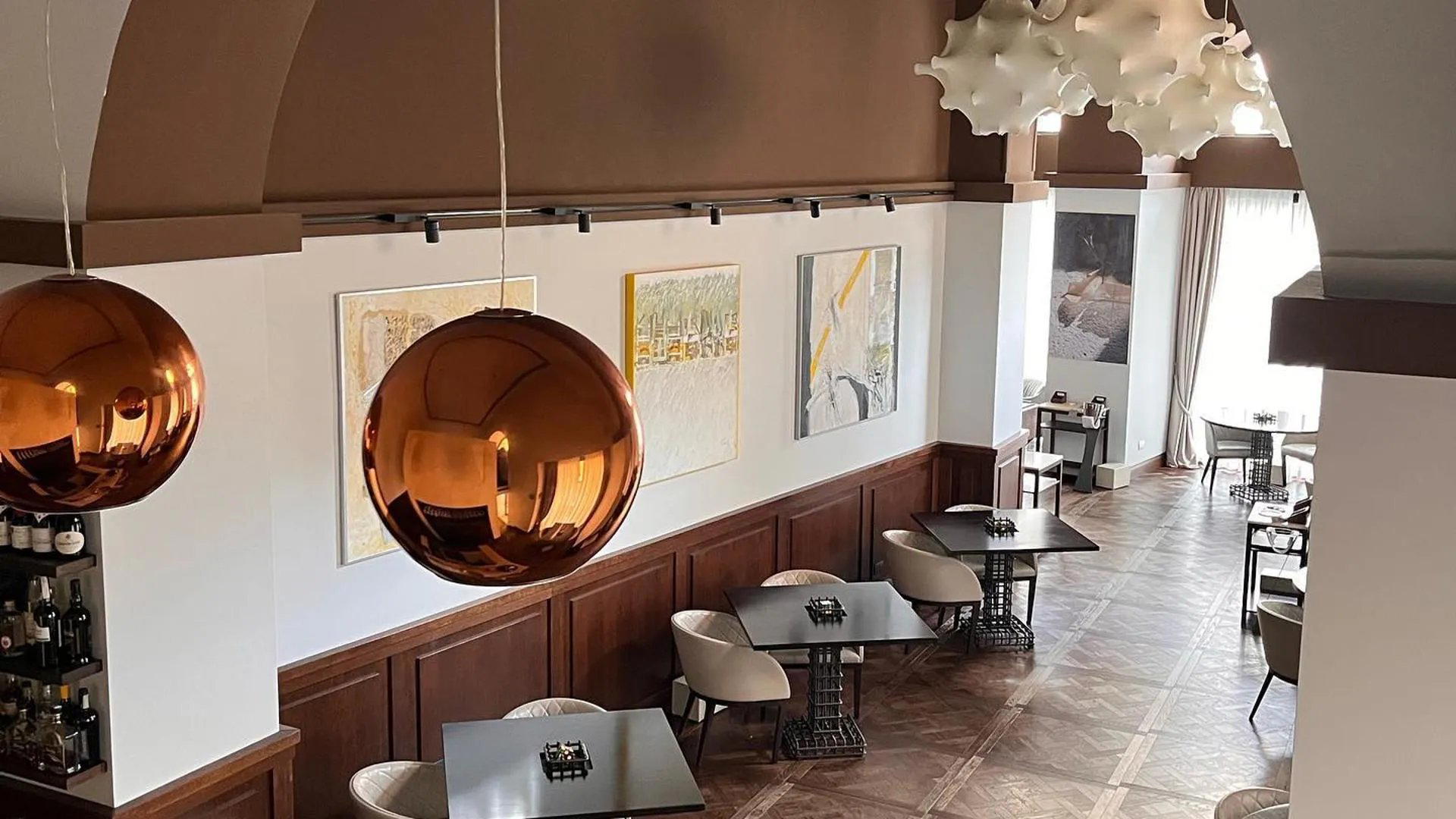

At a Glance
- Elegant
- Intimate
- Sophisticated
- Romantic Getaway
- Weekend Escape
- Historic Building
- Design Destination
- Wi Fi
- Air Conditioning
- Room Service
- Street Scene
- Wi Fi
- Air Conditioning
- Room Service
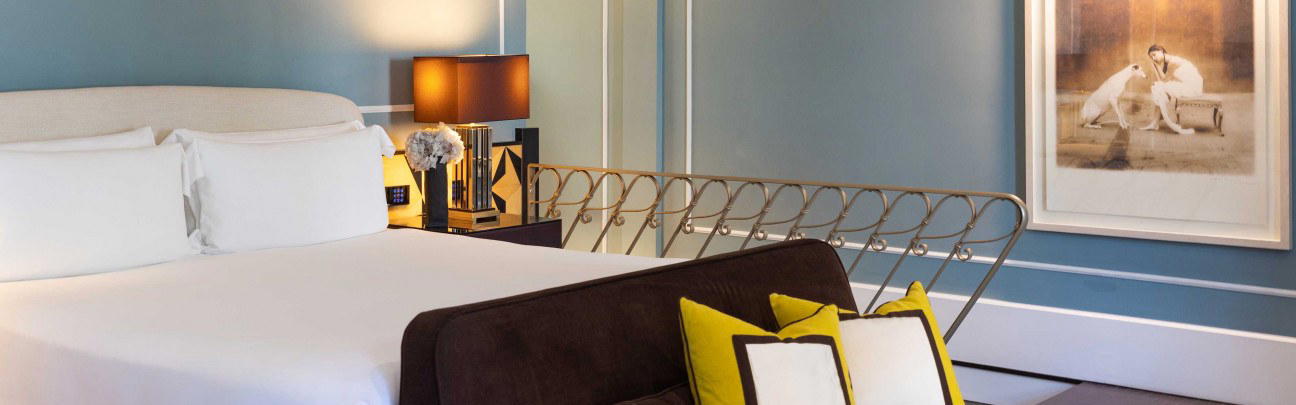
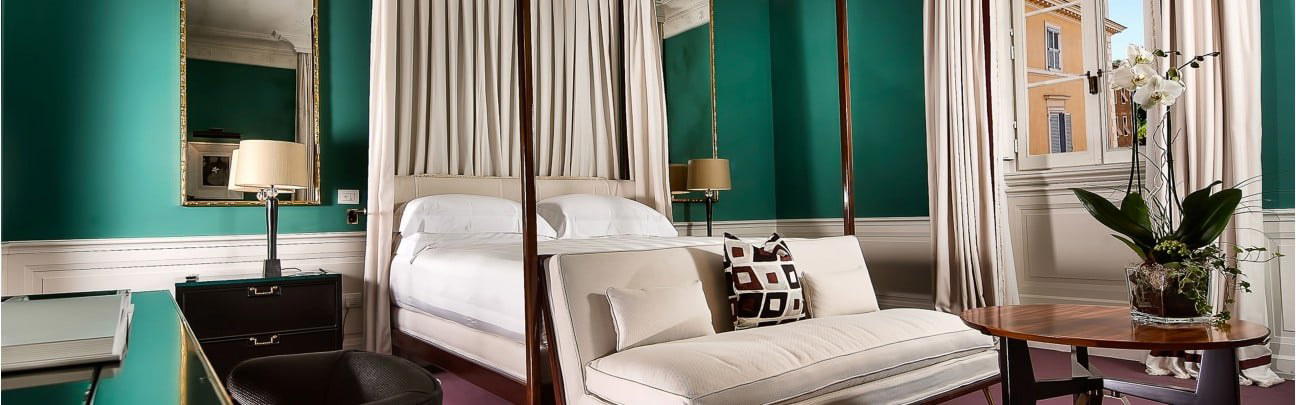
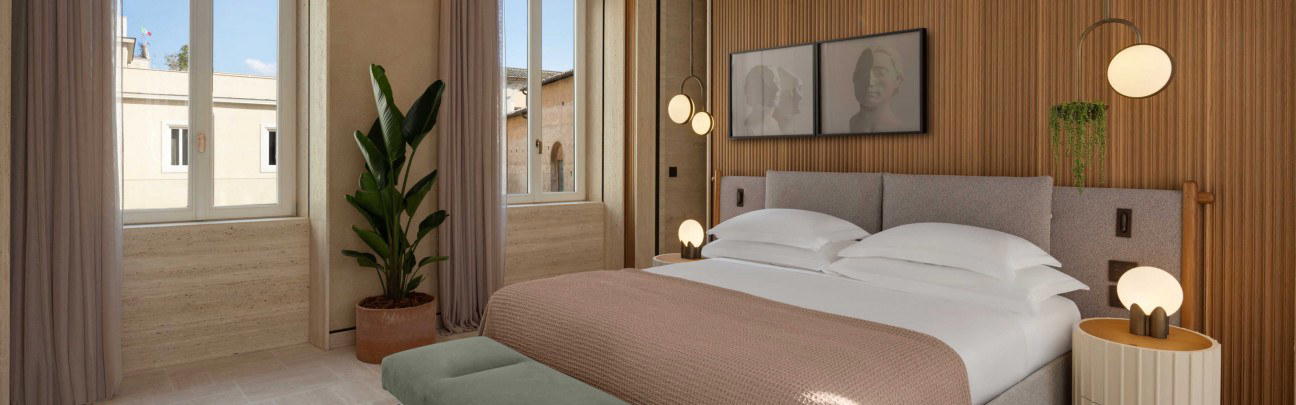
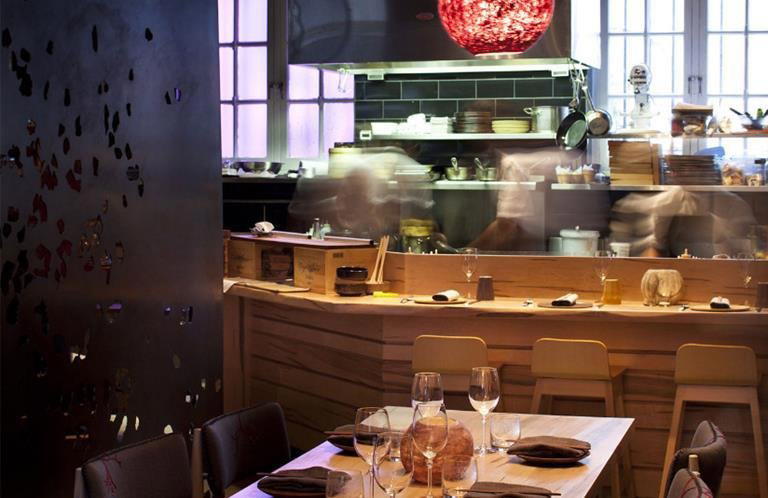
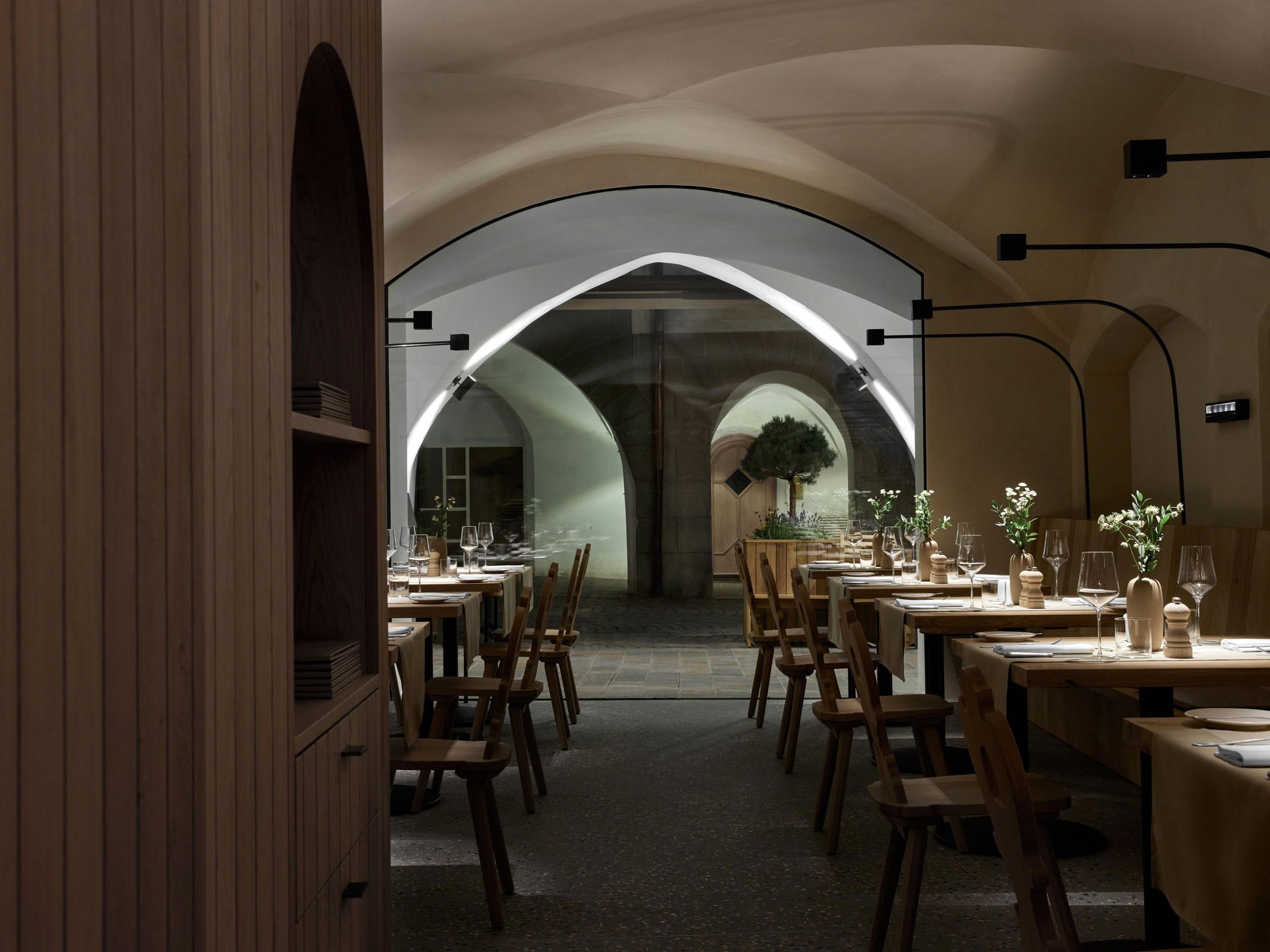
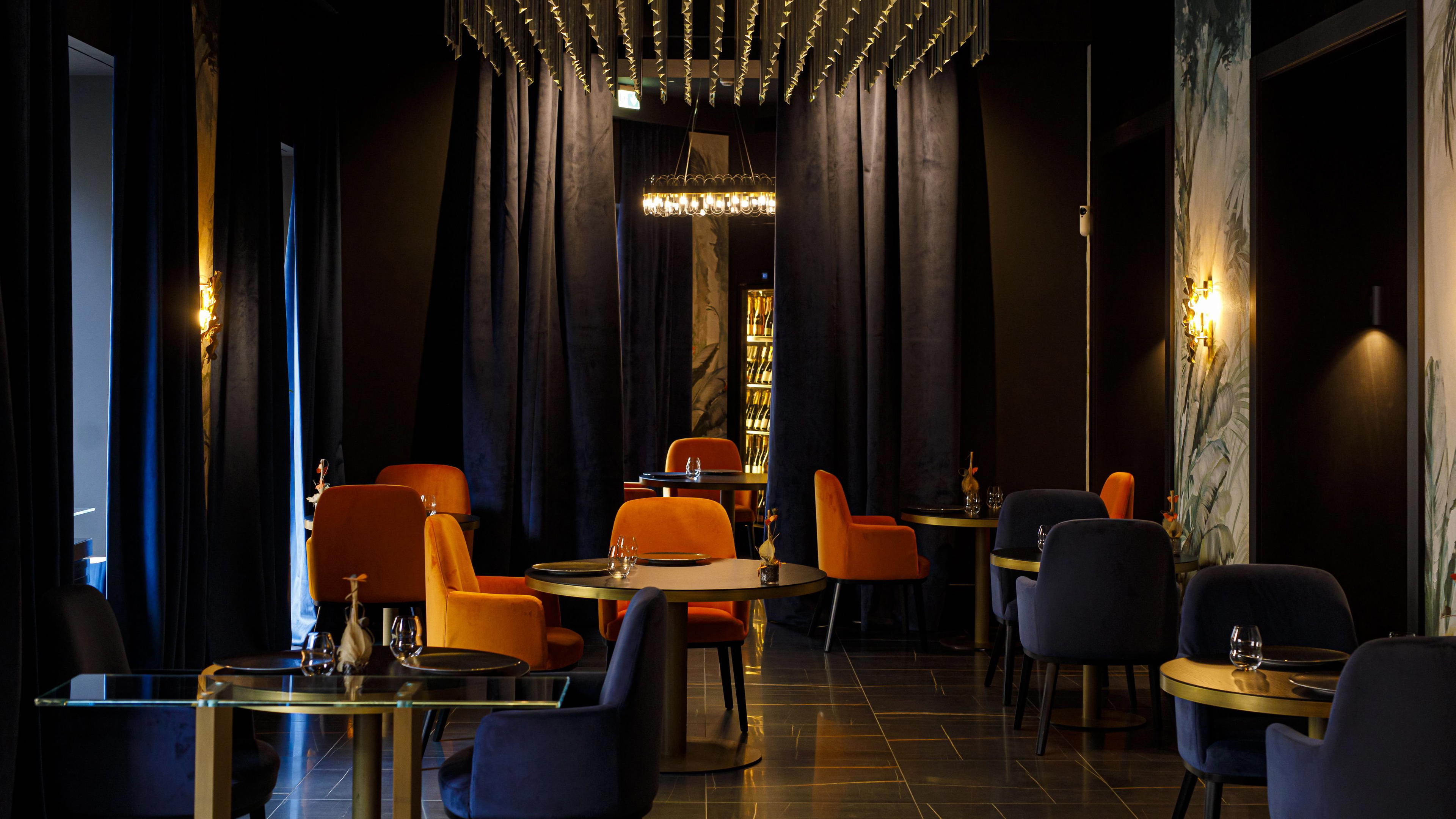
Refined and elegant with high design style, pastel tones, parquet floors, and a harmonious fusion of art and modernity creating an exclusive, luxurious atmosphere.