On a narrow lane in Rome's historic centro storico, Gigli d'Oro Suite Hotel occupies a position that few properties in the city can match: within walking distance of the Campo de' Fiori, the Pantheon, and the Tiber bend. The suite format places it in a small-scale, character-driven tier of Roman accommodation, distinct from the grand boulevard hotels that define the city's more visible luxury tier.
Pearl is the En Primeur Club membership app — saves, bookings, and concierge access live there. Same editors, same standards.
- Address
- Via dei Gigli d'Oro, 12, 00186 Roma RM, Italy
- Phone
- +39 06 6880 3579
- Website
- giglidorosuite.com
- Directions
- Get directions
 Saves & bookings on Pearl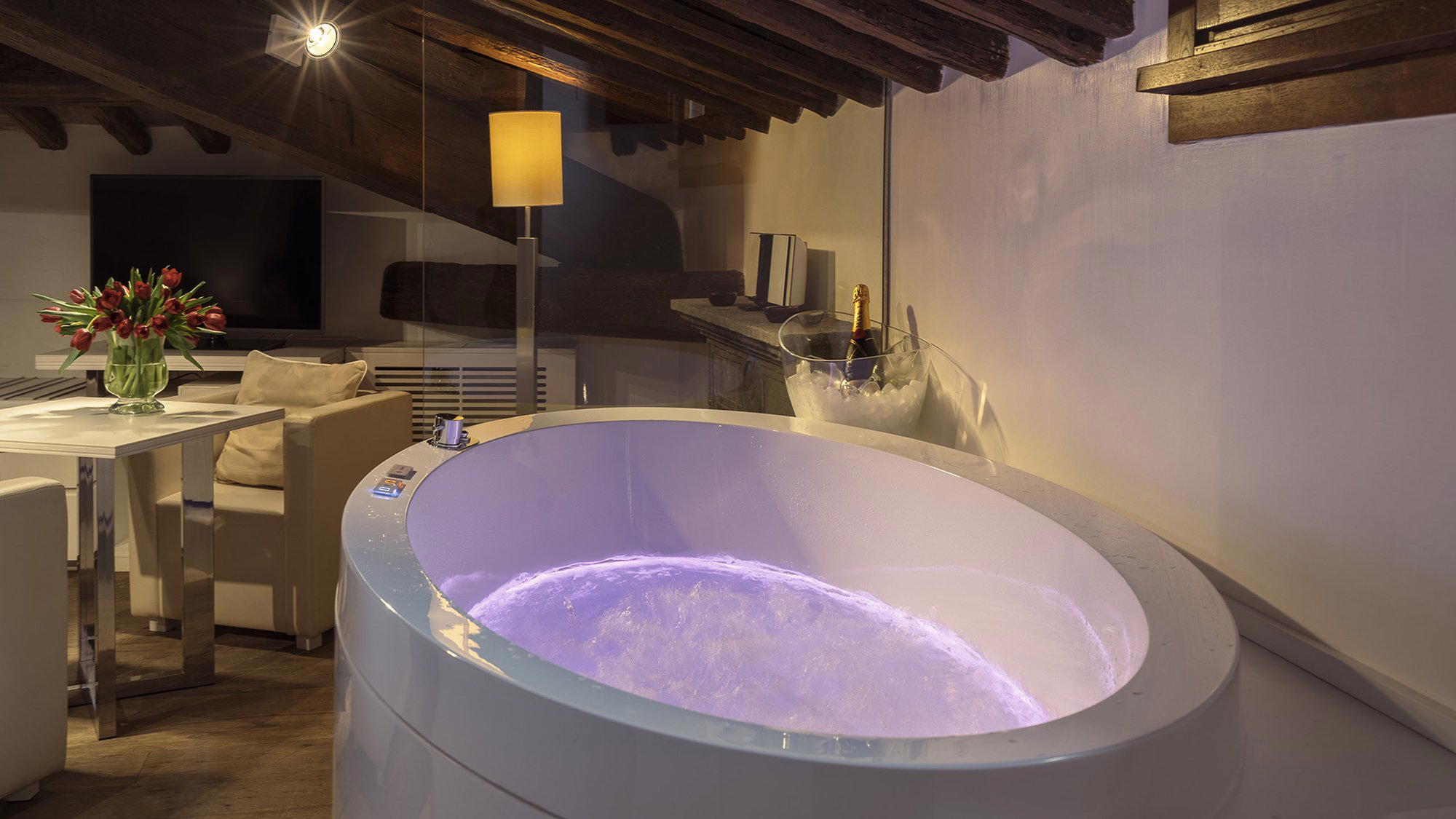
Where the Centro Storico Still Belongs to the City
Via dei Gigli d'Oro is the kind of street that doesn't announce itself. It runs through the dense medieval fabric between Campo de' Fiori and the Tiber, a zone where ochre-painted palazzi press close on both sides and the pavement is barely wide enough for two people to pass without stepping aside. This is the Rome that predates the grand avenues of the Risorgimento era and the tourist infrastructure of the postwar decades. It is also among the more central positions a small hotel can occupy in the city. Gigli d'Oro Suite Hotel sits at number 12 on that lane, inside that dense historic fabric, and the address carries much of the appeal before you've even considered the rooms.
Roman hotel geography has stratified clearly over the past two decades. The upper tier of international luxury, properties like Bulgari Hotel Roma and Hotel Eden, operates from landmark buildings with full-service amenities and price points that reflect both the real estate and the brand overhead. A second tier of design-led, intimate properties, among them Hotel Vilòn, JK Place Roma, and Portrait Roma, has grown to serve guests who prioritise discretion and neighbourhood character over ballrooms and concierge armies. The suite hotel format, which Gigli d'Oro represents, occupies a related but distinct niche: all-suite inventory, typically in a converted historic building, where the accommodation unit itself is the primary offering rather than a surrounding ecosystem of restaurants and spas.
The Historic Core as Orientation Point
The neighbourhood context here is not incidental. Staying within the centro storico's tightest medieval ring means that the major civic and archaeological anchors of Rome are accessible on foot, without the journey-planning that affects hotels on the Prati or Aventine side of the river. The Pantheon is a short walk east. Campo de' Fiori, more a Roman piazza than a tourist set piece in the mornings, when the produce market runs, is within a few minutes in the opposite direction. Piazza Navona, which draws a different crowd entirely by evening, sits just north. Trastevere is across the river. For a guest whose priority is density of access to the historic city, the address on Via dei Gigli d'Oro places nearly everything of consequence within a fifteen-minute radius on foot.
This kind of positioning is increasingly difficult to replicate. The centro storico is a UNESCO World Heritage buffer zone, and new hotel development within its tightest precincts requires the conversion of existing historic fabric rather than new construction. Properties like Hotel Locarno and Maalot Roma occupy similarly character-laden structures, and what they share is that their physical setting is, structurally, irreproducible. The building is the credential.
Rome's Small-Suite Tier in Context
Italy's most compelling small accommodation has, over the past decade, split between agriturismo-adjacent rural retreats and urban suite hotels in historic centres. The rural category is well-documented: Castello di Reschio in Lisciano Niccone, Rosewood Castiglion Del Bosco in Montalcino, and Casa Maria Luigia in Modena each represent a version of the converted estate format. The urban equivalent, converting a Roman palazzo into a suite-format hotel, demands a different editorial calculus. The amenity offering is necessarily leaner, because the city itself functions as the resort. Guests who choose this format are, implicitly, choosing access and atmosphere over the cushioned self-containment of a resort property.
That trade-off is what defines the suite hotel category in Rome's historic core. The Hassler Roma at the summit of the Spanish Steps represents the grand hotel tradition, with all its associated formality and scale. Properties like Gigli d'Oro represent a different posture: the building is old, the inventory is small, and the expectation is that guests will spend most of their time in the city rather than in the hotel. Whether that exchange suits a given traveller depends entirely on what they're in Rome to do.
Planning a Stay: Practical Orientation
For travellers comparing this tier of Roman accommodation, the relevant comparable set includes properties across the centro storico and Trastevere. The full Rome restaurants and hotels guide maps both neighbourhoods in detail. For context on how Rome's suite-hotel tier compares with equivalent urban formats elsewhere in Italy, the category sits somewhere between grand palazzo conversions and smaller city-access properties.
For those extending an Italian itinerary beyond Rome, the category shifts toward coastal and rural resort properties with a different relationship to setting.
Across all of these comparisons, location discipline and a clear sense of guest profile separate the properties that hold up under scrutiny from those that rely on decor alone. Via dei Gigli d'Oro, as an address, does not need explaining to a guest who already knows Rome. For those arriving for the first time, it offers the city's medieval core as an orientation point that no amount of lobby design can manufacture.
Peers in This Market
Comparable venues nearby, for context on price, style, and recognition.
| Venue | Cuisine | Price | Notes |
|---|---|---|---|
| Gigli d'Oro Suite HotelThis venue — the venue you are viewing | Historic boutique palazzo with modern luxury suites | $$$ | Not listed |
| Nerva Boutique Hotel | Family-run boutique blending classical Roman architecture with contemporary Italian design | $$$ | Monti |
| The Radical Hotel Roma | Minimalist boutique in Rome's historic center | $$$ | Via Veneto |
| Condominio Monti | Renovated early 1900s apartment building transformed into a modern boutique hotel. | $$$ | Monti |
| Trastevere Roma UNA Esperienze | Contemporary luxury boutique hotel blending modern design with authentic Roman charm, positioned as a refined urban retreat in a historic neighborhood. | $$$ | Trastevere |
| San Carlo Suite | Luxury boutique in historic 15th-century building | $$$ | Campo Marzio |
Continue exploring
More in Rome
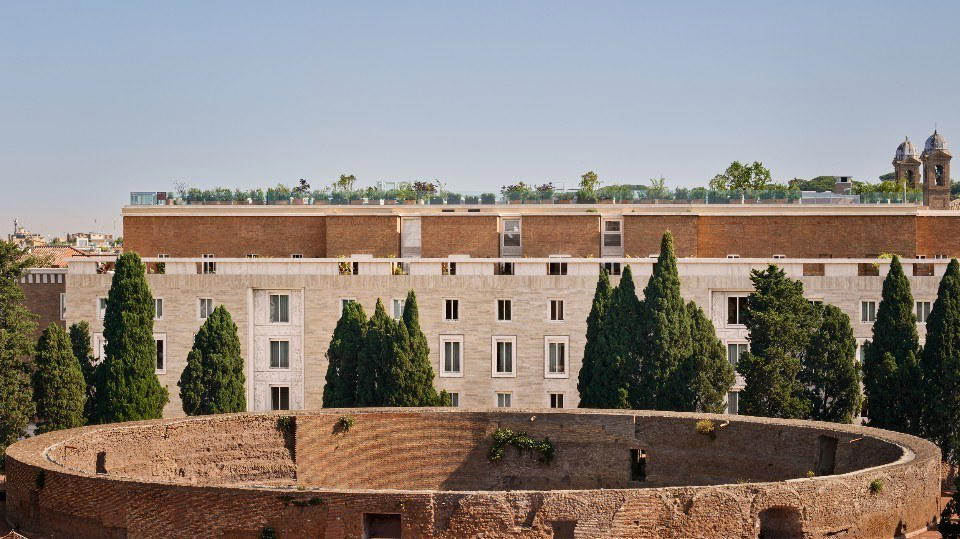
Hotels in Rome
Browse all →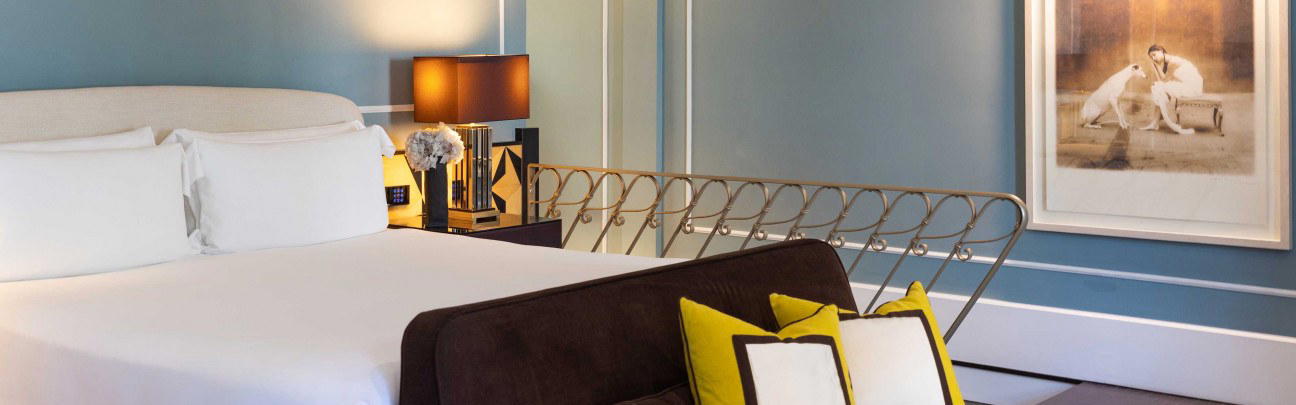
Bars in Rome
Browse all →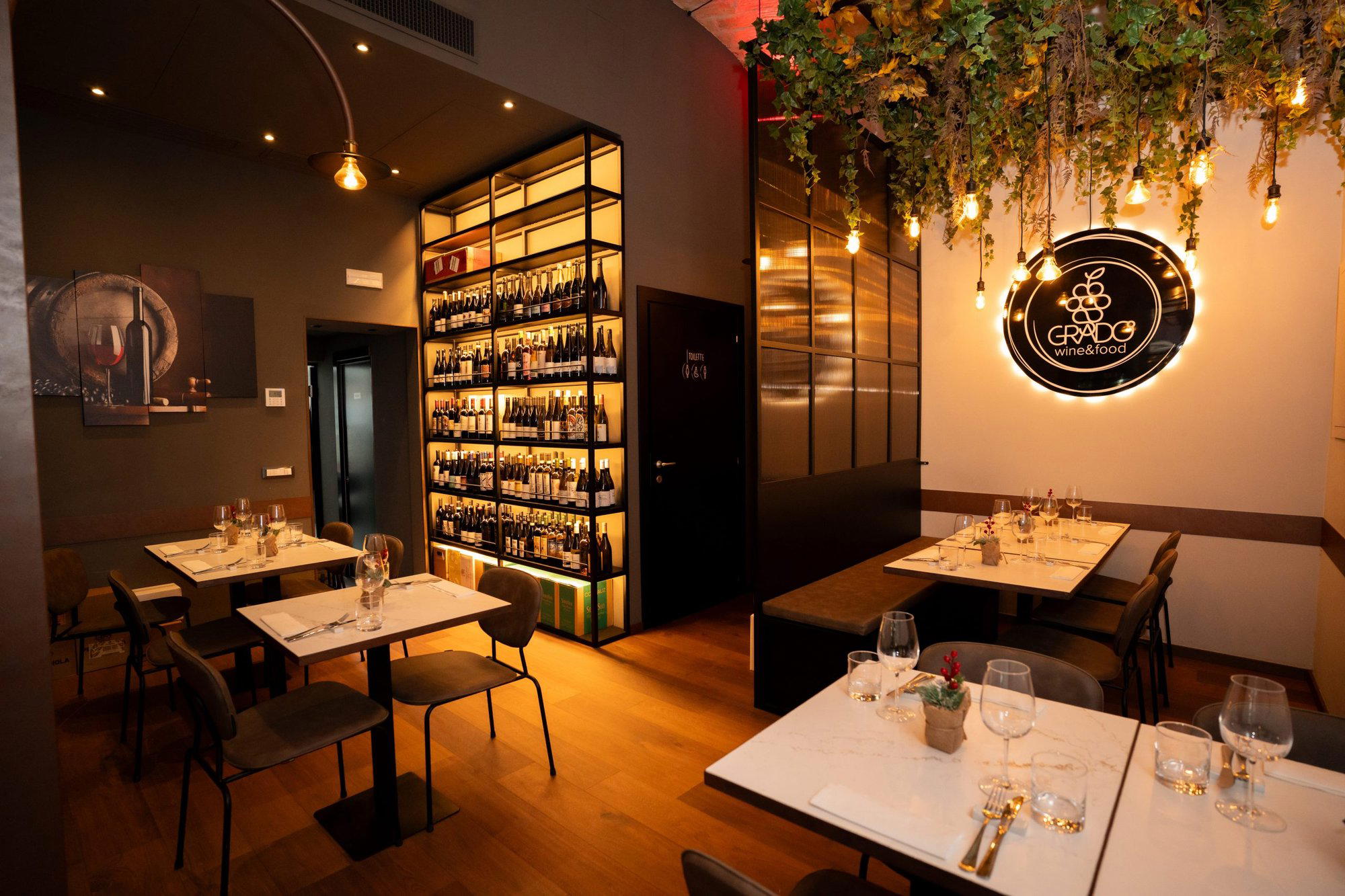
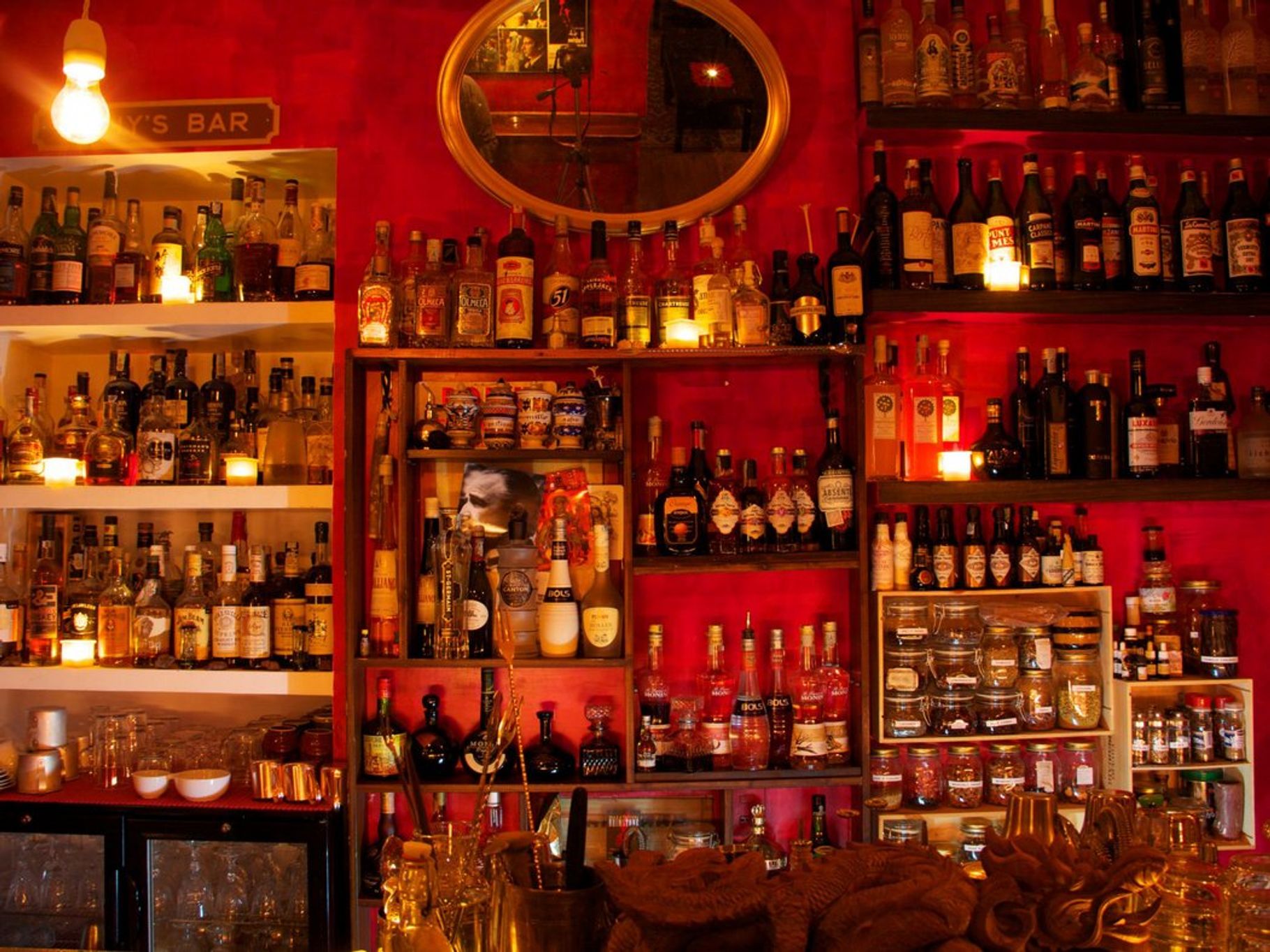
Restaurants in Rome
Browse all →

At a Glance
- Romantic
- Elegant
- Intimate
- Classic
- Cozy
- Romantic Getaway
- Anniversary
- Weekend Escape
- Historic Building
- Terrace
- Wi Fi
- Room Service
- Concierge
- Air Conditioning
- Street Scene
- Wi Fi
- Room Service
- Concierge
- Air Conditioning
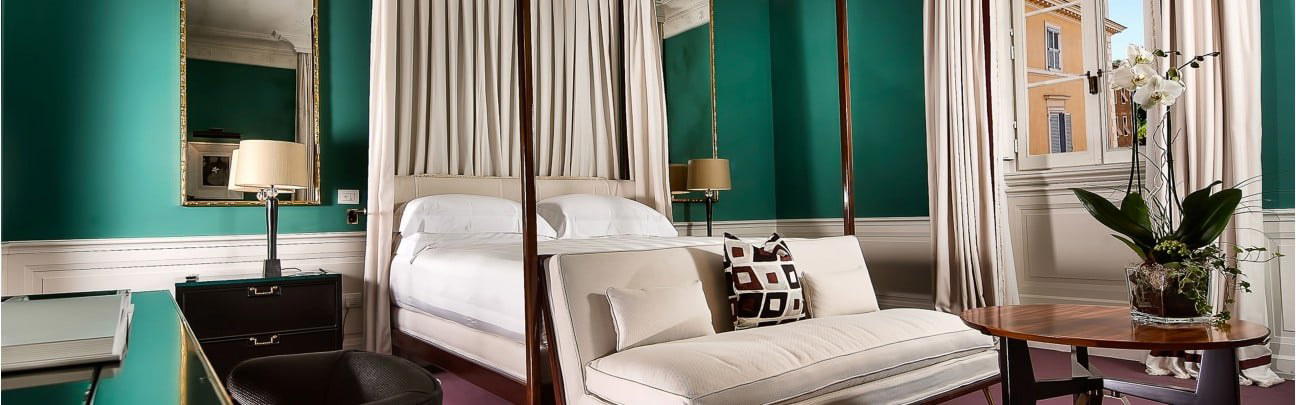
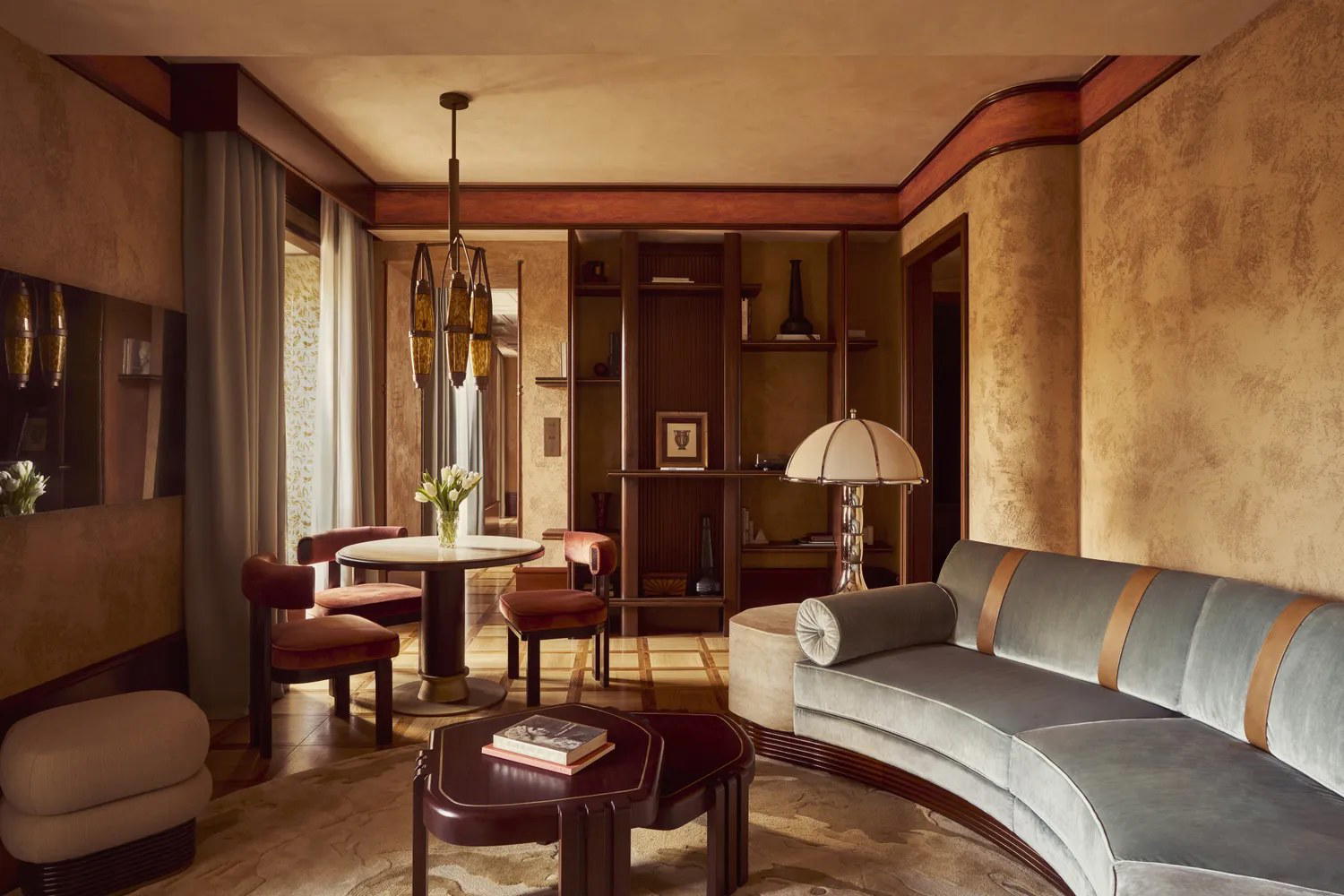
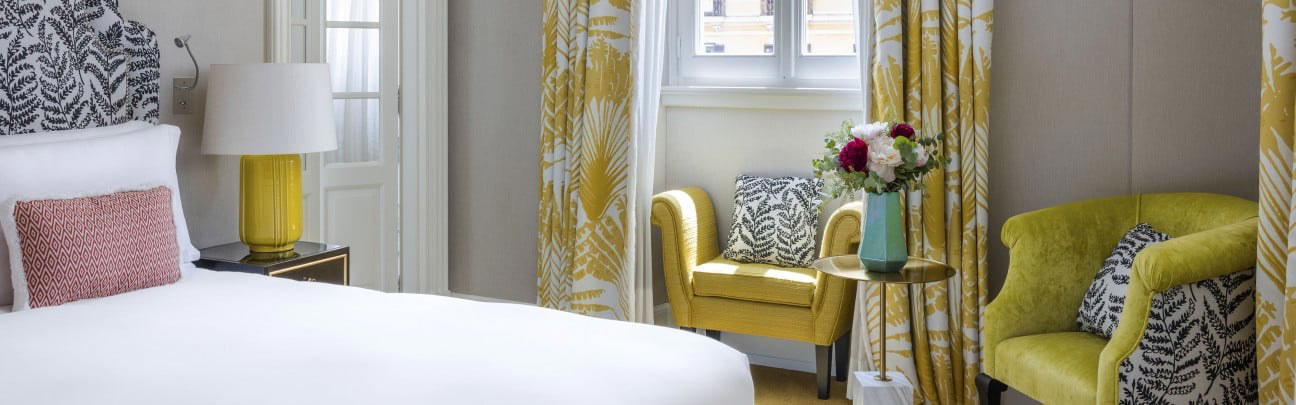
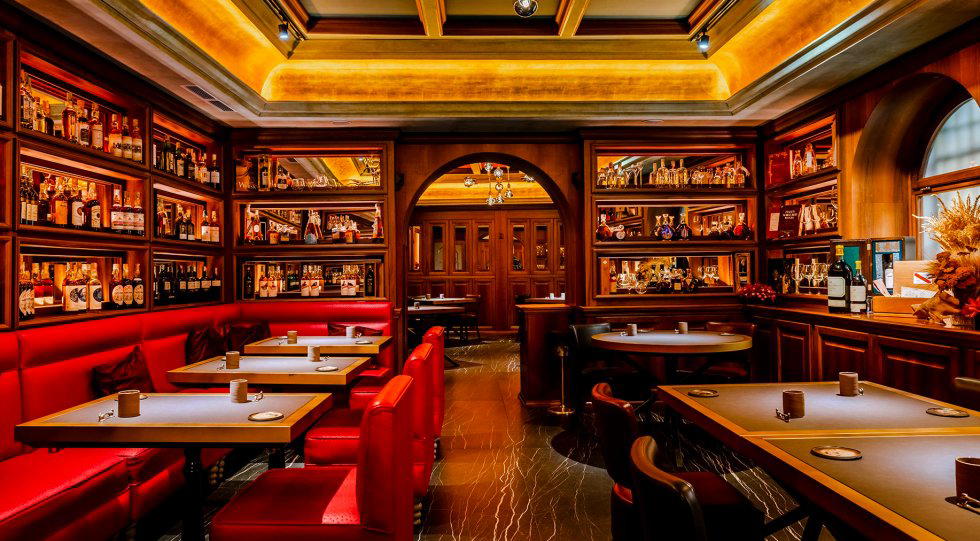
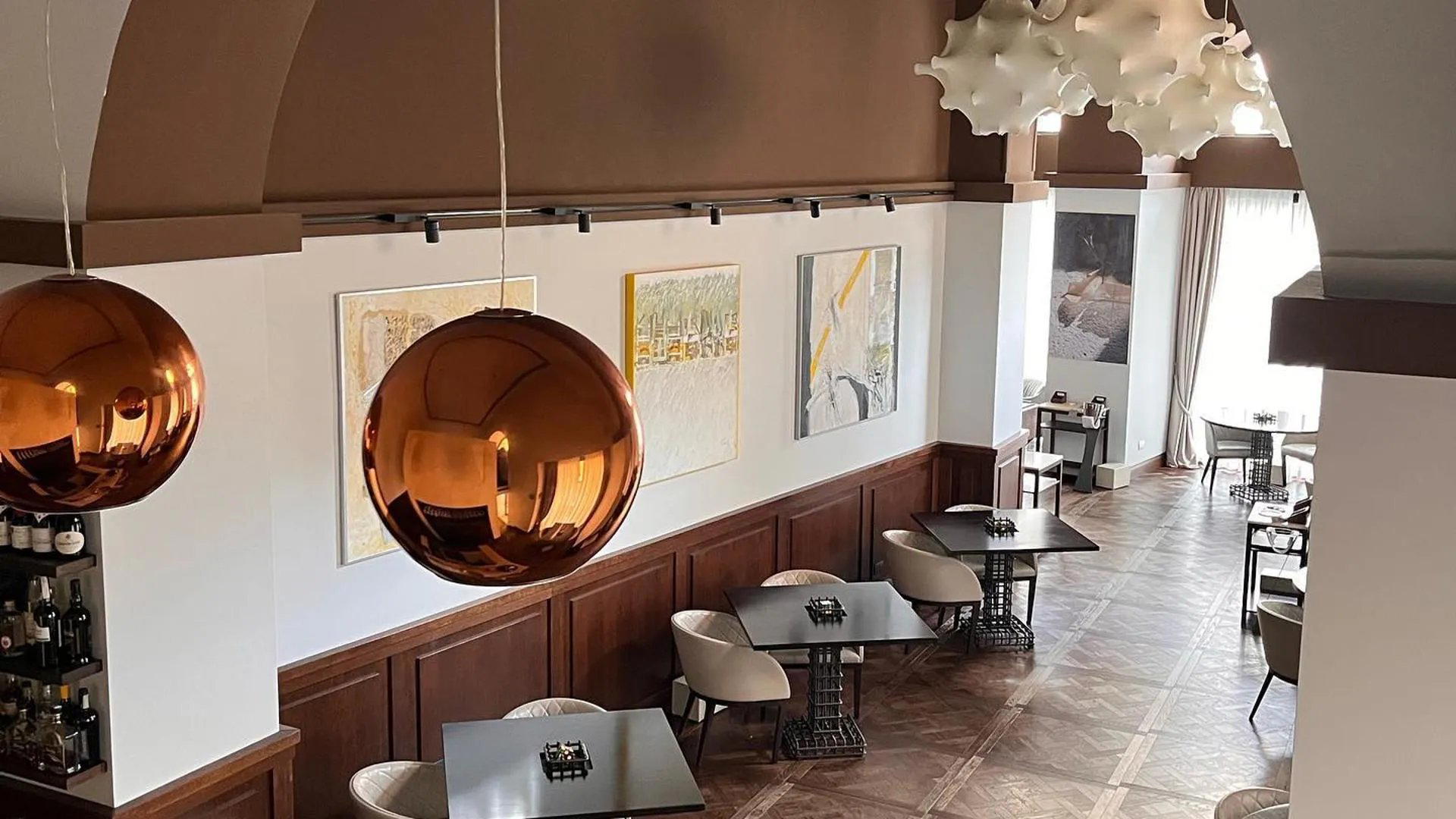
Charming blend of modern and traditional with wood-beamed ceilings, original paintings, wood floors, and luxurious bathrooms featuring rain-forest showers.