
Hotel Scenario occupies a quiet address at Vicolo delle Ceste 26 in Rome, holding Michelin Selected status in the 2025 guide, a recognition that places it within a curated tier of properties the guide endorses for character and quality rather than scale. For travellers who want Rome at street level rather than behind a grand lobby, the address and its credentials point in the same direction.
Pearl is the En Primeur Club membership app — saves, bookings, and concierge access live there. Same editors, same standards.
- Address
- Vicolo delle Ceste, 26, 00186 Roma RM, Italy
- Phone
- +39 351 584 8501
- Website
- hotelscenario.com
- Directions
- Get directions
 Saves & bookings on Pearl
A Rome Address That Works Against the Grain
Rome's hotel market has hardened into recognisable tiers. At the leading, a cluster of large-footprint luxury properties, the Bulgari Hotel Roma, Hotel Eden, Hassler Roma, compete on spa, restaurant, and suite square footage. Below them, a growing cohort of smaller, design-attentive properties operates on different logic: fewer keys, neighbourhood integration, and a more calibrated relationship with the city outside. Hotel Vilòn, Portrait Roma, and Maalot Roma all occupy this second band. Hotel Scenario, at Vicolo delle Ceste 26, is a 4-star hotel in Rome, and its 2025 Michelin Selected designation confirms that the guide's editorial team has placed it in the same conversation.
Michelin Selected is a deliberate editorial act: the team identifies properties with a coherent identity and a consistent standard, then publishes them as recommendations worth trusting. In Rome, where the total accommodation stock runs into thousands of listings, appearing in that shortlist is a meaningful signal about how a property compares across its comparable set.
The Street Itself Does Some of the Work
Vicolo delle Ceste is a narrow lane in Rome's historic centre, the kind of address where the approach matters as much as the arrival. Walking a cobbled vicolo past shuttered facades before stepping into a hotel lobby creates a specific transition, one that large properties on wider thoroughfares cannot replicate. The city's older streets were not designed for traffic or signage, which means staying on one requires a slight orientation effort that most chain hotels deliberately eliminate. Hotel Scenario does not eliminate it. That friction, for the right traveller, is precisely the point.
This neighbourhood dynamic is worth understanding before booking. Rome's centro storico operates at two speeds: the heavily trafficked zones around the Pantheon and Campo de' Fiori, and the quieter residential lanes that branch away from them. A property on a vicolo is physically close to both without being absorbed into either. Morning foot traffic is local; by early afternoon the broader tourist circulation reasserts itself. Guests who value that daytime rhythm, quiet coffee, newspapers, the first hour before the monuments fill, tend to find this kind of address difficult to give up once experienced.
Daytime Calm and Evening Character
The distinction between how a Rome hotel reads during the day and how it reads after dark is a practical consideration that rarely appears in booking summaries. For properties at this scale, the difference is structural. Larger hotels maintain consistent animation through the day via their restaurants, bars, and lobby programming. Smaller properties in the Michelin Selected tier tend to track the city's own rhythms more closely: quieter through the morning, animated in brief bursts at aperitivo hour, then settling again as guests scatter to dinner elsewhere.
In practical terms, this means Hotel Scenario is likely at its most useful as a base rather than a destination. Rome's centre delivers enough within walking distance, from the Campo de' Fiori market in the morning to the wine bars clustering around the nearby streets after dark, that a hotel's on-site programming matters less than its location efficiency. A vicolo address in this part of the city means the Tiber is close, the Jewish Ghetto is walkable, and Trastevere is accessible on foot in under twenty minutes. For guests planning evenings out across the city, returning late to a quiet lane rather than a busy hotel lobby is a feature, not a compromise.
Compare this approach to properties in Rome's busier districts: JK Place Roma operates near the Spanish Steps with a cocktail bar that attracts a non-resident crowd into the evening. Hotel Locarno, a Prati-adjacent address with strong architectural character, maintains similar scale but a slightly more programmed atmosphere. The hotel, by contrast, appears to position itself toward the quieter end of the spectrum, less visible, more integrated into the block it occupies.
Where Hotel Scenario Sits in the Italian Context
Across Italy, the Michelin Selected designation now covers a range of property types that share a common thread: local identity expressed through architecture, material choices, or setting, rather than through brand recognition. Aman Venice occupies one pole of this, a former palazzo with monumental scale. At the opposite end, properties like Corte della Maestà in Civita di Bagnoregio achieve recognition through extreme singularity of setting. The hotel falls into neither of those categories. It is a city hotel, one of several in Rome with Michelin acknowledgment, competing on the quality of its execution at a more contained scale.
For travellers moving through an Italian itinerary, the comparison set expands quickly. Four Seasons Hotel Firenze and Portrait Milano represent the anchored luxury end of the spectrum in their respective cities. Properties like Casa Maria Luigia in Modena or Rosewood Castiglion Del Bosco in Montalcino pull guests away from urban centres entirely. The hotel's argument is simpler: Rome is the point, and the hotel exists to support that without getting in the way.
Planning a Stay
The hotel's address at Vicolo delle Ceste 26 places it in the historic centre, accessible on foot from most major sites. The hotel is priced at about $116 per night, and reservations are recommended. Travellers accustomed to booking the larger prestige properties, Bulgari Hotel Roma or Hassler Roma, should expect a different operating model here: smaller in scale, less infrastructurally dense, and better suited to guests who want a quiet return address rather than an in-house programme. Spring and autumn remain Rome's most competitive booking windows; anyone targeting those seasons should plan further ahead than they would for equivalent properties in other European capitals, where supply is greater relative to demand.
Peers You’d Cross-Shop
Comparable venues nearby, for context on price, style, and recognition.
| Venue | Cuisine | Price | Notes |
|---|---|---|---|
| Hotel ScenarioThis venue — the venue you are viewing | Modern boutique in historic 18th-century palazzo | $$$ | Not listed |
| Campo de Fiori Suits | Elegant independent boutique blending historic charm with modern comforts. | $$$ | San Eustachio |
| San Carlo Suite | Luxury boutique in historic 15th-century building | $$$ | Campo Marzio |
| Casa de'Coronari | Design boutique hotel in historic center | $$$ | Ponte |
| Palazzo Velabro | Historic 18th-century mansion remodeled as a design-forward boutique hotel blending timeless architecture with modern luxury. | $$$$ | Ripa |
| Crossing Condotti | Elegant neo-Baroque apartment converted from a private residence, merging traditional Roman authenticity with contemporary design elements. | $$$ | Campo Marzio |
Recognition history
Dated appearances from independent guides and award organizations, with the underlying list record or original source where available.
Michelin Selected
Michelin
Continue exploring
More in Rome
Hotels in Rome
Browse all →
Bars in Rome
Browse all →
Restaurants in Rome
Browse all →

At a Glance
- Romantic
- Modern
- Elegant
- Intimate
- Romantic Getaway
- Weekend Escape
- Historic Building
- Terrace
- Wi Fi
- Spa
- Sauna
- Restaurant
- Room Service
- Concierge
- Airport Transfer
- Street Scene
- Wi Fi
- Spa
- Sauna
- Restaurant
- Room Service
- Concierge
- Airport Transfer
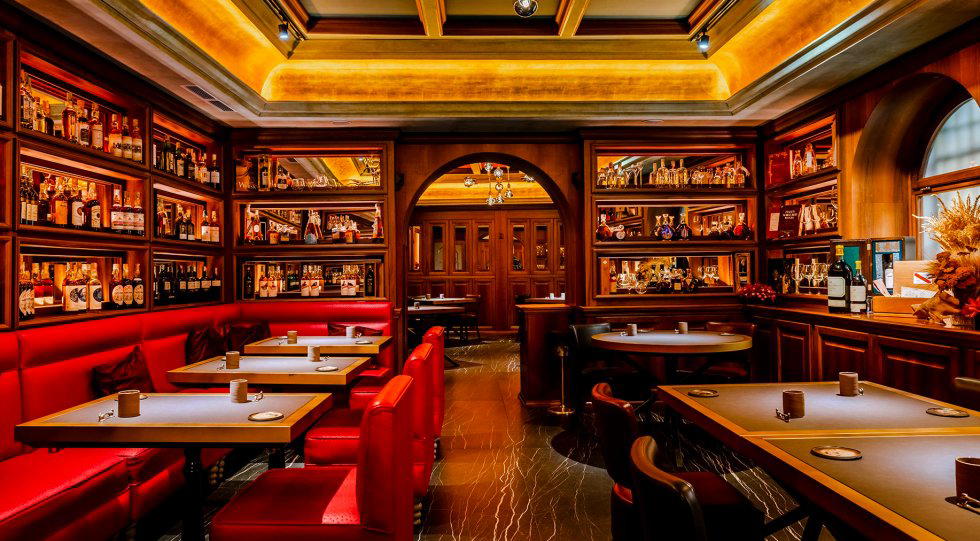
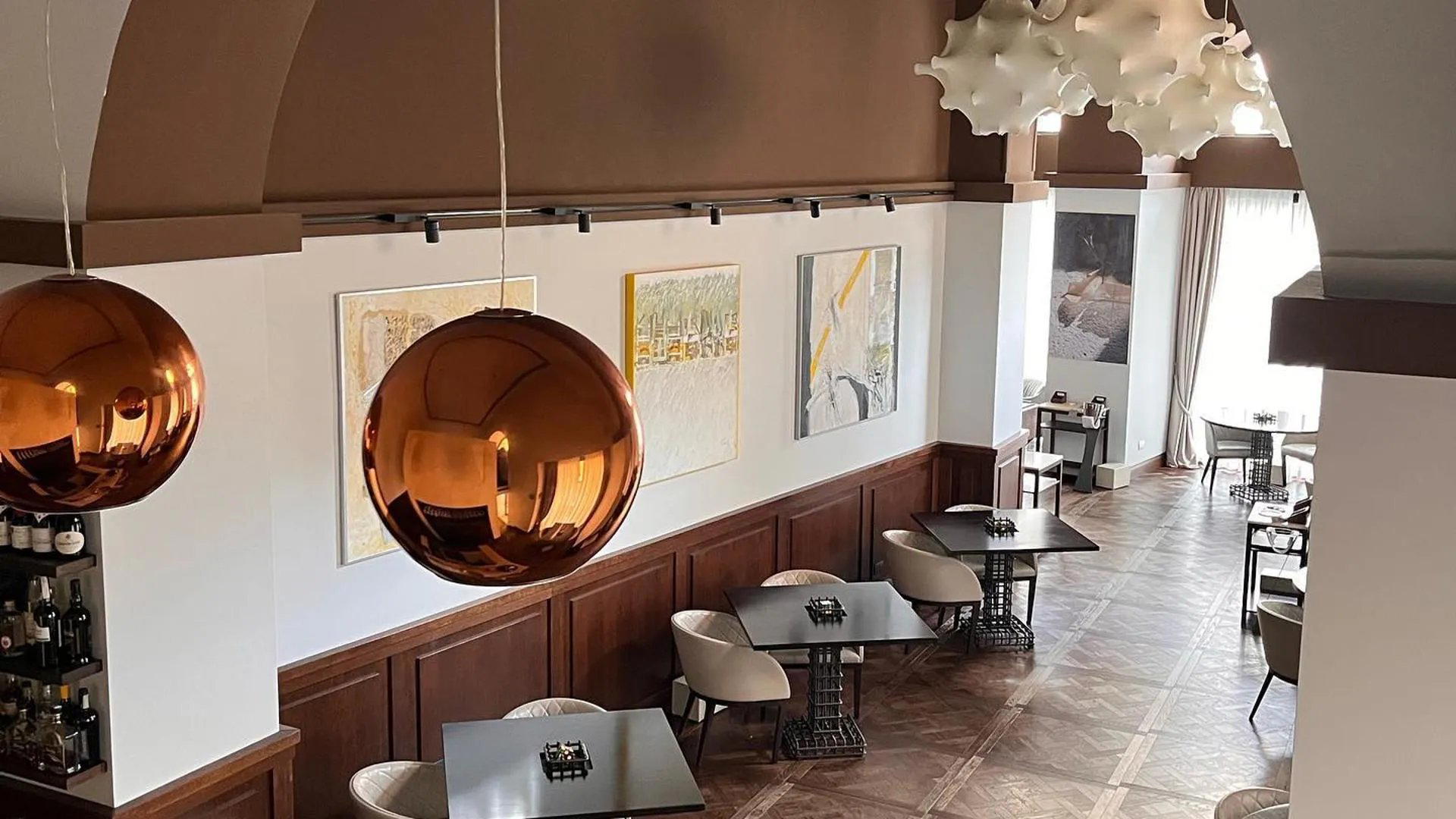
Modern and romantic atmosphere with elegant lighting, surprisingly quiet despite central location, praised for comfort and intimacy.