
Falstaff Wine Bar - 93 Falstaff Points
Enoteca Grado is a wine-focused bar in central Rome that anchors its offering around Italian regional bottles and lighter aperitivo-style drinking. The venue operates within the city's dense network of enoteca-bar hybrids, where wine selection defines the format more than cocktail technique or craft spirits.

Pearl is the En Primeur Club membership app, where members save venues, book tables and use the concierge.
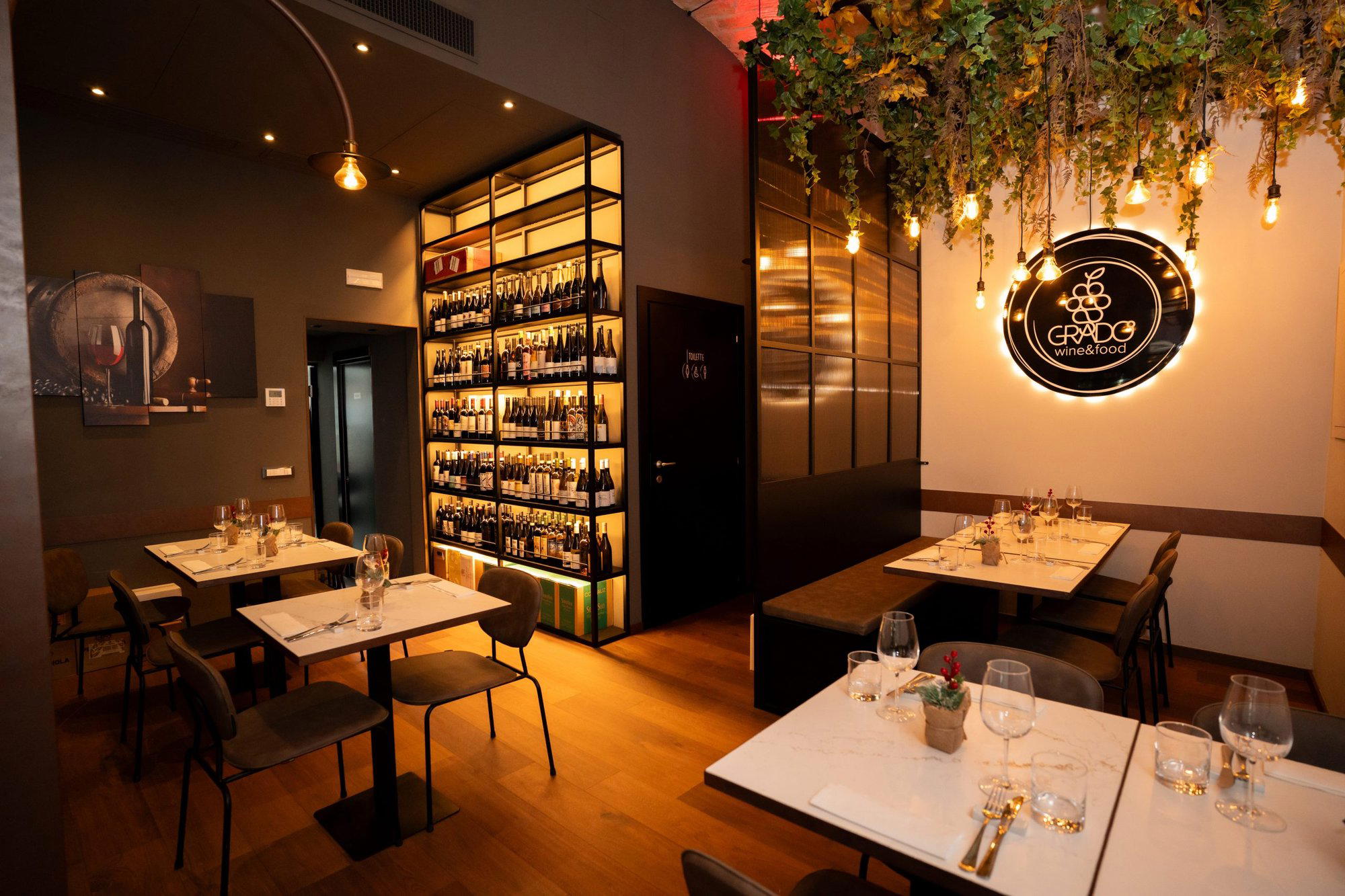
Rome's bar culture splits between two dominant formats: the high-volume caffè and the specialist enoteca, where wine inventory and food pairing drive the experience. Enoteca Grado sits in the latter category, positioned near the historic centre and working within the aperitivo tradition that favours lighter, low-ABV drinks and natural wines over craft cocktail programmes. The venue's name signals a focus on Italian varietals, and the format follows the regional enoteca model rather than the technical bar programmes now common in Milan or Florence. For visitors navigating Rome's wine scene, Enoteca Grado represents a neighbourhood-tier stop rather than a destination appointment.
The Wine List and Drinking Format
The defining characteristic of Enoteca Grado is its Italian wine selection, which skews regional and small-producer rather than trophy-label or international. The format follows the classic enoteca model: wines available by the glass rotate based on seasonality and what the buyer sources from smaller estates, with a focus on natural and low-intervention bottles. This approach mirrors the broader trend in Rome's wine bars, where biodynamic and organic certifications now appear more frequently than in the past decade. Unlike cocktail-led bars such as 7th Floor Terrace or Adèle Mixology Lounge, Enoteca Grado does not build its identity around technique or bartender-driven creativity. The drinks offering is direct: wine, Aperol spritzes, Negronis, and other aperitivo staples that require minimal preparation. The venue a ticketed-seating or reservation-required model, which places it in the walk-in tier alongside neighbourhood fixtures such as Antico Caffè Candia rather than the advance-booking category. For travellers interested in Rome's natural-wine movement, the bar functions as a browsing stop rather than a structured tasting experience.
Context Within Rome's Enoteca Scene
Rome's enoteca landscape divides into three rough tiers: tourist-adjacent caffè-bars near the Spanish Steps, neighbourhood wine shops with standing-room tasting counters, and specialist natural-wine bars that operate with more curatorial discipline. Enoteca Grado occupies the middle tier, where the focus is local clientele and daily turnover rather than critic recognition or international press. The venue does not hold Michelin recognition, does not appear in the World's 50 Best Bars list, and does not market itself as a destination bar. This places it in a different competitive set than Rome's higher-profile wine bars, which tend to cluster around Trastevere or the centro storico and often pair wine programmes with more formal food menus. For visitors building a Rome itinerary, Enoteca Grado is a neighbourhood add-on rather than a anchor, useful for spontaneous pre-dinner drinks but not worth cross-city travel.
The broader Rome bars guide includes both high-volume tourist stops like Antico Caffè Greco and specialist wine-focused venues; Enoteca Grado fits the latter group but without the same depth of inventory or hospitality infrastructure as larger-format enotecas. The venue also lacks the theatrical setting or rooftop views that define Rome's hotel bars, meaning it competes purely on product rather than atmosphere. Travellers looking for a more wine experience may prefer venues with deeper back-vintages or sommelier-led tastings, while those seeking cocktail craft should look to Milan's technical bars such as 1930 or northern Italy's more ambitious programmes like 46° Parallelo. Enoteca Grado's utility is its simplicity: walk in, order a glass of something regional, and move on.
For a fuller picture of Rome's dining and drinking infrastructure, see our full Rome restaurants guide, our full Rome hotels guide, our full Rome wineries guide, and our full Rome experiences guide. Rome's wine scene remains more fragmented than Milan's or Florence's, with fewer headline-making venues and more emphasis on casual, undocumented neighbourhood spots. Enoteca Grado fits that pattern: functional, regional, and unlikely to appear in international press roundups but useful for travellers staying nearby who want a glass of Frascati or Lazio white without ceremony.
In Context: Similar Options
Comparable venues by cuisine and price in the same metro.
| Venue | Price | Awards |
|---|---|---|
| Enoteca GradoThis venue (the venue you are viewing) | $30–50 | Falstaff Wine Bar - 93 Falstaff Points |
| Osteria delle Coppelle | $30–50 | Not listed |
| Sant' Eustachio Caffè | $10–20 | Not listed |
| La Minerva Bar | $50–100 | Not listed |
| Mater Terrae Bistrot Bar | $50–100 | Not listed |
Recognition history
Dated appearances from independent guides and award organizations, with the underlying list record or original source where available.
Falstaff Wine Bar - 93 Falstaff Points
Falstaff
Continue exploring
More in Rome
Bars in Rome
All bars in Rome →
Restaurants in Rome
All restaurants in Rome →

Details
- Cozy
- Intimate
- Classic
- After Work
- Casual Hangout
- Date Night
- Solo
- Standalone
- Design Destination
- Standing Room
- Seated Bar
- Outdoor Terrace
- Natural Wine
- Street Scene
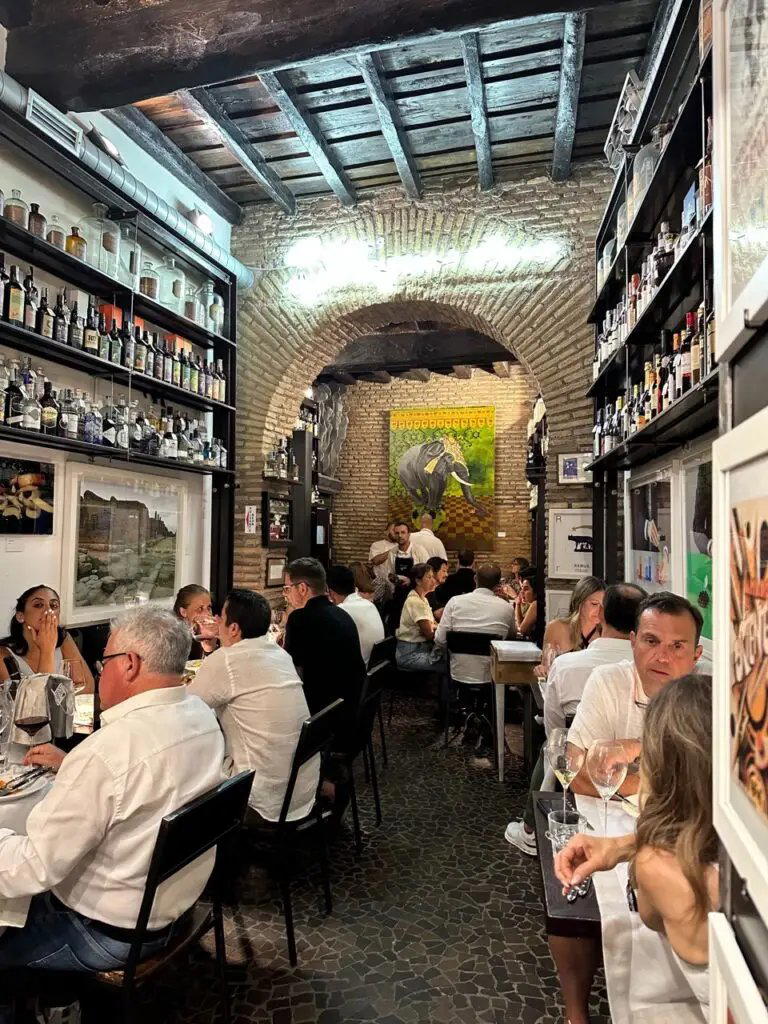
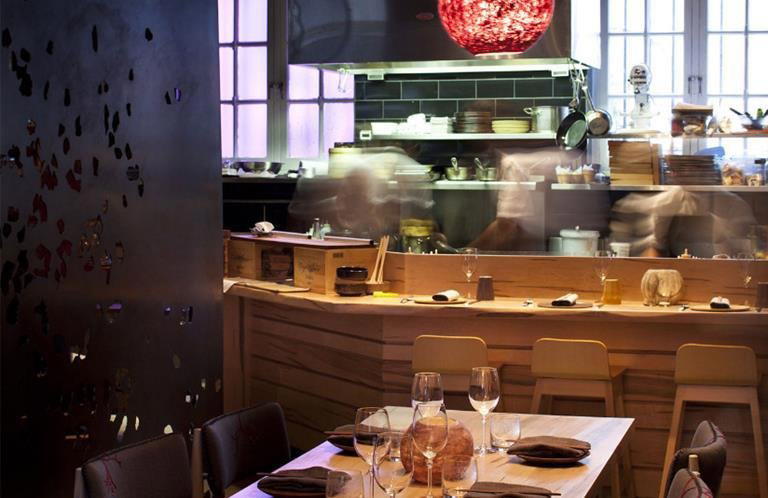
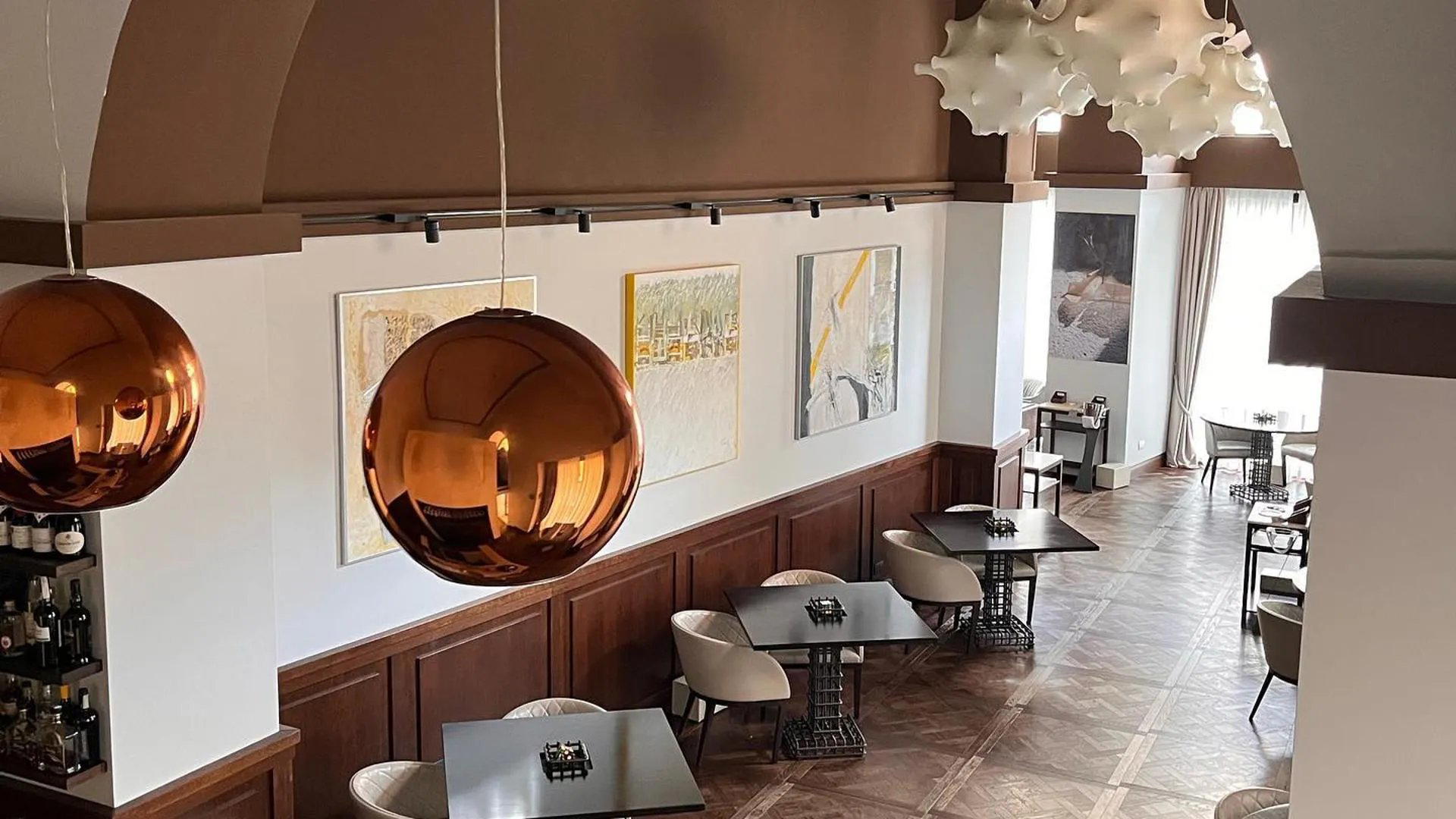
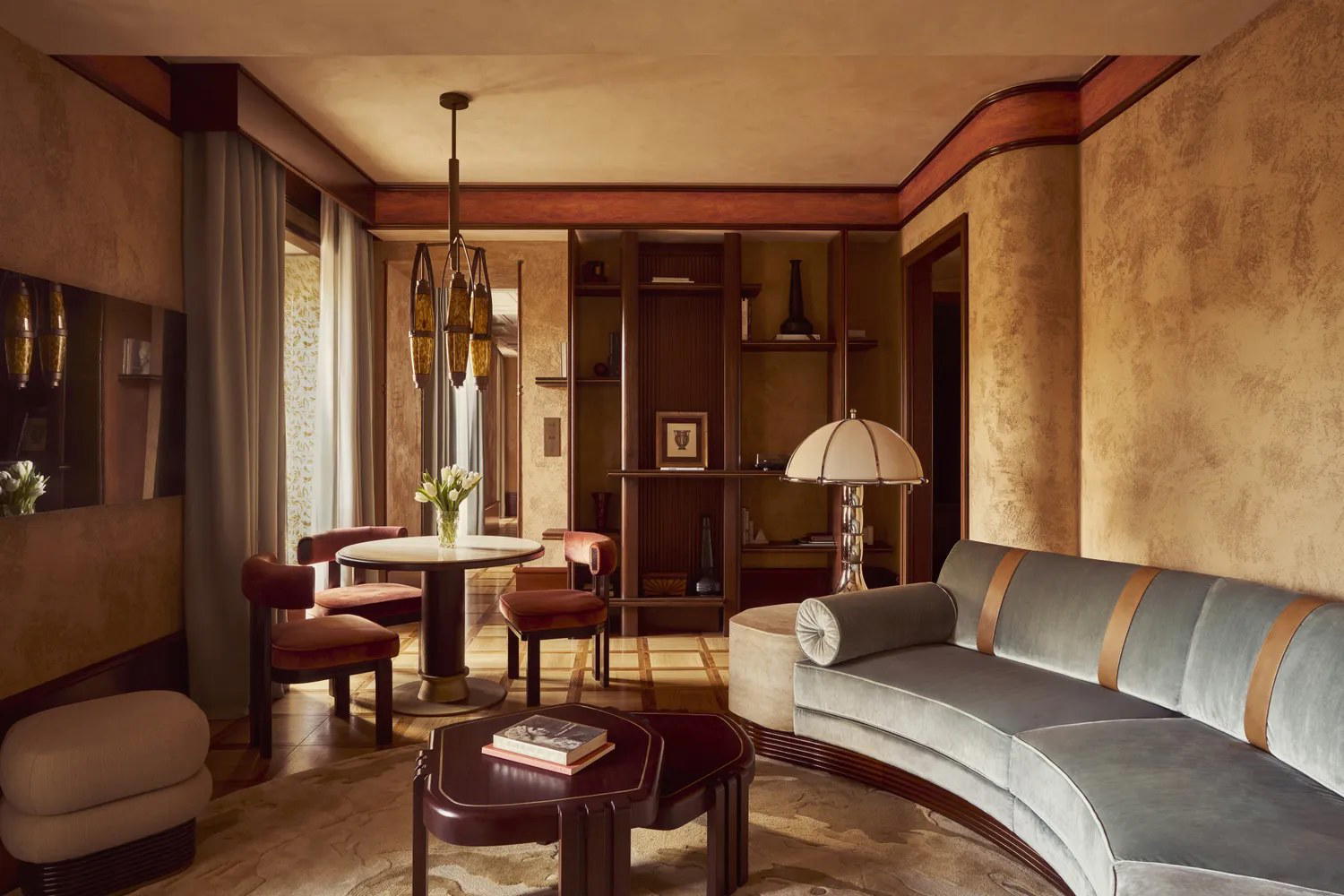
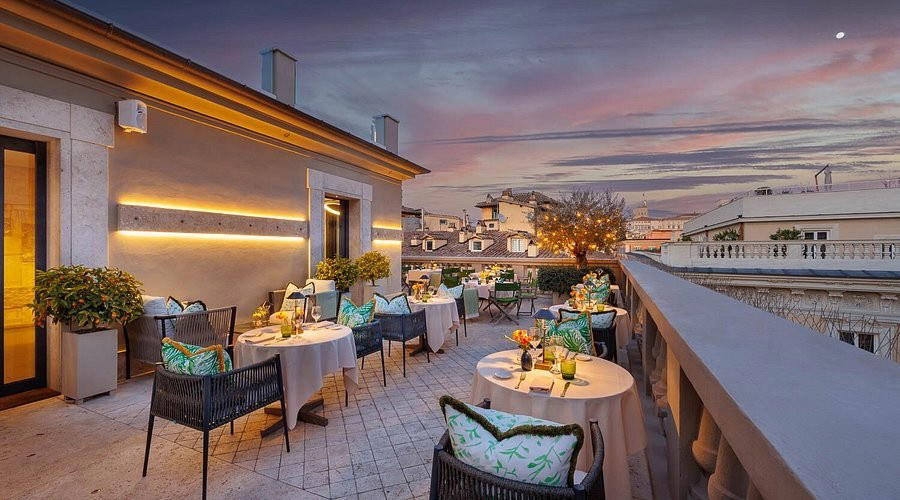
Wine-forward enoteca atmosphere with aperitivo-style energy, regional-Italian focus, and a small, intimate room with some open-air tables.