Monteriggioni
Monteriggioni is a near-perfectly preserved medieval hilltop village in the Province of Siena, encircled by a 13th-century ring wall and fourteen towers that have changed little since Dante referenced them in the Inferno. Sitting at the heart of Chianti country, it occupies a compact ridge above the Via Francigena pilgrim route, making it one of the most complete examples of Tuscan military architecture in existence.
Pearl is the En Primeur Club membership app — saves, bookings, and concierge access live there. Same editors, same standards.
- Address
- 53035 Monteriggioni, Province of Siena, Italy
- Phone
- +39 0577 305009
- Website
- booking.com
- Directions
- Get directions
 Saves & bookings on Pearl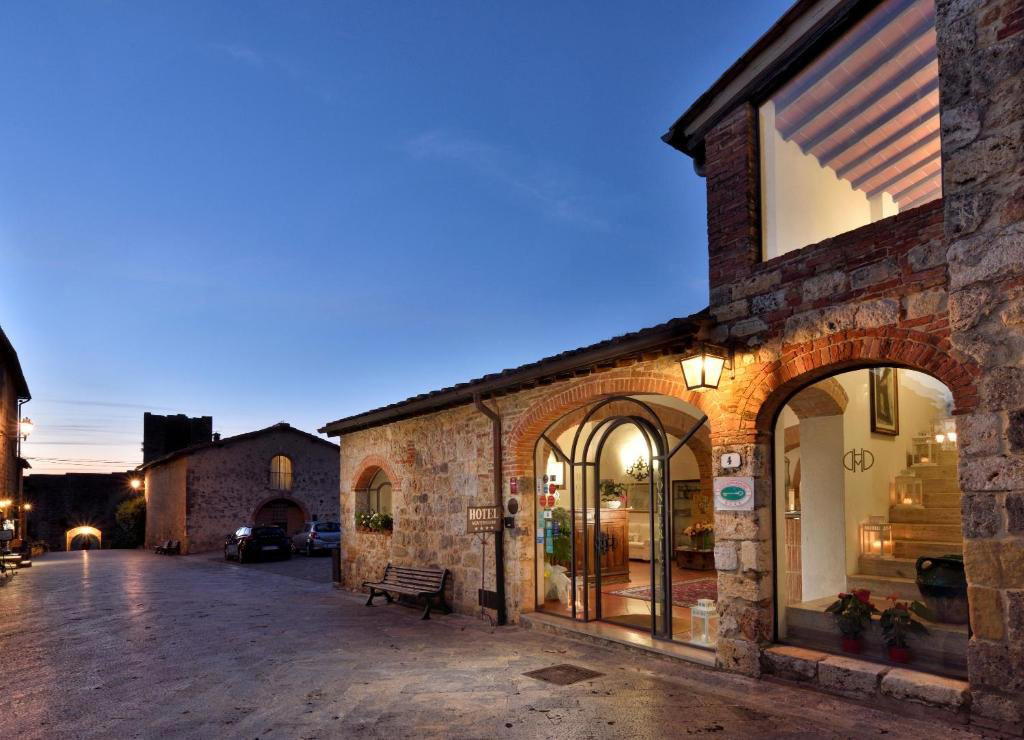
A Wall That Still Means Something
Most fortified Italian villages have been softened by centuries of renovation, tourism infrastructure, and the slow creep of modernity through their gates. Monteriggioni has not. The ring wall constructed by the Sienese Republic between 1213 and 1219 remains essentially intact: a roughly oval circuit of stone approximately 570 metres in perimeter, punctuated by fourteen towers that rise at regular intervals above the surrounding Chianti countryside. Approaching from the SS2 Cassia road below, the silhouette reads as a single coherent object against the Tuscan sky, which is precisely how it was designed to read. Military architecture at this scale was as much about psychological projection as physical defence, and Monteriggioni still projects.
Dante Alighieri noticed. In Canto XXXI of the Inferno, written in the early 14th century, he compares the giants guarding the pit of Hell to Monteriggioni's towers rising above its walls. The simile only works if the reader already understood the village as a symbol of concentrated, looming power. Seven centuries later, the image holds.
The Architecture in Detail
The wall itself averages around eight metres in height, with a walkable parapet along most of its length. The fourteen towers, originally taller than their current form, were reduced after the Florentine conquest in 1554, but enough of their mass remains to understand the defensive logic: overlapping fields of fire, minimal blind spots, and a commanding elevation above the surrounding Val d'Elsa and Staggia valleys. The construction material is local pietra serena and limestone rubble, dry-laid in a technique consistent with Sienese communal-period military building across southern Tuscany.
Inside the walls, the village plan is medieval in its simplicity: a central piazza, a Romanesque parish church dating to the same 13th-century construction phase as the walls, a handful of stone buildings arranged along two intersecting lanes, and almost nothing else. The interior has resisted the accumulation of later architectural layers that complicates reading so many other Italian hill towns. What you see is close to what was built, which makes Monteriggioni unusually legible as a historical artefact. For anyone interested in how Tuscan defensive settlements were actually organised at the height of the Sienese Republic, the village functions as a primary source.
The church of Santa Maria Assunta anchors the piazza and shares the wall's construction date, its plain Romanesque facade consistent with the austerity of Sienese ecclesiastical building in that period. The interior is modest by Tuscan standards, which is part of its architectural honesty. This was never a cathedral town or a pilgrimage terminus in its own right; it was a garrison settlement, and the church scale reflects that.
Position in the Tuscan Heritage Landscape
The category of preserved medieval hilltop settlement is well populated in Tuscany, and positioning Monteriggioni within it requires some precision. San Gimignano, 15 kilometres to the west, carries UNESCO World Heritage status and a far larger tourism volume, its famous towers now serving as backdrop for high-season crowds that can exceed the town's permanent population many times over. Volterra, further west, offers greater scale and a longer archaeological history. Siena itself, 15 kilometres to the south, is a city rather than a village and operates at an entirely different register.
Monteriggioni sits in a different tier: small enough that its population numbers in the low hundreds, visited enough to support basic services, but not so heavily trafficked that the experience of walking the perimeter wall or sitting in the piazza becomes a crowd-management exercise. That balance is not guaranteed to hold indefinitely, but it currently distinguishes the village from its more famous regional peers. Visitors who have already covered San Gimignano and Siena and want to understand the underlying logic of Sienese military urbanism at human scale will find Monteriggioni more instructive than either.
The surrounding territory connects directly to Chianti Classico wine country, placing the village within comfortable reach of some of the most significant wine estates in central Italy. Properties such as Rosewood Castiglion Del Bosco in Montalcino and Borgo San Felice Resort in Castelnuovo Berardenga represent the premium agriturismo and resort tier of accommodation in the zone, combining estate winemaking with hospitality in a format that has become the region's dominant luxury travel product. Castelfalfi in Montaione occupies a similar position further north. For those preferring to base themselves in Florence, Four Seasons Hotel Firenze sits within an hour's drive and provides the urban counterpoint to a day in the countryside.
Getting There and Practical Orientation
Monteriggioni sits immediately adjacent to the A1 Autostrada between Florence and Rome, with a dedicated exit. From Siena, the drive along the SS2 takes roughly 15 minutes; from Florence, allow around 45 minutes depending on traffic through the Chianti hills. The village does not have a functioning train station of its own, though the broader Siena rail network connects to Florence with reasonable frequency. Driving remains the practical choice for anyone combining Monteriggioni with wider exploration of the Chianti or Crete Senesi zones.
The village is compact enough to cover on foot in under an hour, including a circuit of the wall walkway. There is a small fee for wall access, which opens most of the year barring occasional conservation closures. Timing matters: the summer high season brings day-trippers from Siena and from the A1 touring circuit, and the piazza can feel pressured between 11am and 3pm. Arriving before 9am or after 4pm gives a materially different experience of the space. The shoulder seasons of April-May and September-October combine manageable visitor numbers with reliable weather for walking the exterior perimeter on the paths below the walls.
For wider Italian itinerary planning, Monteriggioni pairs naturally with coastal Tuscany (the Il Pellicano in Porto Ercole sits roughly 90 minutes to the south) or with the Umbrian hill towns across the regional border. Castello di Reschio in Lisciano Niccone and Corte della Maestà in Civita di Bagnoregio represent the Umbrian equivalent of the same fortified-heritage accommodation category. For those extending to the north, Aman Venice and the broader Veneto offer a contrasting urban-historic register. See our full Monteriggioni restaurants guide for dining options within and around the village walls.
Italy's premium hotel tier extends across the country for those building a longer circuit: Casa Maria Luigia in Modena, Borgo Santandrea on the Amalfi Coast, Passalacqua in Moltrasio on Lake Como, Portrait Milano, and Bulgari Hotel Roma all sit within the same premium travel register, connecting Monteriggioni to a broader Italian itinerary for travellers who want architectural and historical depth alongside high-specification accommodation. Further afield, Borgo Egnazia in Savelletri di Fasano, JK Place Capri, Il San Pietro di Positano, and Bellevue Syrene 1820 in Sorrento extend the southern Italy strand. For international reference points in the Aman portfolio, Aman New York and Amangiri in Canyon Point share the same commitment to historically and geographically grounded property design that makes a place like Monteriggioni legible on its own terms.
Side-by-Side Snapshot
| Venue | Cuisine |
|---|---|
| MonteriggioniThis venue — the venue you are viewing | This venue |
| Aman Venice | Michelin 3 Key, World's 50 Best |
| Cipriani, A Belmond Hotel, Venice | Michelin 3 Key, World's 50 Best |
| Four Seasons Hotel Firenze | Michelin 2 Key, World's 50 Best |
| Rosewood Castiglion Del Bosco | Michelin 3 Key |
| Bulgari Hotel Roma | Michelin 1 Key, World's 50 Best |
Continue exploring
More in Monteriggioni
Hotels in Monteriggioni
Browse all →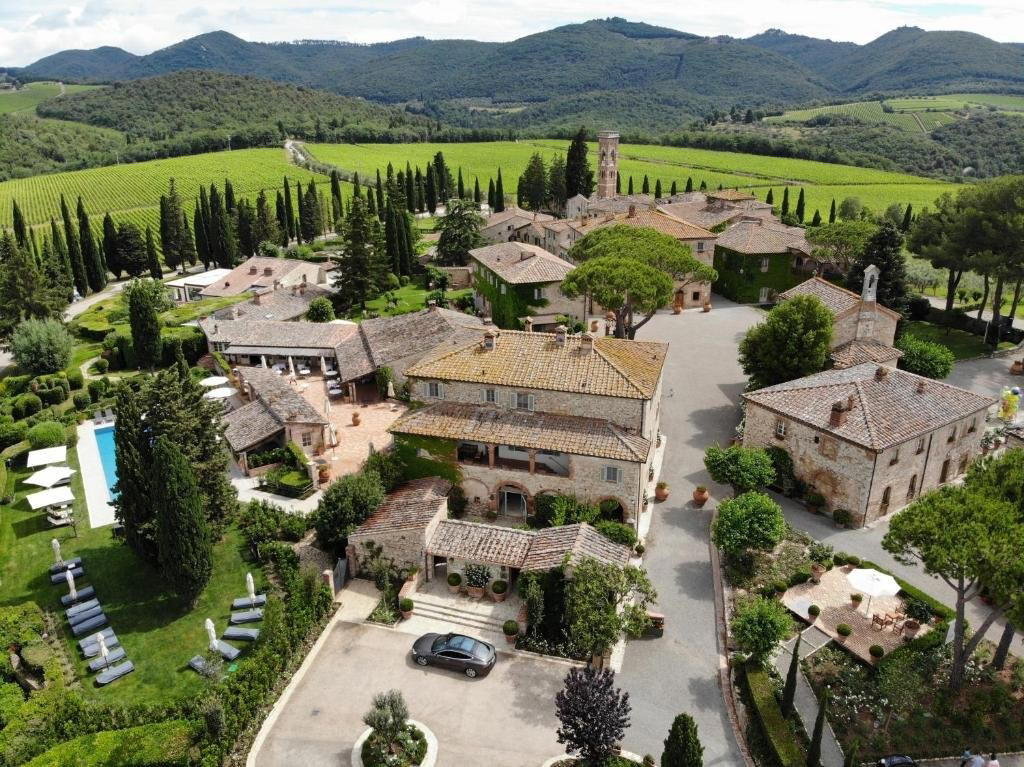
Bars in Monteriggioni
Browse all →
Restaurants in Monteriggioni
Browse all →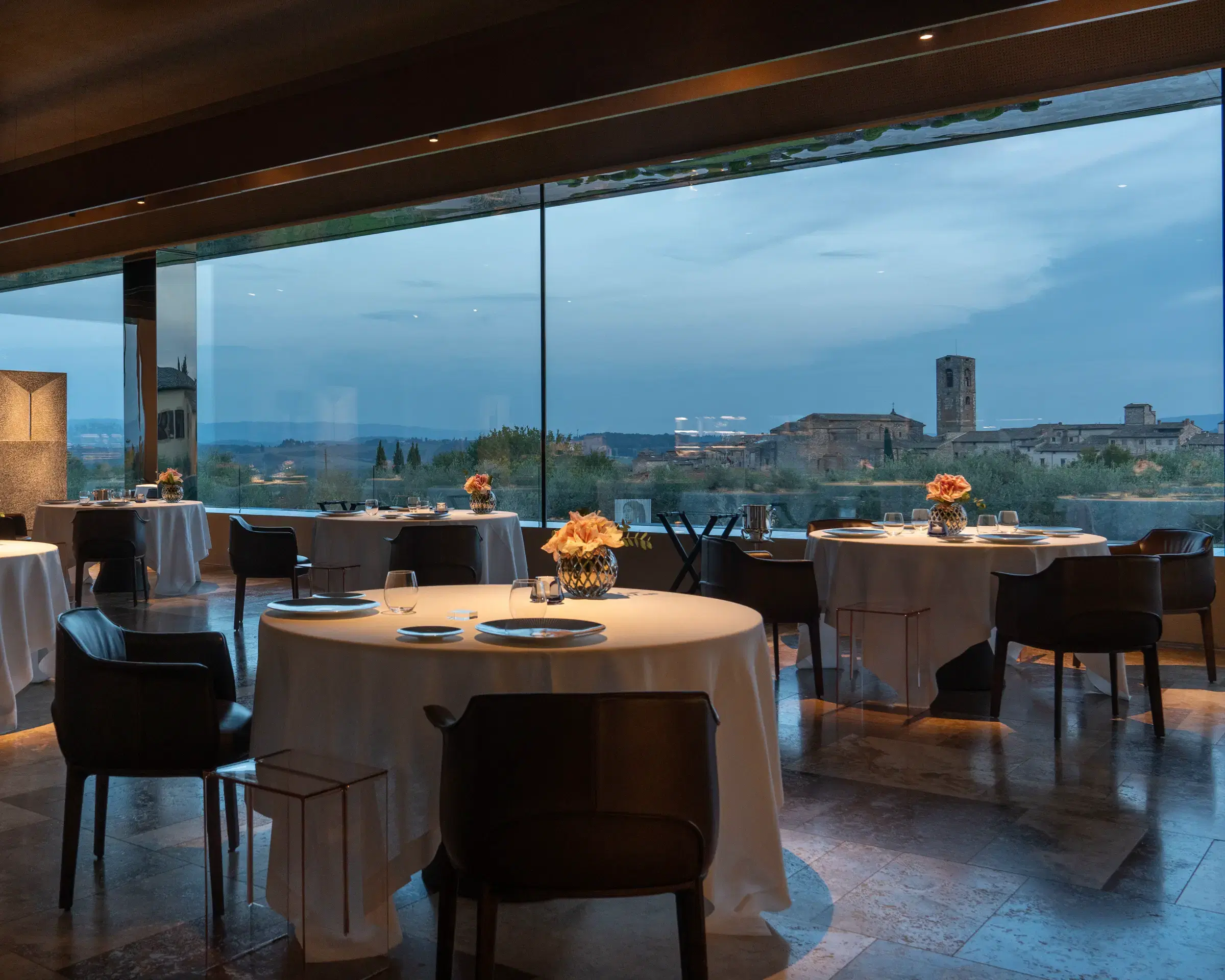
At a Glance
- Romantic
- Scenic
- Classic
- Elegant
- Romantic Getaway
- Honeymoon
- Family Vacation
- Weekend Escape
- Garden
- Terrace
- Historic Building
- Panoramic View
- Pool
- Wi Fi
- Restaurant
- Garden
- Spa
- Fitness Center
- Room Service
- Vineyard
- Garden
- Mountain
- Pool
- Wi Fi
- Restaurant
- Garden
- Spa
- Fitness Center
- Room Service
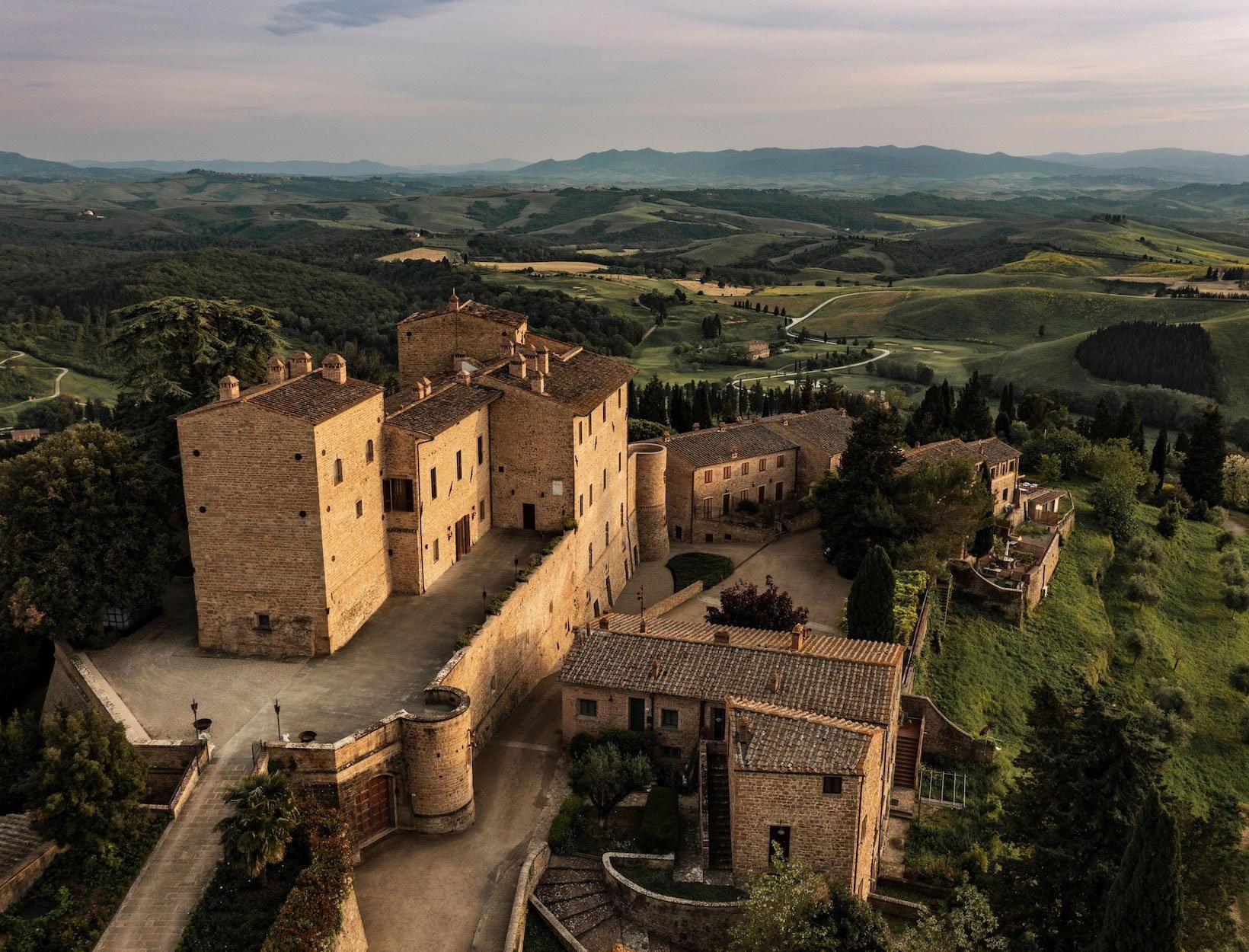
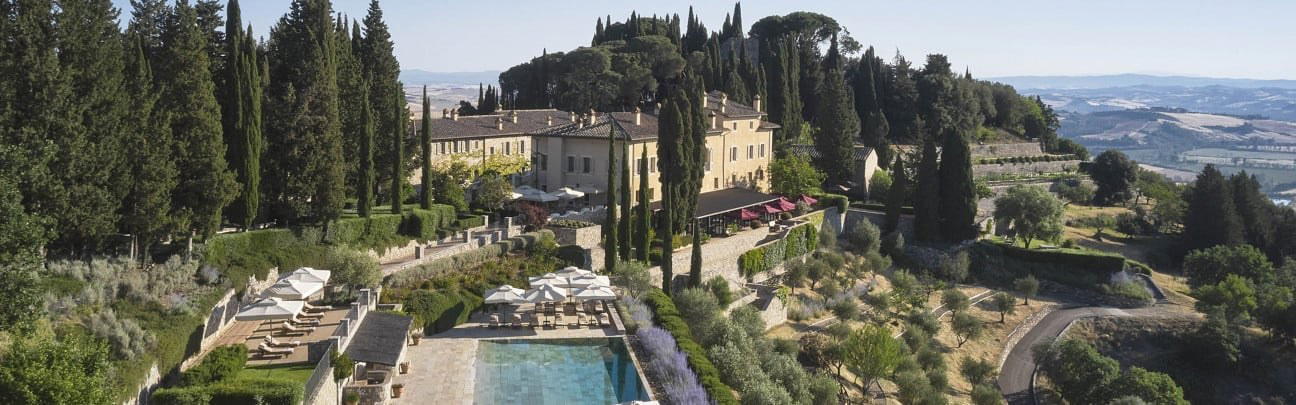
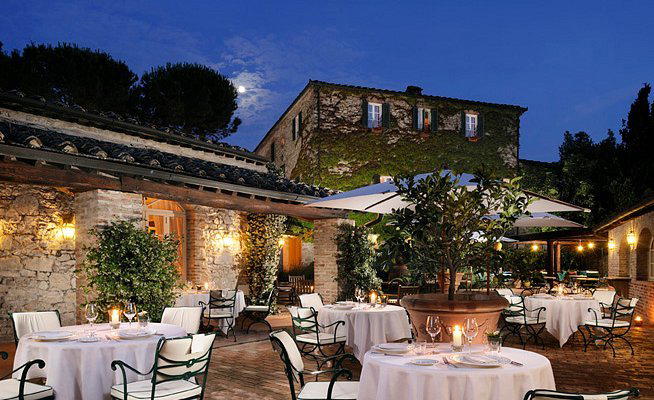
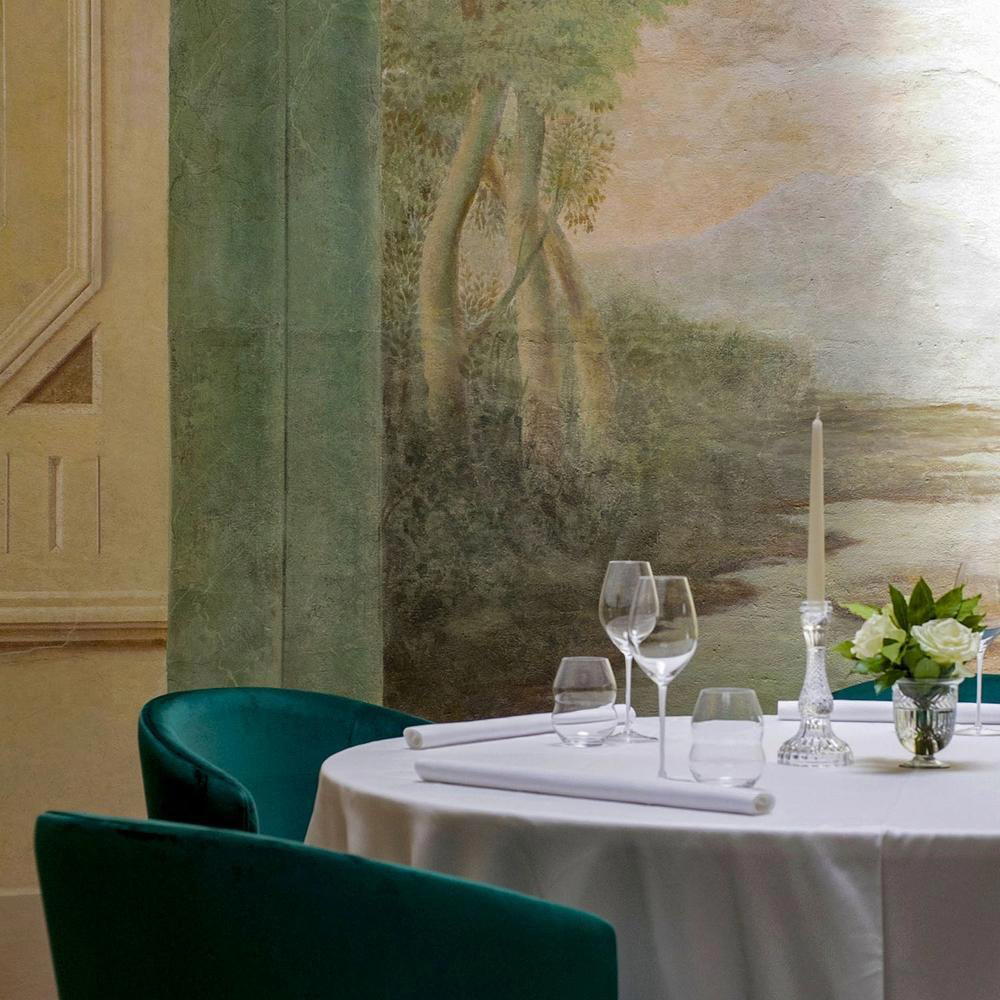
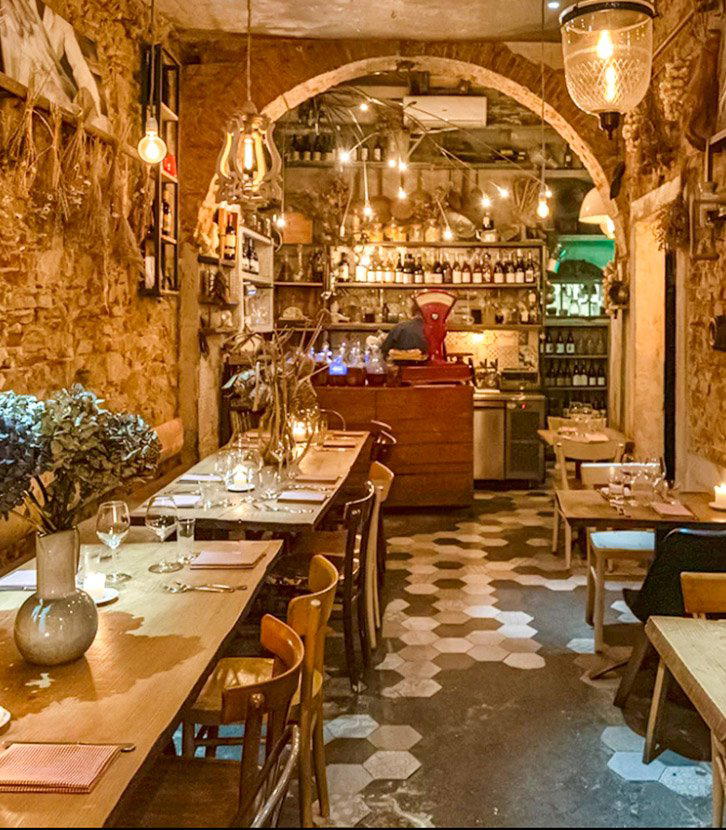
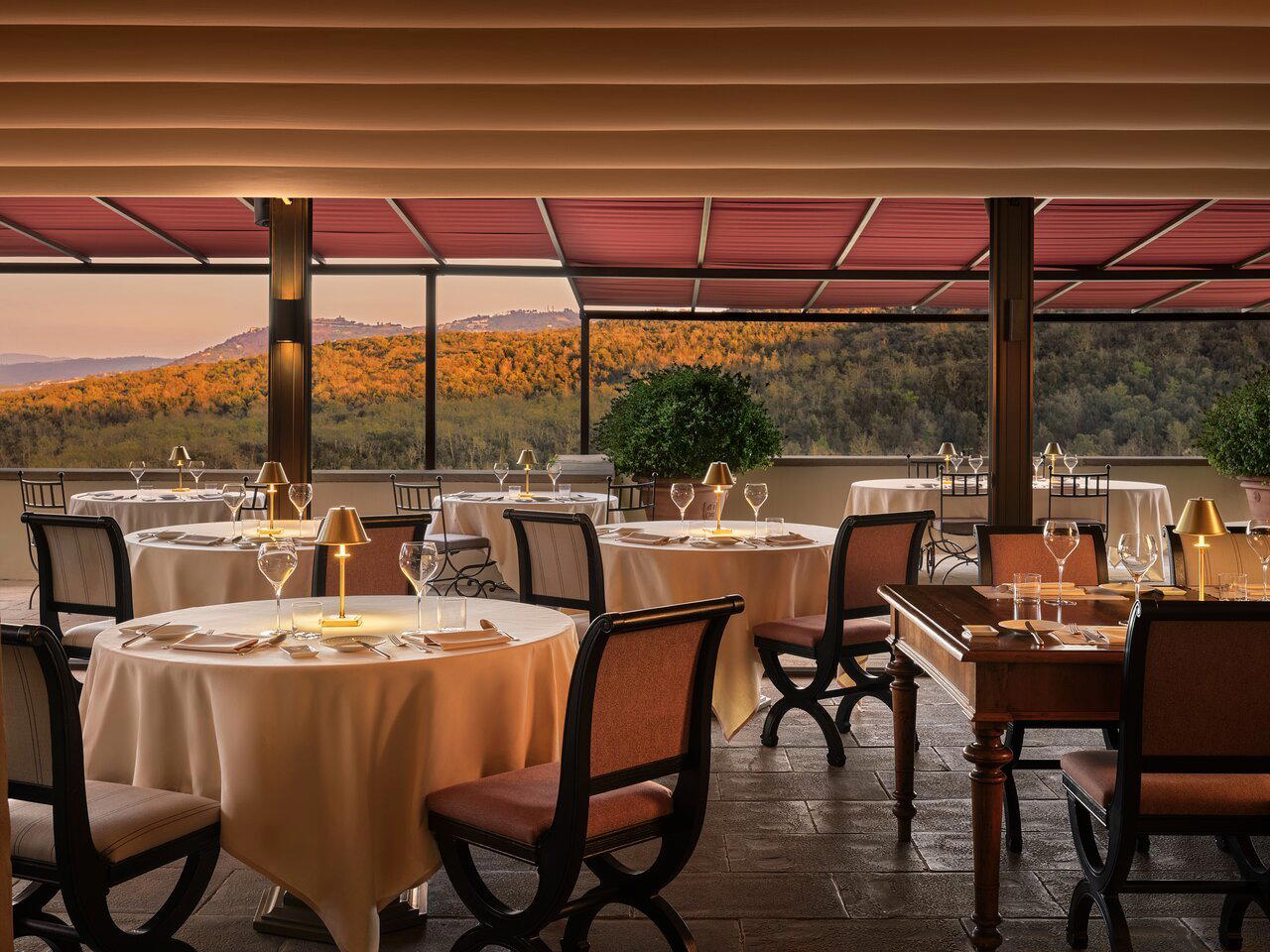
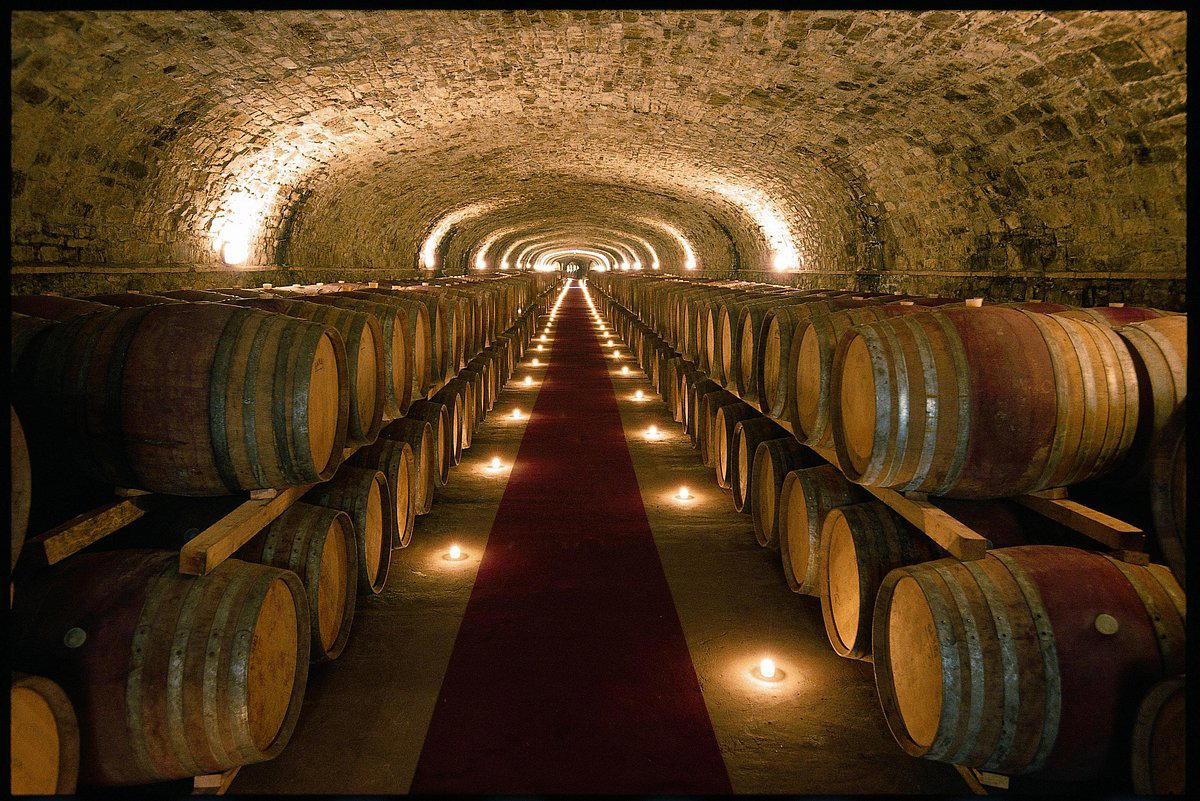
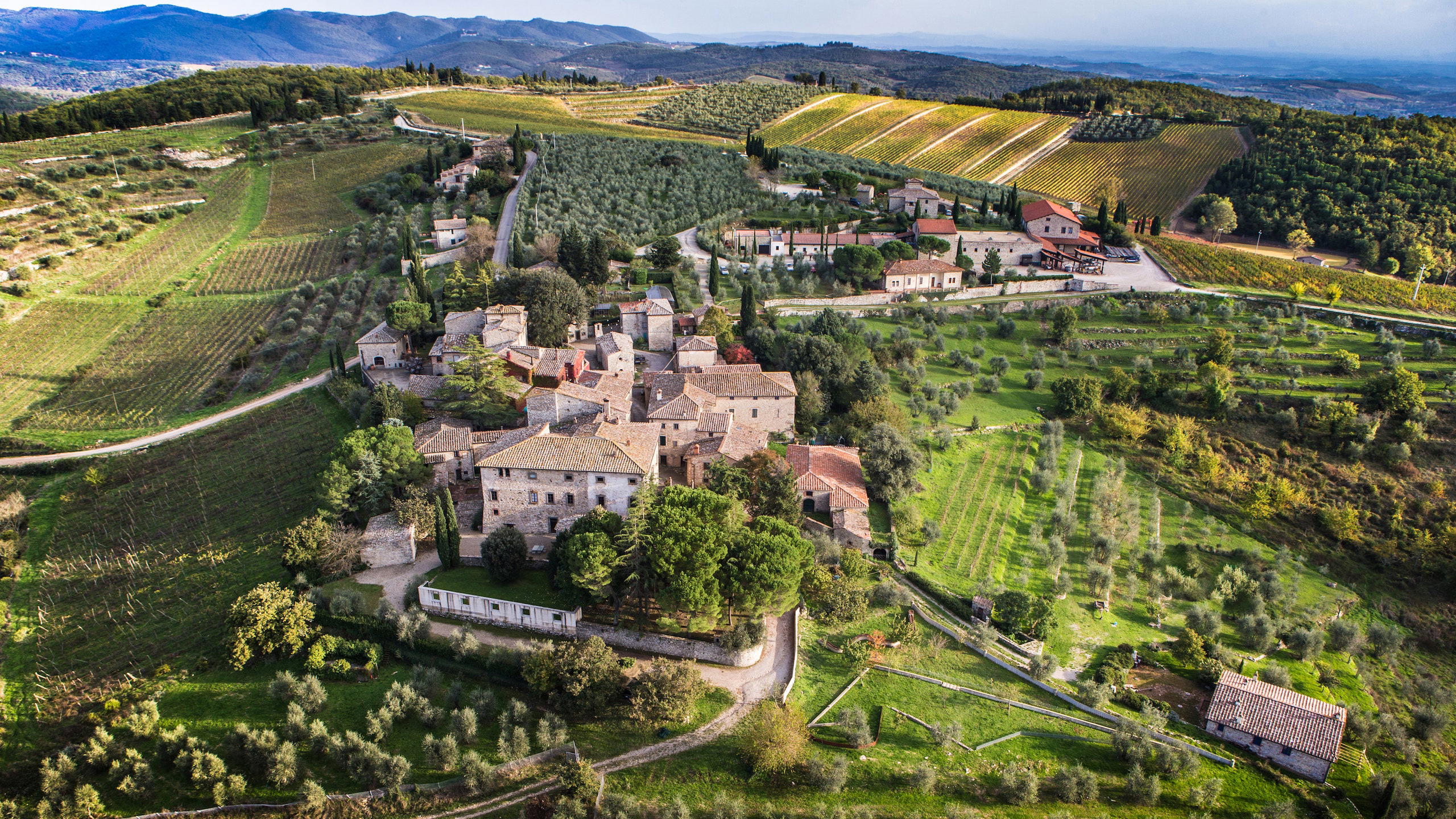
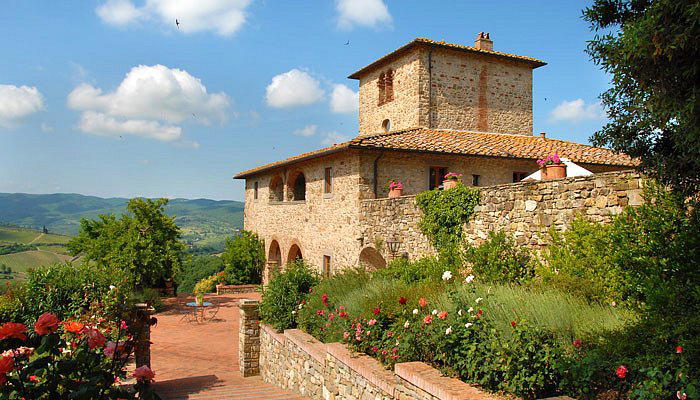
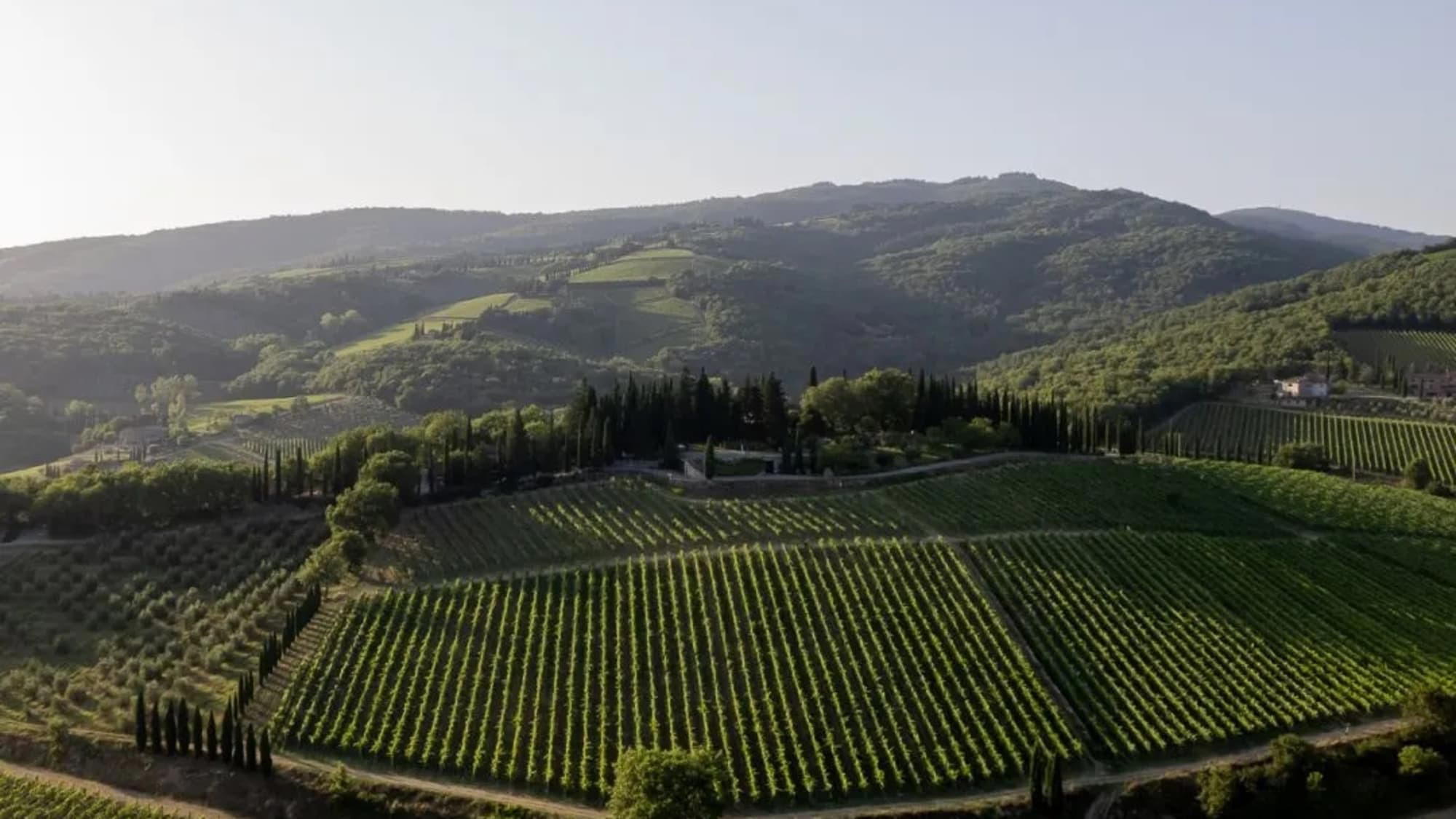
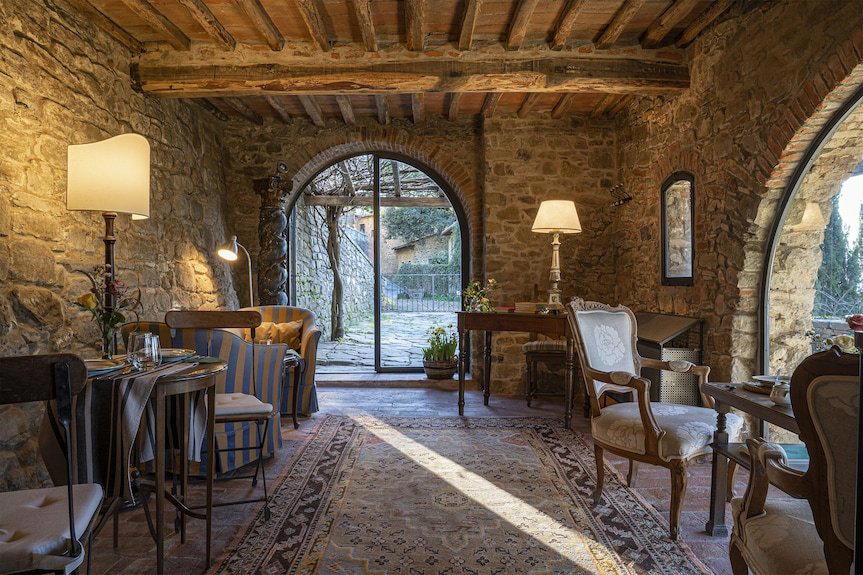
Warm, rustic elegance with traditional Tuscan architecture, natural light through wide windows, garden settings with olive trees, and panoramic views of rolling hills and the Elsa Valley.