
On Via Cavour, one of Florence's principal arteries connecting the Duomo zone to San Marco, Arté Boutique Hotel sits in a category that has grown steadily in the city: the Michelin Selected, design-conscious small hotel that trades scale for address precision and atmosphere. It occupies a different tier from the grand palace hotels yet shares the same postcode advantages as properties that cost considerably more.
Pearl is the En Primeur Club membership app — saves, bookings, and concierge access live there. Same editors, same standards.
- Address
- Via Camillo Cavour, 14, 50129 Firenze FI, Italy
- Phone
- +39 055 1993 3011
- Website
- arteboutiquehotel.com
- Directions
- Get directions
 Saves & bookings on Pearl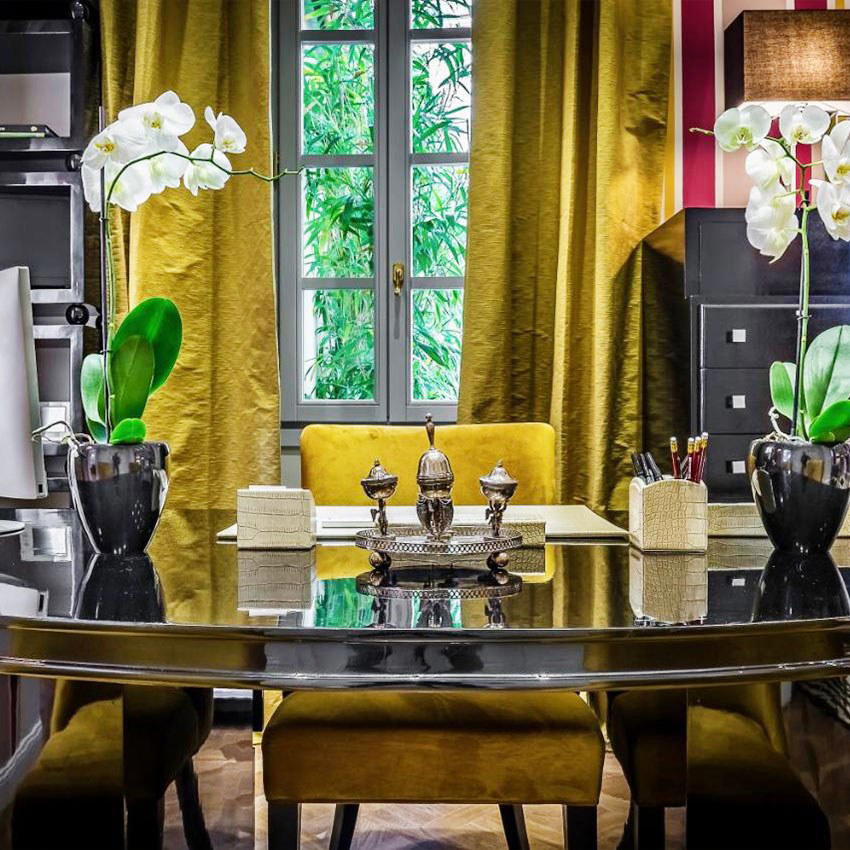
Via Cavour and What an Address Does
Florence's hotel market divides more sharply by location than by star rating. The corridor running north from the Duomo along Via Cavour is not a secondary option; it is the spine connecting the cathedral complex to the Accademia, San Marco, and the Medici Palace, all within a ten-minute walk. Staying on this axis means approaching those institutions on foot, in the early morning or late evening, without the logistical overhead of taxis or crosstown navigation. Arté Boutique Hotel sits at number 14 on that corridor, and the address is the first thing worth understanding about the property.
Boutique hotels on Via Cavour occupy a specific niche in Florence's accommodation structure. They are neither the grand palazzo conversions that line the Arno, such as Hotel Lungarno, nor the large international flagships that anchor the Piazza della Repubblica zone, like Four Seasons Hotel Firenze with its fifteen-acre garden. They are smaller properties whose case rests almost entirely on proximity and atmosphere. For a traveller whose itinerary centres on the Uffizi, the Accademia, the Bargello, and the Medici Chapels, that proximity argument carries real weight.
Michelin Selection and What It Signals in This Market
Arté carries a MICHELIN Selected distinction in the Michelin Hotels 2025 guide, which places it in a vetted tier of smaller European properties that meet Michelin's editorial criteria for character, quality, and experience without necessarily competing on scale. In Florence, that selection places Arté in a defined comparable set: properties that have been assessed and listed alongside larger, higher-budget options, which is a meaningful differentiator in a city where the boutique segment ranges from genuinely considered design hotels to straightforwardly rebranded pensions.
Within the broader Florence Michelin hotel selection, properties like Brunelleschi Hotel and Hotel Calimala occupy comparable positions in terms of scale and centrality. The distinction matters primarily because it provides a credentialed reference point in a market that can be difficult to read from listing photographs alone. Michelin's hotel selection process evaluates things like architectural character, service consistency, and neighbourhood integration, not just thread counts, which aligns more closely with what a short-stay visitor to Florence actually experiences.
The Neighbourhood as Daily Infrastructure
The editorial case for Arté's location goes beyond proximity to monuments. Via Cavour connects two distinct urban registers: the dense tourist core around the Duomo, and the calmer, more residential fabric of San Marco and Sant'Ambrogio to the north and east. Guests based here can walk south into the cathedral zone in minutes, or walk east toward the Mercato di Sant'Ambrogio and the neighbourhood restaurants around Piazza dei Ciompi, which run at a different pace and price point from the tourist-facing trattorie clustered around Santa Croce.
For context on how Florence's hotel geography distributes: the riverside palazzo tier, including Palazzo Portinari Salviati Residenza D'Epoca, offers Arno views and event scale. The Oltrarno side offers a quieter, more artisan character. The hillside options, such as Villa Cora, trade centrality for gardens and elevation. Via Cavour's argument is pedestrian access to the concentrated cluster of high-priority Renaissance works in the world, without the ambient noise of the Piazza della Repubblica hotel zone.
Travellers who prioritise museum access specifically should note that the Accademia Gallery, home to Michelangelo's David, sits roughly eight minutes north on foot from the hotel's address. The Medici Chapels and San Lorenzo are closer still. Booking windows for timed entries to both institutions, particularly in spring and summer, often run several weeks ahead.
Boutique Scale in a City of Palazzo Hotels
Florence has seen a pronounced shift toward larger, more amenity-laden properties at the summit of the market over the past decade. The Ad Astra and riverside design hotels have moved the reference points for what premium accommodation means in the city. Against that backdrop, the boutique tier occupies a different value proposition: fewer rooms, more architectural specificity, and in most cases a closer relationship between the physical building and Florence's layered construction history.
Properties in this category across Italy's major cities tend to succeed or fail on the coherence of their design approach and the quality of their location, since they cannot compete on facilities against larger properties. Internationally, the comparison class would include smaller properties like JK Place Capri or, further afield, Passalacqua in Moltrasio, which have both demonstrated that limited keys and strong location credentials can produce a compelling case at a price point below the mega-property tier.
For travellers weighing Arté against the larger Florence options, the question is primarily about what the stay is for. A multi-night cultural itinerary focused on walking the Renaissance city benefits from the Via Cavour position. A trip that includes significant non-pedestrian movement, or that values spa and F&B; infrastructure within the property, would be better served by the larger palazzo or hillside properties. Villa La Massa, set along the Arno outside the city centre, represents the opposite end of that spectrum: estate grounds and river access versus urban walkability.
Planning a Stay
Via Cavour 14 is walkable from Santa Maria Novella station in approximately twenty minutes, or a short taxi ride. Florence's ZTL restricted traffic zone covers most of the historic centre, which means private vehicles cannot access the hotel directly without a permit; arrival by taxi, with the driver handling ZTL navigation, is the standard approach. The spring shoulder season, April through early June, and September through October offer more manageable museum queues than the July-August peak, when advance booking for the Uffizi and Accademia becomes close to mandatory. Arté's Michelin Selected status suggests it meets a baseline of quality that the guide's editorial team considers noteworthy.
For comparison shopping within the boutique and mid-scale Florence tier, Hotel Calimala and Brunelleschi Hotel are comparable Michelin-listed options in terms of scale and central positioning. Further afield in Italy, the design-led boutique approach appears at properties like Corte della Maestà in Civita di Bagnoregio and Casa Maria Luigia in Modena, both of which show how the format performs in smaller Italian contexts where location and character do most of the work.
At a Glance
Comparable venues nearby, for context on price, style, and recognition.
| Venue | Price | Notes |
|---|---|---|
| Arté Boutique HotelThis venue — the venue you are viewing | $$$ | Not listed |
| Hotel Milu | $$$ | Santo Spirito, Contemporary boutique hotel blending 14th-century Florentine architecture with modern minimalist design and curated art installations. |
| Residence Hilda | $$$$ | San Niccolo, Historic townhouse renovated with modern comforts and privacy of home-like apartments |
| Porta Rossa Hotel Firenze, Colbert Collection | $$$$ | Centro Storico, Historic luxury hotel in a restored landmark building |
| Relais Santa Croce | $$$$ | San Niccolo, Aristocratic Renaissance palazzo converted to luxury boutique hotel maintaining the atmosphere of a noble Florentine residence. |
| Hotel Number Nine | $$$$ | Santo Spirito, Family-owned 5-star luxury boutique in Renaissance building |
Recognition history
Dated appearances from independent guides and award organizations, with the underlying list record or original source where available.
Michelin Selected
Michelin
Continue exploring
More in Florence
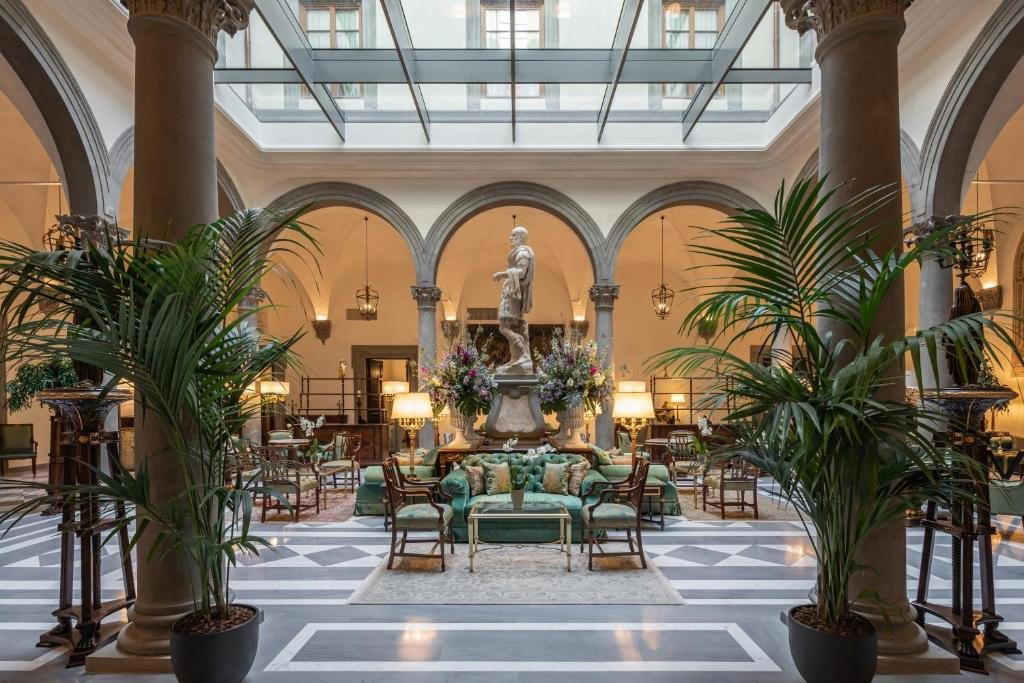
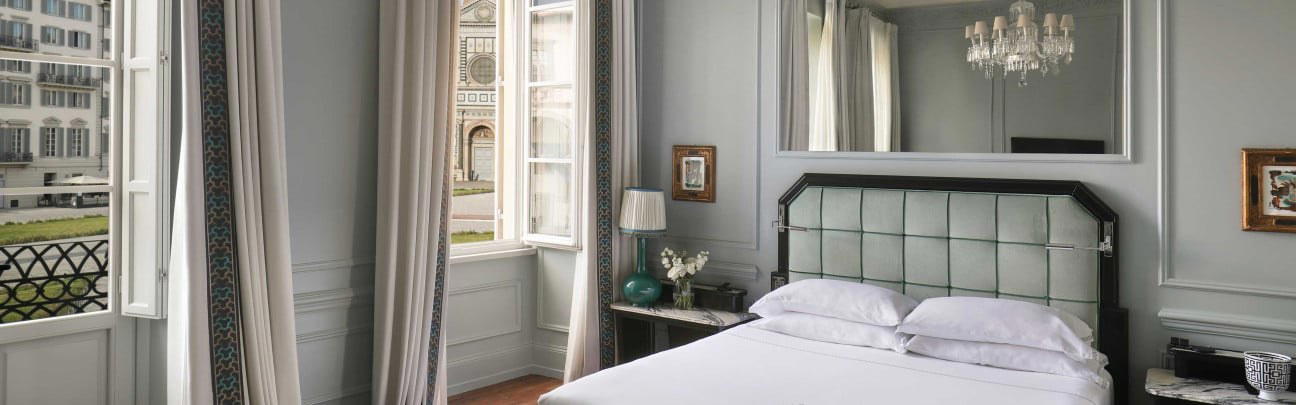
Hotels in Florence
Browse all →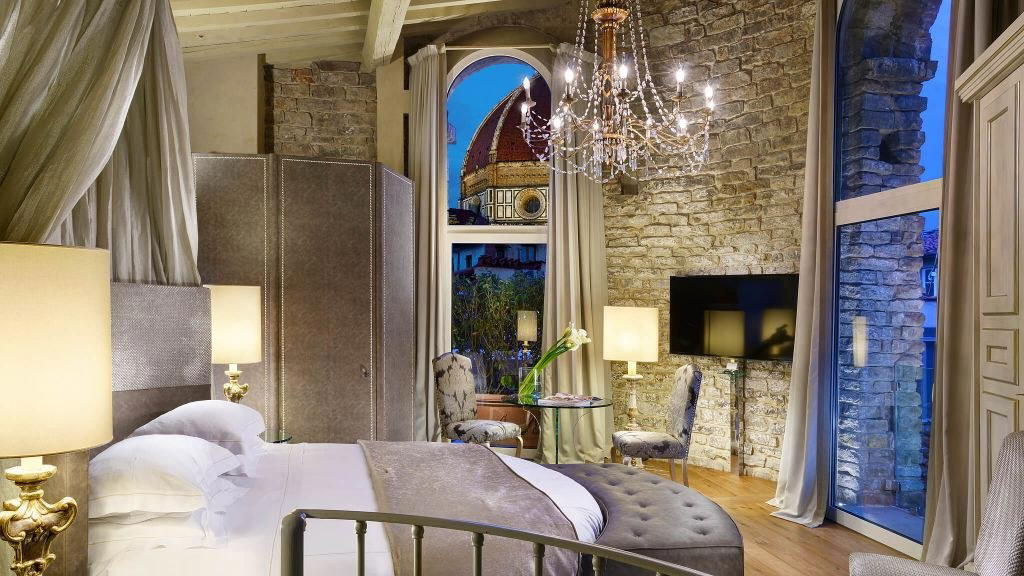
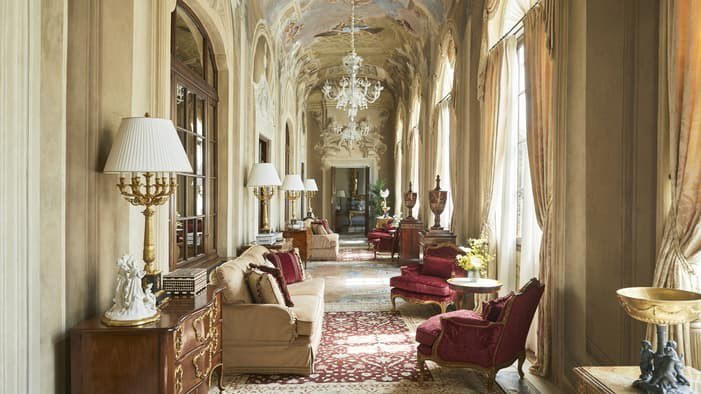
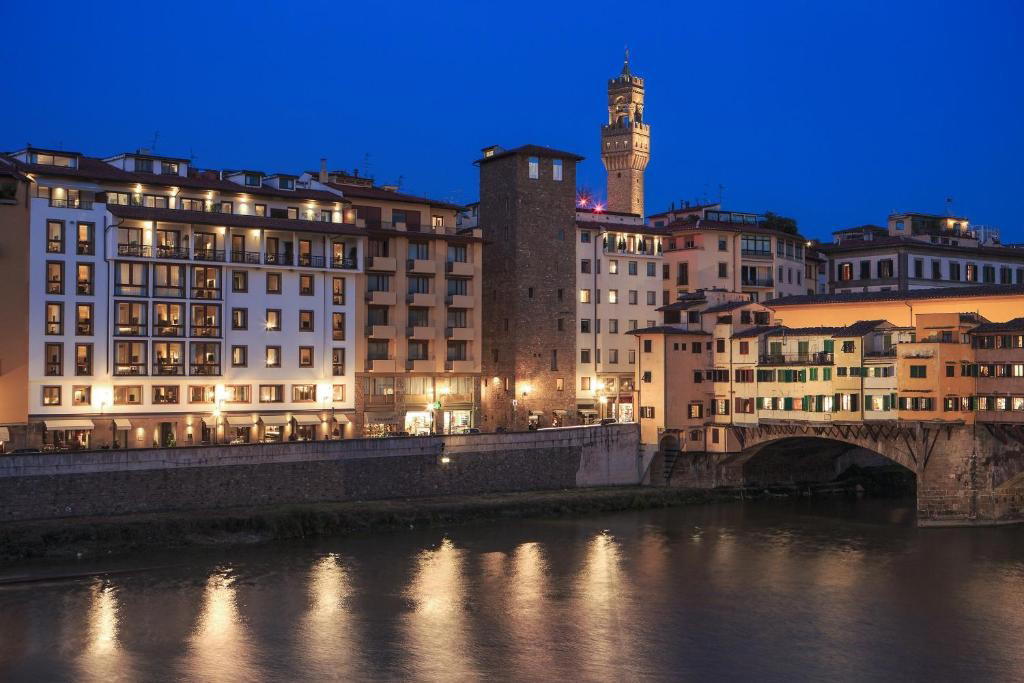
Bars in Florence
Browse all →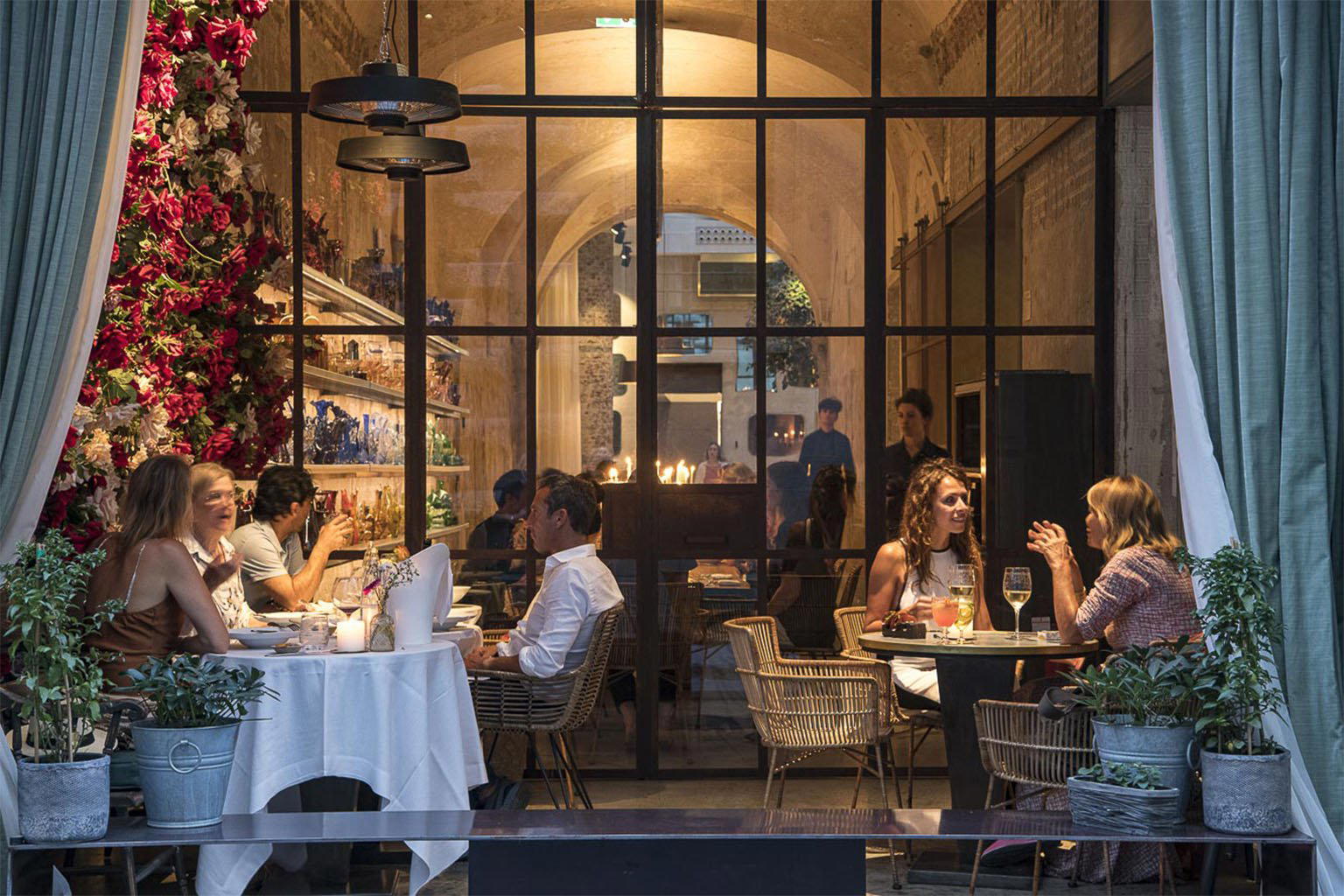
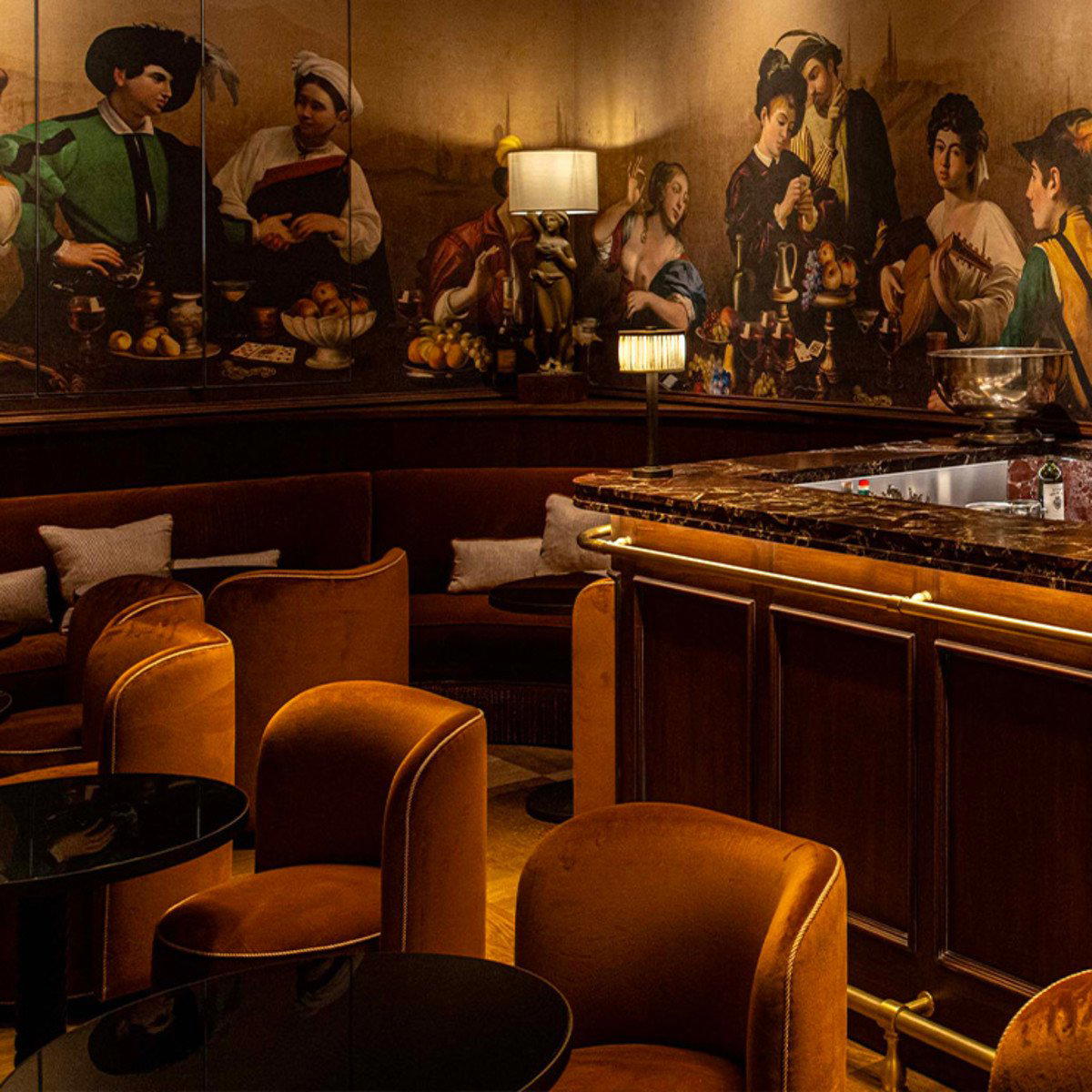
Restaurants in Florence
Browse all →
At a Glance
- Romantic
- Elegant
- Classic
- Scenic
- Romantic Getaway
- Anniversary
- Weekend Escape
- Historic Building
- Panoramic View
- Terrace
- Design Destination
- Wi Fi
- Bar
- Concierge
- Bicycle Rental
- Street Scene
- Wi Fi
- Bar
- Concierge
- Bicycle Rental
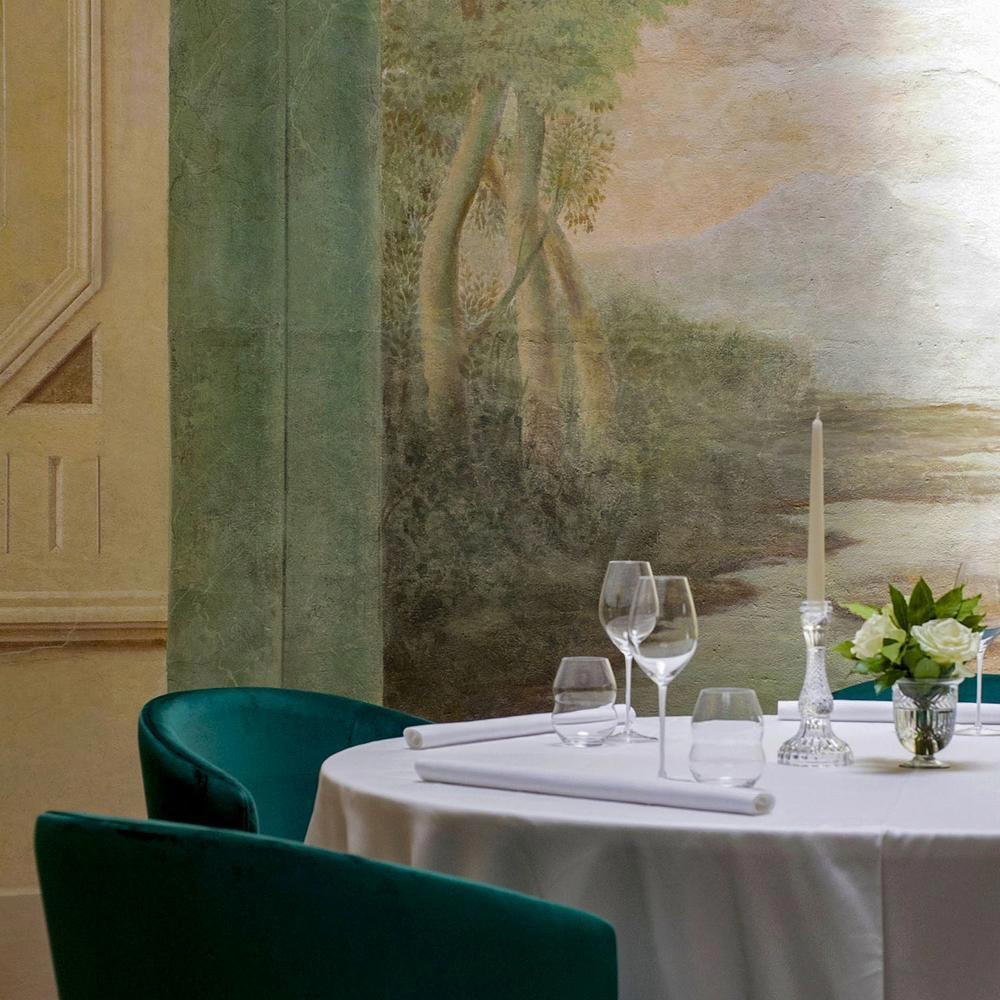
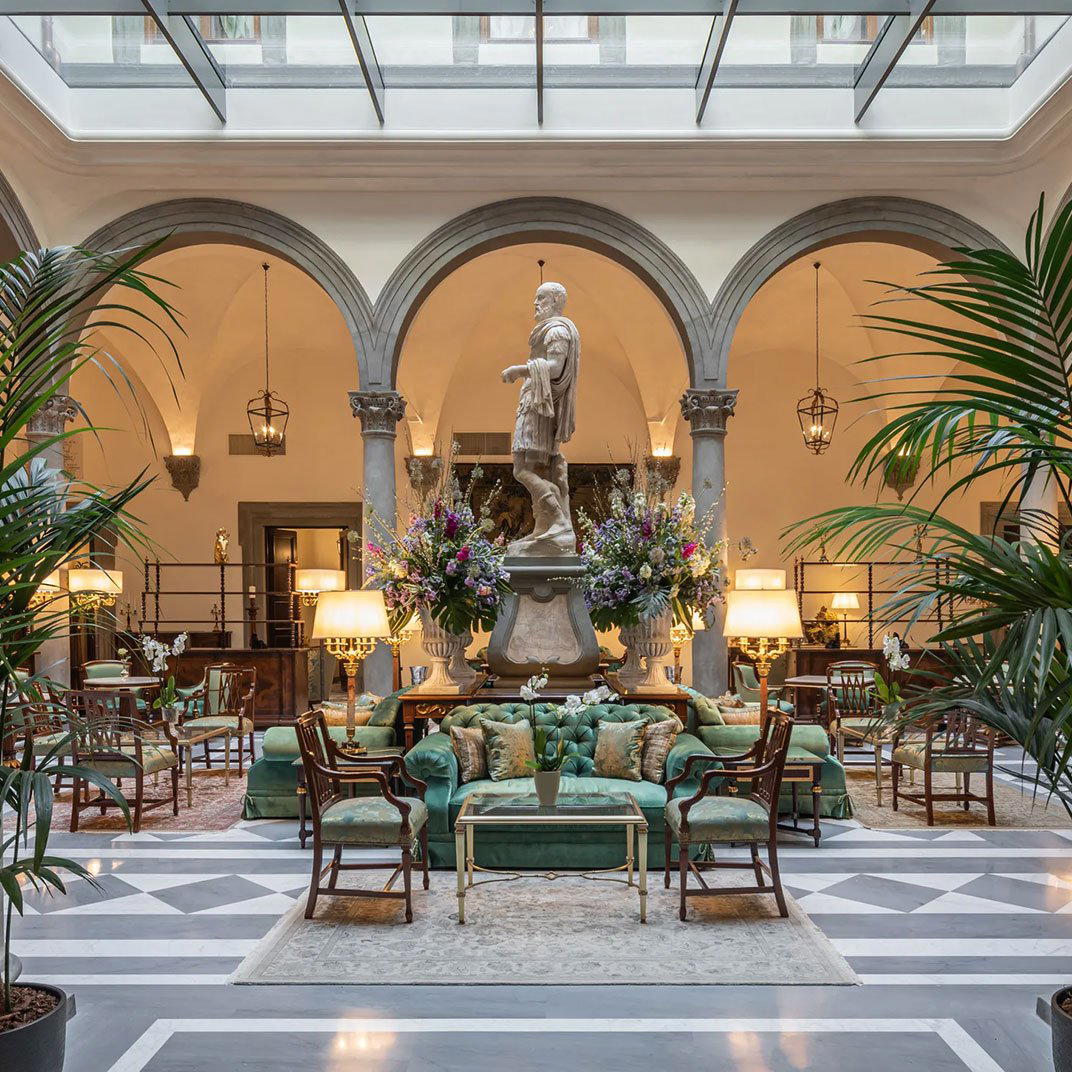
Refined and sophisticated with ornate contemporary touches blended into historic Renaissance architecture; warm, welcoming atmosphere enhanced by daily manager's reception and attentive staff.