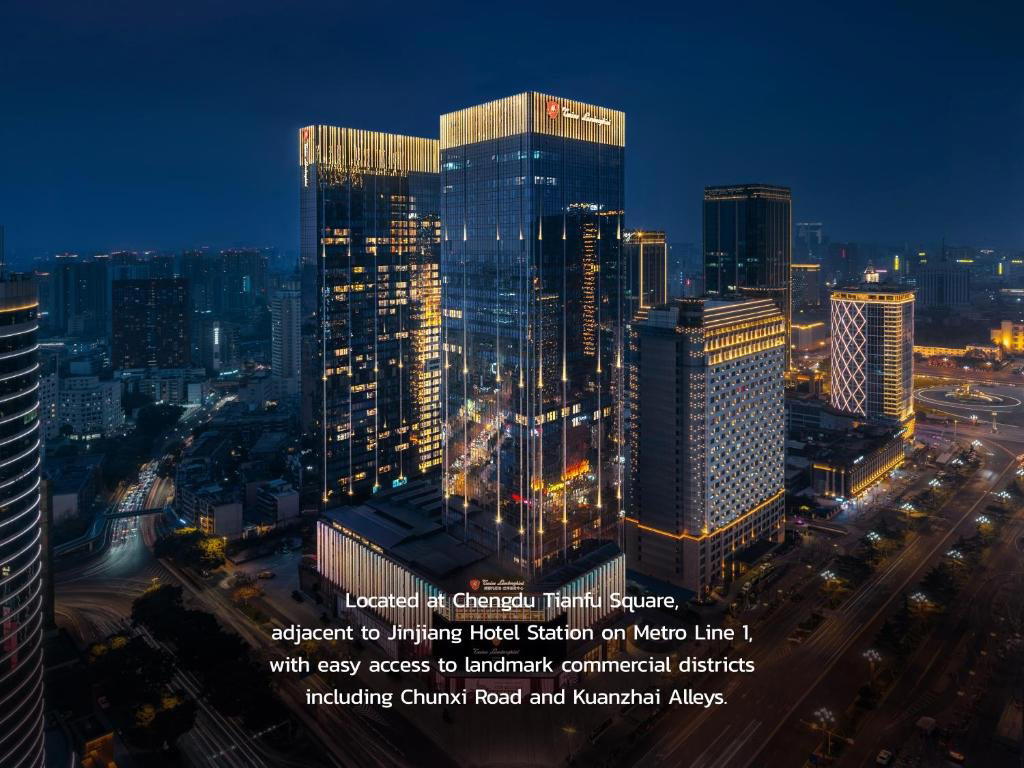
Kempinski Hotel Chengdu-City Center sits in a city where hotel dining competes with one of China’s strongest street-level food cultures. With public venue data limited, the useful read is contextual: expect a city-centre hotel proposition shaped by Chengdu’s appetite for Sichuan cooking, tea-house tempo, business travel, and late-evening dining rather than a resort-style escape.
Pearl is the En Primeur Club membership app — saves, bookings, and concierge access live there. Same editors, same standards.
- Address
- Chengdu, China
- Directions
- Get directions
 Saves & bookings on Pearl
Chengdu hotel dining begins outside the lobby
Approaching a city-centre hotel in Chengdu means entering a food city before entering a hotel. The immediate soundscape is not only traffic and suitcase wheels; it is the rhythm of a place where lunch can mean a quick bowl of noodles, dinner can stretch across hotpot steam, and late-night eating has its own social grammar. Kempinski Hotel Chengdu-City Center has to be read against that backdrop. In Chengdu, hotel restaurants and bars do not operate in a vacuum. They compete with small noodle shops, polished Sichuan dining rooms, tea houses, hotpot institutions, and business banquet venues that define how the city eats.
That context matters because Chengdu is not a passive market for international hotels. The city has UNESCO recognition for gastronomy, a deep Sichuan culinary identity, and a dining culture built around chilli heat, numbing peppercorn, fermented bean pastes, slow conversations, and communal tables. A hotel dining programme here needs to serve several audiences at once: corporate travellers, domestic leisure guests, international visitors testing Sichuan flavours cautiously, and residents who already know the difference between a hotel version of local food and the neighbourhood version around the corner. The interesting question is not whether Kempinski Hotel Chengdu-City Center offers hospitality polish. The question is how a city-centre hotel positions food and drink in a city where food is already the main event.
The dining programme as a city-centre proposition
In Chengdu, a centrally placed hotel dining programme works differently from a mountain resort, a suburban convention property, or a design-led boutique address. The strongest city-centre hotel restaurants tend to serve three functions. First, they provide a controlled introduction to Sichuan cooking for guests who want flavour without uncertainty over ordering, language, or spice levels. Second, they act as convenient meeting rooms with better food, especially for business travellers who need privacy, timing discipline, and service continuity. Third, they offer bars and lounges that extend the day after meetings, shopping, or sightseeing without requiring another transfer across town.
Publicly available venue data for Kempinski Hotel Chengdu-City Center does not list cuisine type, chef, awards, prices, booking method, opening hours, room count, dress code, or signature dishes. That absence should shape expectations. This is not a page to invent a celebrity-chef narrative or claim a tasting-menu identity that is not in the record. The safer editorial reading is category-based: a city-centre Chengdu hotel with an international brand name will usually be judged by breadth, reliability, breakfast quality, lounge service, banquet capability, and how convincingly it handles local flavour alongside international comfort cooking. Travellers comparing it with Niccolo Chengdu, Hotel Chengdu, or InterContinental Century City Chengdu should focus less on abstract luxury language and more on where each hotel sits in the city, who it serves, and how much of the stay will be spent eating on property.
Why Chengdu changes the hotel restaurant equation
Sichuan cuisine is often reduced outside China to chilli heat, but Chengdu’s dining culture is more technical than that shorthand allows. Mala, the numbing-hot combination associated with chilli and Sichuan pepper, is only one register. The city also values sweet-fragrant sauces, pickled brightness, slow braises, cold dishes, freshwater fish preparations, and the textural pleasure of snacks eaten between meals. Hotel kitchens that engage Chengdu seriously have to decide whether to translate that vocabulary for visitors or preserve enough edge to satisfy local diners. That tension is where many hotel dining programmes succeed or fail.
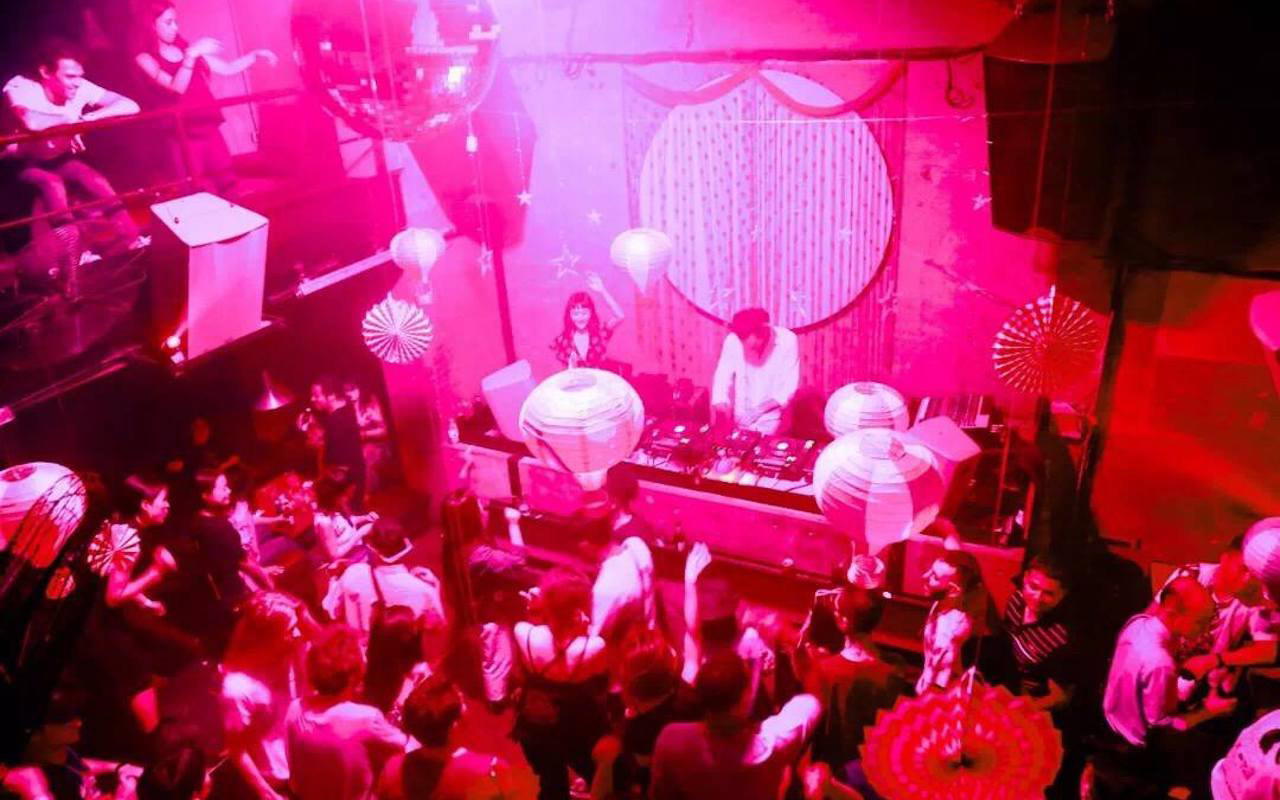
The hotel bar also carries different expectations in Chengdu than it might in Shanghai, Macau, or New York. Chengdu’s evening culture is social but not always cocktail-led; tea, hotpot, private dining, and KTV have long formed part of the after-dark circuit. A hotel bar therefore needs to justify itself through comfort, privacy, view, service pace, or a drinks list that gives travellers a clear reason to stay in-house. For readers building a wider China itinerary, the comparison is instructive. JW Marriott Hotel Shanghai at Tomorrow Square in Shanghai sits in a city where hotel bars compete with a deep cocktail scene. Star Tower at Studio City Macau in Macau belongs to a casino-resort ecosystem where dining is tied to entertainment scale. Chengdu asks a different question: can a hotel make itself useful in a city where the strongest meal may cost little and happen a short ride away?
How to judge the food and beverage offer without overreading sparse data
Breakfast matters because Chengdu itineraries often begin early: pandas, museums, business meetings, or transfers to Qingcheng Mountain and Dujiangyan. All-day dining matters because flight arrivals and rail schedules rarely align with formal meal times. A Chinese restaurant, if present, should be judged by how it frames Sichuan dishes, whether the service team can explain heat levels, and whether private rooms are available for business meals. A lobby lounge or bar should be judged by seating comfort, noise level, and whether it functions as a real meeting point rather than a corridor with drinks.
This is also where peer comparison helps. InterContinental Chengdu Global Center speaks to the large-complex side of Chengdu hospitality, while Six Senses Qing Cheng Mountain shifts the frame toward retreat, wellness, and access to the mountain edge of the region. Chengdu Expo Waterfall - MGallery and Ocean Spring Chengdu - MGallery point toward lifestyle and destination formats outside the pure business-hotel reading. Kempinski Hotel Chengdu-City Center belongs in the more practical city-hotel conversation: convenient base, on-property food and drink as support structure, and access to Chengdu’s broader restaurant scene as the main culinary draw.
The Chengdu food map around a hotel stay
A food-led stay in Chengdu should not be confined to any single hotel. The city rewards movement across meal formats. One day might begin with hotel breakfast, continue with dan dan noodles or wontons in a casual shop, pause for tea in a park, and end around a hotpot table where the broth, dipping oil, and timing of ingredients matter as much as the address. Another day is built around a more formal Sichuan restaurant, followed by a quiet hotel lounge rather than another late-night venue. That rhythm is why the hotel’s dining programme should be treated as a stabilising layer, not the entire itinerary.
EP Club’s city resources are useful for that wider mapping. The Our full Chengdu restaurants guide gives the restaurant side more room, while Our full Chengdu bars guide helps separate serious drinks rooms from generic hotel lounges. Travellers comparing accommodation formats can use Our full Chengdu hotels guide, while longer itineraries may draw on Our full Chengdu experiences guide. The city is not a wine destination in the way Ningxia or parts of Yunnan are discussed, but Our full Chengdu wineries guide can still be useful for readers tracking wine-related listings and regional drinking culture.
Who the hotel suits, and who should look elsewhere
Kempinski Hotel Chengdu-City Center makes the clearest sense for travellers who want a city base and intend to use hotel food and drink selectively. Business travellers benefit from the predictability of a full-service setting, especially when meetings, airport transfers, and dining schedules need to be coordinated. First-time visitors to Chengdu may appreciate having hotel dining as a softer entry point before moving into stronger local formats. Families or multi-generation groups often value the fallback of on-property meals when spice tolerance, fatigue, or timing becomes uneven across the group.
The fit is less clear for travellers whose Chengdu trip is built entirely around design hotels, wellness retreats, or destination dining. Those readers may compare Guanyin Yiyuntai Hotel for a different local-hospitality register, or look beyond the city centre to mountain and resort properties. Travellers seeking a China-wide contrast could compare the Chengdu city-hotel model with Mandarin Oriental Qianmen in Beijing, where historic urban fabric shapes the stay, or LN Hotel Five in Guangzhou, where Cantonese food culture changes the dining brief. The right choice depends on whether the hotel is expected to be a logistical anchor, a design statement, or a culinary destination in its own right.
Planning the stay around meals, meetings, and city movement
That means checking restaurant opening times, breakfast inclusion, bar hours, private-room availability, and any reservation requirements for in-house dining. Chengdu traffic can be slow at peak commuting times, and dining districts vary by neighbourhood, so it is sensible to cluster meals geographically rather than crossing the city between every stop. For a short stay, use the hotel for breakfast and one convenient evening drink, then allocate lunches and dinners to Chengdu’s stronger local circuits.
Suite planning needs the same caution. The public record supplied here does not identify room categories or a leading suite, so any claim about the highest room type would be invented. Guests who care about space, club access, views, connecting rooms, or dining inclusions should confirm the exact category at the time of booking. Price range is also unavailable in the record, which makes value judgement impossible without live rates. In Chengdu, seasonal demand can be affected by holidays, trade events, school breaks, and domestic travel peaks, so the more useful tactic is to compare fully loaded rates: room, breakfast, cancellation terms, taxes, and any lounge or dining credit.
How it compares within a broader China itinerary
Chengdu often appears on itineraries with Beijing, Shanghai, Guangzhou, Chongqing, Xi’an, or a nature segment in Sichuan. The city’s hotel choice should match that role. If Chengdu is the culinary centre of the trip, the hotel should provide convenience and recovery between meals rather than compete with the city’s restaurant culture. If Chengdu is a business stop, on-property dining becomes more important because meetings compress the schedule. If Chengdu is a bridge to mountains or pandas, early breakfast, transport coordination, and a low-friction evening meal gain weight.
Across China, the comparison set is broad. Conrad Xiamen in Xiamen brings a coastal city perspective, Conrad Urumqi in Urumqi changes the frame toward far-western China, and InterContinental Chongqing Raffles City in Chongqing sits in another Sichuan-adjacent food metropolis with a sharper vertical-city feel. Smaller and heritage-inflected stays such as Tian Ranju Inn in Tian Tou Zhai or The Hanyu Garden Reserve Suzhou in Suzhou serve different travel priorities altogether. International comparisons, from The Fifth Avenue Hotel in New York City to Hôtel de Paris Monte-Carlo in Monte Carlo and Badrutt's Palace Hotel in St. Moritz, show how much hotel dining depends on city culture, guest mix, and the role of the property within the trip.
Comparable Venues Nearby
Comparable venues nearby, for context on price, style, and recognition.
| Venue | Cuisine | Price | Notes |
|---|---|---|---|
| Kempinski Hotel Chengdu-City CenterThis venue — the venue you are viewing | Large international luxury city hotel catering to both corporate and leisure guests with extensive meeting space and full resort‑style facilities. | $$$ | Not listed |
| Rhombus Park Aura Chengdu Hotel | Urban all‑suite luxury hotel combining understated elegance with contemporary comforts in the heart of Chengdu’s main shopping and business district. | $$$ | Chengdushi |
| Waldorf Astoria Chengdu | Contemporary luxury high-rise blending classic Waldorf elegance with modern grandeur in Chengdu's business district, positioned as a crown jewel of the Hi-Tech Zone. | $$$$ | Chengdushi |
| Wanda Reign Chengdu | Luxury skyscraper with sky lobby on 41st floor | $$$$ | Chengdushi |
| InterContinental Century City Chengdu | Luxury urban landmark blending European elegance and Chinese hospitality | $$$$ | Chengdushi |
| Chengdu Expo Waterfall - MGallery | Boutique hotel celebrating Sichuan culture and natural abundance with mountain and water elements. | $$$$ | Chengdushi |
At a Glance
- Modern
- Elegant
- Sophisticated
- Ornate
- Business Trip
- Family Vacation
- Weekend Escape
- Group Retreat
- Celebration
- Terrace
- Panoramic View
- Wi Fi
- Pool
- Spa
- Fitness Center
- Room Service
- Concierge
- Business Center
- Valet Parking
- Kids Club
- Skyline
- Street Scene
- Wi Fi
- Pool
- Spa
- Fitness Center
- Room Service
- Concierge
- Business Center
- Valet Parking
- Kids Club
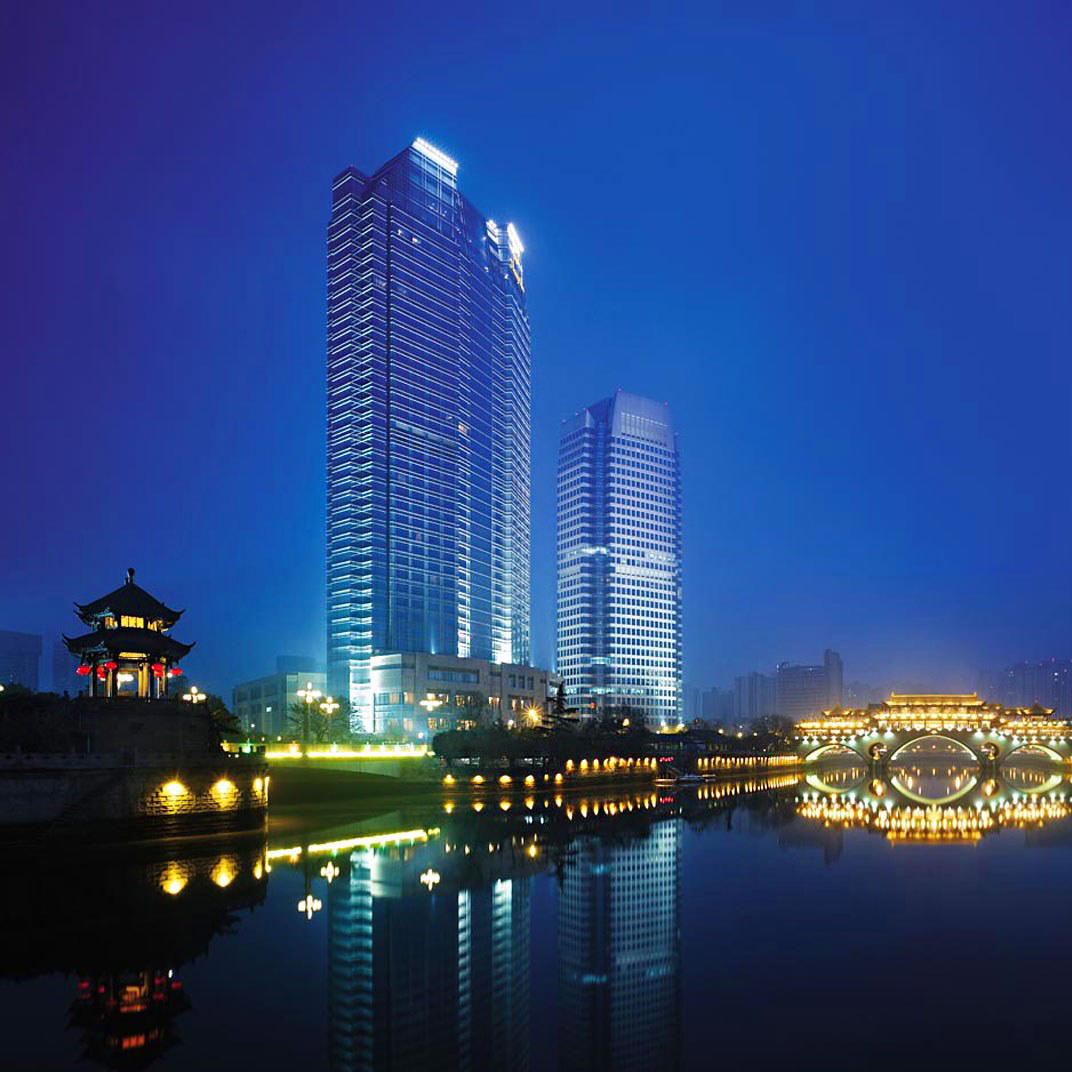
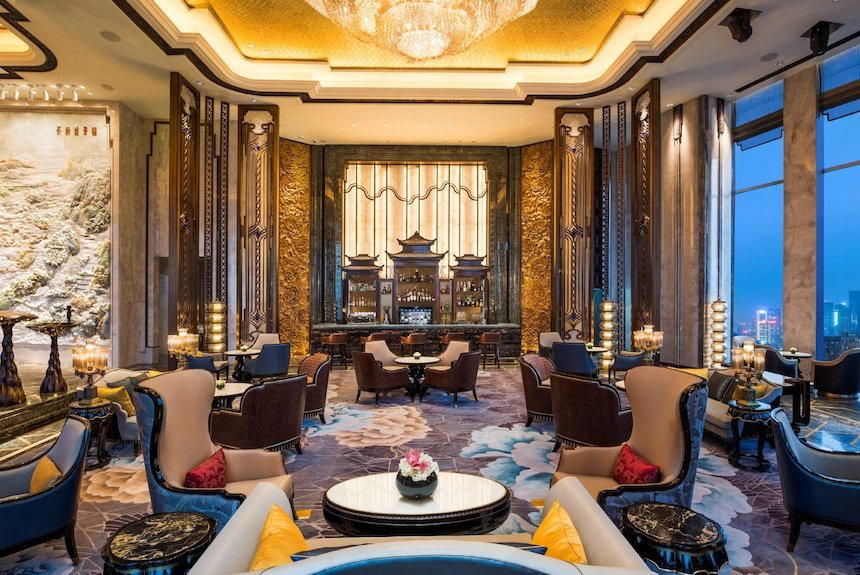
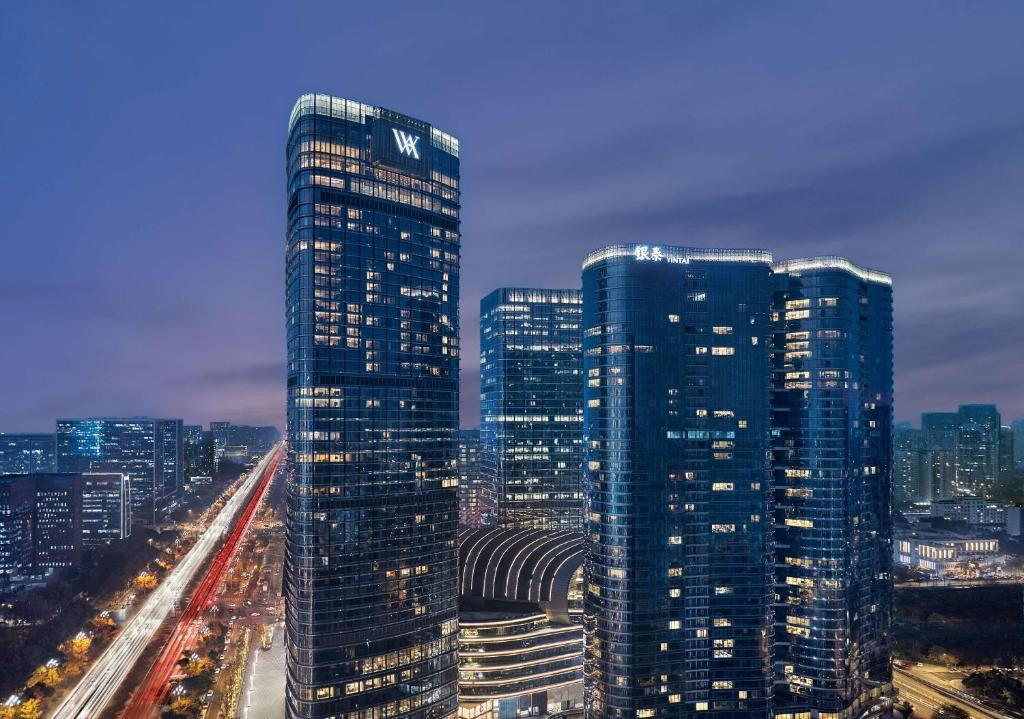
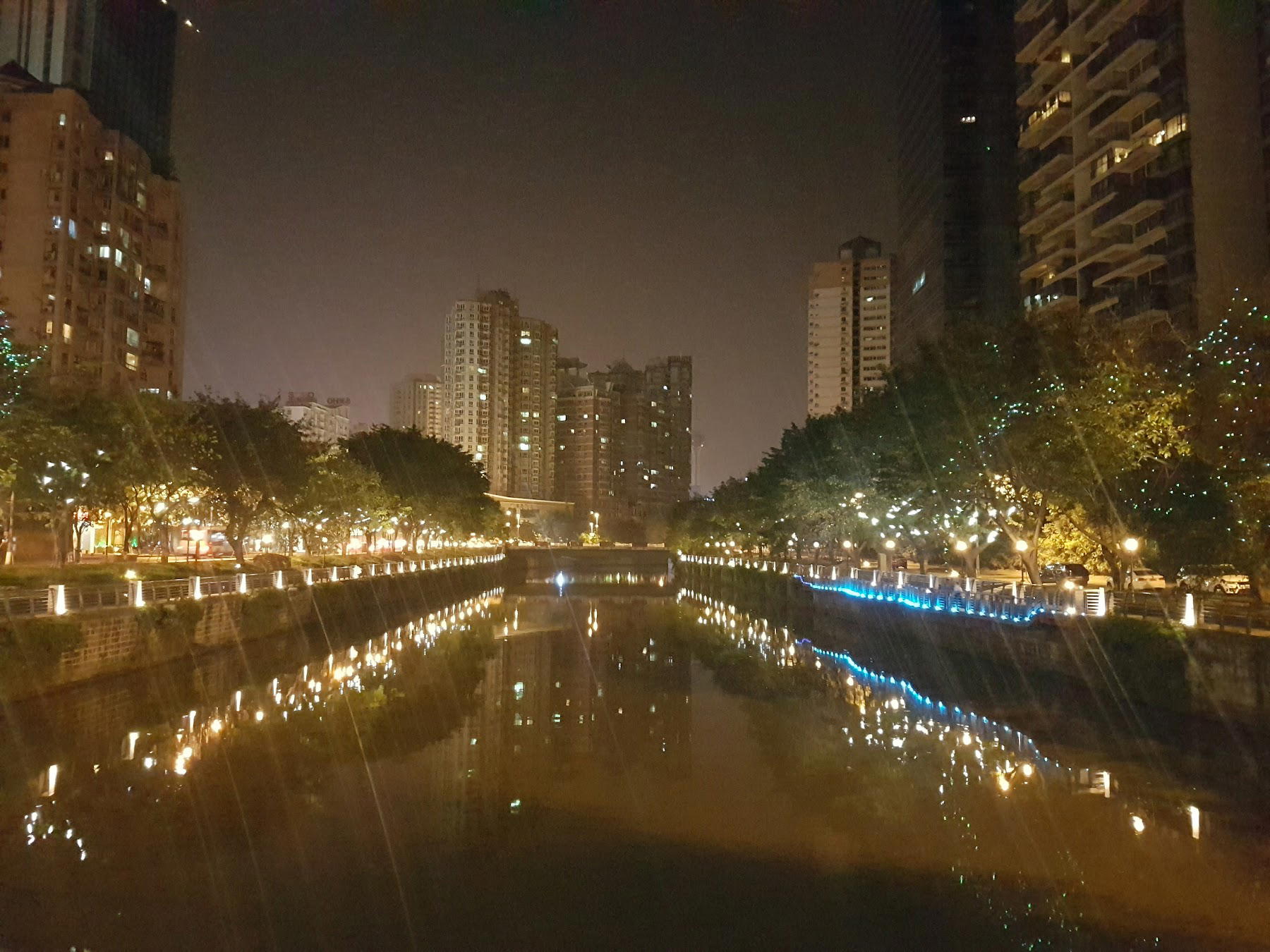
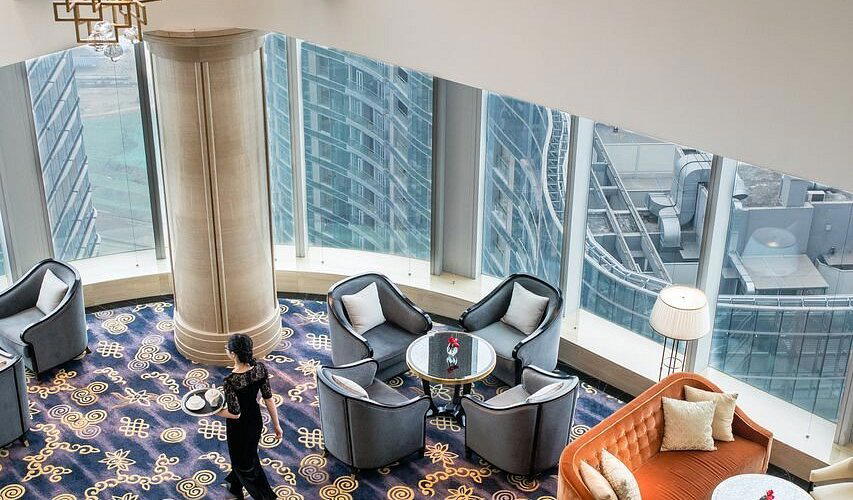
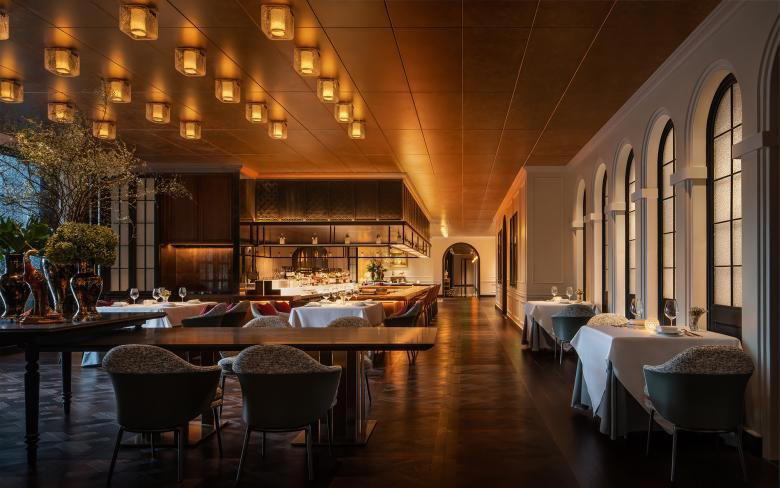
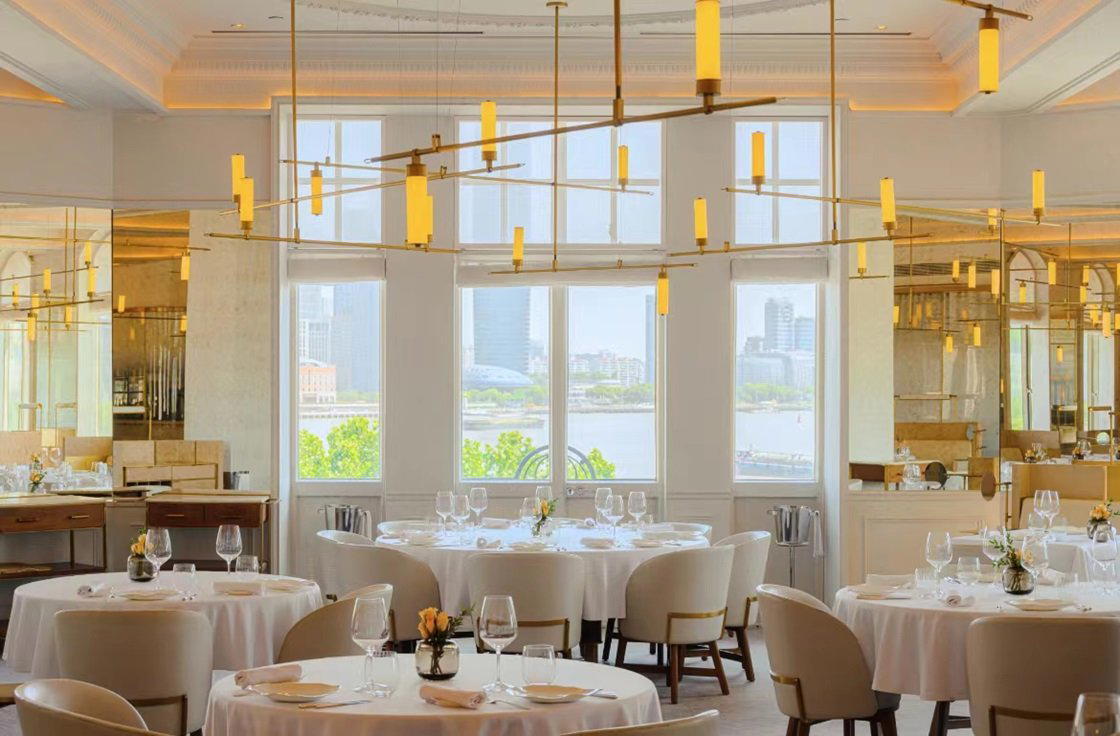
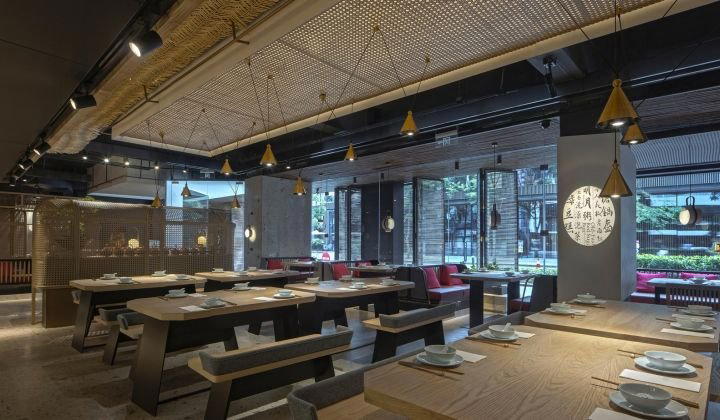
A contemporary upscale business‑leisure atmosphere with modern, softly lit interiors, polished public spaces, and a professional feel that balances comfort for families with a sleek environment for business travelers.