Tian Ranju Inn
Tian Ranju Inn sits in Tian Tou Zhai, a rural village in Guangxi province that draws visitors seeking the kind of unhurried, landscape-embedded stay that larger resort circuits rarely deliver. The inn represents a category of small-scale accommodation rooted in vernacular architecture and local materials, positioning it within a quiet but growing tier of countryside retreats across southern China.

Pearl is the En Primeur Club membership app — saves, bookings, and concierge access live there. Same editors, same standards.
- Address
- Tian Tou Zhai, 广西
- Directions
- Get directions
Where Guangxi's Countryside Lodging Finds Its Footing
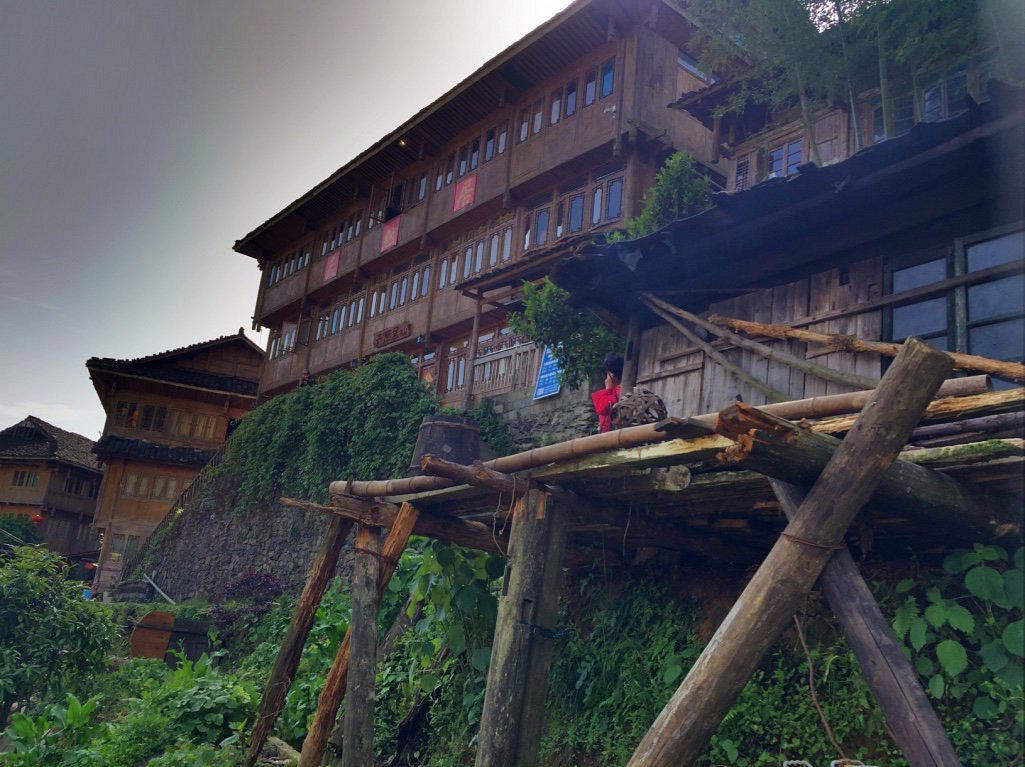
The approach to Tian Tou Zhai sets the register before you arrive. Guangxi's rural interior moves at a pace determined by rice cultivation cycles and karst geography, not hotel check-in clocks. Villages like Tian Tou Zhai occupy a category of destination that sits well outside the mainstream tourist circuits of Guilin or Yangshuo, operating instead as quieter anchor points in the province's agricultural interior. Tian Ranju Inn belongs to this context: a countryside inn whose physical setting does more framing than any interior design concept could manage on its own.
This kind of rural accommodation in southern China has developed a recognizable architectural logic over the past decade. The most considered examples follow local building traditions, using timber framing, grey-tile roofing, and courtyard organization that reflects the domestic architecture of the surrounding village rather than importing an urban hospitality aesthetic. Where that approach holds, the property reads as continuous with its landscape rather than imposed upon it.
For context on the range of approaches Chinese hospitality has taken to landscape-embedded stays, the contrast is instructive. Properties like Amandayan in Lijiang and Amanfayun in Hangzhou represent the upper tier of this vernacular-rooted format, with significant investment in heritage restoration and a global audience. The rural inn category in Guangxi operates at a different scale and price point, serving travelers whose interest is in proximity to village life rather than resort amenity depth.
The Architecture of Staying Still
In southern China's countryside inn category, the most persuasive design argument is restraint. The buildings that work leading in villages like Tian Tou Zhai are those that treat the existing settlement as the primary visual reference, letting the scale of surrounding farmhouses and ancestral halls determine their own proportions. Courtyard layouts, covered walkways connecting sleeping quarters to shared spaces, and materials drawn from local sources, fired brick, rough-hewn timber, stone thresholds, establish an architectural character that resists the generic.
This is the design tradition that gives Guangxi's rural lodging sector its most defensible identity. Where properties deviate toward imported resort conventions, the setting typically overwhelms the intervention. Where they commit to vernacular continuity, the architecture becomes the amenity. The physical environment of Tian Tou Zhai, a Guangxi village surrounded by the province's characteristic agricultural land, provides the kind of backdrop that requires architectural humility rather than statement-making.
The broader category of landscape-integrated stays across China has attracted serious attention from travelers who have exhausted the conventional luxury circuit. Banyan Tree Ringha in and Elite Spring Villas in Anxi occupy adjacent positions in the nature-proximate lodging category, each drawing on regional building traditions while serving a traveler who values topographic context as much as room quality. Tian Ranju Inn sits in the more intimate, less internationally marketed end of this spectrum.
Guangxi's Rural Inn Circuit in Wider Context
The province of Guangxi has long been understood through its headline geography: the Li River, the karst towers of Yangshuo, the rice terraces of Longji. What receives less attention is the network of smaller villages that sustain a different kind of stay, one organized around agricultural rhythm, local cooking, and the specific texture of minority-influenced vernacular architecture. Tian Tou Zhai belongs to this circuit.
Across China's less-visited provinces, the rural inn format has become a vehicle for a particular kind of slow travel. Properties that commit to local food sourcing and community-adjacent operation create a different relationship between guest and place than resort formats allow. Guangxi's version of this, shaped by its Zhuang and Yao cultural geography, has its own specific character in cooking traditions, textile crafts, and spatial customs that the leading small inns reflect in their programming and physical organization.
Travelers who move across China's hospitality range, from urban anchors like the Mandarin Oriental Qianmen in Beijing or the JW Marriott Hotel Shanghai at Tomorrow Square to countryside properties in the interior, increasingly treat the contrast as part of the itinerary rather than a compromise. The rural stay earns its place not by competing on amenity but by offering something the city properties structurally cannot: genuine agricultural quiet and architectural continuity with a living village.
For those building itineraries across southern or southwestern China, the regional comparison set extends to Xiamen Yunding Resort, Green Lake Hotel Kunming, and further afield to Mohe Youran Mountain Residence in Da Hinggan Ling, each representing a distinct regional approach to landscape-embedded accommodation. See our full Tian Tou Zhai restaurants and hotels guide for a broader picture of what the village offers.
Planning a Stay
Tian Tou Zhai is a rural village in Guangxi, which means access requires advance planning around regional transport. The nearest city hubs in Guangxi are Guilin and Nanning, both connected by high-speed rail to major Chinese cities. From those hubs, reaching villages in the interior typically involves private car or local bus, and travel times vary considerably depending on road conditions and the specific village location. Travelers accustomed to the frictionless logistics of internationally branded properties should calibrate expectations: the access pattern is part of the experience, not an inconvenience to be optimized away.
Seasonal timing in Guangxi matters. Spring and autumn bring the most temperate conditions, and the rice cultivation calendar gives the surrounding fields their most visually compelling character in late summer through early harvest. Summers are humid and hot across the province; winters are mild by northern Chinese standards but can be damp in the interior. The village format means that peak travel periods around Chinese national holidays will affect both availability and the character of the surrounding area more noticeably than at larger resort properties.
For comparable rural and nature-adjacent stays elsewhere in China's circuit, Vanke Lake Songhua Yunlu Hotel in Jilin, Beidahu Asian Games Village, and Conrad Jiuzhaigou offer different regional contexts within the broader landscape-integrated category. Booking Tian Ranju Inn directly through local channels is advisable, as small village inns of this type rarely appear on international OTA platforms with consistent inventory.
How It Stacks Up
| Venue | Price | Awards |
|---|---|---|
| Tian Ranju InnThis venue — the venue you are viewing | $1–100 | Not listed |
| Aman Summer Palace | $1,000–1,500 | Forbes 4-Star |
| Amanfayun | Not listed | Michelin Selected · La Liste Top Hotels |
| Amanyangyun | Not listed | 2 Michelin Keys · Vogue 2026 Vogue Best Hotels in Shanghai |
| Andaz Xintiandi, Shanghai | $100–200 | Michelin Selected · Forbes Recommended |
| Banyan Tree Hangzhou | $300–500 | Michelin Selected · Forbes 4-Star |
Continue exploring
More in Tian Tou Zhai
Restaurants in Tian Tou Zhai
Browse all →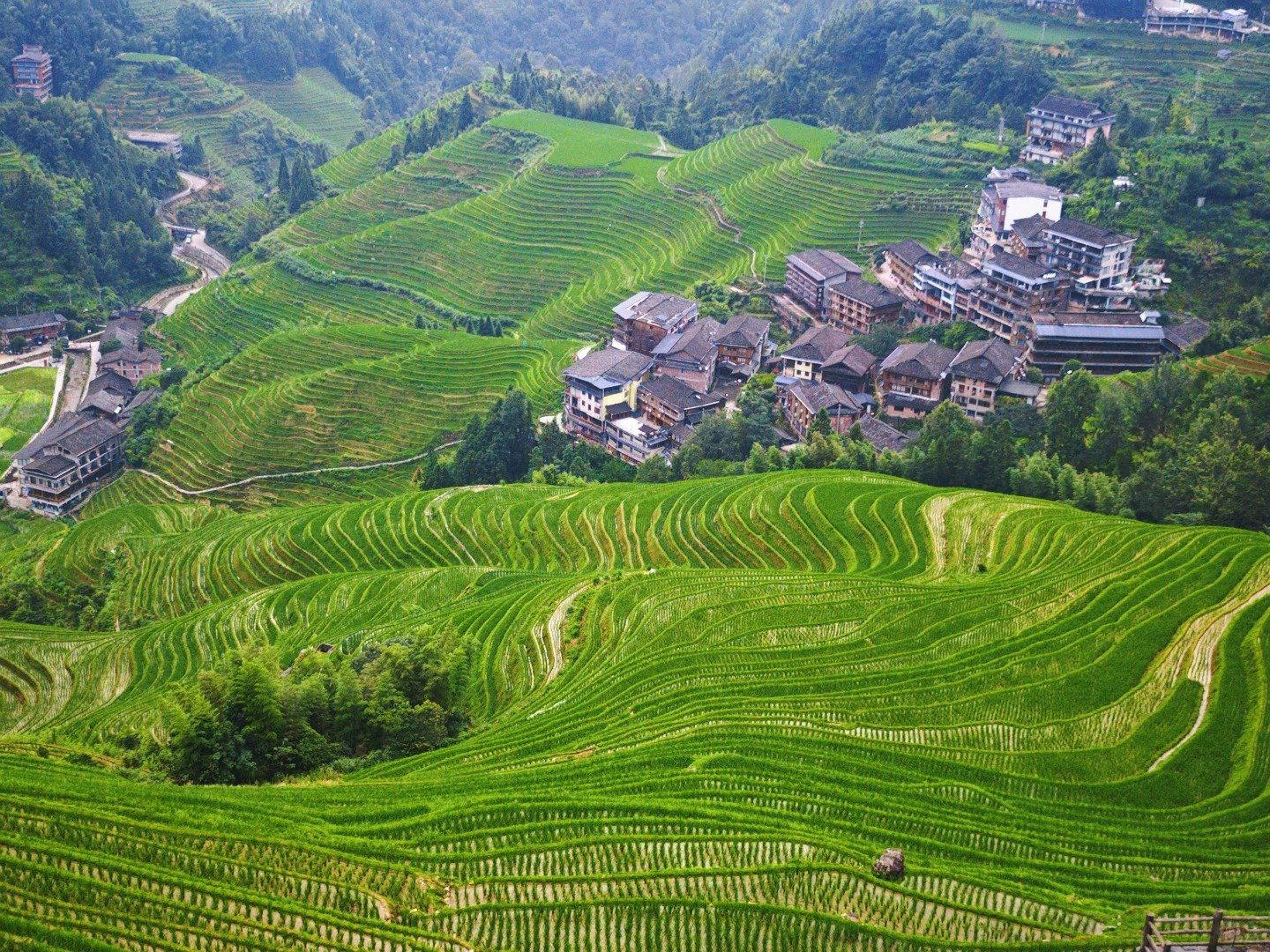
Details
- Scenic
- Rustic
- Cozy
- Romantic Getaway
- Weekend Escape
- Panoramic View
- Historic Building
- Wi Fi
- Mountain
Peaceful and home-like atmosphere in a charming hilltop village with dramatic terrace views.