


On Bali's west-central coast, Soori Bali occupies a stretch of volcanic black sand beach where rice paddies run directly to the shoreline. Designed and operated by architect Soo K. Chan through SCDA, its 48 pool villas sit at the point where Mount Batukaru's foothills meet the Indian Ocean. A Leading Hotels of the World member priced from $760 per night, it positions itself firmly outside Bali's southern resort corridor.
Pearl is the En Primeur Club membership app — saves, bookings, and concierge access live there. Same editors, same standards.
- Address
- Jl. Banjar Dukuh, Kelating, Kec. Kerambitan, Kabupaten Tabanan, Bali 82161
- Phone
- +62 361 8946388
- Website
- sooribali.com
- Directions
- Get directions
 Saves & bookings on Pearl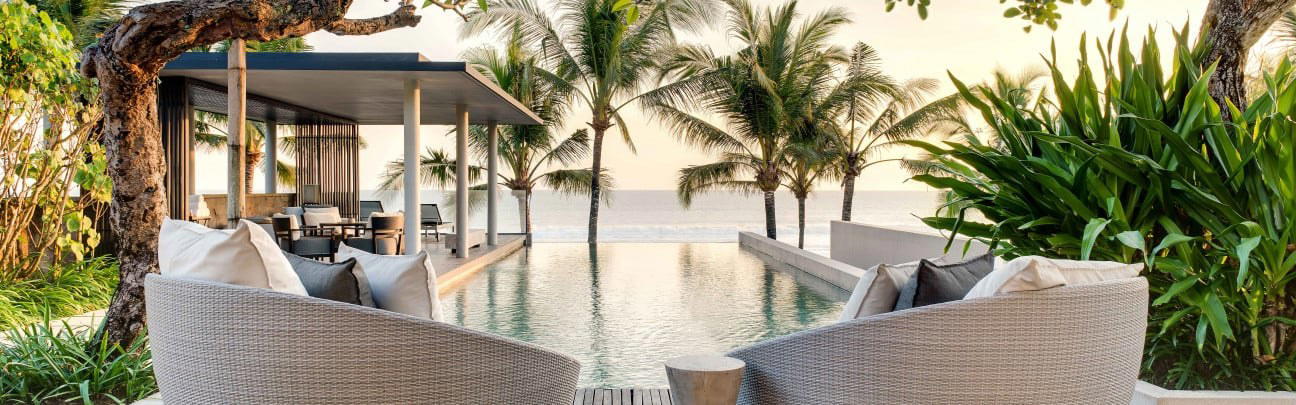
Where the Rice Fields End and the Ocean Begins
The west-central coast of Bali has a different tempo from the island's southern belt. There are no beach clubs stacked three deep, no strip of villas competing for the same sunset. The Tabanan regency runs quieter: working rice terraces, black volcanic sand, and the silhouette of Mount Batukaru rising inland. It is in this geography that Soori Bali's address becomes its primary credential. The property sits at the precise point where irrigated paddies, still farmed by surrounding villages, give way to a kilometre of uninterrupted beachfront. The location is central to the design, it is the design's governing logic.
For travellers weighing Bali's luxury options, geography tends to sort properties into distinct competitive tiers. The southern corridor, Seminyak, Nusa Dua, Uluwatu, concentrates most international brand infrastructure. Properties like Potato Head Suites & Studios in Seminyak and Alila Villas Uluwatu in Uluwatu command strong recognition within that corridor. Further inland, Mandapa, a Ritz-Carlton Reserve in Ubud occupies the river-valley-and-jungle register. Soori operates in a different category altogether: coastal, low-density, and deliberately outside the infrastructure belt that connects Seminyak to Nusa Dua. That separation is the point. The approximately 90-minute drive from Ngurah Rai International Airport is not a logistical inconvenience, it is a filter that determines who arrives.
The Architecture of Restraint
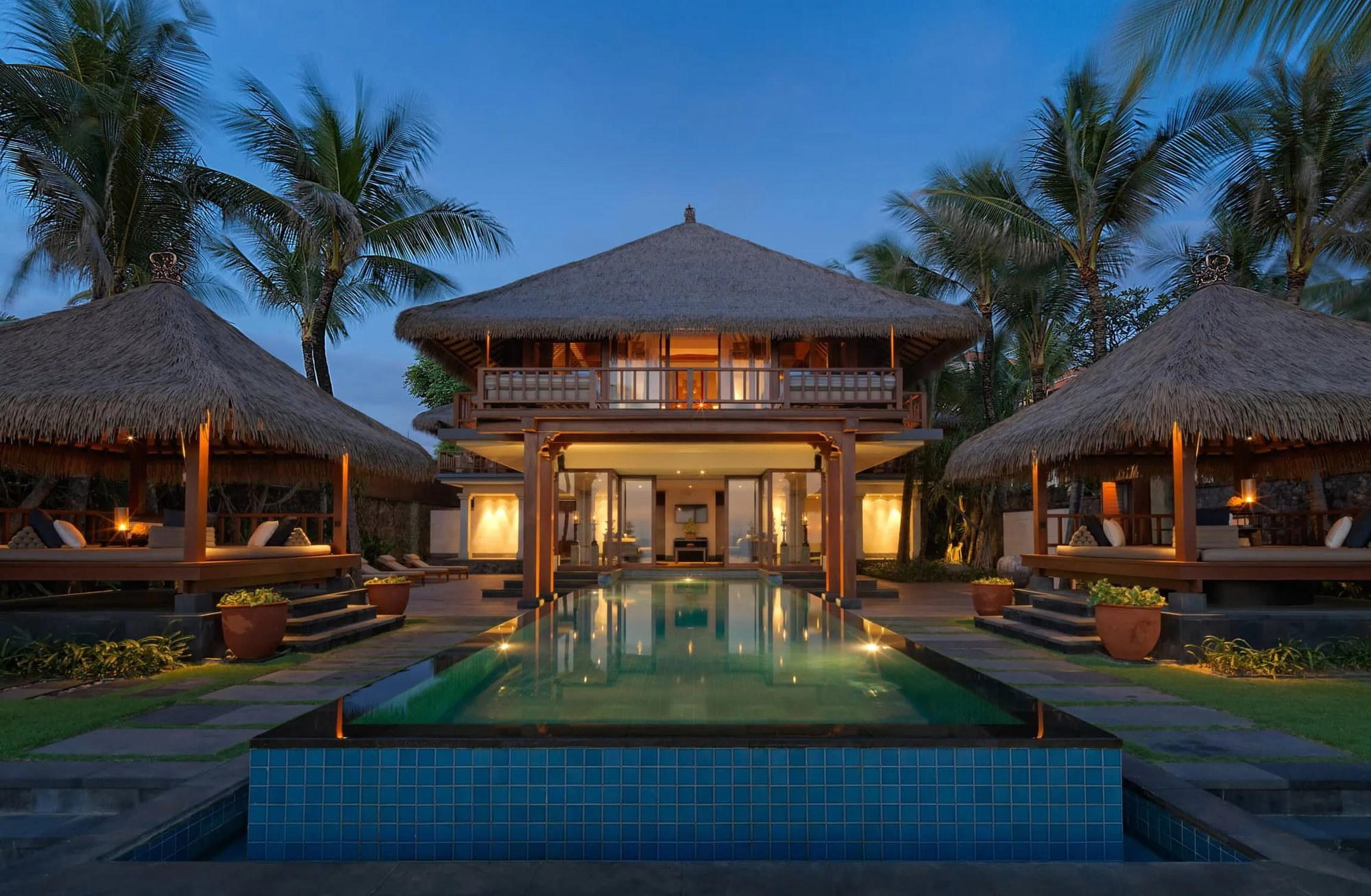
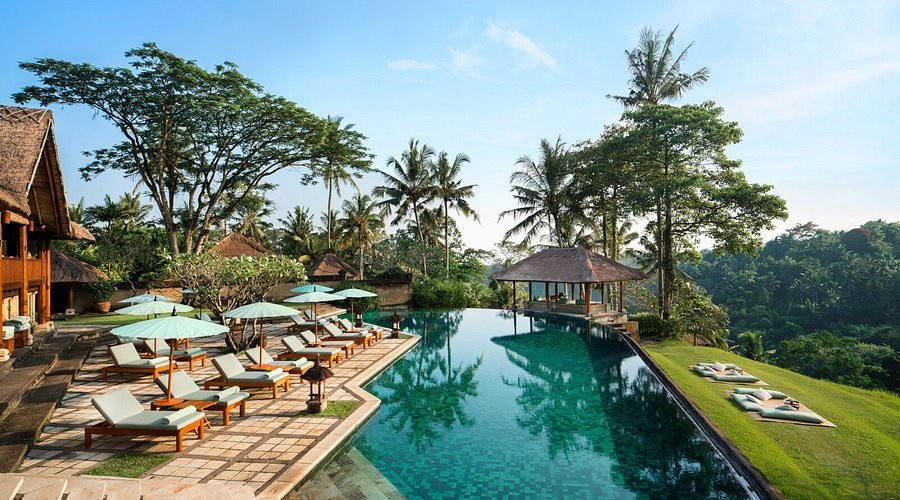
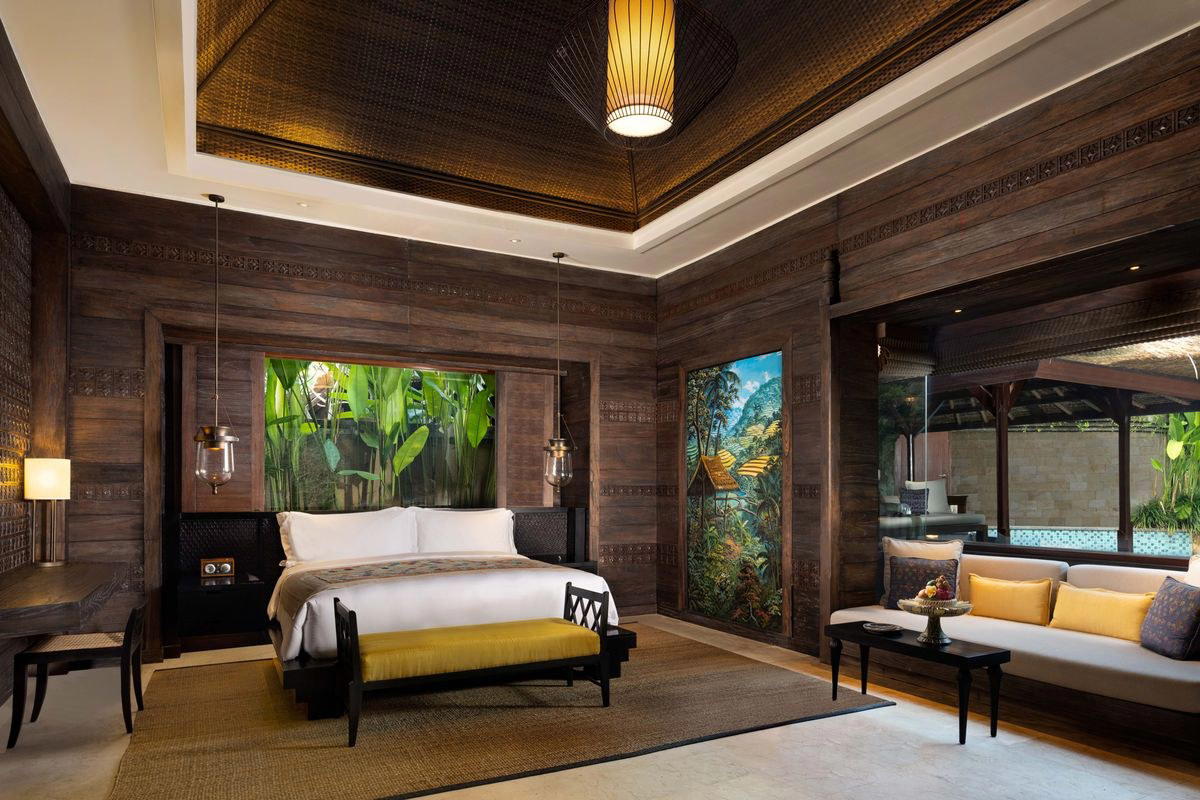
Soori Bali was designed and is operated by Soo K. Chan through his Singapore-based firm SCDA, an award-winning practice with a regional reputation for disciplined, materials-led design. In the Bali resort market, that pedigree places Soori in a niche that favours restraint over maximalism. The 48 villas lean toward open, undefined spaces, large formats where the boundary between interior and exterior is more suggestion than wall. Each villa carries a private pool, with vistas oriented toward either the ocean or the mountain depending on position within the property.
The construction approach draws on local materials, a choice that intersects both aesthetic and ecological commitments. Bali has seen enough imported-marble resort building to know the difference, and the distinction registers. Across the broader Indonesian premium market, properties like Bambu Indah in Banjar Badung and Nihi Sumba in Sumba occupy different points on the same axis of place-rooted design. Soori's position on that axis is contemporary rather than vernacular, the language is architectural minimalism, not traditional Balinese compound. Those looking for carved stone and thatched alang-alang should orient elsewhere. Those who want clean geometry set against volcanic shoreline will find the logic coherent.
Regional peers in Tabanan include Nirjhara and Desa Seni Baturiti, both operating within the same regency but with distinct formats and scales. The address shared with Jl. Banjar Dukuh places Soori within a coastal corridor that remains one of Bali's least developed premium zones. That scarcity has its own value in a market where the south is saturated.
The Landscape at Table Level
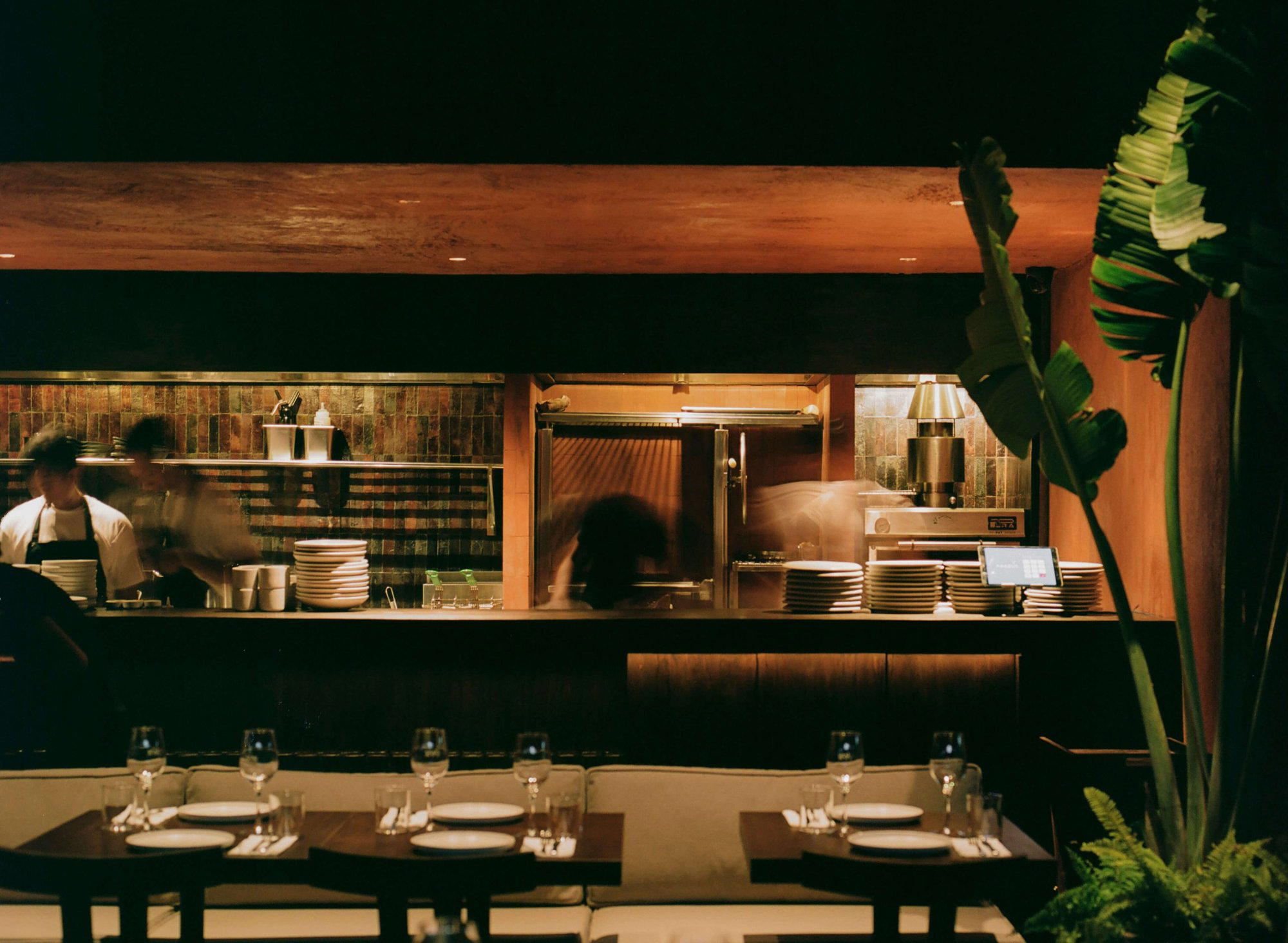
The relationship between Soori's kitchens and its immediate geography operates along a simple but increasingly rare principle: fresh produce comes from nearby farms, and the property's own garden supplies spices for its restaurants. This is not a novel concept in premium hospitality, but execution varies considerably across the sector. In Bali's context, where agricultural land is adjacent and farm supply chains are short, the model has more operational credibility than in resort destinations that import the idea from further afield.
The restaurants interpret Balinese cuisine rather than reproduce it wholesale, working with local ingredient logic while maintaining the visual and textural polish that the $760-per-night rate implies. No specific menus are documented here, but the orientation, garden-sourced, regionally grounded, contemporary in execution, places Soori's food program in a consistent relationship with its broader design philosophy. For guests at Hotel Komune and Beach Club Bali in Gianyar or those accustomed to the beach-club dining format common in the south, Soori's approach reads quieter and more contained. That is by design.
Spa, Beach, and the Tabanan Corridor
Soori Spa positions itself around sustained wellbeing rather than treatment menus built for single-visit impact. The programming logic follows the property's general orientation: depth over breadth, slow engagement over event-based experience. The one-kilometre volcanic black sand beach is available exclusively to the property's guests, which at 48 villas means a ratio that rarely produces congestion. Black sand beaches carry their own microclimate logic, the sand absorbs heat differently, and the ocean at this section of Bali's west coast can be stronger than the calmer southern bays. Guests should know that the waters here are Indian Ocean-facing, which means conditions can be stronger than those at Nusa Dua or the Bukit peninsula.
Proximity matters at Soori in both directions: Tanah Lot, one of Bali's most visited coastal temples, is within easy reach. The Tabanan regency more broadly contains some of Bali's most photographed agricultural terrain, the UNESCO-listed subak irrigation system runs through this part of the island, making the rice paddies visible from the property a working element of a larger, historically documented landscape. For context on what surrounds the resort,
Membership, Price Point, and Peer Positioning
Leading Hotels of the World membership provides a useful placement signal. The LHW collection tends toward independently operated properties with strong architectural or heritage identity, it does not aggregate mid-market inventory. Other Indonesian properties operating at comparable credential levels include Amanjiwo in Magelang, Amankila in Manggis, and Amanwana in Moyo Island, each commanding rates that reflect design pedigree and access exclusivity. Soori's entry rate of $760 per night positions it at a point where the comparison set is architect-designed, low-key-count properties rather than large-format five-star hotels.
For travellers building Indonesia itineraries that extend beyond Bali, reference points include Kampung Sampireun Resort & Spa in Garut and Batur Natural Hot Spring in Kintamani for alternative landscape registers. Within Bali's own luxury tier, VOUK Hotel & Suites Bali 5 star Hotel in Nusa Dua and Amarterra Villas Resort Bali Nusa Dua, Autograph Collection in Bali operate in the southern corridor with a different access profile and a different guest calculation.
Planning Your Stay
The approach to Soori requires arriving by private transfer or rental vehicle, the property's address on Jl. Banjar Dukuh, Kelating, sits in Tabanan regency, roughly 90 minutes from Ngurah Rai International Airport. Bali's dry season runs from approximately May through September, when the west-coast beach is at its calmest and morning visibility toward the mountain is clearest. The wet season (November through March) brings heavier rainfall but also the deepest green in the surrounding rice fields, a different, equally valid reason to visit. Booking directly through the property or via Leading Hotels of the World's reservation infrastructure is the documented channel for the 46-room inventory.
A Minimal comparable set
Comparable venues nearby, for context on price, style, and recognition.
| Venue | Price | Notes |
|---|---|---|
| Soori BaliThis venue — the venue you are viewing | $$$$ | Not listed |
| Nirjhara | $$$$ | Tabanan, Luxurious eco-resort blending contemporary architecture with authentic Balinese influence. |
| Desa Seni Baturiti | $$$ | Baturiti, Sustainable eco-resort with restored antique wooden homes blending tradition and modernity |
| Jl. Banjar Dukuh | $$$$ | Kelating, Kerambitan, Oceanfront luxury resort with private villas |
| Samsara Ubud | $$$$ | Payangan, Contemporary Balinese luxury resort blending traditional architecture with modern amenities in a secluded rainforest setting. |
| Jimbaran Puri, A Belmond Hotel, Bali | $$$$ | Jimbaran, Traditional Balinese resort with cottage suites and pool villas set in lush gardens. |
Recognition history
Dated appearances from independent guides and award organizations, with the underlying list record or original source where available.
Mr & Mrs Smith Smith Seal of Approval
Mr & Mrs Smith
Virtuoso Luxury Hotel Partner
Virtuoso
Leading Hotels of World Member
Leading Hotels of World
Michelin 1 Key
Michelin
Continue exploring
More in Tabanan
Hotels in Tabanan
Browse all →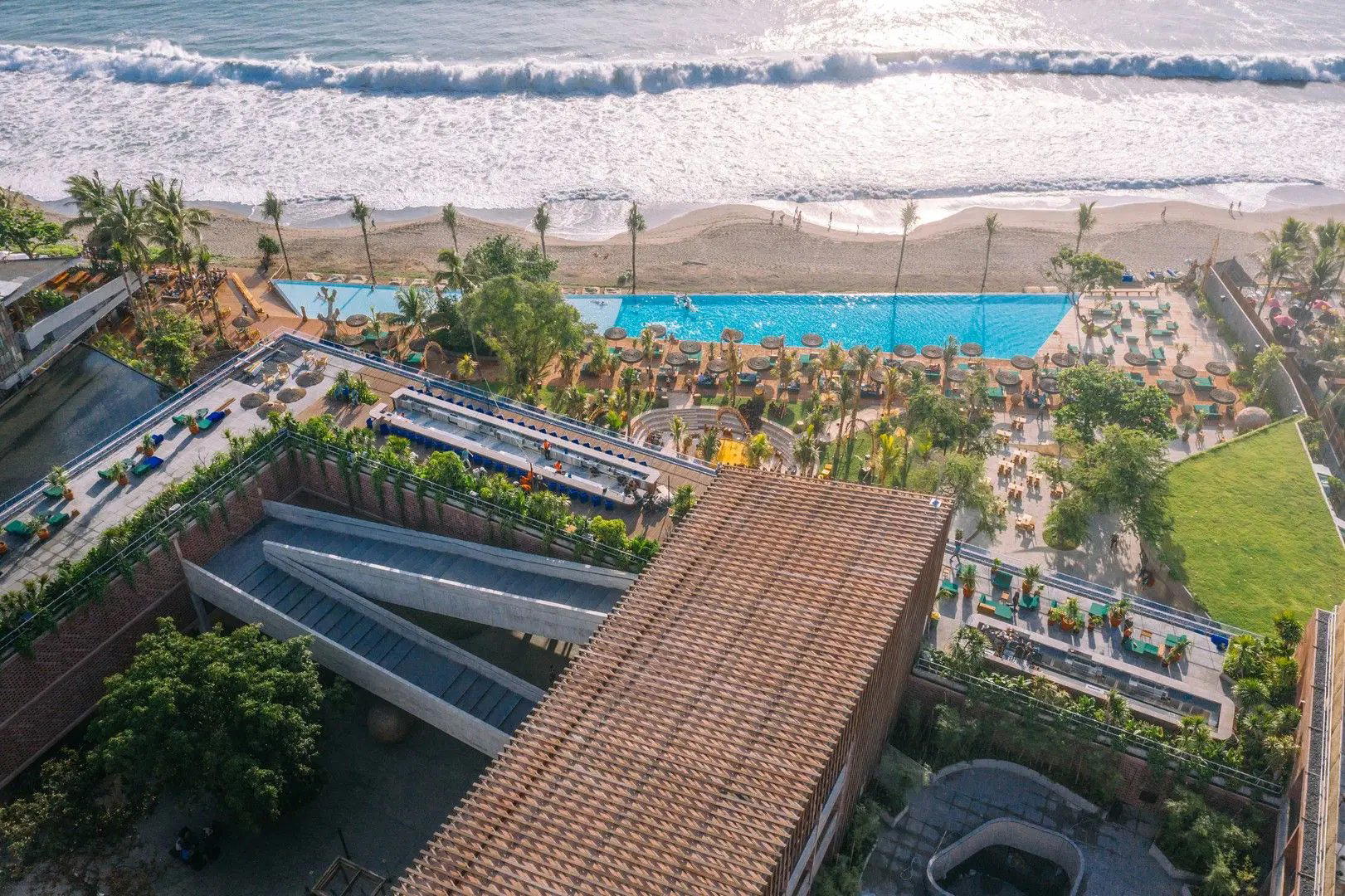
At a Glance
- Romantic
- Quiet
- Elegant
- Sophisticated
- Scenic
- Intimate
- Ornate
- Minimalist
- Honeymoon
- Romantic Getaway
- Wellness Retreat
- Anniversary
- Weekend Escape
- Beachfront
- Infinity Pool
- Private Villa
- Panoramic View
- Wi Fi
- Pool
- Spa
- Fitness Center
- Room Service
- Concierge
- Restaurant
- Bar
- Private Beach
- Massage
- Waterfront
- Mountain
- Garden
- Wi Fi
- Pool
- Spa
- Fitness Center
- Room Service
- Concierge
- Restaurant
- Bar
- Private Beach
- Massage
Tranquil and serene with seamless indoor-outdoor flow, warm lighting, and peaceful atmosphere praised for privacy and escape.