Our verdict
In Kuta's Tuban district, Ayam Betutu Khas Gilimanuk draws Balinese locals and repeat visitors who know that the real measure of betutu is patience: slow-cooked chicken packed with raw spice paste, wrapped in banana leaf, and left to absorb heat for hours. The dish traces its roots to Gilimanuk on Bali's western tip, and this address keeps that regional tradition intact amid the resort sprawl of Badung.

Pearl is the En Primeur Club membership app, where members save venues, book tables and use the concierge.
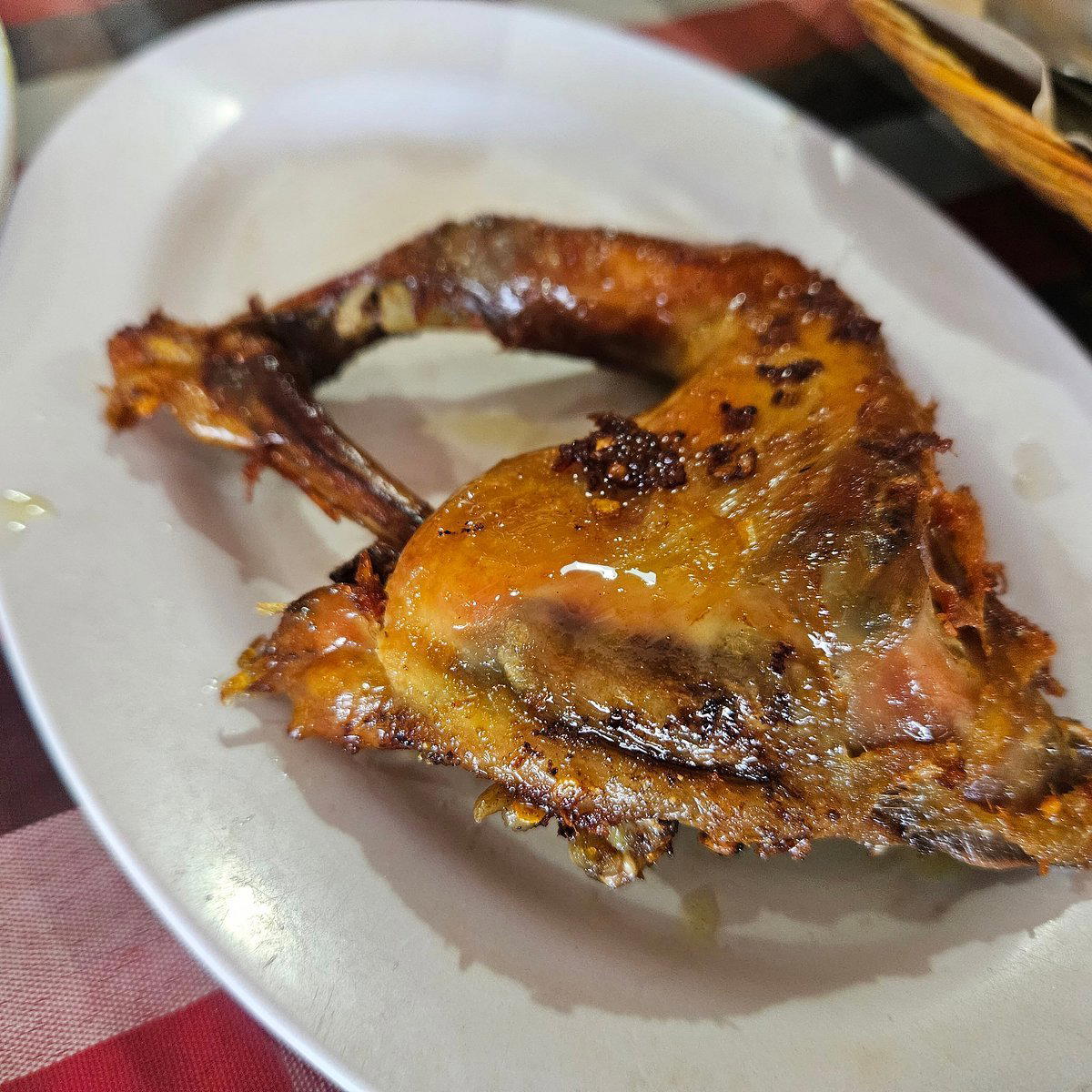
The menu
What to order
- Ayam Betutu
- Ayam Betutu Goreng
- Plecing Kale
- Sambal Matah
Where the Regulars Go When They Want the Real Thing
Along Jalan Raya Tuban, a stretch of Kuta's southern fringe more associated with airport transfers and surf-supply shops than serious eating, there is a particular kind of local restaurant that earns its reputation not through press cycles but through repeat custom. Ayam Betutu Khas Gilimanuk sits at No. 2X on that road, and its clientele tells you most of what you need to know before you sit down: predominantly Balinese, often in extended family groups, returning with the specific purpose of eating one dish done in one way. That pattern of loyalty is its own form of credential in a district where tourist-facing venues turn over quickly and places cooking for locals tend to endure.
Betutu, as a culinary tradition, belongs to a different tempo than most of what gets served in the Badung resort corridor. The method involves packing a whole chicken with base genep, the comprehensive spice paste that underpins much of ceremonial Balinese cooking, wrapping the bird tightly in banana leaf and sometimes kepok leaf, then cooking it at low heat for an extended period. The result is not a quick protein but something closer to a slow extraction: the fat of the bird carries the spice inward, and by the time it reaches the table the meat separates from the bone without persuasion. The dish originates in the town of Gilimanuk at Bali's westernmost point, a working port rather than a tourist destination, which explains why betutu in its traditional form remains less visible in the Seminyak-Canggu dining circuit than its standing in Balinese food culture would suggest.
What Keeps Them Coming Back
Regulars at this kind of establishment rarely need a menu. The dish is the point, and the decision is usually only about portion size or heat level. Betutu in the Gilimanuk tradition runs toward the hotter end of Balinese cooking, relying on a spice combination that includes shallots, garlic, galangal, turmeric, lesser galangal, and a volume of chili that varies by kitchen but is never incidental. The accompanying lawar, a raw or cooked vegetable and meat mixture bound with spiced coconut, and steamed rice complete the standard plate.
The appeal for repeat visitors is consistency. When a restaurant's entire identity rests on a single preparation, the kitchen either maintains the method or loses the audience. Restaurants cooking in this register, with a specific regional dish at the center and no diversification toward Western or pan-Asian crossover, tend to self-select for cooks who have strong reason to hold the technique. The regulars notice when something drifts. That social accountability, more than any formal quality mechanism, keeps the cooking honest.
This positions Ayam Betutu Khas Gilimanuk in a different peer category than the hotel dining rooms and concept restaurants that dominate Badung's visible food scene. Where venues like Cuca Restaurant or Bikini Restaurant Bali are designed partly around an experience framework aimed at international visitors, a betutu specialist in Tuban is addressing a different expectation entirely. The comparison is not a hierarchy; it is a map of what the Badung food scene actually contains when you look past the resort envelope.
Betutu in the Broader Balinese Context
Balinese cuisine has received sustained international attention through restaurants operating at the fine-dining end, places like Locavore NXT in Ubud and Moksa in Bali, which translate local ingredients and techniques into tasting-menu formats with global reference points. That model has genuine merit and has brought serious critical attention to Balinese food. But it operates at a remove from the repertoire that Balinese households and local restaurants actually cook.
Betutu occupies a specific position in that local repertoire: it is ceremonial food in origin, associated with temple offerings and significant events, which is part of why it remains labor-intensive and why shortcuts are apparent to anyone who has eaten the real thing. The move from ceremonial preparation to everyday restaurant item happened gradually, and the Gilimanuk region is credited with the most direct line from the original form to the current restaurant version. A restaurant using the Gilimanuk name in its title is making a provenance claim, asserting alignment with that specific regional tradition rather than a generalized Balinese chicken preparation.
Across Indonesia, the pattern of restaurants anchoring identity to a specific regional origin appears in many of the country's most durable food traditions. CARANO Masakan Padang in Bekasi operates on a comparable logic: the regional name carries meaning about technique, spice profile, and expectation. The same principle applies here.
Finding It and Planning the Visit
The address, Jl. Raya Tuban No. 2X in Tuban, Kec. Kuta, Kabupaten Badung, places this restaurant close to the Ngurah Rai International Airport approach road, which makes it accessible from most points in southern Bali without entering the congested core of Kuta or Seminyak. Tuban itself is a transitional neighborhood: not a destination in the way Seminyak or Canggu are, but functional and less trafficked, which suits a local-facing restaurant with no particular reason to be in a high-footfall tourist zone.
Phone and website details are not publicly listed, which is consistent with how many local Balinese warung-style restaurants operate. Arrival in person is the standard approach, and the format does not typically require advance reservation. Visiting during midday, when betutu is most reliably available and the kitchen is at full production, is the sensible timing choice. Going as part of a group suits both the dish, which scales well for sharing, and the general atmosphere of the room.
Travelers staying in the Kuta-Tuban corridor who want a reference point for the kind of eating that sits outside the resort economy will find this address worth the short detour. For a broader view of what Badung's dining scene spans, the full Badung restaurants guide covers the range from local specialists to international fine dining, including Akademi, Barbacoa, and Coco Bistro Tanjung Benoa. Further afield, Rumari in Jimbaran and Sarong Bali in Canggu represent two other registers of Indonesian cooking worth knowing. For Indonesian dining beyond Bali, August in Jakarta and Kahyangan in Gondangdia both speak to how the archipelago's food traditions translate into urban restaurant formats. The Cafe Organic Canggu and Jungle Fish Bali in Gianyar complete a picture of how varied the Bali eating circuit is once you step outside any single neighborhood. For context on how a specialist restaurant can sustain a global reputation, Le Bernardin in New York City and Lazy Bear in San Francisco offer comparative reference points from a very different culinary tradition.
Frequently asked questions
Is Ayam Betutu Khas Gilimanuk good for families?
The format suits families well. Betutu is typically ordered by portion, so a table can share across heat levels, and the straightforward single-dish focus means there is no pressure to work through a complex menu. Located on Jl. Raya Tuban in Kuta, Kabupaten Badung, it sits close to the airport approach road, which makes it a practical stop for groups arriving or departing at different times.
How would you describe the vibe at Ayam Betutu Khas Gilimanuk?
This is a working local specialist, not a restaurant designed around ambience. The focus is entirely on the dish: regulars arrive knowing what they want, order by portion or heat preference, and the room functions accordingly. Along Jl. Raya Tuban in Tuban, Kec. Kuta, the surroundings are functional rather than scenic, which is consistent with venues that have built a following on the food alone.
How does Ayam Betutu Khas Gilimanuk differ from betutu served at Bali's fine-dining restaurants?
Venues like Locavore NXT in Ubud reframe Balinese ingredients through a contemporary tasting-menu lens, whereas this address on Jl. Raya Tuban, Badung delivers betutu as a single-dish specialist in the regional Gilimanuk style, with no reinterpretation. The gap is not quality but intent: one is an exercise in Balinese culinary heritage as it has been cooked in western Bali for generations, the other is a chef's commentary on that heritage.
What's the signature dish at Ayam Betutu Khas Gilimanuk?
Ayam betutu in the Gilimanuk tradition: whole or portioned chicken slow-cooked with a packed spice paste of shallots, garlic, galangal, turmeric, and chillies, wrapped and cooked until the meat absorbs the aromatics fully. The Gilimanuk reference positions this within the western Bali lineage of the dish, distinct from the tourist-facing versions found elsewhere in Kuta and Badung. The decision a diner usually faces is portion size and heat level, not which dish to order.
Cuisine and Credentials
Comparable venues nearby, for context on price, style, and recognition.
| Venue | Cuisine | Price | Notes |
|---|---|---|---|
| Ayam Betutu Khas GilimanukThis venue (the venue you are viewing) | Balinese Ayam Betutu | $1–10 | Not listed |
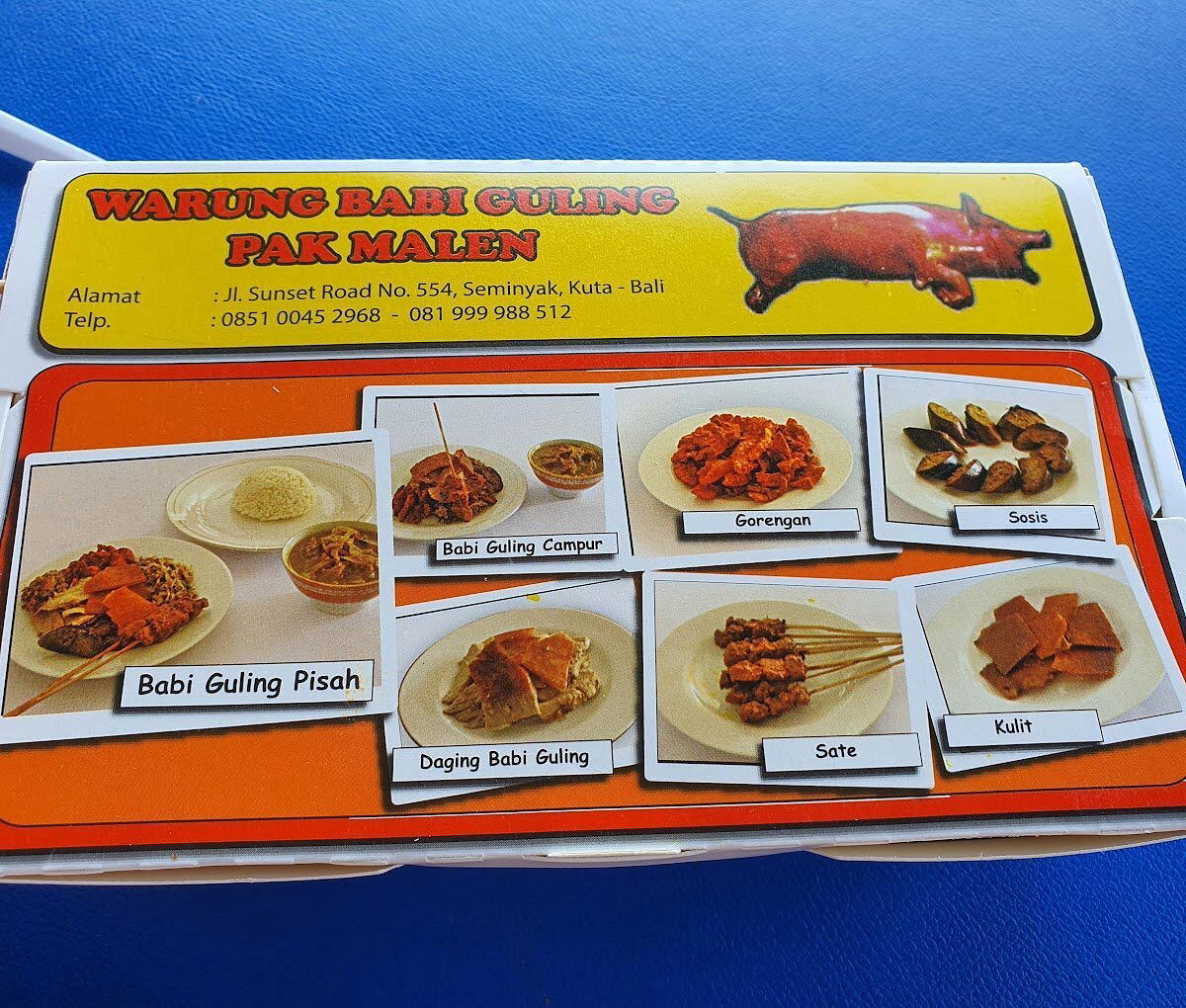
| Warung Babi Guling Pak Malen | Balinese Babi Guling | $1–10 | Seminyak |
| Mason | Mediterranean Grill | $20–30 | Canggu |
| Akademi | Innovative Indonesian Cocktails | $20–30 | Kerobokan Kelod |
| The Lawn Canggu Beach Club | International Beach Club Cuisine | Not listed | Canggu |
| Lulu Bistrot | French Bistro | Not listed | Canggu |
Continue exploring
More in Badung
Restaurants in Badung
All restaurants in Badung →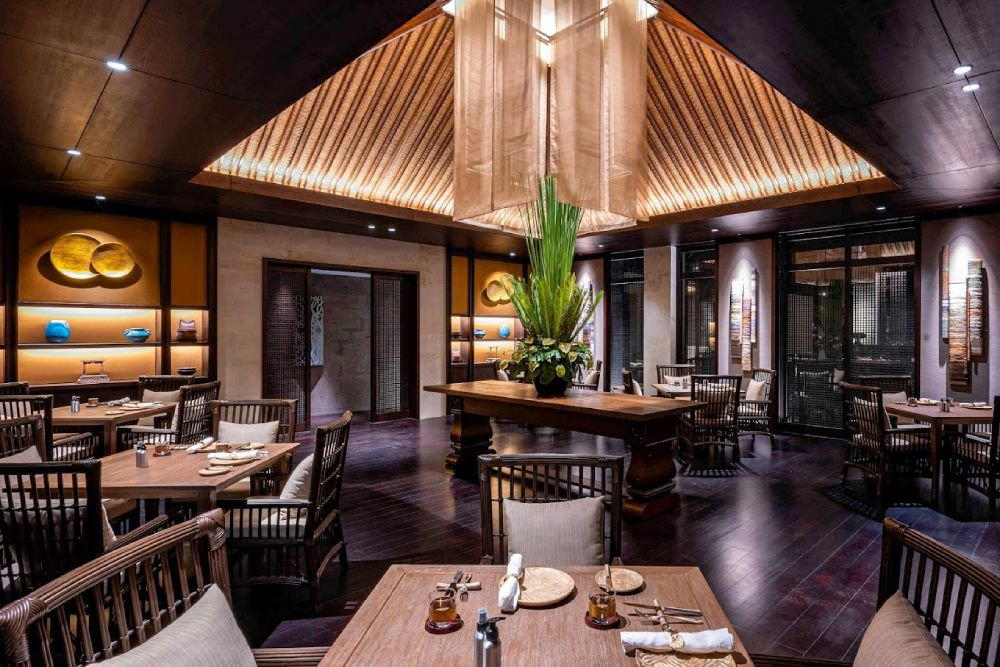

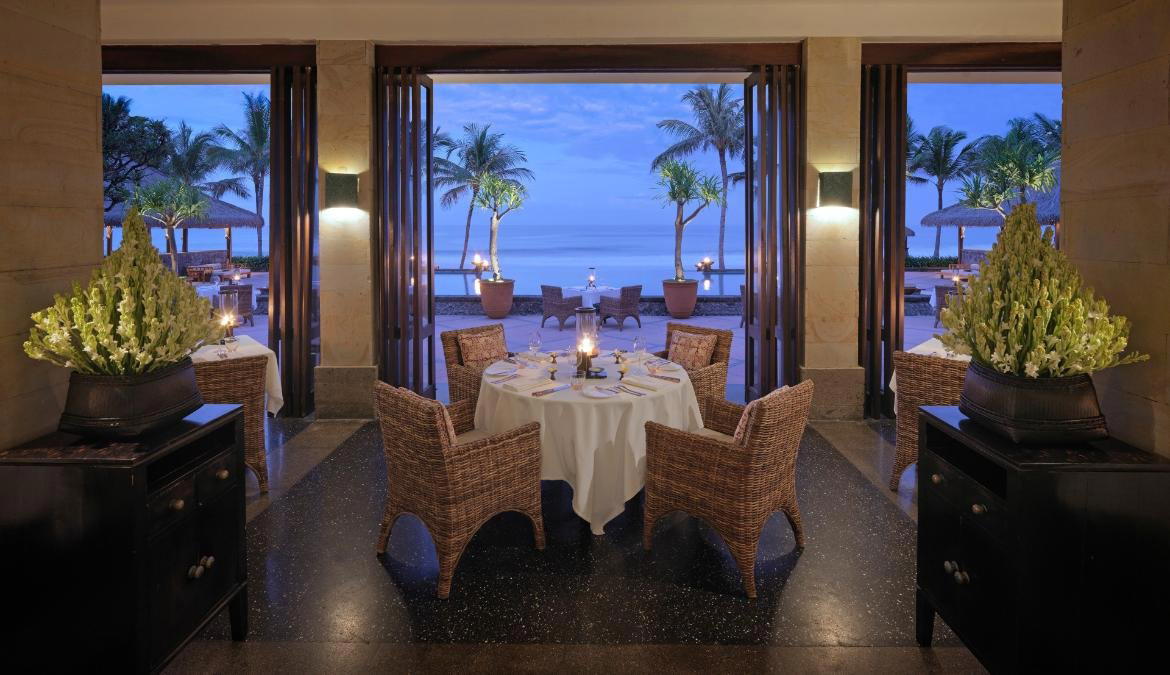
Bars in Badung
All bars in Badung →




Details
- Rustic
- Cozy
- Family
- Casual Hangout
- Group Dining
- A La Carte
Current opening hours
- Monday
- 9 AM–10 PM
- Tuesday
- 9 AM–10 PM
- Wednesday
- 9 AM–10 PM
- Thursday
- 9 AM–10 PM
- Friday
- 9 AM–10 PM
- Saturday
- 9 AM–10 PM
- Sunday
- 9 AM–10 PM
Hours can change for holidays and private events. Last verified .
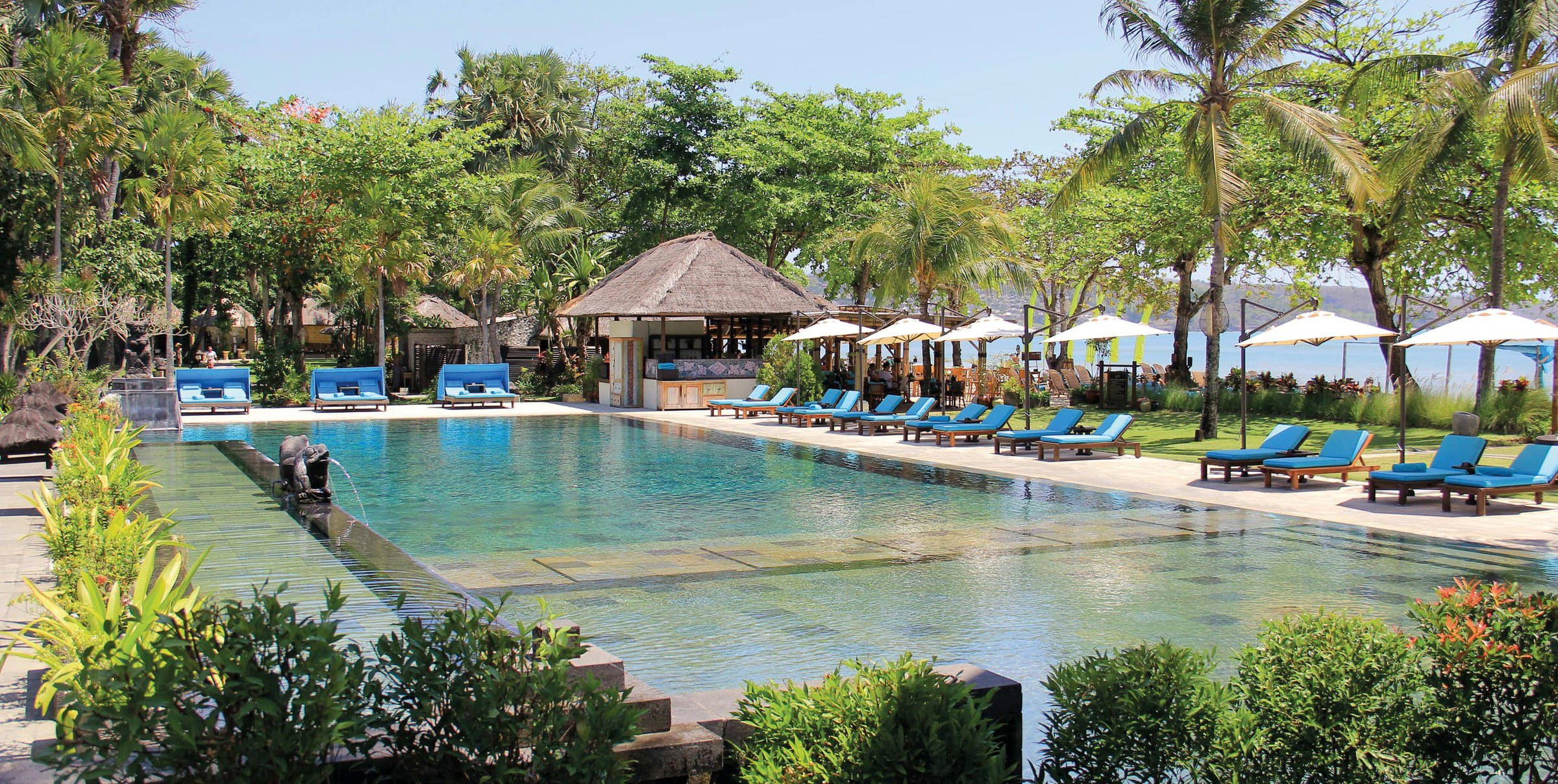
Warm traditional Balinese atmosphere with rustic ornaments, comfortable indoor and outdoor seating areas.