
On Carrer de Bergara in the heart of Eixample, Hotel Pulitzer occupies a position that puts the Passeig de Gràcia axis within a short walk without charging the premium rates that address commands directly. The property sits in a mid-tier design hotel category that Barcelona has developed with genuine confidence, offering a considered aesthetic and central access for travellers who want proximity to the city's architectural core without the full-service footprint of its larger neighbours.
Pearl is the En Primeur Club membership app — saves, bookings, and concierge access live there. Same editors, same standards.
- Address
- Carrer de Bergara, 8, Eixample, 08002 Barcelona, Spain
- Phone
- +34 934 81 67 67
- Website
- hotelpulitzer.es
- Directions
- Get directions
 Saves & bookings on Pearl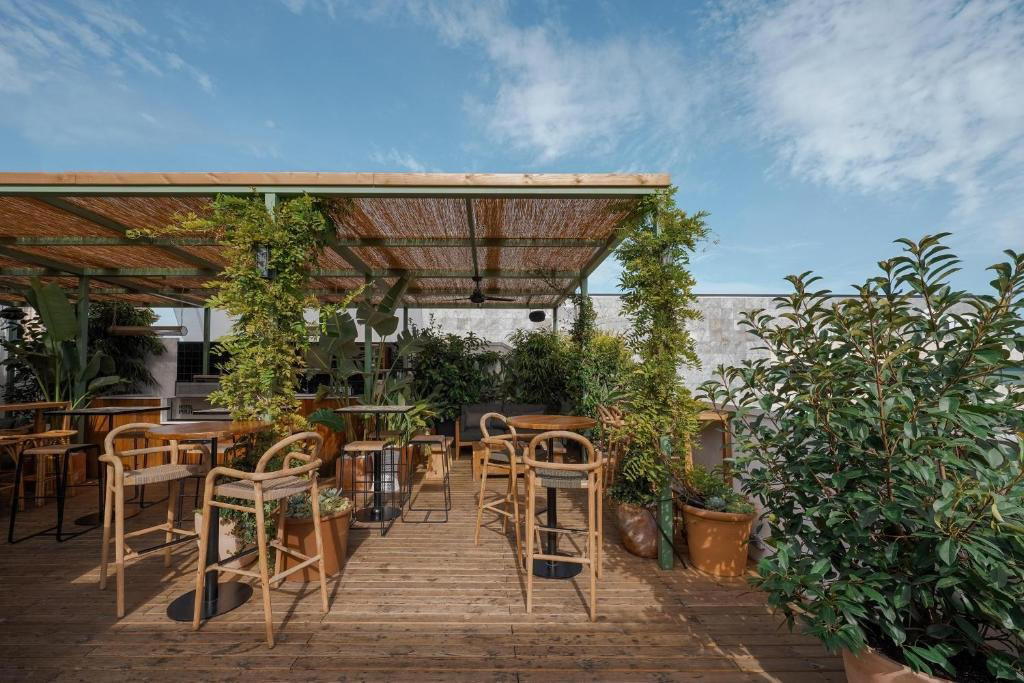
Eixample's Design Hotel Tier: Where Pulitzer Sits
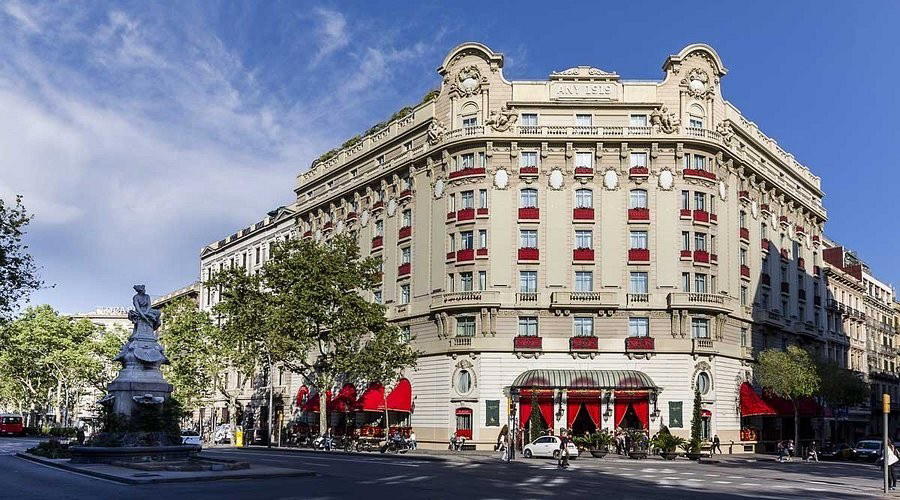
Barcelona's hotel market has fractured into identifiable strata over the past decade. At the leading end, properties like Mandarin Oriental Barcelona and ABaC Restaurant & Hotel compete on destination restaurants and suite-level rooms with four-figure nightly rates. Below them sits a denser, more interesting band: design-conscious mid-scale properties that prioritise location, aesthetic coherence, and a manageable footprint over ballrooms and concierge armies. Hotel Pulitzer is a 4-star hotel in Barcelona's Eixample at Carrer de Bergara, 8, a central base for the city's design-minded mid-scale tier. Its address puts guests inside the Eixample grid, the rational 19th-century urban plan that Antoni Gaudí, Lluís Domènech i Montaner, and Josep Puig i Cadafalch turned into the densest concentration of Modernista architecture in Spain. That geography is the property's primary asset and it is not a small one.
The Physical Approach: Bergara and the Eixample Grid
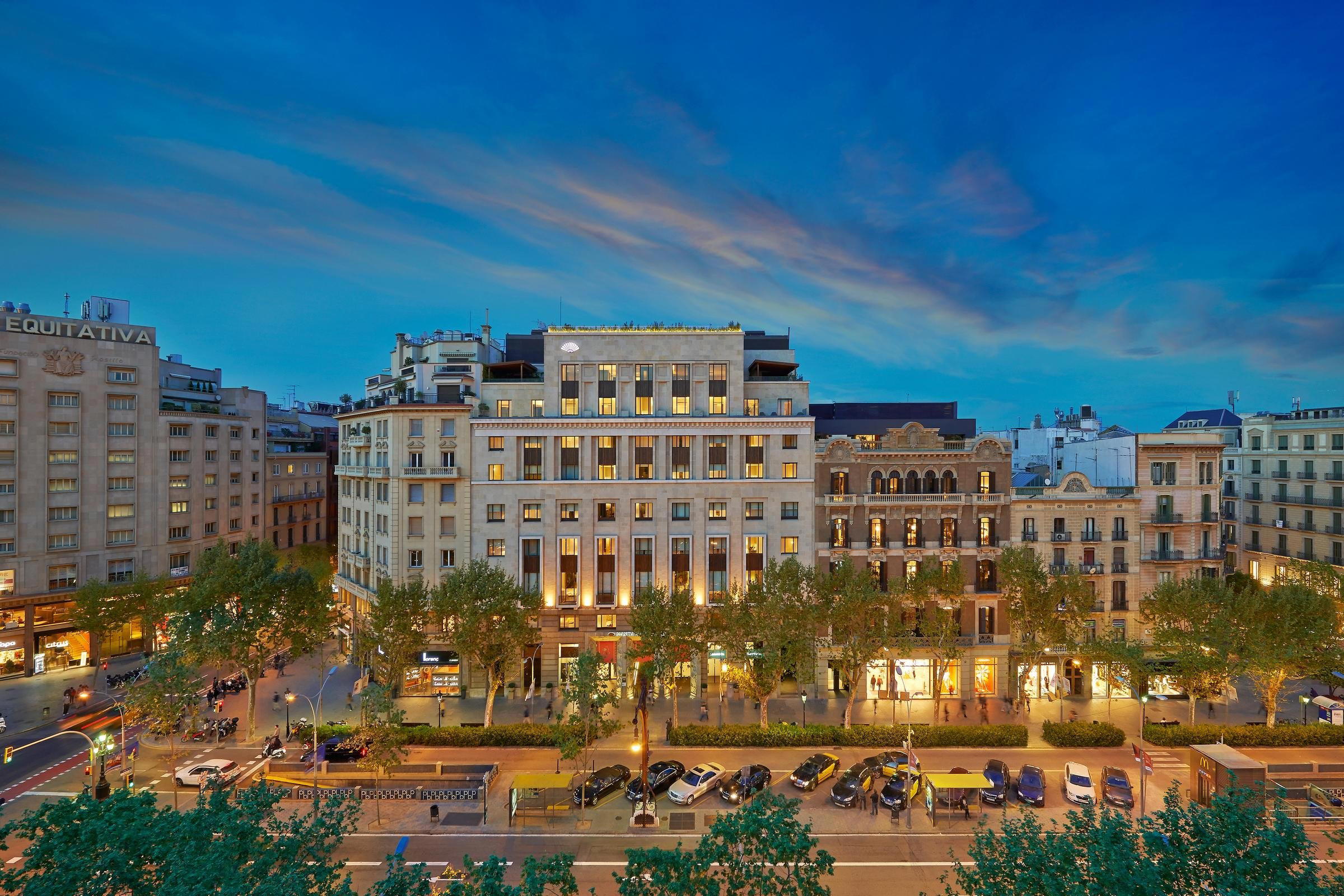
Arriving at Carrer de Bergara from the Plaça de Catalunya direction, the street reads as a compressed commercial corridor before it opens toward the wider Eixample blocks. The neighbourhood's chamfered corners, Cerdà's signature solution to pedestrian flow at intersections, are visible from almost any vantage point. That urban design decision, made in 1859, gives Eixample a permeability that most 19th-century city grids lack: sightlines extend diagonally, light enters from multiple angles, and the blocks feel less oppressive than their scale suggests. A hotel on Bergara inherits that spatial quality simply by existing inside it.
For travellers arriving from Barcelona–Sants station or El Prat airport by Aerobus, Plaça de Catalunya is the natural terminus, making the Bergara address walkable with luggage in a few minutes. That practical convenience underpins much of the property's appeal for short-stay visitors focused on Modernista architecture, the Passeig de Gràcia corridor, or the Gothic Quarter, which lies on the far side of the Plaça.
Design Identity in Context
Barcelona's mid-tier design hotel segment draws on two dominant aesthetics: the Mediterranean-warm school, which uses terracotta, whitewash, and natural fibre, and the contemporary-European school, which prioritises clean lines, curated art, and a palette that travels well in editorial photography. Properties like Alma Barcelona and Almanac Barcelona have staked positions in this space with varying degrees of design confidence. The Pulitzer's Eixample address invites a natural comparison with the architectural language surrounding it: the ornamental facades of the Modernista period set a high visual bar for any interior that claims design seriousness in this neighbourhood.
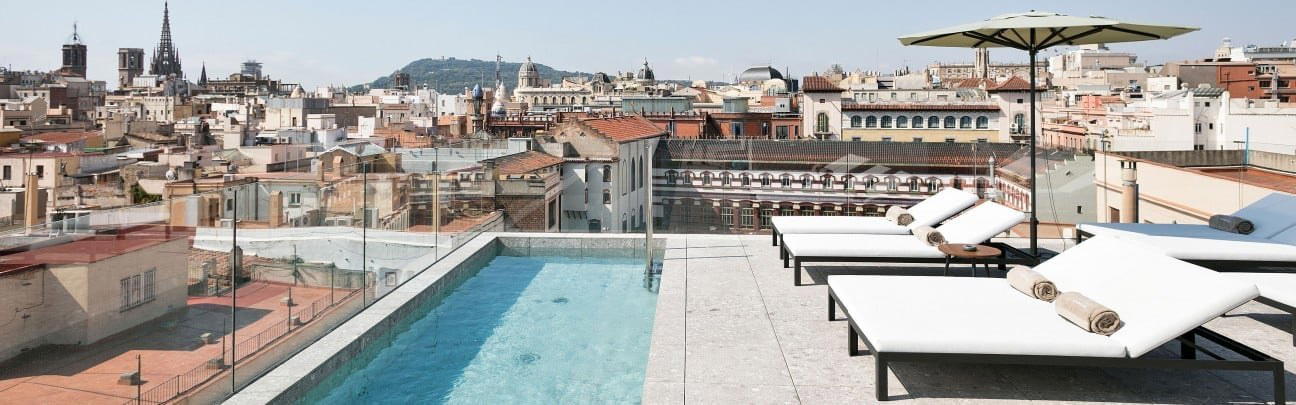
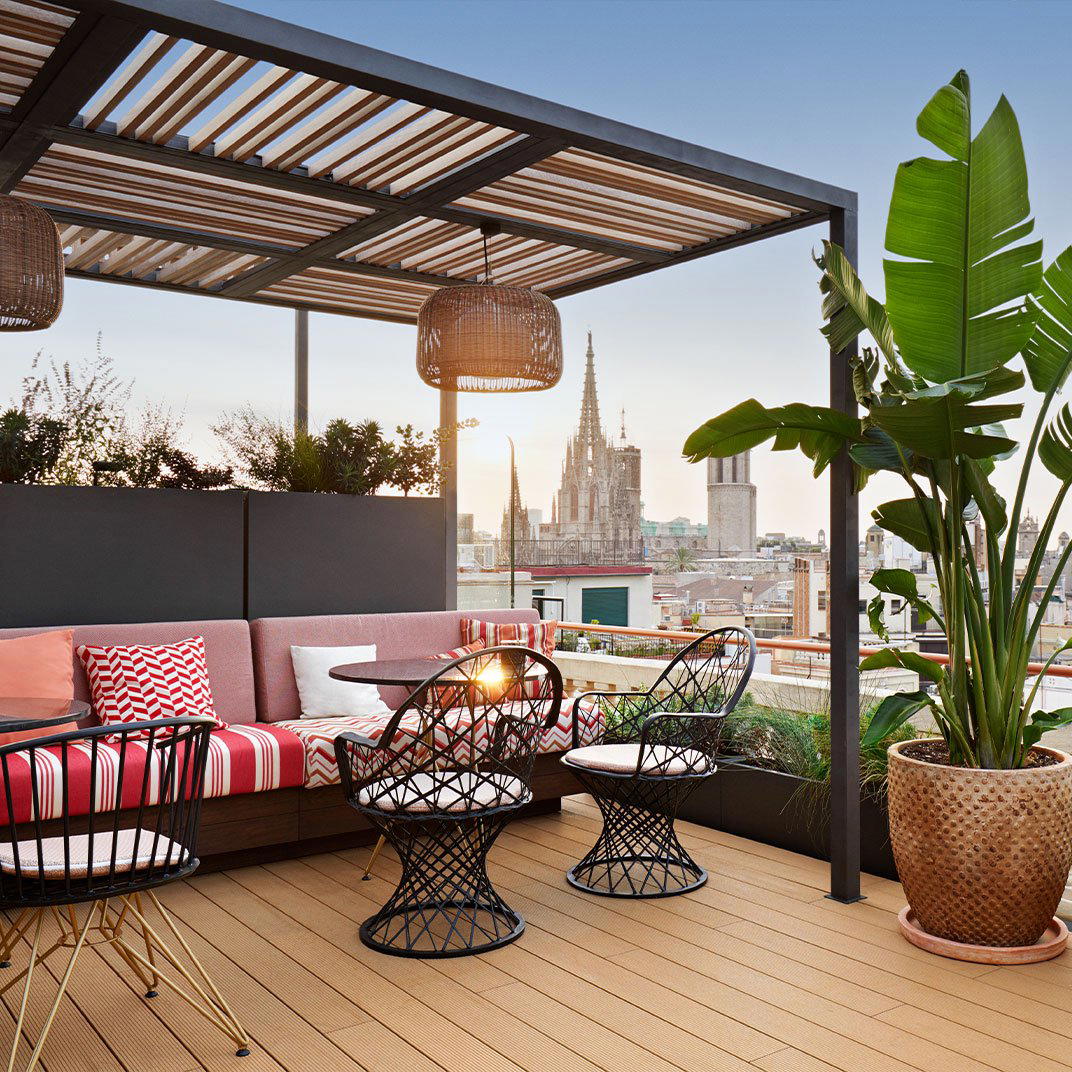
What the design hotel format delivers in this context, across the segment rather than at any specific property, is edited public space over comprehensive amenity. Rooftop terraces have become almost obligatory in this tier, serving both as social infrastructure for guests and as Instagram-legible assets for the property. In a city where rooftop culture is embedded, that format choice is more functional than aspirational. For Barcelona specifically, the rooftop question is seasonal: the useful window runs roughly from late April through October, with July and August delivering both the highest demand and particularly uncomfortable midday temperatures. Visiting in May, June, or September tends to produce one balanced experience of outdoor space without the overcrowding that August brings.
Positioning Against the Broader Barcelona Hotel Field
The Eixample corridor hosts several properties competing in adjacent positioning. Mercer Hotel Barcelona in the Gothic Quarter takes the heritage-integration route, building around Roman walls with an archaeological layer that most Eixample properties cannot replicate. Hotel Boutique Mirlo operates at smaller scale with the tighter service ratios that boutique formats allow. Antiga Casa Buenavista takes the heritage-residential approach that appeals to travellers who find hotel lobbies alienating. Hotel Arts Barcelona occupies the beachfront-luxury position that Eixample-based properties structurally cannot.
Within that field, Pulitzer's competitive position rests primarily on location efficiency: proximity to Passeig de Gràcia, Plaça de Catalunya, and the Rambla within walking distance, without the address premium that a direct Passeig de Gràcia frontage would add to the rate. For travellers whose itinerary is architecture-heavy, that trade-off is rational. The Casa Batlló, Casa Milà (La Pedrera), and the Palau del Baró de Quadras are all within the walk-radius that an Eixample base provides. The Sagrada Família is a Metro stop away rather than walkable, a realistic expectation-setter for anyone assuming the whole city collapses into a few blocks.
The Wider Spain Context for Property Comparisons
Travellers building a longer Spain itinerary around architecture and design often pair Barcelona with properties that pursue similar or contrasting aesthetic logics elsewhere in the country. Mandarin Oriental Ritz, Madrid represents the grand-hotel restoration end of the spectrum. Atrio Restaurante Hotel in Cáceres sets contemporary architecture against a UNESCO-listed medieval town. Akelarre in San Sebastián combines a three-Michelin-star restaurant with clifftop rooms in a format that has no real equivalent in Barcelona's urban core. Cap Rocat in Cala Blava and Hotel Can Cera in Palma represent the Balearic design-heritage strand for those extending to the islands. For wine-focused detours from Barcelona, Terra Dominicata in Escaladei in the Priorat is roughly two hours southwest, and Abadía Retuerta LeDomaine offers a winery-estate format in Castilla y León. Mas de Torrent Hotel & Spa in Torrent sits in the Costa Brava direction for a short drive north.
Further afield for contrast: Torre del Marqués Hotel Spa & Winery in Sardoncillo, Marbella Club Hotel, Pepe Vieira Restaurant & Hotel in Poio, and Casa Beatnik Hotel in A Coruña illustrate how Spain's design hotel segment now extends well beyond the obvious urban centres. For international comparison against properties in the same positioning tier, The Fifth Avenue Hotel in New York City, Aman New York, and Aman Venice each represent how different cities have resolved the relationship between historic urban fabric and contemporary hotel design. La Residencia, A Belmond Hotel, Mallorca remains the benchmark for the village-estate format in the western Mediterranean.
Planning Your Stay
The Bergara address is convenient for arrival by Aerobus to Plaça de Catalunya, a stop that is essentially adjacent. For dining, the Eixample grid concentrates some of Barcelona's most consistent restaurant blocks, particularly along Carrer del Consell de Cent and Carrer de Muntaner, where competition between kitchens keeps quality high across price points. The Gothic Quarter's market at La Boqueria on the Rambla is walkable, though the market itself has shifted significantly toward tourism rather than local provisioning over the past decade; Mercat de Santa Caterina in El Born provides a better picture of how the city actually eats. Peak occupancy across Barcelona's design hotel tier runs from late June through September, with Easter week producing a secondary compression. Rates across the Eixample mid-tier soften meaningfully in November through February, a period when the city's museums, architecture, and restaurant scene operate at full capacity for a fraction of summer's crowds.
A Quick Peer Check
Comparable venues nearby, for context on price, style, and recognition.
| Venue | Cuisine | Price | Awards | Notes |
|---|---|---|---|---|
| Hotel PulitzerThis venue — the venue you are viewing | Renovated 1920s building blending historic facade with modern, upscale interiors. | $$$ | 4-Star | Not listed |
| H10 Madison | Restored early 20th-century building blending historic architecture with contemporary design | $$$ | 4-Star | Barri Gotic |
| Hotel España | Historic modernist property blending Art Nouveau heritage with modern comforts. | $$$ | 4-Star | el Raval |
| Gran Derby Suite | Art deco boutique hotel in a red brick Victorian-style building with interior greenhouse patios. | $$$ | 4-Star | les Corts |
| ME Barcelona | Design-forward urban hotel blending history and modernity. | $$$ | 4-Star | la Dreta de l'Eixample |
| Hotel Casa Camper | Contemporary boutique design hotel blurring boundaries between home and hotel with laid-back Mediterranean spirit and thoughtful minimalist design. | $$$ | 4-Star | el Raval |
Recognition history
Dated appearances from independent guides and award organizations, with the underlying list record or original source where available.
Mr & Mrs Smith Smith Seal of Approval
Mr & Mrs Smith
Michelin Selected
Michelin
Continue exploring
More in Barcelona
Hotels in Barcelona
Browse all →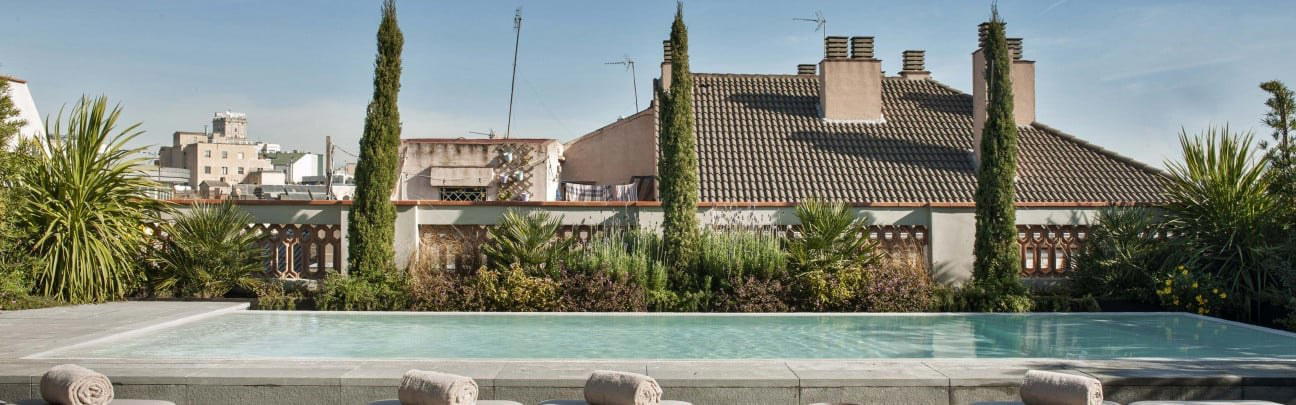
Bars in Barcelona
Browse all →
Restaurants in Barcelona
Browse all →
At a Glance
- Modern
- Elegant
- Sophisticated
- Trendy
- Romantic Getaway
- Business Trip
- Weekend Escape
- Terrace
- Historic Building
- Design Destination
- Wi Fi
- Fitness Center
- Restaurant
- Bar
- Room Service
- Concierge
- Street Scene
- Wi Fi
- Fitness Center
- Restaurant
- Bar
- Room Service
- Concierge
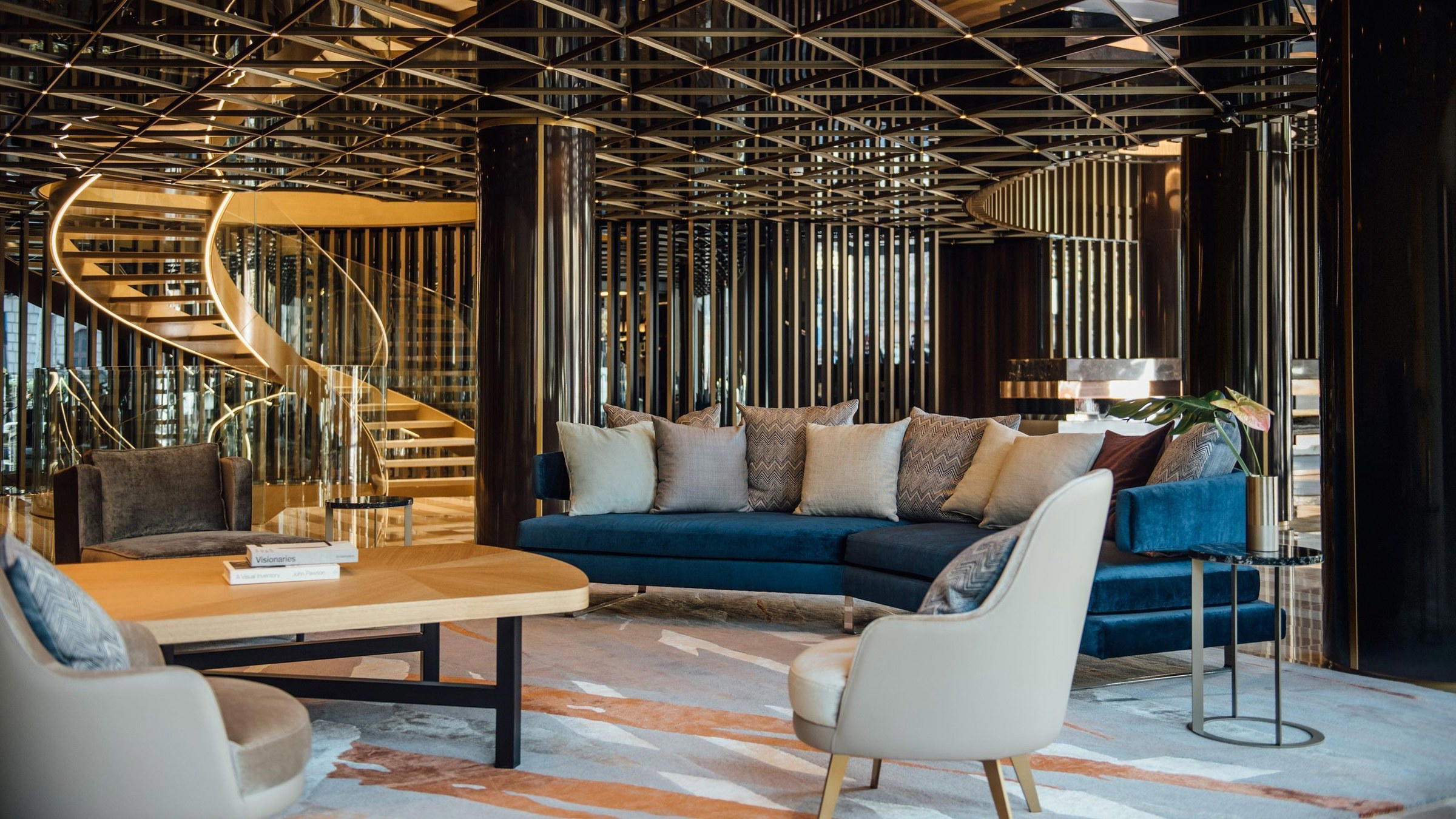
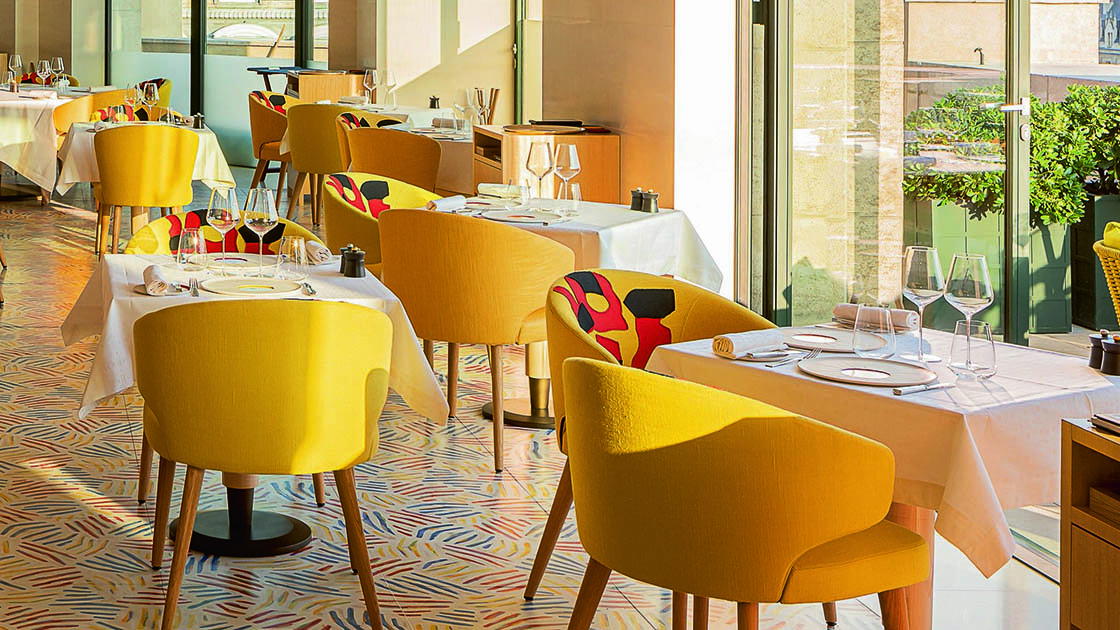
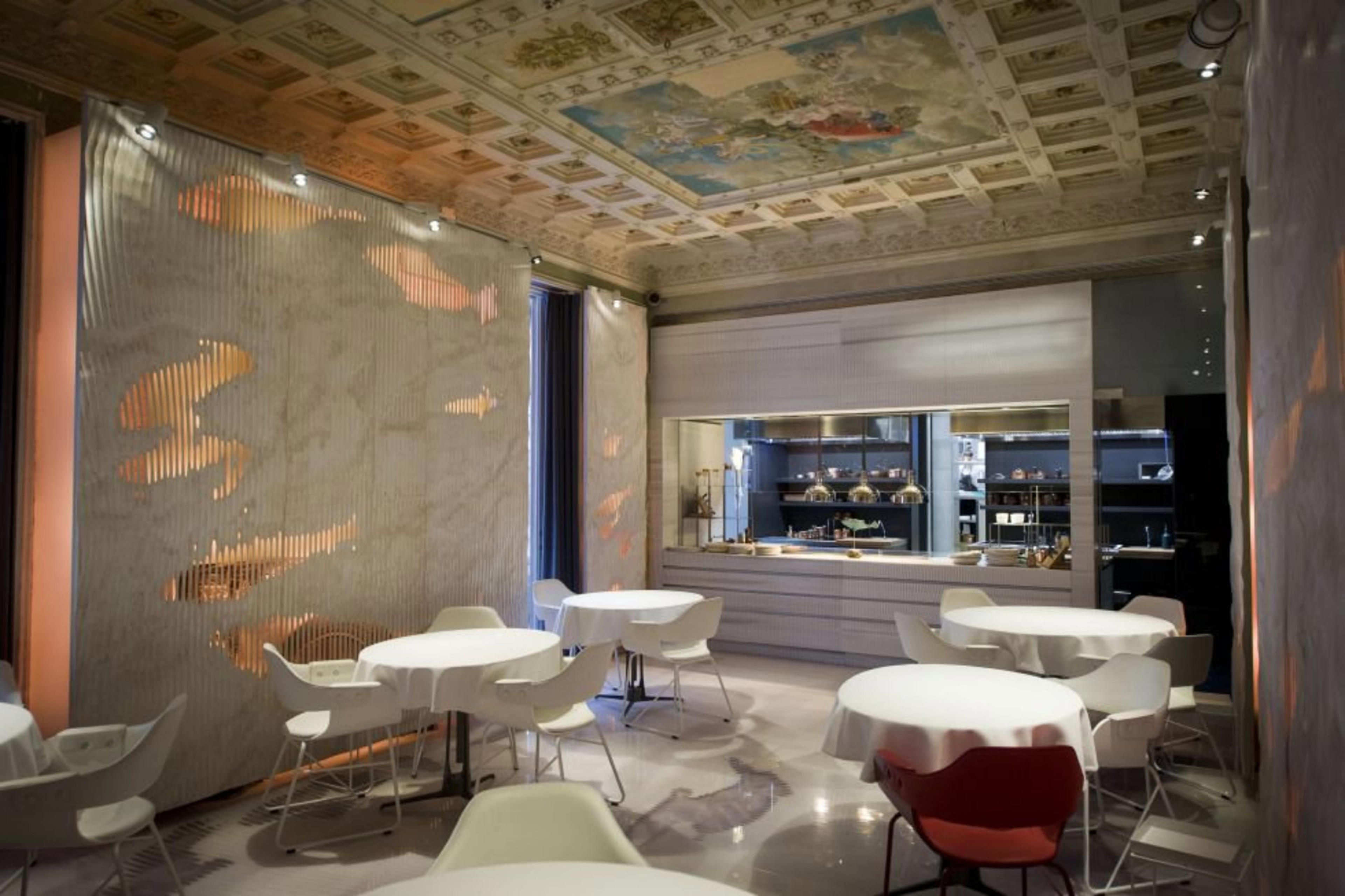
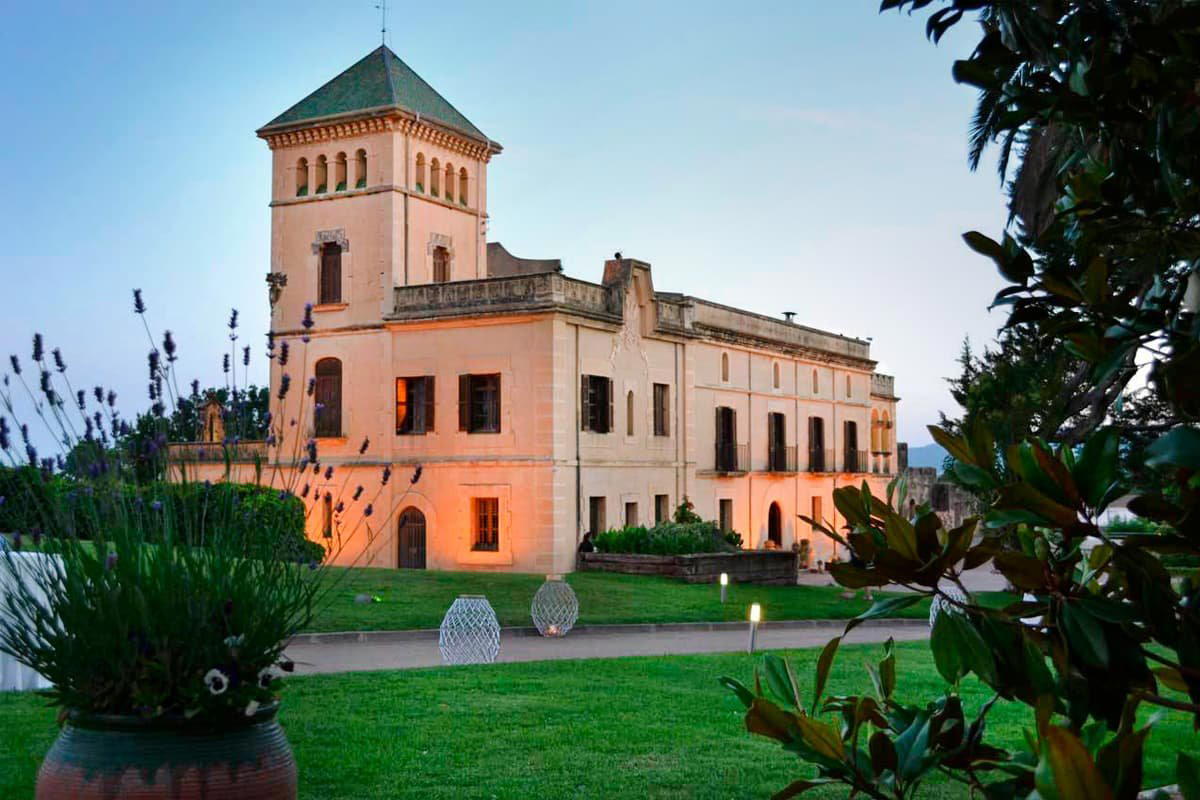
Cosmopolitan and upscale with light-filled spaces, velvet sofas, lacquered bookshelves, contemporary art, and a cool, welcoming atmosphere.