


Behind an unmarked door in Barcelona's Ciutat Vella, Koy Shunka holds a Michelin star and a consistent ranking among Europe's top restaurants (OAD #353 in 2024, #465 in 2025). Chef Hideki Matsuhisa works Japanese technique against Mediterranean ingredients across three tasting menu formats, with a U-shaped counter, wood-fired oven, and fish-maturing cabinets defining the room.
Pearl is the En Primeur Club membership app — saves, bookings, and concierge access live there. Same editors, same standards.
- Address
- Carrer d'en Copons, 7, Ciutat Vella, 08002 Barcelona, Spain
- Phone
- +34 934 12 79 39
- Website
- koyshunka.com
 Saves & bookings on Pearl
An Unmarked Door in the Gothic Quarter
Carrer d'en Copons is not a street that announces itself. A narrow lane threading through the Gothic Quarter's older residential grid, it sits a short walk from the tourist circuits around the Cathedral and La Boqueria, yet operates at a different register entirely. The buildings here are worn and specific in the way that older Barcelona tends to be, and Koy Shunka's entrance does nothing to break that anonymity: a large door, minimal signage, and the expectation that you knock to be admitted. This is how serious dining sometimes presents itself in a city where the most decorated tables, from Disfrutar to Cocina Hermanos Torres, tend to announce themselves more legibly. Koy Shunka does not.
The neighbourhood context matters for understanding what the restaurant is doing. Ciutat Vella is Barcelona's oldest urban fabric, a dense medieval mesh that has absorbed successive waves of commerce and tourism without fully surrendering its residential character. Koy Shunka is a one Michelin star restaurant in Barcelona's Gothic Quarter. The address signals discretion, and the format inside honours that signal consistently.
What the Room Tells You
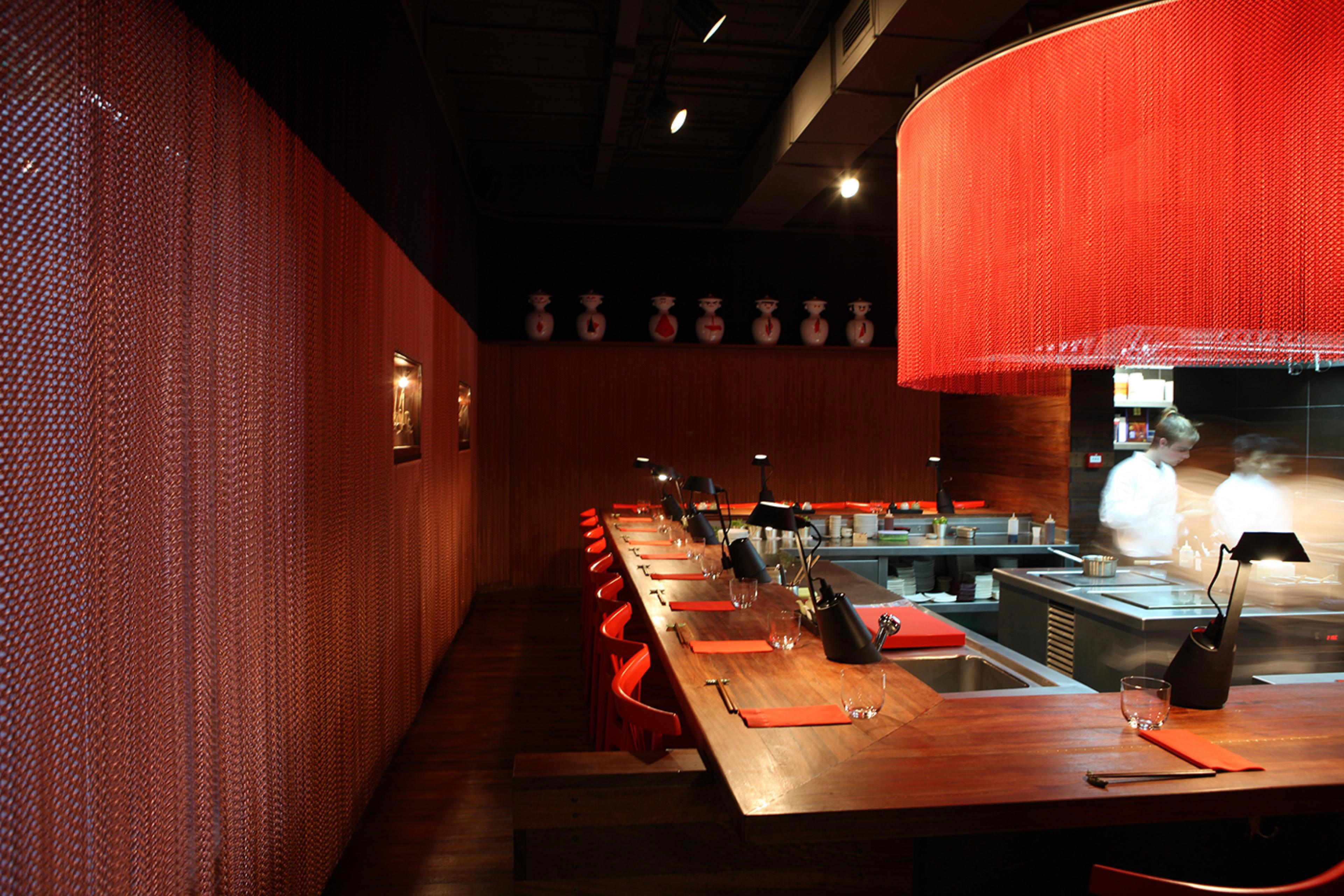
The interior is contemporary without being cold. The organising piece of furniture is a U-shaped counter that runs across the room, giving a direct sightline onto kitchen preparation for guests who want to watch the work. Large fish-maturing cabinets line the space, which is unusual in a European context and points to the kitchen's sourcing priorities. A wood-fired oven sits at the centre of the dining room, an addition that reads as provocative in a Japanese-rooted restaurant, but which makes practical sense once the menu's Mediterranean inflections become clear. Conventional tables are available for guests who prefer a different geometry.
Format inside Koy Shunka reflects a broader development in high-end Japanese dining outside Japan. Counter-focused restaurants in this tier, including Masa in New York and Sushi Masaki Saito in Toronto, use proximity to the kitchen as a signal of quality and a structural commitment to transparency. At Koy Shunka, that proximity is complemented by tableside finishing, with several dishes completed in front of the guest. The effect is theatrical in a technical sense rather than a performative one.
Japanese Technique, Mediterranean Ingredients
Barcelona occupies a specific position in the geography of Japanese-influenced fine dining in Europe. It is a city with deep culinary ambition, Lasarte and ABaC each hold multiple Michelin stars, and the city's creative dining scene extends from Catalan avant-garde to global technique, but Japanese fine dining at this level remains a smaller subset. Koy Shunka occupies that subset with a specific argument: that Japanese precision and Mediterranean produce are not competing traditions but complementary ones.
Chef Hideki Matsuhisa builds the menu around this intersection. The kitchen works with three tasting menu formats, differentiated by the number of courses rather than by fundamentally distinct ingredient sets. This structure allows a single visit to land at different price and time commitments, which is a practical consideration in a city where the €€€€ tier is competitive and the comparison set, Disfrutar, Cocina Hermanos Torres, Lasarte, all operate at similar price points with longer, more prescriptive formats.
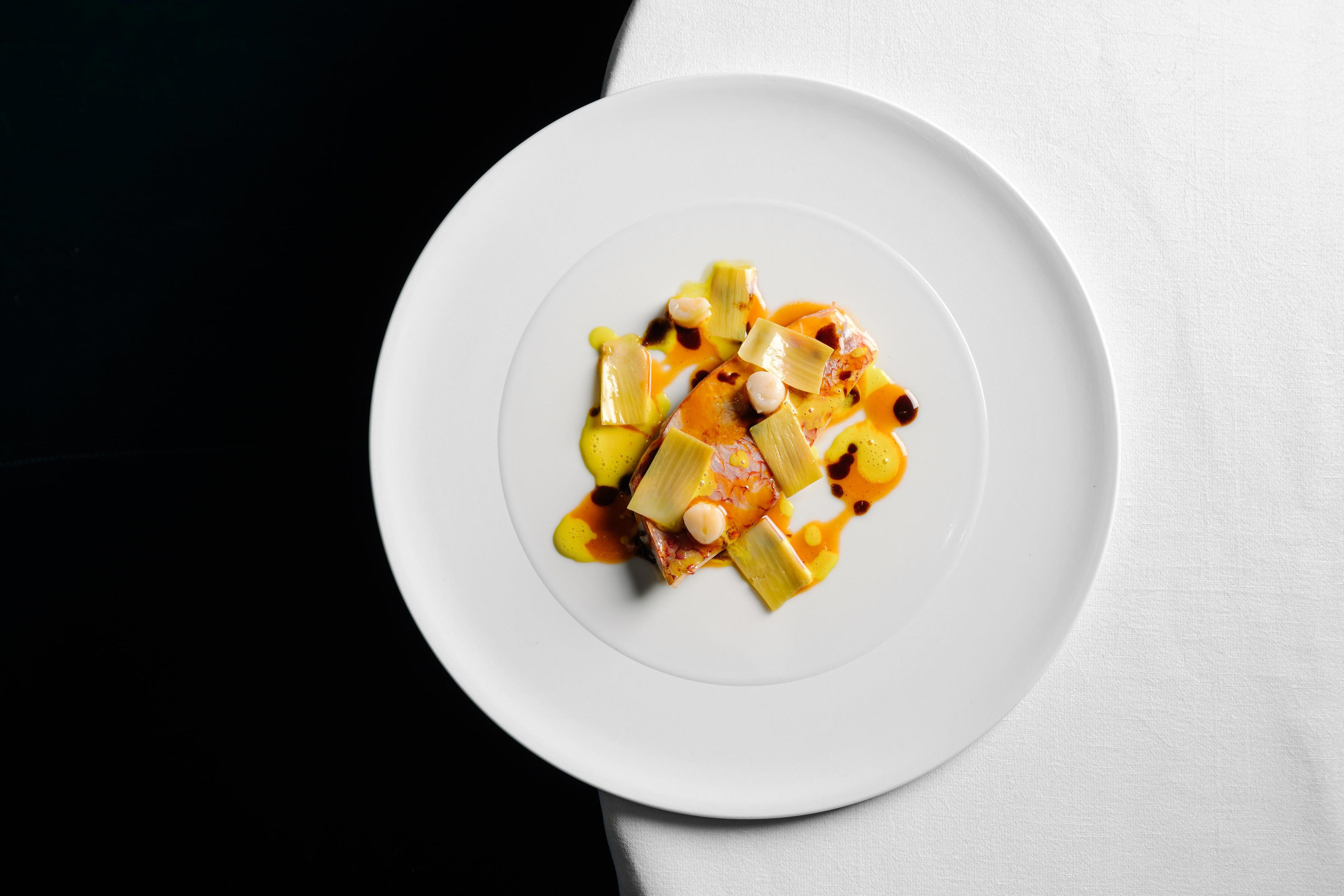
The kitchen is known for a chawanmushi preparation featuring lobster alongside sushi and risotto. The presence of risotto in this context is worth pausing on: it is not an accommodation for non-Japanese diners but a signal that the kitchen is genuinely working across traditions rather than simply appending Mediterranean garnishes to Japanese foundations. Fish-maturing cabinets visible in the dining room suggest that sourcing and treatment of raw material are given at least as much weight as the final plating.
Awards and Competitive Position
Koy Shunka holds one Michelin star as of 2024, placing it in a distinct tier below Barcelona's three-star contingent while operating at the same price level. The Opinionated About Dining rankings offer a more granular read: the restaurant appeared at #353 in Europe in 2024 and moved to #465 in 2025, a shift of roughly 100 places. OAD rankings are aggregated from frequent-diner assessments rather than anonymous inspector visits, and movement at this scale over a single year can reflect anything from a change in visiting frequency to minor shifts in execution consistency.
For context within the broader Spanish fine dining tier, the country produces a dense concentration of high-scoring restaurants at this level. El Celler de Can Roca in Girona, Arzak in San Sebastián, Azurmendi, Aponiente, and Martin Berasategui all set a high reference point for what Spanish fine dining can achieve at various price tiers. Within Barcelona specifically, Sensato and the broader creative dining scene mean the city is well-provisioned with serious options. Koy Shunka's particular position is as the Japanese-rooted entry in that ecosystem, reviewed by the same frequent-diner pool that ranks the creative Spanish kitchens alongside it, and consistently rated as a European-tier restaurant rather than a local speciality.
That combination, a star before wide critical ranking, suggests the kitchen had established technical credibility before the broader fine-dining audience had fully incorporated it into their reference sets.
Planning a Visit
Koy Shunka serves lunch and dinner Wednesday through Saturday, with Sunday and Monday and Tuesday closed entirely. Lunch runs from 1 PM to 3 PM and dinner from 8 PM to 10 PM. The four-day operating week supports kitchen consistency and reduces staff fatigue. Given the Michelin star and the OAD placement, booking ahead is advisable; this is not a restaurant where walk-ins at the counter are reliably possible.
The address, Carrer d'en Copons 7, sits in the Gothic Quarter within the Ciutat Vella district, close enough to central Barcelona to reach easily by foot from most hotels in the Eixample or the waterfront, and within the walking radius of the major cultural sites that anchor most Barcelona itineraries. The door protocol, knocking rather than simply entering, is worth knowing in advance, if only because arriving without that expectation can produce a moment of uncertainty on an otherwise unmarked street.
Koy Shunka occupies a distinct category within that map: the one serious Japanese-rooted counter in a city that otherwise concentrates its fine dining energy in Catalan and Spanish-inflected directions. That specificity is its clearest differentiator from the broader €€€€ comparable set, not a style choice but a structural fact about how Barcelona's top-tier dining has developed.
Category Peers
Comparable venues nearby, for context on price, style, and recognition.
| Venue | Cuisine | Price | Awards | Notes |
|---|---|---|---|---|
| Koy ShunkaThis venue — the venue you are viewing | Modern Japanese Fine Dining | $$$$ | Michelin 1 Star | |
| Teatro kitchen & bar | Creative Catalan Tapas | $$$$ | Michelin 1 Star | Sant Antoni |
| SCAPAR | Modern Japanese Kaiseki Fusion | $$$$ | Michelin 1 Star | Sant Gervasi - Galvany |
| Angle | Modern Creative Spanish | $$$$ | Michelin 1 Star | l'Antiga Esquerra de l'Eixample |
| Hisop | Modern Catalan Fine Dining | $$$ | Michelin 1 Star | Sant Gervasi - Galvany |
| Suto | Modern Japanese Omakase | $$$$ | Michelin 1 Star | Sants |
Continue exploring
More in Barcelona
Restaurants in Barcelona
Browse all →
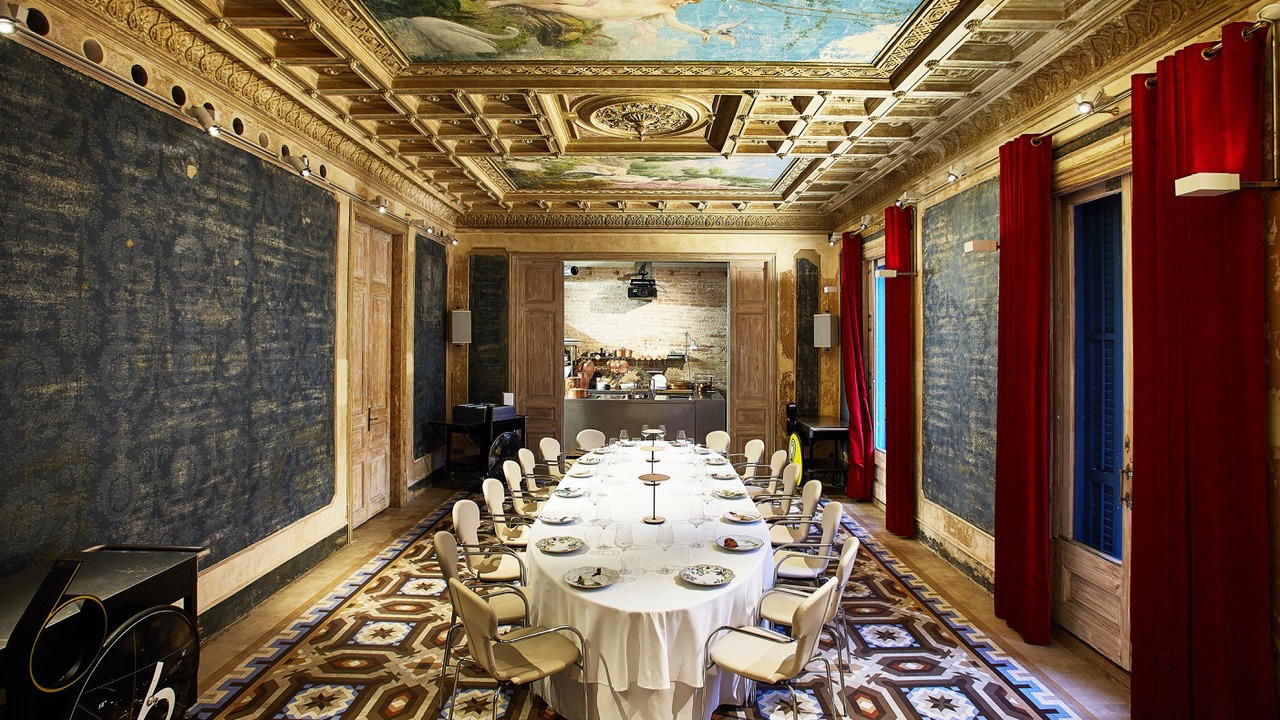
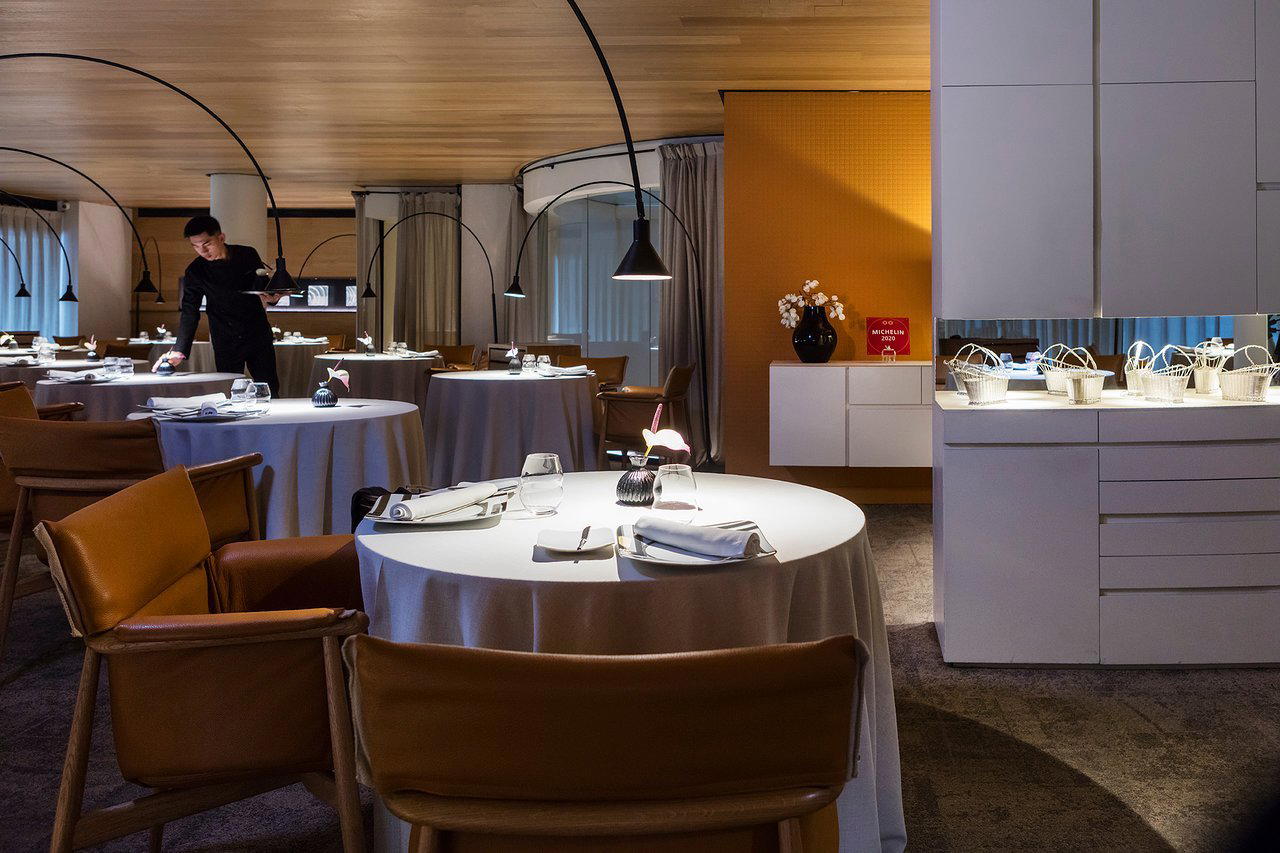
Bars in Barcelona
Browse all →
Hotels in Barcelona
Browse all →
At a Glance
- Elegant
- Intimate
- Sophisticated
- Minimalist
- Hidden Gem
- Special Occasion
- Celebration
- Date Night
- Chefs Counter
- Open Kitchen
- Sake Program
- Extensive Wine List
Minimalist contemporary interior with simple elegance, intimate environment, open kitchen view, and a mysterious entrance.