







Alkimia holds a Michelin star and ranks #60 in Opinionated About Dining's 2025 European list, operating from an unlikely address inside Barcelona's Moritz beer factory. Chef Jordi Vilà serves a single tasting menu rooted in Catalan tradition with a pronounced focus on fish and vegetables. The restaurant opens Tuesday to Wednesday for lunch and dinner only, and entry requires ringing a bell on arrival.
Pearl is the En Primeur Club membership app — saves, bookings, and concierge access live there. Same editors, same standards.
- Address
- Rda. de Sant Antoni, 41, Eixample, 08011 Barcelona, Spain
- Phone
- +34 932 07 61 15
- Website
- alkimia.cat
- Directions
- Get directions
 Saves & bookings on Pearl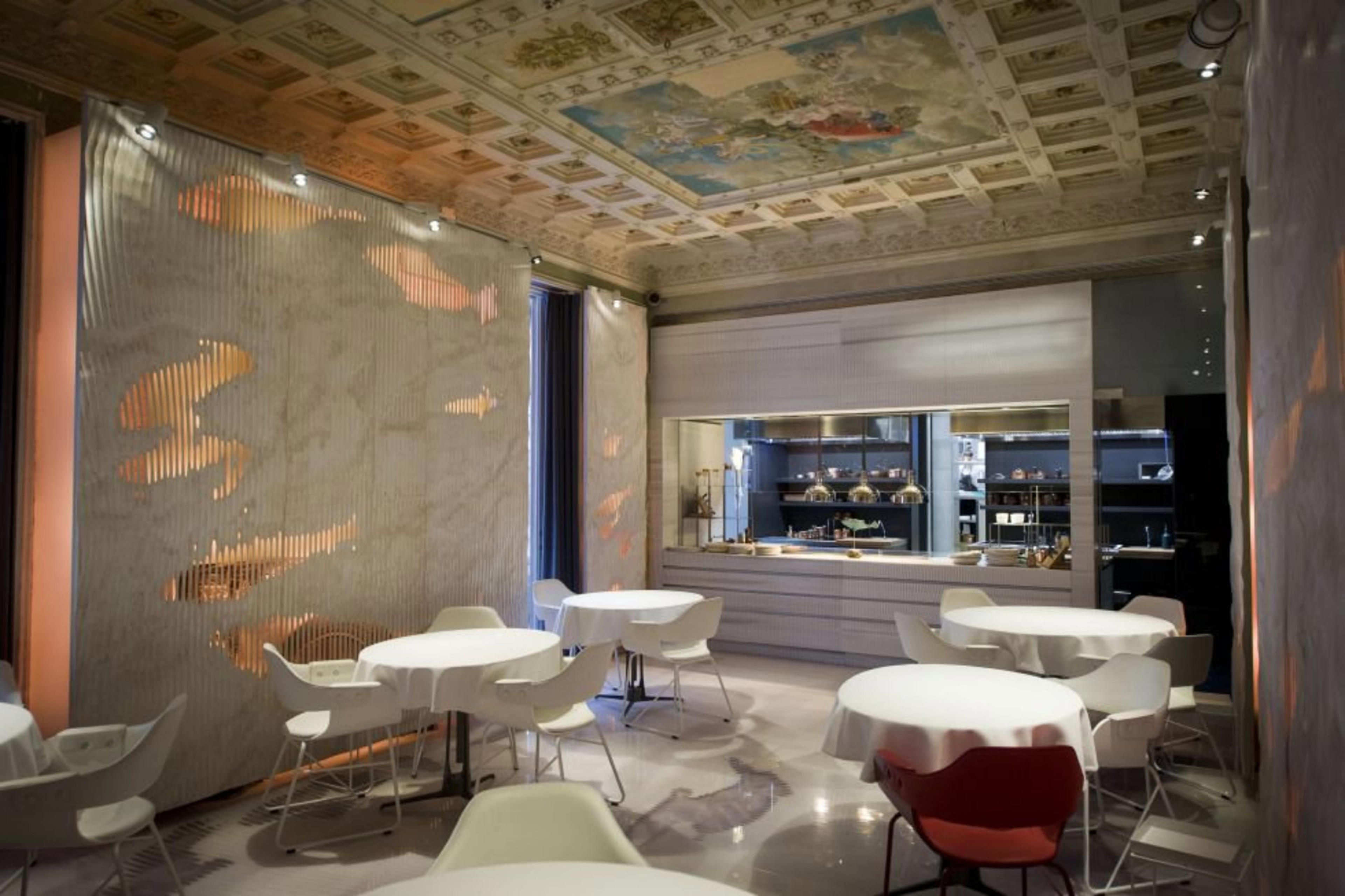
Inside the Factory: Barcelona's Gourmet Repurposing Trend
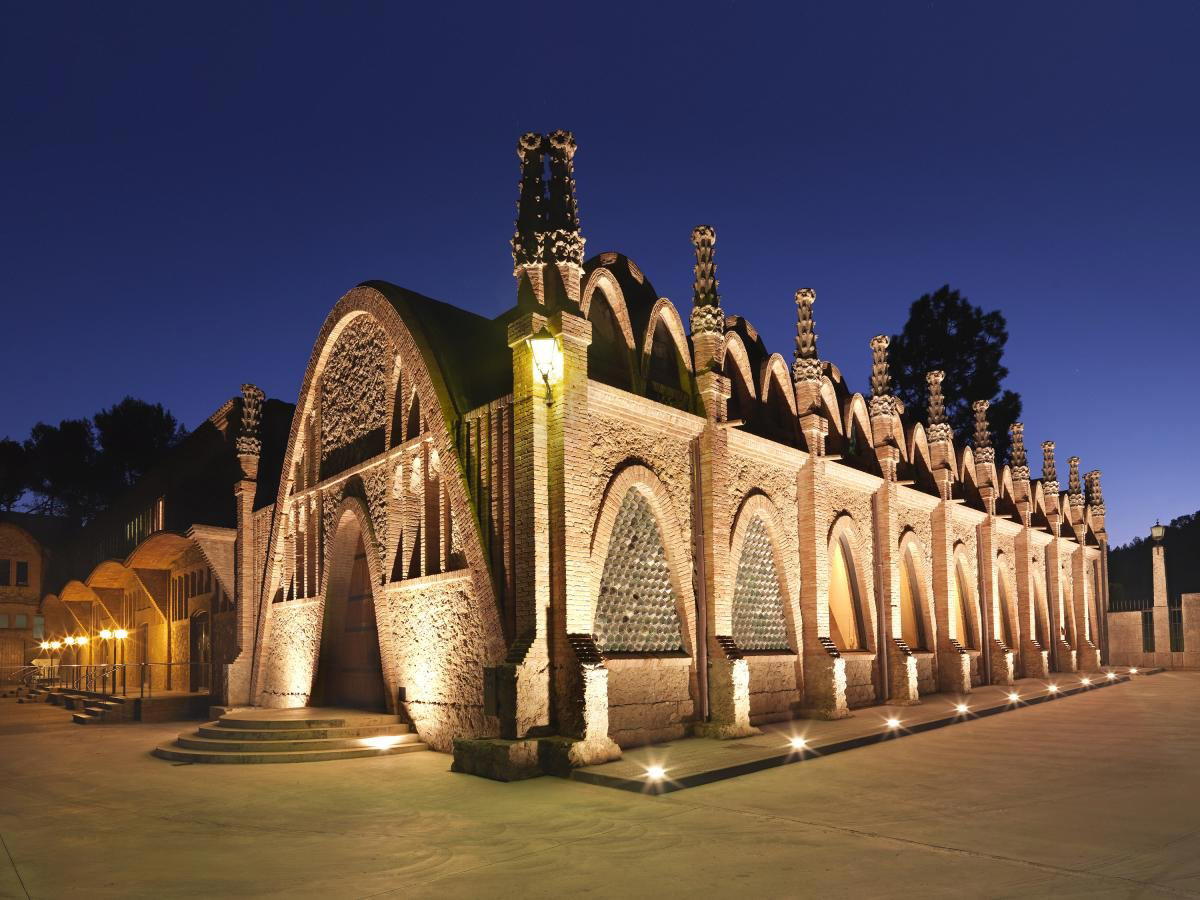
Alkimia is a one-Michelin-star restaurant in Barcelona serving Modern Catalan Fine Dining at the Moritz factory on Rda. de Sant Antoni, 41. The Moritz beer factory on Ronda de Sant Antoni is one of the more striking examples: a 19th-century brewery redesigned as a gourmet complex, where Alkimia occupies the first floor alongside its more casual sibling, the bistro-style Alkostat. Ringing a bell at the entrance before being admitted upstairs is not theatre for its own sake; it is the natural result of placing a Michelin-starred dining room inside a shared building that was never built for that purpose. The physical friction of arrival primes you, whether intentionally or not, for what comes next.
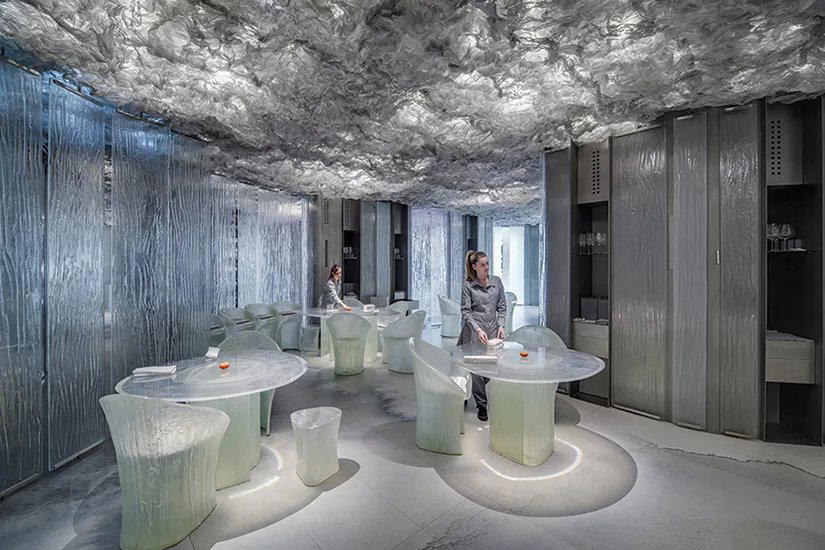
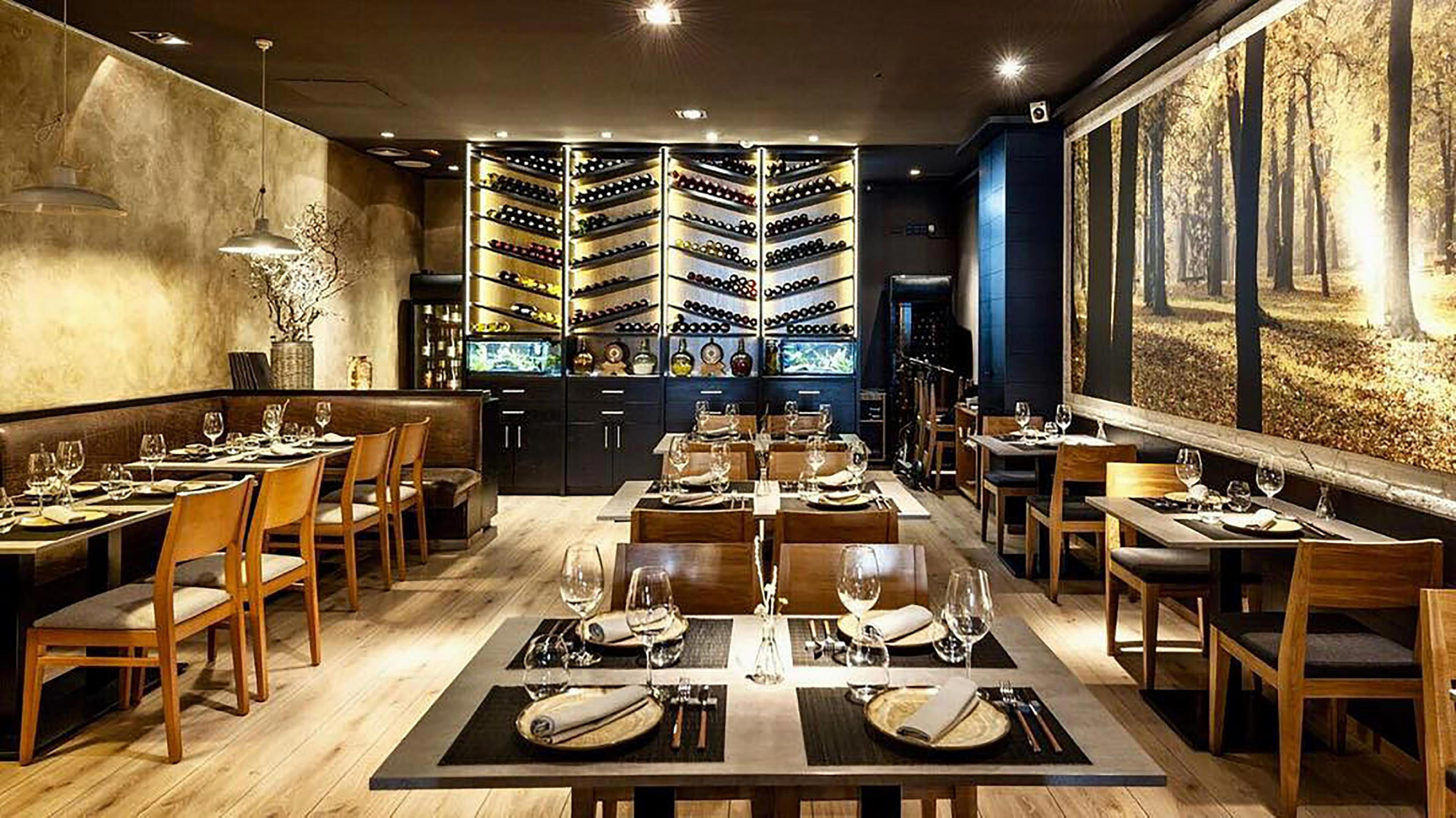
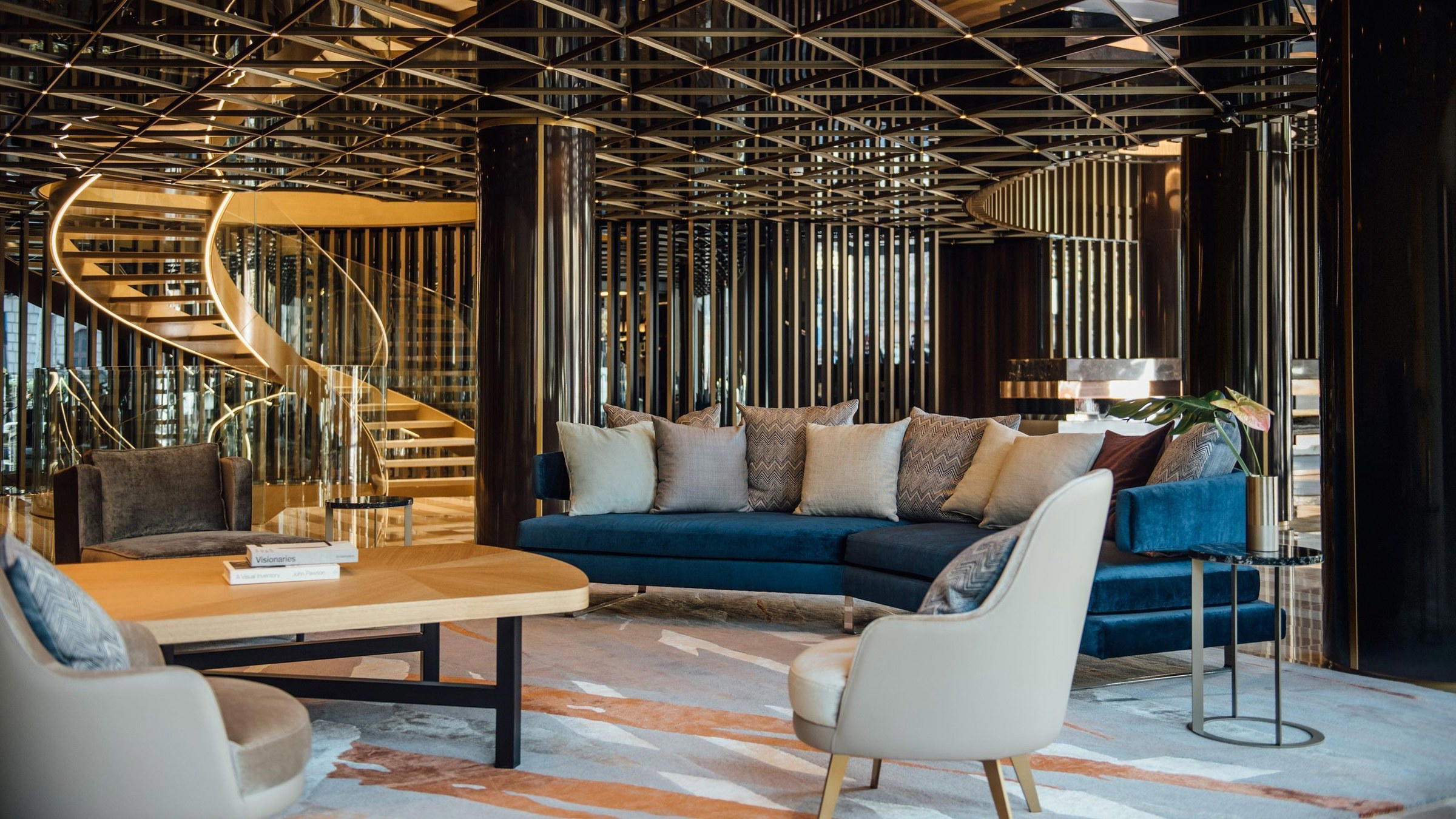
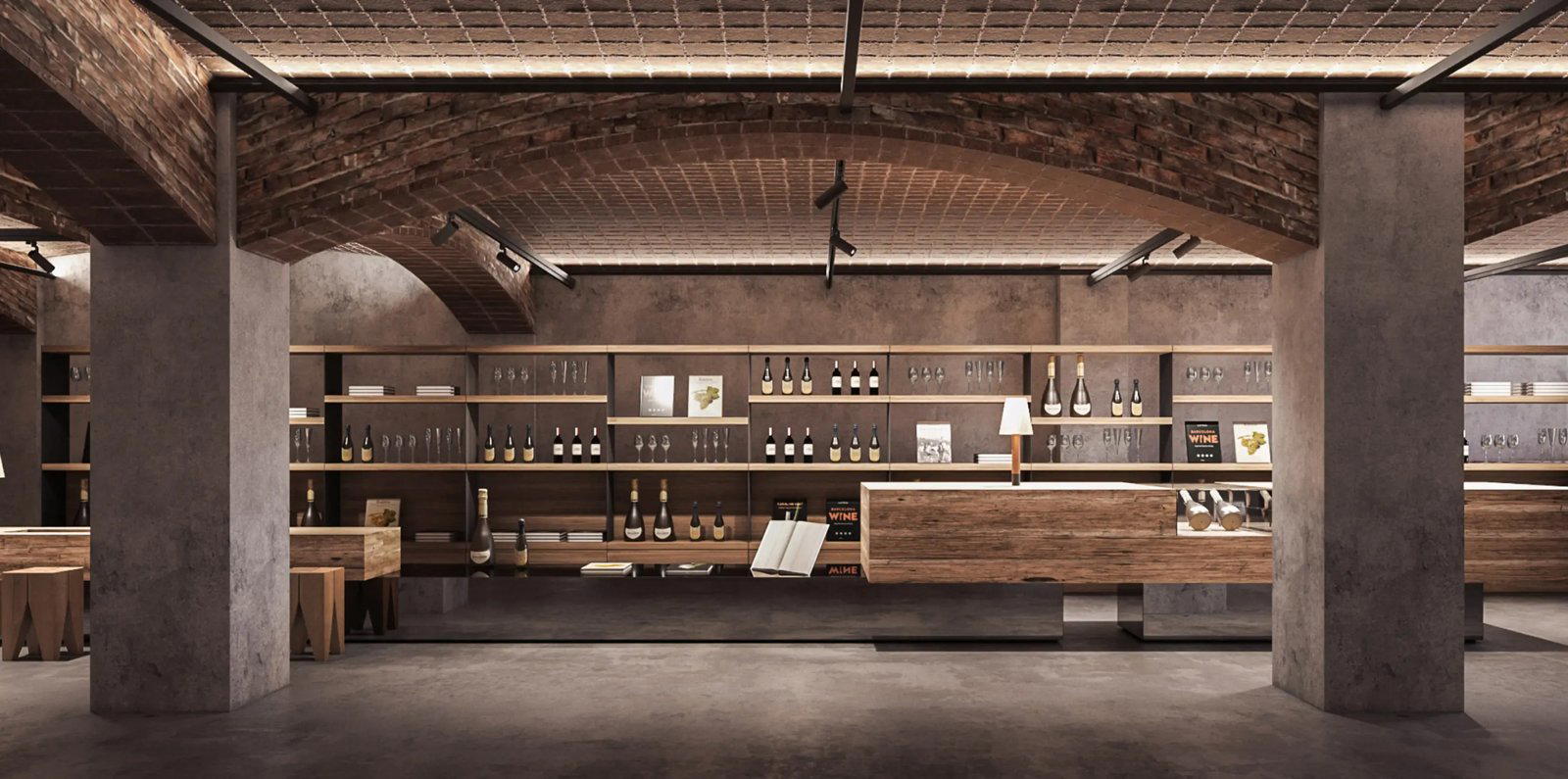
The dining room itself draws on two visual registers that might seem incompatible: avant-garde references to the marine world alongside reclaimed classical furnishings that recall the interiors of Barcelona's former aristocratic mansions. The effect is layered rather than discordant. Designer details sit next to antique forms, and the counter position facing the kitchen closes any remaining distance between the preparation and the table. Among Barcelona's leading tasting-menu addresses, which include Disfrutar (Progressive, Creative), Cocina Hermanos Torres (Creative), and ABaC (Creative), Alkimia has one architecturally singular address.
The Catalan Cuisine Table: Structure as Editorial Statement
The modern Spanish tasting menu has largely converged on a format that signals ambition through abstraction: small courses in double digits, each a standalone technical exercise. Alkimia's approach is deliberately structured differently. The single tasting menu, named the Catalan Cuisine Table, is divided into six sections, each containing a selection of dishes. The sectional framework is itself an argument: Catalan cooking is not a sequence of individual expressions but a cuisine with internal logic, grouped by ingredient type, preparation tradition, or course category depending on the season.
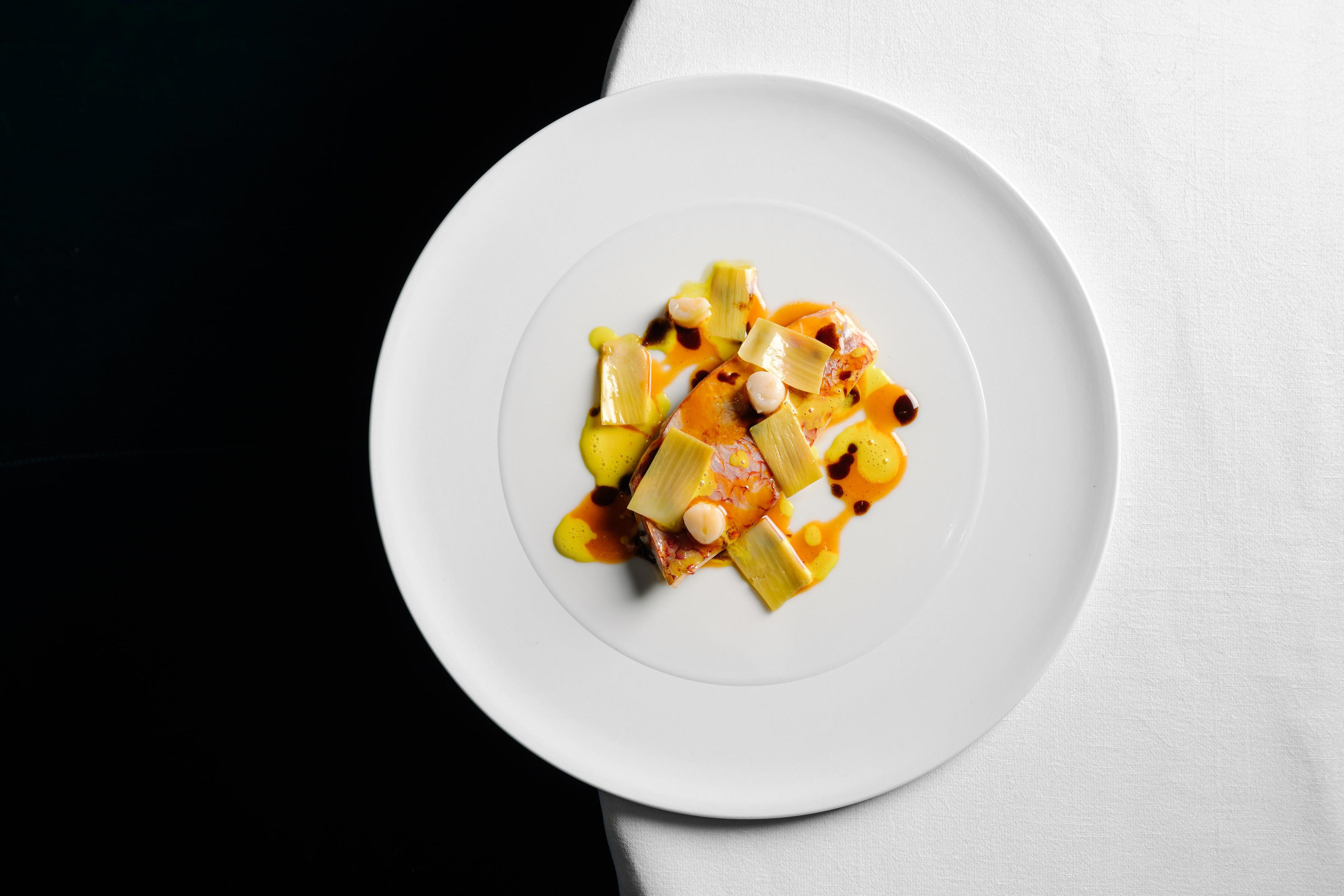
Focus on fish is programmatic rather than incidental. Catalonia's coastal identity runs through its cooking in ways that the broader Spanish fine-dining conversation sometimes flattens into a generic Mediterranean shorthand. At Alkimia, the marine orientation is disciplined and specific. A maritime version of Escudella, the traditional Catalan winter soup typically built around meat and pulse, reframes a deeply land-rooted dish through the logic of the sea. It is the kind of move that only makes sense if you understand both registers well. The squid with egg yolk and galangal root that appears in reviewer notes points toward a similar method: familiar Catalan ingredients repositioned with Southeast Asian aromatics that do not overwhelm the base but sharpen it.
Editorial angle of fire and grill, so central to the Azurmendi in Larrabetzu-inflected Basque tradition and to the broader asador lineage running through northern Spain, surfaces at Alkimia in a different register. Jordi Vilà does not work within the whole-animal charcoal format that defines restaurants like Arzak in San Sebastián. The Catalan table tradition has its own relationship with fire, expressed through the wood-grilled fish and the calçotada, but Alkimia's version of heat and smoke appears more subtly, through the depth applied to vegetable preparations and through the recontextualization of peasant dishes into a fine-dining structure. Where the Basque grill masters work with maximum product and minimum intervention, Vilà works with Catalan cultural memory and measured transformation.
The Vegetable Turn in a Fish-Forward Kitchen
We're Smart Green Guide awarded Alkimia 4 Radishes, a certification that tracks the proportion and quality of vegetable use within professional kitchens. For a restaurant whose reputation rests significantly on fish cookery, the rating is informative: it suggests that the expansion into plant-based preparations is not a secondary line of menu development but a genuine reorientation of creative energy. A plant-based interpretation of Lièvre à la Royal, the classical French preparation built around hare cooked in its own blood, executed here with red beet as the structural and chromatic anchor, is a technically and conceptually ambitious dish. It positions Alkimia within a wider conversation about what Catalan cooking can do with vegetables when they are treated as primary subjects rather than accompaniments.
This places Alkimia in a comparable set that extends beyond Barcelona. Across Spain, the restaurants that have maintained sustained critical attention over the past decade have done so partly by expanding their relationship with non-animal ingredients. Quique Dacosta in Dénia built his reputation partly on the symbolic weight of Mediterranean plant life. Aponiente in El Puerto de Santa María has turned marine by-products and algae into a culinary argument about what the sea actually contains. Alkimia's vegetable work fits within a similar logic: using ingredients that the tradition already knows, but taking them further than the tradition typically has.
Where Alkimia Sits in Barcelona's Tasting-Menu Tier
Disfrutar operates at the far end of the progressive-creative spectrum, with a multi-course format that prioritises technical surprise. Enoteca Paco Pérez works within a modern Spanish and modern cuisine register with a strong wine programme. Atempo sits in the newer wave of the city's fine dining. Alkimia's position is defined by its Catalan specificity: the menu is not modern Spanish in a generalised sense but consciously rooted in the regional tradition, using that rootedness as both constraint and subject matter.
The credential stack is consistent with that positioning. One Michelin star since 2024 places Alkimia within the recognised upper tier of European fine dining without pushing it into the three-star bracket occupied by El Celler de Can Roca in Girona or DiverXO in Madrid. Among Modern Spanish and Modern Cuisine restaurants operating at €€€€ price range, the comparable set also includes Venta Moncalvillo in Daroca de Rioja and Chirón in Valdemoro, both working within the same cuisine tradition at comparable price points.
Planning Your Visit
Alkimia operates a schedule that rewards advance awareness. The restaurant serves lunch and dinner Monday through Wednesday, with lunch running 1:00 PM to 2:30 PM and dinner from 8:00 PM to 9:30 PM. Thursday through Sunday, the restaurant is closed. The condensed weekly window, combined with sustained critical recognition, means that reservations at peak times require planning several weeks ahead. The address is Ronda de Sant Antoni 41 in the Eixample district, inside the Moritz complex. Entry is by bell on arrival. The price range sits at €€€€, consistent with the city's Michelin-starred tasting-menu tier.5 across 663 reviews indicates consistent satisfaction across a broader audience than the specialist critic circuit.
Price and Recognition
Comparable venues nearby, for context on price, style, and recognition.
| Venue | Cuisine | Price | Awards | Notes |
|---|---|---|---|---|
| AlkimiaThis venue — the venue you are viewing | Sant Antoni, Modern Catalan Fine Dining | $$$$ | Michelin 1 Star | Not listed |
| Angle | Not listed | $$$$ | Michelin 1 Star | l'Antiga Esquerra de l'Eixample, Modern Creative Spanish |
| Moments | Not listed | $$$$ | Michelin 1 Star | la Dreta de l'Eixample, Modern Catalan Fine Dining |
| Via Veneto | Not listed | $$$$ | Michelin 1 Star | Sant Gervasi - Galvany, Classic Mediterranean Fine Dining |
| COME by Paco Méndez | Sant Antoni, Modern Mexican Fine Dining | $$$$ | Michelin 1 Star | Not listed |
| Teatro kitchen & bar | Sant Antoni, Creative Catalan Tapas | $$$$ | Michelin 1 Star | Not listed |
Recognition history
Dated appearances from independent guides and award organizations, with the underlying list record or original source where available.
Falstaff Restaurant - 93 Falstaff Points
Falstaff
Guía Repsol 3 Soles
Guía Repsol
La Liste Top Restaurants
La Liste
Macarfi 9.5 Food Rating
Macarfi
Michelin 1 Star
Michelin
Opinionated About Dining Top Restaurants in Europe Ranked #63
Opinionated About Dining
La Liste Top Restaurants
La Liste
Michelin 1 Star
Michelin
Opinionated About Dining Top Restaurants in Europe Ranked #60
Opinionated About Dining
The Best Chef Two Knives
The Best Chef
We're Smart World 4 Radishes
We're Smart World
Michelin 1 Star
Michelin
Opinionated About Dining Top Restaurants in Europe Ranked #53
Opinionated About Dining
Opinionated About Dining Top New Restaurants in Europe Ranked #44
Opinionated About Dining
Continue exploring
More in Barcelona
Restaurants in Barcelona
Browse all →
Bars in Barcelona
Browse all →
Hotels in Barcelona
Browse all →
At a Glance
- Elegant
- Sophisticated
- Modern
- Intimate
- Date Night
- Special Occasion
- Business Dinner
- Open Kitchen
- Private Dining
- Extensive Wine List
- Sommelier Led
Current opening hours
- Monday
- 1–2:30 PM, 8–9:30 PM
- Tuesday
- 1–2:30 PM, 8–9:30 PM
- Wednesday
- 1–2:30 PM, 8–9:30 PM
- Thursday
- 1–2:30 PM, 8–9:30 PM
- Friday
- 1–2:30 PM
- Saturday
- Closed
- Sunday
- Closed
Hours can change for holidays and private events. Last verified .
Stylish aquatic-themed interior with designer details, avant-garde marine references, and reclaimed classical furnishings creating an elegant and cozy atmosphere.