


Michelin Selected · Mr & Mrs Smith Seal of Approval · Small Luxury Hotels of the World Member
Hotel De' Ricci on Via della Barchetta occupies a quiet corner of Rome's historic centre with an unusual emphasis on wine: the cellar is staffed entirely by professional sommeliers and holds one of the city's more serious private collections. For travellers who want a small, wine-anchored property within walking distance of Campo de' Fiori and Piazza Navona, it sits in a distinct niche among Rome's boutique offerings.

Pearl is the En Primeur Club membership app, where members save venues, book tables and use the concierge.
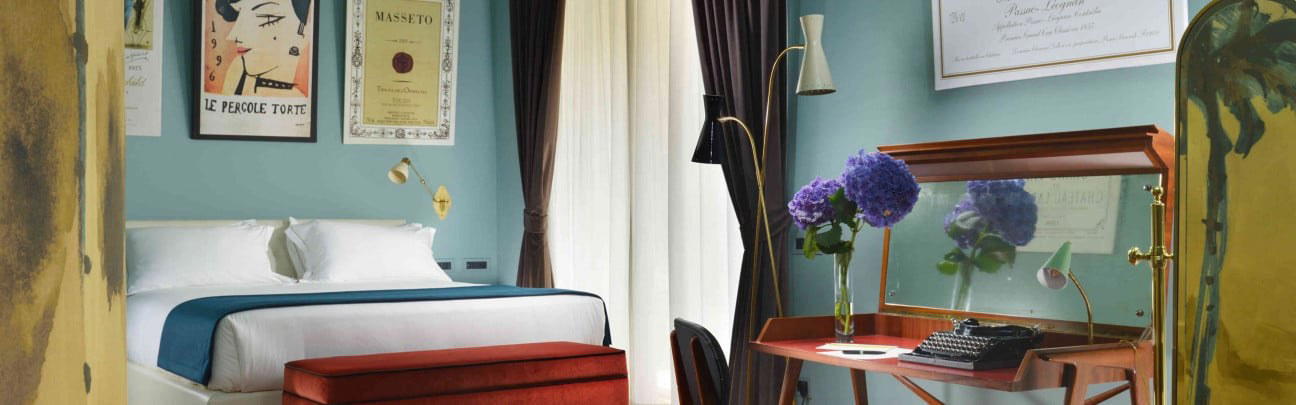
A Different Kind of Stillness in Rome's Historic Centre
Rome's luxury hotel scene has fractured along predictable lines in recent years. At one end sit the grand-boulevard flagships, properties whose identities are inseparable from their terraces, their restaurants, and the volume of guests moving through them daily. At the other end, a quieter cohort has emerged: small-key properties on side streets where the architecture does the talking and the programming stays deliberately narrow. Hotel De' Ricci, on Via della Barchetta in the Regola rione, belongs to this second group. The address alone signals the intention: a short walk from Campo de' Fiori, a few minutes from Piazza Navona, but removed from the foot traffic that defines both. This is the kind of Rome that rewards pedestrian curiosity over itinerary efficiency.
The surrounding neighbourhood gives De' Ricci its character by proximity. Regola is one of the city's older residential quarters, dense with medieval street lines and largely untouched by the hotel development that has concentrated further north around the Spanish Steps and Via Veneto. Staying here puts guests inside a working Roman neighbourhood rather than beside it, which changes the rhythm of a stay in ways that no amount of lobby design can manufacture. Comparable boutique properties in Rome, among them Hotel Vilòn, Maalot Roma, and Portrait Roma, have built their reputations on this same logic: scale down, localise the identity, and trust that the guest wants depth over breadth.
The Cellar as the Property's Centre of Gravity
What separates De' Ricci from the broader boutique tier is the degree to which wine structures the guest experience. The cellar here is not decorative. Staff are composed of professional sommeliers, which is a material distinction: it means the wine programme has depth and navigational expertise behind it, not simply a well-stocked list. In a city where wine is often an afterthought relative to food, fielding a sommelier team at a hotel of this scale is a considered positioning choice.
Italy's wine geography rewards this kind of specialisation. The country produces more classified wine varieties than any other, and Rome sits at a crossroads between the volcanic whites of the Castelli Romani to the south, the Sangiovese-heavy reds of Tuscany to the north, and the increasingly serious producers of Campania and Abruzzo to the east and south-east. A cellar with genuine curatorial ambition can use that geography as its brief. Whether De' Ricci's programme leans into central Italian production or ranges more broadly across the peninsula, the professional staffing model implies that the selection is built to be discussed and interrogated, not simply poured.
This positions the property differently from Rome's larger luxury players. Bulgari Hotel Roma and Hotel Eden both carry serious wine programmes, but they arrive embedded in full-service restaurant and bar operations where wine is one component among many. Hassler Roma and JK Place Roma operate similarly. At De' Ricci, the cellar appears to function as a primary reason to be there, which is a more unusual framing and one that appeals to a specific type of traveller.
Wine, Rest, and the Case for Slowing Down
There is a coherent argument, increasingly made in premium travel, that serious engagement with wine is itself a form of retreat. The rituals it requires, attention to temperature and glassware, unhurried conversation, the discipline of tasting rather than consuming, run counter to the pace that most city hotels implicitly encourage. In that framing, a property built around a sommelier-led cellar is making a quiet argument for a different tempo of stay.
This is the logic that underlies many of Italy's most considered rural escapes. Properties like Rosewood Castiglion Del Bosco in Montalcino and Castello di Reschio in Lisciano Niccone have made wine-adjacent programming, cellar tours, producer visits, harvest participation, central to their appeal as retreats. Casa Maria Luigia in Modena applies the same thinking to food and drink culture more broadly. De' Ricci brings a version of that logic into a city context, where the cellar becomes an anchor point around which an unhurried stay is organised.
For travellers who find Rome's standard luxury hotel offer either too large in scale or too removed from actual neighbourhood life, this is a coherent alternative. Properties in other Italian cities that have found similar ground include Aman Venice and Four Seasons Hotel Firenze, though both operate at considerably greater scale. The smaller-key comparison would be Passalacqua in Moltrasio, which has built an international reputation on limited rooms, precise hospitality, and a tight sense of place.
How De' Ricci Sits Among Rome's Boutique Options
Rome's boutique hotel tier is more crowded than it was a decade ago, and differentiation has become harder. Hotel Locarno holds its position through heritage and visual personality. Hotel Vilòn uses Prati-adjacent calm and design restraint. De' Ricci's point of difference is narrower but more specific: it is, as far as Rome's boutique tier goes, the property where wine is not peripheral but structural. That specificity is either exactly what a guest is looking for or entirely beside the point, and the clarity of that proposition is itself useful.
Travellers building an Italian itinerary around wine and considered stays will find De' Ricci sits logically alongside properties like Borgo Egnazia in Savelletri di Fasano, Borgo Santandrea on the Amalfi Coast, or Il Pellicano in Porto Ercole as places that offer something specific rather than comprehensive. For a wider view of Rome dining to pair with a stay, see our full Rome restaurants guide.
Planning Your Stay
Hotel De' Ricci sits on Via della Barchetta 14 in Rome's Regola district, within walking distance of Campo de' Fiori, the Pantheon, and the Tiber embankment. The area is well connected by taxi and on foot to most of the city's historic sites, though the narrow medieval streets make it impractical for larger vehicles. Given the wine-centred programming, booking through the hotel directly is advisable to ensure sommelier access and any cellar appointments can be arranged in advance. Rome's spring and autumn shoulder seasons, roughly March through May and September through November, offer the most comfortable conditions for neighbourhood walking and outdoor dining, both relevant to a stay built around deliberate pace rather than attraction-checking. Those arriving from the US who want to understand comparable wine-anchored hospitality programming in a different context might reference Aman New York or The Fifth Avenue Hotel as properties that apply a similar philosophy of restraint at scale, though De' Ricci's register is considerably more intimate.
Comparable Venues
Comparable venues nearby, for context on price, style, and recognition.
| Venue | Cuisine | Price | Awards | Notes |
|---|---|---|---|---|
| Hotel De' RicciThis venue (the venue you are viewing) | repurposed historic palazzo with modern luxury hospitality focused on wine enthusiasts | Not listed | Michelin Selected · Mr & Mrs Smith Seal of Approval | Not listed |
| Palazzo Velabro | Historic 18th-century mansion remodeled as a design-forward boutique hotel blending timeless architecture with modern luxury. | $200–300 | Michelin Selected · Mr & Mrs Smith Seal of Approval | Ripa |
| 47 Boutique Hotel | Refined oasis of elegance and sustainability in a historic brick building with themed floors celebrating Rome’s art and design. | $200–300 | Michelin Selected | Ripa |
| Casa Montani | Intimate luxury townhouse guesthouse in historic palazzo | $200–300 | Michelin Selected | Flaminio |
| Casa Monti Roma | Boutique luxury in restored 18th-century palazzo. | Not listed | Michelin Selected · Mr & Mrs Smith Seal of Approval | Monti |
| Trastevere Roma UNA Esperienze | Contemporary luxury boutique hotel blending modern design with authentic Roman charm, positioned as a refined urban retreat in a historic neighborhood. | $100–200 | Preferred Hotels Member | Trastevere |
Recognition history
Dated appearances from independent guides and award organizations, with the underlying list record or original source where available.
Michelin Selected
Michelin
Mr & Mrs Smith Seal of Approval
Mr & Mrs Smith
Small Luxury Hotels of the World Member
Small Luxury Hotels of the World
Continue exploring
More in Rome
Hotels in Rome
All hotels in Rome →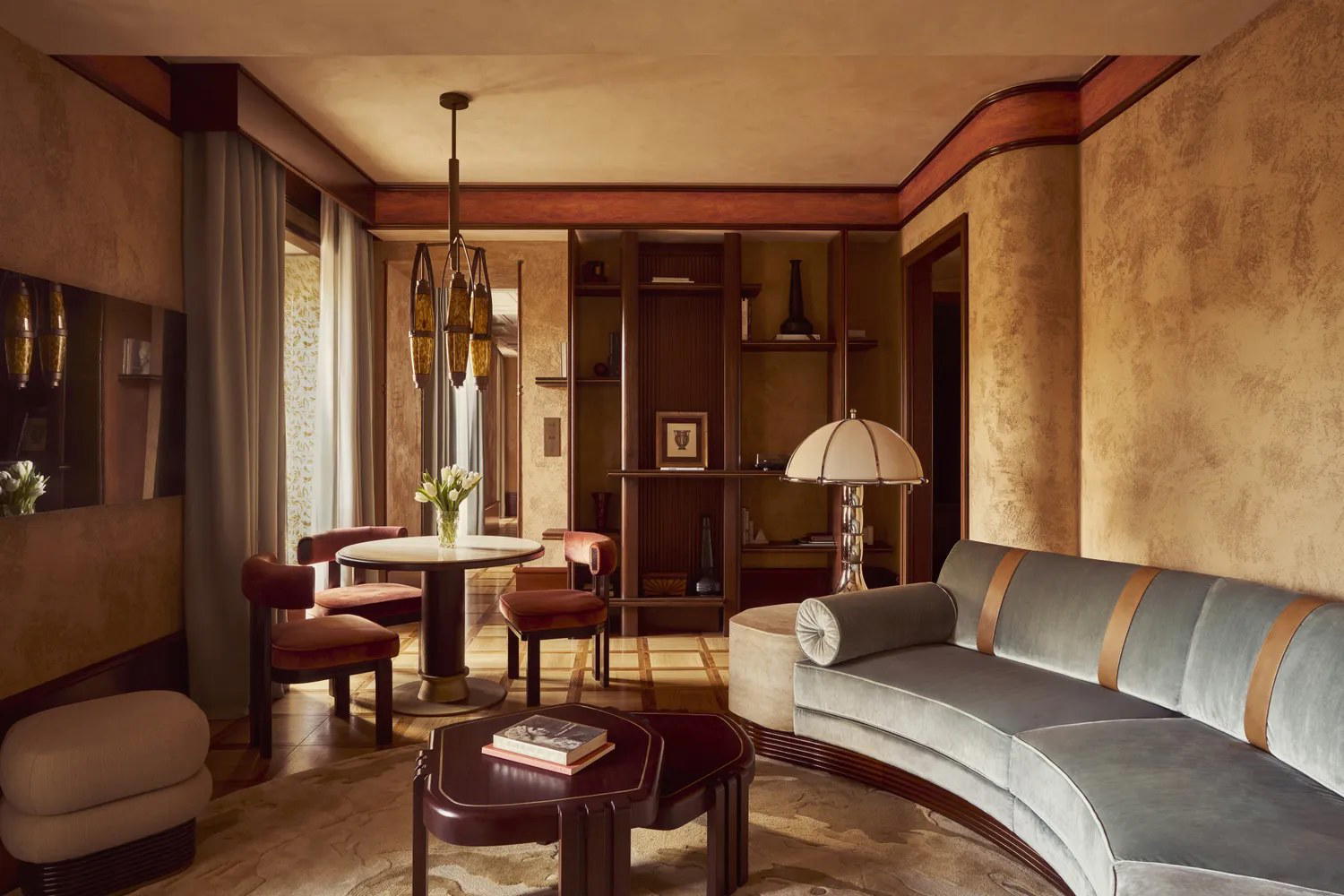
Bars in Rome
All bars in Rome →
Restaurants in Rome
All restaurants in Rome →

Details
- Romantic
- Elegant
- Sophisticated
- Intimate
- Cozy
- Romantic Getaway
- Anniversary
- Honeymoon
- Historic Building
- Terrace
- Wi Fi
- Room Service
- Concierge
- Spa
- Bar
- Street Scene
- Elevator
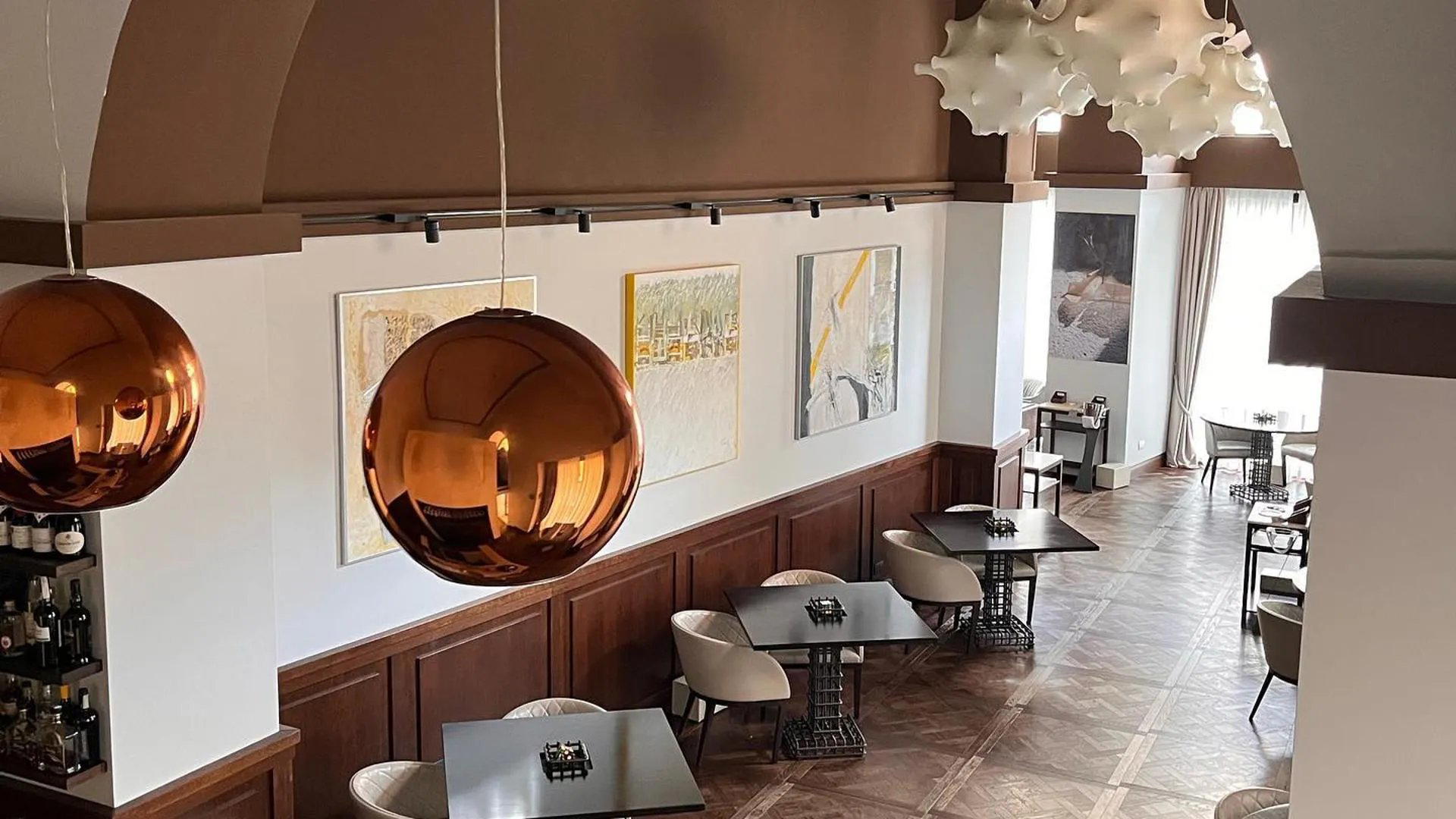
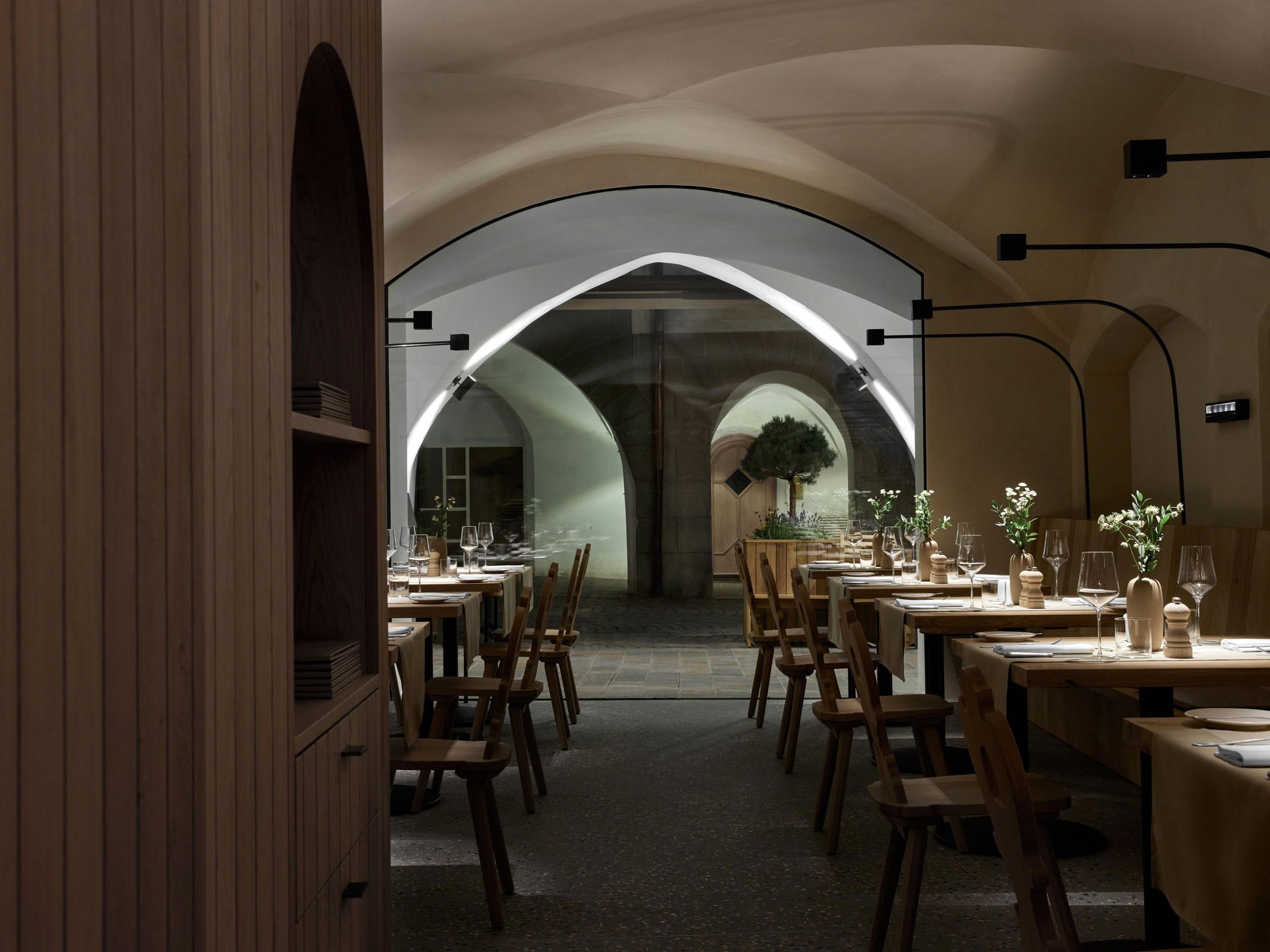
Intimate and elegant with warm lighting, plush furnishings, Roman frescoes, distinctive wallpapers, and a sophisticated cigar lounge/wine bar atmosphere.