Matsuzakaya Honten

Michelin Selected
Set in the Ashinoyu area of Hakone, Matsuzakaya Honten carries a 2025 Michelin Selected distinction, placing it among a small tier of recognised traditional ryokan in one of Japan's most visited onsen regions. The property's address at the sulphurous heart of Ashinoyu signals a commitment to the older, mineral-heavy hot spring tradition rather than the manicured resort corridors that define much of contemporary Hakone.

Pearl is the En Primeur Club membership app — saves, bookings, and concierge access live there. Same editors, same standards.
- Address
- 57 Ashinoyu, Hakone, Ashigarashimo District, Kanagawa 250-0523, Japan
- Phone
- +81 460-83-6511
- Website
- kinnotake-resorts.com
- Directions
- Get directions
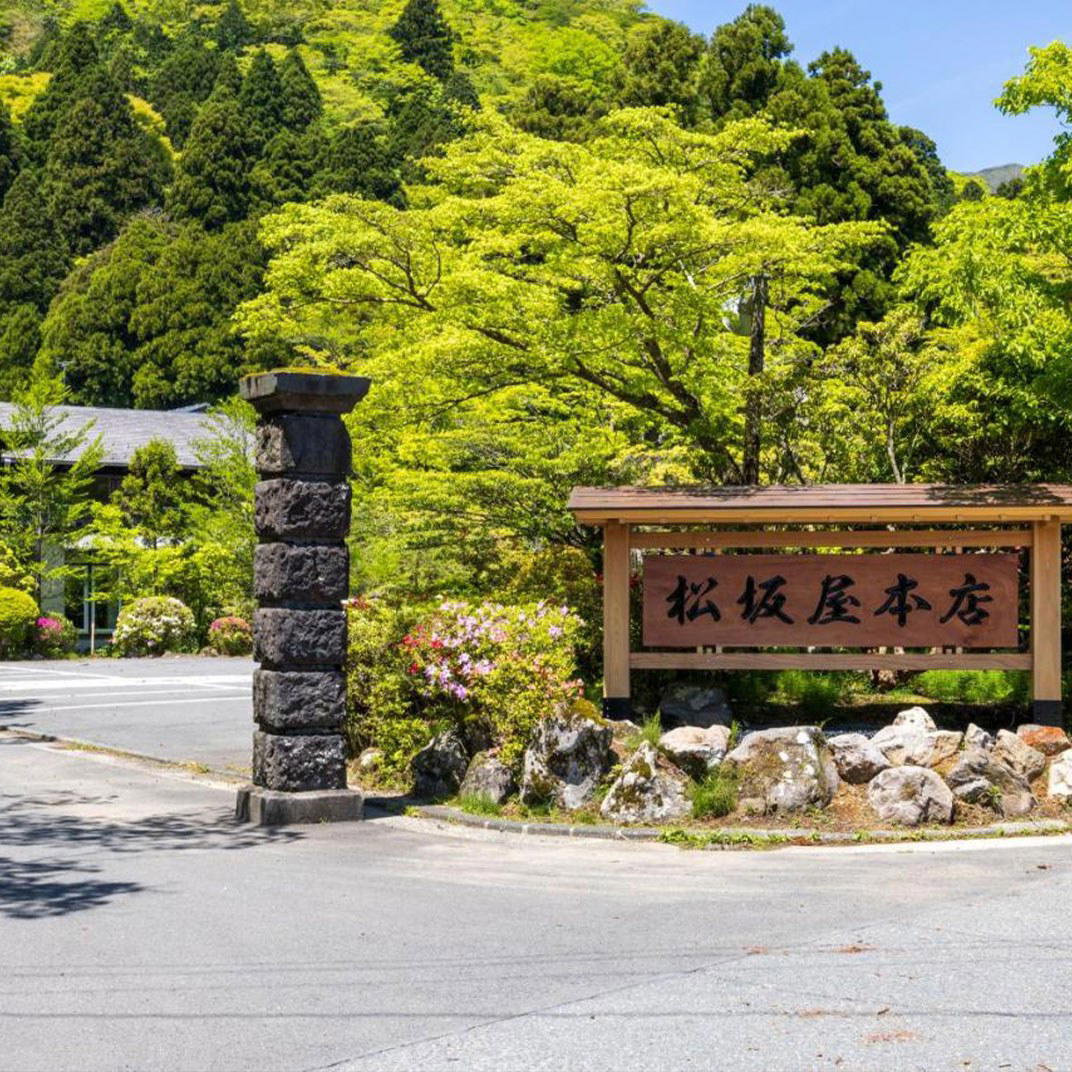
Ashinoyu and the Architecture of Immersion
The Ashinoyu area sits at one of Hakone's highest and most geothermally active elevations, where the sulfurous vapour is visible from the road and the landscape feels closer to the volcanic than the pastoral. Ryokan that have chosen this location have implicitly made a statement about priority: proximity to the source over convenience to transport links or lakeside views. Matsuzakaya Honten, addressed directly at Ashinoyu 57, belongs to that older tradition of placing the bath, and the mineral logic behind it, at the centre of the stay rather than at its periphery.
The wider category of traditional Japanese inn has split in recent years into at least two recognisable directions. One direction runs toward contemporary design hotels with onsen access — properties like nol hakone myojindai and Sengokubara COCON reflect a design-led sensibility that appeals to younger travellers interested in aesthetics alongside immersion. The other direction runs toward properties with decades of accumulated form, where the architecture is itself part of the offering — timber corridors, engawa verandas, rooms arranged to frame garden views or volcanic steam rather than to optimise square footage. Matsuzakaya Honten sits in the second cohort.
The Physical Logic of the Traditional Ryokan
Understanding what Matsuzakaya Honten offers requires understanding what the traditional ryokan format asks of its architecture. In the leading examples of the form, the building is not a container for activities but a sequence of spatial transitions: the genkan entry, the corridor to the room, the room itself with its changing view from morning to evening, the path to the bath. The transitions are as deliberate as the destinations. Timber, shoji screens, tatami, and the particular quality of light filtered through washi paper are not decorative choices, they are structural to the experience of slowing down that these buildings were built to produce.
Ashinoyu's thermal character adds a further layer to this spatial logic. The onsen water here is drawn from springs that register among Hakone's more mineralised sources, and buildings that have operated in this zone for many years carry that context in their bones as much as in their plumbing. For a property like Matsuzakaya Honten, the address is inseparable from the identity.
Hakone's most referenced high-end ryokan, Gora Kadan, occupies a former imperial villa site in Gora with strong architectural provenance and sits at the top of the region's price bracket. Hakone Retreat Villa 1/f represents the architect-designed end of the contemporary spectrum. Matsuzakaya Honten's 2025 Michelin Selected status positions it within the recognised tier without placing it in competition with either of those formats. It occupies a different register: traditional in form, geothermally privileged in location.
Michelin Selection and What It Signals Here
The Michelin Selected designation for hotels, distinct from the star system applied to restaurants, functions as a curatorial signal rather than a hierarchical ranking. Properties that carry it have met a threshold of quality and character that the Michelin editorial team considers worth directing travellers toward, but the designation does not imply equivalent standing among all properties that hold it. What it does imply, consistently, is that the property has something worth the detour: a setting, a service approach, or a physical character that differentiates it within its region.
For Matsuzakaya Honten in 2025, that signal is meaningful in the context of Hakone, where the density of accommodation options is high and the range of quality is wide. The Hakone area includes everything from large resort hotels like the Hyatt Regency Hakone Resort and Spa to smaller boutique properties, and Michelin Selected status helps distinguish a subset of properties within that field. The Hakone Kowakien Tenyu and Hotel Indigo Hakone Gora also sit within the broader Hakone recognised accommodation tier, representing the international brand end of that spectrum.
Hakone in Context: A Region of Layered Traditions
Hakone draws more than twenty million visitors per year and sits within ninety minutes of Tokyo by the Romancecar limited express from Shinjuku, making it one of the most accessible premium onsen destinations in Japan. That accessibility cuts both ways: it ensures a steady demand for accommodation across all categories, and it also means that properties which have maintained a consistent traditional character over decades are doing so against economic pressure to modernise or expand. The ryokan format, particularly in its most traditional expression, requires significant staffing relative to room count and offers limited opportunity to increase yield through new amenities. Properties that have remained in that format through multiple generations of ownership are making a long-term argument about what the experience is for.
For comparable traditional ryokan settings across Japan, the pattern holds: Asaba in Izu, Nishimuraya Honkan in Kinosaki, and Kamenoi Besso in Yufu each represent ryokan that have maintained architectural and service character over long periods, and each sits in a geothermally active region where the bath is central to the stay. Matsuzakaya Honten belongs to that broader national pattern. For travellers interested in the Japanese inn tradition at its more atmospheric and less designed end, the full Hakonemachi Ashigarashimo Gun guide provides a map of how the various properties in the region relate to one another.
Planning a Stay
Ashinoyu sits in the western section of the Hakone National Park, accessible by the Hakone Tozan Bus from Hakone-Yumoto station, which itself connects directly to Odawara on the Shinkansen and to Shinjuku via the Romancecar. The area is less immediately walkable than Gora or Hakone-Yumoto town, which means staying in Ashinoyu commits the traveller to the property rather than to a neighbourhood of restaurants and shops. For a traditional ryokan stay where dinner and breakfast are included in the room rate, as is standard in the ryokan format, this is by design rather than by limitation. Booking in advance is advisable for weekend and public holiday dates, when Hakone experiences high demand from Tokyo day-trippers and overnight visitors. The shoulder seasons of late autumn, when the maple foliage is at its most pronounced across the national park, and early spring, before the main tourist surge, offer a different quality of visit.
For travellers building a longer Japan itinerary that includes both urban and onsen stays, properties like Bvlgari Hotel Tokyo and HOTEL THE MITSUI KYOTO represent the luxury hotel end of the spectrum, while a night in Hakone at a property like Matsuzakaya Honten offers the complementary register: unhurried, bath-centred, and physically rooted in the volcanic geography that defines this part of Honshu. Further afield, Amanemu in Mie and Zaborin in Hokkaido represent the highest-investment end of the onsen stay format in Japan.
How It Stacks Up
A quick peer reference to anchor this venue in its category.
| Venue | Price | Awards |
|---|---|---|
| Matsuzakaya HontenThis venue — the venue you are viewing | Not listed | Michelin Selected |
| Hakone Retreat Villa 1/f | Not listed | Michelin Selected |
| Hyatt Regency Hakone Resort and Spa | $300–500 | Michelin Selected |
| Gora Kadan | Not listed | 3 Michelin Keys · La Liste Top Hotels |
| Sengokubara COCON | $750–1,000 | Michelin Selected |
| nol hakone myojindai | $100–200 | Michelin Selected |
Recognition history
Dated appearances from independent guides and award organizations, with the underlying list record or original source where available.
Michelin Selected
Michelin
Continue exploring
More in Hakonemachi, Ashigarashimo Gun
Hotels in Hakonemachi, Ashigarashimo Gun
Browse all →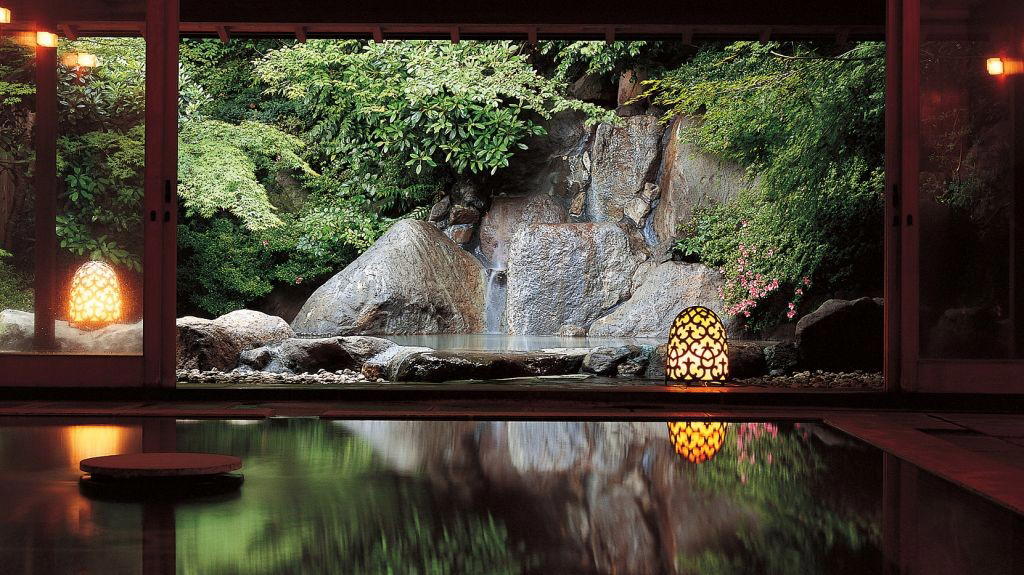
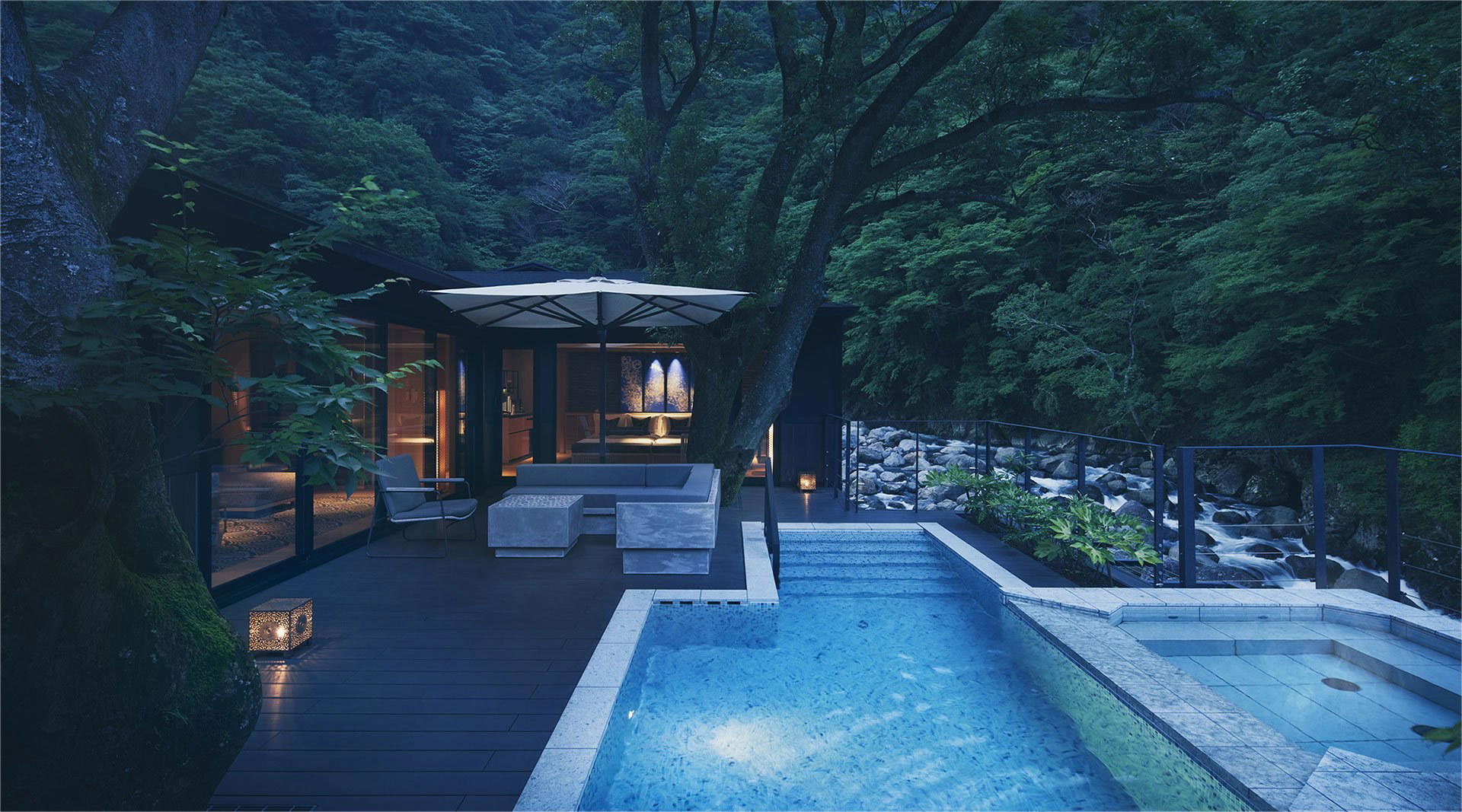
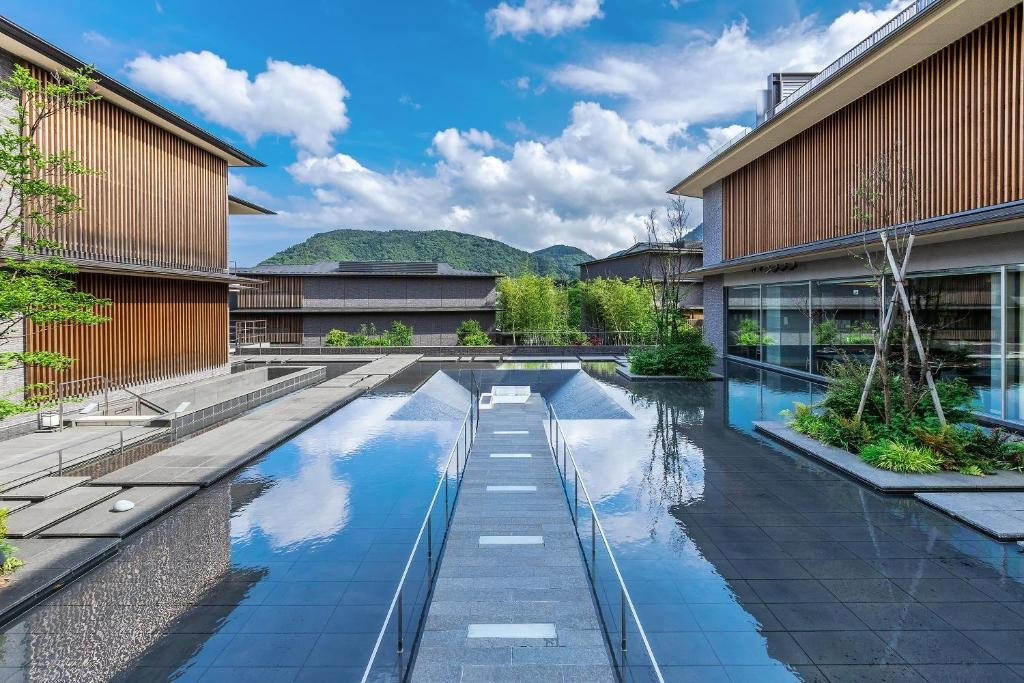
Bars in Hakonemachi, Ashigarashimo Gun
Browse all →
Restaurants in Hakonemachi, Ashigarashimo Gun
Browse all →
Wineries in Hakonemachi, Ashigarashimo Gun
Browse all →
Details
- Classic
- Quiet
- Elegant
- Sophisticated
- Romantic
- Scenic
- Wellness Retreat
- Romantic Getaway
- Anniversary
- Weekend Escape
- Historic Building
- Garden
- Panoramic View
- Private Dining
- Destination Spa
- Restaurant
- Bar
- Garden
- Spa
- Mountain
- Garden
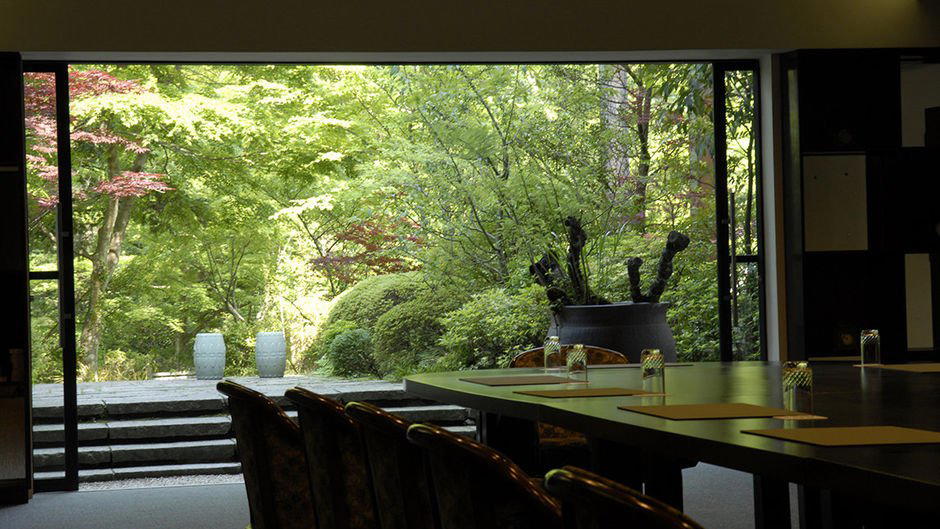
Historic and refined, with a blend of traditional Japanese architecture and preserved Meiji-era and European-Japanese nostalgic design elements; the atmosphere is described as quiet, elegant, and deeply relaxing, with garden views, wood details, and onsen-focused serenity.