Hyatt Regency Hakone Resort and Spa

Michelin Selected
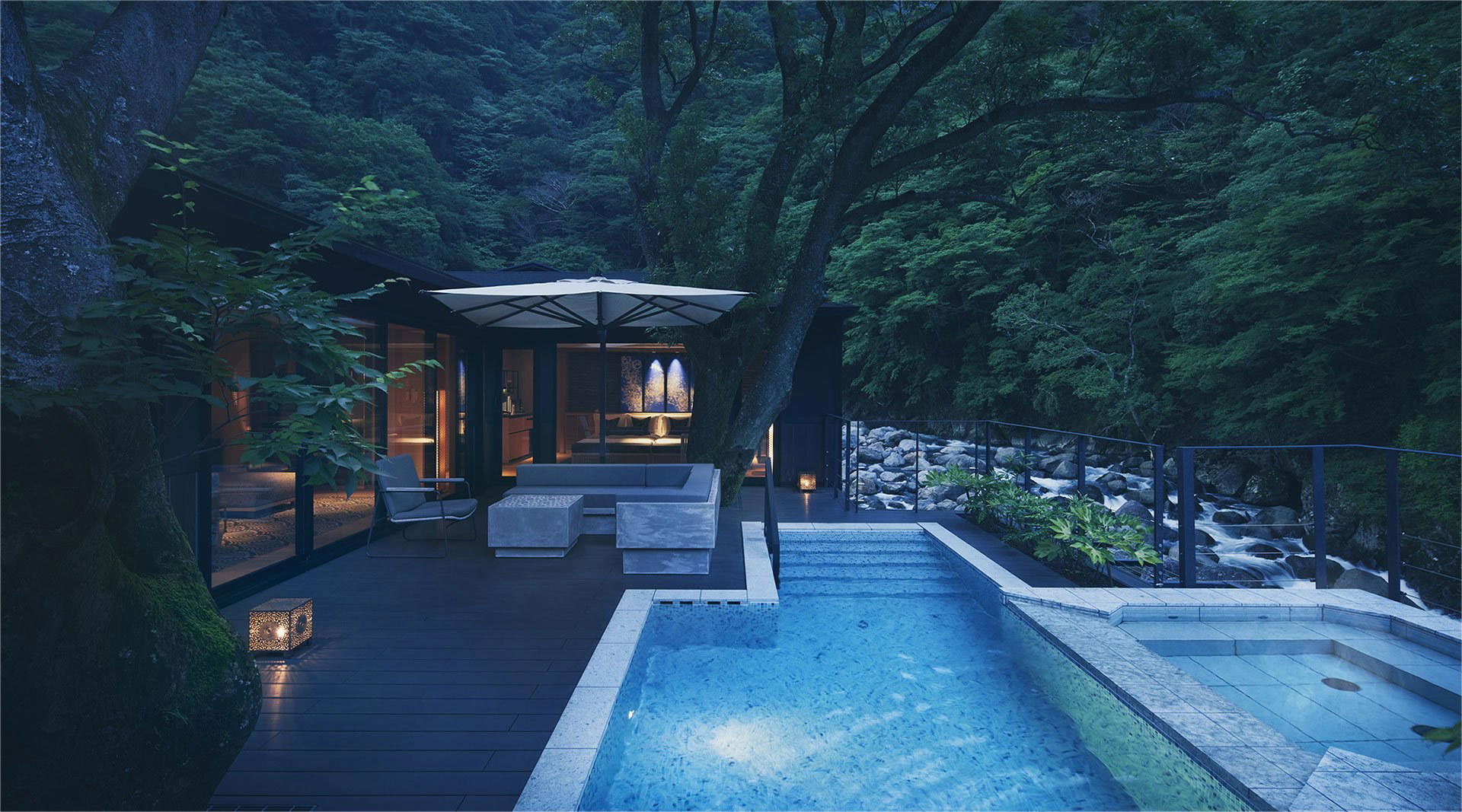
Sitting in the forested hills of Gora, the Hyatt Regency Hakone Resort and Spa occupies a position that places international hotel infrastructure alongside one of Japan's most visited onsen districts. Michelin Selected in 2025, the property draws guests who want Hakone's mountain-and-volcanic-spring character without relinquishing the service consistency of a major hotel brand.

Pearl is the En Primeur Club membership app — saves, bookings, and concierge access live there. Same editors, same standards.
- Address
- 1320 Gora, Hakone, Ashigarashimo District, Kanagawa 250-0408, Japan
- Phone
- +81 460-82-2000
- Website
- hyatt.com
- Directions
- Get directions
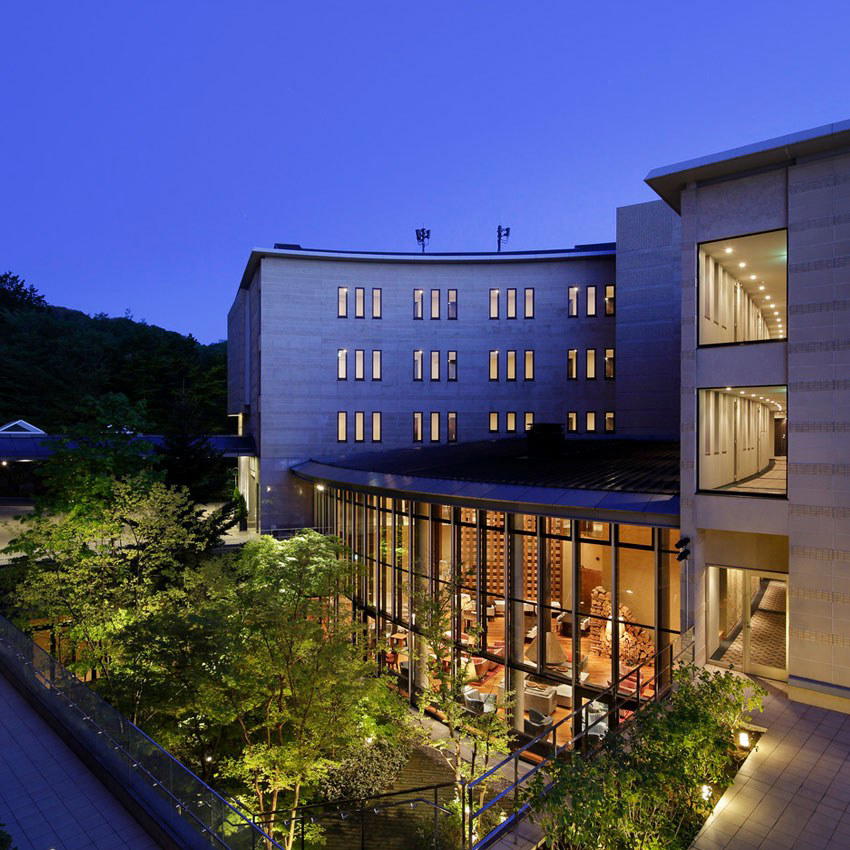
Gora in the Morning
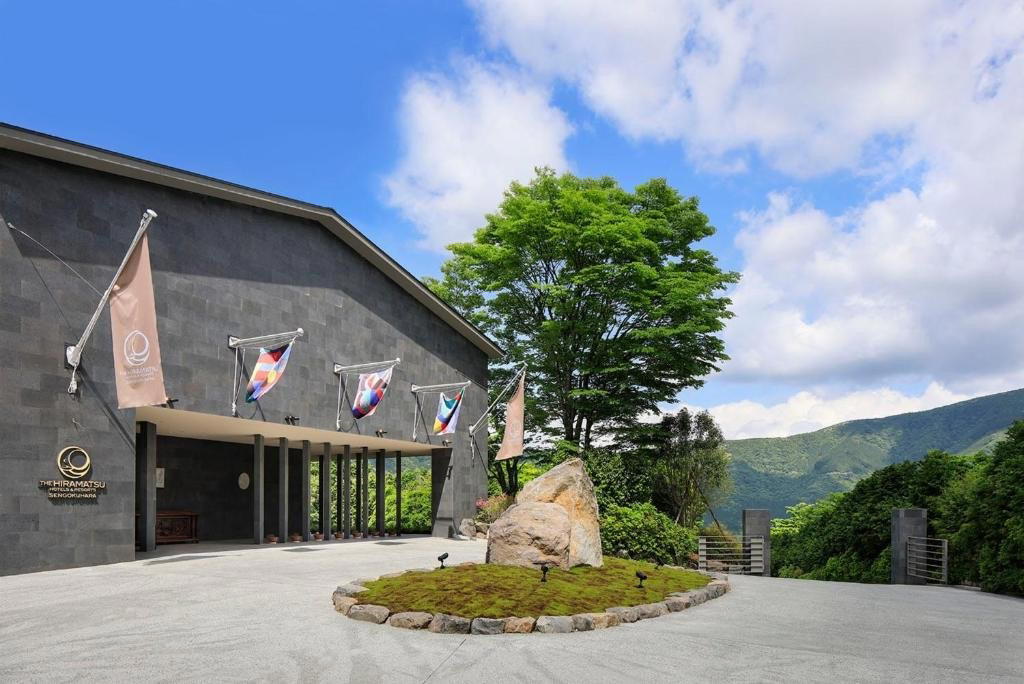
Arrive at Gora by the Hakone Tozan Railway in the early hours and the atmosphere is unmistakable: cedar-scented air, the low rumble of the rack railway receding, and the particular quiet that settles over mountain resort towns before the day-trip crowds ascend from Odawara. The Hyatt Regency Hakone Resort and Spa occupies an address at 1320 Gora, which places it at the upper reaches of the Gora district, where the tree cover is denser and the elevation makes the air noticeably cooler than the lakeside zones around Hakone-Machi and Moto-Hakone. That positioning is not incidental. Gora has long drawn the tier of Japanese resort hospitality that values a degree of remove from the tourist circuit, and properties like Gora Kadan and Hotel Indigo Hakone Gora have anchored a sub-district identity around considered retreating rather than sightseeing convenience.
Where the Hyatt Brand Meets Japanese Resort Logic
International hotel brands operating in Japanese onsen districts face a structural question: how much do you localize, and at what cost to the operational consistency that defines the brand's global appeal? Properties like Hakone Retreat Villa 1/f and nol hakone myojindai sit firmly in the ryokan-influenced, design-led tier where local materials and seasonal ritual govern the guest experience. The Hyatt Regency Hakone occupies a different position: a property where the service architecture of a multinational loyalty program coexists with the onsen format, making it a natural choice for international travellers who are still building familiarity with Japanese resort conventions and prefer to have that learning curve supported by staff trained across a globalised hospitality language.
That positioning has a clear validation point. The Michelin Guide's 2025 hotel selection included the Hyatt Regency Hakone, placing it in the same recognized cohort as a number of smaller, independently operated properties across the Kanto and Tokai regions. Michelin's hotel selections in Japan have generally skewed toward properties that demonstrate consistency of service rather than novelty of concept, which aligns with what an international-brand resort in this location is expected to deliver.
Service as the Differentiator in a Crowded Onsen District
Hakone's accommodation market has fragmented considerably. At one end, you have destination ryokan operations like Matsuzakaya Honten and Sengokubara COCON, where the guest experience is inseparable from the specific cultural codes of Japanese inn hospitality — the sequence of arrival tea, the yukata protocol, the kaiseki service timing. At the other, you have large-format resort hotels where the onsen facilities are an amenity rather than the organising principle of the stay.
The Hyatt Regency Hakone positions itself closer to the latter model while still integrating the thermal bath format that makes Hakone meaningful as a destination. In Japanese resort hospitality more broadly, the question of how international brands handle the onsen component has become a useful indicator of where a property sits in terms of cultural engagement. Properties that treat the baths as a checkbox — a feature listed in the amenities column, tend to read as transactional. Properties that build the rhythm of the guest day around bath timing, seasonal bathing customs, and staff-guided ritual tend to read as committed to the format regardless of brand ownership.
For a guest arriving from outside Japan, the Hyatt Regency's specific advantage is legibility. The language of the stay, check-in, concierge access, dining reservation, spa booking, follows a framework that reduces friction for guests who are not yet fluent in the conventions of a traditional Japanese inn. That is a genuine practical value in a destination where the ryokan format can feel opaque or even intimidating on a first visit. The comparable properties across Japan that occupy this international-brand-plus-onsen niche include Halekulani Okinawa and, at the more design-conscious end, Benesse House in Naoshima, properties where international frameworks and Japanese place identity coexist, each managing the balance differently.
Hakone in the Context of Japanese Resort Travel
Hakone sits roughly 90 kilometres southwest of Tokyo and, by the Romancecar express service from Shinjuku, is reachable in around 85 minutes. That proximity to the capital has shaped the destination's character more than almost any other single factor. Hakone is Japan's most accessible volcanic-spa mountain district for Tokyo-based travellers, which makes it simultaneously more visited and more varied in its accommodation offer than comparable onsen regions like Kinosaki, where Nishimuraya Honkan operates in a much quieter, more homogeneous environment, or the Izu Peninsula, where Asaba draws a specifically art-and-garden-focused clientele.
Within that variety, Gora specifically has attracted a cluster of properties that aim higher than the mid-market bus-tour hotel tier that dominates parts of Hakone near the lake. For guests building a wider Japan itinerary, pairing Hakone with a Tokyo stay at a property like Bvlgari Hotel Tokyo or a Kyoto stay at HOTEL THE MITSUI KYOTO creates a coherent premium circuit. The Hyatt Regency Hakone fits that itinerary logic for guests who want brand loyalty point accrual or the service familiarity of a known group across their entire Japan routing. For a more purely Japanese-inn experience, Gora Kadan remains the reference point in this district, with a heritage and format that skews more specifically toward guests seeking depth in the ryokan tradition.
Further afield in Japan, properties like Amanemu in Mie, Zaborin in Kutchan, and Fufu Nikko represent onsen hospitality at its most design-considered and remote. Those properties require a different kind of commitment, in travel time, in cultural engagement, and often in price. The Hyatt Regency Hakone occupies a different point on that access curve, one that suits a shorter stay or a trip where Hakone is one stop among several. See our full Hakonemachi Ashigarashimo Gun guide for broader context on the district's dining and accommodation patterns.
Planning a Stay
Hakone's high season runs from late March through early May (cherry blossom and Golden Week) and again in October and November when the maple foliage turns across the Owakudani valley and the surrounding cedar forests. Booking well ahead of those windows is standard practice across the district, and Gora properties in particular tend to fill before the lakeside hotels. The Hyatt Regency Hakone operates under the Hyatt reservations framework, which means direct booking through the Hyatt platform or World of Hyatt member channels. Midweek stays in shoulder season, June's ajisai hydrangea period or the quieter stretches of February, offer both availability and a meaningfully calmer version of the mountain environment. For guests comparing Hakone against other short-trip onsen options from Tokyo, Fufu Kawaguchiko near Mount Fuji represents a comparable access profile with a different landscape emphasis, while Hakone Kowakien Tenyu offers an alternative within the district for guests who prioritise a more enclosed resort format.
What It’s Closest To
Comparable venues nearby, for context on price, style, and recognition.
| Venue | Cuisine | Price | Awards | Notes |
|---|---|---|---|---|
| Hyatt Regency Hakone Resort and SpaThis venue — the venue you are viewing | modern mountain lodge with Japanese ambience | $300–500 | Michelin Selected | Not listed |
| Matsuzakaya Honten | Traditional onsen ryokan blending historic Edo and Meiji architecture with modern renovations | Not listed | Michelin Selected | Hakone |
| Sengokubara COCON | Renovated traditional Japanese company facility into modern luxury ryokan | $750–1,000 | Michelin Selected | Sengokuhara |
| Gora Kadan | Contemporary ryokan blending traditional Japanese architecture with modern luxury, set within a historic Imperial retreat. | Not listed | 3 Michelin Keys · La Liste Top Hotels | Gora, Hakone-machi |
| nol hakone myojindai | Hideaway resort hotel in a quiet villa area | $100–200 | Michelin Selected | Miyagino |
| Hakone Kowakien Tenyu | Contemporary ryokan blending traditional Japanese hospitality with modern comforts | $300–500 | Michelin Selected | Ninotaira |
Recognition history
Dated appearances from independent guides and award organizations, with the underlying list record or original source where available.
Michelin Selected
Michelin
Continue exploring
More in Hakonemachi, Ashigarashimo Gun
Hotels in Hakonemachi, Ashigarashimo Gun
Browse all →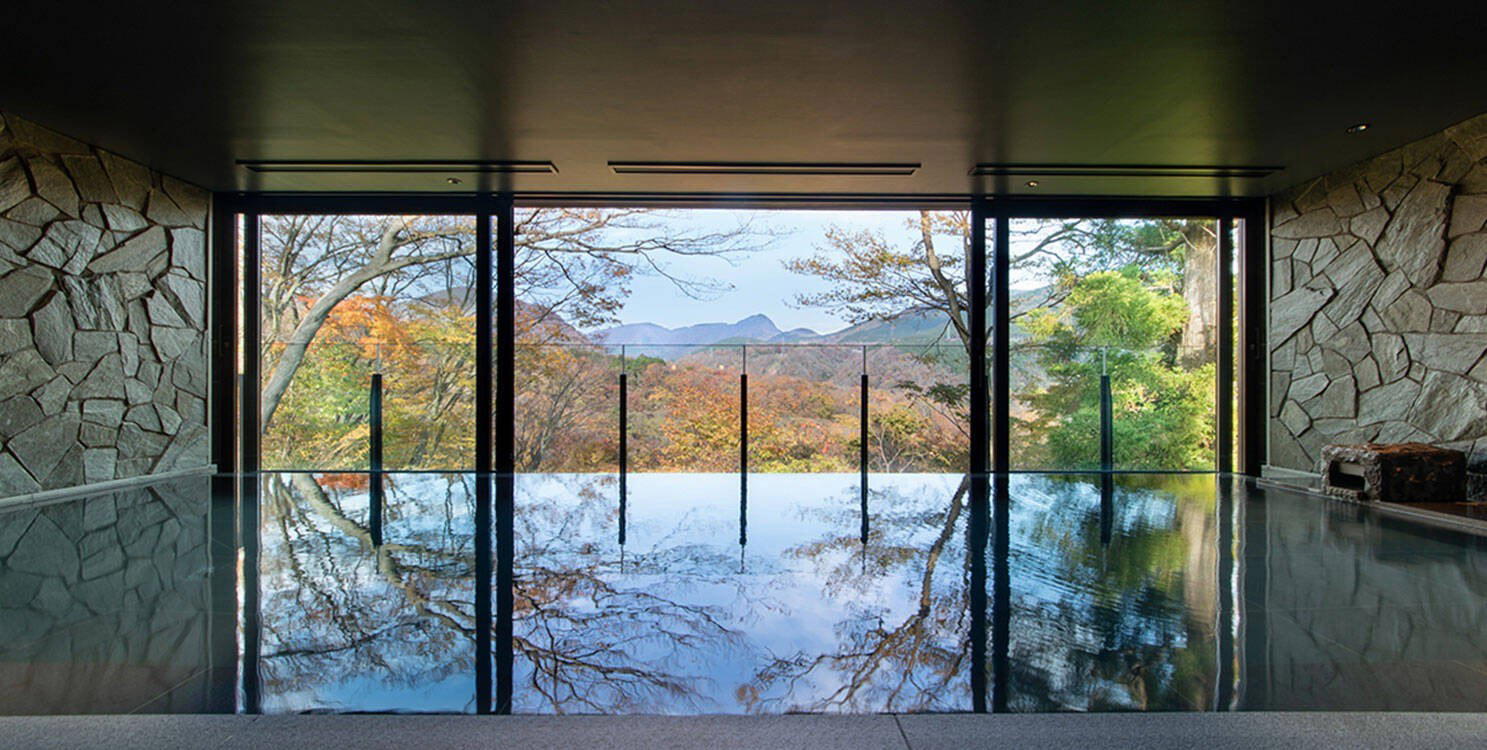
Bars in Hakonemachi, Ashigarashimo Gun
Browse all →
Restaurants in Hakonemachi, Ashigarashimo Gun
Browse all →
Wineries in Hakonemachi, Ashigarashimo Gun
Browse all →
Details
- Quiet
- Elegant
- Scenic
- Sophisticated
- Romantic Getaway
- Wellness Retreat
- Family Vacation
- Panoramic View
- Destination Spa
- Spa
- Wi Fi
- Room Service
- Concierge
- Mountain
- Wheelchair Accessible
- Step Free Entrance
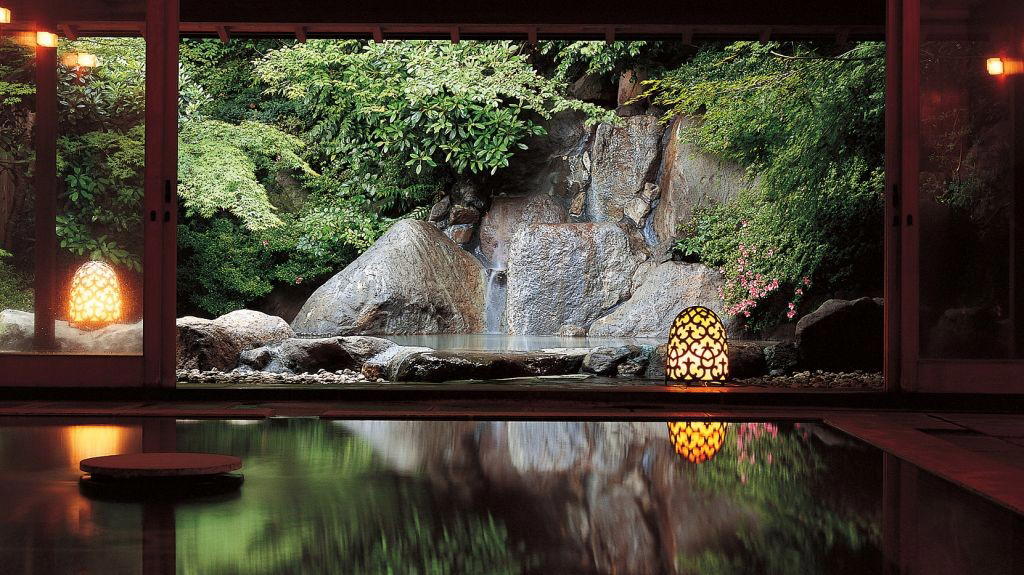
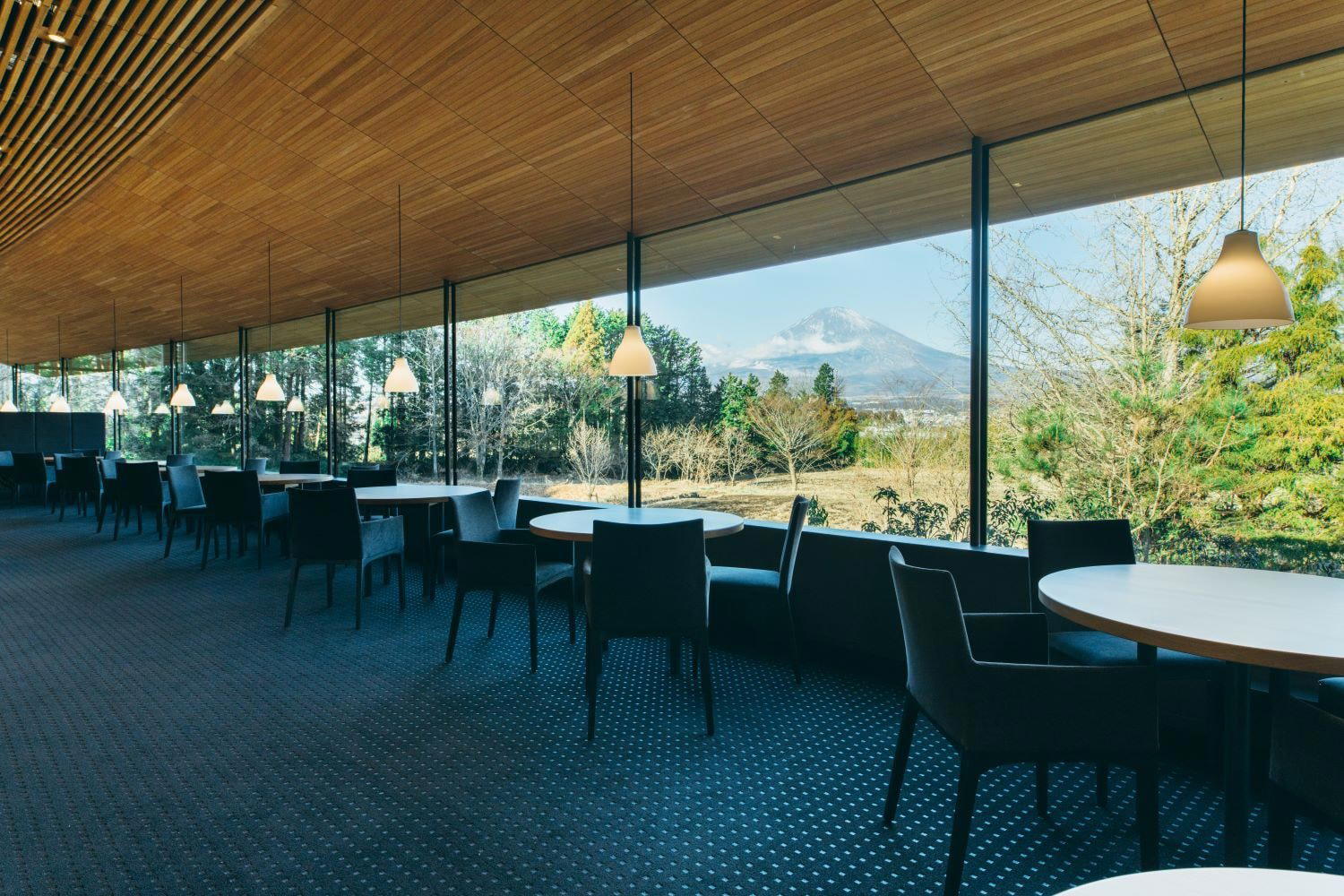
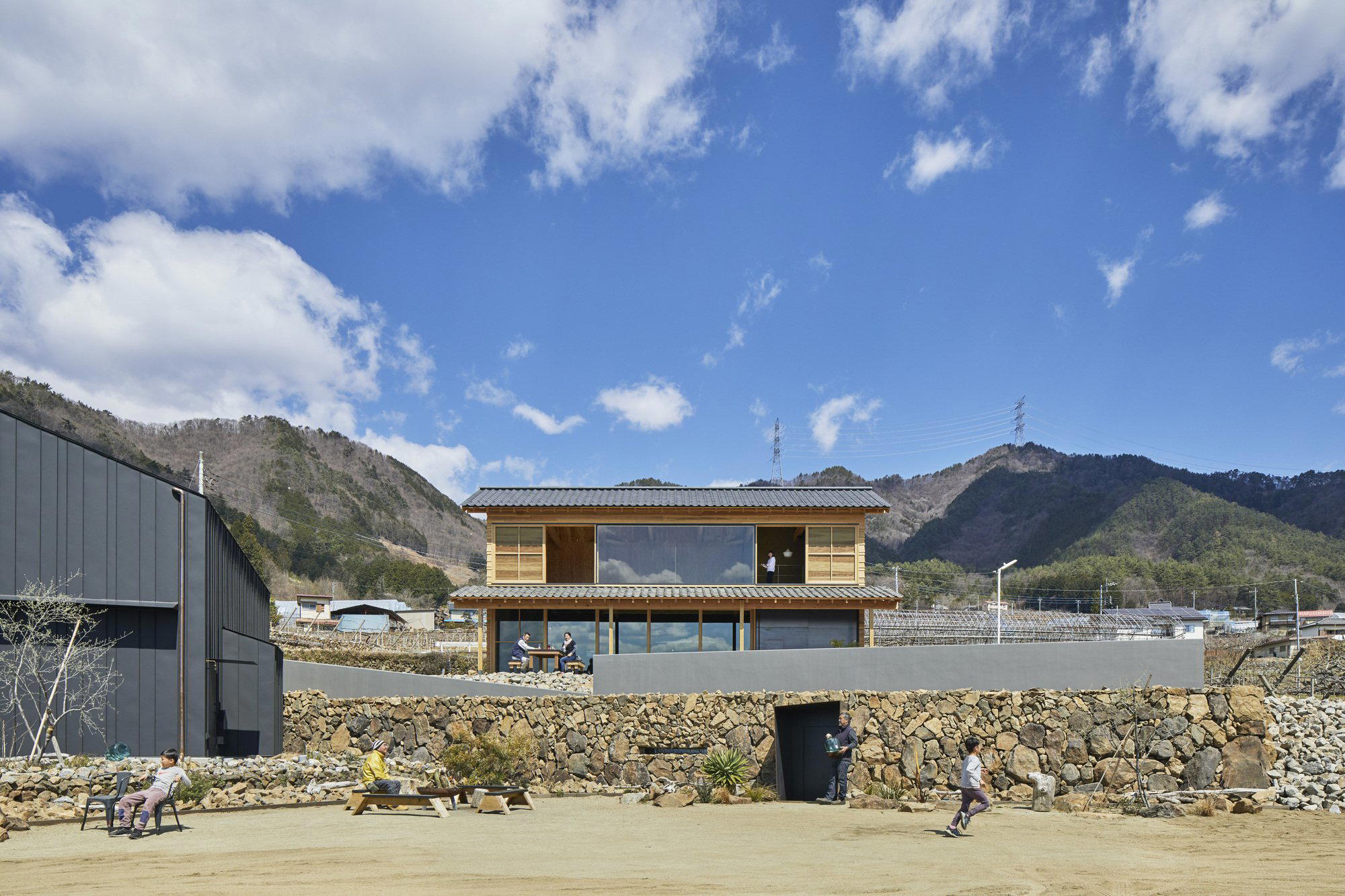
Tranquil and relaxing atmosphere with natural wood and stone accents, mood lighting, cozy lounge areas around log fires, and serene onsen experiences.