Nest Hotel Incheon


Michelin Selected · Design Hotels Member
Nest Hotel Incheon sits on Yeongjong Island's southern coastline, holding a 2025 MICHELIN Selected designation that places it among a small cohort of recognised properties near Incheon International Airport. The hotel's position between sea and sky gives it a physical identity that most airport-adjacent properties in the region do not attempt. A considered option for travellers seeking something beyond the transit-hotel formula.

Pearl is the En Primeur Club membership app — saves, bookings, and concierge access live there. Same editors, same standards.
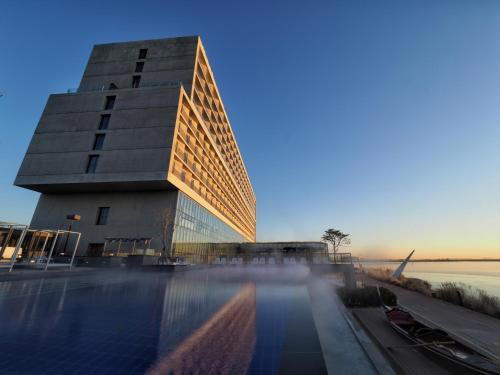
Where the Island Meets the Terminal Belt
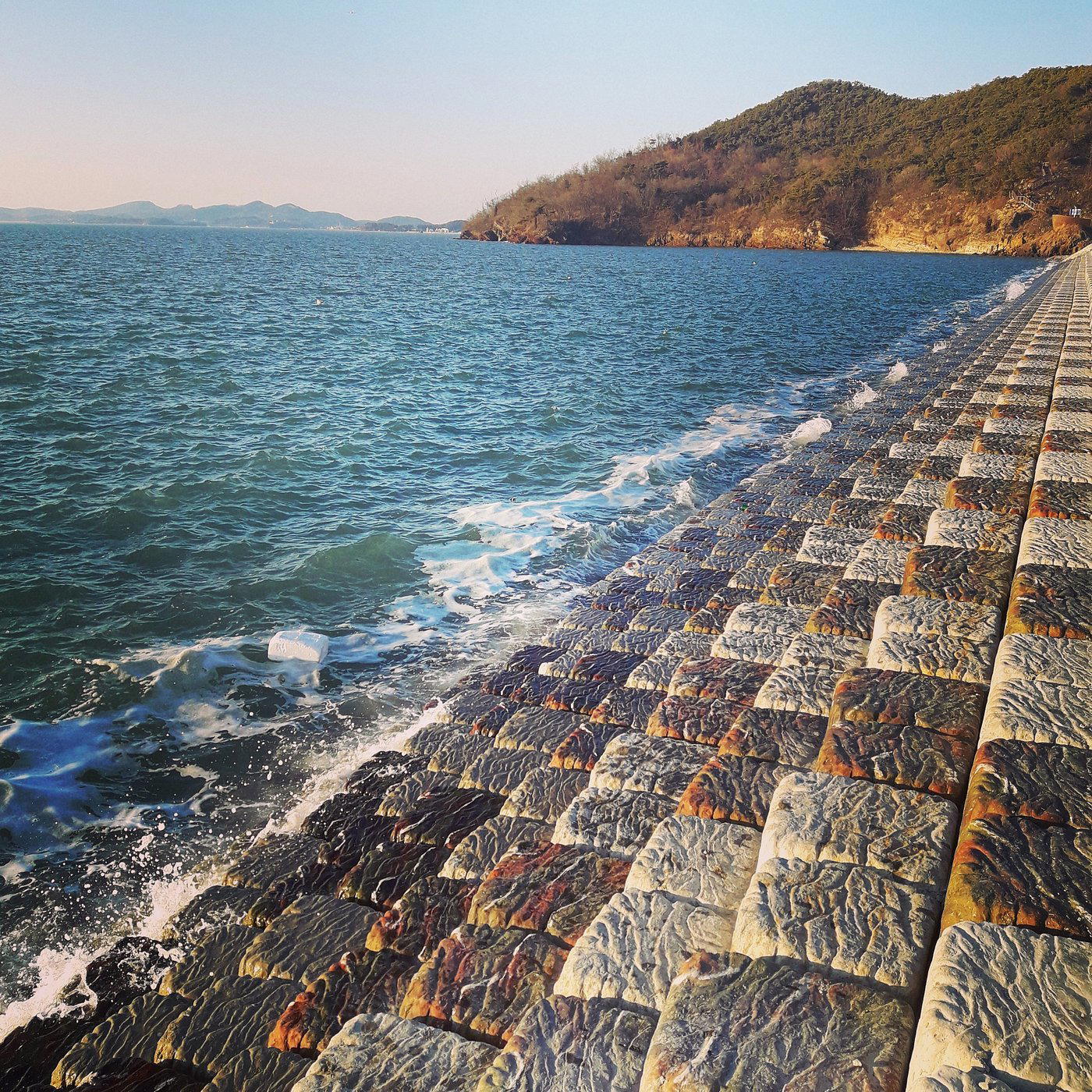
Most hotels within reach of Incheon International Airport make no claim on atmosphere. They are functional waypoints: a bed, a shuttle, a departure board. Nest Hotel Incheon, addressed at 19-5 Yeongjonghaeannam-ro on the southern shore of Yeongjong Island, operates on a different premise. The building faces the water rather than the highway, and that orientation is a design statement as much as a logistical fact. Arriving here, the visual priority shifts from asphalt infrastructure to open coastal horizon, a deliberate inversion of what the airport-hotel category typically offers.
Yeongjong Island itself sets the context. The island was substantially reshaped in the early 2000s to accommodate not just the airport but an entire hospitality and entertainment district, and the southern coastal strip where Nest Hotel sits has developed a distinct character from the busier northern zone around Incheon International. The southern shore carries a quieter, more residential quality, with tidal flats and open water framing the approach rather than terminal signage and cargo facilities. That geography rewards properties willing to acknowledge it architecturally, and Nest Hotel's positioning along Yeongjonghaeannam-ro, which translates approximately as the southern coastal road of Yeongjong, signals exactly that awareness.
The Architecture of Restraint
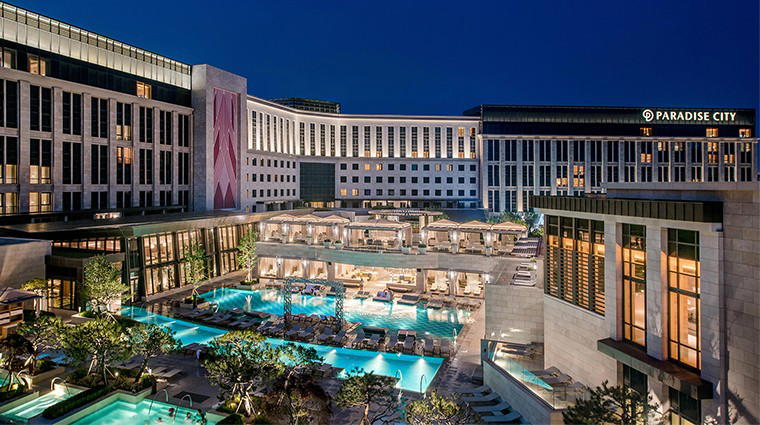
Korean coastal hotel design has split in recent years between large resort complexes that import international spectacle, and smaller properties that work with local materials and site-specific conditions to produce something more rooted. The cluster around Yeongjong Island reflects this division clearly. At the northern end of the island, the entertainment-led Paradise City complex, which includes Paradise City and its associated Art Paradiso, Paradise City property, leans hard into spectacle: art installations at scale, casino amenities, and deliberately theatrical common spaces. The Art Paradiso Hotel and Paradise City Incheon both operate within that register.
Nest Hotel reads as a counterpoint. Its name, and the nesting logic it implies, suggests enclosure, scale reduction, and protection from exposure rather than the open spectacle of the larger resort properties nearby. The MICHELIN Selected designation the hotel received in 2025, listed under the Michelin Hotels and Stays guide, places it in a quality bracket that is assessed on comfort, service character, and physical coherence rather than amenity volume alone. MICHELIN Selected status does not carry the star or key system of the guide's restaurant or top-hotel tiers, but it does represent a screened recommendation, meaning the property passed editorial scrutiny rather than simply self-registering.
For Incheon, where the hospitality offer is heavily skewed toward either transit efficiency or resort excess, a mid-scale property that earns external recognition on experiential grounds occupies a meaningful position. The Nest Hotel listing within our own coverage reflects that positioning, and the 2025 MICHELIN recognition confirms it has held that ground through editorial review.
Coastal Position as the Central Amenity
In airport-adjacent hospitality, location is usually a liability: proximity to runways means noise management, and proximity to transport infrastructure means the surrounding environment offers little worth looking at. The southern Yeongjong coastal position recasts that calculus. The tidal flats along this stretch of coastline are part of a broader ecological zone that extends across the western Korean coast, and at low tide the exposed mudflats carry a particular stillness that contrasts sharply with the perpetual motion of the airport zone a few kilometres north.
Properties that manage to place the water view as the primary spatial experience, rather than as a background amenity behind car parks and service roads, have a structural advantage in this market. The design logic at Nest Hotel appears to work in that direction, with the coastal road address suggesting rooms that face the tidal shoreline rather than the inland road network. Within the broader Korean coastal hotel context, properties that make this move successfully, such as SEAMARQ Hotel on the east coast in Gangwon-do, demonstrate that sea orientation is a repeatable editorial proposition in Korean hospitality, not an accident of geography.
Incheon in the Wider Korean Hotel Conversation
Incheon's hotel market is often underestimated. Most travellers passing through Incheon International do not consider the island itself a destination, treating it as a gateway to Seoul or to the wider Korean network. That perception is shifting, partly because of the scale of investment in the Paradise City district, and partly because properties like Nest Hotel demonstrate that the island has a quieter hospitality register beyond the entertainment complex.
Within South Korea, the range of recognised accommodation now extends from dense urban programs in Seoul, where properties like JW Marriott Hotel Seoul anchor the upper end of the city market, to island and coastal formats in Jeju, such as Grand Hyatt Jeju and JW Marriott Jeju Resort and Spa in Seogwipo, to more remote coastal positions including The Ananti Namhae and South Cape Owners Club in the south. Nature-immersive formats have grown across the country, from U Retreat in Hongcheon Gun to Camptong Forest in Gapyeong. Nest Hotel sits within this expanding recognition of Korean properties beyond the obvious Seoul-Jeju axis, and its Incheon address makes it specifically useful for travellers who are structuring itineraries around the airport rather than treating it as a pure transit hub. See our full Incheon restaurants and hotels guide for the broader picture of what the island and city district offer.
Planning a Stay
Nest Hotel Incheon's address on Yeongjonghaeannam-ro places it in Yongyu-dong, the southern portion of Yeongjong Island, which is accessible by the same road network that connects to Incheon International Airport and, via the Incheon Bridge or the Airport Railroad (AREX), to central Seoul. Travellers combining the hotel with Seoul arrivals or departures should note that the AREX connects Incheon International to Seoul Station in approximately 43 minutes on the direct express service, making a night at Nest Hotel a workable buffer between a long-haul flight and onward travel without the cost or traffic exposure of a city centre hotel. For those interested in the broader Yeongjong Island hospitality offer, the Paradise district to the north and the quieter southern coastal strip represent genuinely different experiences of the same island, and spending time at both sides of that divide gives a more complete sense of what Incheon's hospitality range now covers.
A Quick Peer Check
| Venue | Price | Awards |
|---|---|---|
| Nest Hotel IncheonThis venue — the venue you are viewing | Not listed | Michelin Selected · Design Hotels Member |
| Art Paradiso Hotel | $500–750 | Forbes 4-Star · Small Luxury Hotels of the World Member |
| Nest Hotel | Not listed | Michelin Selected · Design Hotels Member |
| Paradise City Incheon | Not listed | Michelin Selected |
| Art Paradiso, Paradise City | Not listed | 1 Michelin Key · La Liste Top Hotels |
| Paradise City | Not listed | 1 Michelin Key · La Liste Top Hotels |
Recognition history
Dated appearances from independent guides and award organizations, with the underlying list record or original source where available.
Michelin Selected
Michelin
Design Hotels Member
Design Hotels
Continue exploring
More in Incheon
Hotels in Incheon
All hotels in Incheon →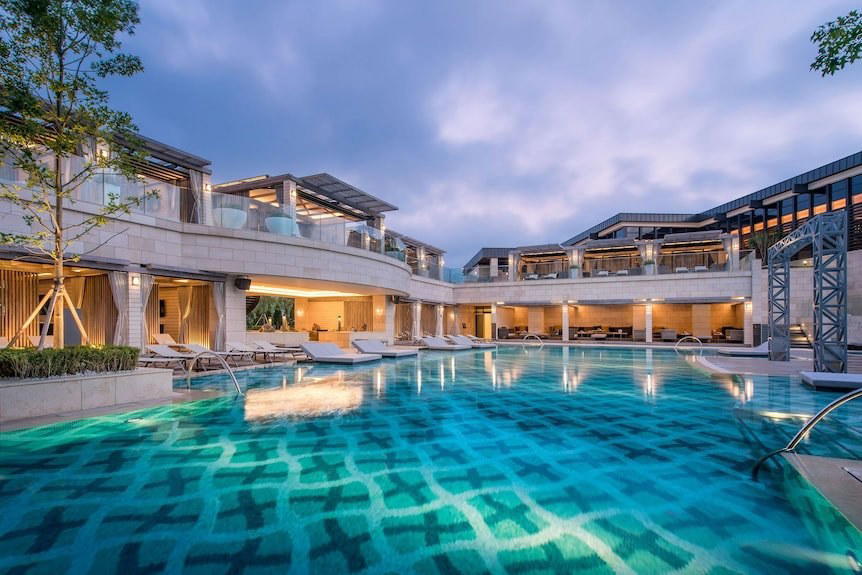
Details
- Modern
- Quiet
- Scenic
- Minimalist
- Sophisticated
- Weekend Escape
- Family Vacation
- Business Trip
- Wellness Retreat
- Infinity Pool
- Panoramic View
- Design Destination
- Waterfront
- Garden
- Wi Fi
- Pool
- Spa
- Fitness Center
- Room Service
- Concierge
- Business Center
- Kids Club
- Waterfront
- Garden
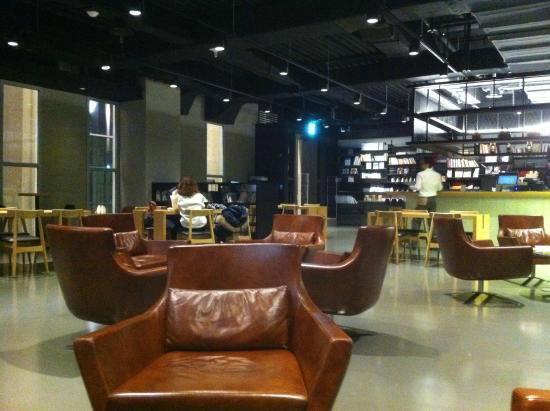
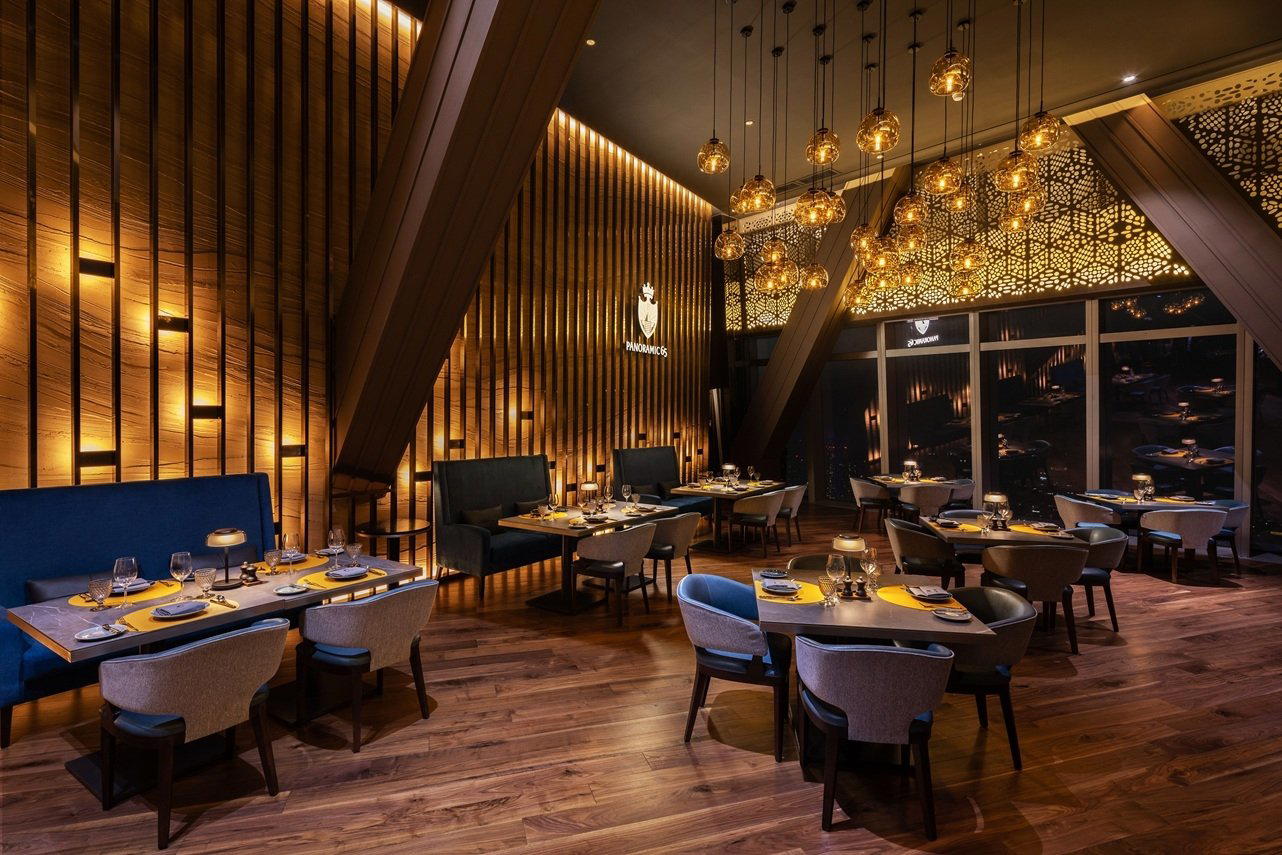
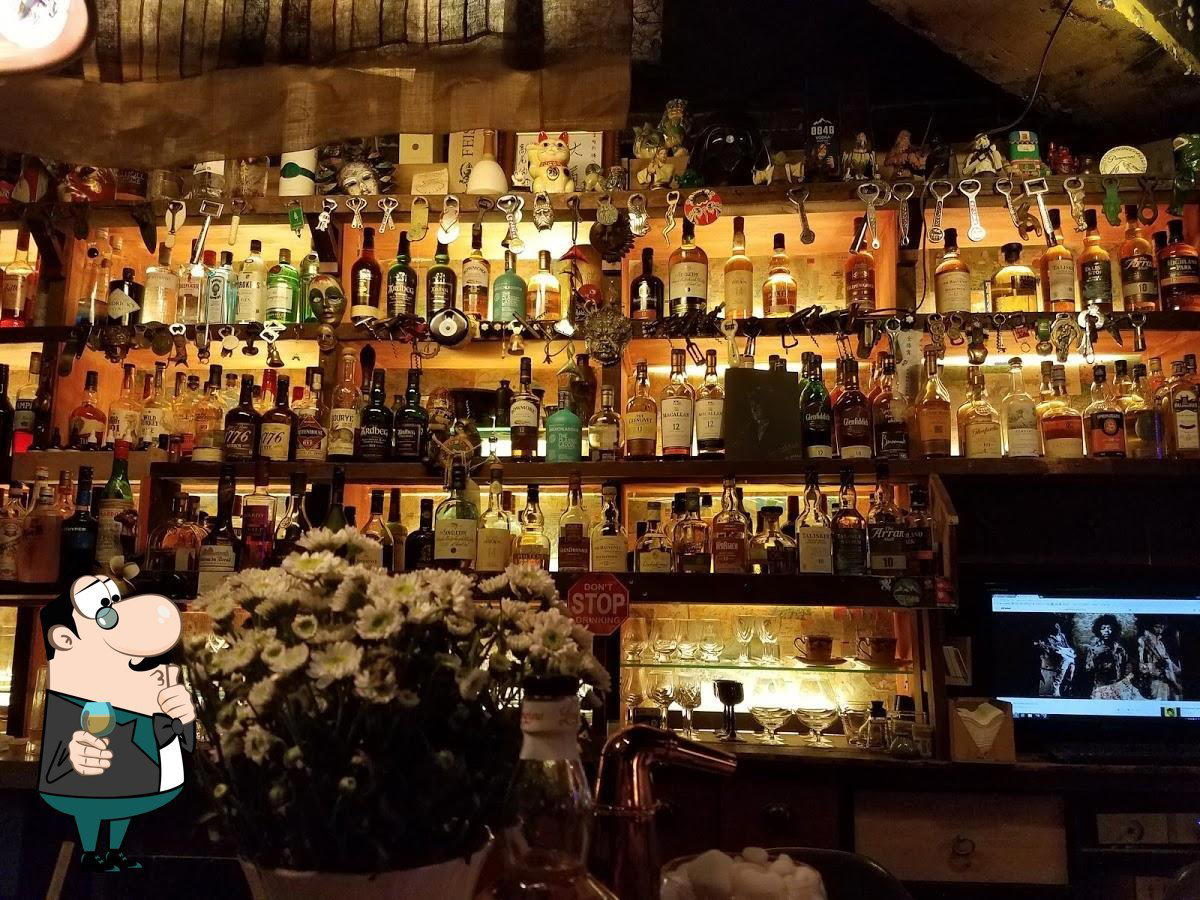
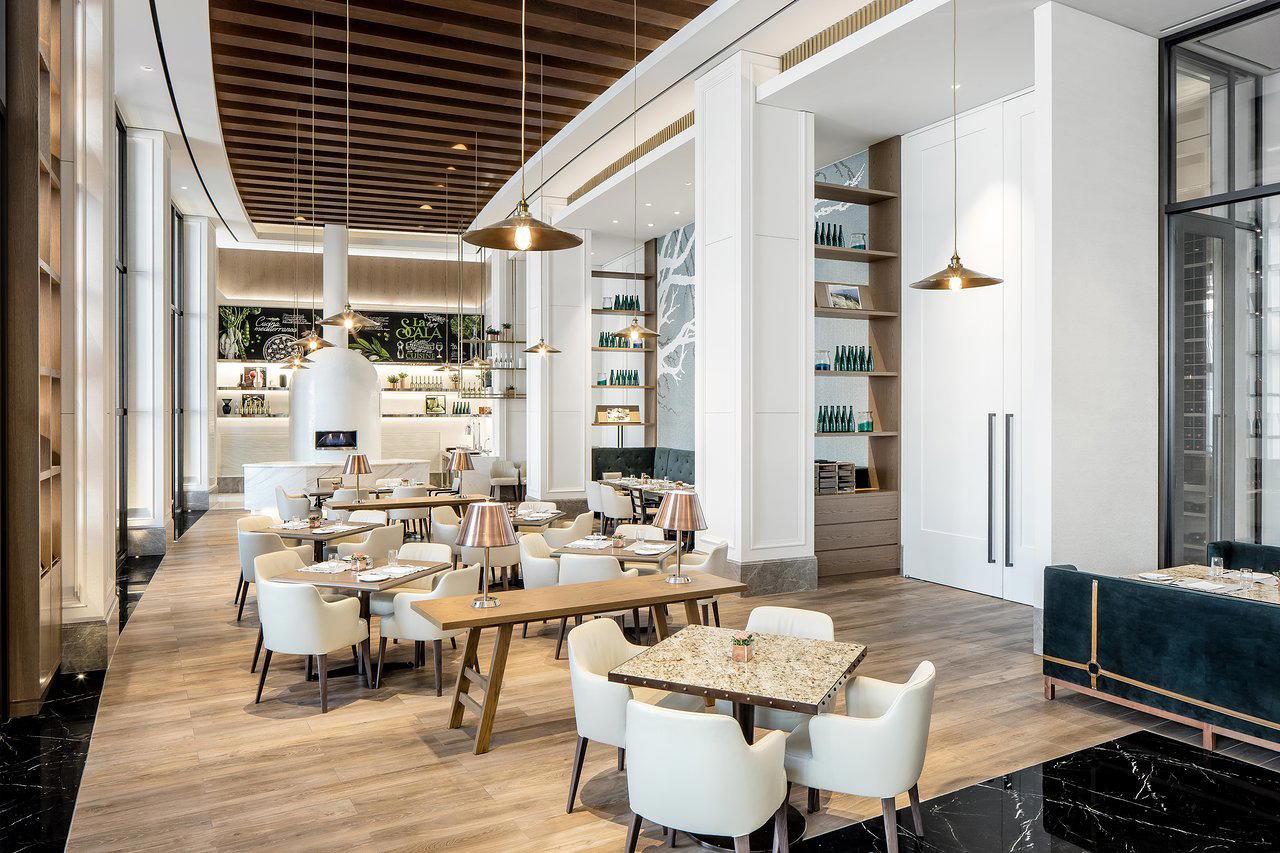
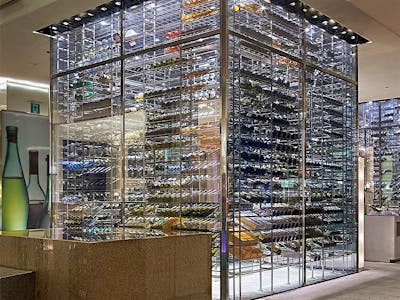
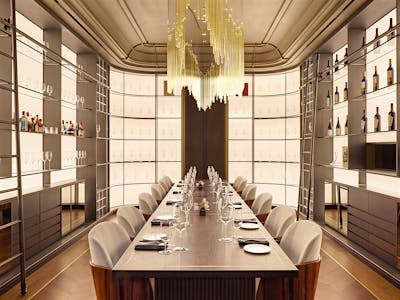
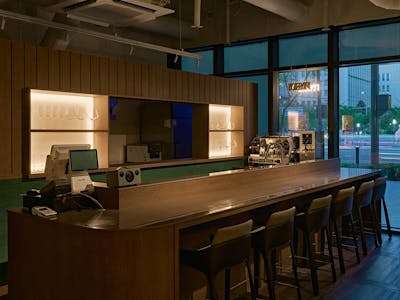
Minimalist and calm, with a cubist-modernist, refuge-like atmosphere shaped by concrete, wood, muted natural tones, and expansive sea-facing light.