Hapjeongok

Hapjeongok has held Michelin Bib Gourmand recognition in both 2024 and 2025 for its gomtang, the slow-simmered beef bone broth that defines a particular register of Seoul comfort eating. Located in Mapo-gu's Hapjeong neighbourhood, it occupies the serious, no-frills end of a category where longevity and consistency matter more than innovation.
Pearl is the En Primeur Club membership app — saves, bookings, and concierge access live there. Same editors, same standards.
- Address
- 392-3 Hapdžong-dong, Mapo-gu, Seoul, South Korea
- Phone
- +82 2-322-4822
- Directions
- Get directions
 Saves & bookings on Pearl
The Bowl Before the City Wakes Up
There is a particular kind of Seoul morning that starts not with coffee but with broth. The streets of Hapjeong are quiet before the cafes open, but gomtang houses follow a different clock. Arriving at a place like Hapjeongok early means joining a ritual that predates the neighbourhood's current identity as a hub for galleries and record shops: the slow, almost meditative act of eating a bowl of pale, long-simmered beef bone broth before the day has fully formed. The room, the bowl, the rhythm of the kitchen, the atmosphere is purposeful rather than decorative.
Gomtang sits in a specific position within Seoul's broader soup culture. Unlike the deeper, more aggressively opaque seolleongtang, a well-made gomtang aims for clarity, both in colour and in flavour, built over many hours from beef bones, brisket, and offal cuts without the addition of strong aromatics that might cloud the stock. The result is a broth that looks almost delicate but registers on the palate with accumulated depth. It is a category that rewards patience from both cook and diner, and one where the gap between a competent bowl and a considered one is immediately legible.
Why the Bib Gourmand Matters Here
Hapjeongok holds Michelin Bib Gourmand recognition for both 2024 and 2025, a distinction that positions it within a specific tier of Seoul dining. The Bib Gourmand is not a starred category, it signals value and quality combined, the Michelin inspectors' endorsement of places where skilled cooking does not require a high price point. At the single-won sign price range, Hapjeongok sits at the affordable end of a city where the distance between a ₩ gomtang house and a ₩₩₩₩ tasting menu like Gaon in Seoul or Kwon Sook Soo in Gangnam-gu can span both an entire day's budget and a completely different philosophy of what a meal is for.
Two consecutive Bib Gourmand years matters as a signal of consistency rather than a single good inspection cycle. In a gomtang category where regulars measure quality by whether the broth tastes the same on a Tuesday in January as it did on a Saturday in October, that consistency is the point. For context on where Hapjeongok sits within the gomtang comparable set, Hadongkwan represents the old-guard downtown institution with decades of operation, while Gomtang Lab approaches the same category from a more contemporary angle. Kyewol Gomtang offers another point of comparison within the recognised tier. Hapjeongok occupies the neighbourhood specialist position in Mapo-gu, with the Bib Gourmand providing an external benchmark that locals may not need but visitors find useful.
The Gomtang Category in Seoul's Current Dining Context
Seoul's dining scene in the 2020s has attracted international attention primarily through its fine-dining tier, with Korean restaurants appearing on global lists and chefs like those behind Mingles reframing traditional ingredients within a modern tasting menu structure. That visibility has sometimes overshadowed the category of everyday specialist restaurants, places where a single dish, prepared with long-accumulated skill, defines the entire operation. Gomtang houses belong to that second category, and they function as cultural continuity rather than culinary innovation.
The geographic spread of recognised gomtang is worth noting. Beyond Seoul, Hanwolgwan in Busan represents the category in the south, demonstrating that the tradition is not confined to the capital. The broader Korean culinary identity that sustains these places, the emphasis on fermentation, long cooking, and umami built through time rather than technique shortcuts, connects to a wider tradition visible in places as different as Baegyangsa Temple in Jangseong-gun, where temple food expresses a parallel philosophy of restraint and depth.
For visitors who have primarily encountered Korean food through its international export formats, Korean barbecue, fried chicken, or the tasting-menu interpretation of jang-based cuisine, a gomtang house offers a different register entirely. The absence of tableside theatre or multi-course progression is the point. The bowl is the whole argument.
Planning a Visit: What to Know Before You Go
Gomtang specialists in Seoul typically open early and, in many cases, close when the broth runs out rather than at a fixed hour. Arriving in the morning window is advisable both for practical reasons and because the experience of a broth-forward meal maps most naturally onto that time of day.
Hapjeongok is located at 392-3 Hapjeong-dong, Mapo-gu, a neighbourhood well-served by Seoul's subway system, with Hapjeong Station (Lines 2 and 6) providing direct access. The area is walkable and the surrounding blocks are worth time before or after eating, given Hapjeong's concentration of independent bookshops, music venues, and cafes that reflect its arts-adjacent local character.
0 across 659 ratings, which for a single-dish specialist suggests consistent execution across a wide range of visitors.
The price tier is single-won, placing this well within reach as a standalone meal rather than a significant budget commitment.
For a broader view of how Seoul's specialist dining compares to other cities, it is worth noting that the Bib Gourmand tier in Seoul covers a notably wide range of cuisines and price points, from traditional Korean categories like gomtang through to contemporary formats. Venues like Neungdong Minari illustrate how the same recognition tier applies across different types of cooking. And for context on Korean cuisine at the opposite end of the formality scale, Atomix in New York City shows how Korean culinary thinking translates into a fine-dining register abroad, a useful reference point for understanding how far the same foundational ingredients and traditions can travel.
Know Before You Go
- Address: 392-3 Hapjeong-dong, Mapo-gu, Seoul, South Korea
- Nearest transit: Hapjeong Station (Lines 2 and 6)
- Price range: ₩ (single-won tier; walk-in budget)
- Reservations: Walk-in format; no booking infrastructure typical for this category
- Awards: Michelin Bib Gourmand 2024 and 2025 0 (649 reviews)
- Timing note: Morning visits are advisable; gomtang houses may close when the day's broth runs out
- Website/phone: Not currently listed
What Regulars Order at Hapjeongok
At a gomtang specialist, the question of what regulars order is answered by the format itself. Gomtang is the menu. The variables are how you dress the bowl: the addition of rice (either served in the broth or on the side), the degree of seasoning applied at the table with salt and white pepper, and the choice of cuts within the broth, brisket and tendon being the standard options in this category. Kimchi arrives as a matter of course, and the interplay between the sour ferment and the clean, fatty broth is a structural part of the meal rather than a garnish.
Comparable Spots
Comparable venues nearby, for context on price, style, and recognition.
| Venue | Cuisine | Price | Notes |
|---|---|---|---|
| HapjeongokThis venue — the venue you are viewing | Traditional Korean Gomtang | $$ | Not listed |
| Gebangsikdang | Korean Soy Sauce-Marinated Crab (Ganjang Gejang) | $$ | 압구정동 |
| Jungin Myeonok | Pyongyang Naengmyeon | $$ | 상수동 |
| Ggupdang | Modern Korean Pork BBQ | $$ | Jamsil-dong |
| Hwangsaengga Kalguksu | Traditional Korean Kalguksu (Knife-Cut Noodles) | $$ | 가회동 |
| ANAM | Modern Korean Gukbap | $$ | 가회동 |
Recognition history
Dated appearances from independent guides and award organizations, with the underlying list record or original source where available.
Michelin Bib Gourmand
Michelin
Michelin Bib Gourmand
Michelin
Continue exploring
More in Seoul
Restaurants in Seoul
Browse all →
At a Glance
- Cozy
- Classic
- Casual Hangout
- Group Dining
- Local Sourcing
Current opening hours
- Monday
- 11 AM–10 PM
- Tuesday
- 11 AM–10 PM
- Wednesday
- 11 AM–10 PM
- Thursday
- 11 AM–10 PM
- Friday
- 11 AM–10 PM
- Saturday
- 11 AM–10 PM
- Sunday
- Closed
Hours can change for holidays and private events. Last verified .
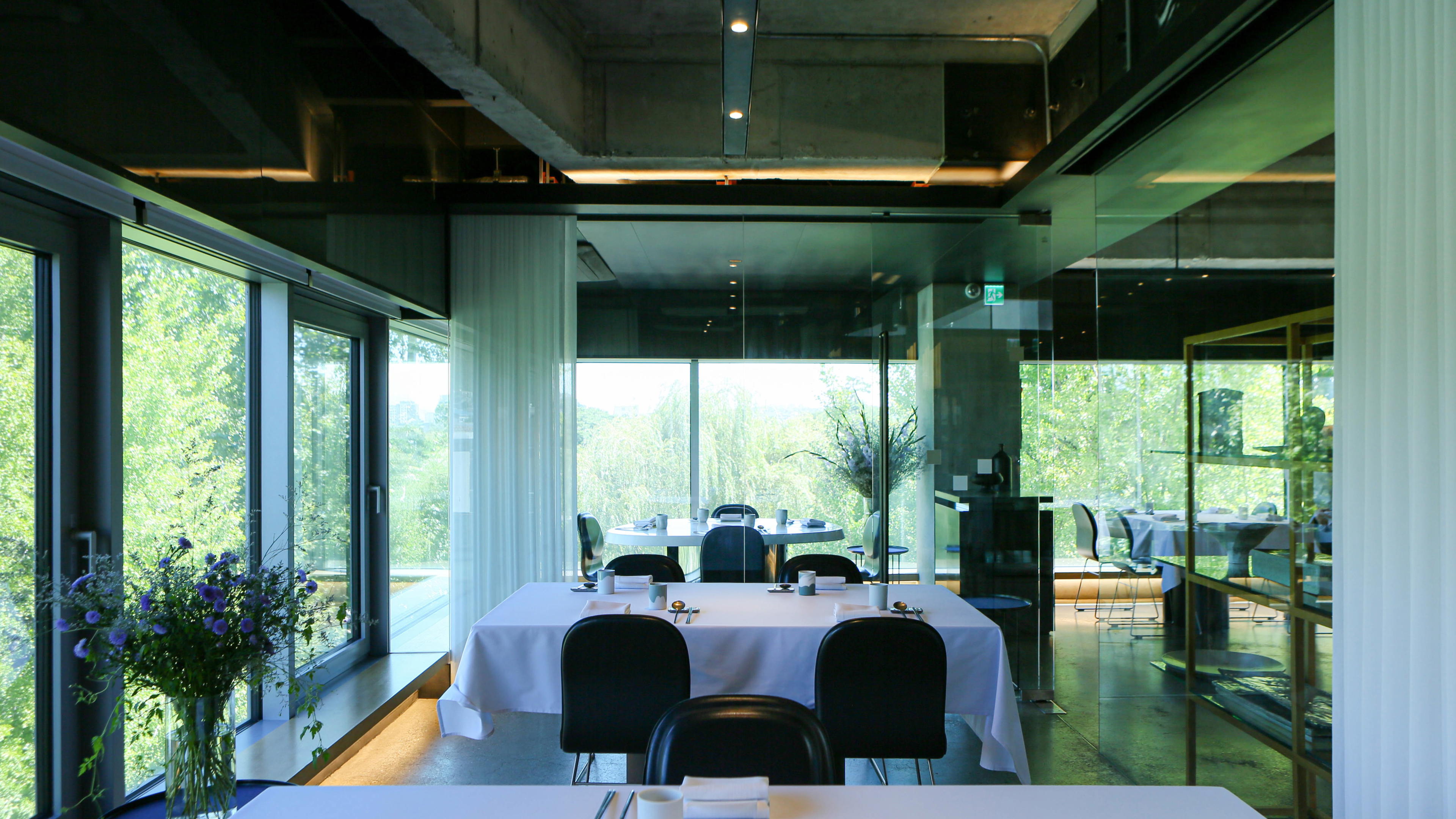
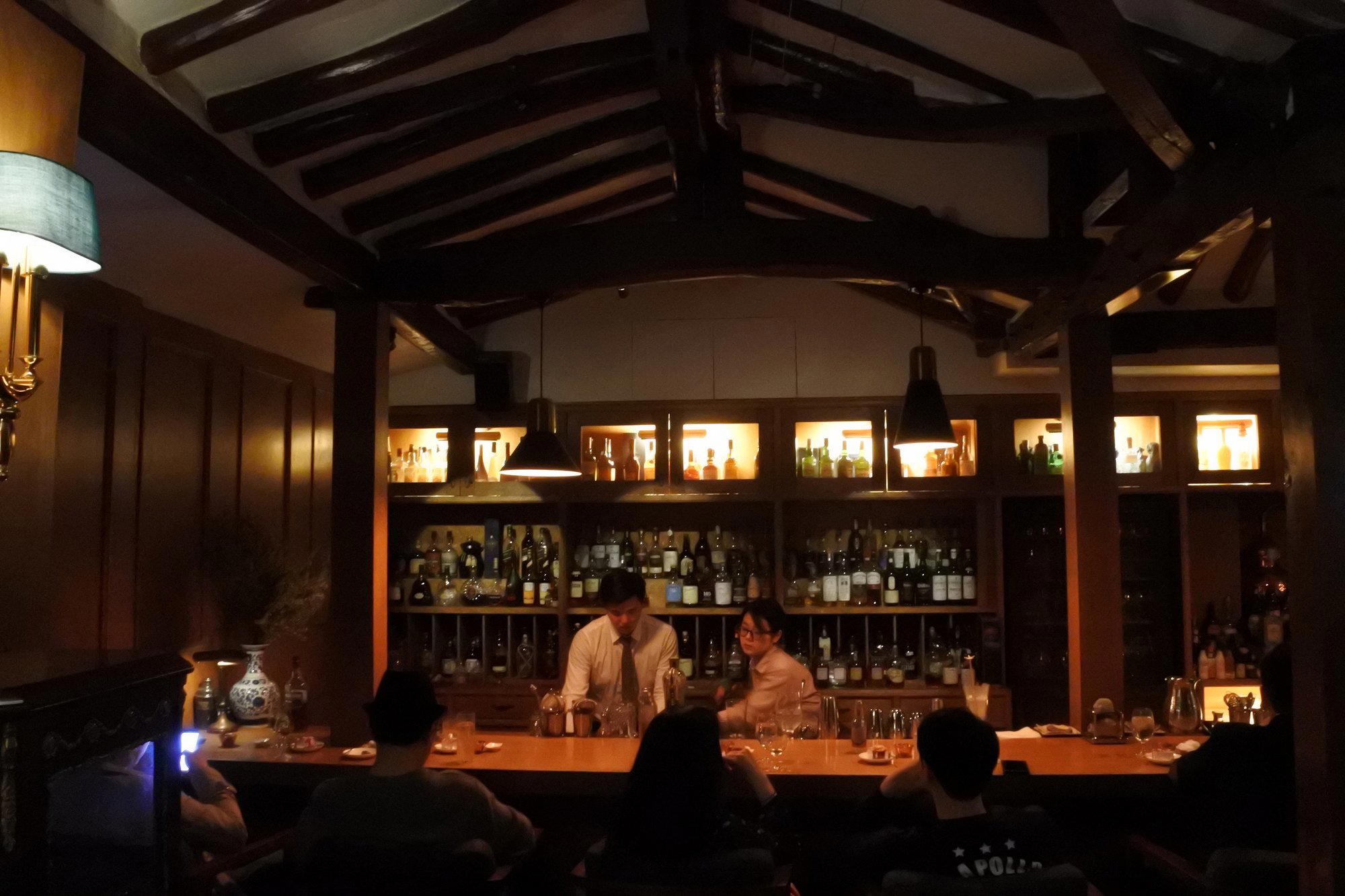
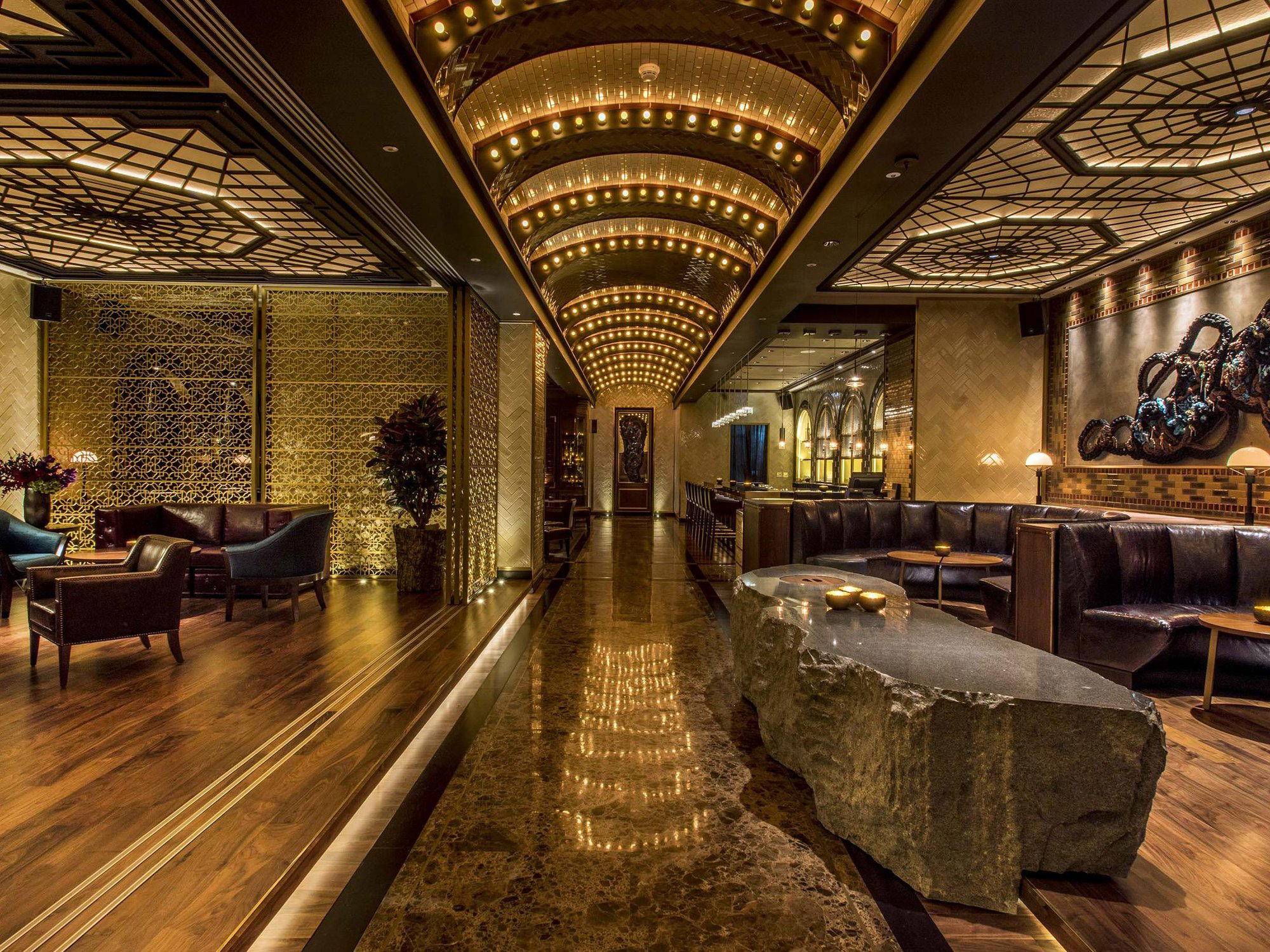
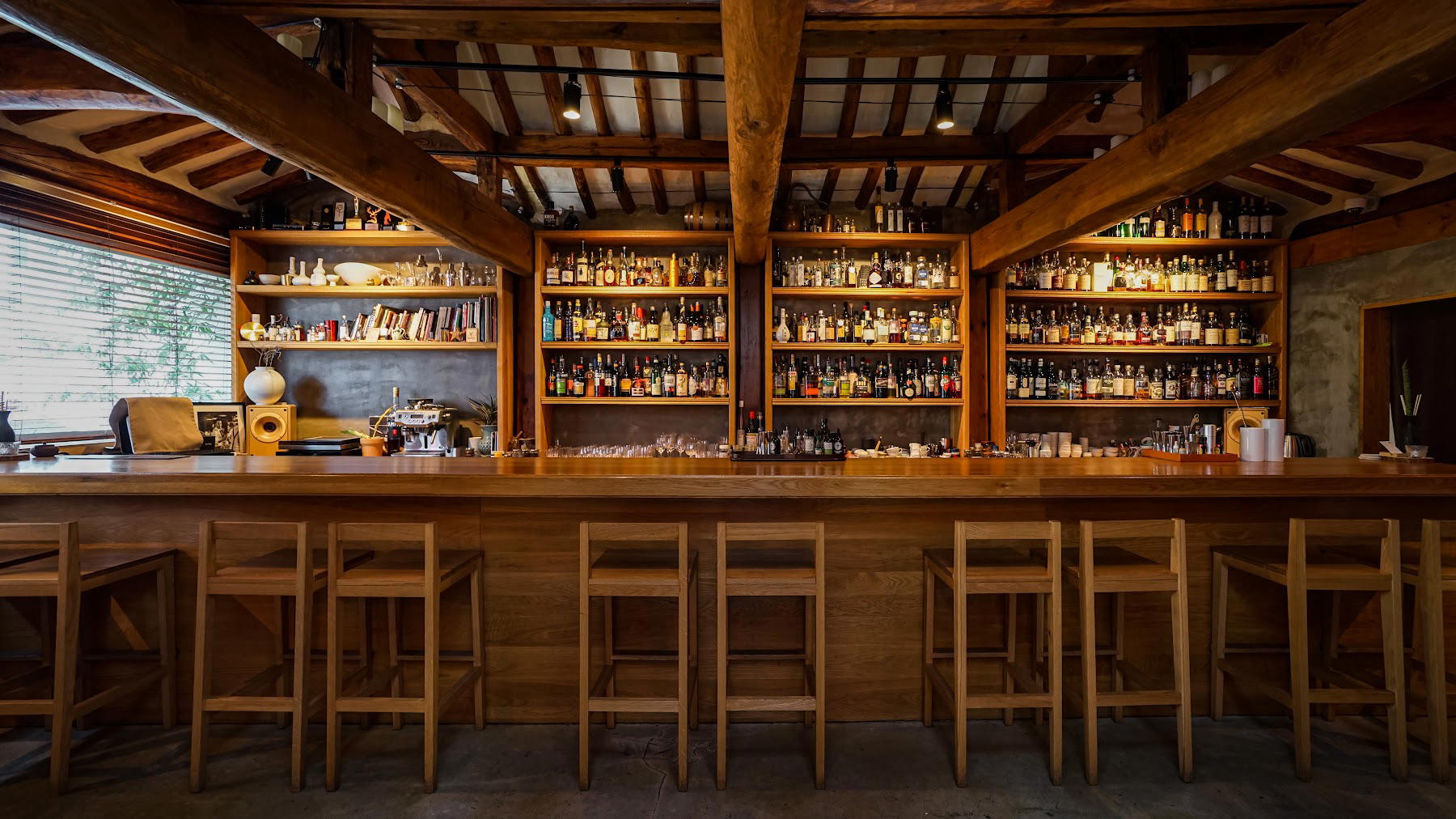
Cozy interior with traditional Korean decor and inviting aroma of simmering broth.