Sangsu-ri Acorn Bar 상수리
Sangsu-ri Acorn Bar occupies a quietly consequential address in Mapo-gu, where Seoul's interest in native Korean ingredients meets bar craft borrowed from broader traditions. The bar draws on acorn — dotori — as a foundational ingredient, placing it within a growing movement that treats indigenous pantry staples as the basis for serious drink-making rather than novelty. It sits apart from the polished Gangnam circuit without sacrificing technical ambition.
Pearl is the En Primeur Club membership app — saves, bookings, and concierge access live there. Same editors, same standards.
- Address
- 86 Dongmak-ro, Seogang-dong, Mapo-gu, Seoul, South Korea
- Phone
- +82 2 338 0413
- Website
- instagram.com
- Directions
- Get directions
 Saves & bookings on Pearl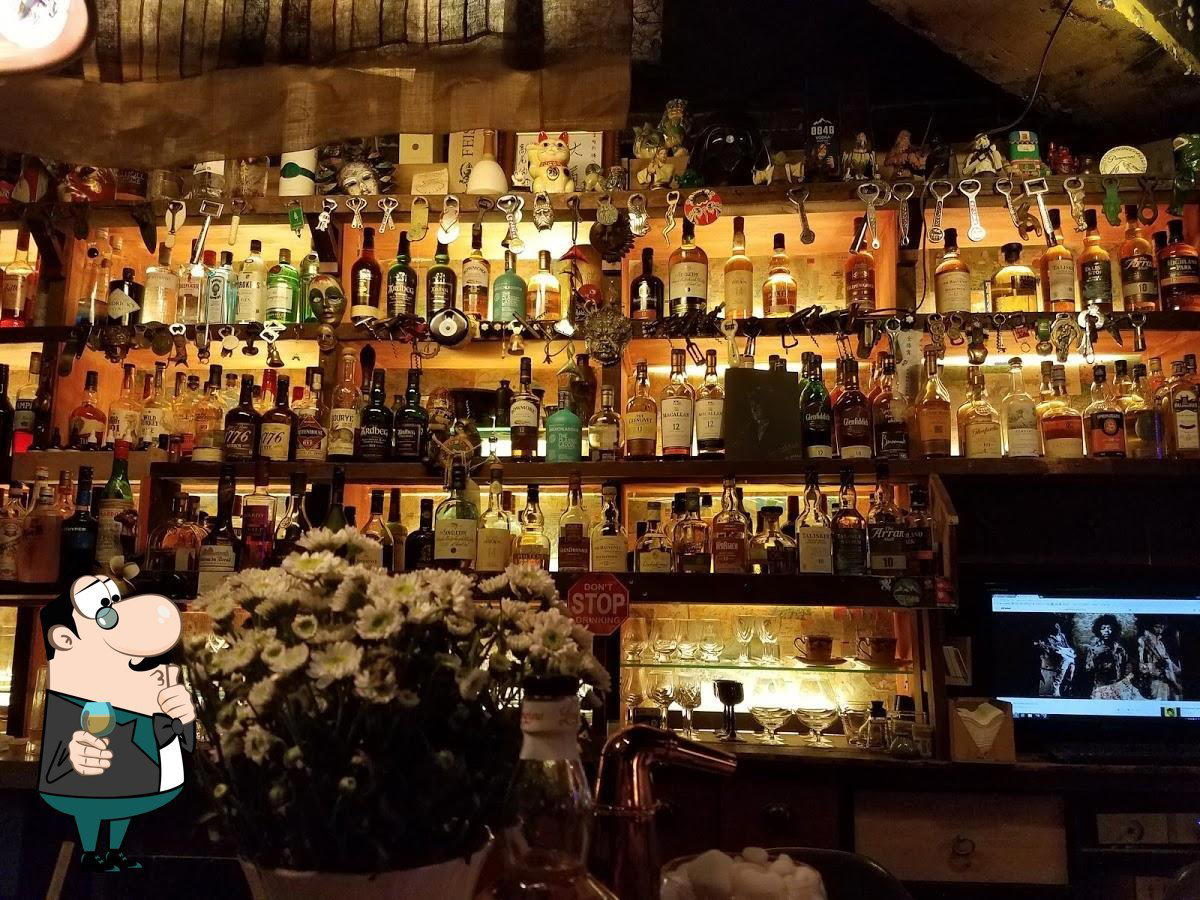
Mapo-gu and the Quiet Rediscovery of Korean Ingredients
There is a version of Seoul's bar scene that runs entirely on imported references: Japanese whisky libraries, French vermouth programs, American rye-forward stirred drinks. It is a credible scene, and venues like Charles H and Bar D. Still have built serious reputations within it. But a parallel current has been building in the city's western districts, particularly around Hongdae and the Mapo-gu corridor that extends toward the Han River. Here, bars have been asking a different question: what happens when Korean pantry staples become the primary ingredient rather than a garnish?
Sangsu-ri Acorn Bar, located at 86 Dongmak-ro in Seogang-dong, sits inside this second tradition. The name signals the program immediately. Acorn — dotori in Korean — carries deep cultural weight: it sustained communities through leaner historical periods, it anchors traditional foods like dotori-muk (acorn jelly), and its tannin profile is genuinely interesting from a flavor standpoint. The decision to center a bar's identity around it is both a culinary argument and a cultural one.
What the Acorn-Forward Format Actually Means
Ingredient-led bar programs are common enough globally that the concept risks sounding like positioning. What separates the serious versions from the decorative ones is whether the featured ingredient changes the drink's structure, not just its label. Acorn brings bitterness, earthiness, and a dry, tannic finish that functions differently from the sweetness of fruit or the heat of chili, two ingredients that have been absorbed into cocktail programs with less structural consequence.
The broader Seoul bar movement that Sangsu-ri belongs to has been exploring ingredients like omija (five-flavor berry), nuruk (traditional fermentation starter), and makgeolli derivatives alongside acorn. The shared logic is that Korean fermentation culture, which runs centuries deep, offers a technical foundation that pairs naturally with contemporary bartending methods. Where bars like Bar Cham and Alice Cheongdam operate at Gangnam's more visible, high-polish end, Sangsu-ri occupies a register that feels closer to the neighborhood itself: less performative, more embedded in the local block.
The Seogang-dong Address and What It Signals
Mapo-gu has accumulated creative density over the past decade in ways that resist easy categorization. The district is not a nightlife district in the conventional sense, nor is it a gallery precinct or a food tourism zone. It holds all of these things loosely, which is precisely what makes it hospitable to a bar with a specific ingredient thesis. There is less pressure to perform for a tourist audience and more room to build a regular clientele that arrives because it already understands what the bar is doing.
The Dongmak-ro address places Sangsu-ri in walking range of the quieter residential stretch between Hongdae's commercial core and the river. The physical environment approaching the bar reflects the wider block character: low-rise, not overlit, without the brand signage arms race that defines parts of Itaewon or Cheongdam. For context on how other Korean cities handle similar bar positioning outside the capital's main circuits, venues like Climat in Busan and Muyongdam in Jeju Si offer useful comparison points, each operating with distinct ingredient philosophies rooted in their own regional pantries.
Local Ingredients, Imported Method
The tension that defines the most interesting bars in Seoul right now is the one between Korean material culture and techniques absorbed from Japanese, European, and American bar traditions. This is not a tension that needs resolving, it is the productive friction that has generated the city's most discussed drink programs over the past five years. Anjuga in Ansan Si and Seuwichi in Heungdeok are among the venues outside Seoul demonstrating that this is a national conversation, not a capital-specific one.
Sangsu-ri's position within this conversation is to start from the ingredient rather than from the technique. That ordering matters. When a bar starts from technique and adds a local ingredient, the result is often a standard cocktail format with a Korean accent note. When a bar starts from the ingredient and builds the drink around its actual flavor properties, acorn's earthiness, its tannins, its interaction with spirit base and dilution, the outcome requires different structural thinking. The latter approach takes longer to develop a menu and requires more testing, which is part of why bars working this way tend to develop loyal regular audiences rather than high-turnover tourist traffic.
For visitors interested in how this approach to native ingredients translates across Pacific bar culture, Bar Leather Apron in Honolulu offers a useful comparison in how geographically specific pantry traditions can generate technically serious programs, and Jewel of the South in New Orleans represents an analogous case of regional ingredient culture shaping drink structure rather than merely flavoring it. See our full Seoul restaurants and bars guide for broader city context and additional venue coverage. The Regency Club in Incheon rounds out the regional picture for travelers moving between the airport corridor and Seoul proper.
Planning a Visit
Sangsu-ri Acorn Bar is located at 86 Dongmak-ro, Seogang-dong, Mapo-gu. The nearest subway access is via the Hongdae or Sangsu stations on Line 2 and the Gyeongui-Jungang Line respectively, both within a short walk of the address. The bar's positioning in a residential-commercial stretch means it draws a more local, return-visit crowd than bars in dedicated nightlife zones; arriving without a reservation on a weekend carries more risk than a midweek visit. Given the absence of published booking details in current records, the most reliable approach is to check the bar's current social media presence for any reservation system before visiting. Pricing information is not publicly documented in current records, but the broader Mapo-gu bar category runs from mid-range to the lower end of premium, without reaching the price points of Cheongdam's flagship cocktail venues.
Continue exploring
More in Seoul
Restaurants in Seoul
Browse all →
At a Glance
- Cozy
- Intimate
- Date Night
- Casual Hangout
- Late Night
- Speakeasy
- Seated Bar
- Craft Cocktails
- Whiskey
Current opening hours
- Monday
- Closed
- Tuesday
- 8 PM–2 AM
- Wednesday
- 8 PM–2 AM
- Thursday
- 8 PM–2 AM
- Friday
- 8 PM–4 AM
- Saturday
- 8 PM–4 AM
- Sunday
- Closed
Hours can change for holidays and private events. Last verified .
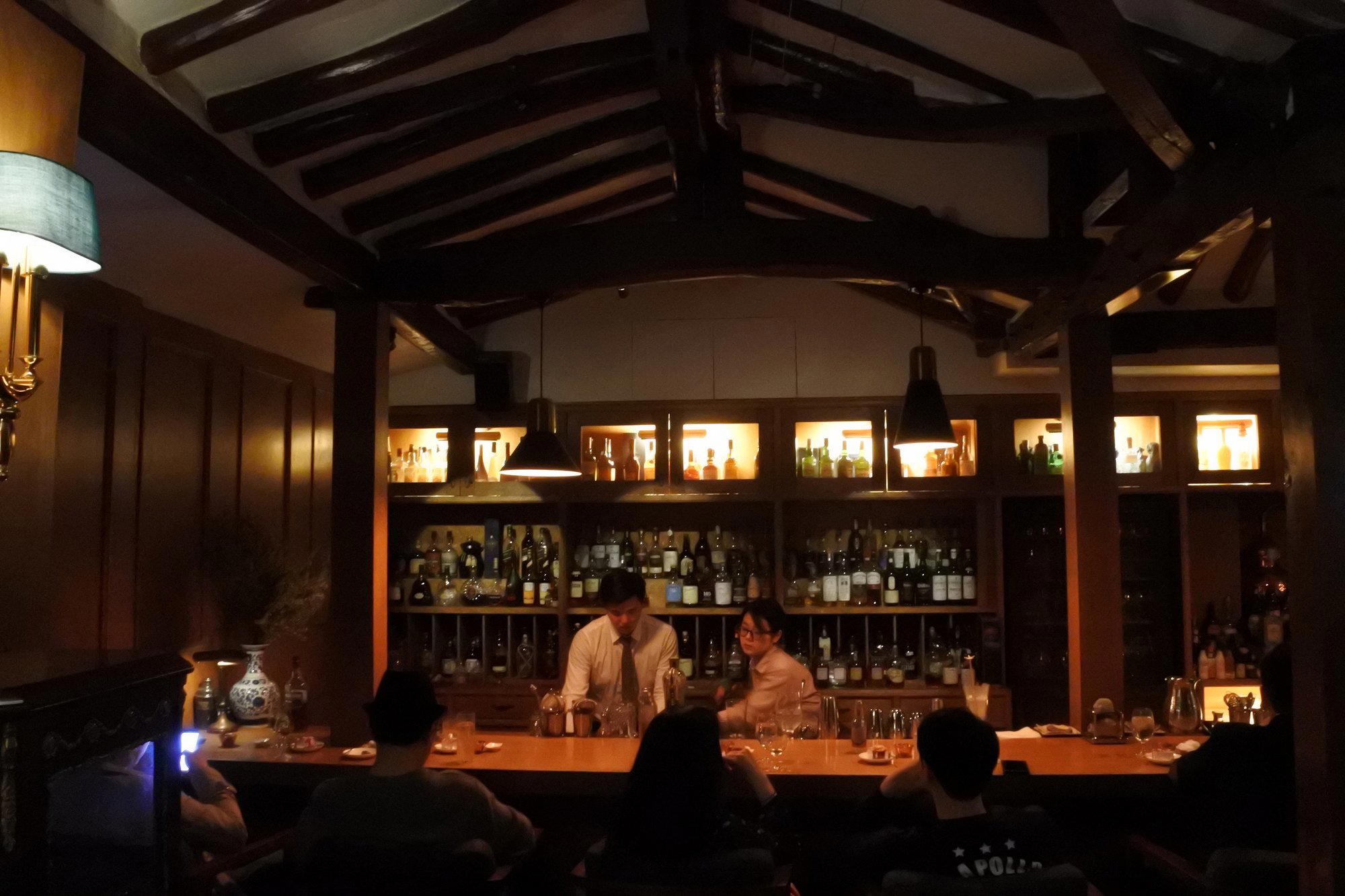
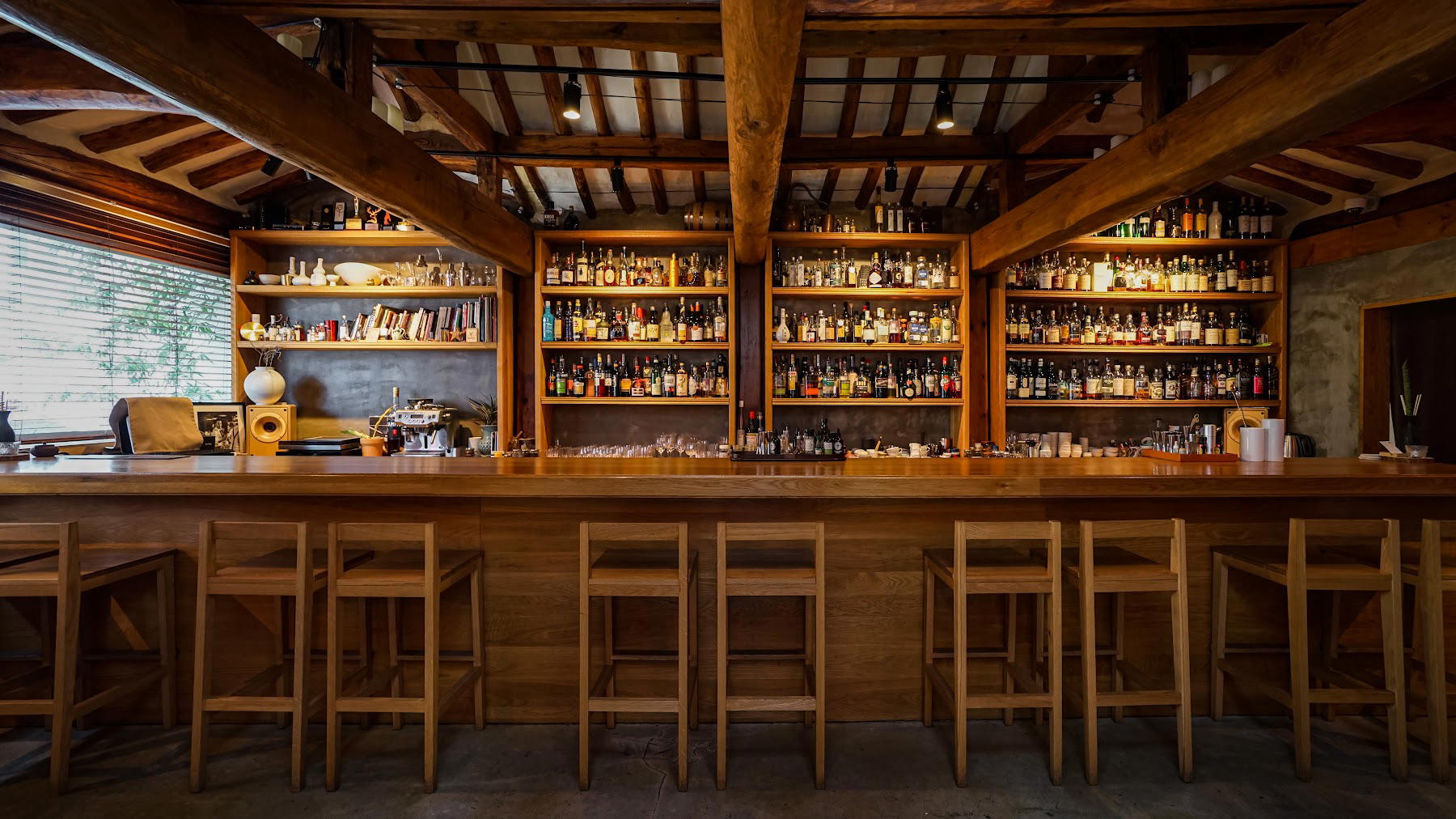
Cozy, laid-back basement atmosphere with chill vibes and warm lighting.
Know Before You Go
- Getting there
- 86 Dongmak-ro, Seogang-dong, Mapo-gu, Seoul, South Korea