Pyeong Hwa
Pyeong Hwa occupies a quiet stretch of Yeongdeungpo, one of Seoul's more grounded commercial districts, where the drinking culture skews local and the bar scene operates without the self-promotion common in Gangnam or Itaewon. The venue sits within that tradition of understated hospitality, a space where craft and service work in concert rather than in competition with each other.
Pearl is the En Primeur Club membership app — saves, bookings, and concierge access live there. Same editors, same standards.
- Address
- 13 Dorim-ro 131-gil, Yeongdeungpo District, Seoul, South Korea
- Phone
- +82 10 5373 1194
- Directions
- Get directions
 Saves & bookings on Pearl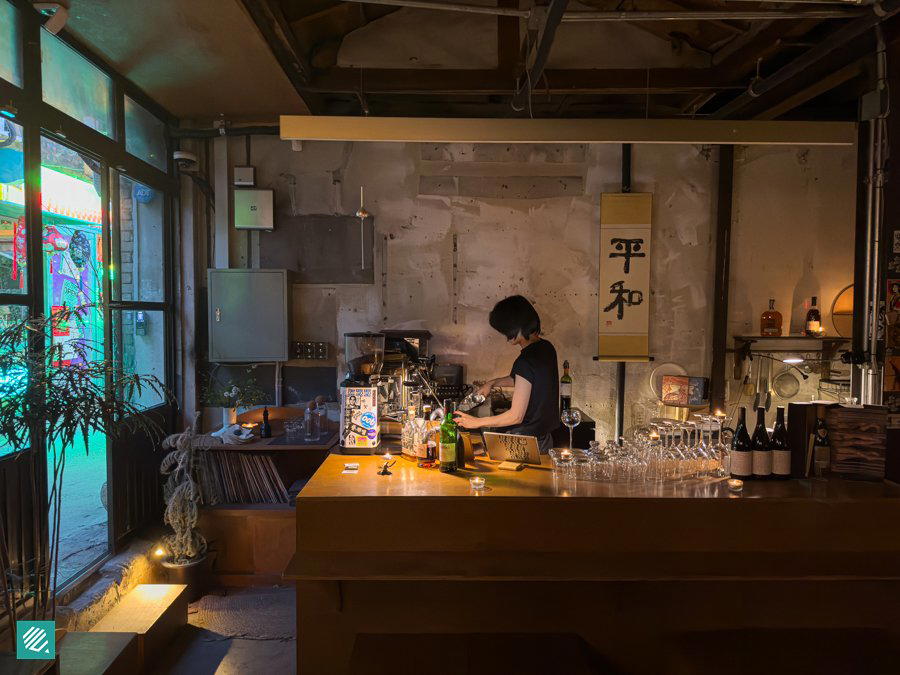
Yeongdeungpo After Dark: Where the Locals Drink
Seoul's bar geography has fractured into distinct registers over the past decade. Itaewon built its reputation on international formats and expat patronage. Gangnam consolidated premium cocktail culture behind sleek facades and reservation-only counters. Hongdae exports its youth-driven energy to tourists who arrive expecting exactly what they find. But Yeongdeungpo, the district where Pyeong Hwa operates, on a low-traffic stretch off Dorim-ro, represents a different Seoul entirely: one where the drinking culture is rooted in neighbourhood loyalty rather than destination traffic. Bars here don't compete on Instagram footprint. They compete on repeat custom, which is a harder metric to fake.
This matters for understanding what Pyeong Hwa is and what it is not. It is not a cocktail bar built around a single aesthetic hook. It is not a destination designed to be photographed from the entrance. The address, 13 Dorim-ro 131-gil, places it away from the arterial roads that funnel tourist movement through the city, which means the room fills with people who made a deliberate choice to be there. In Seoul's current bar scene, that kind of intentional patronage is a more meaningful signal than any accolade on the wall.
The Collaborative Register
Korean bar culture has shifted meaningfully in how it structures the relationship between the person making the drink, the person presenting it, and the room that receives it. Through the 2010s, the dominant model borrowed from Japanese bar tradition: technical precision from the bartender, near-silent service, an aesthetic of controlled minimalism. The more recent shift, visible across venues like Bar Cham and Bar D. Still, moves toward a more conversational dynamic, one where the front-of-house reads the room and the menu adapts in real time to who is sitting in it.
Pyeong Hwa operates within this collaborative register. The team dynamic here is less about a single headline act and more about the way the components of service interlock. When the production, presentation, and guidance functions are distributed rather than concentrated, the result is a room that feels attended to rather than performed for. It's a distinction that matters most over the course of a longer evening, when the difference between a bar that paces you well and one that doesn't becomes apparent. Venues like Charles H and Alice Cheongdam have built significant reputations on exactly this kind of coordinated hospitality, the idea that the drink is only part of what you're paying for.
Yeongdeungpo as a Drinking District
It's worth placing Yeongdeungpo in its broader Seoul context because the district shapes the experience in ways that the room alone cannot. This is a commercial and residential area with a working-city grain to it, office workers, local families, small business owners. The nightlife economy here is not oriented toward tourism the way that Hongdae or Sinchon are, which means pricing tends to stay earthbound and the pace of an evening is set by locals rather than by visiting expectations.
That local tempo is one of the things that distinguishes Yeongdeungpo bars from their counterparts in higher-profile districts. You are less likely to find a bar racing to turn tables, less likely to find a menu engineered around viral drinks. What you find instead is a more patient style of hospitality, closer in spirit to the neighbourhood drinking culture of cities like Osaka or Taipei than to the performance-oriented bar scenes of Gangnam or Cheongdam.
How It Sits Against the Seoul Bar Tier
Seoul's premium bar tier, the venues competing for international rankings and Michelin recognition, is concentrated almost entirely north of the Han River, in Gangnam, Cheongdam, and the hotel bars of central Seoul. The venues that sit outside that geography tend to operate on different terms: lower overhead, less pressure to perform for a critical audience, more room to develop a regular clientele over time.
Pyeong Hwa belongs to this second category. It operates on the evidence of its neighbourhood and its continued presence within it. In a city where the premium bar scene turns over at a rate that would alarm most international observers, longevity in a local district is its own form of credential. The comparison point is less the ranked Gangnam cocktail bars and more the independent neighbourhood venues that have built quiet authority in their own postcodes, a pattern visible in Korean bar culture outside Seoul too, in places like Muyongdam in Jeju Si and Anjuga in Ansan Si.
Planning the Visit
The bar sits in the Yeongdeungpo District, reachable from central Seoul via the Seoul Metro Line 1 (Yeongdeungpo Station) or Line 2 (Yeongdeungpo-gu Office Station), both of which place the address within a short walk. Because it is walk-in friendly, the safest approach is to arrive without assuming a reservation is needed on weekends, when neighbourhood bars in Seoul's working districts tend to fill from early evening with regulars. A visit on a weekday offers a slower room and more opportunity for the kind of extended, paced evening that this style of bar rewards. Arriving in person is the practical approach.
Travellers who prefer to plan a broader Seoul itinerary around bar culture can cross-reference the bar against venues operating in different registers: the hotel cocktail programming at Charles H, the technically oriented menus at Bar D. Still, or the Cheongdam neighbourhood energy at Alice Cheongdam. Further afield, the collaborative service model that bar exemplifies has analogues in Korean bars outside Seoul, Climat in Busan and Regency Club in Incheon both operate within the tradition of team-led hospitality. International comparisons worth drawing include Seuwichi in Heungdeok, Bar Leather Apron in Honolulu, and Jewel of the South in New Orleans, each of which has built its reputation on the coordination between craft production and front-of-house intuition rather than on a single signature element.
Questions About Pyeong Hwa
What's the signature drink at the bar?
Specific menu items and signature drinks are not confirmed in available public records for the bar. The venue operates in the Yeongdeungpo neighbourhood bar tradition, where menus tend to be led by seasonal availability and the bartender's reading of the room rather than fixed signature items. For current menu information, one reliable approach is to visit in person or consult local Korean platforms such as Naver.
What's the defining thing about the bar?
What distinguishes the bar within Seoul's bar scene is its positioning in Yeongdeungpo, a working district whose bar culture operates on different terms than the award-circuit venues of Gangnam or Cheongdam. Without the infrastructure of destination tourism, the room builds on neighbourhood regulars and the quality of the evening rather than on external accolades.
Is the bar reservation-only?
Booking policy is not confirmed in available public records. In Seoul's neighbourhood bar culture, particularly in districts like Yeongdeungpo, many venues operate on a walk-in basis during the week, with weekend evenings filling quickly through word of mouth. If confirmed booking infrastructure exists, it is most likely documented on Korean local platforms rather than international reservation systems. Arriving early in the evening on a first visit is the lower-risk approach.
How does the bar fit into Seoul's broader bar scene outside the major tourist districts?
Seoul's recognised bar scene is concentrated in Gangnam, Cheongdam, Itaewon, and the central hotel corridors, but a parallel bar culture operates across commercial neighbourhood districts, of which Yeongdeungpo is one. These venues tend to develop through local patronage rather than media coverage, which produces a different kind of credibility. The bar, at 13 Dorim-ro 131-gil, sits within this tradition, making it a useful data point for visitors trying to understand Seoul's drinking culture beyond the areas that appear most often in international bar guides.
City Peers
Comparable venues nearby, for context on price, style, and recognition.
| Venue | Cuisine | Price | Notes |
|---|---|---|---|
| Pyeong HwaThis venue — the venue you are viewing | cocktail_bar | $$ | Not listed |
| Magpie Brewshop (맥파이 브루샵) | beer_bar | $$ | Hoehyeon-dong |
| 684 Itaewon-dong | cocktail_bar | $$ | Hoehyeon-dong |
| Euljiro Boseok | sake_bar | $$ | Jongno-dong |
| Fuglen Seoul | cocktail_bar | $$ | 연남동 |
| Wildduck & Canteen | wine_bar | $$ | Hoehyeon-dong |
Continue exploring
More in Seoul
Restaurants in Seoul
Browse all →
At a Glance
- Cozy
- Trendy
- Elegant
- Date Night
- Casual Hangout
- Seated Bar
- Classic Cocktails
Current opening hours
- Monday
- 5 PM–12 AM
- Tuesday
- 12 PM–12 AM
- Wednesday
- 5 PM–12 AM
- Thursday
- 5 PM–12 AM
- Friday
- 5 PM–12 AM
- Saturday
- 5 PM–12 AM
- Sunday
- 5 PM–12 AM
Hours can change for holidays and private events. Last verified .
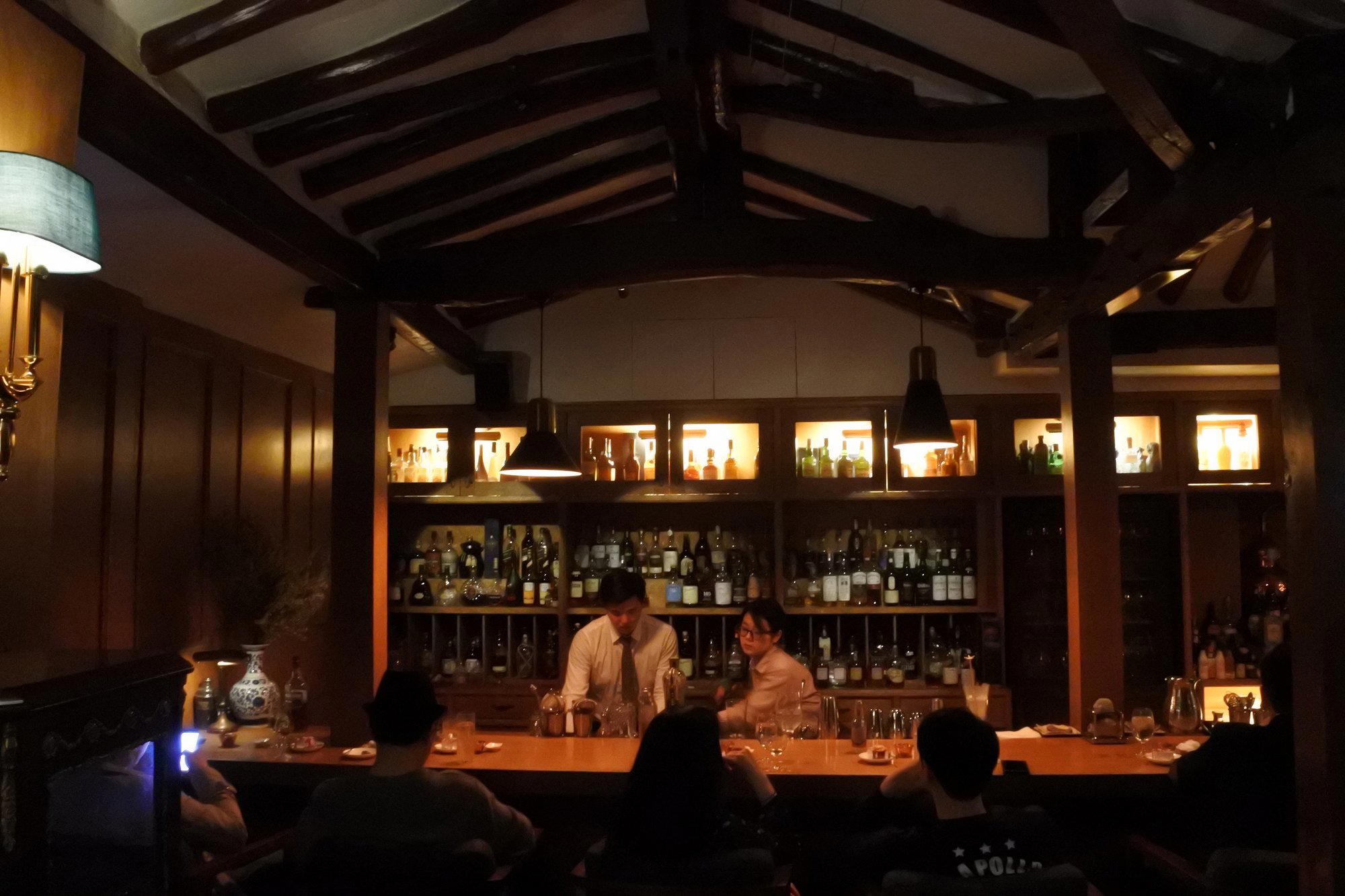
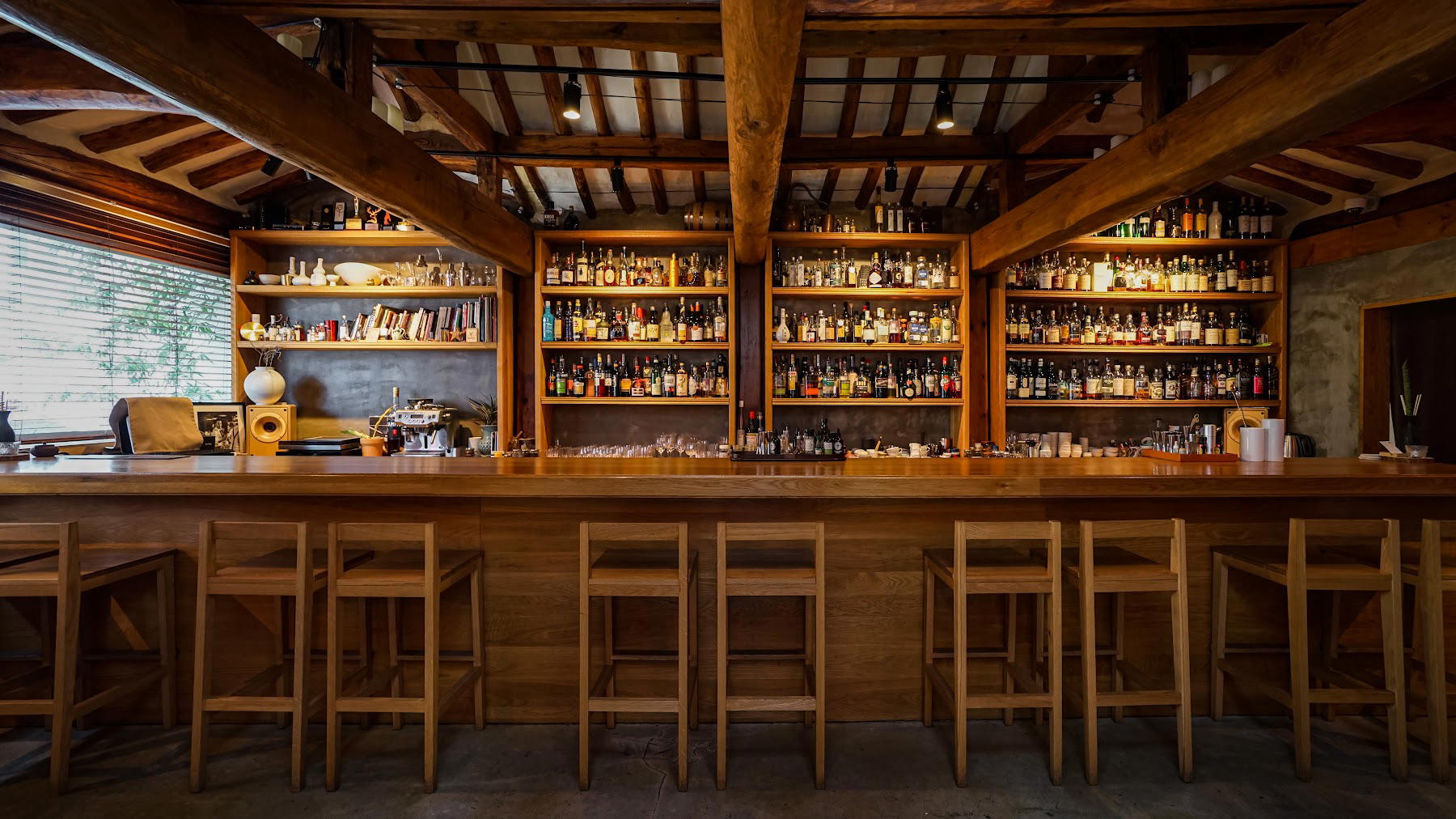
Homey but chic with fully wooden seating and a large music player blasting great music.