화곡미담분식
화곡미담분식 occupies a ground-floor space in Seoul's Gangseo district, operating within the bunsik tradition that defines much of the city's everyday dining culture. The address in Hwagok-dong places it inside a residential neighbourhood where casual, counter-style meals remain the norm. For visitors tracing Seoul's less-toured western districts, it offers a direct introduction to the rhythms of local snack-food dining.
Pearl is the En Primeur Club membership app — saves, bookings, and concierge access live there. Same editors, same standards.
- Address
- South Korea, 화곡동 24-524번지 1층 1호 강서구 서울특별시 KR
- Phone
- +82 2 2606 3319
- Directions
- Get directions
 Saves & bookings on Pearl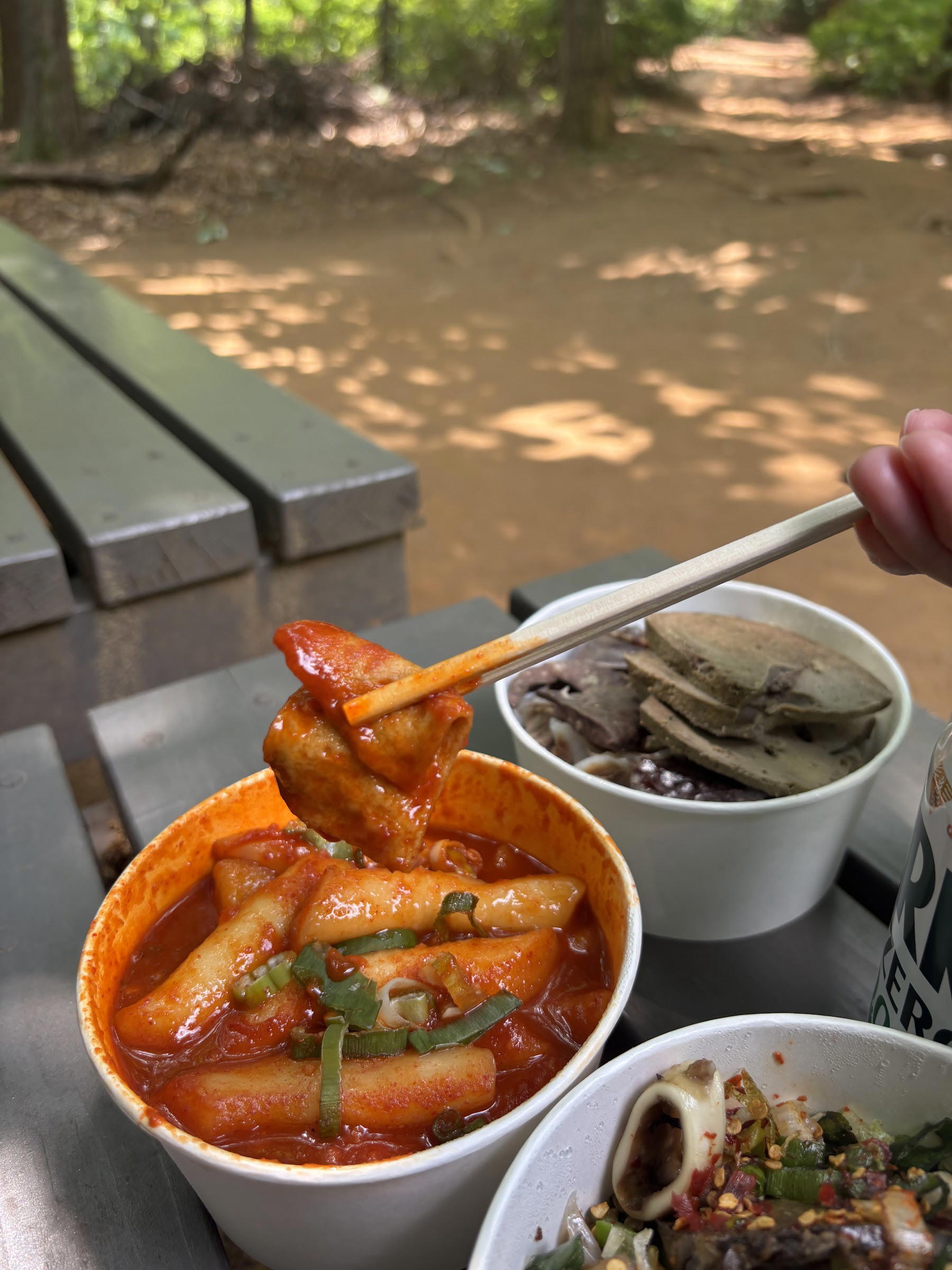
Where Gangseo's Everyday Dining Ritual Begins
The western districts of Seoul move at a different pace from the cocktail bars and tasting menus of Cheongdam or Itaewon. In Hwagok-dong, a residential pocket of Gangseo-gu, the street-level dining scene is built around bunsik, a category of Korean snack food and informal meal culture that covers everything from tteokbokki and kimbap to ramyeon and sundae. 화곡미담분식 sits on the ground floor of a building along this residential grain, and the experience it offers is shaped more by that neighbourhood context than by any single dish or chef credential.
Bunsik restaurants occupy a distinct place in Seoul's food culture. They are not casual by accident, they are casual by design, built around speed, affordability, and the kind of shared eating that happens between errands, after school, or before a longer evening. The dining ritual here follows a tempo quite different from the omakase counters or tasting menus that draw international attention. You order quickly, the food arrives quickly, and the conversation at the table or counter does most of the work. There is no dress code implied and no pacing enforced by a kitchen. The meal shapes itself around the diner's schedule, not the other way around.
The Bunsik Tradition in a Residential Context
To understand 화곡미담분식, it helps to understand what bunsik culture represents in the broader map of Seoul eating. The genre traces its mass presence to the post-war period, when affordable, filling food became a practical necessity across the city. Tteokbokki, rice cakes in spiced gochujang sauce, became the category's anchor dish, and the bunsik format expanded from street carts into permanent shop fronts over the following decades. By the time Hwagok-dong developed as a residential district in the 1980s and 1990s, bunsik shops were already woven into the neighbourhood fabric as a matter of course.
Gangseo-gu sits away from the tourist circuits that concentrate around Myeongdong, Insadong, or the Han River parks. The district's dining character is shaped by the people who live there rather than by visitor traffic, which means the bunsik establishments in the area operate under a different set of pressures than counterparts in more commercially visible neighbourhoods. Regulars expect consistency and value; novelty is secondary. A shop that has held its footing in a residential block has typically done so by delivering on those direct terms.
For visitors who have spent time at the kind of Seoul bars covered in our full Seoul restaurants guide, places like Alice Cheongdam, Bar Cham, or Charles H in the city's more curated districts, Hwagok-dong represents a genuine shift in register. The neighbourhood doesn't perform its identity for an outside audience. That absence of performance is, for many travellers, the point.
Reading the Room: Customs and Pacing
Arriving at a bunsik shop in a residential neighbourhood like Hwagok-dong involves a brief but real orientation. The menu is typically posted on the wall, laminated, or handwritten on a board; self-service ordering at the counter is common. The expectation is that you know, broadly, what you want before you reach the front. This is not a space designed for extended deliberation. The rhythm belongs to the neighbourhood's working schedule, lunchtime queues move briskly, and the turnover between sittings is fast.
This kind of eating is communal in a low-key way. Shared plates, multiple small items ordered alongside a main dish, and the habit of eating in proximity to strangers at a counter or shared table all characterise the bunsik experience. First-time visitors who are more familiar with the choreographed service of Seoul's upmarket dining rooms, or with internationally recognised bar programs like Bar D. Still, may find the pace bracing. That adjustment is part of what the visit offers.
Bunsik culture also has a seasonality to it, though not in the way that tasting-menu restaurants track seasonal produce. In winter, the warm broth of ramyeon and the heat of tteokbokki sauce take on additional weight; in summer, cold noodle dishes and lighter preparations shift into focus.
Situating Hwagok-dong in a Wider Seoul Context
Seoul's dining scene has concentrated heavily on a handful of districts, but the city's actual eating life is distributed across neighbourhoods that rarely appear in international coverage. The western districts, including Gangseo-gu, represent a large share of Seoul's residential population and a correspondingly large share of its everyday food culture. Bunsik shops, pojangmacha stalls, and local Korean restaurants in these areas operate within a competitive set defined entirely by local preference rather than by awards or media recognition.
The contrast with Seoul's internationally recognised venues is instructive. Programs at bars like those found across Muyongdam in Jeju Si, Climat in Busan, or Regency Club in Incheon are shaped by credentials, recognition, and a self-conscious positioning within a craft-drinks conversation. Bunsik in Hwagok-dong operates without those reference points. The standards here are accountability to regular customers and a price point that makes daily visits viable, a different discipline entirely, but no less real.
That logic applies across Korea's regional food scenes. Venues like Anjuga in Ansan Si and Seuwichi in Heungdeok each operate within their own neighbourhood logic, shaped by local populations rather than visitor agendas. Internationally, the same principle holds: the neighbourhood bar or snack counter that answers to its regulars first, whether that's Bar Leather Apron in Honolulu or Jewel of the South in New Orleans, tends to develop a specificity that destination dining rarely achieves.
Know Before You Go
| Detail | Information |
|---|---|
| Address | 화곡동 24-524번지 1층 1호, Gangseo-gu, Seoul |
| District | Hwagok-dong, Gangseo-gu, western Seoul, residential |
| Category | Bunsik (Korean informal snack and meal culture) |
| Hours | Not confirmed, verify locally before visiting |
| Booking | Walk-in format standard for bunsik; no reservation expected |
| Price range | Not confirmed, bunsik genre is typically low-cost |
| Getting there | Hwagok-dong is accessible via Seoul Metro Line 5 (Hwagok or Omokgyo stations) |
Peers Worth Knowing
Comparable venues nearby, for context on price, style, and recognition.
| Venue | Cuisine | Price | Notes |
|---|---|---|---|
| 화곡미담분식This venue — the venue you are viewing | pub | $ | Not listed |
| Ttotto | cocktail_bar | $ | 남가좌 |
| Pyeong Hwa | cocktail_bar | $$ | 문래동 |
| City Hall | pub | $$ | Sajik-dong |
| Magpie Brewshop (맥파이 브루샵) | beer_bar | $$ | Hoehyeon-dong |
| Nyapi | lounge | $$ | 이태원동 |
Continue exploring
More in Seoul
Restaurants in Seoul
Browse all →
At a Glance
- Cozy
- Lively
- Casual Hangout
- Late Night
- Standalone
- Seated Bar
Current opening hours
- Monday
- 11:30 AM–12:50 AM
- Tuesday
- 11:30 AM–12:50 AM
- Wednesday
- 11:30 AM–12:50 AM
- Thursday
- 11:30 AM–12:50 AM
- Friday
- 11:30 AM–12:50 AM
- Saturday
- 11:30 AM–12:50 AM
- Sunday
- Closed
Hours can change for holidays and private events. Last verified .
Casual, clean, and bustling snack bar atmosphere with self-service water.