Anjuga
Anjuga sits in Ansan Si's Sangnok-gu district, operating within a South Korean bar scene that has steadily shifted toward craft-led drink programs and neighbourhood-rooted venues. The address in Seongpo-dong places it away from Seoul's saturated cocktail corridor, part of a broader pattern of serious drinking culture spreading into satellite cities across Gyeonggi-do.

Pearl is the En Primeur Club membership app, where members save venues, book tables and use the concierge.
Drinking Outside the Capital: Ansan Si and the Spread of Craft Bar Culture
South Korea's cocktail scene spent most of the last decade concentrated inside Seoul, with Gangnam and Itaewon absorbing the recognition, the awards attention, and the international press coverage. That concentration has begun to loosen. Gyeonggi-do, the province wrapping Seoul on three sides, has developed its own nodes of serious bar culture, and Ansan Si is among the cities where that shift is most visible. Venues operating in Sangnok-gu, the residential-commercial district where Anjuga's address in Seongpo-dong sits, don't compete for the same foot traffic as a Gangnam cocktail bar, which means the format, the pacing, and the relationship between the bar and its neighbourhood tend to be shaped by different pressures. For our full Ansan Si restaurants guide, this shift in where serious drink programs appear is one of the more consequential developments in the regional scene.
The Setting: Seongpo-dong and What It Signals
Arriving at 587-2 Seongpo-dong, you are in a part of Ansan Si that reads as residential Gyeonggi-do rather than curated district. The surrounding streets carry the texture of a working city rather than a hospitality zone engineered for visitors, apartment blocks, local commerce, the ordinary infrastructure of a city of roughly 650,000. That context shapes what a bar like Anjuga is asked to be. In cities where the bar strip and the residential neighbourhood overlap, venues tend to build regulars rather than tourists, and the program often reflects that: more considered, less performance-oriented, calibrated to repeat visits rather than single-night spectacle.
This is a pattern visible across the satellite-city bar tier in Korea. Regency Club in Incheon operates within a similar logic, a city adjacent to Seoul, a venue embedded in a non-tourist neighbourhood, a bar culture built on local regulars rather than destination seekers. The format discipline that results from that context is, in many cases, more consistent than what you find in high-churn Gangnam spots.
The Cocktail Program: Reading the Room
With specific menu data not available for Anjuga, what can be said with confidence is the broader frame in which its drinks program operates. Korean craft cocktail culture has moved through several phases in recent years: the early adoption of Japanese bartending formalism, a period of heavy ingredient-localization using Korean spirits and fermented ingredients, and more recently a synthesis approach where technique precision and local flavor references coexist without one overwhelming the other.
Bars at the serious end of the Gyeonggi-do scene tend to index toward that synthesis. The use of makgeolli, soju-derived bases, doenjang-washed spirits, and Korean citrus varieties has moved from novelty to standard vocabulary in programs that want to be taken seriously without positioning themselves as concept bars.
For comparison, bars across the Korean scene that have earned wider recognition have generally done so by combining technical rigor with a clear local identity. Alice Cheongdam in Seoul is one reference point for what sustained recognition looks like in a Korean bar context. Muyongdam in Jeju Si demonstrates how a program grounded in regional identity can operate at a high level outside Seoul entirely. Anjuga's Ansan Si position puts it in that broader conversation about what serious Korean bartending looks like when it isn't anchored to a capital-city address.
Ansan Si in the Wider Korean Bar Map
Understanding Anjuga requires understanding what Ansan Si is in the Korean urban hierarchy. It is not a secondary city in the pejorative sense, with a population comparable to several European capitals, it has genuine commercial and cultural weight. But it sits outside the circuit that most international bar coverage follows, which runs Seoul to Busan, with occasional stops in Jeju and Incheon. That circuit gap is partly why bars in cities like Ansan Si, Suwon, and Seongnam remain under-covered relative to what the scene actually contains.
Climat in Busan is an example of what happens when a non-Seoul bar earns the kind of recognition that puts it on the international map. Seuwichi in Heungdeok makes a similar case for how serious drink programs develop outside the capital orbit. Anjuga's positioning in Ansan Si places it in that same tier of venues that may be operating at a level that outpaces their current coverage.
A Global Frame: What Neighbourhood Bars Do Leading
The tension between destination bar and neighbourhood bar is not unique to Korea. In the United States, the bars that have built the most durable reputations have often been those that took their immediate community seriously first. Kumiko in Chicago built its identity around a specific neighborhood and a Japanese-influenced program before wider recognition followed. Jewel of the South in New Orleans operates with the kind of historical rootedness that only comes from being genuinely embedded in a place. Julep in Houston and Superbueno in New York City each demonstrate how a bar's neighbourhood anchoring becomes part of the drink program's identity rather than incidental to it.
In Europe, The Parlour in Frankfurt on the Main operates on a similar premise: a bar in a city that doesn't lead bar coverage, building credibility through consistency rather than attention. Bar Leather Apron in Honolulu has made a strong case for what technical precision looks like in a market defined by leisure tourism, prioritizing the local over the transient in a way that has shaped its reputation durably.
Anjuga in Ansan Si occupies a position on that same axis: a bar whose relationship to its immediate neighbourhood is the primary condition of its operation, and where that embeddedness is likely a feature of what makes the program worth attention.
Planning Your Visit
Ansan Si is accessible from Seoul via the Suinbundang Line and the Suin Line, making the journey from central Seoul roughly 50 to 70 minutes depending on origin point. The Seongpo-dong address is in the Sangnok-gu district; local transit connections and ride-hailing apps cover the final distance from the nearest station. Phone and booking information are not currently listed for Anjuga, so arriving without a reservation or checking through local discovery platforms closer to your visit date is the practical approach. Given the neighbourhood format and local-regular calibration typical of venues in this tier, evenings mid-week tend to offer a more settled experience than weekend peaks, though this is general guidance for the category rather than venue-specific intelligence.
How It Stacks Up
| Venue | Price | Awards |
|---|---|---|
| AnjugaThis venue (the venue you are viewing) | Not listed | Not listed |
| Alice Cheongdam | $20–30 | World's 50 Best #13 · Top 500 Bars Best Bars #156 |
| Bar Cham | $10–20 | World's 50 Best #33 · Top 500 Bars Best Bars #147 |
| Southside Parlor | Not listed | World's 50 Best |
| Zest | Not listed | World's 50 Best |
| Bar D. Still | $10–20 | World's 50 Best #44 |
Continue exploring
More in Ansan Si
Bars in Ansan Si
All bars in Ansan Si →
Restaurants in Ansan Si
Browse all →
Details
- Cozy
- Quiet
- Casual Hangout
- Group Outing
- After Work
- Standalone
- Seated Bar
- Low Abv
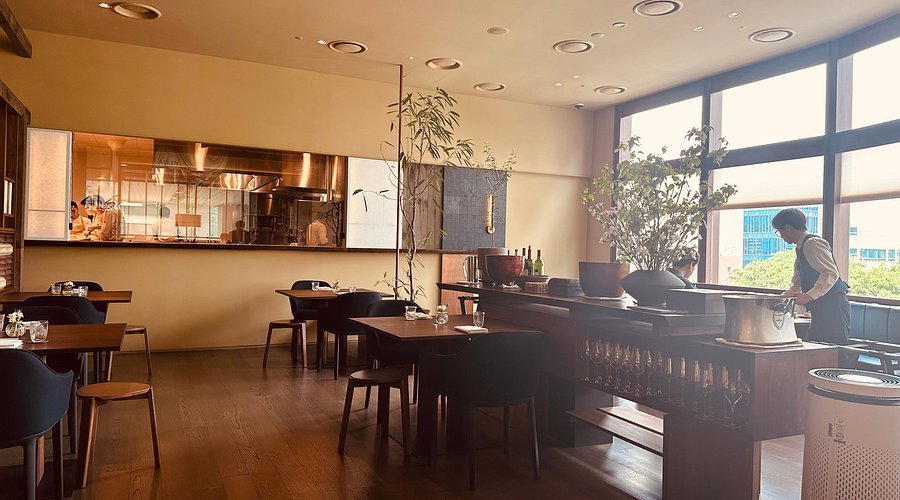
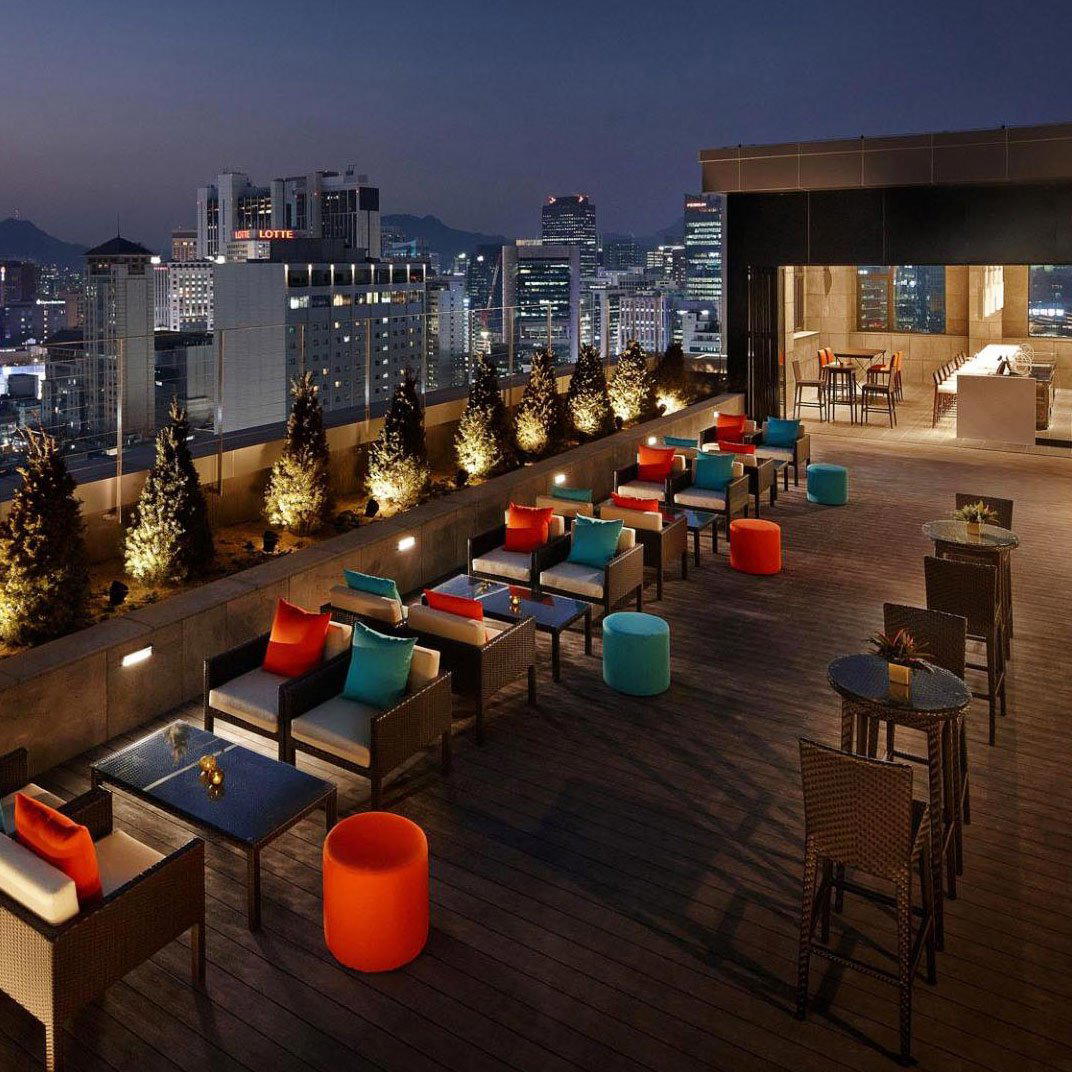
Exotic, relaxing atmosphere with a spectacular service focus and a clean, neighborhood-bar feel.