Art Paradiso, Paradise City


Most airport-adjacent hotels set expectations accordingly. Art Paradiso, the adults-only boutique property within Incheon's Paradise City complex, operates on a different logic entirely: 58 rooms styled like a gallery installation, a cocktail bar done in black and gold, and immediate access to one of South Korea's most ambitious luxury entertainment destinations. Rates from $310 per night.
Pearl is the En Primeur Club membership app — saves, bookings, and concierge access live there. Same editors, same standards.
- Address
- 186 Yeongjonghaeannam-ro 321beon-gil, Jung-gu, Incheon
- Phone
- +82 1833-8855
- Website
- p-city.com
- Directions
- Get directions
 Saves & bookings on Pearl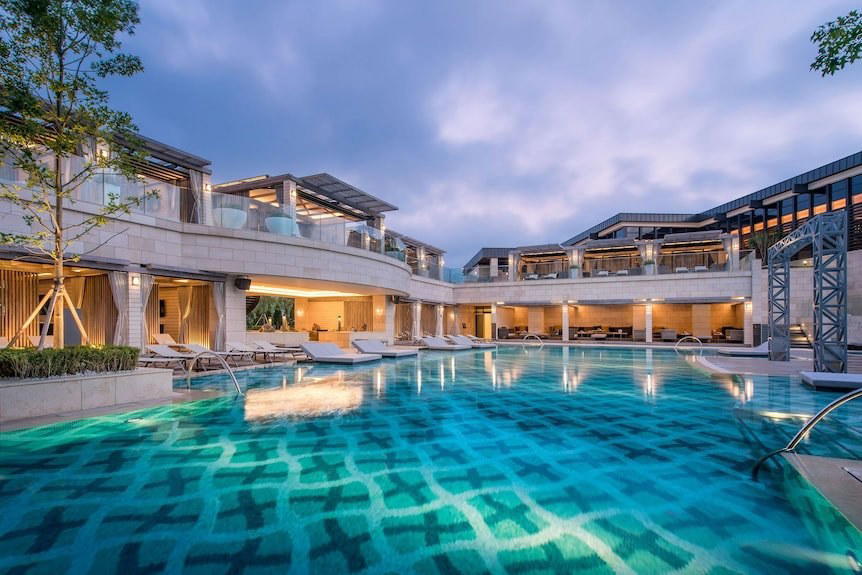
The Case Against Low Airport-Hotel Expectations
The prevailing assumption about airport hotels is that proximity to a runway is traded against everything else: design, food, atmosphere, reason to arrive early. Incheon disrupts that equation at almost every level. The airport itself is a piece of infrastructure that other countries study; the surrounding development has followed suit. Within the Paradise City complex, a 711-room resort anchors the site, but the more considered choice for adults travelling without children is Art Paradiso Hotel, a 58-room boutique property that operates inside the complex with its own entrance logic, its own aesthetic register, and a guest profile that skews toward people who want a hotel to look like something.
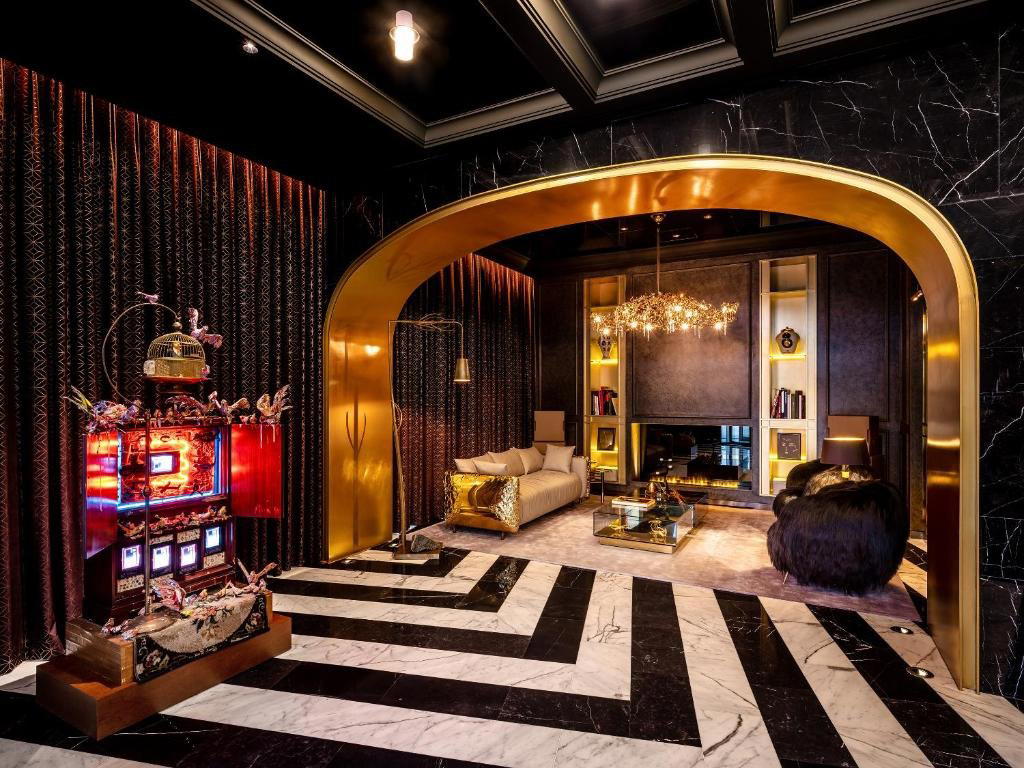
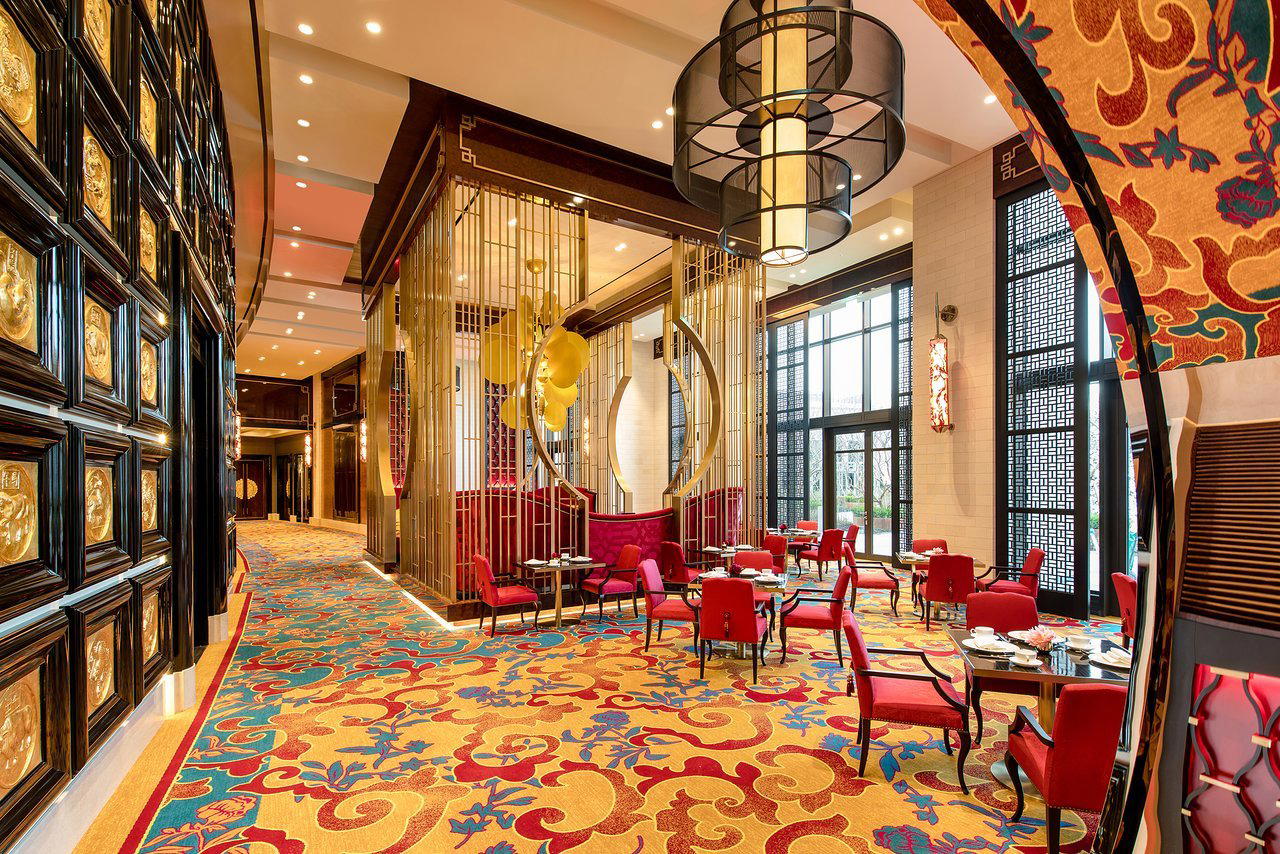
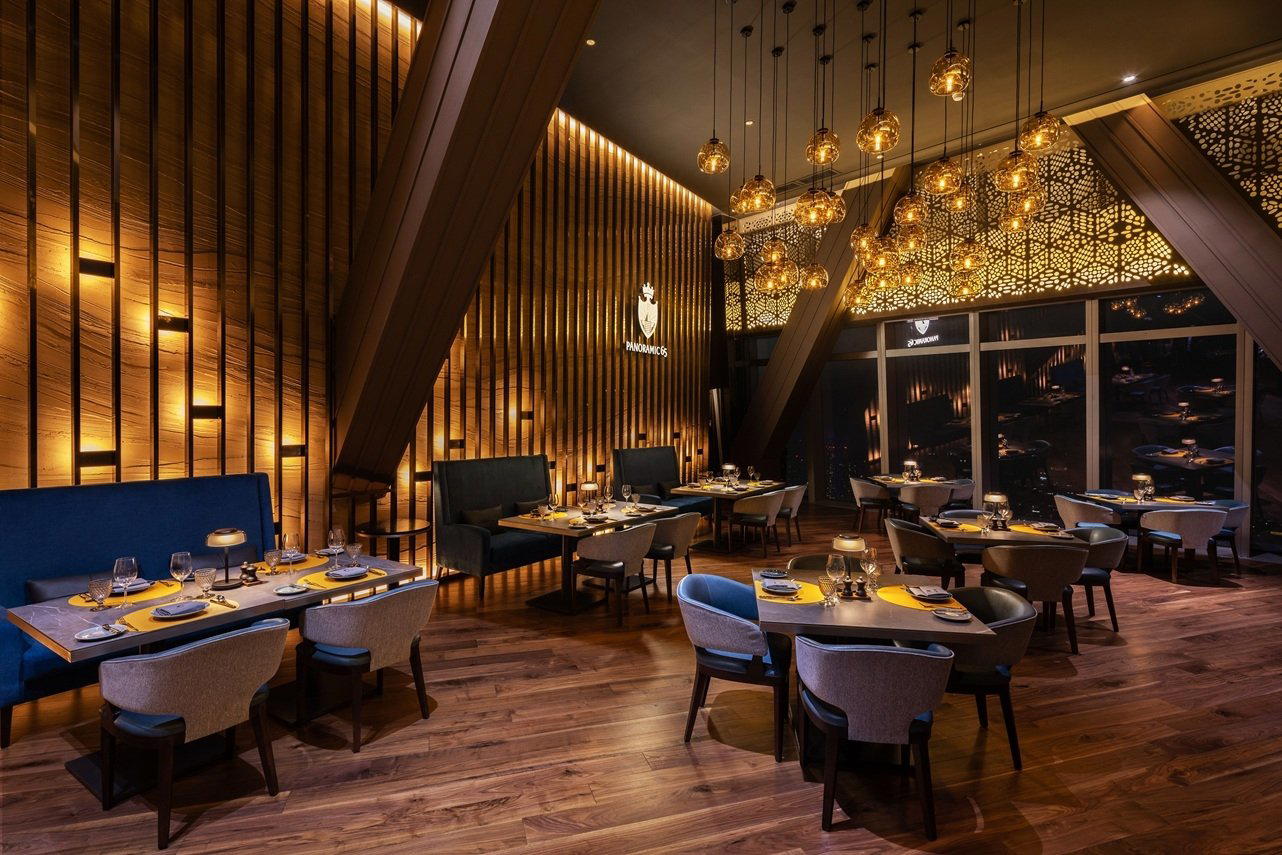
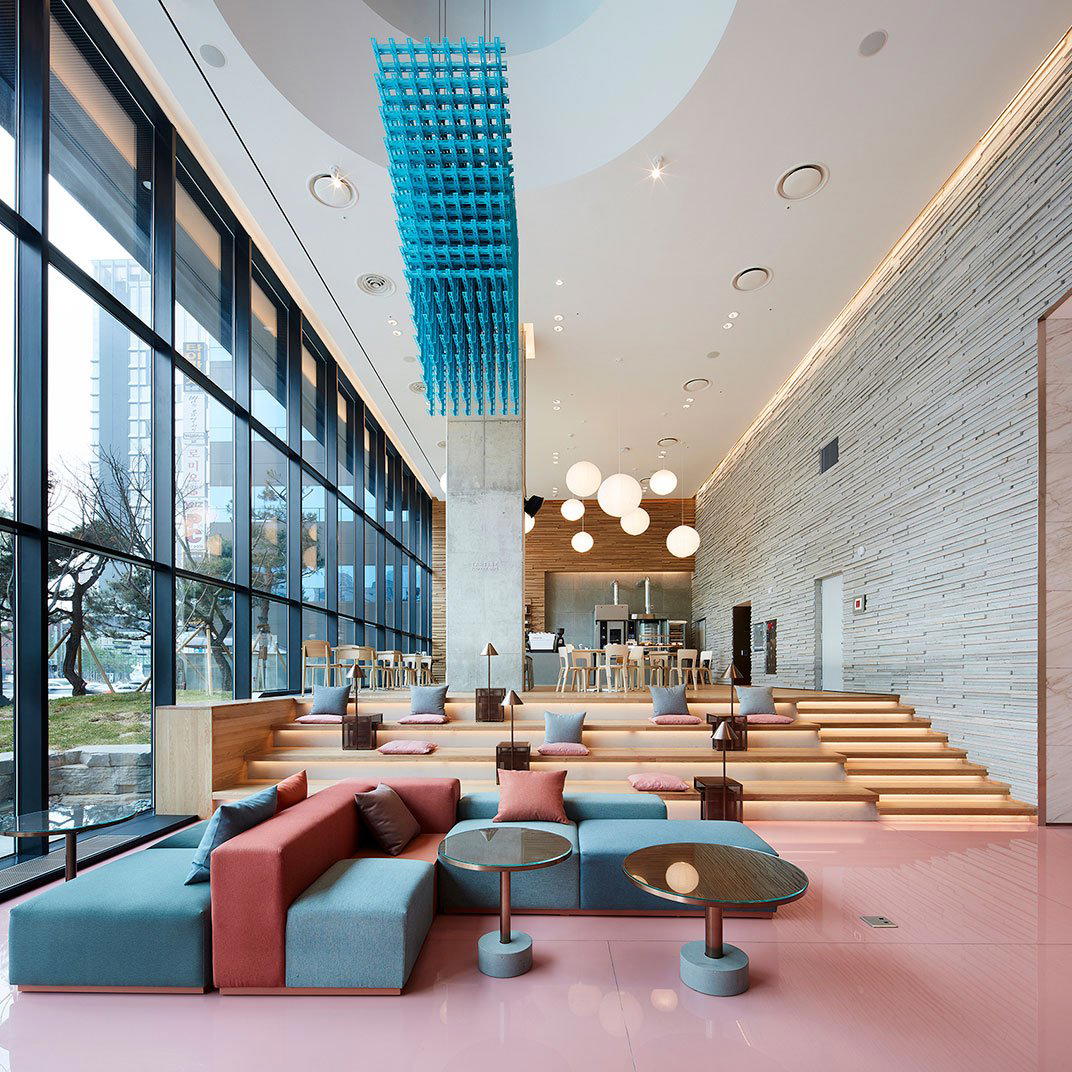
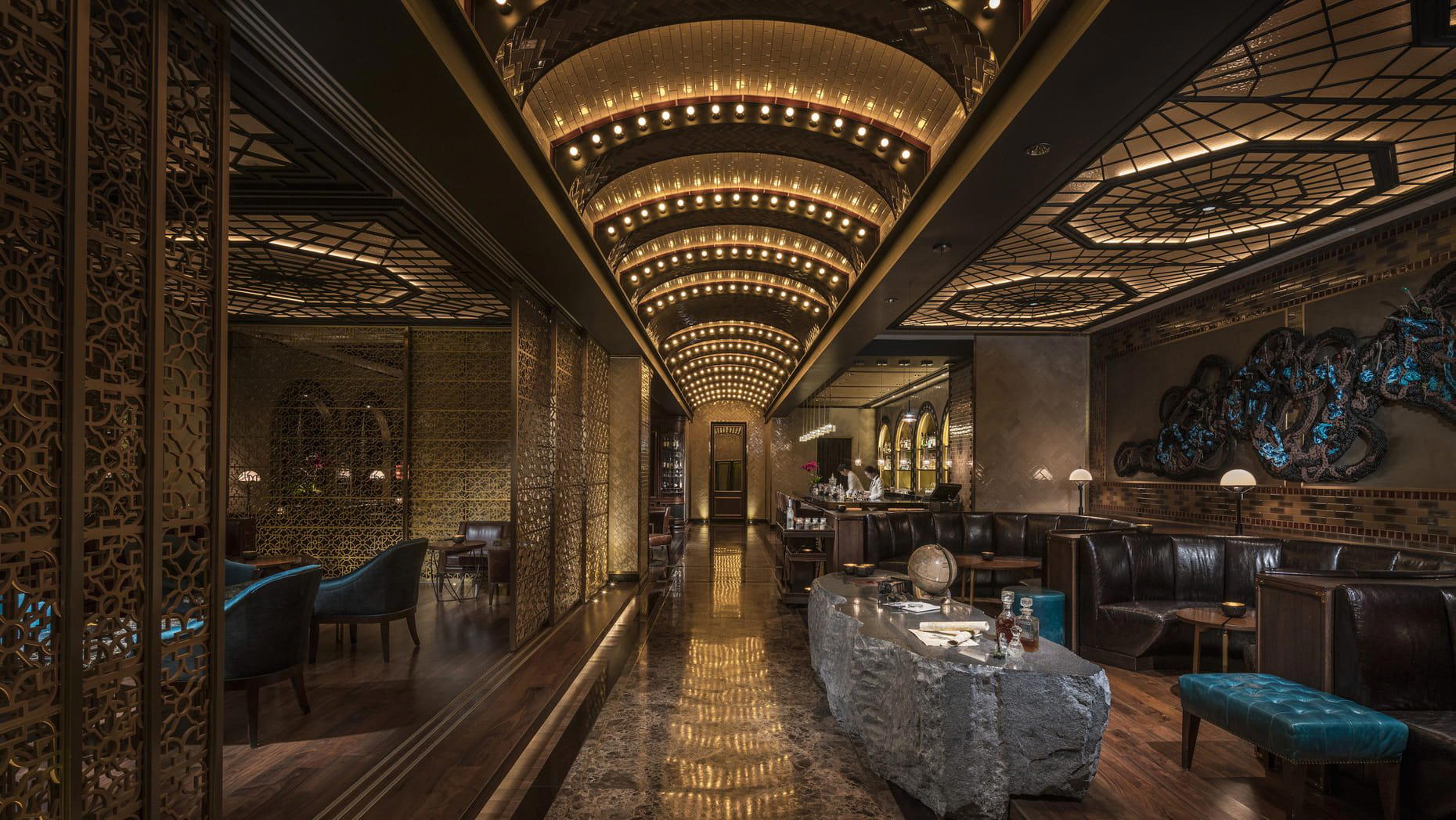
The design brief here is legible from the moment you step into the common areas: bejeweled chandeliers against a palette of black, red, and gold. It reads less like a lobby and more like the anteroom of a confident private collection. The suites, by contrast, pull back to a monochromatic calm, with lavish marble bathrooms doing the heavy lifting. The tension between the maximalist public spaces and the quieter rooms is intentional and, generally, it works. Hotels in this bracket often pick one register and commit; Art Paradiso runs both simultaneously.
What the Address Actually Provides
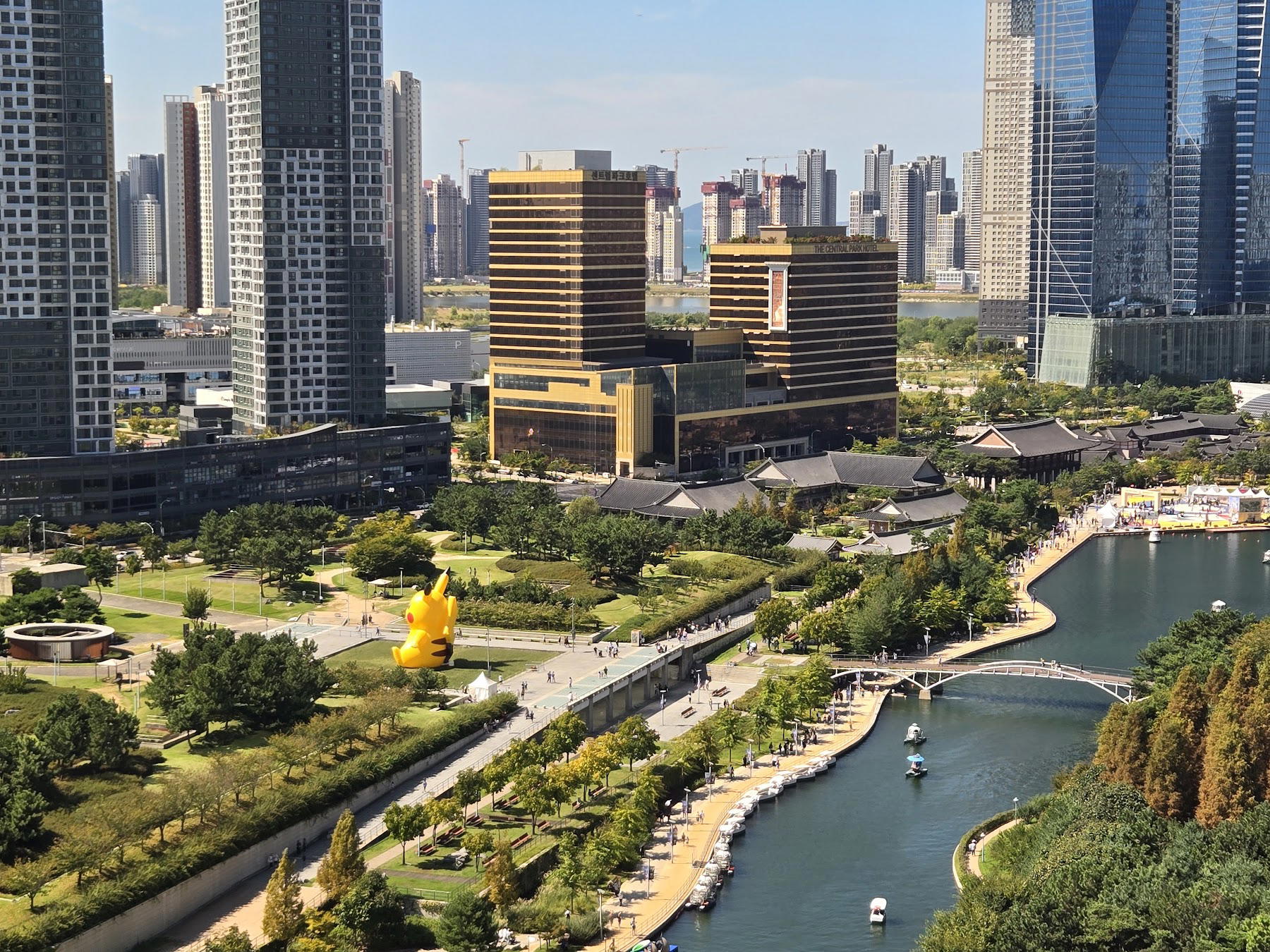
Location arguments for airport hotels usually run in one direction: you save a transfer. Art Paradiso's location argument is more interesting than that. Paradise City is not a transit convenience; it is a destination in its own right, and the property's position within it functions as direct access rather than mere proximity. Guests step outside into indoor-outdoor art installations, architectural exhibits, a theme park, and upscale dining and retail without requiring a car, a reservation for a shuttle, or any of the friction that typically separates a hotel from the things around it.
For travellers arriving into South Korea from long-haul flights, particularly those on routes through Incheon that don't connect onward until the following day, this changes the calculation significantly. Rather than absorbing a transfer into Seoul and the associated cost and time, a night at Art Paradiso functions as a soft landing into Korean design culture before the main trip begins. Incheon to central Seoul runs roughly an hour by Airport Railroad Express, so the property is not isolated from the city; it simply offers a legitimate reason to stay put on arrival night rather than pressing on immediately.
The Boutique Logic Inside a Large Complex
Boutique hotels embedded within large resort complexes occupy a specific and sometimes awkward niche. The draw is access to resort-scale amenities without the impersonality of a 700-room property. The risk is that the boutique component feels like a marketing distinction rather than a genuine operational difference. At Art Paradiso, the separation is architectural and curatorial rather than just categorical. Fifty-eight rooms is a number that allows a coherent guest experience; the art collection is a programming choice that has editorial weight rather than decorative afterthought status.
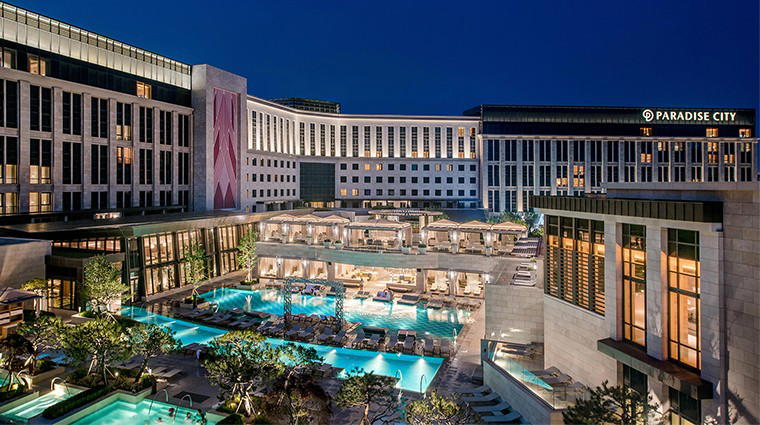
The outdoor swimming pool, with partially submerged chaises and two tiers of open-air lounge space, is the kind of amenity that justifies a longer stay than a single transit night. The spa follows the same more-is-more aesthetic as the lobby, and the bistro and cocktail bar extend that language into food and drink. With a price tier of 4, the property prices itself against boutique urban hotels in Seoul's premium tier, notably properties like Casino Hotel Seoul, rather than against functional airport accommodation. That positioning is deliberate and, given what the address delivers, defensible.
For context on where Art Paradiso sits within South Korea's broader hotel range: the country's premium offer spans from large international resort formats on Jeju, such as Grand Hyatt Jeju, Haevichi Hotel and Resort Jeju, and JW Marriott Jeju Resort and Spa, through coastal properties like Ananti at Busan Cove, to design-led retreats such as South Cape Owners Club in Namhae. Art Paradiso occupies a specific gap in that map: premium, urban-adjacent, design-forward, and without the remoteness that many of South Korea's most interesting properties require you to accept.
Comparing the Options Within the Complex
Nest Hotel as an alternative in the area. The decision between the two turns on what kind of stay you are planning. For those who want scale, family-appropriate facilities, and the full resort footprint, the main Paradise City resort handles that. For adults who want a hotel with a distinct visual identity, access to the same complex amenities, and a smaller room count that keeps the experience quieter, Art Paradiso is the more logical choice. The adults-only designation is not incidental; it shapes the atmosphere in the pool and common areas in ways that matter if that quieter register is what you are after.
Planning a Stay
Art Paradiso is the kind of property that rewards arriving with enough time to use it rather than simply sleeping and leaving. A single night works for genuine transit layovers, but two nights allows a proper engagement with the complex, the pool, the spa, and the art programming. Travellers building a wider South Korea itinerary might pair an opening or closing night here with properties further afield, whether that is a mountain retreat like Gangwon-do in Hongcheon or a coastal option like Kensington Hotel Seorak in Sokcho. For those whose South Korean itinerary extends to more unusual destinations, KOSMOS ULLEUNGDO on Ulleung Island or the Soi Hanok Stay in Gyeongju represent the country's more adventurous accommodation options. Internationally, travellers whose itineraries connect through multiple premium properties might reference the standard set by Aman New York or Bvlgari Hotel Tokyo as a calibration point for what boutique urban luxury looks like at its most controlled. Art Paradiso works from a similar design-forward premise within a different budget bracket.
A Lean Comparison
Comparable venues nearby, for context on price, style, and recognition.
| Venue | Price | Notes |
|---|---|---|
| Art Paradiso, Paradise CityThis venue — the venue you are viewing | $$$$ | Not listed |
| Sheraton Grand Incheon Hotel | $$$$ | Songdo, Yeonsu-gu, Large, international 5-star convention hotel serving as a flagship in Songdo’s business district. |
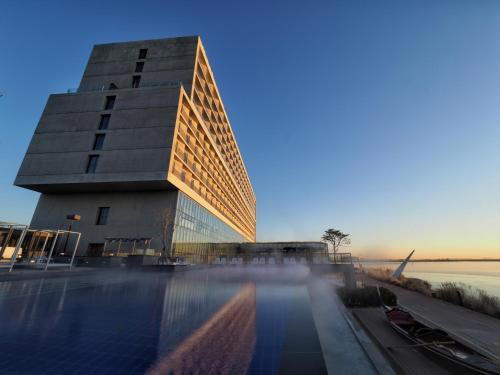
| Nest Hotel Incheon | $$$ | Jung-gu, Modernist stacked cubist structure as a traveler's hideaway blending nature and industrial elements. |
| Paradise City | $$$$ | Jung-gu, Luxury integrated resort with entertainment and hospitality. |
| Art Paradiso Hotel | $$$$ | Jung-gu, Paradise City, Contemporary luxury boutique hotel blending sleek South Korean design elements with old-world European grandeur, positioned as an ultra-modern art gallery experience. |
| Paradise City Incheon | $$$$ | Jung-gu, Contemporary luxury resort with artistic mood and integrated entertainment. |
Recognition history
Dated appearances from independent guides and award organizations, with the underlying list record or original source where available.
La Liste Top Hotels
La Liste
Michelin 1 Key
Michelin
At a Glance
- Modern
- Elegant
- Sophisticated
- Romantic Getaway
- Weekend Escape
- Celebration
- Design Destination
- Infinity Pool
- Destination Spa
- Private Dining
- Wi Fi
- Pool
- Spa
- Fitness Center
- Room Service
- Concierge
- Sauna
- Restaurant
- Bar
- Airport Shuttle
- EV Charging
- Wi Fi
- Pool
- Spa
- Fitness Center
- Room Service
- Concierge
- Sauna
- Restaurant
- Bar
- Airport Shuttle
- EV Charging
Sultry and glamorous with bejeweled chandeliers, black and red tones, statement lighting, and monochromatic suites; described as feeling like an ultra-modern, gorgeously illuminated art gallery with a blend of sleek South Korean elements and old-world European grandeur.