

Michelin Selected · Small Luxury Hotels of the World Member
On Wakayama's south coast, Five Spring Resort The Shirahama sits against one of Japan's most celebrated stretches of white quartz beach, where natural hot springs have drawn travellers for over a millennium. The resort pairs that geothermal heritage with an interior distinguished by storied artwork and considered design, positioning it within a smaller tier of Japanese coastal properties where atmosphere and artistry carry as much weight as accommodation.

Pearl is the En Primeur Club membership app — saves, bookings, and concierge access live there. Same editors, same standards.
- Address
- 300-2, Shirahama, Nishimuro District, Wakayama 649-2211
- Phone
- +81 739-43-5500
- Website
- fivehotel-shirahama.com
- Directions
- Get directions
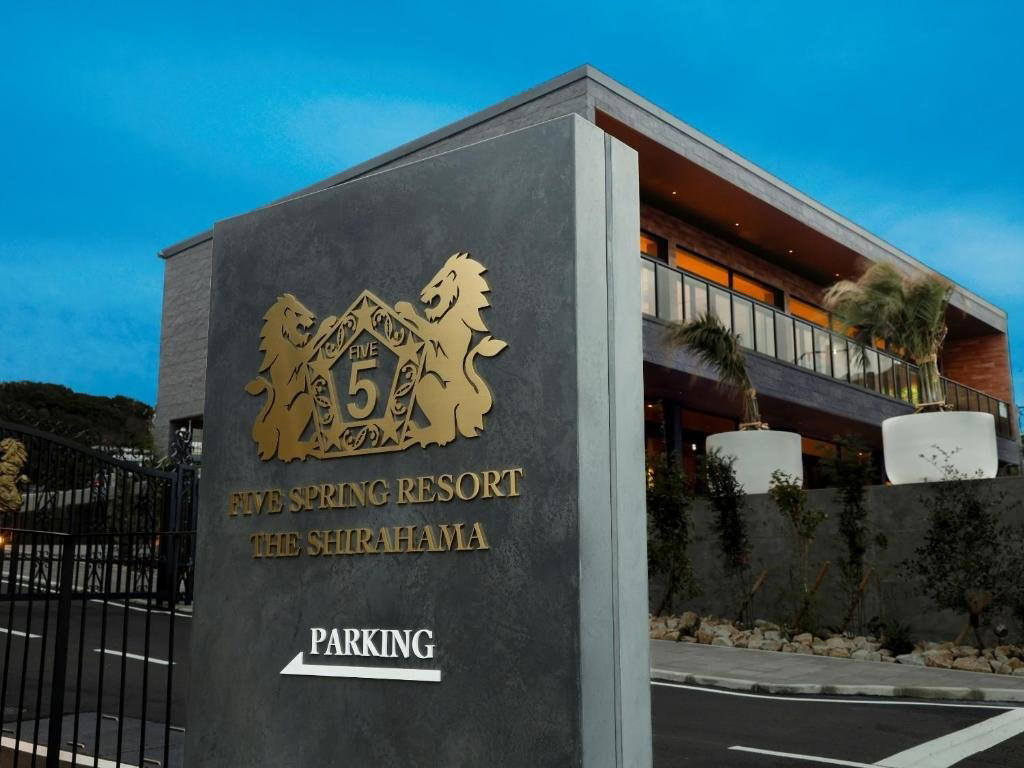
Where Coastal Geography Shapes the Stay
Japan's ryokan and resort tradition is often associated with mountain settings — Hakone's steam vents, Kyoto's forested eastern slopes, the highland onsen towns of Tohoku. The south coast operates on different terms. Wakayama Prefecture, roughly 100 kilometres south of Osaka by road, faces the Kumano Sea and holds one of Japan's longest-standing resort corridors: Shirahama. The town's name translates directly as "white beach," and the quartz sand that gives it that name has been drawing visitors since the Nara period, when it was recorded in eighth-century imperial chronicles as a destination for the nobility. That historical weight sits beneath every contemporary property here, including Five Spring Resort The Shirahama, which takes its name from the five natural hot spring sources that characterise this part of the Kii Peninsula.
The Kii Peninsula more broadly anchors one of the most historically layered regions in Japan. The Kumano Kodo pilgrimage routes — a UNESCO World Heritage network, thread through the mountains inland from Shirahama, and the peninsula holds Koyasan's temple complex to the north. Arriving at Shirahama from Osaka via the Kuroshio limited express takes around two hours, placing this stretch of coast within easy range of the Kansai region's major hubs while remaining far enough removed to feel genuinely coastal rather than suburban. For travellers moving between the major Japanese luxury hotel corridor and something less replicated, the south coast offers a distinct register.
The Design Premise: Artistry as Architecture
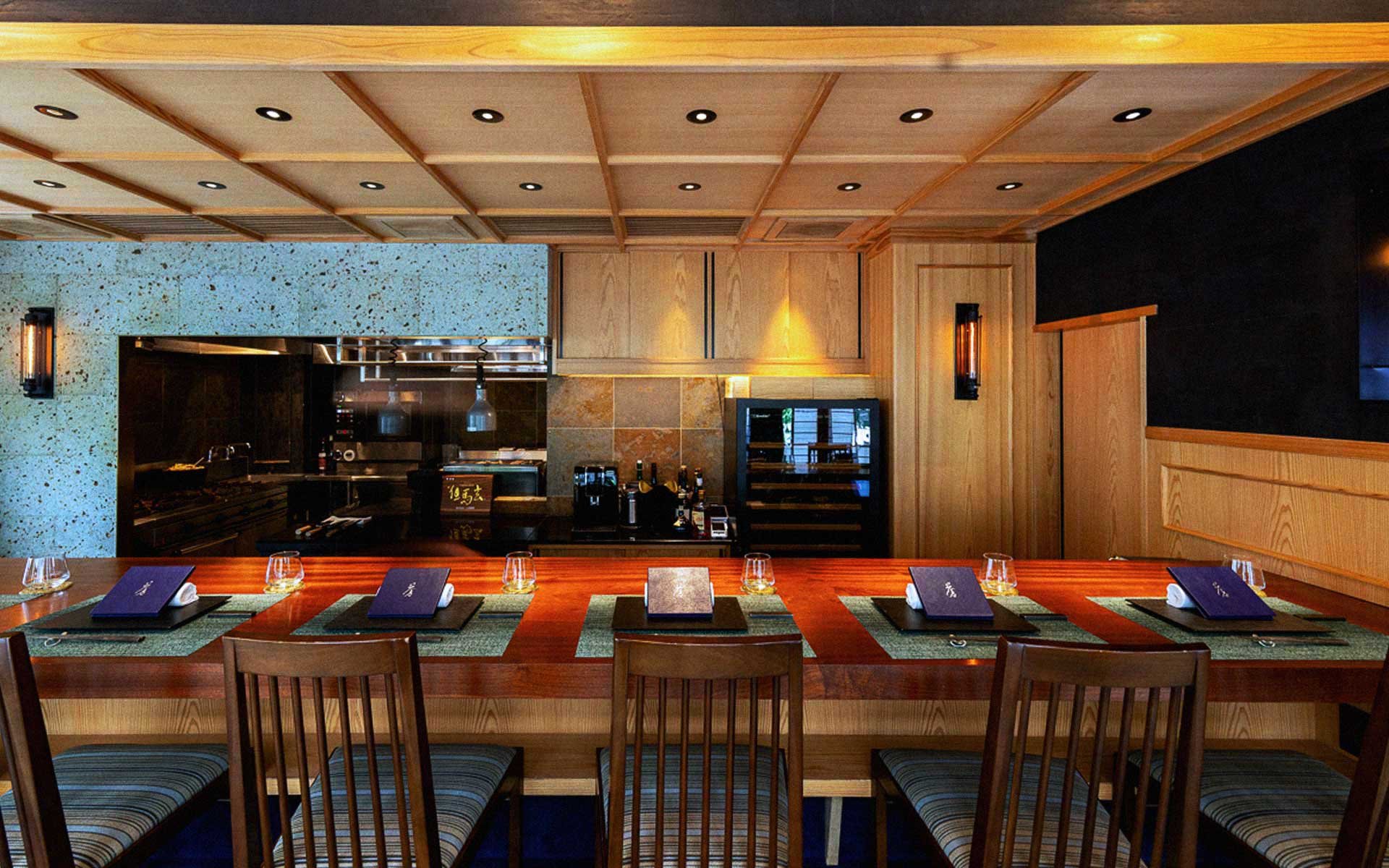
In the narrower tier of Japanese resorts where design is treated as a primary offering rather than an amenity, properties tend to fall into two categories: those that work with historical architectural vocabulary (the ryokan idiom of tatami, shoji screens, and engawa corridors) and those that use contemporary art and interior curation as their primary differentiator. Five Spring Resort The Shirahama operates in the second register, with a programme of paintings and artwork integrated across its spaces in a way that positions the resort closer to properties like Benesse House in Naoshima, where art collection and accommodation are genuinely intertwined, than to the traditional onsen inn format.
The "storied paintings" noted in the resort's positioning are not incidental decoration. In Japanese resort hospitality, the selection and placement of artwork carries curatorial weight, and properties that invest seriously in this tend to signal a specific guest relationship: one where the physical environment is meant to be read and engaged with, not simply inhabited. This approach places Five Spring Resort The Shirahama in a conversation with a wider set of design-led Japanese properties, from the considered interiors of Zaborin in Hokkaido to the architectural precision of ENOWA Yufu in Yufu.
The Onsen Tradition and What It Means Here
Shirahama's hot springs are among the three oldest designated onsen in Japan, a distinction that carries genuine historical significance rather than marketing convenience. The thermal waters here are sodium chloride in character, which produces a softer, skin-warming quality distinct from the sulphurous springs of regions like Beppu or the iron-rich waters of certain Tohoku towns. For a resort to name itself directly after the five spring sources of this area is to make an explicit claim: the geothermal element is not peripheral but central to what the property offers.
That framing places Five Spring Resort The Shirahama within Japan's broader onsen resort category while also distinguishing it from the more standardised hotel-with-onsen format. Properties like Amanemu in Mie, which also draws on the Kii Peninsula's geothermal resources in a design-intensive setting, represent a comparable approach further up the peninsula, though Amanemu operates at a different scale and under a different brand architecture. Closer in spirit to Five Spring Resort's coastal position are properties like Nishimuraya Honkan in Kinosaki-cho, where the onsen town setting is inseparable from the hospitality offer.
Placing Shirahama Within Japan's Premium Coastal Circuit
Japan's premium coastal and onsen resort circuit has expanded considerably over the past decade, with new entrants from international brands alongside the established ryokan tier. Properties like Halekulani Okinawa and Jusandi in Ishigaki have extended the coastal luxury map southward into Okinawa's island chain. Azumi Setoda in Onomichi occupies the Seto Inland Sea corridor. Against that expanding field, Wakayama's south coast remains less trafficked by international luxury travellers than either the Kansai urban circuit or the Okinawa beach market, a positioning that reflects genuine geography rather than deliberate obscurity.
For travellers building a multi-stop Japanese itinerary that combines the established Kansai cultural programme with something off that standard rotation, Shirahama functions as a logical southern extension. The Gora Kadan in Hakone and Asaba in Izu serve analogous roles for Tokyo-based itineraries, offering onsen depth and design seriousness within a two-hour radius of a major hub. Five Spring Resort The Shirahama occupies that structural position for Osaka and Kyoto, a consideration that makes it relevant to travellers already planning time at Hotel The Mitsui Kyoto or the urban properties of the Kansai region.
What the Setting Demands From a Visitor
Shirahama is not a destination that rewards drop-in treatment. The beach at Shirahama is at its most compelling from late spring through early autumn, when the white quartz is accessible and the sea temperature permits swimming. The onsen, by contrast, is a year-round draw, and winter visits carry their own appeal: thermal water access against cooler coastal air is a format that many of Japan's most serious onsen travellers prefer. The resort's location within the Nishimuro District also places guests within reach of Sandanbeki cliff, the Senjojiki rock formations, and the Adventure World wildlife park, the last of which is particularly associated with Japan's most successful giant panda breeding programme, a point of genuine local distinction.
Travel logistics from Osaka favour the JR Kuroshio limited express from Shin-Osaka to Shirahama Station, with connections available from Kyoto. The journey takes approximately two hours and runs with enough frequency to make same-day routing from Osaka practical, though the resort format here, like most serious onsen properties, is oriented around overnight stays rather than day trips. For broader context on Wakayama's hospitality options, our full Wakayama restaurants guide covers the prefecture's dining and accommodation in depth.
Planning Notes
Five Spring Resort The Shirahama sits at 300-2 Shirahama, Nishimuro District, Wakayama, addressable by JR rail from Osaka and accessible by rental car from the Kii Peninsula road network. Given the resort's positioning within the design-led tier of Japanese coastal properties, and given Shirahama's established status as a long-weekend destination for Kansai residents, advance booking is advisable, particularly for peak summer dates (late July and August) and Golden Week.
Fast Comparison
Comparable venues nearby, for context on price, style, and recognition.
| Venue | Cuisine | Price | Awards | Notes |
|---|---|---|---|---|
| Five Spring Resort The ShirahamaThis venue — the venue you are viewing | Contemporary luxury resort with classical Japanese ryokan hospitality foundations, featuring all-inclusive amenities and modern design. | Not listed | Michelin Selected · Small Luxury Hotels of the World Member | Not listed |
| Gekkoju Yufuin (月洸樹 由布院) | Ultra-luxury all-suite resort ryokan with modern Western furnishings and Japanese design elements. | $500–750 | Michelin Selected | Yufuin Onsen |
| moksa | Modern ryokan rebirth hotel blending tradition with contemporary wellness. | $100–200 | Michelin Selected | Yase |
| Hotel Toranomon Hills (ホテル虎ノ門ヒルズ) | Luxury design hotel positioned as a cosmopolitan retreat for business travelers and experienced guests seeking Japanese-Scandinavian aesthetic fusion. | $300–500 | Not listed | Toranomon |
| 倭乃里 (Wanosato) (Wanosato) | Traditional Japanese luxury ryokan with preserved heritage architecture | $500–750 | 1 Michelin Key | Ichinomiya |
| 俵屋旅館 | Traditional Japanese ryokan with modern comforts and historical integrity. | Not listed | 5-Star | Nakagyo-ku |
Recognition history
Dated appearances from independent guides and award organizations, with the underlying list record or original source where available.
Michelin Selected
Michelin
Small Luxury Hotels of the World Member
Small Luxury Hotels of the World
Continue exploring
More in Wakayama
Bars in Wakayama
Browse all →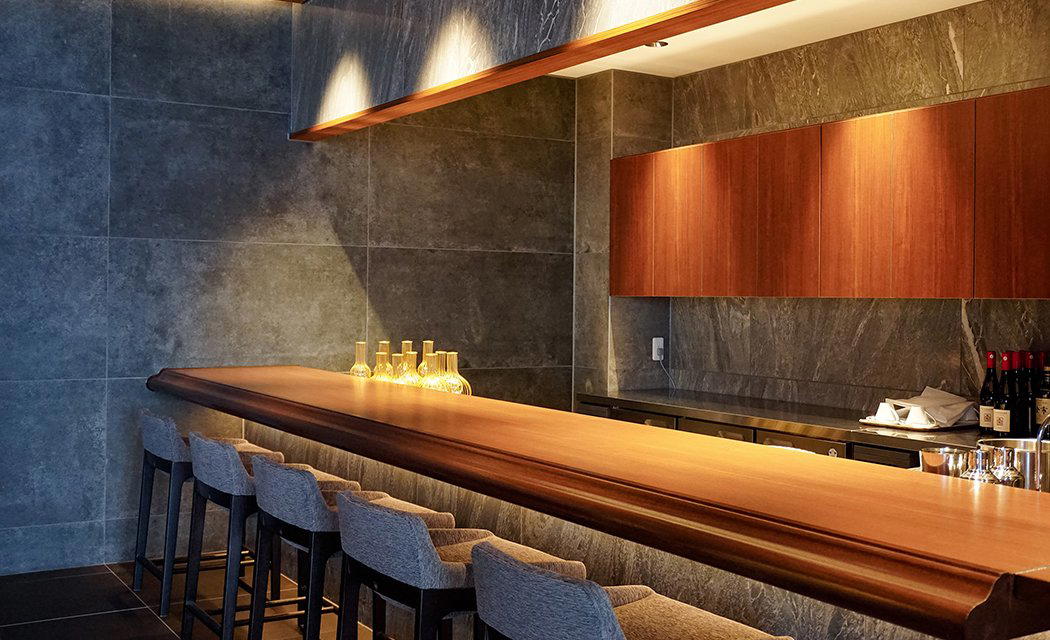
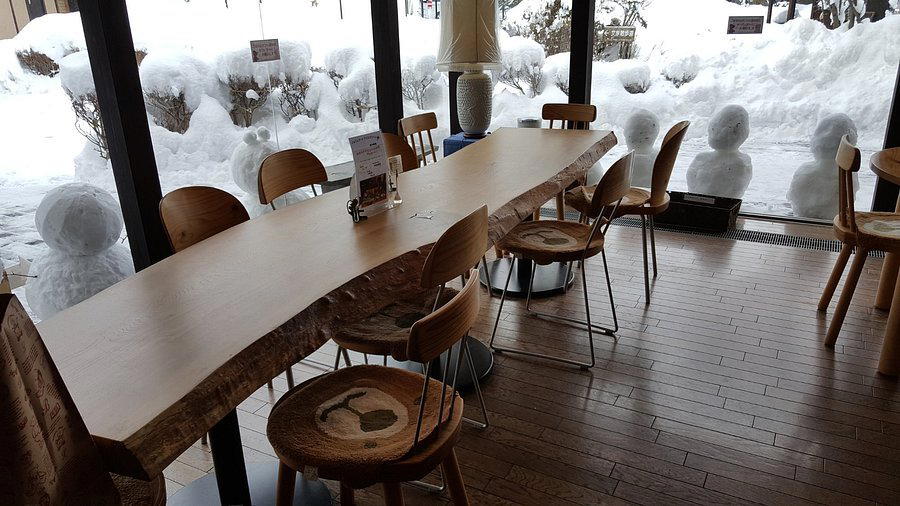
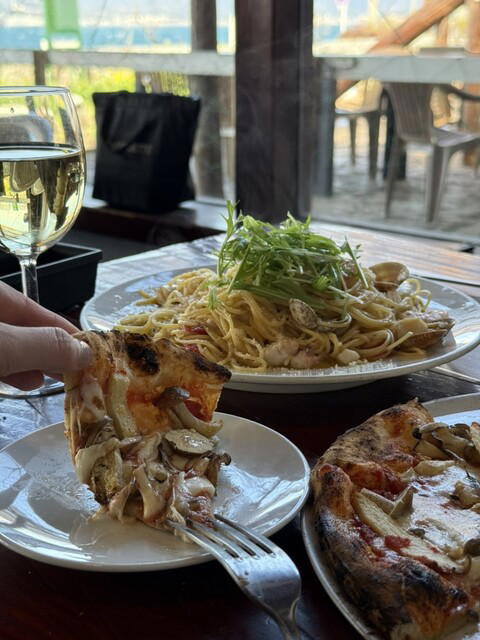

Details
- Romantic
- Quiet
- Modern
- Scenic
- Elegant
- Minimalist
- Honeymoon
- Romantic Getaway
- Wellness Retreat
- Anniversary
- Weekend Escape
- Beachfront
- Destination Spa
- Terrace
- Panoramic View
- Private Dining
- Garden
- Wi Fi
- Pool
- Spa
- Sauna
- Restaurant
- Bar
- Concierge
- Room Service
- EV Charging
- Kids Club
- Beach Access
- Waterfront
- Mountain
- Garden
- Wheelchair Accessible
- Step Free Entrance
- Accessible Restroom
Modern minimalist aesthetic with coastal textures and forest accents, serene and spa-like with soft lighting designed for relaxation and wellness.