Pescatore

Tabelog 100 #11
Our verdict
Pescatore gives Shirahama’s coastal dining scene a different register: pizza and pasta rather than seafood set meals, with terrace seating and ocean-facing appeal built into the format. Its selection for Tabelog 100 - Pizza - 2025 places it among Japan’s recognized pizza specialists, while the setting keeps the experience grounded in Wakayama’s resort rhythm rather than big-city dining theater.

Pearl is the En Primeur Club membership app — saves, bookings, and concierge access live there. Same editors, same standards.
- Address
- 300-4, Shirahama, Nishimuro District, Wakayama 649-2211, Japan
- Phone
- +81 739-43-7580
- Hours
- Mon–Tue 11:30 AM–3 PMWed ClosedThu–Sun 11:30 AM–3 PM
- Directions
- Get directions
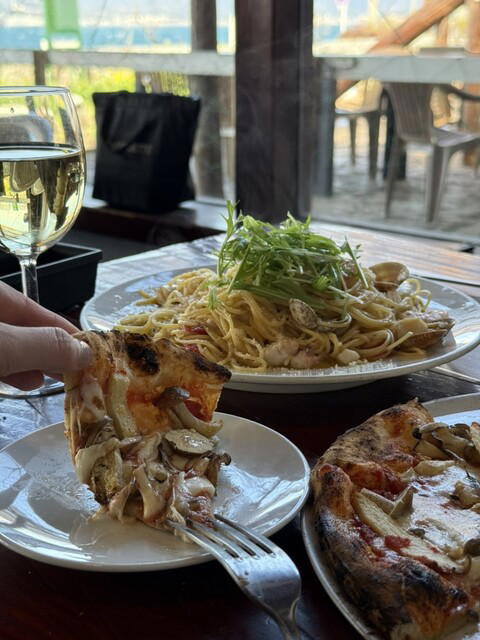
The menu
What to order
- Margherita pizza
- Seafood pizza
- Pasta dishes
Approaching Nishimuro-gun, the dining mood changes before the menu does. The area is useful for travelers planning relaxed meals, so pizza and pasta here read differently than they do in larger city dining circuits. They become part of an easy day rather than a metropolitan reservation chase, and Pescatore sits squarely in that register: a restaurant whose categories, price band, and local recognition suit groups planning a meal around travel in Nishimuro-gun.
That context matters because Nishimuro-gun’s restaurant culture is not built around one dominant genre. The area can support casual cafés, drinking rooms, and family-friendly lunch tables within a short holiday radius. For a broader read on the local spread, our full Nishimuro-gun restaurants guide is the useful starting point; nearby references such as Fukubishi Kagerou Cafe and Chokyu Sakaba show how different the same area can feel when the occasion shifts from café stop to evening drinking table. Pescatore’s role is narrower and clearer: pizza and pasta with enough recognition to justify planning around it.
Pizza and pasta in a town often read through seafood
Nishimuro-gun dining is often approached through travel context and local variety. Pizza changes the pace. It gives the table a shared center, works across generations, and avoids the formality that can make a trip meal feel over-scheduled. The categories here are pizza and pasta, which sounds simple until placed against the Japanese pizza scene, where serious specialists are assessed with the same intensity diners apply to other focused genres.
The significant credential is Pescatore’s selection from Tabelog Hyakumeiten in 2025, with a listed score of 3.75 and a price band of JPY 2,000 - JPY 2,999. That recognition is a useful signal because pizza in Japan has become a technically competitive field, not merely an imported comfort category. In larger cities, the conversation often turns on craft and consistency. In Nishimuro-gun, the same category is filtered through a slower travel tempo: a meal structure that can feel relaxed without demanding a long tasting-menu commitment.
The appeal here is less about named farms, supplier stories, or theatrical claims than about format. Pizza and pasta travel well when the cooking is disciplined; in a visitor-friendly area, they work when the table feels relaxed without becoming generic. That is the line Pescatore occupies.
The setting is part of the format, not decoration
Setting changes how this kind of restaurant functions. In Nishimuro-gun, a meal like this is not only about what arrives on the plate; it is also about how easily it fits around travel, family plans, and the pace of the day. Pescatore’s appeal is clearest when treated as a practical dining choice rather than as a formal destination meal.
The listed categories also help define the audience. Pizza and pasta are flexible, shareable, and easy to fold into a day with multiple generations or mixed appetites. That says more about the restaurant than a dozen adjectives would: the place belongs in a sociable, travel-friendly register, built for diners who want a proper meal without turning lunch or dinner into a performance.
Compared with Fukubishi Kagerou Cafe, which sits in a café lane, Pescatore asks for a slightly different commitment while remaining accessible. Compared with Chokyu Sakaba, the rhythm is less tied to a drinking-room occasion. That makes it especially useful for visitors plotting a day around Nishimuro-gun rather than building a night around one table.
How it fits into a Nishimuro-gun itinerary
Nishimuro-gun rewards travelers who think in clusters. Food, hotels, bars, wineries, and activities sit inside the same regional decision: whether the day is casual, leisurely, or built around moving between stops. For lodging context, our full Nishimuro-gun hotels guide helps frame where to stay; for later plans, our full Nishimuro-gun bars guide, our full Nishimuro-gun wineries guide, and our full Nishimuro-gun experiences guide widen the day beyond the meal.
The broader Japanese dining map also explains why a recognized pizza and pasta restaurant can merit attention. Travelers moving through the country now compare categories laterally: formal rooms, casual specialists, cafés, counters, and family-friendly restaurants each answer a different occasion. The same is true in Nishimuro-gun, where unnamed local dining rooms may be more useful for one moment and Pescatore more useful for another.
For Pescatore, the editorial case is not that pizza replaces another local meal. It is that Nishimuro-gun benefits from a recognized pizza-and-pasta counterpoint, especially for travelers who want a relaxed meal with an accessible price band and enough credibility to avoid the usual travel compromise.
Frequently asked questions
Is Pescatore child-friendly?
Pescatore is in Nishimuro-gun, and its pizza and pasta focus can make it an easy option for mixed groups. Confirm current seating and reservation details directly with the restaurant.
How would you describe the vibe at Pescatore?
It is a recognized pizza and pasta restaurant in Nishimuro-gun, positioned in an accessible JPY 2,000 - JPY 2,999 price band rather than a formal fine-dining lane.
What's the pricing like at Pescatore?
Pricing at Pescatore is listed as JPY 2,000 - JPY 2,999.
What is Pescatore known for?
Pescatore is known for pizza and pasta in Nishimuro-gun, with Tabelog Hyakumeiten recognition in 2025.
How It Stacks Up
Comparable venues by cuisine and price in the same metro.
| Venue | Cuisine | Price | Awards | Notes |
|---|---|---|---|---|
| PescatoreThis venue — the venue you are viewing | Seaside Italian Pizzeria | $10–20 | Tabelog 100 #11 | Not listed |
| Chokyu Sakaba | Japanese Izakaya & Seafood | Not listed | Tabelog 100 #39 | Shirahama-cho |
| Fukubishi Kagerou Cafe | Japanese bakery café & sweets | $10–20 | Tabelog 100 #45 | Shirahama-cho |
| 九十九 | Italian Wood-Fired Pizza & Craft Beer | Not listed | Not listed | 白浜町 |
| LA PIZZA D'ORO | Italian Pizza | Not listed | Not listed | Kita |
| Shimanouchi Fujimaru Jozosho | Urban winery with Italian-based cuisine | Not listed | Not listed | Chūō |
Recognition history
Dated appearances from independent guides and award organizations, with the underlying list record or original source where available.
Tabelog 100 #11 · No. 11
Tabelog · Tabelog 100 - Pizza - 2025
Continue exploring
More in Nishimuro-gun
Restaurants in Nishimuro-gun
Browse all →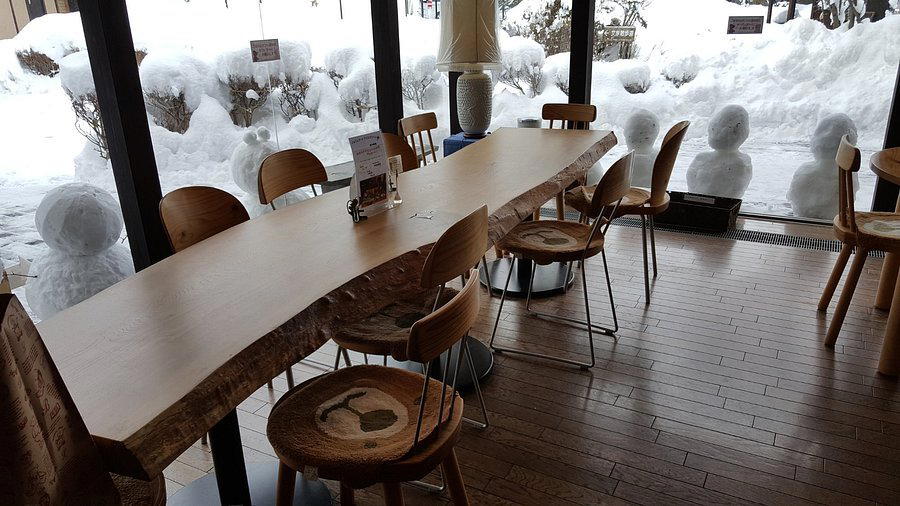
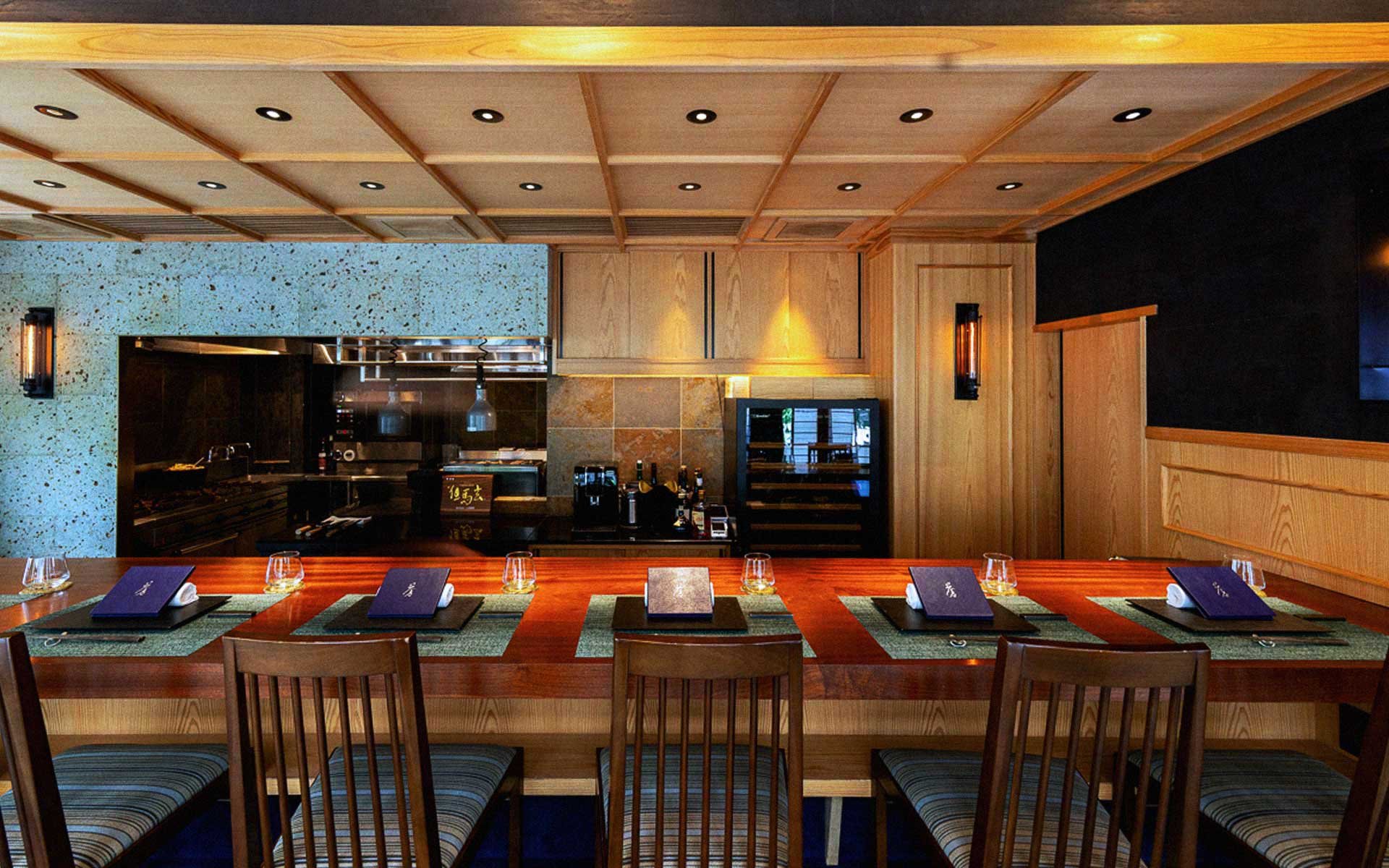
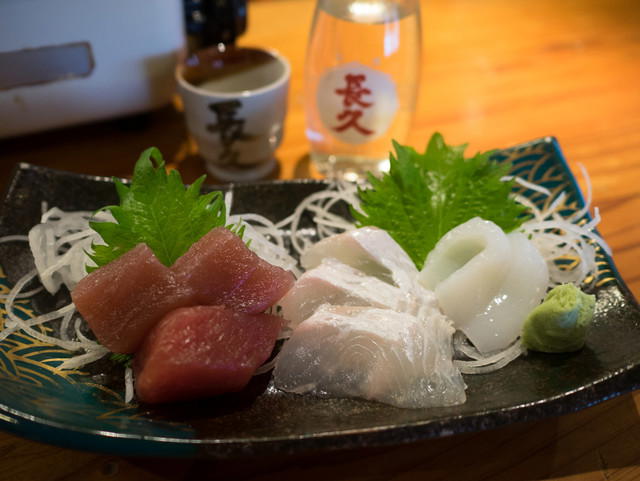

Bars in Nishimuro-gun
Browse all →
Hotels in Nishimuro-gun
Browse all →
Details
- Cozy
- Rustic
- Scenic
- Intimate
- Family
- Casual Hangout
- Group Dining
- Date Night
- Waterfront
- Standalone
- Terrace
- Waterfront
- A La Carte
Current opening hours
- Monday
- 11:30 AM–3 PM
- Tuesday
- 11:30 AM–3 PM
- Wednesday
- Closed
- Thursday
- 11:30 AM–3 PM
- Friday
- 11:30 AM–3 PM
- Saturday
- 11:30 AM–3 PM
- Sunday
- 11:30 AM–3 PM
Hours can change for holidays and private events. Last verified .
Warm and homey pizzeria atmosphere with a rustic, family-run feel and relaxed seaside vibe, where guests linger over pizza and pasta while enjoying views of the water.