Chokyu Sakaba

Tabelog 100 #39
Our verdict
Chokyu Sakaba is a Shirahama izakaya built around fish, sake and shochu, with Tabelog 100 Izakaya WEST selections in 2024 and 2025 giving it a stronger signal than a casual tavern label suggests. The room is compact, counter-led and suited to travellers who want Wakayama seafood culture without moving into formal kaiseki territory.

Pearl is the En Primeur Club membership app — saves, bookings, and concierge access live there. Same editors, same standards.
- Address
- 3079-6, Shirahama, Nishimuro District, Wakayama 649-2211, Japan
- Phone
- +81 739-42-2486
- Hours
- Mon–Wed 4–10 PMThu ClosedFri–Sun 4–10 PM
- Website
- chokyuu.com
- Directions
- Get directions
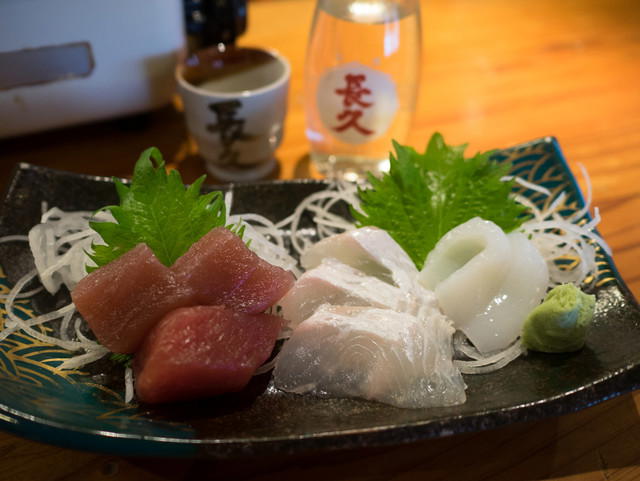
Shirahama’s evening dining rhythm is not the same as Osaka’s late-night sprawl or Kyoto’s reservation theatre. The resort town turns toward the sea, the bathhouse, and the kind of small-room drinking culture where fish matters more than décor. Chokyu Sakaba belongs to that register: a house-style izakaya with counter seating, raised-platform tables and a seafood focus that places it inside Wakayama’s coastal food identity rather than the metropolitan izakaya circuit.
The useful way to read the room is through sourcing and format. In Japanese resort towns, seafood taverns often carry the burden that sushi counters and kappo rooms share in larger cities: they translate local catch into a relaxed evening meal, with sake and shochu doing as much work as the kitchen. Here, the category listing is explicit, izakaya, Japanese cuisine and seafood, with fish as the stated point of emphasis. That matters in Shirahama, where the value of a meal is tied less to novelty and more to whether the cooking feels anchored to the coast.
Fish-led izakaya culture, not resort dining theatre
Japan’s serious izakaya tradition is often misread from abroad as casual by default. The better version is more disciplined: a compact menu logic, alcohol that shapes the pace, and cooking that can move between small plates and fuller dishes without adopting the stiffness of a tasting menu. Chokyu Sakaba’s recognition on Tabelog 100 Izakaya WEST in both 2024 and 2025 places it in a regional group where consistency, local reputation and category fit carry weight.
That award context is useful because Wakayama does not operate with the same international dining visibility as Tokyo, Osaka or Kyoto. A seafood izakaya here has to be judged against a different competitive set: provincial counters, family-run fish rooms, and resort-town restaurants serving travellers who have spent the day around onsen, beaches or the Kii Peninsula coast. The appeal is not luxury signalling. It is the collision of a drinking house format with a fish-first kitchen, in a town where the sea is not a decorative theme.
The drinks framing also tells the reader how to approach the meal. Sake and shochu are listed as core drinks, which suits an izakaya table better than a wine-pairing mindset. That places the restaurant closer to a regional tavern meal than a Western-style seafood restaurant such as Pescatore, and far from the daytime café rhythm of Fukubishi Kagerou Cafe. Those comparisons are not about hierarchy; they map three different ways Nishimuro-gun feeds visitors, from coffee and sweets to Italianate seafood to Japanese tavern cooking.
A compact room changes the pace of dinner
The layout matters because this is not a sprawling tourist dining hall. The room runs to 28 seats, including 16 at the counter and two raised-platform tables for six. That split shapes the experience: counter seats keep the meal closer to the kitchen’s tempo, while the raised seating works better for small groups. Private rooms are listed for parties of 10 to 20, which puts it in a useful middle ground for friends or local gatherings without turning it into a banquet restaurant.
Atmosphere follows from those numbers. A compact izakaya can feel social without becoming chaotic, especially when counter seats occupy more than half the room. Non-smoking status also changes the calculus for travellers who love Japanese drinking culture but do not want the older, smoke-heavy version of it. The practical details are modest but meaningful: reservations are accepted, parking is available, and the nearest rail anchor is Shirahama Station, with bus access in the area. For a resort town where taxis and evening logistics can shape the night, those details make the difference between an easy dinner and an improvised one.
Payment expectations are equally direct. Credit cards and electronic money are not accepted, while PayPay is listed. That is not a charming quirk; it is operational information travellers should treat seriously in regional Japan. The dining budget sits in an izakaya band rather than a formal seafood counter band, which helps explain why the restaurant’s recognition is interesting: the signal is not built on luxury pricing, but on how a familiar tavern category performs in a fish-rich coastal town.
Where it fits in a Nishimuro-gun itinerary
Nishimuro-gun rewards travellers who do not reduce the area to a beach stop. Shirahama has long been associated with onsen and seaside leisure, but its dining scene is more varied than the resort label implies. A strong day might move from coastal walking or bathing into a tavern dinner, while a different itinerary could build around cafés, casual Italian seafood or a broader scan of the district’s restaurant map. For planning across the area, EP Club’s full Nishimuro-gun restaurants guide gives the clearest local frame, with parallel guides for Nishimuro-gun hotels, bars, wineries and experiences.
The broader Japan file shows how specific this Shirahama meal is. A sukiyaki specialist such as -Grilled beef Sukiyaki- KAMAKURA TANUKIAN 鎌倉 たぬき庵 in Kamakura belongs to a beef-and-hotpot tradition; 鮪と炭火焼き うお炭 秋葉原店 in Tokyo reads through the capital’s tuna and charcoal-grill idiom;.cafe in Osaka.know in Kumamoto, (Shoku) Vietnam in Kawasaki, [Curry Senmon Ten] Maruyama Kyoju. in Sapporo, [ki:] in Kyoto, #肉といえば松田 奈良本店 in Kashihara and 1/3 HAMBURGER FACTORY in Kanazawa each sit in different local appetites. Even overseas Japanese-adjacent stops such as Jōdo Saké Bar in Los Angeles and Onigiri Time in Pasadena underline the point: context changes the meaning of familiar forms.
The editorial case for Chokyu Sakaba is therefore specific rather than inflated. It is a compact Shirahama izakaya with fish at the centre, sake and shochu in the glass, regional award recognition and enough practical structure to suit travellers who plan dinner with intention. For Nishimuro-gun, that combination is more useful than another polished resort meal.
Frequently asked questions
Is Chokyu Sakaba okay with children?
No dedicated children policy is listed. The 28-seat room, with 16 counter seats and two raised-platform tables, points to a compact izakaya setting rather than a child-focused dining room.
What is the atmosphere like at Chokyu Sakaba?
It feels like a compact Shirahama izakaya, with counter seating, sunken seating, and a fish-focused food profile. The Tabelog 100 Izakaya WEST 2025 selection adds weight to its local reputation.
What's the price range at Chokyu Sakaba?
Pricing at Chokyu Sakaba is listed as JPY 4,000 - JPY 4,999.
What is Chokyu Sakaba known for?
Chokyu Sakaba is primarily known for its core concept and execution in Nishimuro-gun.
Comparable Spots, Quickly
Comparable venues by cuisine and price in the same metro.
| Venue | Cuisine | Price | Awards | Notes |
|---|---|---|---|---|
| Chokyu SakabaThis venue — the venue you are viewing | Japanese Izakaya & Seafood | Not listed | Tabelog 100 #39 | Not listed |
| Pescatore | Seaside Italian Pizzeria | $10–20 | Tabelog 100 #11 | Shirahama-cho |
| Fukubishi Kagerou Cafe | Japanese bakery café & sweets | $10–20 | Tabelog 100 #45 | Shirahama-cho |
| Boteyan (ぼてやん多奈加) | Okonomiyaki & Yakisoba | $10–20 | Tabelog 100 #94 | Toyama Station area |
| Rankan | Traditional Japanese Kissaten Coffee House | $10–20 | Not listed | Dazaifu |
| Gion Tokuya | Traditional Japanese Desserts & Sweets | $10–20 | Tabelog 100 #62 | Gion |
Recognition history
Dated appearances from independent guides and award organizations, with the underlying list record or original source where available.
Tabelog 100 #39 · No. 39
Tabelog · Tabelog 100 - Izakaya - WEST - 2025
Continue exploring
More in Nishimuro-gun
Restaurants in Nishimuro-gun
Browse all →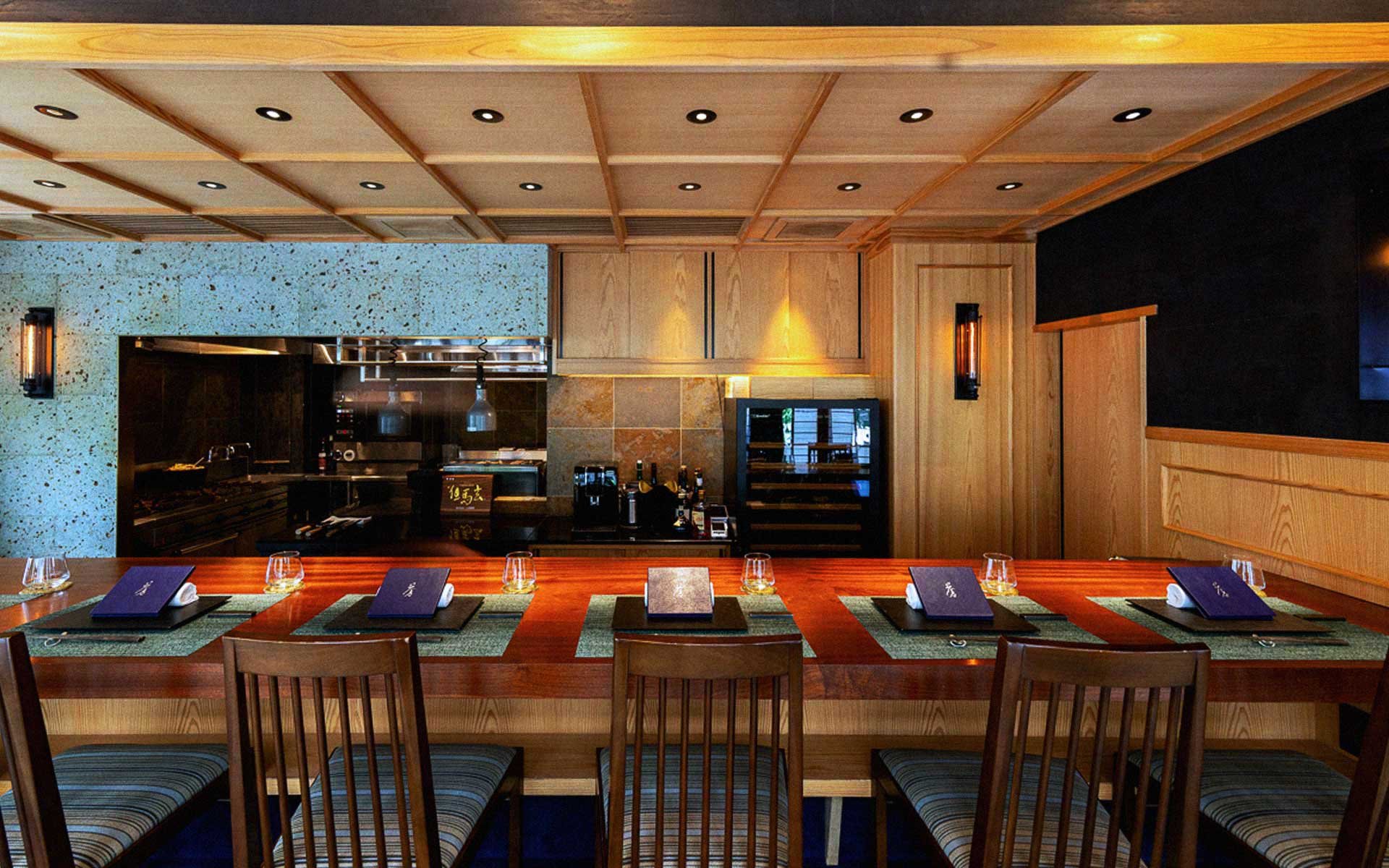

Bars in Nishimuro-gun
Browse all →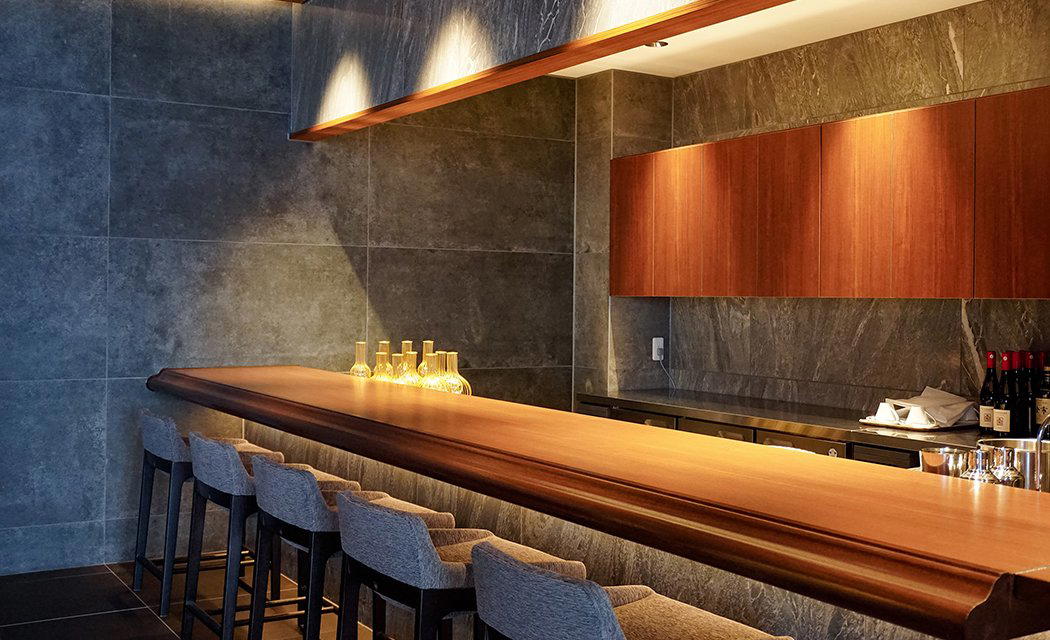
Hotels in Nishimuro-gun
Browse all →
Details
- Cozy
- Lively
- Intimate
- Rustic
- Casual Hangout
- After Work
- Group Dining
- Solo
- Late Night
- Standalone
- Sake Program
- Beer Program
- Local Sourcing
- A La Carte
- Small Plates
- Counter Dining
- Sake
- Beer
Current opening hours
- Monday
- 4–10 PM
- Tuesday
- 4–10 PM
- Wednesday
- 4–10 PM
- Thursday
- Closed
- Friday
- 4–10 PM
- Saturday
- 4–10 PM
- Sunday
- 4–10 PM
Hours can change for holidays and private events. Last verified .
Reviews describe a relaxed, intimate counter setting that feels like a neighborhood tavern, combining the warmth of a traditional izakaya with the focus and calm of a small sushi counter.