Our verdict
Located at 2 Chome-16-30 Takao in Tanabe, Wakayama, 公賀 無垢庵 sits in a city better known as the gateway to the Kumano Kodo pilgrimage routes than as a dining destination — which is precisely what makes its presence here worth attention. Tanabe's position at the edge of the Kii Peninsula places it within reach of some of Japan's most carefully tended coastal and mountain produce. For travellers moving through the Kansai-Kinki region, it represents a quieter counterpoint to the more celebrated restaurant cities to the north.

Pearl is the En Primeur Club membership app — saves, bookings, and concierge access live there. Same editors, same standards.
- Address
- 2 Chome-16-30 Takao, Tanabe, Wakayama 646-0028, Japan
- Phone
- +81739265600
- Website
- sizenmukuan.jp
- Directions
- Get directions
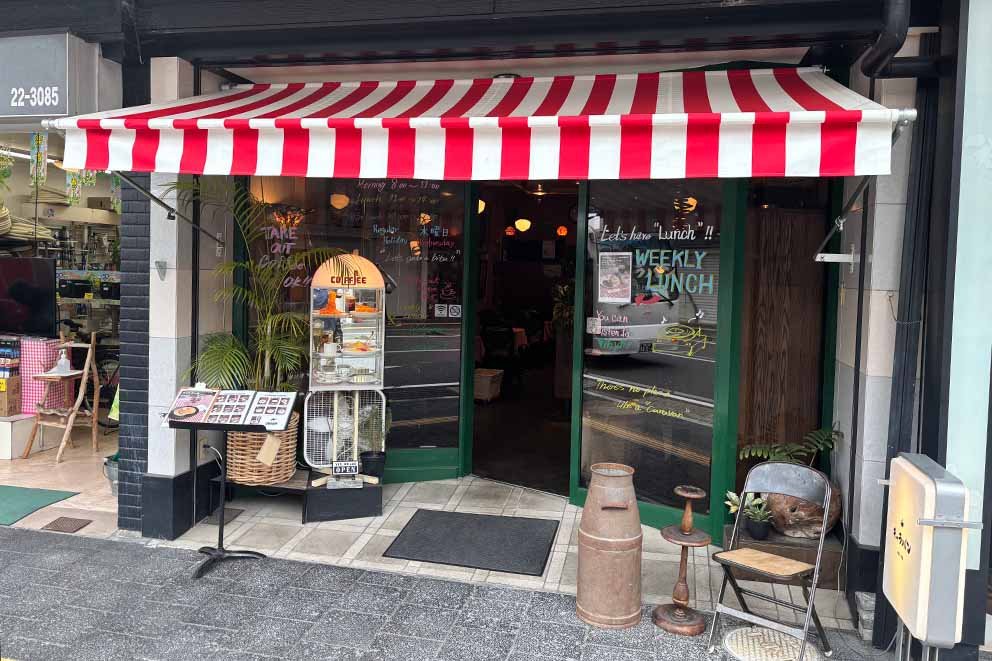
Where the Kii Peninsula Comes to the Table
Tanabe occupies a particular position in the geography of Japanese travel: it is the administrative and logistical hub for pilgrims beginning the Kumano Kodo, one of the world's few UNESCO-listed pilgrimage networks, yet it rarely appears on the itineraries of travellers whose primary interest is food. That gap between what the land produces and what dining coverage reflects it is exactly the context in which 公賀 無垢庵, at 2 Chome-16-30 Takao, deserves to be understood.
The Kii Peninsula is an unusual growing environment. Its combination of steep forested mountains, river systems descending quickly to a warm Pacific coastline, and a climate shaped by the Kuroshio Current means that both inland and coastal produce carry a distinctiveness tied directly to geography. Restaurants operating in this part of Wakayama have access to ingredients that rarely travel far enough to reach the counters of Osaka or Tokyo — which is an argument for being here rather than there, at least some of the time. Venues like HAJIME in Osaka and Harutaka in Tokyo operate within supply chains that prioritise consistency and volume; a smaller city operation in Wakayama sits closer to the source.
Ingredient Geography as Editorial Argument
The case for sourcing-led dining in secondary Japanese cities has strengthened over the past decade. As the top tier of kaiseki and omakase in Japan's major cities has consolidated around a recognisable set of premium suppliers, some of the more interesting ingredient stories have remained in the regions where those ingredients originate. Wakayama Prefecture produces umeboshi (pickled plum) of a quality that commands premium pricing nationally, along with Kishu mandarin varieties, local seafood from Tanabe Bay, and mountain vegetables gathered from the Kumano highlands. A dining room operating within this supply radius, rather than importing prestige ingredients from elsewhere, is making a different kind of statement about what regional food can be.
This is the broader pattern that venues like Gion Sasaki in Kyoto and akordu in Nara have demonstrated in their respective cities: that proximity to ingredients, and a disciplined commitment to working within what a specific place produces seasonally, can produce results that a metropolitan address cannot replicate simply by spending more. The question for any Tanabe dining room is whether it uses that geographic advantage with intention or treats it as incidental.
Comparable regional dynamics are visible further afield — Goh in Fukuoka has long argued for the culinary credibility of Kyushu produce, and venues in smaller cities across Japan's western prefectures have made ingredient provenance the organising principle of their menus. The pattern holds: when a restaurant is honest about where it sits in a food geography, rather than aspirationally mimicking a capital-city style, it tends to produce something more coherent.
Tanabe as a Dining Context
For visitors arriving via the Kuroshio train line from Osaka, Tanabe is roughly two and a half hours from Shin-Osaka by limited express, a journey that passes through the coastal plains of the Kinki region before arriving at a city of around 70,000 people on the edge of Wakayama's wilder southern terrain. The city is not built around restaurant tourism in the way that Kyoto or Nara are, which means dining here tends to function differently: less as destination spectacle, more as part of a slower, place-based itinerary.
That context shapes expectations usefully. Travellers who have spent time at 湖麺屋風 in Takashima or 高羽屋 in Nishikawa Machi will recognise the rhythm of regional Japanese dining, where the room is quieter, the service more informal, and the connection between local produce and plate more visible. Tanabe fits that pattern. It is a city where the dining experience is inseparable from the surrounding landscape, and where the most coherent meals tend to reflect what the season has made available rather than what a fixed premium menu demands year-round.
For those building a broader Kansai itinerary, bodai in Nachikatsuura, one of the coastal towns further along the Kumano coastline, offers a point of comparison for how restaurants in this part of Japan approach seafood from the Pacific. The Kumano coast is not a single dining scene so much as a dispersed set of serious local operations, each working with what their immediate coastline and mountain hinterland provides. See our full Tanabe restaurants guide for broader coverage of how the city's dining options map against the region.
, it would be misleading to position 公賀 無垢庵 within a specific tier of Japanese dining with the same confidence applicable to venues like Denko Sekka in Hiroshima or Birdland in Sakai, both of which carry documented recognition. What the address and city context do indicate is that this is a regional operation in a city where the dining culture is driven by local trade and in-transit visitors to the Kumano Kodo, rather than by destination restaurant tourism. That positions it differently from the Michelin-tracked counters of Osaka or the reservation-queue operations of Tokyo, which is not a limitation so much as a different set of conditions.
Visitors accustomed to the structure of high-end Japanese dining in major cities, the months-ahead booking windows, the strict dress conventions, the fixed omakase formats, should recalibrate for the regional context. Smaller city operations in Wakayama tend toward greater flexibility on all of those fronts. The trade-off is less international visibility; the advantage is access to a more locally grounded experience.
For reference on what sourcing-led precision looks like at the highest tier of Japanese-inflected dining internationally, Atomix in New York City and Le Bernardin in New York City represent how ingredient provenance and sourcing discipline function as organising principles at the upper end of the market, a standard against which any serious regional Japanese operation is implicitly measured, even when the price point and format differ significantly.
Planning a Visit
Tanabe is accessible by the JR Kisei Main Line and the Kuroshio limited express from Osaka, making it a practical stop for travellers moving between the Kansai cities and the Kumano Kodo trailheads. Given the absence of published booking details for 公賀 無垢庵 in the public record, visitors should verify current hours and reservation requirements directly through local tourism resources or the venue itself before building an itinerary around it. Arriving with flexibility is advisable in regional Wakayama dining generally, the most interesting operations here are rarely the ones with the most online infrastructure, and direct contact tends to yield more reliable information than third-party booking platforms. Seasonal timing matters: the Kii Peninsula's produce calendar shifts substantially between spring mountain vegetables, summer coastal seafood, and the autumn citrus and plum harvests that define Wakayama's agricultural identity.
Frequently asked questions
Would 公賀 無垢庵 be comfortable with kids?
Tanabe's dining culture skews toward considered, quiet meals tied to the rhythm of pilgrimage travel along the Kumano Kodo corridor. The address at 2 Chome-16-30 Takao places it in a residential pocket of Tanabe, which tends to favour a more measured pace than urban izakaya settings.
What should I expect atmosphere-wise at 公賀 無垢庵?
The name 無垢庵 carries connotations of purity and stillness in Japanese, which points toward an interior register closer to contemplative than convivial. Tanabe itself operates as a transit and pilgrimage hub for the Kumano Kodo, and restaurants in this context generally reflect that unhurried cadence.
What should I order at 公賀 無垢庵?
No menu details, pricing, or dish information are confirmed in the public record for 公賀 無垢庵. What can be said is that Tanabe sits at the intersection of Wakayama's coastal fisheries and the mountain produce of the Kii interior, a supply geography that shapes most serious kitchens in the region. The strongest approach is to follow the chef's direction on the day rather than arriving with a fixed order in mind.
Is 公賀 無垢庵 worth a detour for travellers on the Kumano Kodo route?
Tanabe, located at 2 Chome-16-30 Takao in Wakayama Prefecture, is the conventional starting point for the Nakahechi route of the Kumano Kodo pilgrimage trail, which means visitors are already passing through rather than making a separate trip. For travellers arriving on the Kuroshio limited express from Osaka, an evening at a locally rooted address like 公賀 無垢庵 fits naturally into a first or final night in the city.
Fast Comparison
| Venue | Cuisine | Price | Awards | Notes |
|---|---|---|---|---|
| å¬è³ ç¡è¦åºµThis venue — the venue you are viewing | Japanese Noodle Shop | Not listed | Not listed | Not listed |
| HAJIME | Avant-Garde Japanese Fine Dining | $300–500 | 3 Michelin Stars · World's 50 Best #83 | French, Innovative |
| Harutaka | Edo-Style Omakase Sushi | $200–300 | 3 Michelin Stars · World's 50 Best #76 | Sushi |
| L'Effervescence | Modern French with Japanese Influences | $200–300 | 3 Michelin Stars · World's 50 Best #69 | French |
| RyuGin | Modern Kaiseki | $500+ | 3 Michelin Stars · World's 50 Best #41 | Kaiseki, Japanese |
| Crony | Modern French with Japanese Influences | $150–200 | 2 Michelin Stars · World's 50 Best #34 | Innovative, French |
Continue exploring
More in Tanabe
Restaurants in Tanabe
Browse all →
Bars in Tanabe
Browse all →
Hotels in Tanabe
Browse all →
Details
- Casual Hangout
- A La Carte
Casual local eatery atmosphere.