

Corso 281 Luxury Suites occupies one of Rome's most trafficked addresses, Via del Corso, positioning guests at the intersection of the city's monumental centre and its daily commercial life. Selected by the Michelin hotel guide for 2025, the property belongs to Rome's growing cohort of intimate suite-format stays that trade lobby spectacle for residential depth and direct neighbourhood immersion.
Pearl is the En Primeur Club membership app — saves, bookings, and concierge access live there. Same editors, same standards.
- Address
- Via del Corso, 281, 00186 Roma RM, Italy
- Phone
- +39 06 8780 9370
- Website
- corso281.com
- Directions
- Get directions
 Saves & bookings on Pearl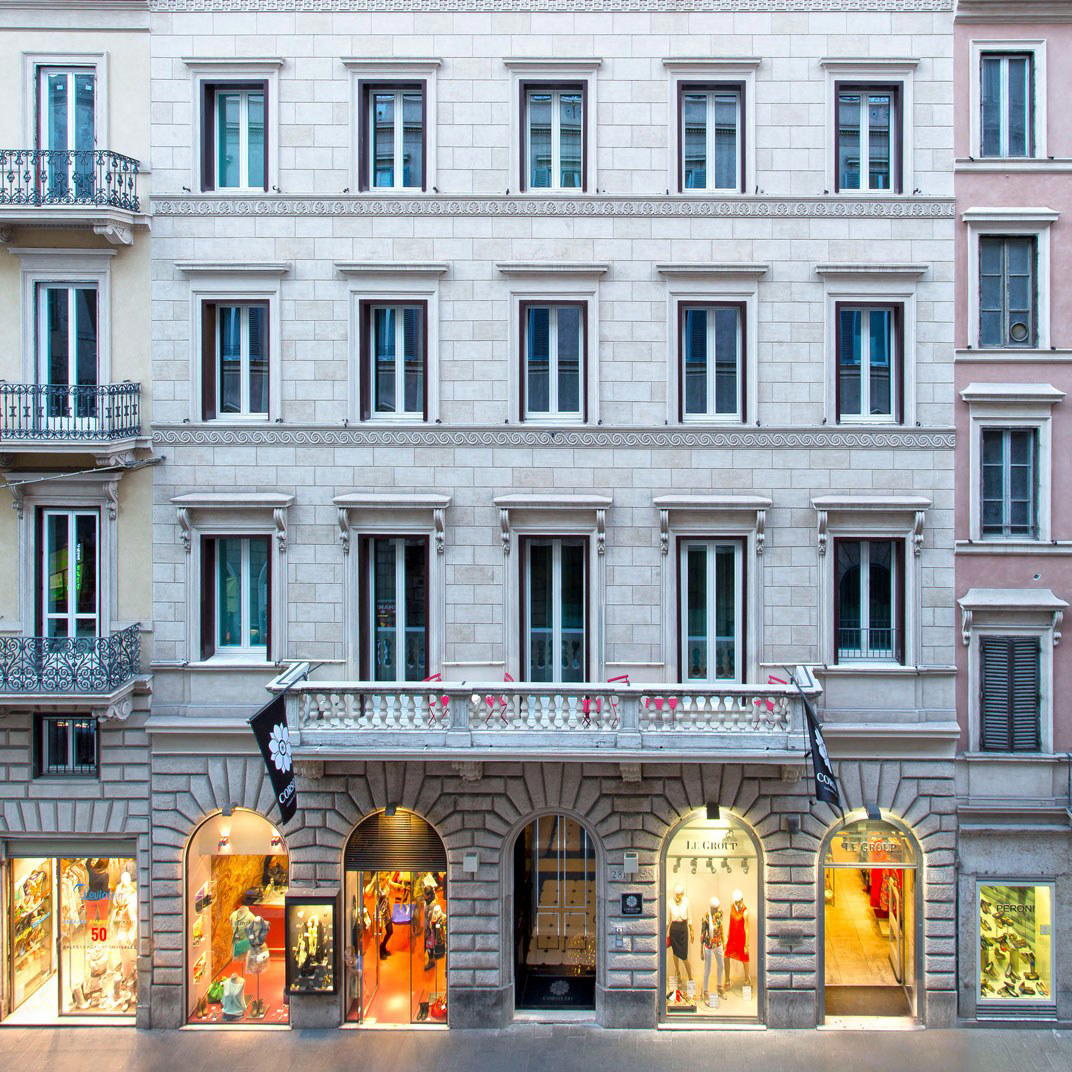
An Address That Does the Work Before You Unpack
Via del Corso runs like a spine through central Rome, connecting Piazza del Popolo to Piazza Venezia in a straight line that cuts through two millennia of accumulated urban fabric. Hotels positioned along this corridor enjoy a geographic logic that few Roman addresses can match: the Pantheon is minutes away on foot, the Trevi Fountain a short detour east, and the Campo Marzio neighbourhood, with its independent bookshops, historic bars, and narrow lunch-only trattorias, spreads immediately to the west. Corso 281 Luxury Suites sits at number 281 on that corridor, which means the city's monumental centre is not a taxi ride away but part of the morning routine.
In Rome's broader accommodation market, this address category has become genuinely competitive. The city's luxury hotel tier now ranges from the full-service palaces clustered around Via Veneto and the Spanish Steps, properties like Hassler Roma, Hotel Eden, and Bulgari Hotel Roma, to a newer cohort of apartment-style and suite-format properties that prioritise location depth and residential atmosphere over grand public rooms. Corso 281 belongs to that second cohort.
What Michelin Selection Signals in the Roman Hotel Market
Michelin's hotel guide does not award stars to accommodation in the same weighted system it applies to restaurants, but inclusion in the selected list is a meaningful credential in a city where hundreds of properties compete for the upper-mid and luxury segments. Selection indicates that Michelin's inspectors found the property consistent enough across key criteria, welcome, comfort, maintenance, and overall character, to recommend it to readers who trust the guide's restaurant judgements. That places Corso 281 Luxury Suites among Rome's selected boutique properties.
For the traveller calibrating where to stay, the selection narrows the field without fully ranking within it. Properties like Hotel Vilòn, Maalot Roma, and Portrait Roma occupy similar or adjacent positions in the boutique segment. What distinguishes Corso 281 within this set is the raw address: few boutique properties in Rome sit directly on the Corso at a central enough position to make both the monumental sites and the residential quartieri equally walkable.
The Suite Format in Context
Rome's shift toward suite-format and apartment-style accommodation reflects a broader pattern visible across Italy's historically dense cities. Where Florence has seen similar moves, Four Seasons Hotel Firenze occupies a converted convent, while smaller palazzi have been carved into residential-style stays, and Venice has properties like Aman Venice working within palazzo constraints, Rome's version tends to centre on the historic apartment building stock of the centro storico. These buildings, often with high ceilings, thick walls, and layered renovation histories, lend themselves to suite configurations that standard hotel rooms cannot replicate.
The suite format carries specific operational logic that affects the guest experience in concrete ways. Without a large staff-to-room ratio, the interaction between guest and property tends to be more concentrated, a smaller front-of-house team handling a limited number of units, where familiarity with individual guest needs develops faster than in a 200-key hotel. This is the dynamic that Rome's boutique segment has learned to position as an asset rather than a limitation, and it is the framework within which Corso 281 operates. Comparable properties elsewhere in Italy, Casa Maria Luigia in Modena, Passalacqua in Moltrasio, have demonstrated that the format, done with care, sustains serious critical attention.
Neighbourhood Intelligence: The Corso Corridor
Staying on Via del Corso means engaging with Rome at street level in a way that hilltop or peripheral properties cannot offer. The immediate neighbourhood contains some of the city's most practical luxuries: the Doria Pamphilj Gallery is walkable, the morning markets of Campo de' Fiori are a short route south, and the coffee culture along the side streets running off the Corso rewards early risers willing to skip the hotel breakfast circuit. The area also functions as Rome's main pedestrian thoroughfare for a reason, it connects districts rather than sitting inside one, giving guests flexibility that a Trastevere or Prati address cannot match.
For contrast, the Spanish Steps cluster, home to Hotel Locarno and JK Place Roma, offers a different neighbourhood register: quieter at night, more residential in character, but slightly less central for the monumental Rome experience. The Corso address puts the Pantheon, the Largo Argentina, and the central piazzas within a radius that most guests can cover on foot before lunch.
Planning Your Stay
Booking for a property of this format in Rome's high season, April through June and September through October, typically requires advance planning of several weeks rather than days. The limited number of suites means availability tightens faster than at larger hotels. Direct booking channels are generally worth exploring for any boutique property of this type, as room-type selection and specific floor preferences are better settled before arrival.
For guests assembling a broader Italian itinerary, Corso 281 connects naturally to a circuit that might include the Amalfi Coast at Borgo Santandrea or Il San Pietro di Positano, Umbria at Castello di Reschio, or Tuscany at Rosewood Castiglion Del Bosco. Those planning a day trip from Rome toward Civita di Bagnoregio might also cross-reference Corte della Maestà for an overnight detour.
For those extending to the Tuscan coast, Il Pellicano in Porto Ercole represents a reliable counterpoint in the Argentario, while Portrait Milano carries the same suite-format logic northward for travellers combining Rome with Milan. International comparisons for those benchmarking the suite format globally include The Fifth Avenue Hotel in New York City, Badrutt's Palace Hotel in St. Moritz, and Hôtel de Paris Monte-Carlo, each of which operates in a different register but shares the premise that address and format carry as much weight as room count.
Recognition Snapshot
Comparable venues nearby, for context on price, style, and recognition.
| Venue | Cuisine | Price | Awards | Notes |
|---|---|---|---|---|
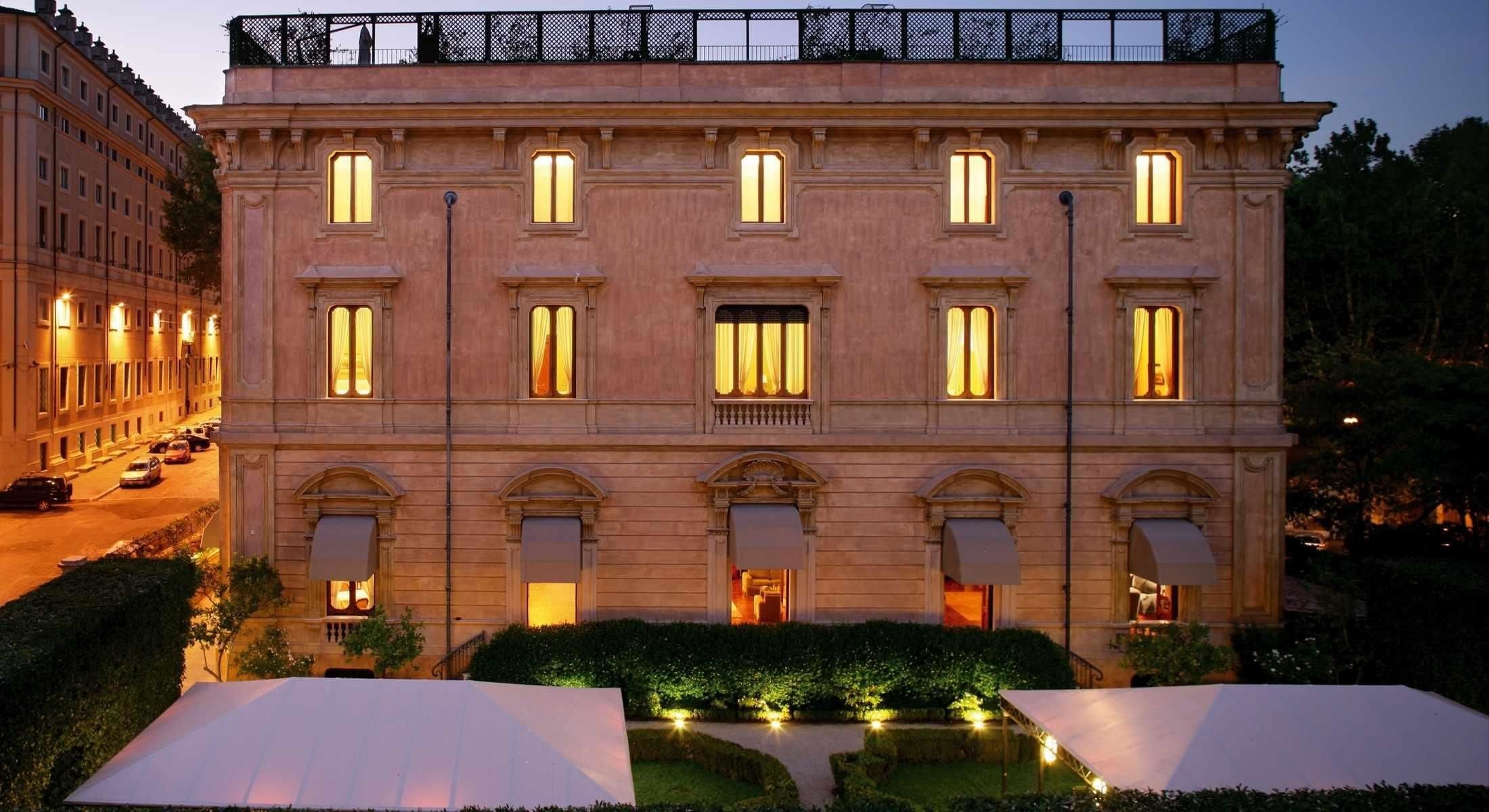
| Corso 281 Luxury SuitesThis venue — the venue you are viewing | 18th-century palazzo restored into luxury suites | $$$$ | 5-Star | Not listed |
| Hotel d'Inghilterra - Starhotels Collezione | Historic palazzo with modern renovations preserving original elegance | $$$$ | 5-Star | Campo Marzio |
| Palazzo Shedir | Ornate private mansion within 17th-century Palazzo Borghese, restored to ancient splendor with exclusive suites and wellness facilities. | $$$$ | 5-Star | Campo Marzio |
| Grand Hotel Plaza | Historic 19th-century palace hotel blending original architectural grandeur with modern luxury amenities, positioned as one of Rome's most prestigious addresses. | $$$$ | 5-Star | Campo Marzio |
| The First Musica | Contemporary luxury boutique hotel with bold design elements and artistic flair, positioned as a sophisticated urban retreat. | $$$$ | 5-Star | Prati |
| Hotel Aldrovandi | Historic urban resort blending aristocratic past with modern luxury | $$$$ | 5-Star | Pinciano |
Recognition history
Dated appearances from independent guides and award organizations, with the underlying list record or original source where available.
Michelin Selected
Michelin
Preferred Hotels Preferred Residences
Preferred Hotels

At a Glance
- Elegant
- Sophisticated
- Intimate
- Ornate
- Romantic Getaway
- Anniversary
- Weekend Escape
- Historic Building
- Terrace
- Panoramic View
- Wi Fi
- Room Service
- Concierge
- Street Scene
- Skyline
- Wi Fi
- Room Service
- Concierge
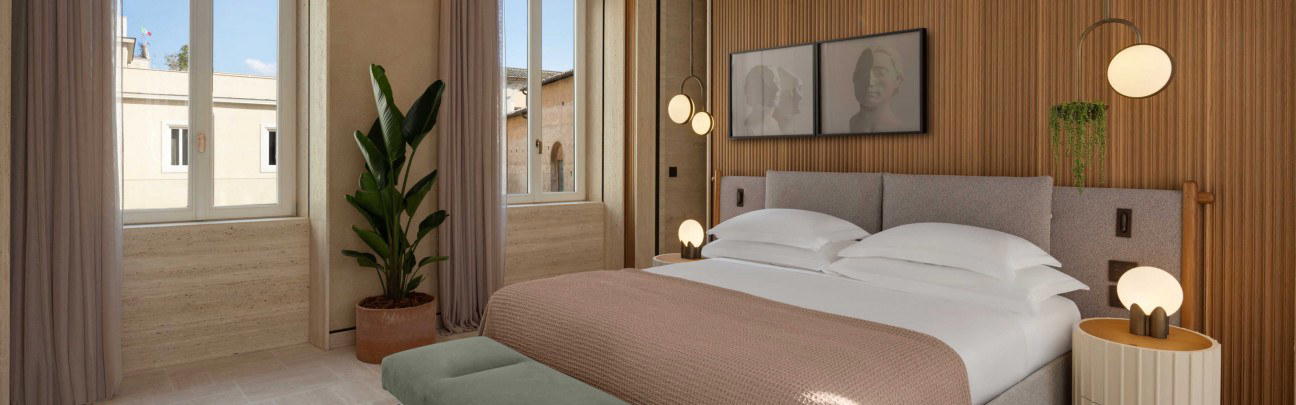
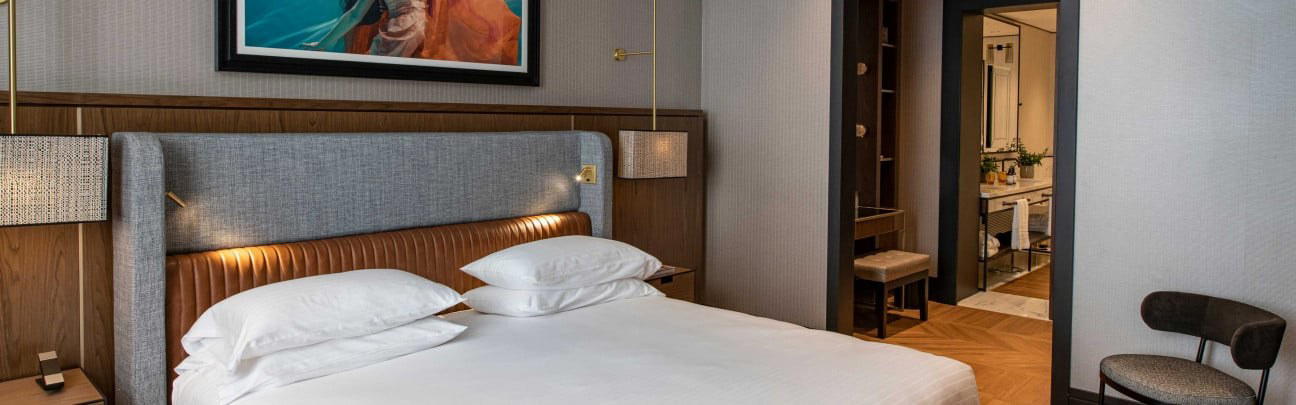
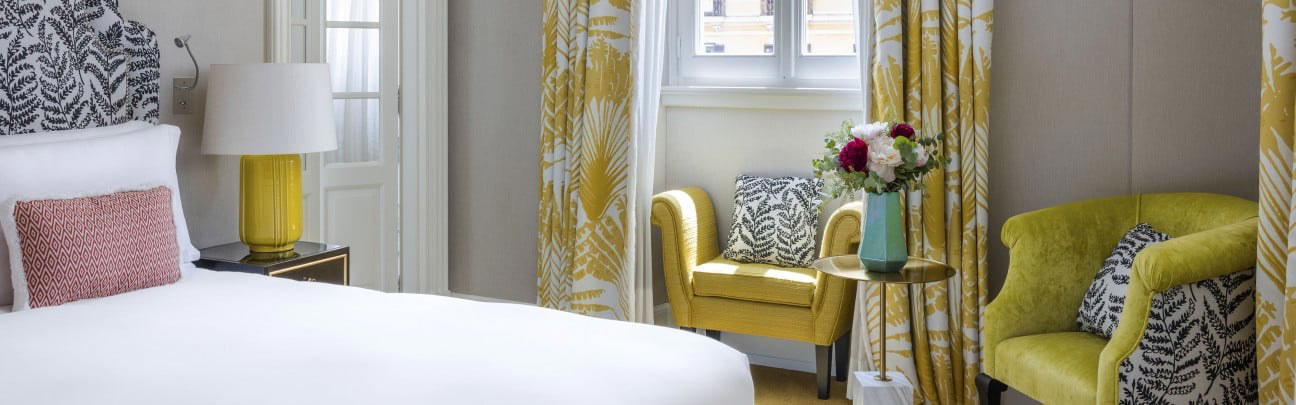
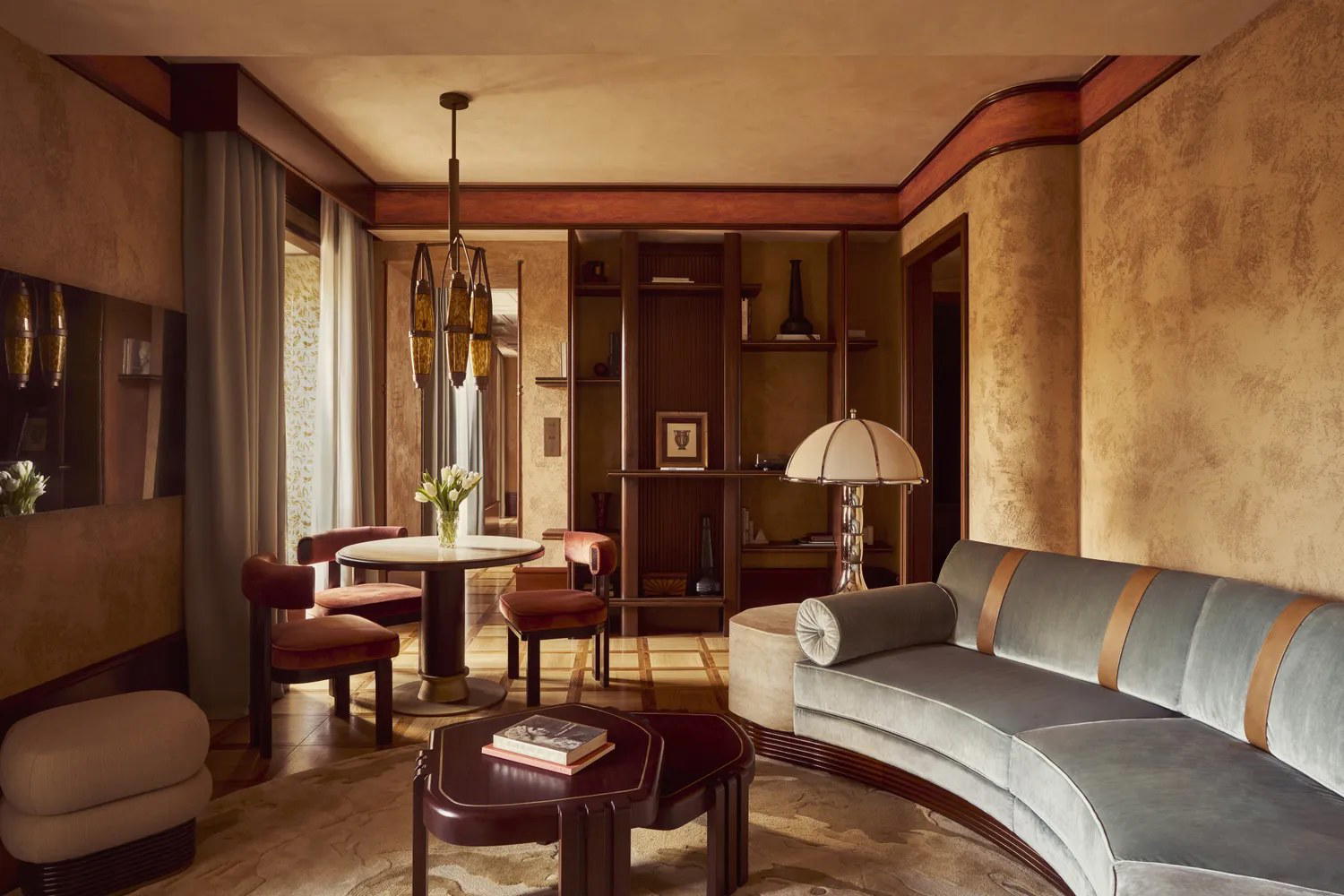
Refined and relaxing with monochrome tones, luxury fabrics, plush linens, and Carrara marble bathrooms creating an elegant, home-like atmosphere.