
Set on Via Ulisse Aldrovandi in Rome's residential Parioli district, Hotel Aldrovandi sits at a remove from the tourist circuit without sacrificing proximity to the Villa Borghese gardens and the city's northern cultural axis. The property belongs to a tier of Roman luxury defined by space, privacy, and garden access, attributes that distinguish it sharply from the dense historic-centre alternatives favoured by first-time visitors.
Pearl is the En Primeur Club membership app — saves, bookings, and concierge access live there. Same editors, same standards.
- Address
- Via Ulisse Aldrovandi, 15, 00197 Roma RM, Italy
- Phone
- +39 06 6051 3511
- Website
- aldrovandi.com
- Directions
- Get directions
 Saves & bookings on Pearl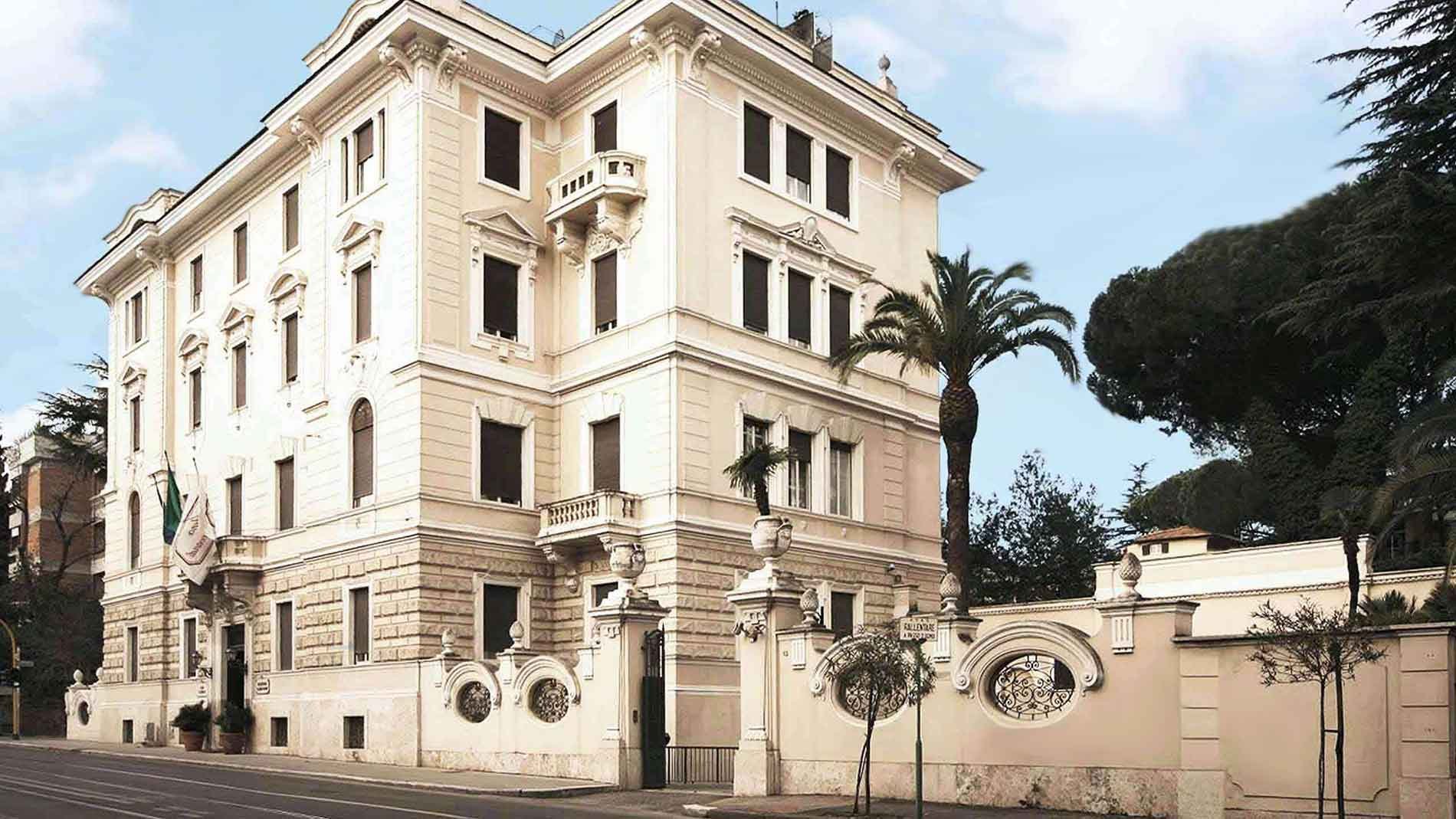
A Different Kind of Roman Luxury
Rome's premium hotel market divides more cleanly than most European capitals. On one side sit the historic-centre properties, concentrated around the Spanish Steps, the Pantheon, and the Tridente, where address prestige and proximity to monuments define the offer. On the other side, a smaller cohort of properties operates from residential districts where space is possible, gardens are adjacent, and the city's pace registers differently. Hotel Aldrovandi occupies a distinctive position in that second group, positioned along Via Ulisse Aldrovandi in Parioli, one of Rome's quieter upper-bourgeois neighbourhoods, with the Villa Borghese parkland effectively at its threshold.
That location is a deliberate trade-off, and experienced Rome visitors increasingly make it consciously. The Colosseum is not visible from the window. The Spanish Steps are a taxi ride away. What is present, immediately and without effort, is a quality of stillness that the historic centre cannot manufacture regardless of room rate. For guests whose travel centres on recovery, structured rest, or simply the capacity to sleep without street noise, the Parioli address functions as an amenity in its own right.
In Italy's luxury hotel conversation, properties in this spatial and neighbourhood register, garden access, residential quiet, proximity to cultural rather than tourist infrastructure, form a peer group that includes Four Seasons Hotel Firenze in Florence, which similarly occupies a walled convent garden away from the Duomo crowds, and Aman Venice in Venice, where palazzo scale and canal-side remove produce comparable effects. Hotel Aldrovandi argues the same case for Rome: that genuine luxury, at a certain tier, means being insulated from the city rather than embedded in it.
The Wellness Case for Parioli
The framing of hotel wellness has shifted substantially over the past decade. A spa with a steam room and a treatment menu is no longer a differentiator at the premium tier; it is a baseline expectation. What separates properties in the retreat-oriented segment is whether the broader environment, building scale, garden access, noise profile, neighbourhood rhythm, reinforces the wellness proposition or contradicts it. A treatment room in a 300-key hotel on a congested Roman thoroughfare is a corrective against the surrounding environment. A property where the grounds themselves are restorative operates differently.
Hotel Aldrovandi's position adjacent to Villa Borghese is directly relevant here. The Borghese gardens cover roughly 80 hectares and function as one of the city's primary green corridors, with walking and cycling routes, a lake, and consistent separation from the urban density below. Morning access to that scale of parkland, without driving, without navigating tourist crowds, without a formal programme, is the kind of wellness infrastructure that cannot be built inside a hotel. It exists because of where the hotel is, not what the hotel has constructed.
This positions Aldrovandi in a different tier from Rome's urban wellness offerings. Properties like Six Senses Rome, which opened in the historic centre and built its wellness programme inward and vertically, make a different argument: that curated treatment intensity can substitute for environmental context. Both approaches find their audience. The distinction is worth understanding before booking, because they serve genuinely different travel needs.
Where It Sits in the Roman Market
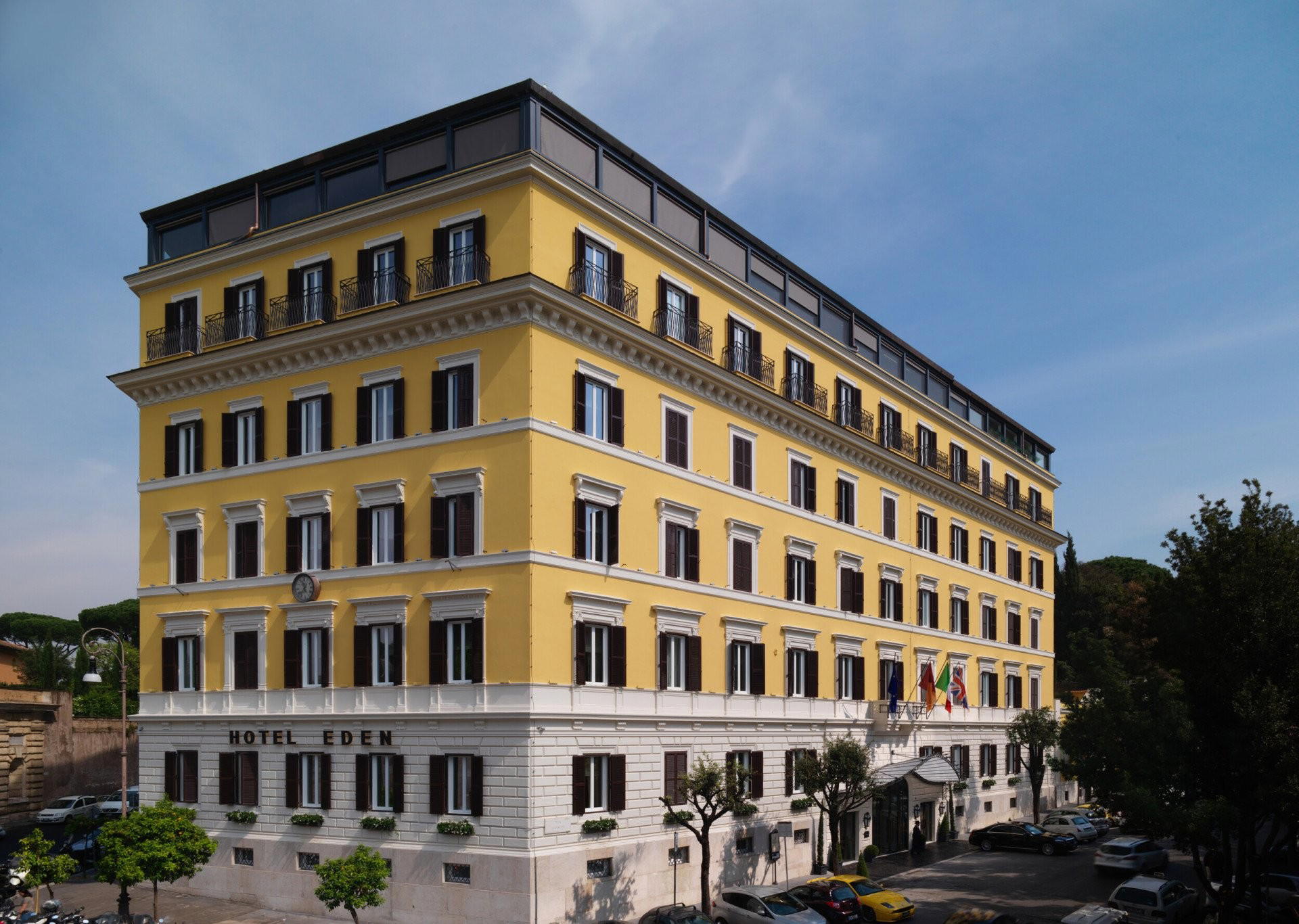
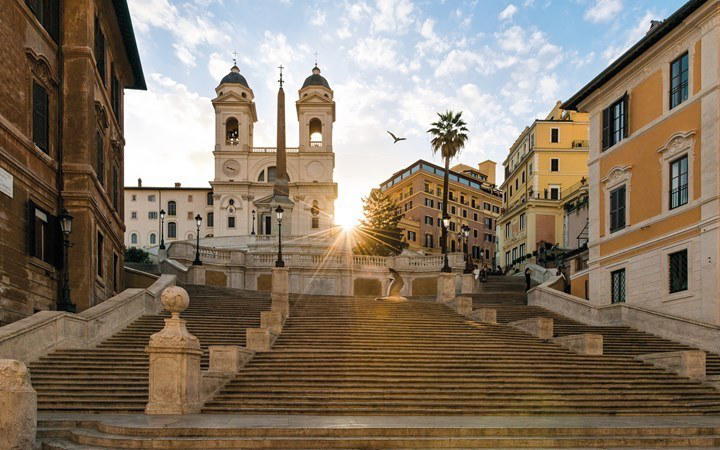
Rome's luxury hotel tier has expanded and sharpened in recent years. The arrival of Bulgari Hotel Roma, the ongoing performance of Hassler Roma at the summit of the Spanish Steps, and the smaller design-led entries from Hotel Vilòn and Portrait Roma have created a market with more genuine differentiation than existed a decade ago. Hotel Eden and JK Place Roma each occupy distinct positions by format and neighbourhood. Maalot Roma and Hotel Locarno operate in character-led registers at different price points.
Within that field, Hotel Aldrovandi's competitive position rests on attributes that are not replicable by historic-centre properties: garden grounds, residential neighbourhood, and the Villa Borghese adjacency. For guests cross-shopping across Italian cities, the same logic applies, Castello di Reschio in Lisciano Niccone and Borgo Egnazia in Savelletri di Fasano make environmental immersion their primary proposition in rural formats; Aldrovandi is the closest Rome equivalent in an urban context.
For those weighing Italy's coastal or countryside retreat options more broadly, properties like Il Pellicano in Porto Ercole, Borgo Santandrea on the Amalfi Coast, and Il San Pietro di Positano offer the full environmental separation that a city property cannot. The decision to choose Aldrovandi is, in part, a decision to want Rome, its museums, its food, its accumulated weight, alongside the quiet. It does not attempt to replicate countryside isolation; it offers a quieter entry point into the city.
Planning a Stay
Via Ulisse Aldrovandi 15 places the hotel at the northern edge of Villa Borghese, reachable from Fiumicino Airport in roughly 45 minutes by road depending on traffic. The Spagna metro station is accessible by taxi or the Villa Borghese parkland path, putting the Tridente shopping and restaurant district within reasonable reach. For guests arriving by Trenitalia or Italo at Termini, the transfer runs a similar duration. Spring and early autumn, April through June and September through October, represent particularly favourable windows climatically, with Borghese gardens at their most usable and the city's hotel occupancy at its most variable for rate purposes. Summer rates in Rome's luxury segment tend to peak in July and compress in August as Roman residents depart and some properties adjust programming accordingly.
For the full context of Rome's premium hotel and restaurant options across neighbourhoods, the EP Club Rome guide maps the city's dining and accommodation tier by district. Passalacqua in Moltrasio on Lake Como, Rosewood Castiglion Del Bosco in Montalcino for Brunello country, Casa Maria Luigia in Modena, or Corte della Maestà in Civita di Bagnoregio for a dramatically situated Lazio alternative. Portrait Milano and JK Place Capri are natural extensions for guests combining Rome with Milan or the islands.
Accolades, Compared
Comparable venues nearby, for context on price, style, and recognition.
| Venue | Cuisine | Price | Awards | Notes |
|---|---|---|---|---|
| Hotel AldrovandiThis venue — the venue you are viewing | Historic urban resort blending aristocratic past with modern luxury | $$$$ | 5-Star | Not listed |
| Corinthia Rome | Grand boutique palazzo blending 1920s neoclassical architecture with refined contemporary Italian design, positioned as an intimate Roman residence near Parliament. | $$$$ | 5-Star | Colonna |
| The First Musica | Contemporary luxury boutique hotel with bold design elements and artistic flair, positioned as a sophisticated urban retreat. | $$$$ | 5-Star | Prati |
| Palm Suite | Eclectic luxury residences in historic 18th-century palazzo | $$$$ | 5-Star | Monti |
| Hotel d'Inghilterra - Starhotels Collezione | Historic palazzo with modern renovations preserving original elegance | $$$$ | 5-Star | Campo Marzio |
| Rocco Forte House, Piazza di Spagna Roma | Contemporary Roman palazzo apartments blending tradition with luxury. | $$$$ | 5-Star | Campo Marzio |
Recognition history
Dated appearances from independent guides and award organizations, with the underlying list record or original source where available.
Michelin Selected
Michelin
Continue exploring
More in Rome
Hotels in Rome
Browse all →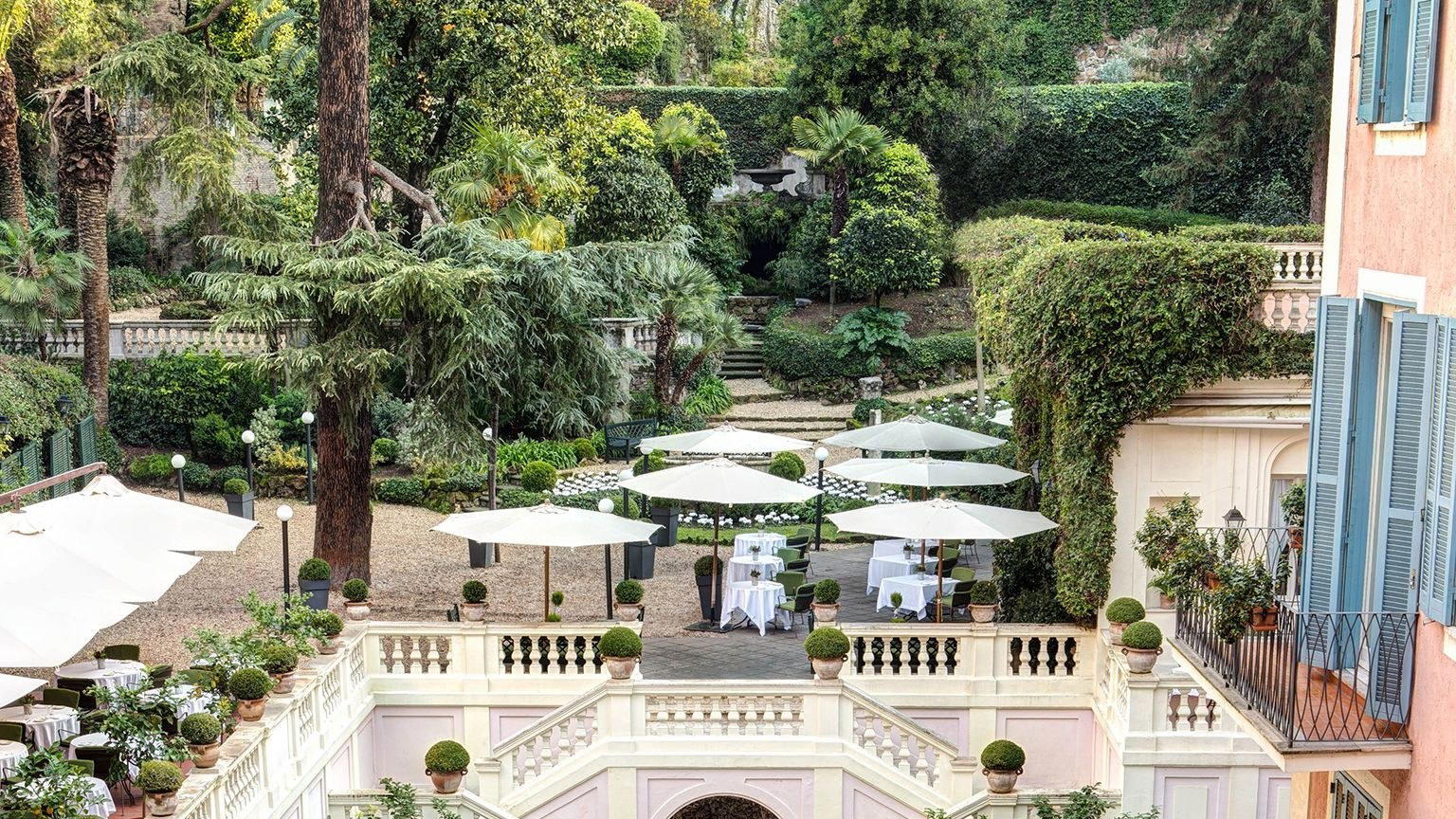

At a Glance
- Elegant
- Classic
- Quiet
- Sophisticated
- Romantic Getaway
- Business Trip
- Weekend Escape
- Garden
- Historic Building
- Pool
- Spa
- Fitness Center
- Room Service
- Concierge
- Wi Fi
- Garden
- Pool
- Spa
- Fitness Center
- Room Service
- Concierge
- Wi Fi
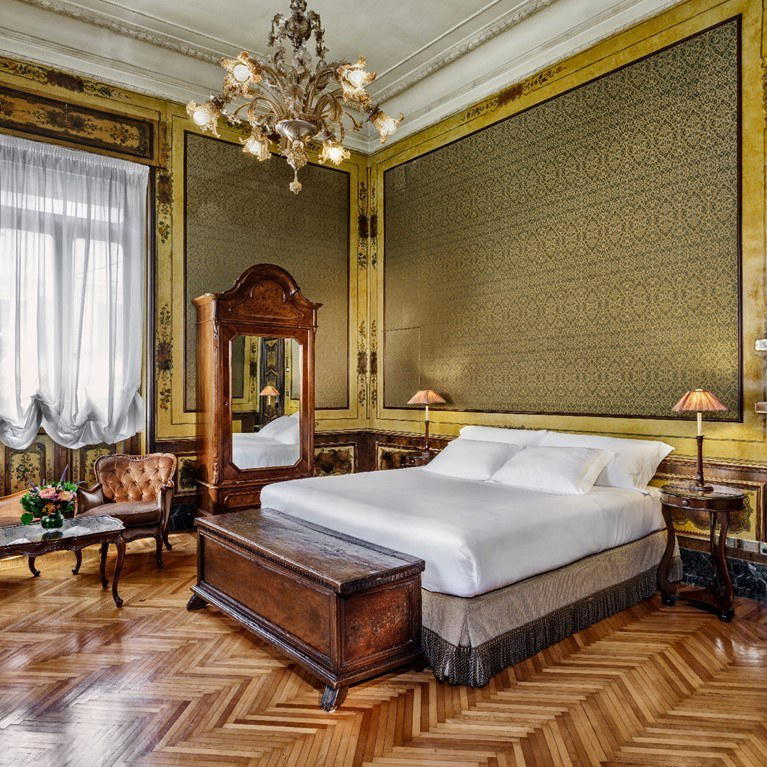
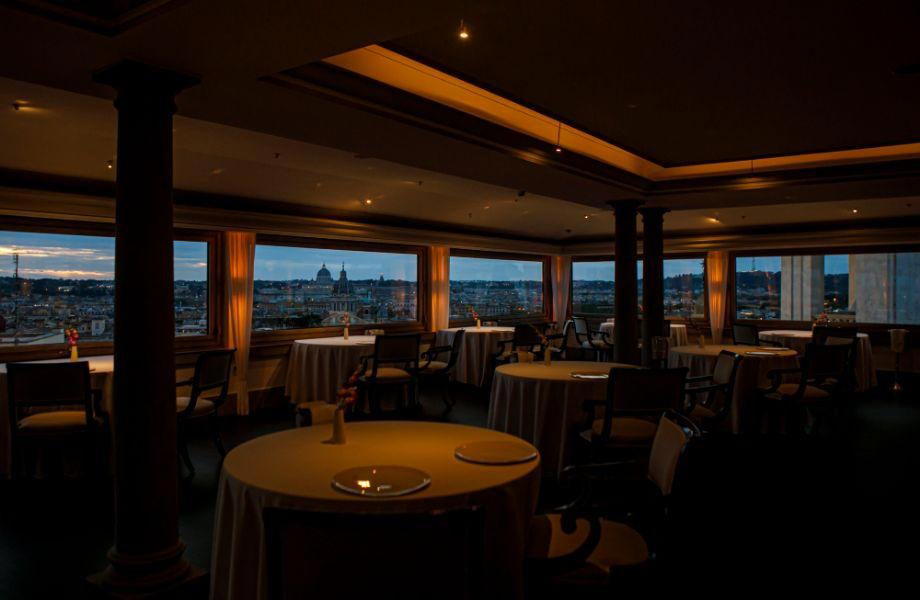
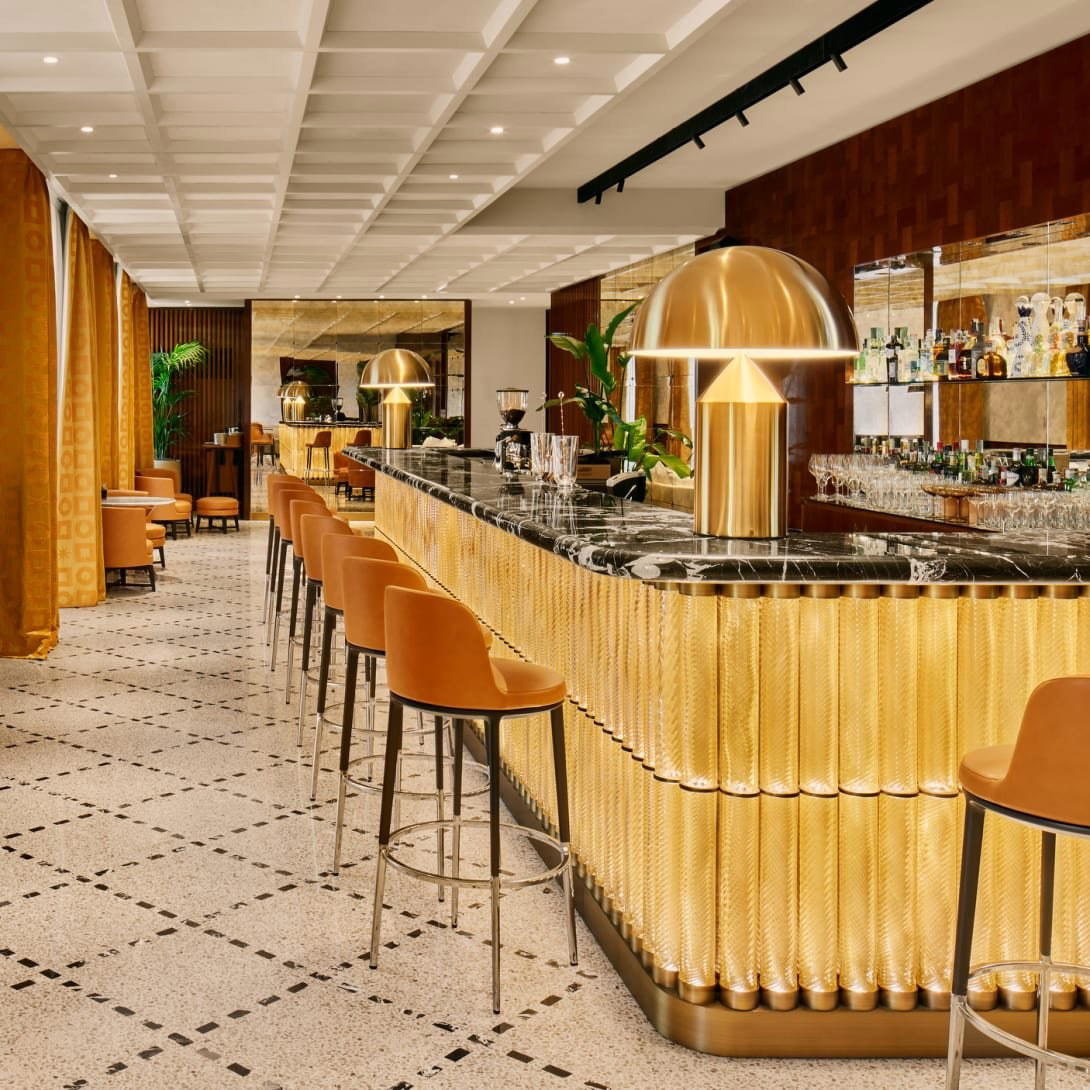
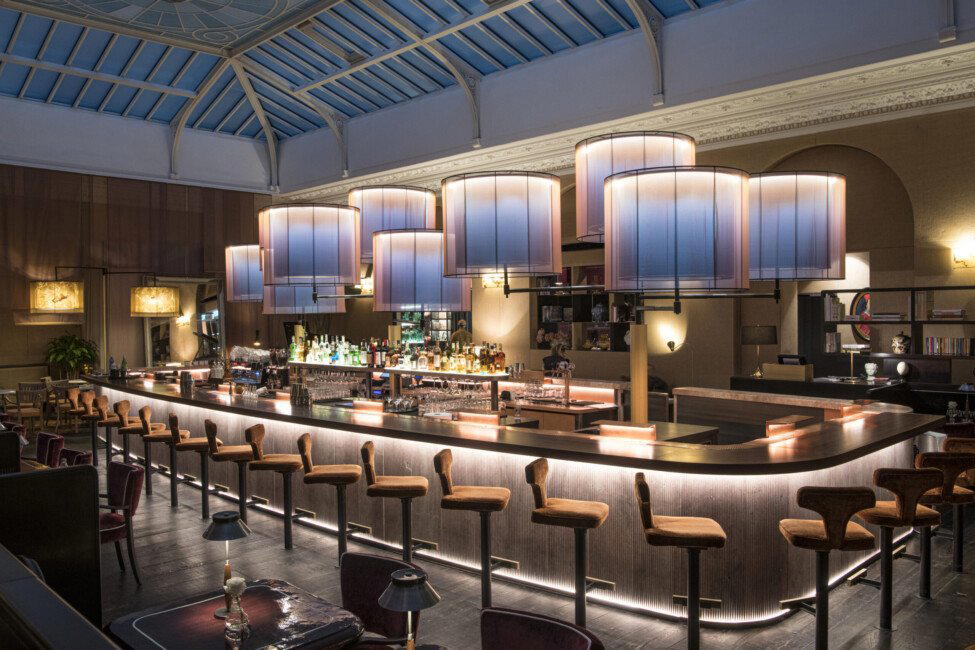
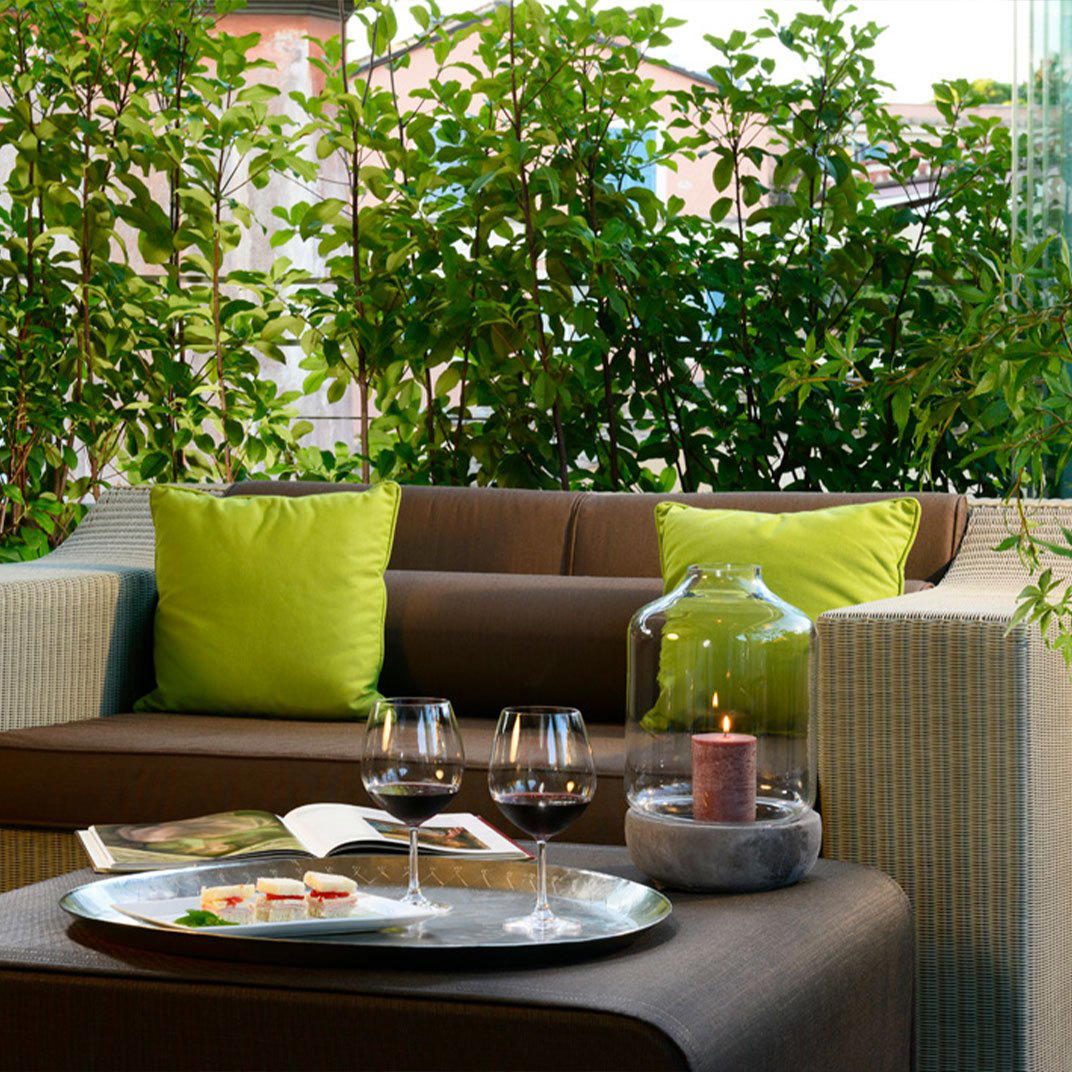
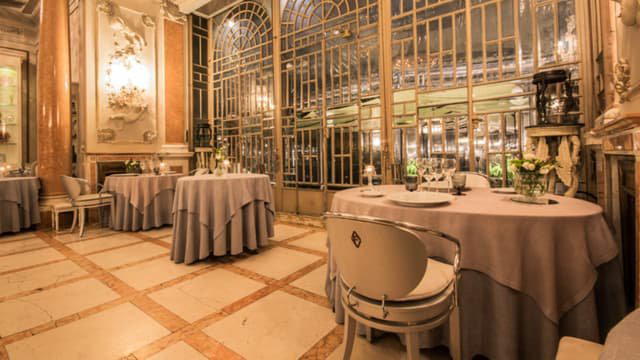
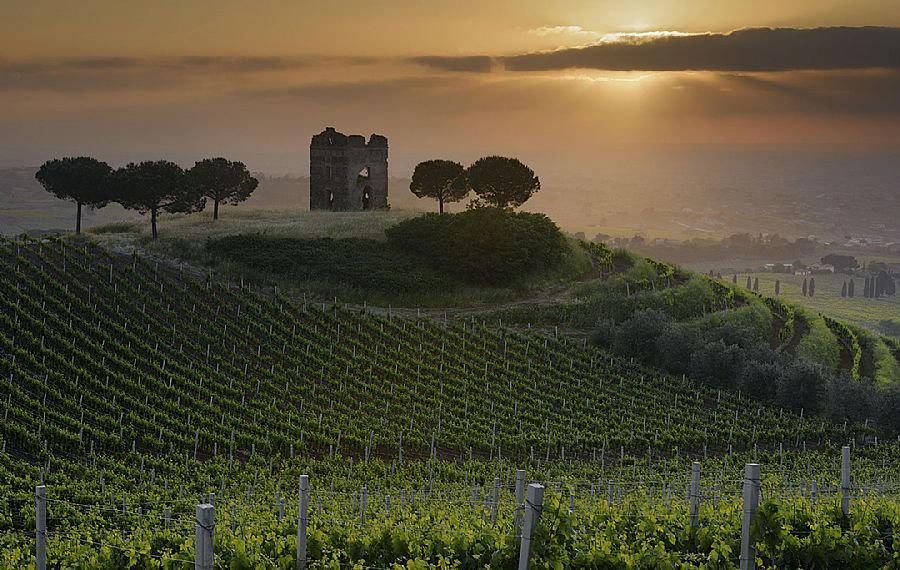
Grand marble-clad interiors with ornate chandeliers, golden-framed paintings, classic Italian furnishings, and lush garden surroundings creating a timeless, luxurious, and peaceful atmosphere.