


Michelin Selected · Mr & Mrs Smith Seal of Approval · Preferred Hotels L.V.X. Collection
A 24-room boutique property on Lungotevere dei Mellini, The First Musica sits along the Tiber in one of Rome's quieter residential stretches between Prati and the Vatican. The scale keeps things deliberate: fewer guests, more considered service, and a position that places it squarely in the design-led, low-key tier of Rome's small luxury hotel scene.

Pearl is the En Primeur Club membership app, where members save venues, book tables and use the concierge.
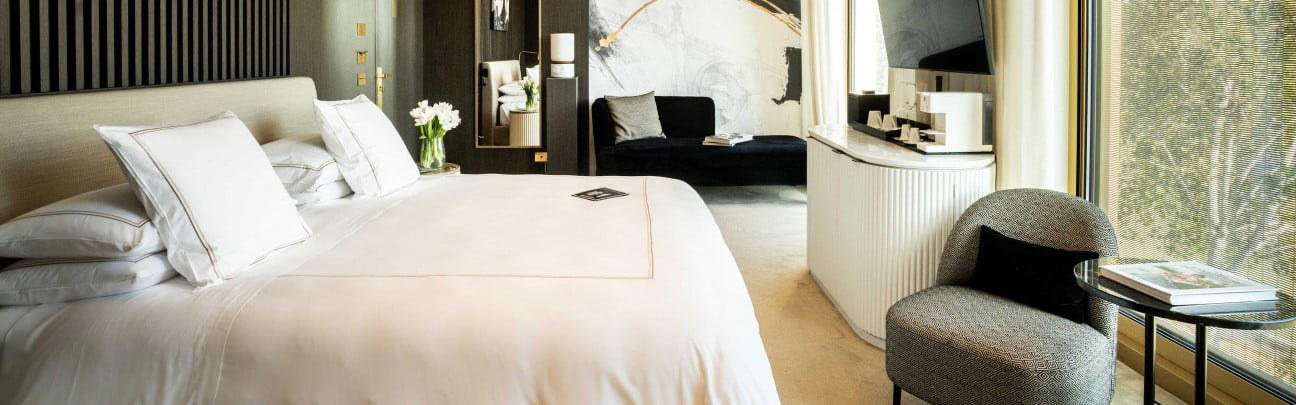
A Tiber Address That Chooses Restraint Over Scale
Rome's luxury accommodation market has fractured along a familiar axis in recent years. On one side sit the grand-hotel institutions: the Hassler, Hotel Eden, and the Bulgari Hotel Roma, each commanding prestige through scale, heritage, or global-brand muscle. On the other, a growing cohort of sub-30-room properties has emerged that trades spectacle for considered intimacy. The First Musica belongs to that second group. At 24 rooms, it operates on a threshold small enough to shape the entire guest experience around proximity and attention rather than operational throughput.
Its address on Lungotevere dei Mellini places it along the Tiber's right bank, in the Prati district, a neighbourhood that functions as Rome's most coherent residential grid north of the Vatican walls. This is not the centro storico of tourist-facing trattorias and overcrowded piazzas. Prati's streets run in orderly late-19th-century lines, and the pace along the lungotevere reflects that: river light in the mornings, relative calm in the evenings, and a sense that the city's most visited sites are within reach without being immediately underfoot. The Castel Sant'Angelo sits roughly ten minutes on foot; the Vatican is a comparable walk along the river.
Where This Property Sits in Rome's Boutique Tier
Rome's smaller luxury properties have developed distinct positioning strategies over the past decade. Hotel Vilòn operates as a design-forward residence near Via della Croce; Portrait Roma leans into the Ferragamo family aesthetic and a Condotti address. JK Place Roma plays a similarly curated, low-volume game in the Piazza della Repubblica orbit. Maalot Roma differentiates through a residential-apartment format. The First Musica sits within this peer group, properties where the argument for staying is not brand recognition but the specificity of what 24 rooms allows in terms of service calibration and atmosphere.
That 24-room count is the single most consequential data point here. Properties at this scale in Rome function differently from 80- or 120-room competitors. Staffing ratios shift. Common spaces feel less like hotel lobbies and more like private salons. Noise is structural: fewer guests means quieter corridors, more consistent morning routines, less competition for breakfast tables or checkout windows. This is a format that works well for travellers who have done Rome before and know what they are trading away (the grand-hotel ballroom, the rooftop pool overlooking the Forum) in exchange for something more granular.
The Lungotevere as Urban Context
Staying on a lungotevere rather than in a historic-centre piazza changes the rhythm of a Rome visit in specific ways. The river-facing orientation means morning light arrives from the east across open water, without the canyon effect of narrow centro storico streets. The trade-off is that the Tiber's embankment roads carry meaningful traffic, so noise insulation becomes a design consideration worth factoring in for lighter sleepers. The neighbourhood commercial infrastructure around Prati, the bakeries and wine bars on Via Cola di Rienzo, the neighbourhood butchers and coffee counters, provides an alternative to the tourist-pitched dining around Piazza Navona, and accessing it from a Prati address is considerably more natural than doing so from a hotel near the Trevi Fountain.
For context on how Roman boutique properties handle this Tiber-adjacency question differently, the Hotel Locarno sits just blocks away in the same general orbit, with its own approach to the neighbourhood's quieter energy. Both properties operate in the same demand catchment without directly competing on format.
Italy's Small-Hotel Tier in Broader Context
The First Musica's positioning makes more sense when placed against the wider Italian small-hotel category. Italy has produced some of the most compelling sub-50-room properties in Europe, partly because the country's architectural stock, its converted palazzos, medieval borgo structures, and 19th-century apartment buildings, lends itself to intimate reconfiguration. Aman Venice demonstrates how this can work at the very best of the market; Castello di Reschio in Umbria and Casa Maria Luigia in Modena show it working at a more accessible register. Along the coastline, properties like Borgo Santandrea on the Amalfi Coast and Il San Pietro di Positano in Positano operate in the same logic of limited keys as a feature rather than a constraint.
In Rome specifically, the absence of a Michelin-dining anchor or a globally recognised hotel-group affiliation keeps properties like The First Musica below the immediate radar of first-time visitors but often high on the list of return travellers who have already cycled through the major-brand options. That positioning is not a weakness; it is an accurate reflection of what the property is built to deliver.
Planning a Stay: Practical Considerations
The Prati address works well for travellers focused on the Vatican Museums, St Peter's Basilica, and Castel Sant'Angelo, all accessible on foot. Access to the centro storico is equally viable by taxi or a short metro connection from Lepanto station. Because the property runs 24 rooms, availability at peak periods, particularly spring and autumn, when Rome's hotel occupancy runs high, is worth securing early. Rome's shoulder seasons in November and late February offer more room flexibility and noticeably lower street-level congestion, which makes the city's walking distances considerably more manageable. For a fuller picture of how The First Musica compares across Rome's current hotel options, the EP Club Rome guide maps the city's accommodation across tiers and neighbourhoods.
Travellers building an Italy itinerary around small-scale properties will find useful parallels in what Passalacqua delivers on Lake Como, Rosewood Castiglion Del Bosco in Montalcino, and Borgo Egnazia in Puglia, each of which plays the limited-keys argument in a different regional register. For those comparing The First Musica against Rome's larger institutional options, Hassler Roma and the Four Seasons Hotel Firenze in Florence represent a different scale and service model entirely.
Comparable Venues
Comparable venues nearby, for context on price, style, and recognition.
| Venue | Cuisine | Price | Awards | Notes |
|---|---|---|---|---|
| The First MusicaThis venue (the venue you are viewing) | Contemporary luxury boutique hotel with bold design elements and artistic flair, positioned as a sophisticated urban retreat. | $500–750 | Michelin Selected · Mr & Mrs Smith Seal of Approval | Not listed |
| The H'All Tailor Suite | Tailored luxury boutique in historic Rome setting | Not listed | La Liste Top Hotels | Flaminio |
| Corso 281 | Luxury boutique residence converted from a historic 18th-century palazzo, emphasizing personalized hospitality and intimate scale over corporate hotel structure. | $500–750 | Michelin Selected · Preferred Hotels Preferred Residences | Trevi |
| ROMEO Roma | Contemporary luxury palace blending historic palazzo with avant-garde architecture | Not listed | Michelin Selected · Small Luxury Hotels of the World Member | Campo Marzio |
| Elizabeth Unique Hotel | Italian styled boutique art hotel in a renovated 19th-century palace near Spanish Steps | Not listed | Mr & Mrs Smith Seal of Approval · Design Hotels Member | Campo Marzio |
| Palazzo Ripetta | Boutique luxury hotel in a restored 17th-century convent with 1920s art deco glamour. | Not listed | 1 Michelin Key · Relais Chateaux Award | Campo Marzio |
Recognition history
Dated appearances from independent guides and award organizations, with the underlying list record or original source where available.
Michelin Selected
Michelin
Mr & Mrs Smith Seal of Approval
Mr & Mrs Smith
Preferred Hotels L.V.X. Collection
Preferred Hotels
Continue exploring
More in Rome
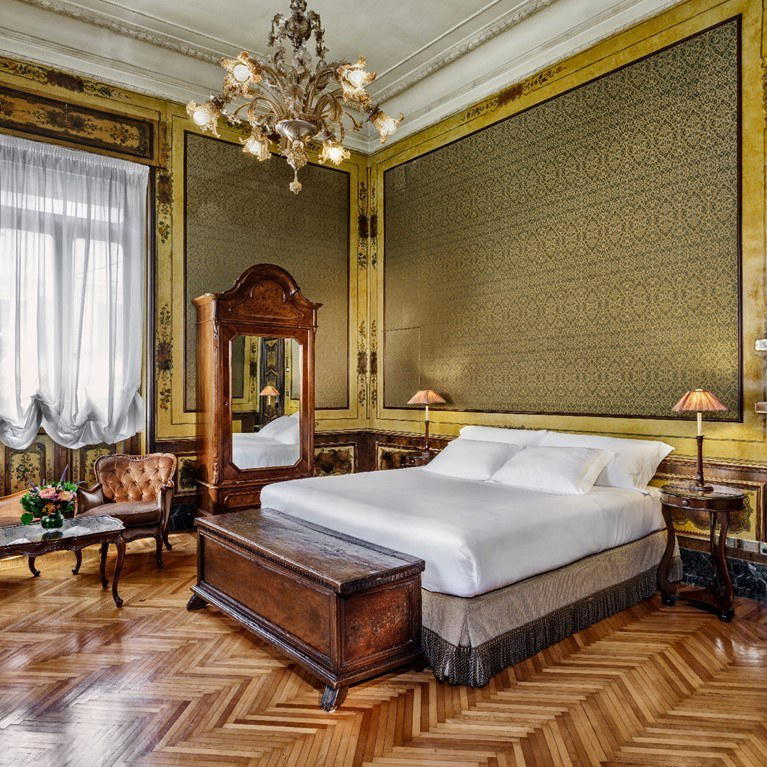
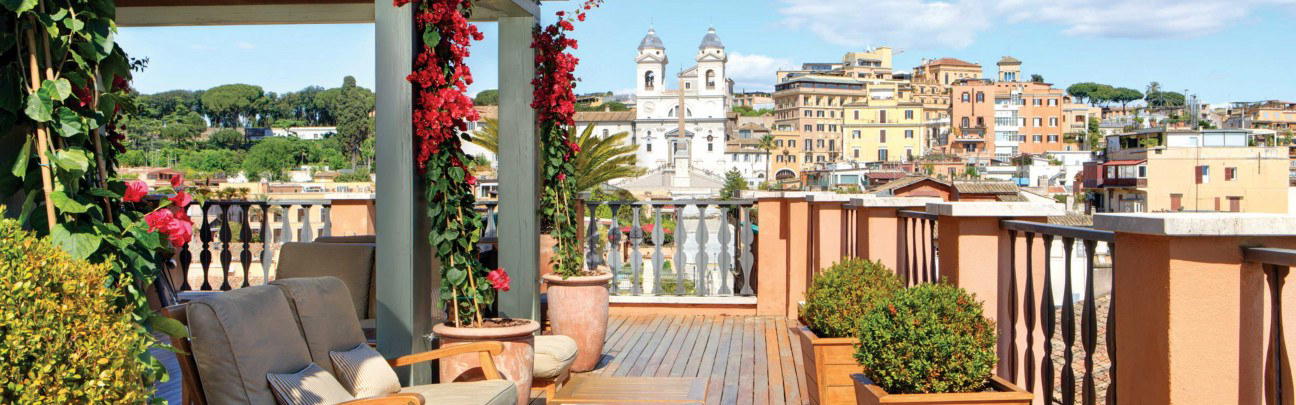
Hotels in Rome
All hotels in Rome →
Bars in Rome
All bars in Rome →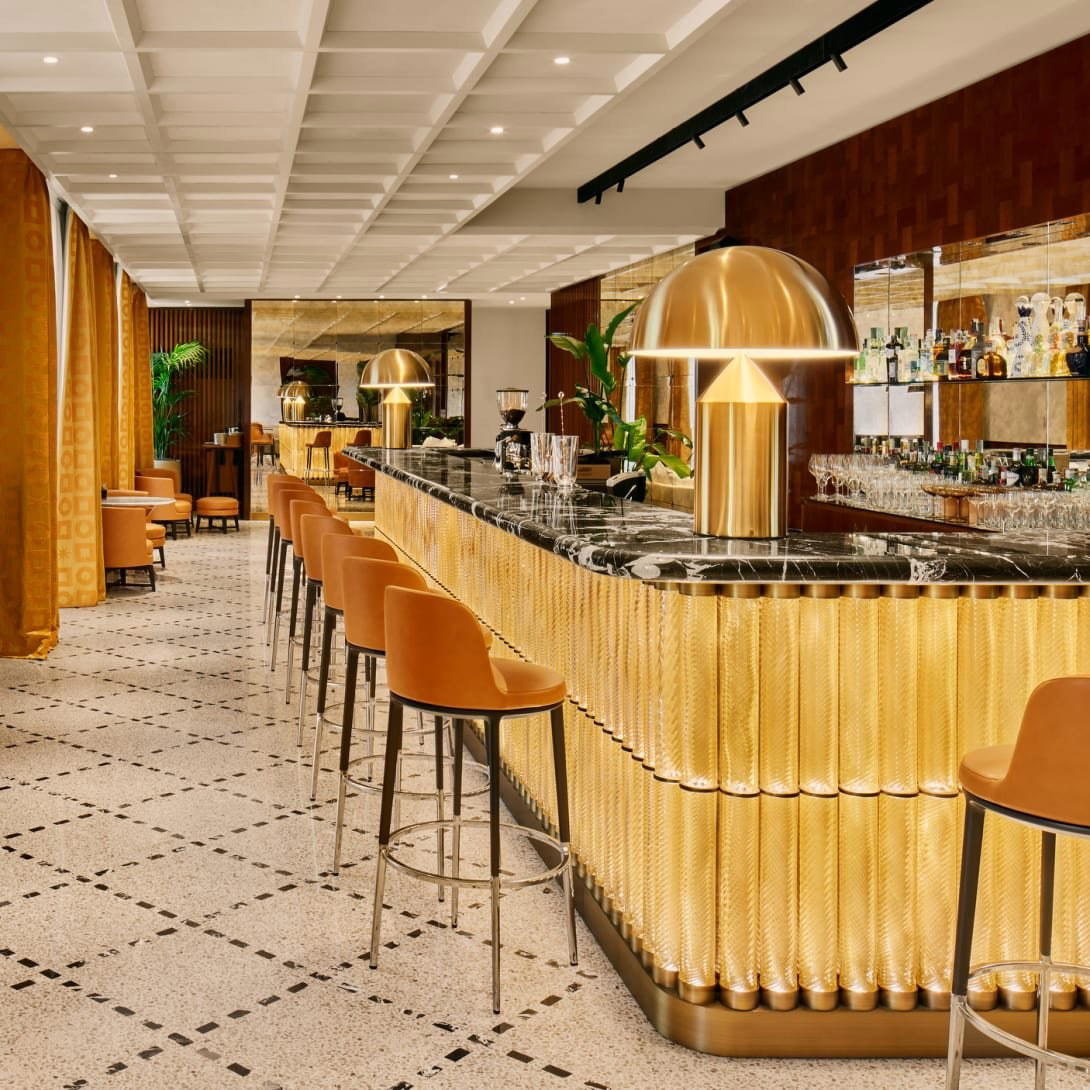
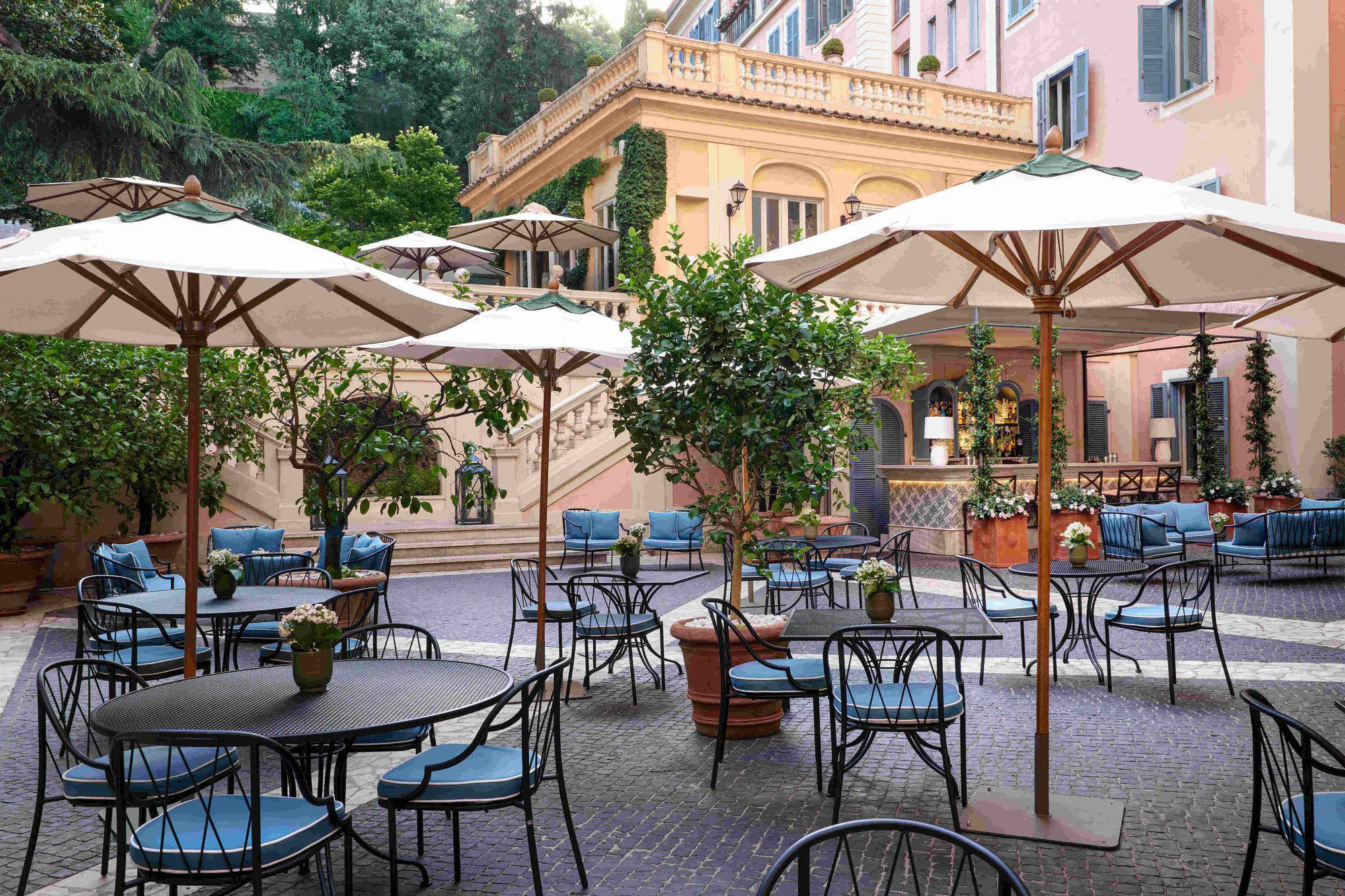
Restaurants in Rome
All restaurants in Rome →

Details
- Modern
- Elegant
- Sophisticated
- Lively
- Romantic Getaway
- Weekend Escape
- Celebration
- Waterfront
- Rooftop Pool
- Destination Spa
- Panoramic View
- Terrace
- Design Destination
- Wi Fi
- Spa
- Room Service
- Concierge
- Valet Parking
- EV Charging
- Restaurant
- Bar
- Pool
- Waterfront
- Skyline
- Wheelchair Accessible
- Elevator
- Accessible Restroom
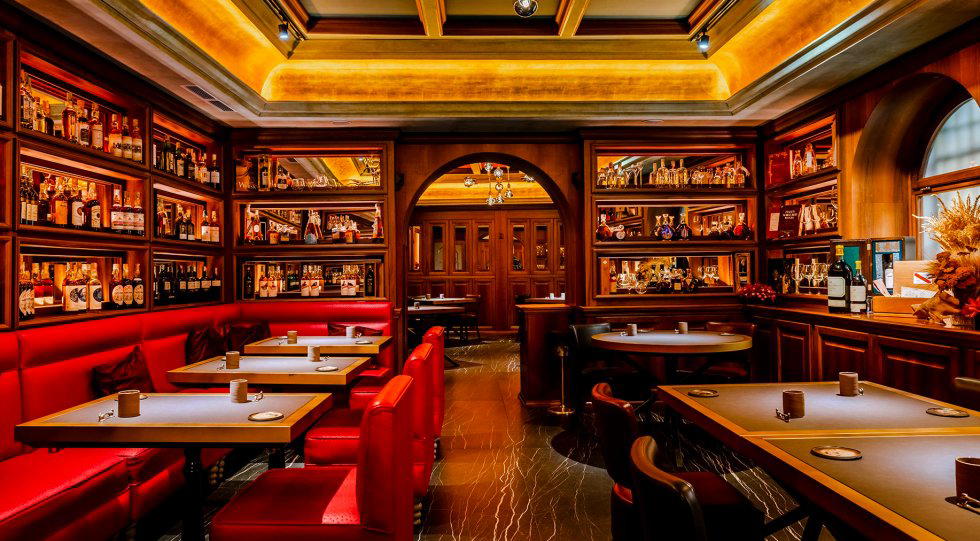
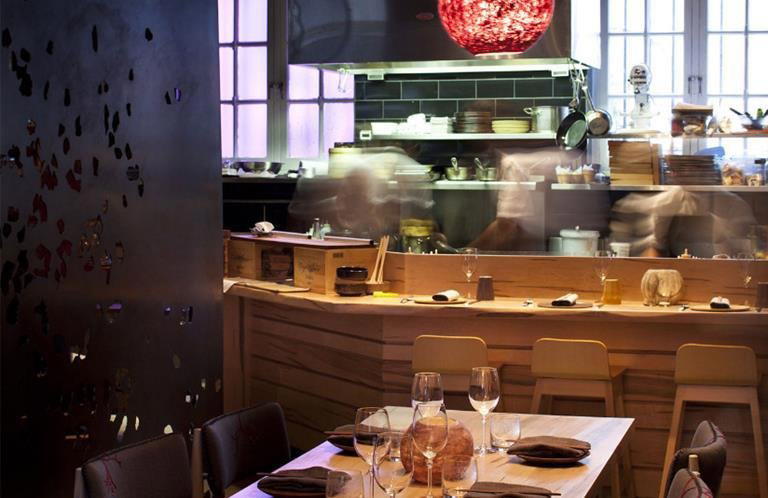
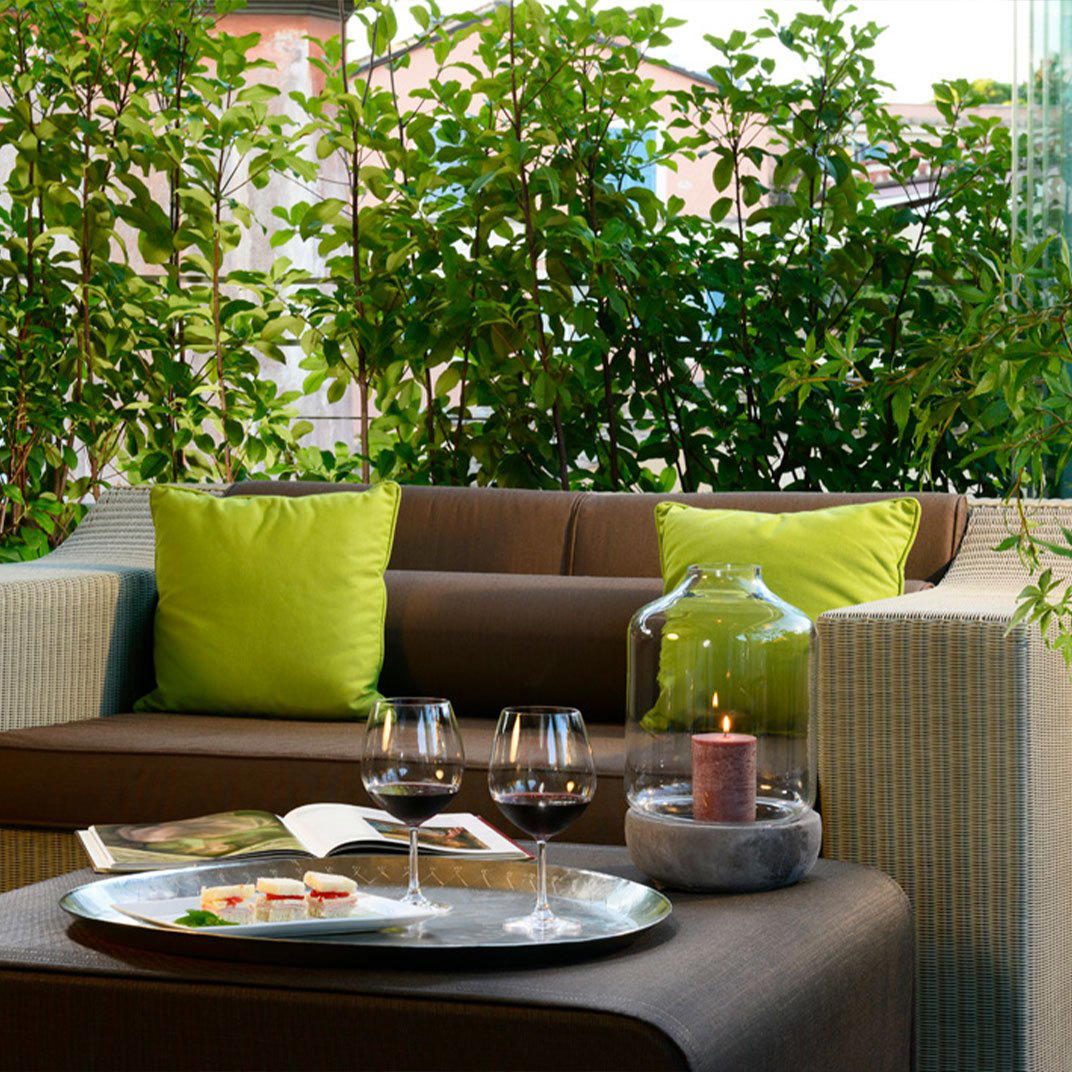
Contemporary and sophisticated with bright, airy spaces featuring floor-to-ceiling windows, warm brass and marble accents, and a lively rooftop atmosphere with panoramic city views.