Kruisherenhotel Maastricht


A 15th-century Gothic monastery in central Maastricht, converted into one of the Netherlands' most architecturally arresting hotels. The Kruisherenhotel pairs preserved vaulted ceilings and medieval stonework with a stripped-back contemporary interior, placing it firmly in the adaptive-reuse tier of Dutch heritage hospitality. The address on Kruisherengang puts guests within walking distance of the Vrijthof and the city's main restaurant quarter.
Pearl is the En Primeur Club membership app — saves, bookings, and concierge access live there. Same editors, same standards.
- Address
- Kruisherengang, 19-23, Maastricht 6211 NW, The Netherlands
- Phone
- +31 43 329 20 20
- Website
- marriott.com
- Directions
- Get directions
 Saves & bookings on Pearl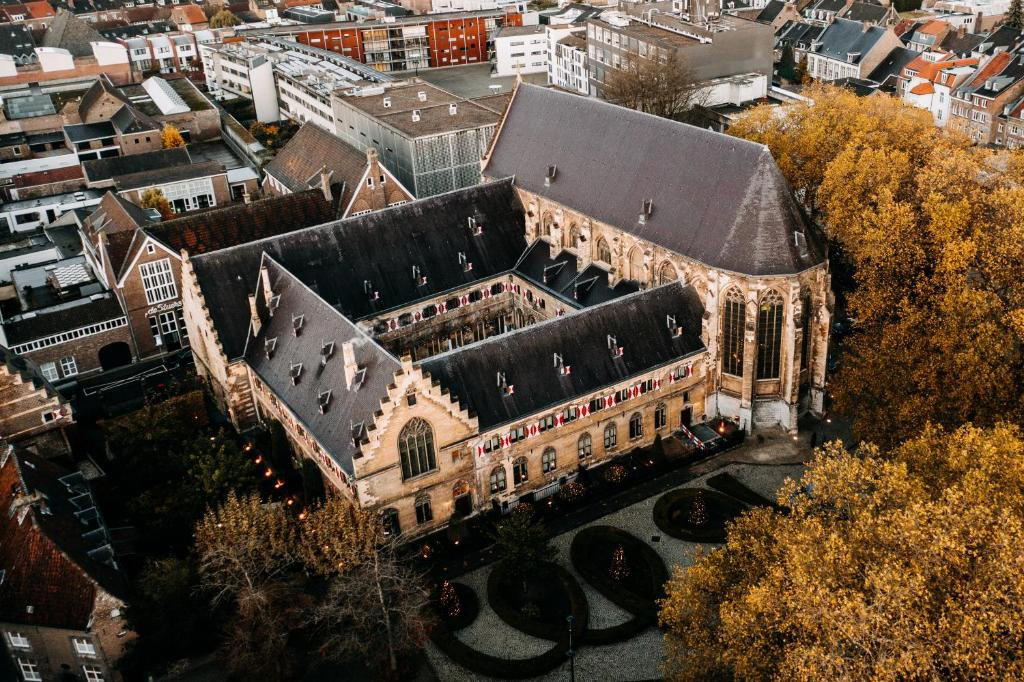
Gothic Stone, Contemporary Interior: Where Maastricht's Heritage Hotels Set the Bar
The conversion of sacred or civic buildings into hotels has become a reliable strategy for European cities with dense architectural inheritance, and Maastricht has pursued it more aggressively than most Dutch cities its size. The Kruisherenhotel Maastricht occupies a former monastery of the Crutched Friars, a religious order that established the site in the 15th century. What makes the building legible as a hotel rather than a museum is precisely the restraint of the conversion: the Gothic façade, the vaulted nave, the stone arches, none of it has been softened or themed. The interior sits in deliberate contrast, stripped down and contemporary, which means the medieval architecture reads more clearly, not less. It is a method that Amsterdam has applied at properties like the Sofitel Legend The Grand and the Waldorf Astoria Amsterdam, but Maastricht's religious building stock gives the approach a different register: quieter, more austere, less civic pomp.
The address is Kruisherengang 19-23, in the center of the city, placing guests at the intersection of Maastricht's old ecclesiastical quarter and its walkable restaurant and shopping streets. The Vrijthof square, the city's social anchor, is reachable on foot in minutes, as are the main concentrations of the dining scene covered in our full Maastricht restaurants guide. For a city that draws visitors for its food culture as much as its architecture, that positioning matters.
The Adaptive-Reuse Tier in Dutch Hospitality
Netherlands heritage conversion hotels now form a recognizable sub-category, distinct from the branded international hotels and from the small design-led canal properties. Properties like Kazerne in Eindhoven, which occupies a former military complex, or Weeshuis in Gouda, converted from a 17th-century orphanage, operate in the same general category: listed or protected buildings where the architecture is the primary asset. Within that set, the Kruisherenhotel sits toward the more dramatic end of the scale. A 15th-century Gothic church nave is harder to repurpose than a canal merchant house or a neoclassical civic hall, and the structural decisions made here, preserving the soaring height and stone surfaces while introducing contemporary furniture and lighting, represent a more loaded design commitment than most comparable conversions. The result is a property where the building does most of the editorial work before a guest has seen a room.
The comparison also extends geographically. Maastricht sits close enough to the Belgian border that visitors often weigh it against Flemish alternatives. Within the Limburg region, the nearest architectural peer is Château Neercanne, a country-house property a few kilometres south with its own heritage credentials and a different, more rural register. The Kruisherenhotel's urban address and ecclesiastical scale make them complementary rather than substitutes. Château St. Gerlach in Valkenburg aan de Geul extends that regional comparable set further, anchored by its Michelin-recognised restaurant rather than the conversion architecture itself.
Dining in a Monastery: The Editorial Angle on Hotel Food and Drink
Heritage hotels in Europe face a structural challenge with food and beverage: the architecture sets expectations the kitchen must either meet or deliberately sidestep. In a Gothic nave, a perfunctory hotel breakfast feels incongruous, while an overly theatrical menu risks turning the medieval setting into a stage set. One successful conversions in this format tend to resolve the tension through restraint on the food side, letting the room speak and keeping the culinary offer focused and honest rather than ambitious in ways the setting cannot support. Maastricht as a city has enough serious dining in walking distance, including the broader restaurant scene referenced in our city guide, that a hotel in this location does not need to operate a destination restaurant to justify its position. What matters more is whether the hotel's food and drink spaces use the architectural inheritance sensibly, treating the vaulted ceilings and stone as context rather than costume.
For guests seeking a more deliberately food-led hotel stay in the region, De Librije in Zwolle represents the opposite model: a property where the restaurant with its three Michelin stars is the primary reason to book. The Kruisherenhotel's draw is architectural first, and the city's restaurant density means guests are not dependent on the hotel kitchen for a serious meal.
How It Sits in the Broader Dutch Hotel Market
Design-conscious Dutch hotels have split into recognizable camps over the past decade. The high-volume, modular tier is represented by chains like citizenM, visible at citizenM Rotterdam and citizenM Schiphol Airport, which prize efficiency and brand consistency over architectural particularity. At the other end, properties like Hotel 717 in Amsterdam or Van Oys Maastricht Retreat operate as small, design-intensive propositions where the number of rooms is deliberately limited. The Kruisherenhotel occupies a third position: a building so architecturally specific that it functions almost as a category of one within its city, where the conversion decision, rather than a designer's brief or a brand's standards, defines the guest experience.
Elsewhere in the Netherlands, other heritage conversions offer useful points of comparison. Inntel Hotels Amsterdam Zaandam takes a different approach, referencing vernacular architecture rather than preserving it. Posthoorn in Monnickendam and Landgoed Hotel Het Roode Koper in Leuvenum both work with historic structures in smaller Dutch towns, though at a domestic rather than monumental scale. Internationally, the ecclesiastical conversion format has been executed at larger scale and higher price points: Aman Venice occupies a 16th-century palazzo with comparable stone-and-contemporary design logic, and Badrutt's Palace Hotel in St. Moritz demonstrates how European heritage properties operate at the summit of the luxury market. The Kruisherenhotel is not positioned against those properties by price or ambition, but the design problem being solved is recognizably the same: how to let a historic building remain the dominant presence while functioning as a modern hotel.
Planning Your Stay
The hotel is located on Kruisherengang in central Maastricht, within the old city street network. The central location means guests do not need a car for the main cultural and dining circuit, though a vehicle is useful for reaching the hillside terrain south of the city, where Château Neercanne and the Limburg countryside sit. Other properties in the region with different positioning include Mooirivier in Dalfsen, Op Oost in Oosterend, and Bij Jef in Den Hoorn for guests building a broader Dutch itinerary.
Cost Snapshot
Comparable venues nearby, for context on price, style, and recognition.
| Venue | Price | Awards | Notes |
|---|---|---|---|
| Kruisherenhotel MaastrichtThis venue — the venue you are viewing | $$$$ | 5-Star | Not listed |
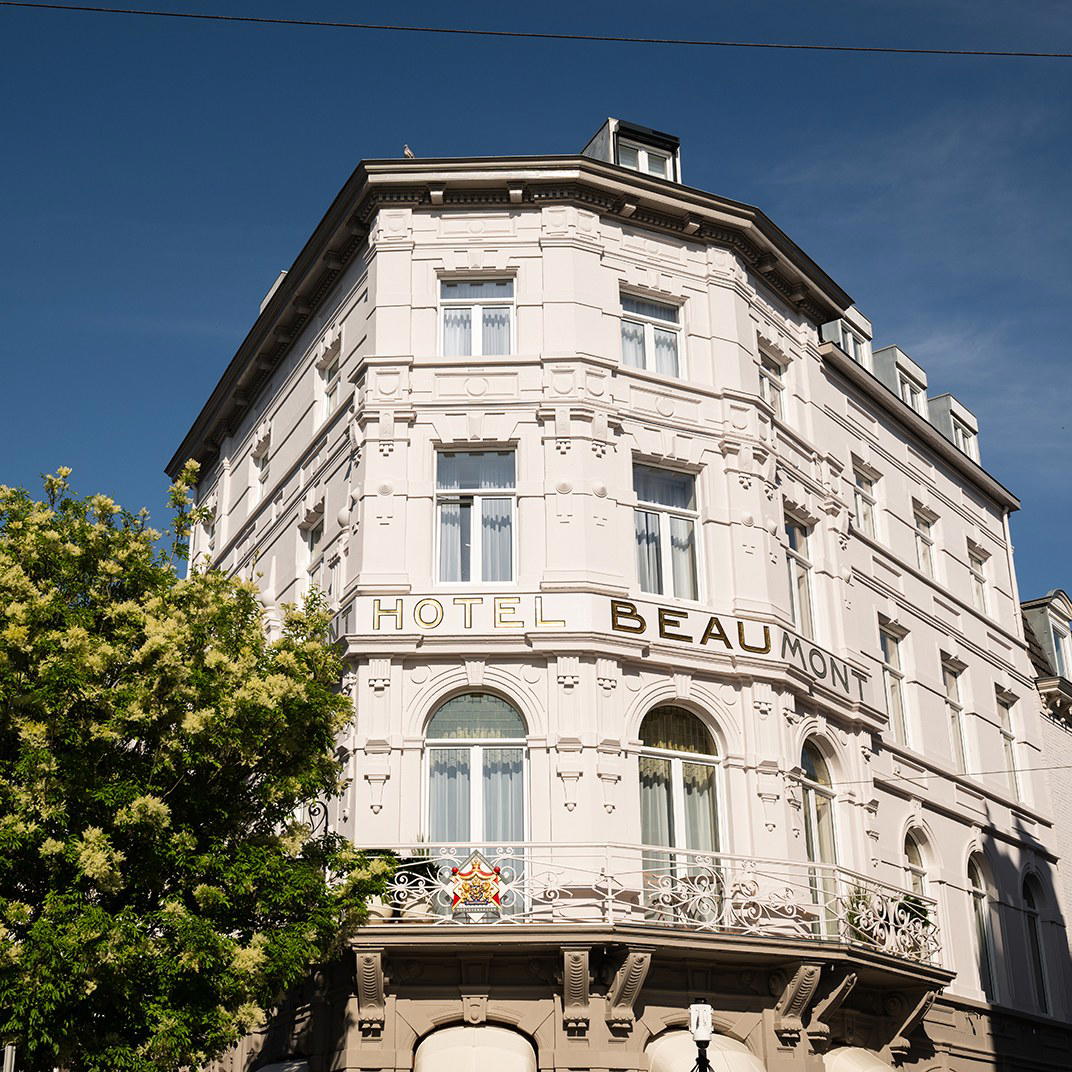
| Hotel Beaumont | $$ | 4-Star | Wyck, Luxe boutique in historic monumental buildings |
| Hotel Monastère Maastricht | $$$ | 4-Star | Boschstraat, Former 14th-century monastery transformed into a luxurious boutique hotel. |
| Van Oys Maastricht Retreat | $$$$ | Michelin 1 Key | Eijsden-Margraten, Restored medieval château estate blending historic charm with modern eco-luxury |
| Cousins Boutique Hotel | $$$$ | Not listed | Statenkwartier, Boutique hotel in renovated historic hat factory with luxury, local, sustainable focus. |
| Château Neercanne | $$$$ | Michelin 2 Key | Sint Pieter, 17th-century terraced castle estate with Michelin Key Two-Keys luxury |
Recognition history
Dated appearances from independent guides and award organizations, with the underlying list record or original source where available.
Design Hotels Member
Design Hotels
Michelin Selected
Michelin
Continue exploring
More in Maastricht
Hotels in Maastricht
Browse all →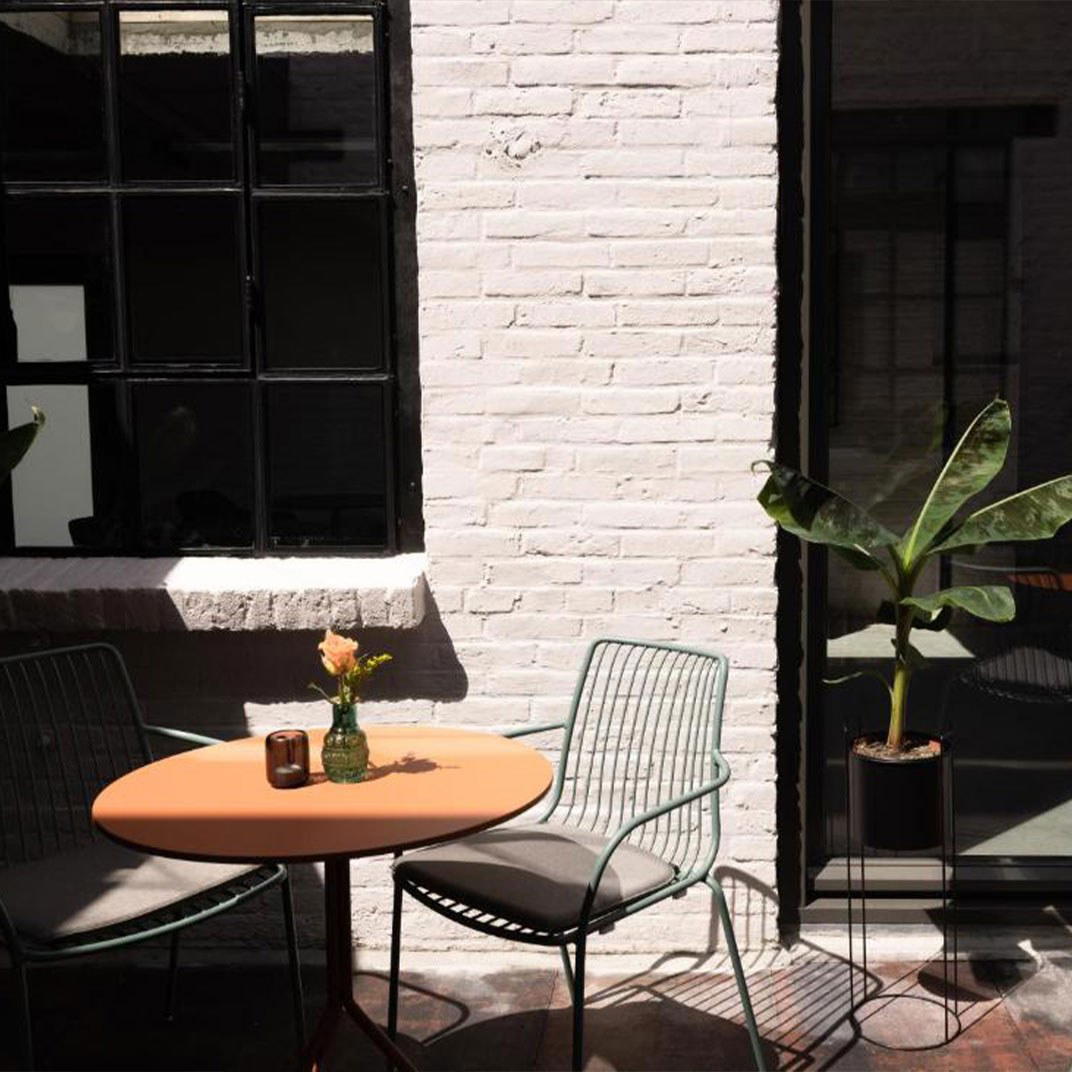
Bars in Maastricht
Browse all →
Restaurants in Maastricht
Browse all →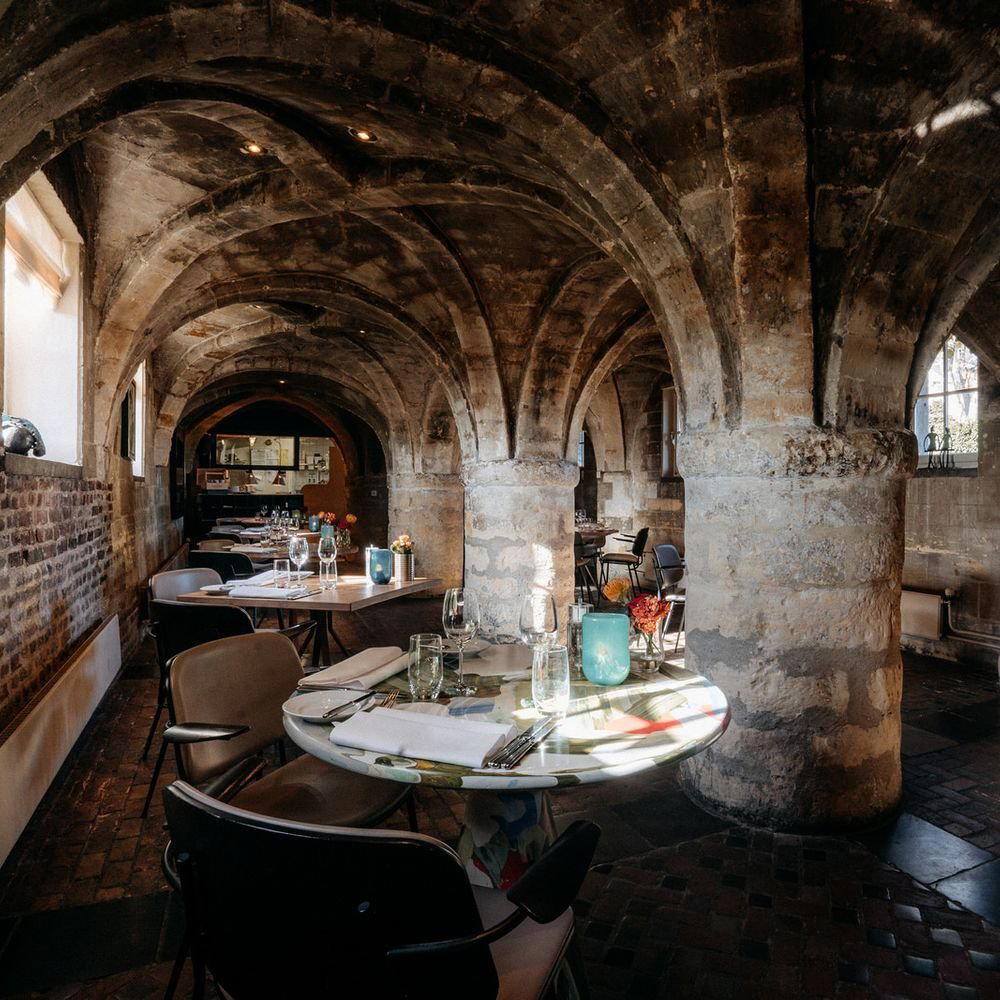
Wineries in Maastricht
Browse all →
At a Glance
- Elegant
- Sophisticated
- Modern
- Historic
- Intimate
- Romantic Getaway
- Anniversary
- Weekend Escape
- Historic Building
- Design Destination
- Terrace
- Wi Fi
- Room Service
- Concierge
- Restaurant
- Bar
- Garden
- EV Charging
- Laundry Service
- Garden
- Wi Fi
- Room Service
- Concierge
- Restaurant
- Bar
- Garden
- EV Charging
- Laundry Service
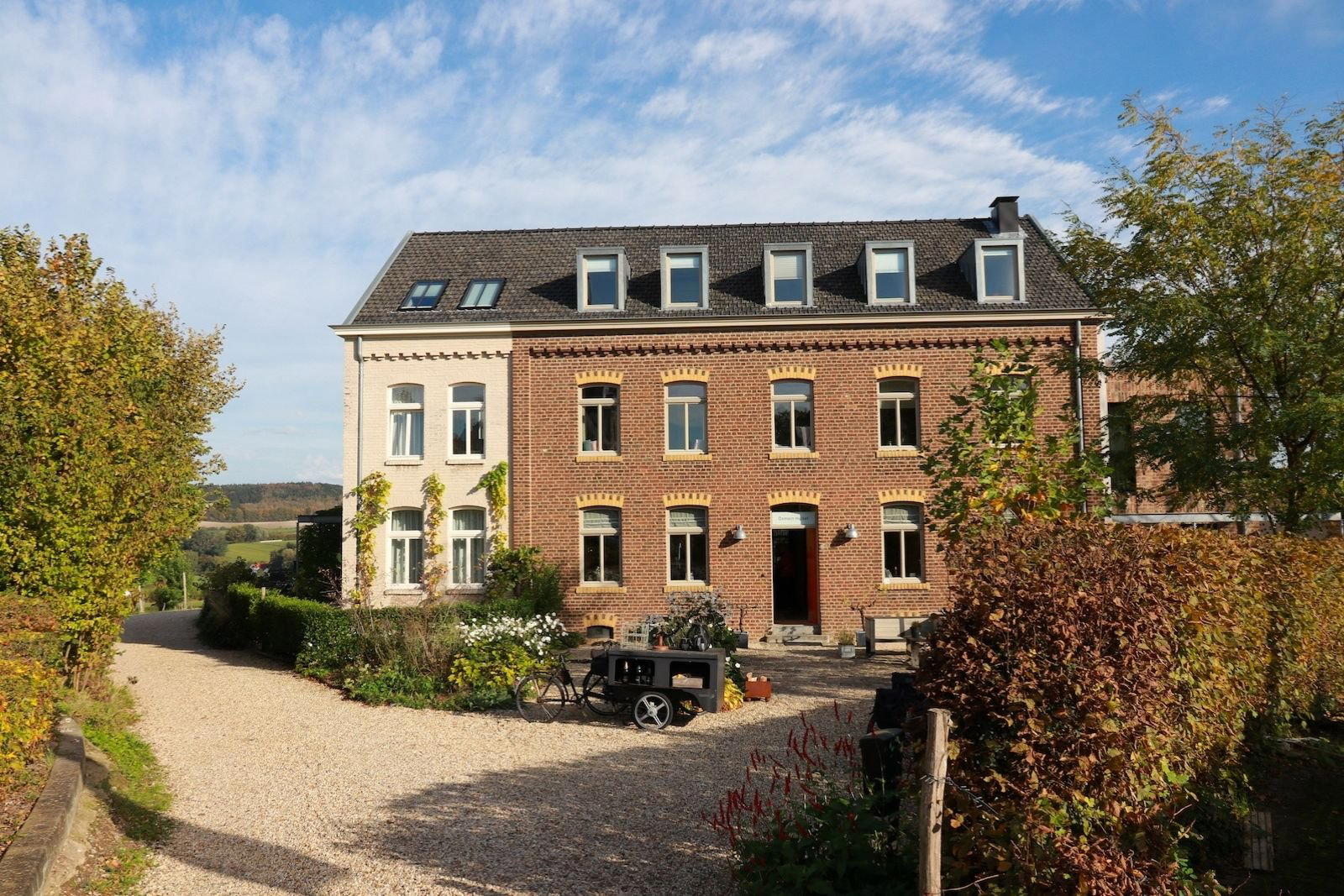
Sophisticated and peaceful atmosphere with dramatic historic architecture, modern design elements, cozy lighting, and a serene inner garden courtyard.