Van Oys Maastricht Retreat


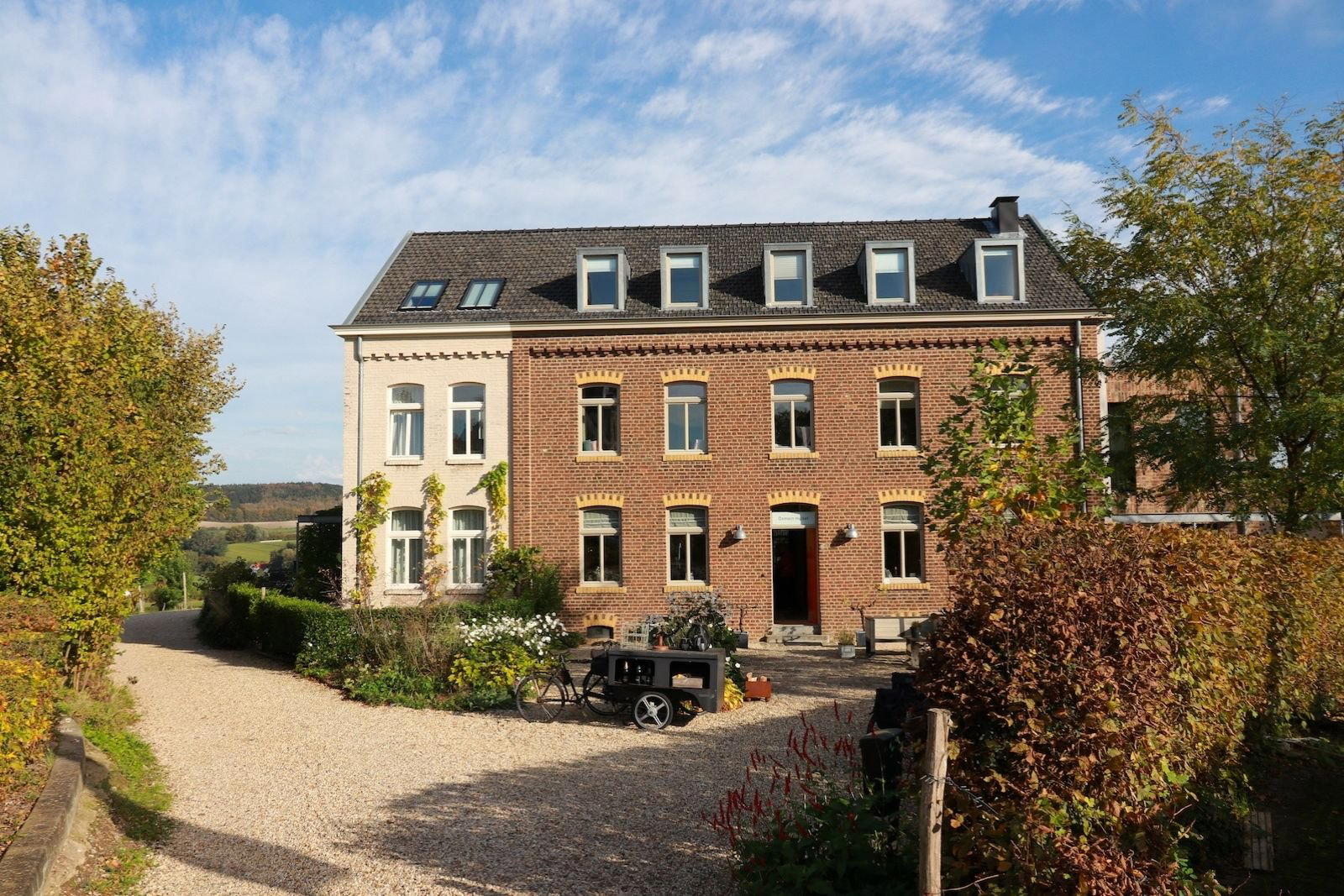
A Leading Hotels of the World member occupying a castle estate in Eijsden, just south of Maastricht, Van Oys Maastricht Retreat offers 81 rooms with natural stone walls, exposed beams, and garden-facing terraces. Two distinct dining formats, farm-to-table Maes and fine dining Create, sit alongside a spa that prioritises restoration over trend-led treatments, all from around $367 per night.
Pearl is the En Primeur Club membership app — saves, bookings, and concierge access live there. Same editors, same standards.
- Address
- Kasteellaan 1, 6245 SB Eijsden
- Phone
- +31 43 240 0040
- Website
- vanoys.com
- Directions
- Get directions
 Saves & bookings on Pearl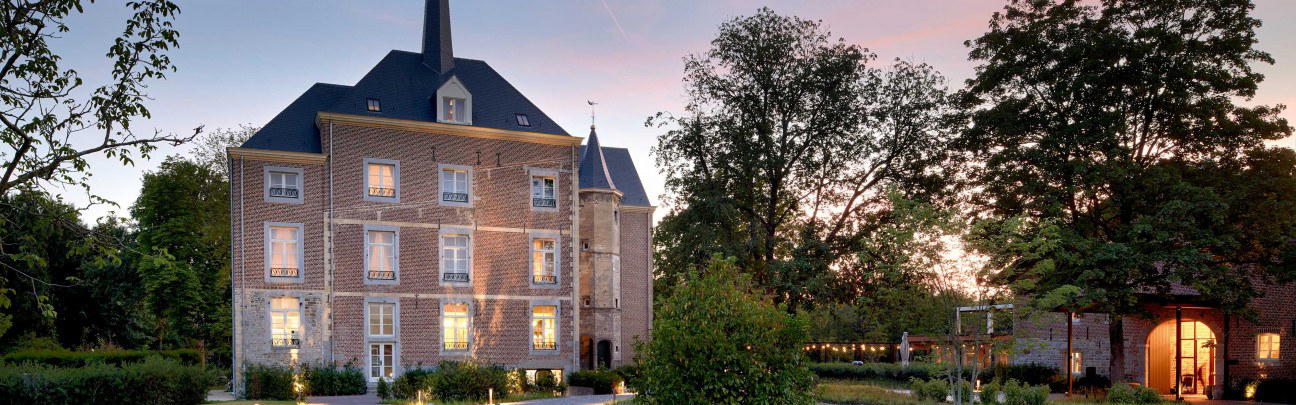
A Country Estate Format That Earns Its Setting
The southern Netherlands has quietly developed one of the country's most coherent luxury hospitality clusters. Limburg province, with its rolling hills, vineyard-lined slopes, and proximity to the Belgian and German borders, has attracted a category of property that operates differently from city-centre hotels: castle estates and landgoed retreats where the grounds are as much the product as the rooms. Van Oys Maastricht Retreat, set on Kasteellaan in Eijsden, sits firmly within that tradition. The address alone places it in specific company: Eijsden is roughly ten kilometres south of Maastricht's centre, close enough for day access to the city's Roman-era streets and cathedral squares, far enough that the retreat functions on its own terms.
Its membership in Leading Hotels of the World (confirmed 2025) positions Van Oys within a global comparable set defined by independent ownership, architectural character, and service-to-scale ratios that larger branded properties rarely achieve. At 81 rooms, it is neither intimate boutique nor full conference resort. That scale is deliberate: large enough to sustain two restaurants, a spa, and programming infrastructure, small enough that staff-to-guest ratios remain meaningful.
What the Rooms Tell You About the Hotel's Priorities
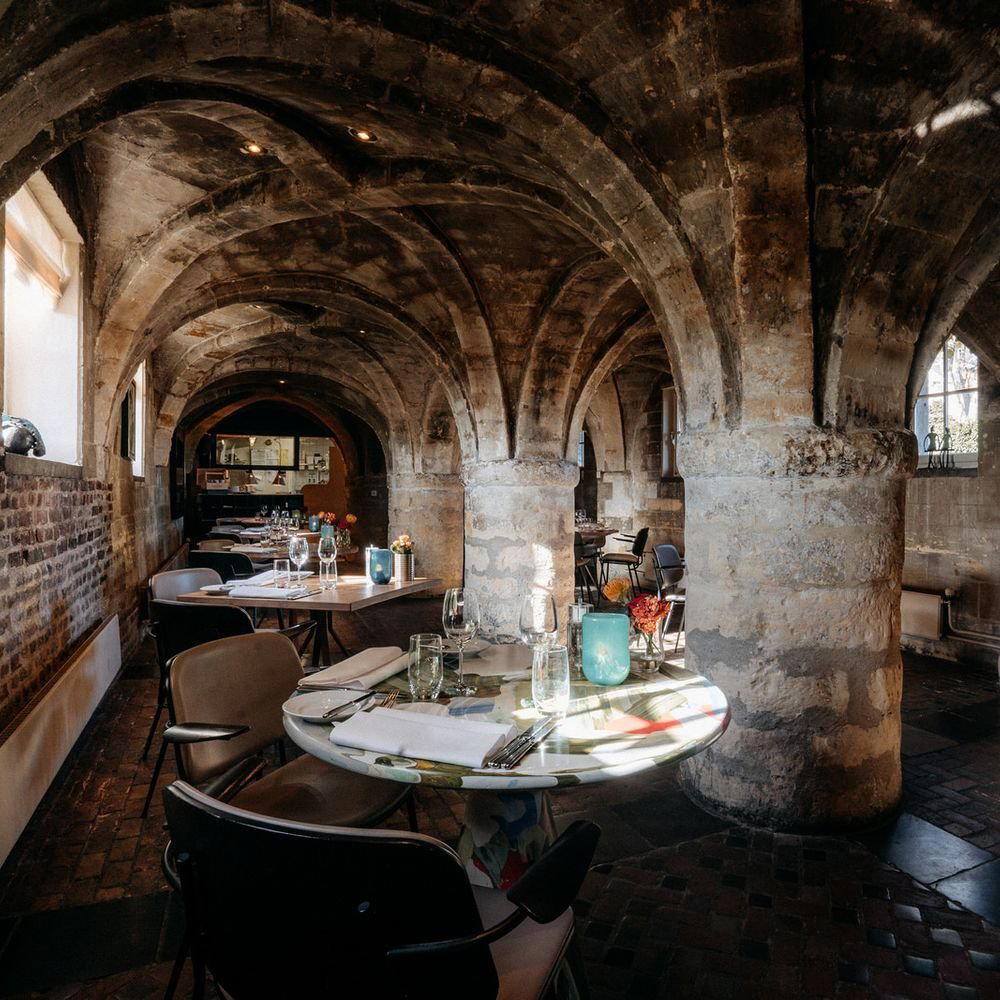
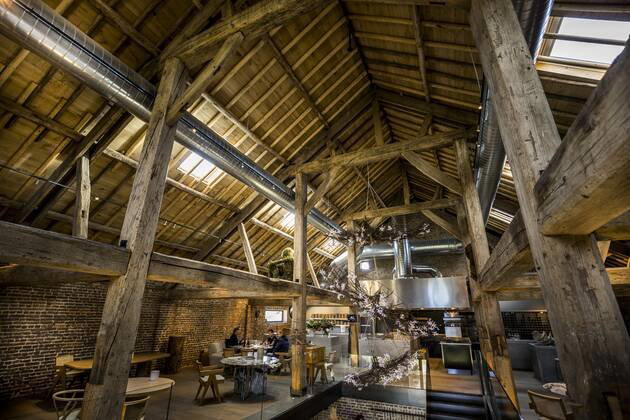
The design language running through Van Oys is one that has become a reference point in European country house hospitality: natural stone walls, exposed timber beams, and a palette drawn from the surrounding landscape. Earthy muted tones replace the saturated colours or high-contrast schemes common in urban lifestyle hotels. The effect is deliberately calming rather than dramatic. In the higher category rooms, private terraces and balconies extend the living space outward toward the gardens, a detail that shifts the room from a sleeping space into something closer to a private garden apartment.
That orientation toward the outdoors is not incidental. Country retreat hotels across Limburg and the Ardennes use the transition between interior and landscape as a central guest experience, and Van Oys frames that transition thoughtfully. For travellers arriving from Amsterdam, where properties like Hotel 717 offer notable urban intimacy, or from Rotterdam's design-led citizenM, the shift to a garden-facing room at Van Oys registers as a genuine change of register, not just geography.
Rates begin around $367 per night, which positions the property in the mid-to-upper tier for Limburg but below the ceiling set by particularly exclusive castle properties in the region, including Château St. Gerlach in nearby Valkenburg aan de Geul. Within that price band, the proposition is clear: architectural character, food programming depth, and spa access bundled into a rate that doesn't require the guest to treat each ancillary as a separate expenditure decision.
Two Restaurants, One Editorial Point About Terroir
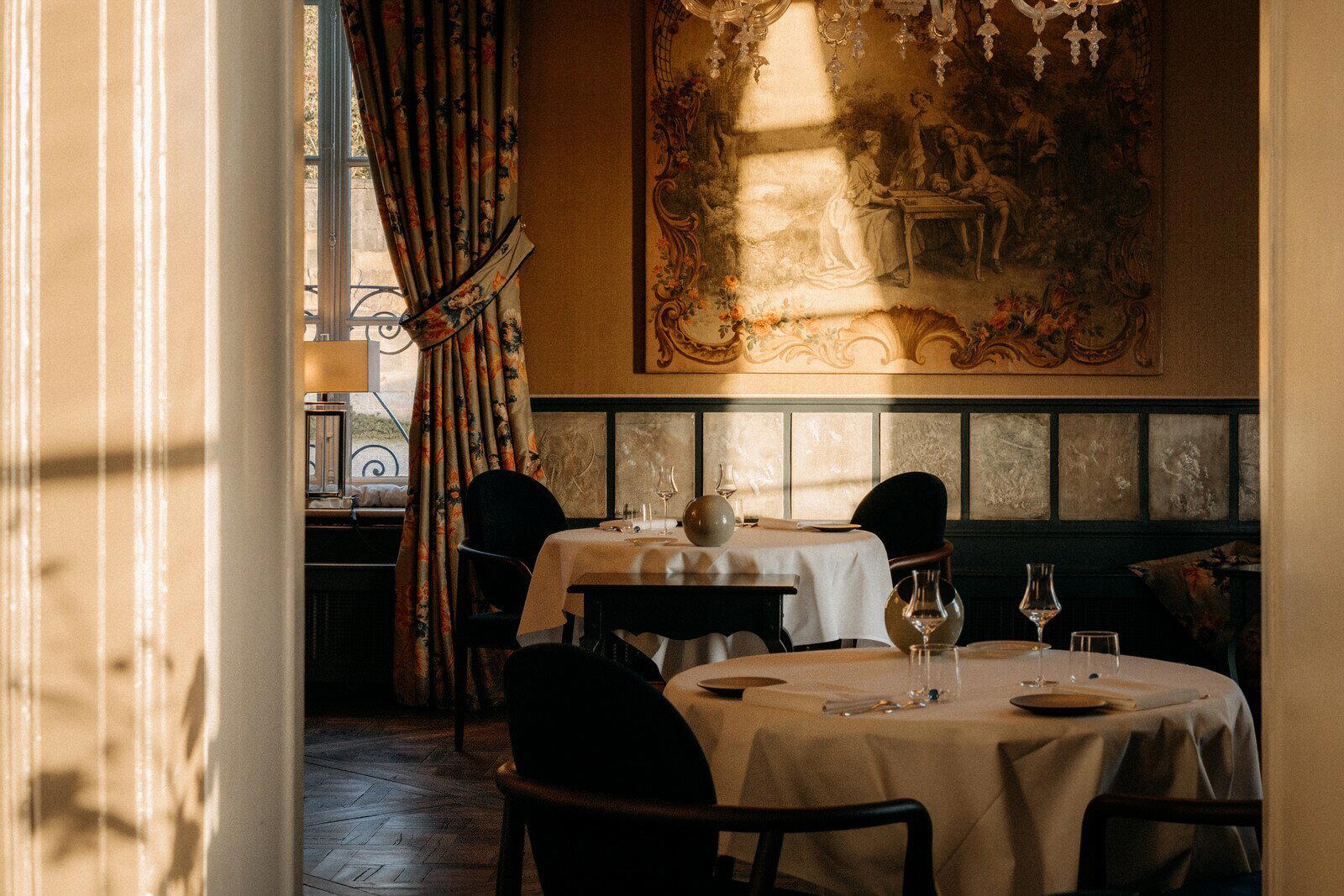
The food programme at Van Oys is especially considered element among the guest experience, and it reflects a broader shift in how serious country hotels are thinking about their kitchens. The bifurcated dining model, with farm-to-table Maes on one side and fine dining Create on the other, acknowledges that guests across a multi-night stay want different registers on different evenings. It also positions the property in a competitive set that goes beyond accommodation: hotels with Michelin-experienced kitchen teams and cooking class infrastructure compete for a different traveller than those offering a single all-day brasserie.
The Michelin connection at Create is significant not as a prestige signal alone but as a calibration tool. Michelin-experienced chefs bring a specific vocabulary of sourcing, technique, and plate discipline. At a retreat property in Limburg, that vocabulary connects naturally to the regional larder: the Meuse valley produces vegetables, herbs, and small-farm proteins that give a farm-to-table format genuine content rather than branding. The wine ateliers and cooking classes extend the food programming beyond the dining room and into the guest's day.
For context on how the Netherlands handles its serious food destinations outside the Randstad, De Librije in Zwolle demonstrates what happens when kitchen ambition anchors an entire destination. Van Oys operates with a different scale and format, but the underlying logic is similar: the kitchen creates a reason to stay that the rooms alone cannot.
The Spa as a Position Statement
Spa programming across European luxury hotels has bifurcated sharply in recent years. One segment has moved toward clinical technology: cryo-chambers, LED light therapies, IV vitamin infusions, and results-led anti-aging protocols. The other has held to a restorative model: heat sequences, water circuits, bodywork, and deliberate deceleration. Van Oys has placed itself in the second camp, with a spa that, by the property's own framing, prioritises back-to-basics relaxation over trend-led treatments.
That is a service philosophy choice with real guest experience implications. Travellers who arrive at an estate property in Limburg in September or October, when the Ardennes-adjacent landscape is at its most atmospheric and the local harvest season is in full swing, are generally not seeking biohacking. They want the opposite: a defined boundary between the connected world and wherever they currently are. A spa that reinforces that boundary through simplicity rather than complexity is making a considered editorial decision about its guest.
Seasonal Timing and the Maastricht Context
Maastricht rewards visits in autumn more than most Dutch cities. September and October bring lower visitor volumes than the city's famous carnival season in February or its Art Basel-adjacent TEFAF week in March, and the Limburg countryside enters a period of particular visual character: mist over the Meuse, the vineyards around Eijsden shifting colour, and the walking and cycling routes through the Heuvelland reaching their most comfortable temperatures. A retreat property positioned ten kilometres south of the city centre benefits from all of this without requiring the guest to stay in the city itself.
December brings a different draw: Maastricht's Christmas market is among the more established in the Netherlands, and the combination of city day-access and a quiet estate to return to in the evening suits a retreat format better than an urban hotel. Guests using Van Oys as a base for Maastricht exploration should note that the drive into the city is short, though Eijsden sits close to the Belgian border at a remove from public transport convenience, so a car or pre-arranged transfer makes the logistics cleaner.
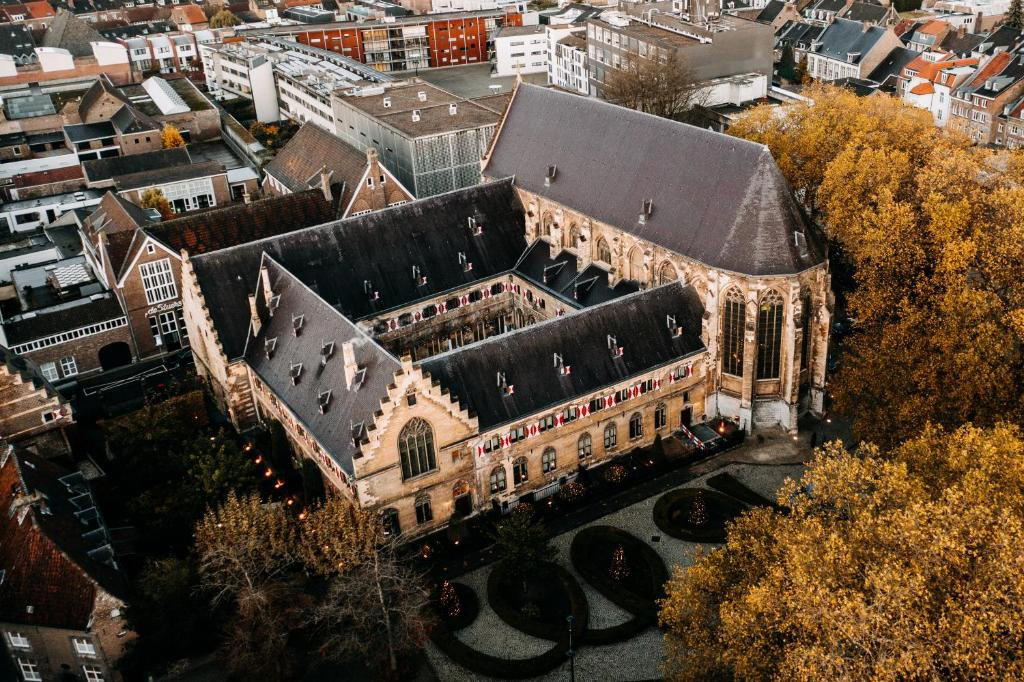
Travellers comparing estate options in Limburg should also consider Kruisherenhotel Maastricht, which operates a converted Gothic monastery within the city and offers a contrasting proposition: architectural drama plus walkable access to the centre, at the trade-off of fewer grounds and no retreat infrastructure. The right choice depends on whether proximity or space is the higher priority for a given trip.
Across the Netherlands, the estate and landgoed hotel format has found expression in several strong properties: Landgoed Hotel Het Roode Koper in Leuvenum, Mooirivier in Dalfsen, and Bij Jef in Den Hoorn each occupy a different regional niche. Van Oys Maastricht Retreat's distinction within that category is its food programming depth and its Leading Hotels of the World affiliation, which brings booking infrastructure, service standards, and a peer network that smaller independent estates lack.
Planning Your Stay
Van Oys Maastricht Retreat is located at Kasteellaan 1, 6245 SB Eijsden, approximately ten kilometres south of Maastricht. Rates begin around $367 per night across 81 rooms. The property operates two restaurants (Maes and Create) alongside spa facilities and programmed wine and cooking events. Given the Michelin-experienced kitchen team and the structured food programming, guests planning to dine at Create on specific evenings should confirm availability when booking, particularly during peak autumn and December periods when occupancy at Limburg estate properties tends to run high.
Cuisine Lens
Comparable venues nearby, for context on price, style, and recognition.
| Venue | Cuisine | Price | Awards | Notes |
|---|---|---|---|---|
| Van Oys Maastricht RetreatThis venue — the venue you are viewing | Restored medieval château estate blending historic charm with modern eco-luxury | $$$$ | Michelin 1 Key | Not listed |
| Château Neercanne | 17th-century terraced castle estate with Michelin Key Two-Keys luxury | $$$$ | Michelin 2 Key | Sint Pieter |
| Hotel Monastère Maastricht | Former 14th-century monastery transformed into a luxurious boutique hotel. | $$$ | 4-Star | Boschstraat |
| Kruisherenhotel Maastricht | Historic monastery transformed into a contemporary 5-star design hotel | $$$$ | 5-Star | Maastricht-Centre Urban District |
| Cousins Boutique Hotel | Boutique hotel in renovated historic hat factory with luxury, local, sustainable focus. | $$$$ | Not listed | Statenkwartier |
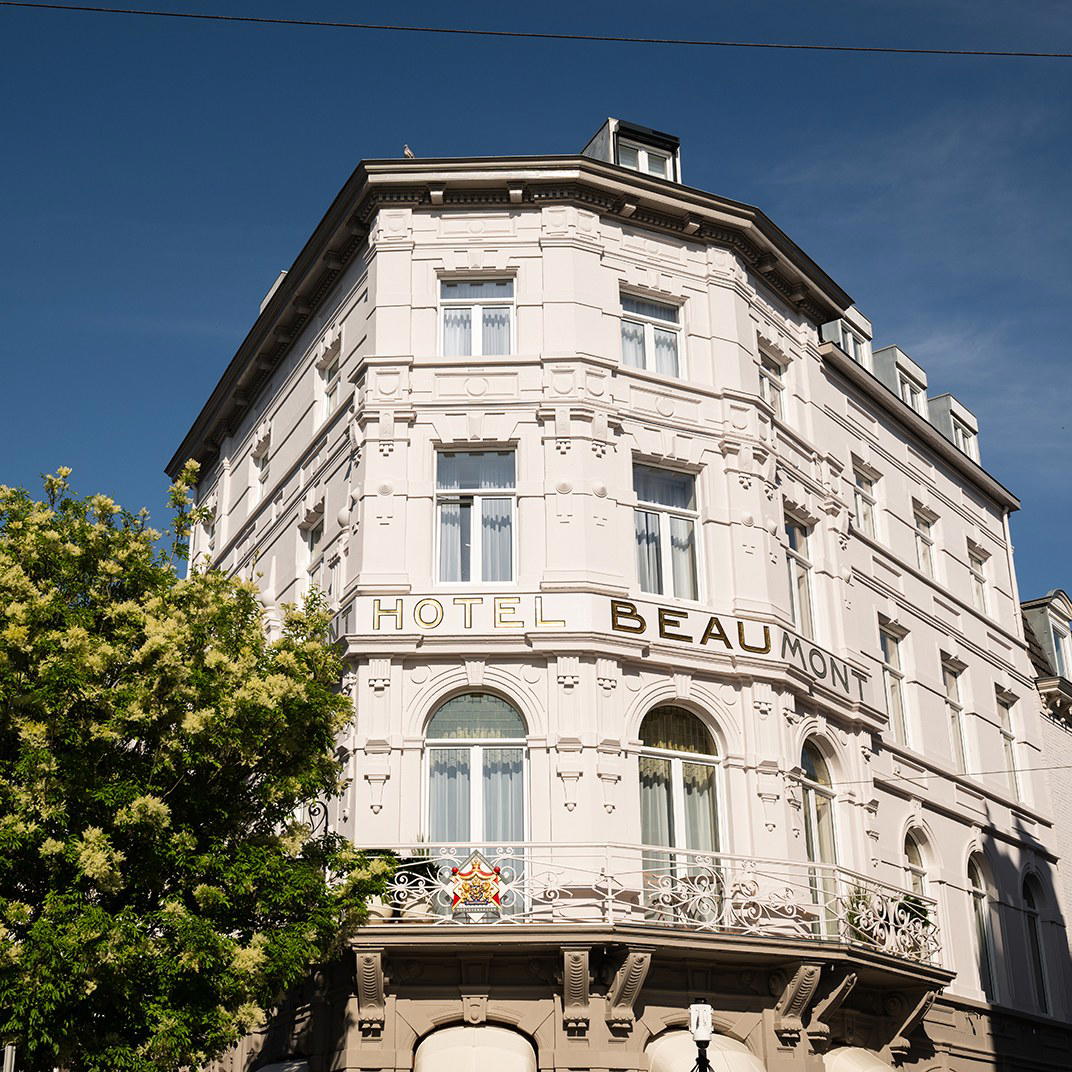
| Hotel Beaumont | Luxe boutique in historic monumental buildings | $$ | 4-Star | Wyck |
Recognition history
Dated appearances from independent guides and award organizations, with the underlying list record or original source where available.
Mr & Mrs Smith Smith Seal of Approval
Mr & Mrs Smith
Leading Hotels of World Member
Leading Hotels of World
Michelin 1 Key
Michelin
Continue exploring
More in Maastricht
Hotels in Maastricht
Browse all →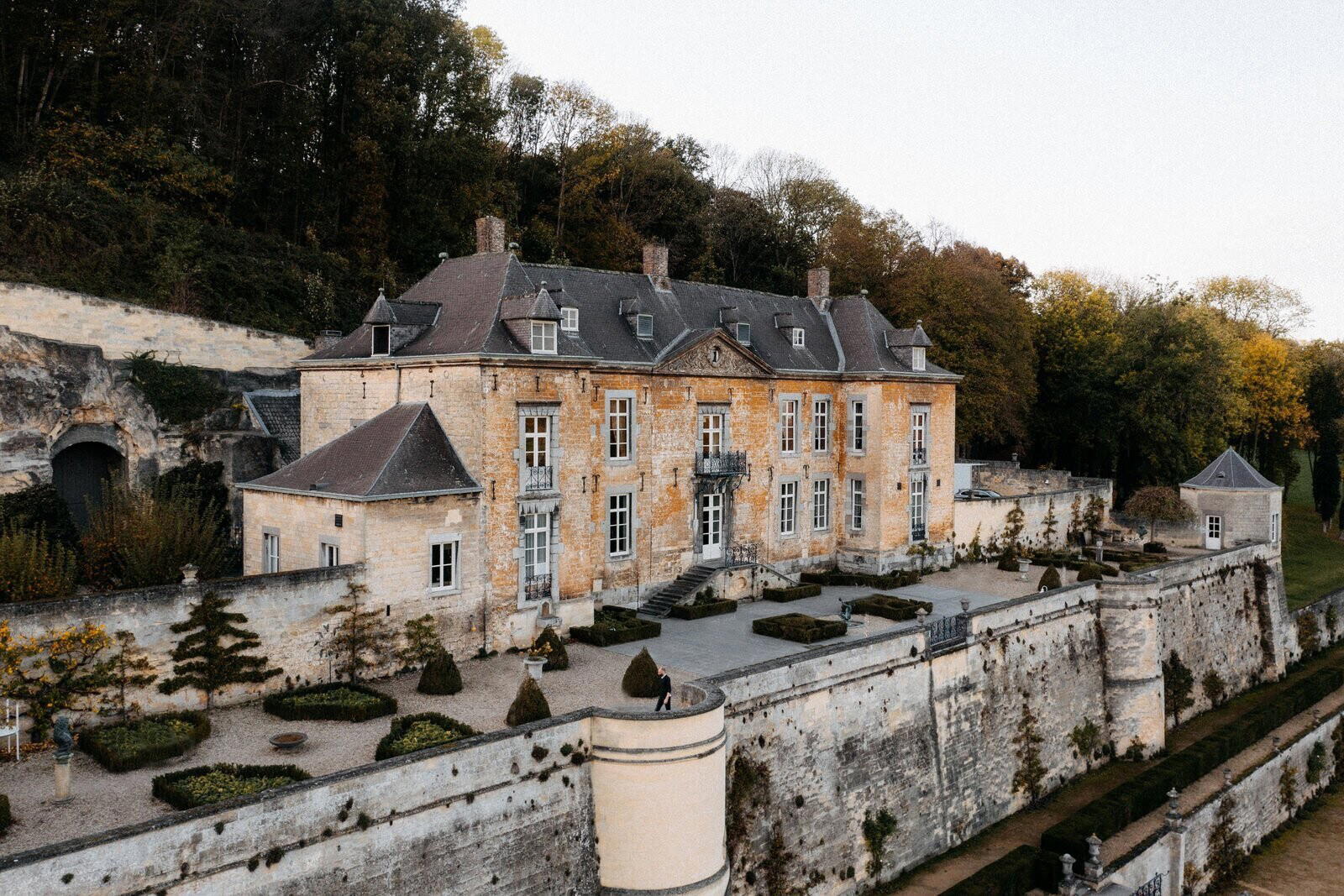
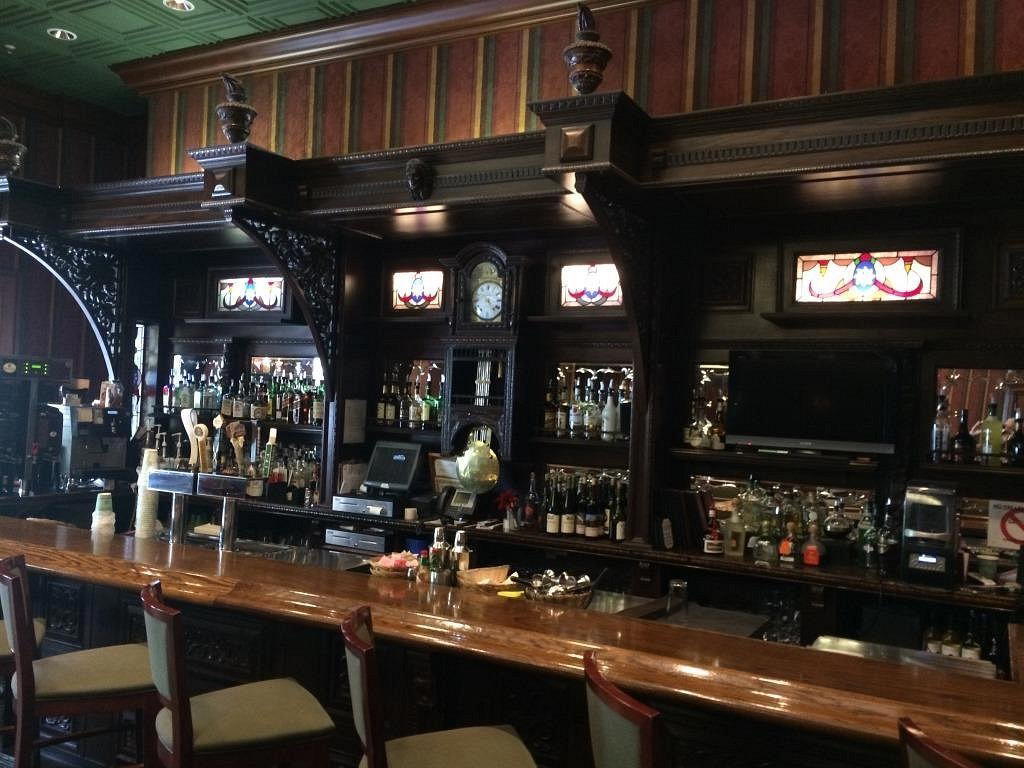
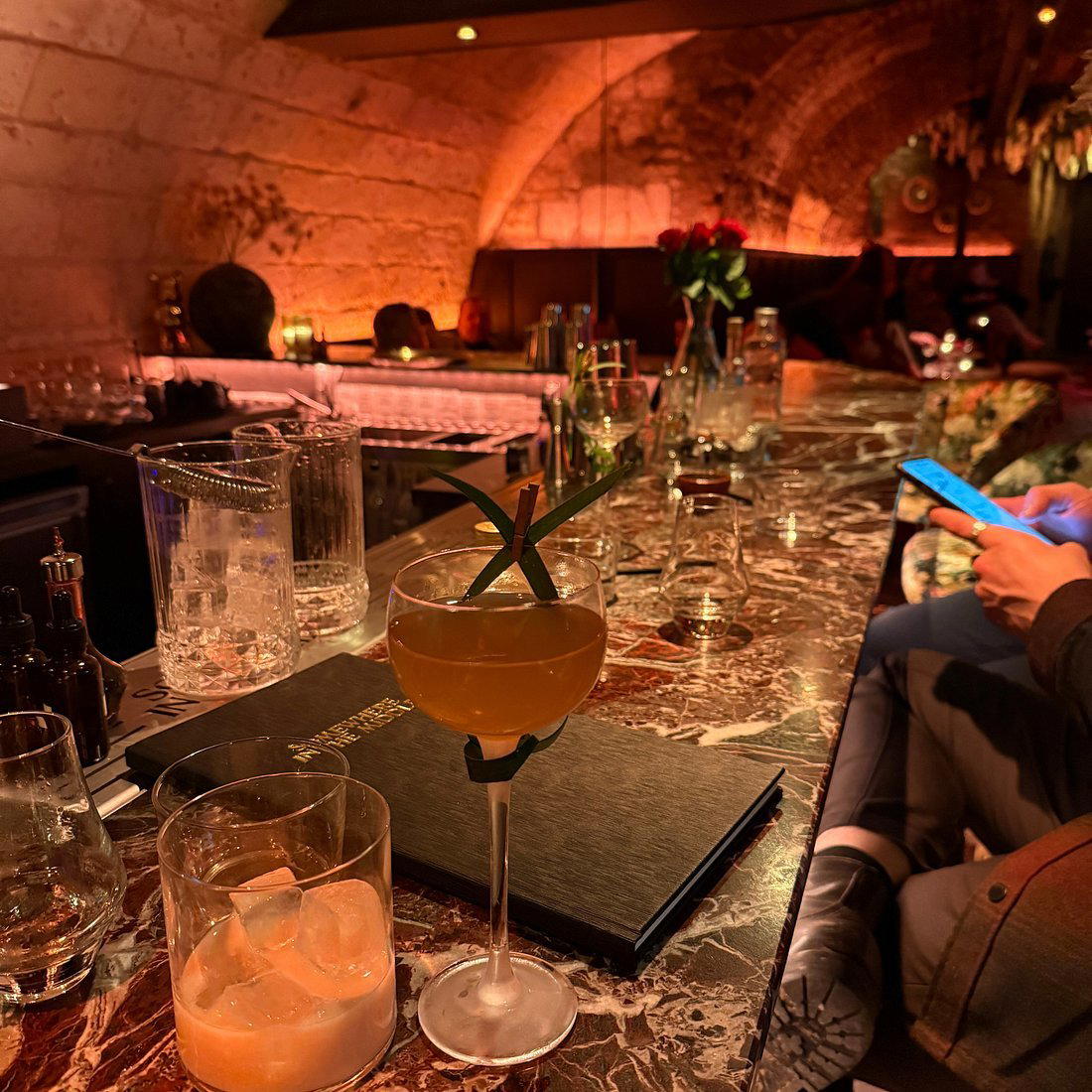
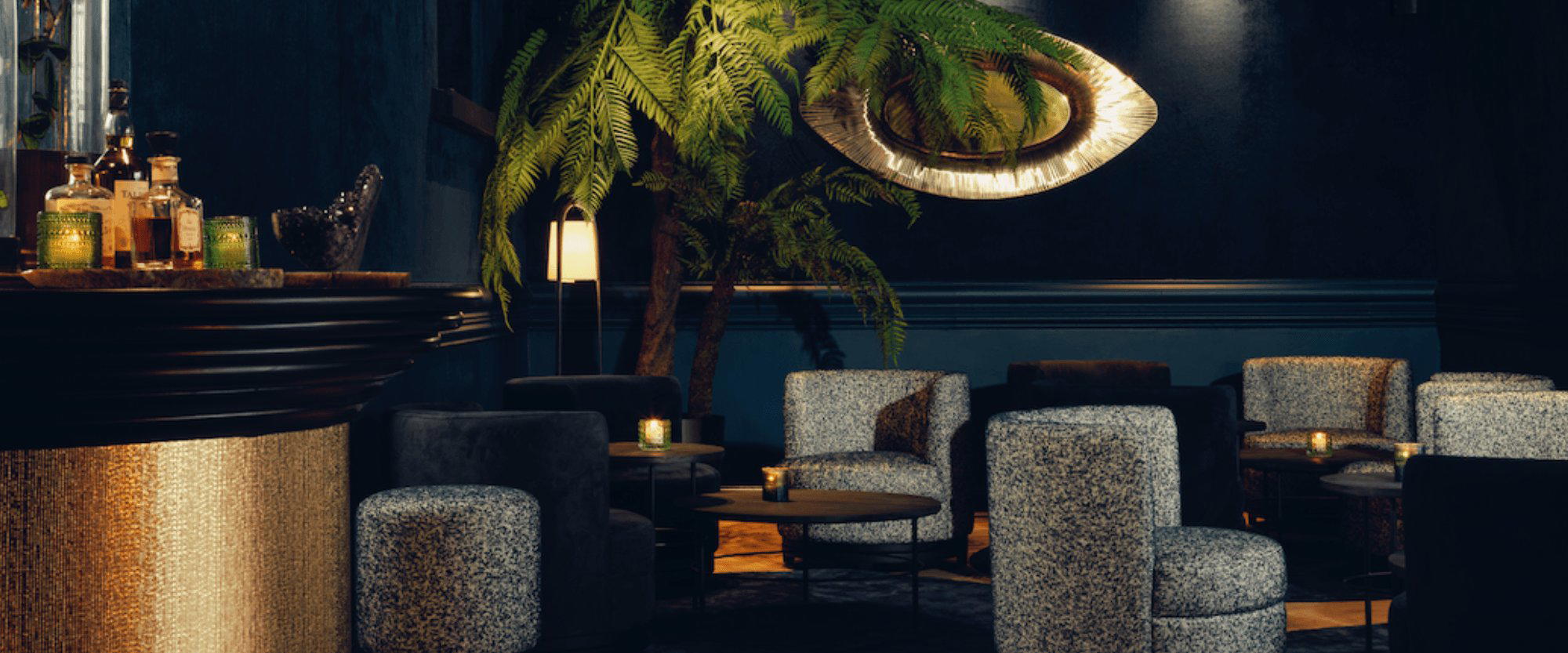
Bars in Maastricht
Browse all →
Restaurants in Maastricht
Browse all →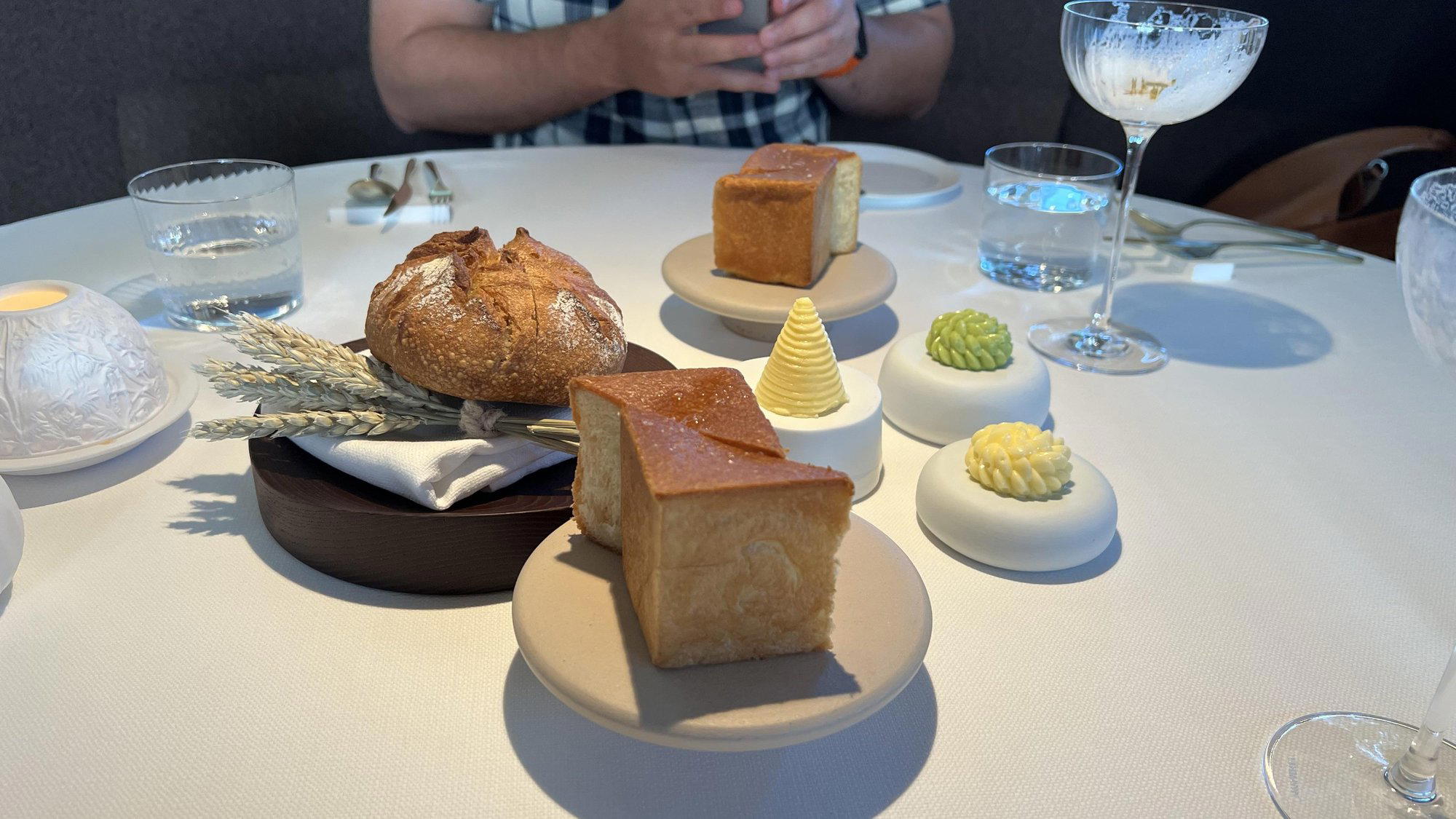
Wineries in Maastricht
Browse all →
At a Glance
- Romantic
- Elegant
- Cozy
- Sophisticated
- Scenic
- Romantic Getaway
- Wellness Retreat
- Anniversary
- Weekend Escape
- Historic Building
- Garden
- Terrace
- Spa
- Pool
- Sauna
- Fitness Center
- Room Service
- Concierge
- Restaurant
- Wi Fi
- Bicycle Rental
- Garden
- Spa
- Pool
- Sauna
- Fitness Center
- Room Service
- Concierge
- Restaurant
- Wi Fi
- Bicycle Rental
Warm, inviting lighting and luxurious castle atmosphere that makes guests feel pampered like royalty.