

Star Wine List · Forbes Recommended
A former aristocratic residence on Via Ghibellina in Florence's historic center, Relais Santa Croce occupies one of the city's more considered address decisions: close to the Basilica di Santa Croce, well inside the medieval core, and far enough from the mass tourist corridors to feel genuinely residential. Its wine program carries a Star Wine List 2026 recognition, placing it in a measurable tier among Florence's hotel wine offerings.

Pearl is the En Primeur Club membership app, where members save venues, book tables and use the concierge.
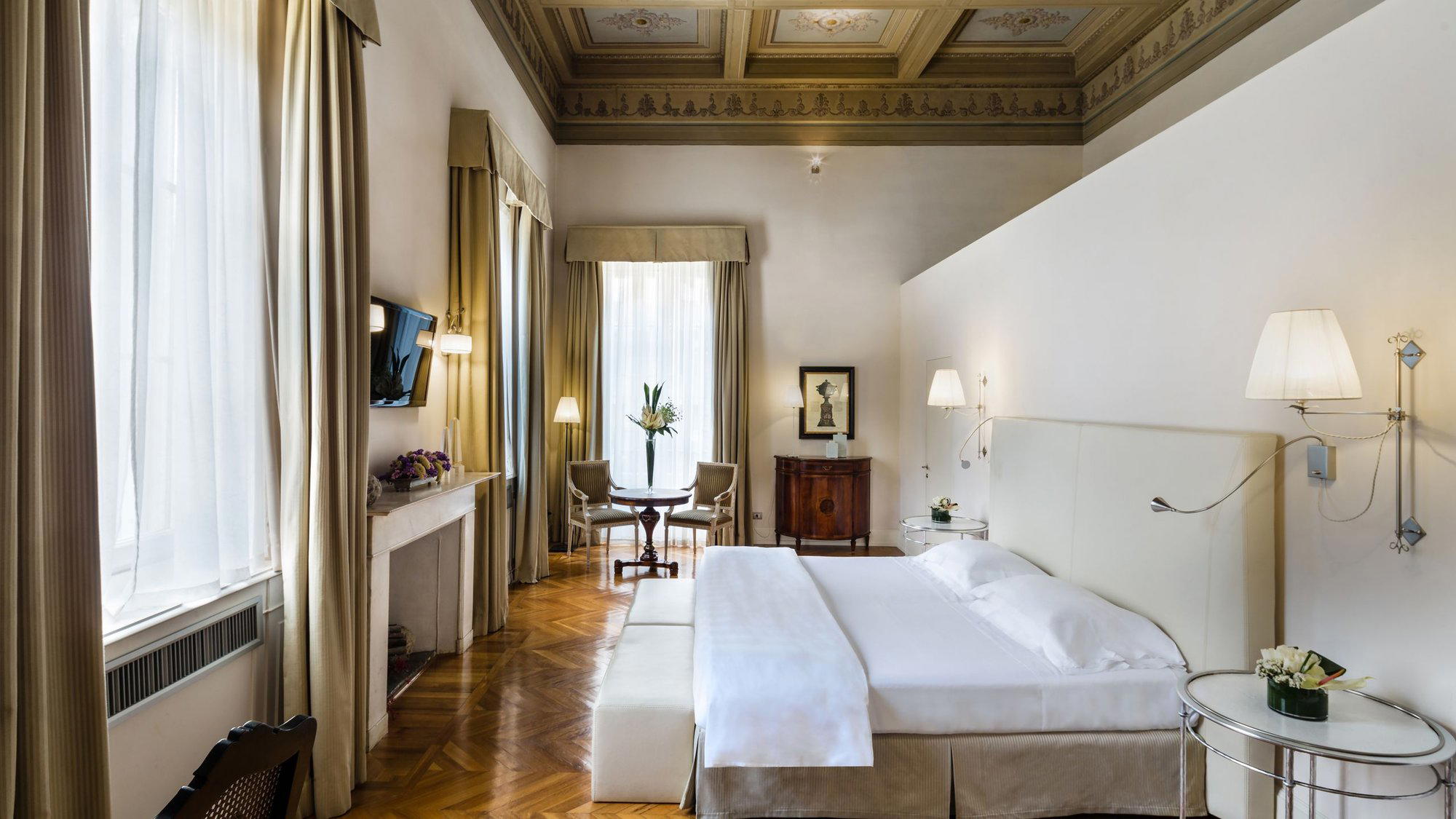
A Palazzo on Via Ghibellina
Via Ghibellina runs through one of the less-processed sections of Florence's historic center, east of the Duomo and parallel to the Arno, where the street plan still traces medieval property lines and the buildings carry the weight of centuries without the polish of tourist-facing restoration. This is the part of Florence that functions as a working city first, not a museum district, and it is here that Relais Santa Croce occupies what was once a private aristocratic residence. The address matters. In a city where hotel positioning is often decided by proximity to the Piazza della Signoria or the Uffizi, Via Ghibellina 87 represents a different calculation: close to the Basilica di Santa Croce, grounded in the Santa Croce quarter's more locally oriented character, and removed from the congestion that accumulates around Florence's primary tourist axes.
Florence's luxury hotel tier has expanded considerably in the past decade. Properties like the Four Seasons Hotel Firenze, operating from the Palazzo della Gherardesca with its 11-acre garden, and newer arrivals like Palazzo Portinari Salviati Residenza D'Epoca have pushed the category toward grander, more maximalist expressions of Florentine heritage. Relais Santa Croce belongs to a different register within that tier: the converted private palazzo that trades on intimacy and architectural continuity rather than scale. The distinction is meaningful for the traveller who wants to feel embedded in the city's fabric rather than insulated from it.
Architecture as the Primary Argument
Converted Florentine palazzi present a specific architectural challenge. The bones of a 16th- or 17th-century residence, with its piano nobile proportions, frescoed ceilings, and thick stone walls, were designed for domestic hierarchy, not hotel operations. The interiors that work leading in this category are those that preserve the spatial logic of the original building rather than imposing a hotel's operational requirements on top of it. In the better examples across Italy, from Aman Venice in its Palazzo Papadopoli to Castello di Reschio in Lisciano Niccone with its centuries-long Umbrian restoration, the architectural logic of the original structure becomes the guest experience.
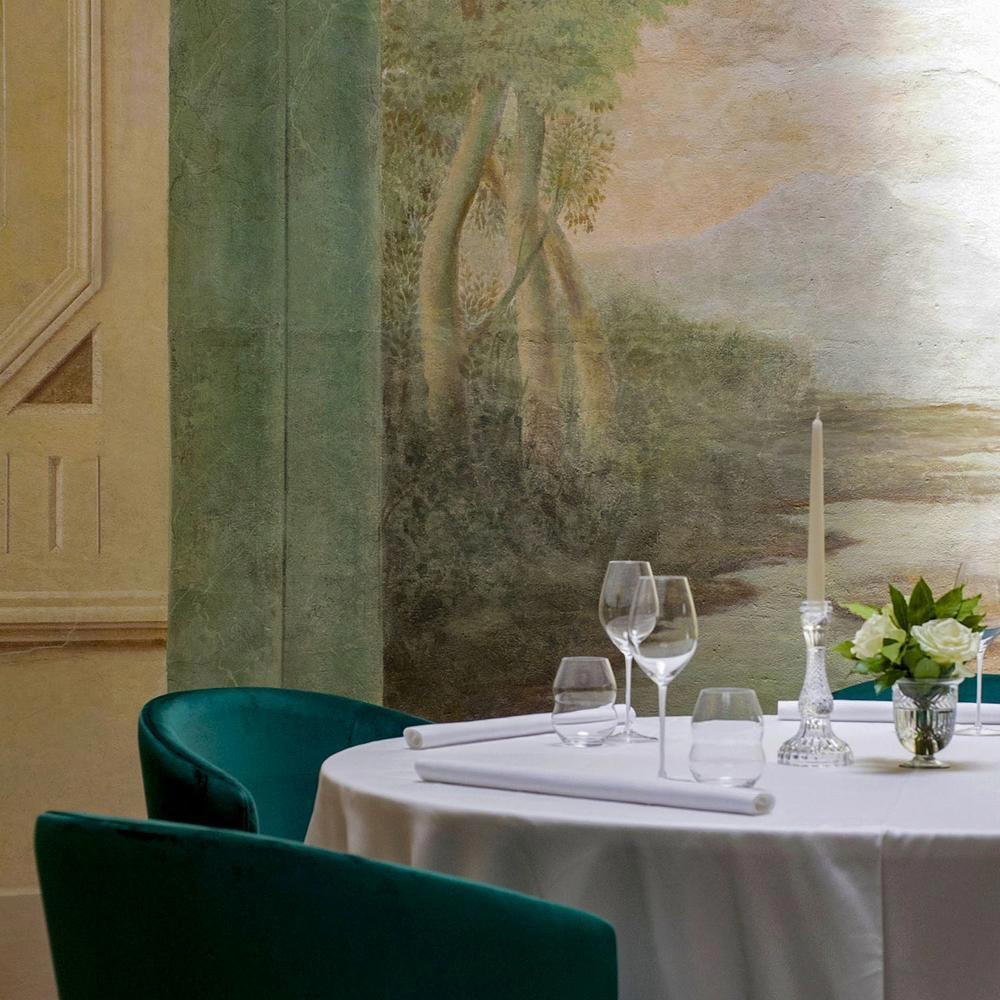
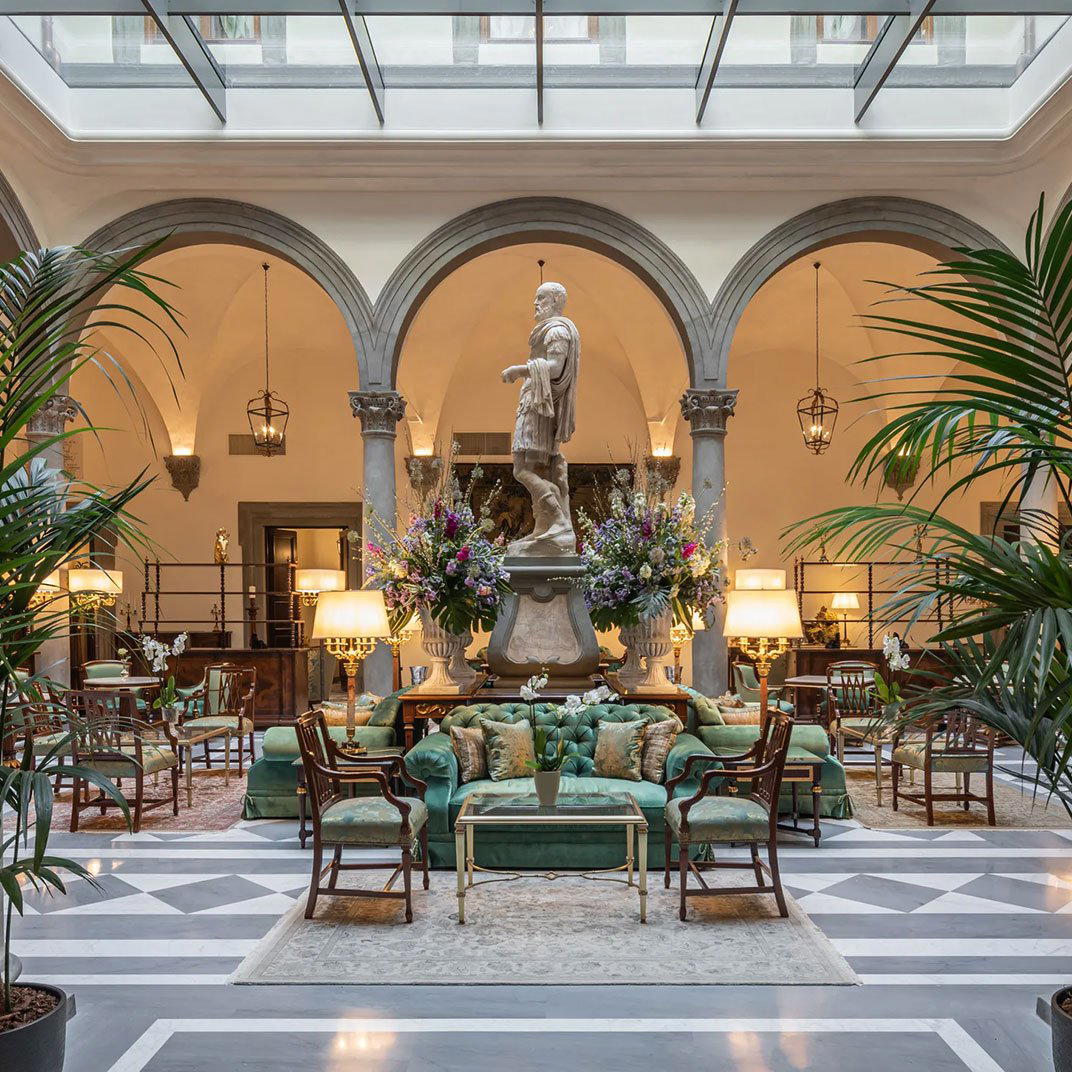
At Relais Santa Croce, the former residence's layout has been preserved rather than extensively remodeled. The piano nobile common spaces retain their period proportions, and the ceiling heights that characterize Florentine aristocratic architecture remain intact. The effect is different from a large hotel's lobby: the scale is domestic, the transitions between spaces reflect residential design rather than hospitality circulation, and the materials are those of the building rather than those specified by an interior designer working to a contemporary brief. For travelers accustomed to properties that interpret Italian heritage through a contemporary luxury filter, such as Villa Cora with its neo-classical grandeur or Villa La Massa outside the city on the Arno, the difference is one of register rather than quality.
The Wine Program and Its Recognition
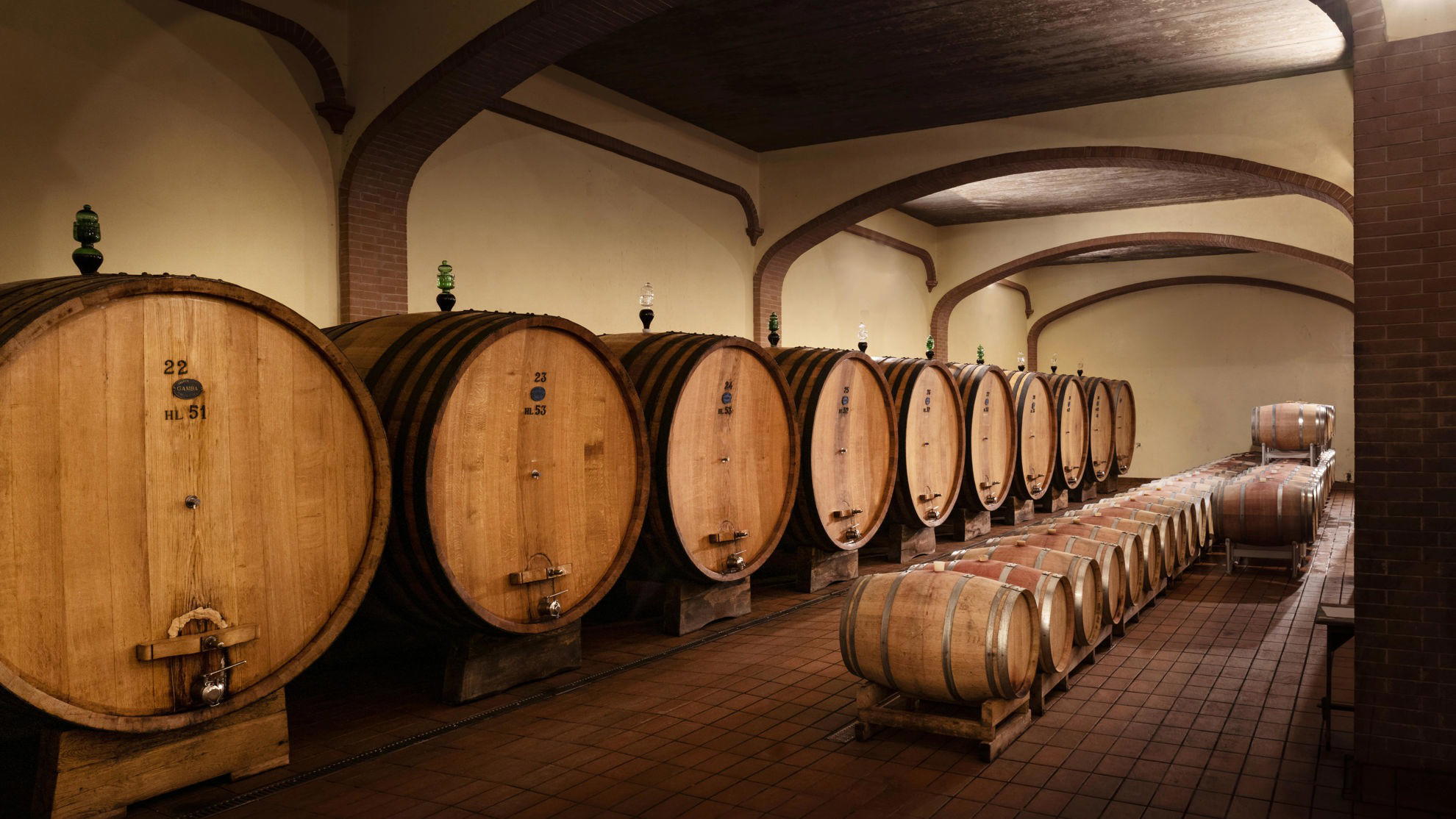
Among Florence's hotel properties, the wine program at Relais Santa Croce has earned external recognition that places it in a measurable tier. A Star Wine List distinction for 2026 is not the category's most widely discussed award, but it is a credible signal within the specialist wine press, applied through consistent editorial methodology rather than reader voting or commercial relationships. For a hotel of this size and positioning, holding that recognition in a city surrounded by some of Italy's most significant wine-producing regions, Chianti Classico to the south, Brunello country further south still, and the Super Tuscan producers of the Bolgheri coast to the west, represents a meaningful program depth.
Tuscany's wine geography creates a particular expectation for hotel lists in Florence. The proximity to Sangiovese-dominant production, from entry-level Chianti to age-worthy Brunello di Montalcino, means that a credible Florentine hotel list should function as both a local cellar and a broader Italian reference. Properties making similar claims in other Italian contexts, like Rosewood Castiglion Del Bosco in Montalcino, operate with the advantage of estate production on-site. Relais Santa Croce's Star Wine List recognition suggests a curated approach to that regional depth without the estate context.
Florence's high-end hotel options now cover a range of formats that were less differentiated a generation ago. Large-footprint properties with spas, multiple restaurants, and event capacity, such as the Brunelleschi Hotel in its converted Byzantine tower complex, sit at one end of the spectrum. Smaller, design-forward addresses, including Hotel Calimala and Hotel Lungarno on the river, occupy middle ground between boutique identity and full-service operation. Ad Astra represents the newer wave of Florentine boutique properties working with a contemporary aesthetic against historic fabric.
Relais Santa Croce sits in the converted palazzo subcategory alongside a small number of comparably scaled properties in other Italian cities: Portrait Milano in its Porta Nuova-adjacent townhouse, or Bulgari Hotel Roma with its garden-facing design. The competitive frame within Florence is less about amenity comparison and more about which version of the city a traveller wants to occupy. The Santa Croce quarter positions guests in the artisan and academic Florence of the medieval plan, within walking distance of the leather workshops and the church that houses Michelangelo's tomb, rather than in the mercantile Florence of the Piazza della Repubblica or the banking Florence of the Oltrarno.
Planning a Stay
Via Ghibellina 87 is walkable to all major central Florentine sites: the Duomo complex is approximately fifteen minutes on foot, the Uffizi around ten, and the Basilica di Santa Croce is essentially on the doorstep. Florence's historic center is compact by the standards of comparable Italian cities, and the Santa Croce position places guests equidistant between the major museum cluster and the Oltrarno's artisan neighborhoods across the Ponte Vecchio. For broader Tuscan planning, the train connections from Santa Maria Novella station, also reachable on foot in around twenty minutes, serve Siena, Pisa, and the Chianti corridor efficiently. Our full Florence guide covers neighborhood context across the city in more detail. Travelers interested in comparing this category of Italian property with options across the country may find useful reference points in Borgo Santandrea on the Amalfi Coast, Il San Pietro di Positano, or Casa Maria Luigia in Modena for the rural property format.
Cuisine and Credentials
Comparable venues nearby, for context on price, style, and recognition.
| Venue | Cuisine | Price | Awards | Notes |
|---|---|---|---|---|
| Relais Santa CroceThis venue (the venue you are viewing) | Aristocratic Renaissance palazzo converted to luxury boutique hotel maintaining the atmosphere of a noble Florentine residence. | $500–750 | Star Wine List · Forbes Recommended | Not listed |
| Il Salviatino | Historic 15th-century Renaissance villa blending classic elegance with contemporary design | Not listed | Michelin Selected · Mr & Mrs Smith Seal of Approval | Coverciano |
| Villa Tolomei Hotel & Resort | Restored Renaissance villa in 17-hectare park with vineyards and olive groves | $200–300 | Michelin Selected | Olivuzzo |
| Ville sull'Arno | Historic villa resort with modern renovations | $100–200 | Michelin Selected | Gavinana |
| The James Suite Hotel Firenze 1564 | 16th-century Renaissance palazzo with modern luxury restyling | $750–1,000 | 1 Michelin Key · Small Luxury Hotels of the World Member | San Niccolo |
| Hotel Savoy, a Rocco Forte Hotel | Contemporary luxury blending Florentine heritage and modern Italian design | $500–750 | Michelin Selected · La Liste Top Hotels | Santo Spirito |
Recognition history
Dated appearances from independent guides and award organizations, with the underlying list record or original source where available.
Star Wine List
Star Wine List
Forbes Recommended
Forbes
Continue exploring
More in Florence
Hotels in Florence
All hotels in Florence →
Bars in Florence
All bars in Florence →
Restaurants in Florence
All restaurants in Florence →

Details
- Romantic
- Elegant
- Sophisticated
- Intimate
- Classic
- Romantic Getaway
- Honeymoon
- Anniversary
- Celebration
- Historic Building
- Terrace
- Panoramic View
- Private Dining
- Design Destination
- Wi Fi
- Restaurant
- Bar
- Room Service
- Concierge
- Valet Parking
- Airport Transfer
- Massage
- EV Charging
- Skyline
- Street Scene
- Wheelchair Accessible
- Elevator
- Accessible Restroom
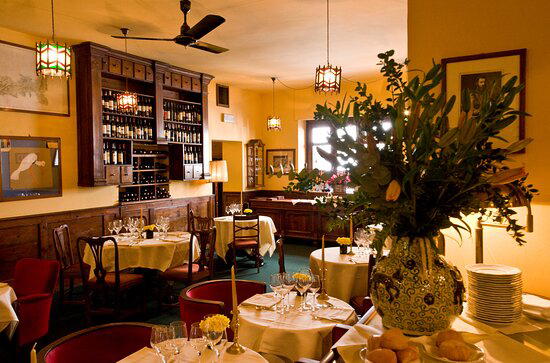
Grand and timeless with high frescoed ceilings, gilded mirrors, delicate stuccos, ornate furnishings, and a majestic fireplace in the main lounge creating an all-embracing sense of historical elegance and refined comfort.