Porta Rossa Hotel Firenze, Colbert Collection belongs to the Florentine tradition of historic-centre hotels where architecture carries as much weight as service. Its current hospitality story is tied to a new Italian gastronomic concept launching in June, positioning the property within a city that increasingly treats dining, design, and restoration as a single cultural conversation.

Pearl is the En Primeur Club membership app — saves, bookings, and concierge access live there. Same editors, same standards.
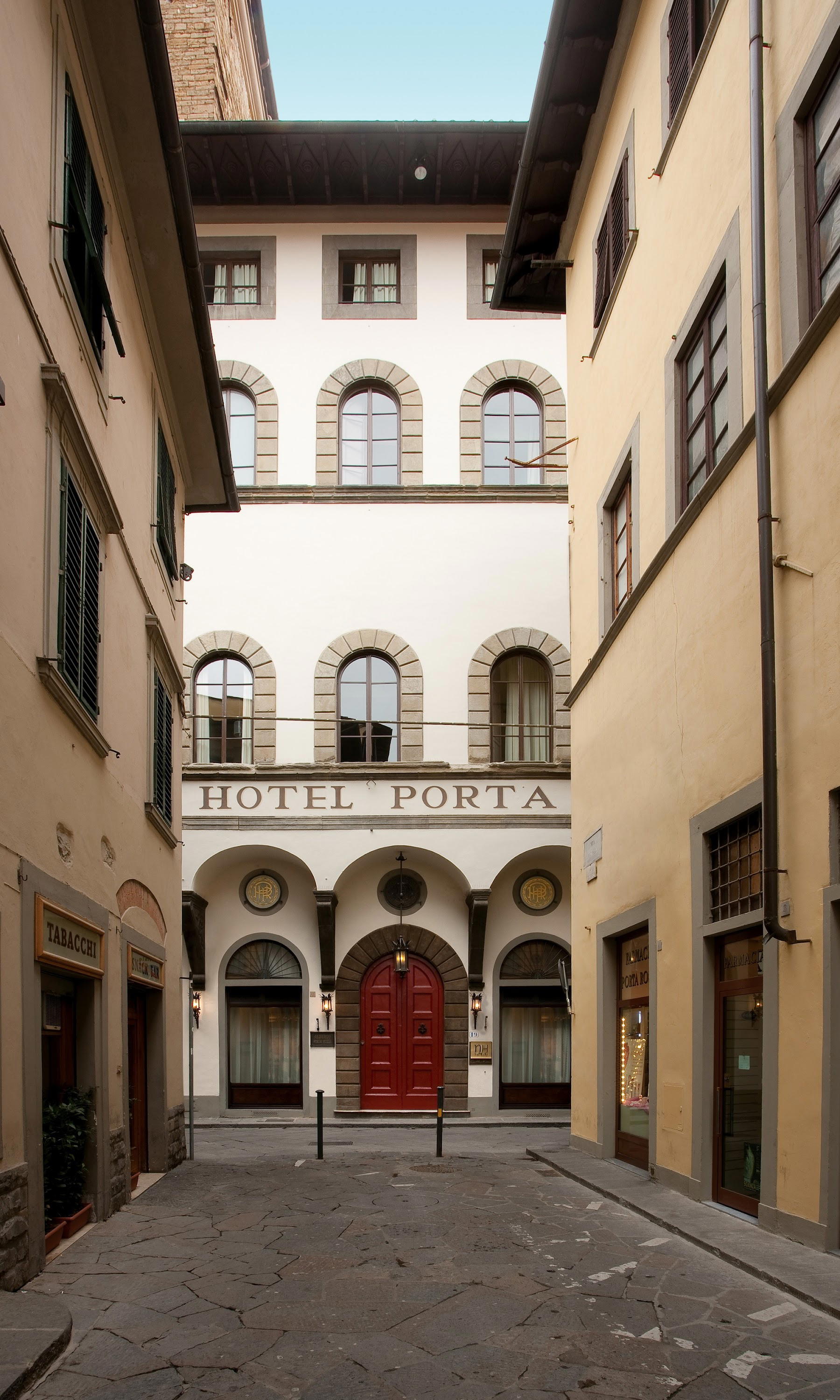
Florence, approached through stone rather than spectacle
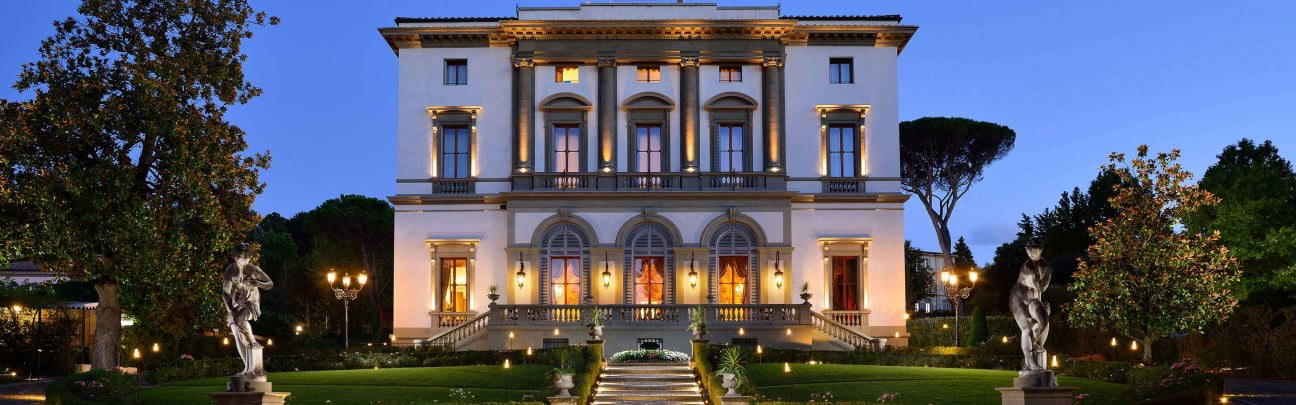
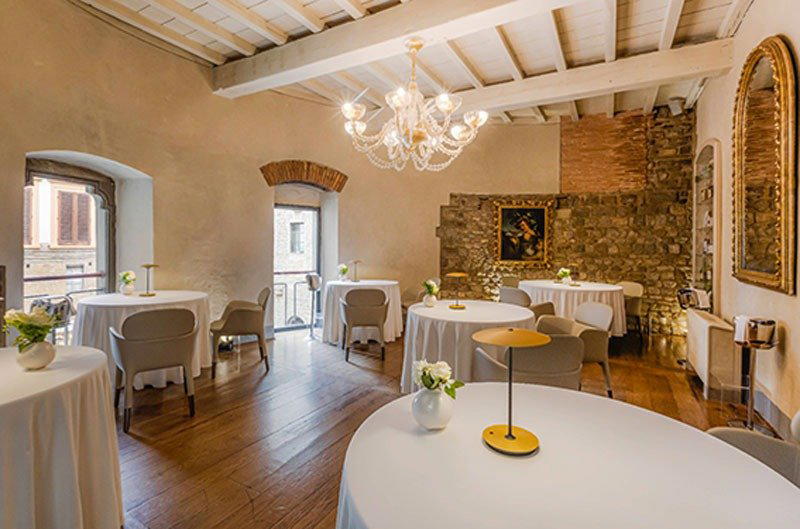
Florence rewards hotels that understand restraint. The city centre is not a place for decorative excess to shout over the street; it is a place where stone, proportion, shadow, and scale do much of the work before a concierge says a word. Porta Rossa Hotel Firenze, Colbert Collection sits inside that Florentine expectation: a hotel experience shaped less by resort-style theatre than by the pressure of a historic urban fabric. In this part of Italy, architecture is not backdrop. It sets the terms of the stay, from the rhythm of the public rooms to the way dining feels when it is placed inside a restored building rather than a blank contemporary shell.
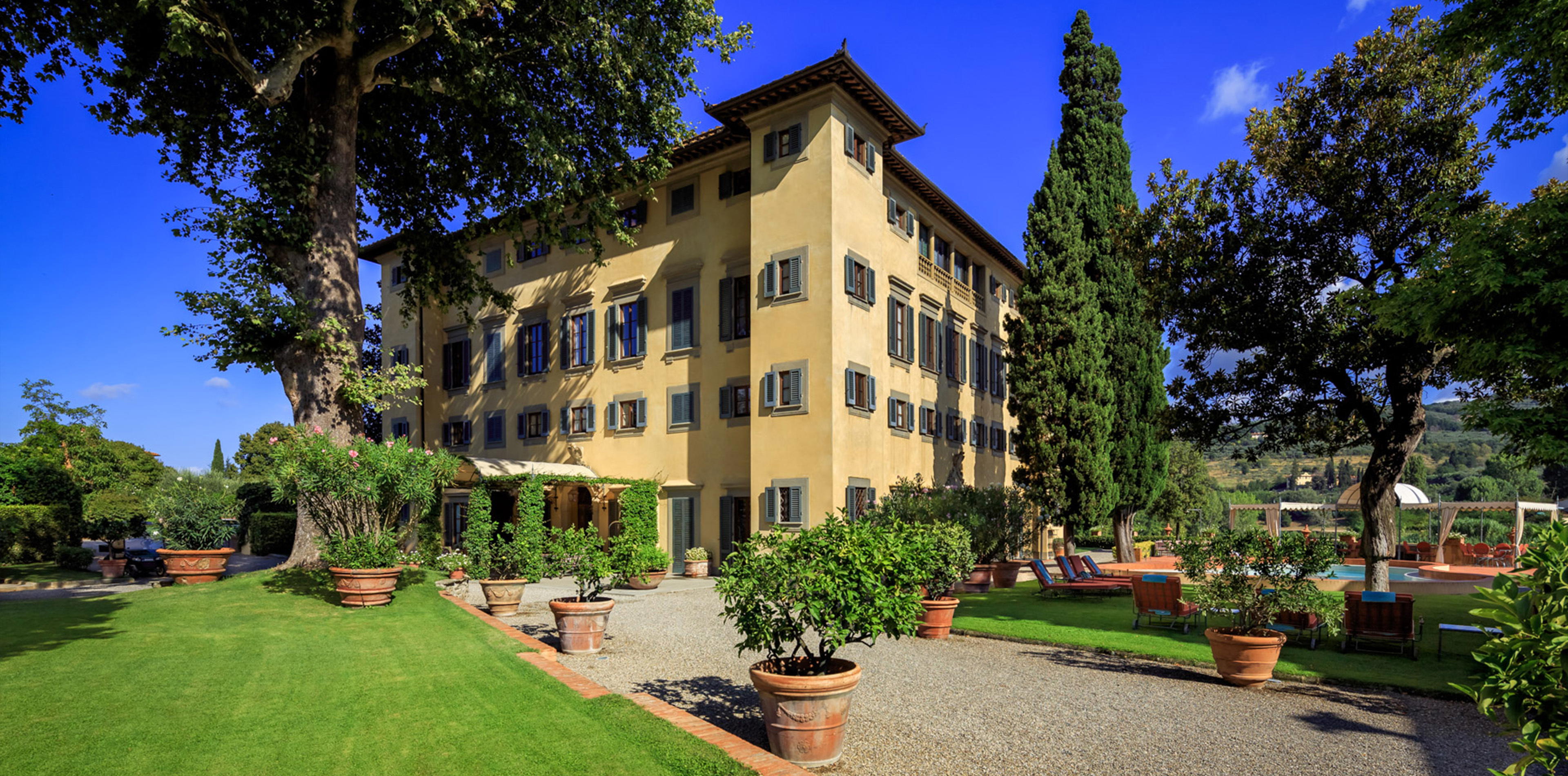
That matters in Florence because the hotel scene has split into clear camps. There are garden estates and riverside villas, represented by properties such as Four Seasons Hotel Firenze, Villa Cora, and Villa La Massa. There are also compact historic-centre addresses where the appeal comes from proximity, preservation, and a more vertical relationship with the city. Porta Rossa Hotel Firenze, Colbert Collection belongs to the second group, where the guest is not retreating from Florence but sleeping inside its architectural argument.
The design question in a city already full of design
Florence is difficult territory for hotel design because the city leaves little room for empty styling. Renaissance architecture, medieval street plans, chapel interiors, palazzo facades, and centuries of stone craft create a visual standard that exposes weak interiors quickly. A hotel in this context cannot rely on generic luxury cues. Marble, velvet, brass, and old portraits mean little if they are not disciplined by the building itself.
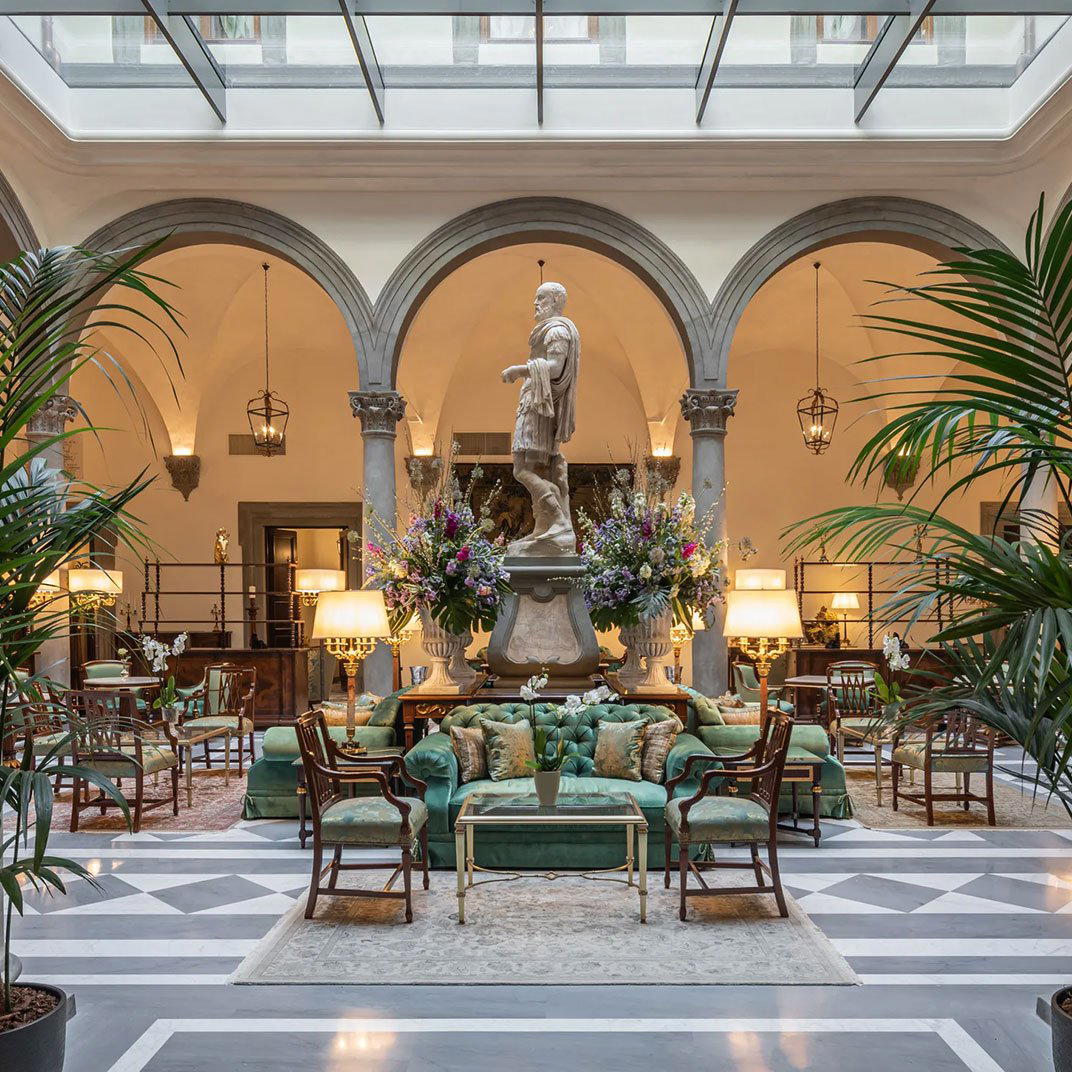
The stronger Florentine hotels tend to choose one of two positions. Some create a residential mood, using gardens, salons, and layered domestic detail to soften the city. Others lean into civic history, treating walls, staircases, and volumes as the main event. Porta Rossa Hotel Firenze, Colbert Collection reads more naturally through the second lens. The hotel is a five-star property with 69 rooms, and the honest assessment is architectural rather than decorative: the point is the property’s place in Florence’s tradition of adaptive hospitality, where historic structures are asked to function as contemporary hotels without erasing their original authority.
That is also why comparisons inside Florence are more useful than generic luxury labels. Palazzo Portinari Salviati Residenza D'Epoca points toward the aristocratic residence model. Brunelleschi Hotel draws attention to architectural layering in the old city. Ad Astra speaks to a more intimate, garden-adjacent residential sensibility. Hotel Calimala and Hotel Lungarno sit in different parts of the same conversation: how much of Florence should a hotel interpret, and how much should it leave alone?
Why historic-centre hotels carry a different kind of value
Florence is compact, but compact does not mean simple. Staying in the historic centre changes the day’s tempo. Early mornings become useful because the streets near the major cultural sites are quieter before tour groups gather. Late evenings matter because the city relaxes after museum hours, when dinner, wine bars, and short walks replace itinerary management. The advantage is urban positioning within Florence as a city category: a base for travellers who want the hotel to reduce friction between art, food, and walking.
This is where Florence differs from many resort destinations in Italy. In the Amalfi Coast, properties such as Borgo Santandrea in Amalfi Coast or Il San Pietro di Positano in Positano build much of the experience around altitude, sea access, and the choreography of arrival. In Florence, the hotel has a different assignment. It must handle density, pedestrian movement, museum schedules, dinner reservations, and the constant nearness of public culture. The successful city stay is measured in how little time is wasted crossing town at the wrong hour.
The June dining signal
The clearest current data point in the record is culinary: the hotel is associated with Italian cuisine and a new gastronomic concept launching in June. That timing matters. Florence has long been a city where visitors arrive with assumptions about bistecca, trattorie, Chianti, and Tuscan rusticity. The contemporary dining scene is broader than that. Hotels have become important participants because they can support polished service, wine programs, and design investment in a city where independent restaurants often operate within tighter footprints.
A new Italian gastronomic concept inside a historic-centre hotel should be read as part of that wider shift rather than as a standalone amenity. The stronger hotel restaurants in Florence are no longer there simply to feed guests who do not want to leave the building. They compete for attention with independent dining rooms, aperitivo bars, and destination restaurants across the city. What can be said is that a June launch places the property on the current-season watchlist for travellers tracking how Florence’s hotel dining is changing.
The hotel’s June dining update should therefore be treated as one piece of a larger Florence plan, not the whole culinary program.
How Porta Rossa fits the Italian hotel conversation
Italy’s serious hotels increasingly fall into peer groups that cut across geography. There are former palaces adapted to urban hospitality, rural estates with agricultural depth, coastal properties shaped by access and view, and small cultural addresses built around food, art, or restoration. Florence naturally aligns with the first group, but the city also borrows from the others: food from Emilia-Romagna’s destination houses, design polish from Milan, and the preservation discipline seen in Venice.
In that national context, Porta Rossa Hotel Firenze, Colbert Collection belongs beside urban heritage properties rather than countryside retreats. Aman Venice in Venice offers the Venetian palace comparison, where architecture and arrival are inseparable. Portrait Milano in Milan shows how a historic complex can be recast for contemporary city life. Savoia Excelsior Palace Trieste – Starhotels Collezione in Trieste sits in another civic tradition, where grand hotel history meets a border-city identity.
The rural and food-led references are different but useful. Castello di Reschio in Lisciano Niccone represents the estate model, where land and restoration drive the stay. Casa Maria Luigia in Modena shows how a hospitality project can orbit culinary culture without feeling like a conventional hotel. Corte della Maestà in Civita di Bagnoregio belongs to the small-place, high-character school. Florence is more public and more demanding than those settings, which is why the architecture of a city hotel must carry both romance and operational discipline.
Who should choose this kind of Florence stay
The right traveller for a historic-centre Florence hotel is not chasing isolation. This is a format for people who want the city close: morning museum starts, short returns between appointments, and evenings that do not require a long transfer after dinner. It suits travellers who see the hotel as part of the cultural fabric rather than a sealed resort. The hotel is a five-star property with 69 rooms, and any planning should be confirmed through the hotel’s direct channels or a travel advisor before committing to a room type or dining plan.
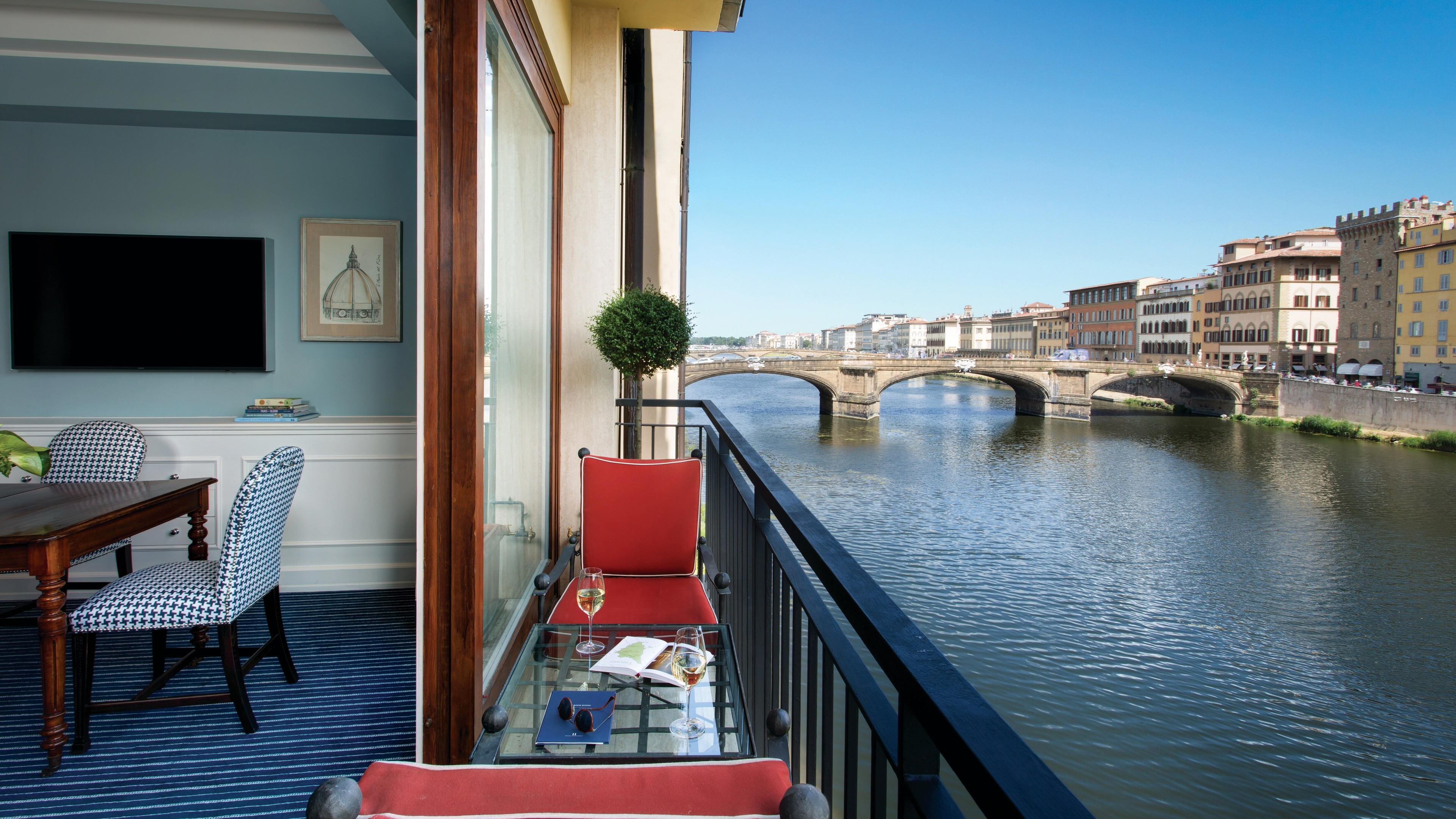
That said, the broader category is clear. Compared with garden properties on the edge of the centre, the historic-core hotel gives up acreage and seclusion in exchange for immediacy. Compared with smaller design addresses, it often carries a heavier architectural memory. Compared with riverside stays, it may trade open views for denser street life. The decision is less about abstract luxury and more about the kind of Florence the traveller wants to inhabit: private garden Florence, Arno-facing Florence, or stone-and-street Florence.
Planning a Florence trip around the hotel
Practical planning should remain conservative. Confirm check-in logistics, restaurant opening details, and any June dining launch information directly before travel. Florence is busiest in the warmer months and around major cultural periods, while winter brings a quieter museum rhythm and a different hotel market. A June gastronomic launch also means early-season details may change as the concept settles into service.
For trip structure, use the hotel as the accommodation anchor and build outward by category. The practical question is not only where to sleep, but how much movement the itinerary can tolerate. In Florence, walking time, museum entry timing, restaurant geography, and summer heat all shape the quality of a stay.
How it compares beyond Florence
Travellers building a larger Italy itinerary should treat Florence as the architectural and museum centre of the trip rather than as a substitute for coast, countryside, or lake-style leisure. Capri and Positano operate on different pleasures: light, terraces, boats, and long lunches. JK Place Capri in Capri and the Positano properties prove the point. Florence asks for sharper days and more deliberate pacing.
International comparisons are useful only when they clarify format. The Fifth Avenue Hotel in New York City belongs to the urban design-hotel conversation, where restoration and contemporary hospitality meet city energy. Hôtel de Paris Monte-Carlo in Monte Carlo represents a grander European palace tradition tied to ceremony and public glamour. Badrutt's Palace Hotel in St. Moritz is a seasonal resort institution with an entirely different social calendar. Porta Rossa Hotel Firenze, Colbert Collection sits in the Florentine city category, where the measure is not scale but how intelligently the building mediates between guest and street.
Editorial verdict
The hotel is worth watching because it sits at the intersection Florence handles with unusual seriousness: architecture, preservation, and food. That limitation matters, and it should keep claims measured. What the record does show is a historic-centre Florence hotel tied to an Italian gastronomic concept launching in June, a combination that places it inside one of the city’s more interesting hospitality patterns.
The strongest reason to consider it is not a checklist of amenities. It is the promise of a stay where the building, the city centre, and the upcoming dining program are part of the same experience. In Florence, that is the category to take seriously: hotels that do not treat the city as scenery, but as the primary material.
Reputation & Price
Comparable venues nearby, for context on price, style, and recognition.
| Venue | Price | Awards | Notes |
|---|---|---|---|
| Porta Rossa Hotel Firenze, Colbert CollectionThis venue — the venue you are viewing | $$$$ | 5-Star | Not listed |
| Ville sull'Arno | $$$$ | 5-Star | Gavinana, Historic villa resort with modern renovations |
| Hotel Number Nine | $$$$ | 5-Star | Santo Spirito, Family-owned 5-star luxury boutique in Renaissance building |
| The James Suite Hotel Firenze 1564 | $$$$ | 5-Star | San Niccolo, 16th-century Renaissance palazzo with modern luxury restyling |
| Villa Tolomei Hotel & Resort | $$$$ | 5-Star | Olivuzzo, Restored Renaissance villa in 17-hectare park with vineyards and olive groves |
| Palazzo Firenze | $$$$ | 5-Star | San Niccolo, Eighteenth-century residence offering the intimacy of a private palazzo with luxury services. |
Continue exploring
More in Florence
Hotels in Florence
Browse all →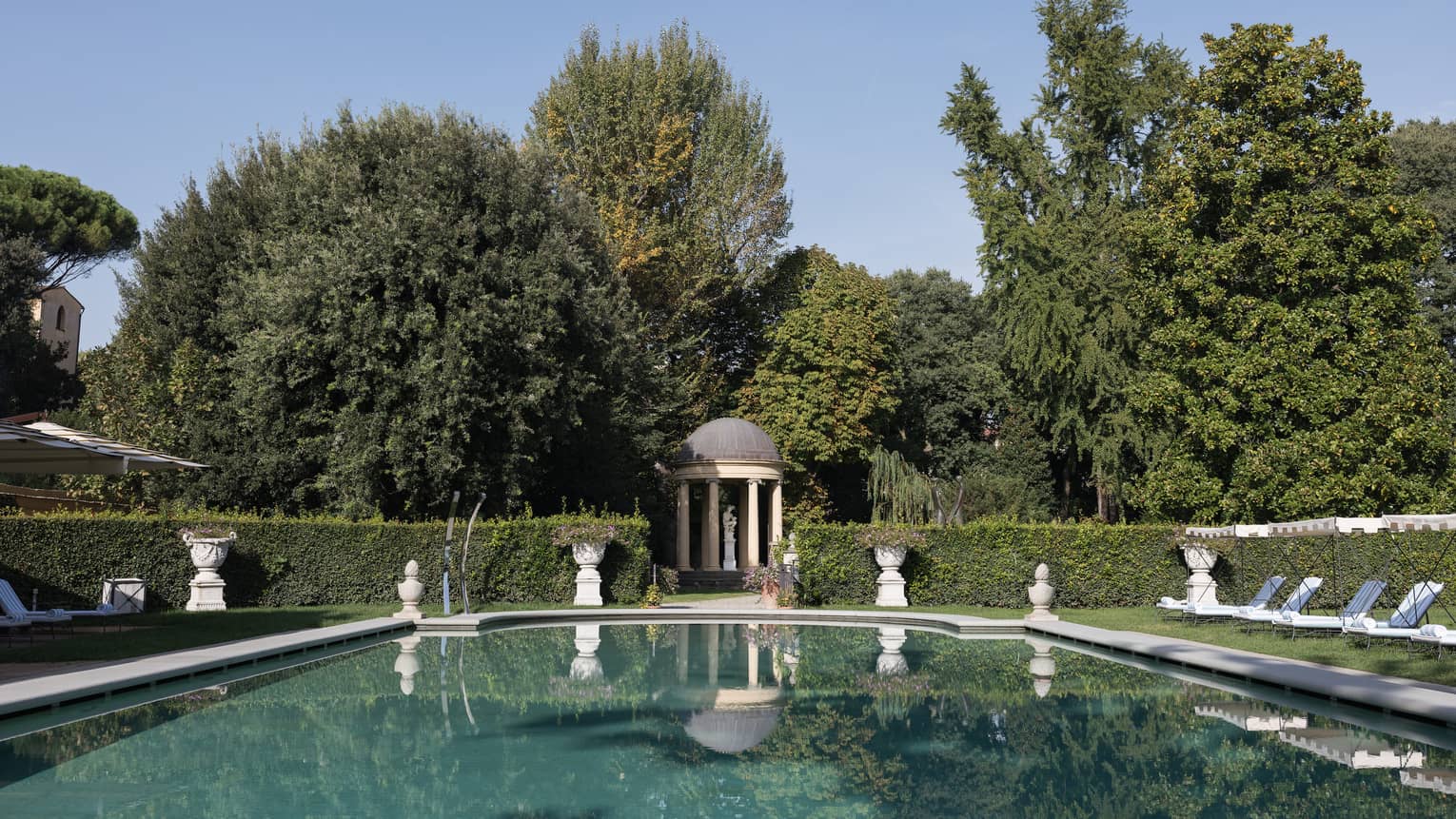
Bars in Florence
Browse all →
Restaurants in Florence
Browse all →

At a Glance
- Sophisticated
- Elegant
- Classic
- Romantic
- Intimate
- Romantic Getaway
- Anniversary
- Weekend Escape
- Business Trip
- Historic Building
- Design Destination
- Wi Fi
- Room Service
- Concierge
- Restaurant
- Bar
- Parking
- Street Scene
- Wi Fi
- Room Service
- Concierge
- Restaurant
- Bar
- Parking
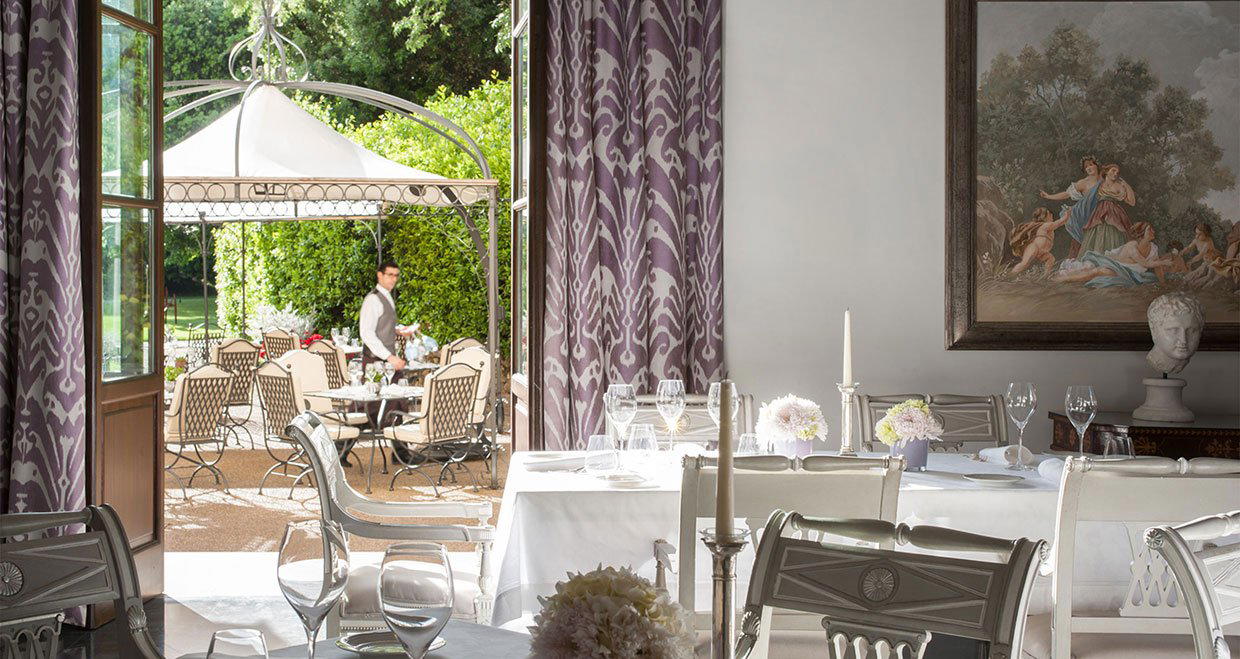
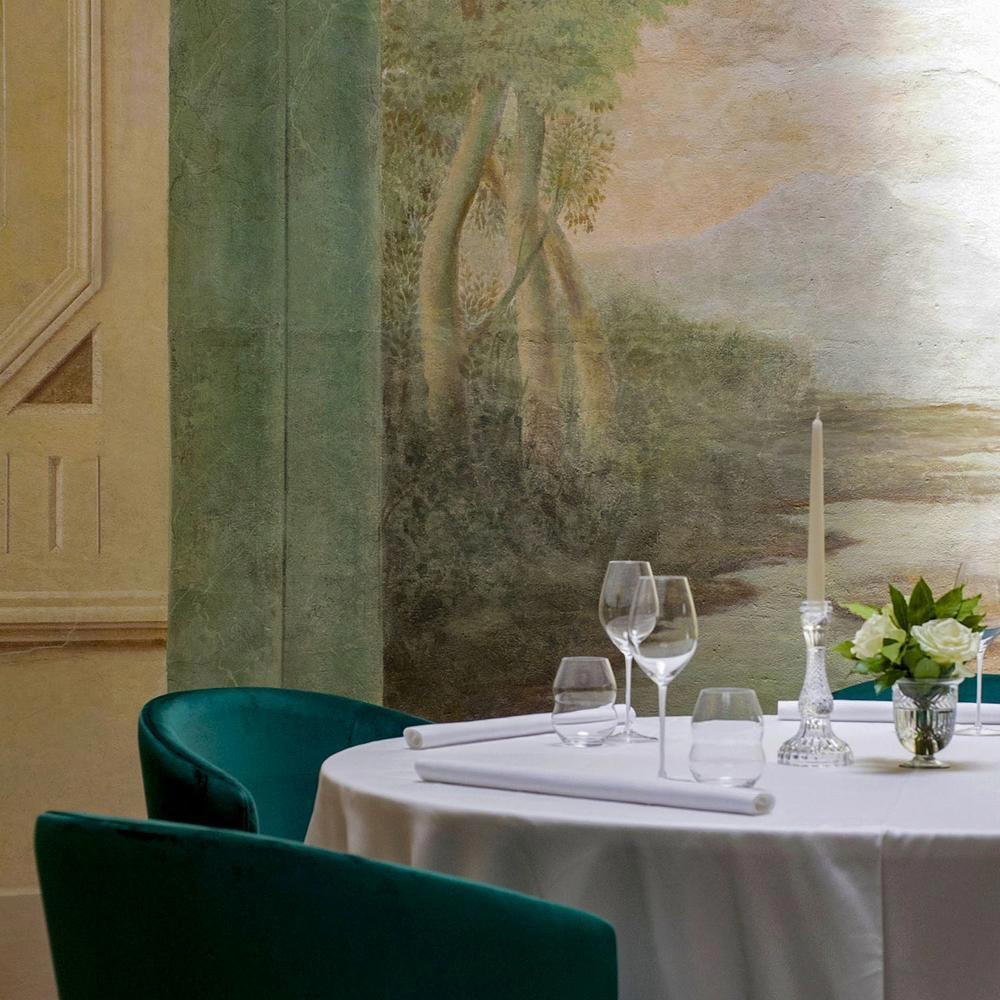
Historic and elegant, with a polished luxury atmosphere that blends Florentine heritage, refined interiors, and a calm, intimate feel.