Bar All'Arco occupies a narrow counter in the San Polo sestiere, a few steps from the Rialto Market, and operates as one of Venice's most serious bacaro addresses. The format is cicchetti and wine, eaten standing, priced for the ritual rather than the occasion. For visitors tracking authentic Venetian drinking culture, it belongs near the upper end of any serious itinerary.
Pearl is the En Primeur Club membership app — saves, bookings, and concierge access live there. Same editors, same standards.
- Address
- S. Polo, 436, 30125 Venezia VE, Italy
- Phone
- +39 041 520 5666
 Saves & bookings on Pearl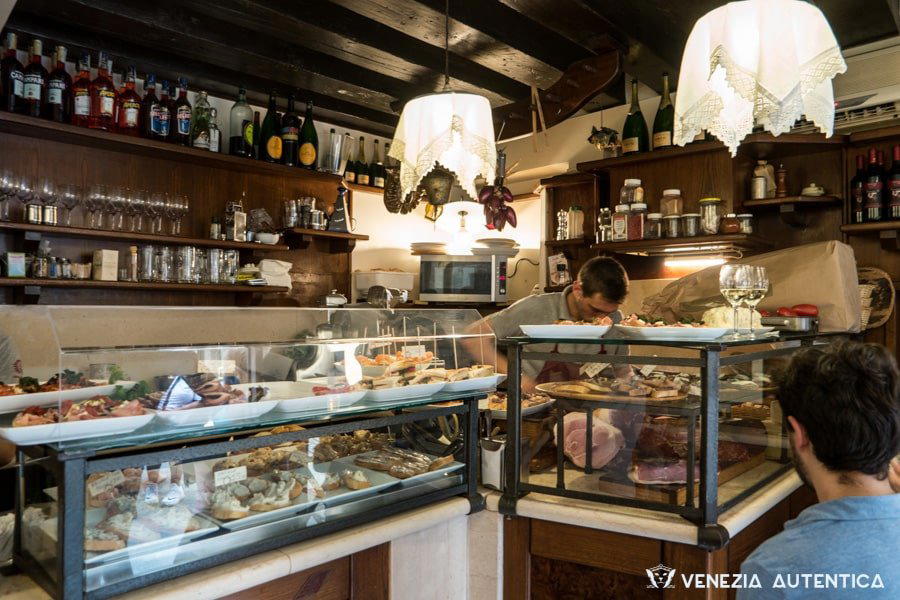
Standing Room and the Logic of the Bacaro
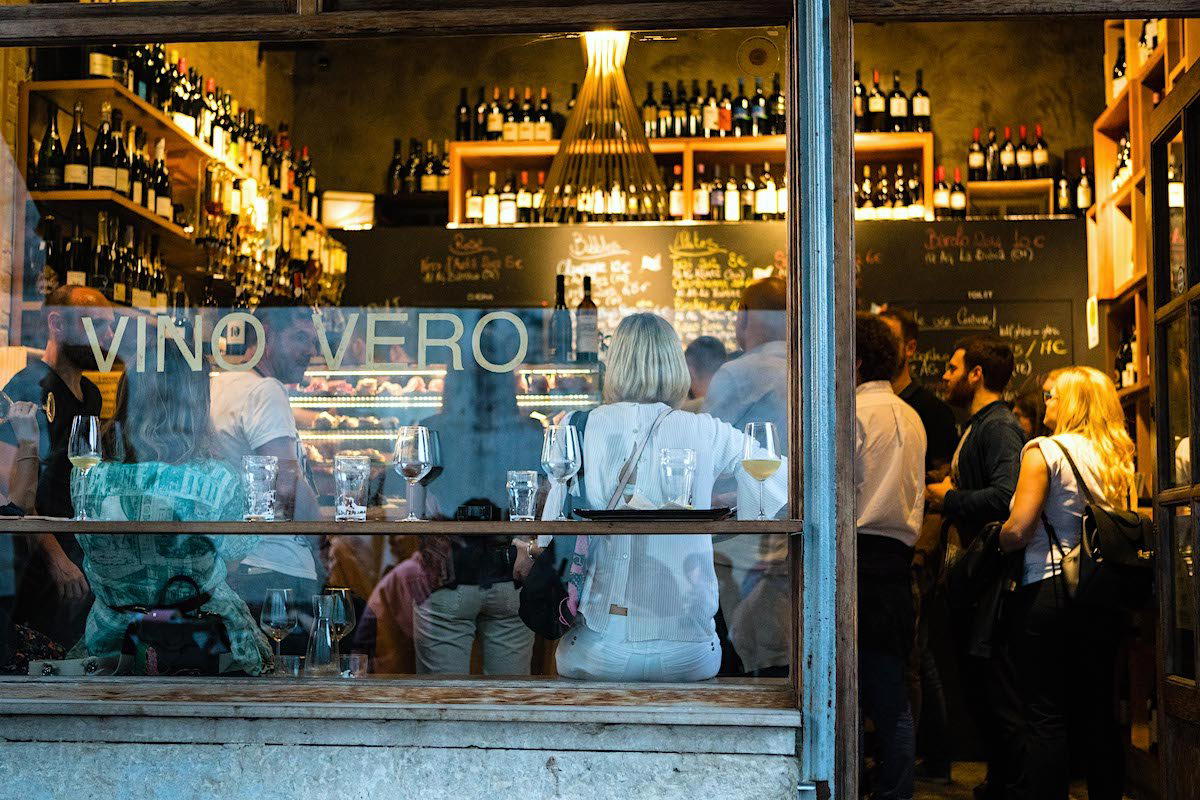
The approach tells you something before you arrive. San Polo's calli tighten as you move toward the Rialto from the west, and the crowds that pool around the market stalls thin into something more local by mid-morning. Bar All'Arco sits at S. Polo 436, a narrow address that reflects the format it practices: the bacaro, Venice's oldest drinking institution, built around a counter, a glass of wine, and small preparations eaten standing. There is no maître d', no reservation slip. You step in, you order, you stand.
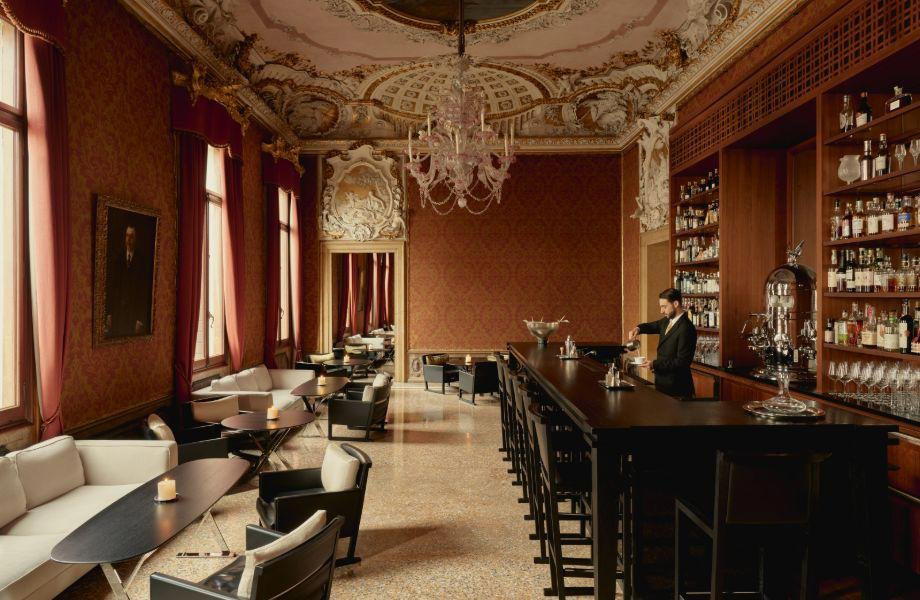
The bacaro predates the modern aperitivo circuit by centuries. Where contemporary Italian bar culture has consolidated around Campari, prosecco, and social performance, the bacaro tradition operates on a different axis: the quality of the wine poured by the glass, the precision of the cicchetti assembled behind the counter, and the tempo of a neighborhood rather than a tourist schedule. Bar All'Arco operates squarely within this tradition, which positions it differently from the Aman Bar's polished hotel-lobby format or the more self-consciously curated approach you find at Al Covino.
Cicchetti as Cultural Infrastructure
Cicchetto, Venice's answer to the pintxo or the Catalan montadito, is a standing-food tradition with genuine culinary logic behind it. Small portions of cured meat, baccalà mantecato, marinated vegetables, and assembled crustini represent a way of eating that emerged from the Republic's merchant culture, fast, sociable, calibrated to fuel a day of trade rather than mark a special occasion. The format demands skill in compression: a single piece of bread must carry enough flavor to justify the transaction, and the wine must be chosen to move efficiently through a rotating crowd.
At Bar All'Arco, the cicchetti format is the editorial subject, not the backdrop. What distinguishes the better bacari from their imitations is the sourcing discipline behind the counter and the relationship between what's on the bread and what's in the glass. This is the register in which the bar has built its reputation among Venetians who use the Rialto market area as a daily reference point, not an attraction. Proximity to the market is logistical, not decorative: morning sourcing from one of Italy's most significant wholesale fish and produce operations is a structural advantage that serious bacari in this neighbourhood actively exploit.
The contrast with Venice's cocktail-oriented bar tier is worth noting. Venues like Al Mercà have also anchored themselves near the Rialto with a standing-bar format, though with a slightly different emphasis on spritz and wine-by-the-glass programming. Al Covo operates in a more sit-down register. The bar's niche is the undiluted bacaro: standing, fast, cicchetti-led, priced at the local rhythm.
Venice's Drinking Scene and Where This Fits
Venice's bar scene has fragmented into at least three distinct tiers. The first serves tourists from high-traffic piazzas at mark-up pricing, with Aperol spritzes and no particular claim to provenance. The second occupies the hotel and design-property tier, with the Aman Bar representing the ceiling of that category. The third, smallest tier is the neighbourhood-anchored bacaro, operating on local pricing, local rhythms, and a format that hasn't fundamentally changed since the Serenissima was a functioning commercial empire.
The bar claims the third tier without ambiguity. This is not a managed experience or a designed one. The room is small, the counter is the point, and the transaction is complete in minutes. For visitors from cities where technical cocktail programs have become the default signal of a serious bar, the bacaro format requires a recalibration. The skill here is in sourcing, assembly, and the curation of a short wine list, not in carbonation rigs or fat-washing. Comparable standing-wine traditions exist at Enoteca Historical Faccioli in Bologna and at the more technically ambitious programs found at 1930 in Milan or Drink Kong in Rome, but those venues operate in a different category entirely. The bacaro is not trying to win those comparisons.
Internationally, the standing-bar format with serious food credentials maps onto a wider pattern visible at venues like Gucci Giardino in Florence or L'Antiquario in Naples, though each city inflects the format differently. Naples brings its own espresso and pastry logic; Florence has absorbed design sensibility into what were once functional counter spaces. Venice's bacaro resists that absorption most stubbornly, partly because the physical city makes expansion and renovation expensive, and partly because the Rialto-area clientele has maintained the expectation of a working-neighbourhood pace.
Planning a Visit
The practical logic of the bar follows the bacaro's internal clock rather than conventional meal timing. The Rialto market operates in the morning, which means well-stocked and most energetically staffed window at the nearby bacari runs from roughly mid-morning through early afternoon. Arriving at the aperitivo hour in the early evening remains viable, but the cicchetti selection narrows as the day progresses. No reservation is needed, and none is taken. The format is walk-in by definition. For the broader Venice drinking and eating picture, covers the range from bacaro counters through to formal dining.
Pricing, Compared
Comparable venues nearby, for context on price, style, and recognition.
| Venue | Cuisine | Price | Notes |
|---|---|---|---|
| Bar All'ArcoThis venue — the venue you are viewing | Not listed | $ | Not listed |
| Pasticceria Toletta | Dorsoduro, Bar | $ | Not listed |
| Al Mercà | Not listed | $$ | San Polo, wine_bar |
| Cantine del Vino già Schiavi | Not listed | $ | Dorsoduro, wine_bar |
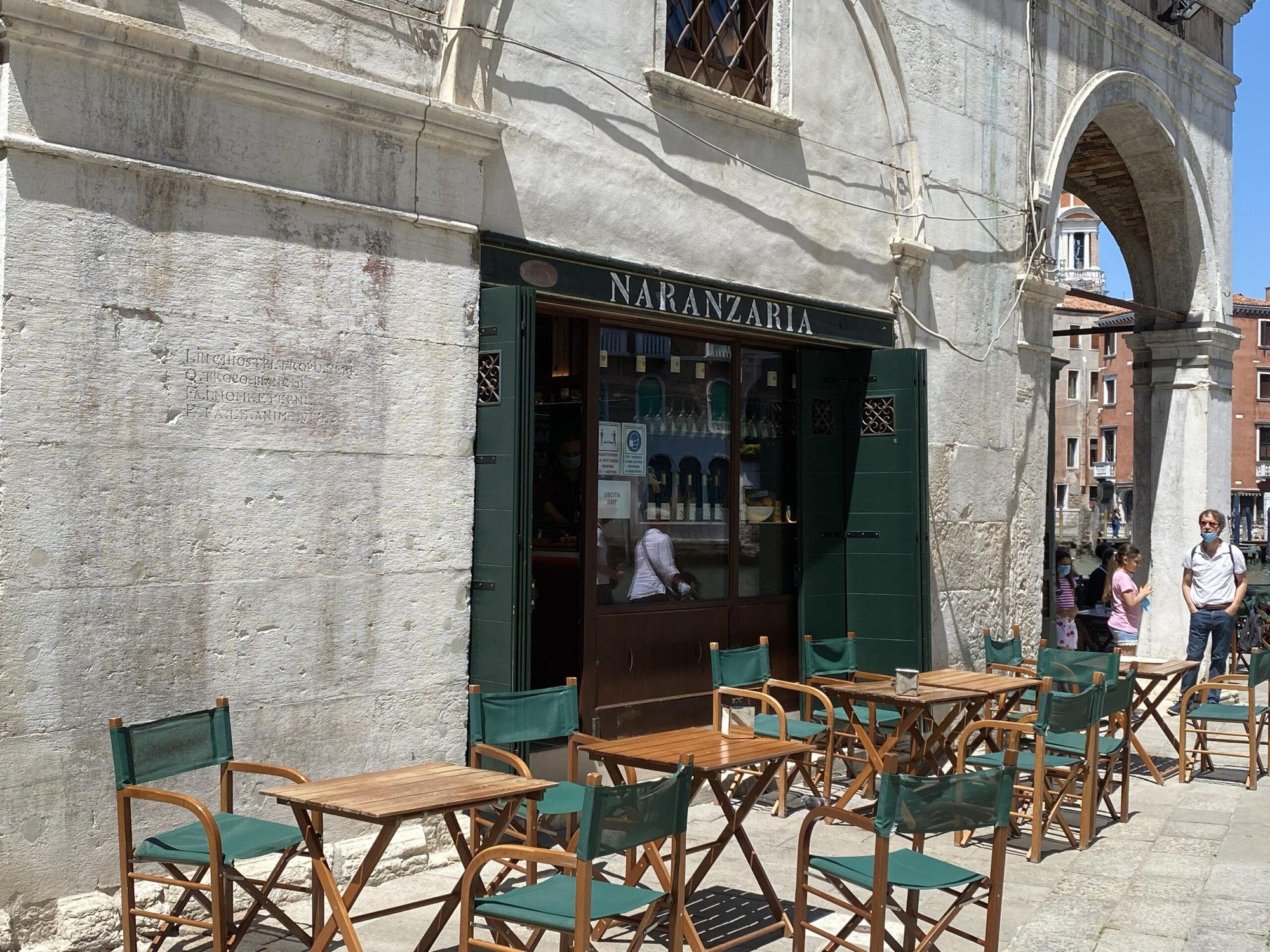
| Naranzaria | Not listed | $$ | San Polo, wine_bar |
| la sete | Not listed | $$ | Cannaregio, wine_bar |
Continue exploring
More in Venice
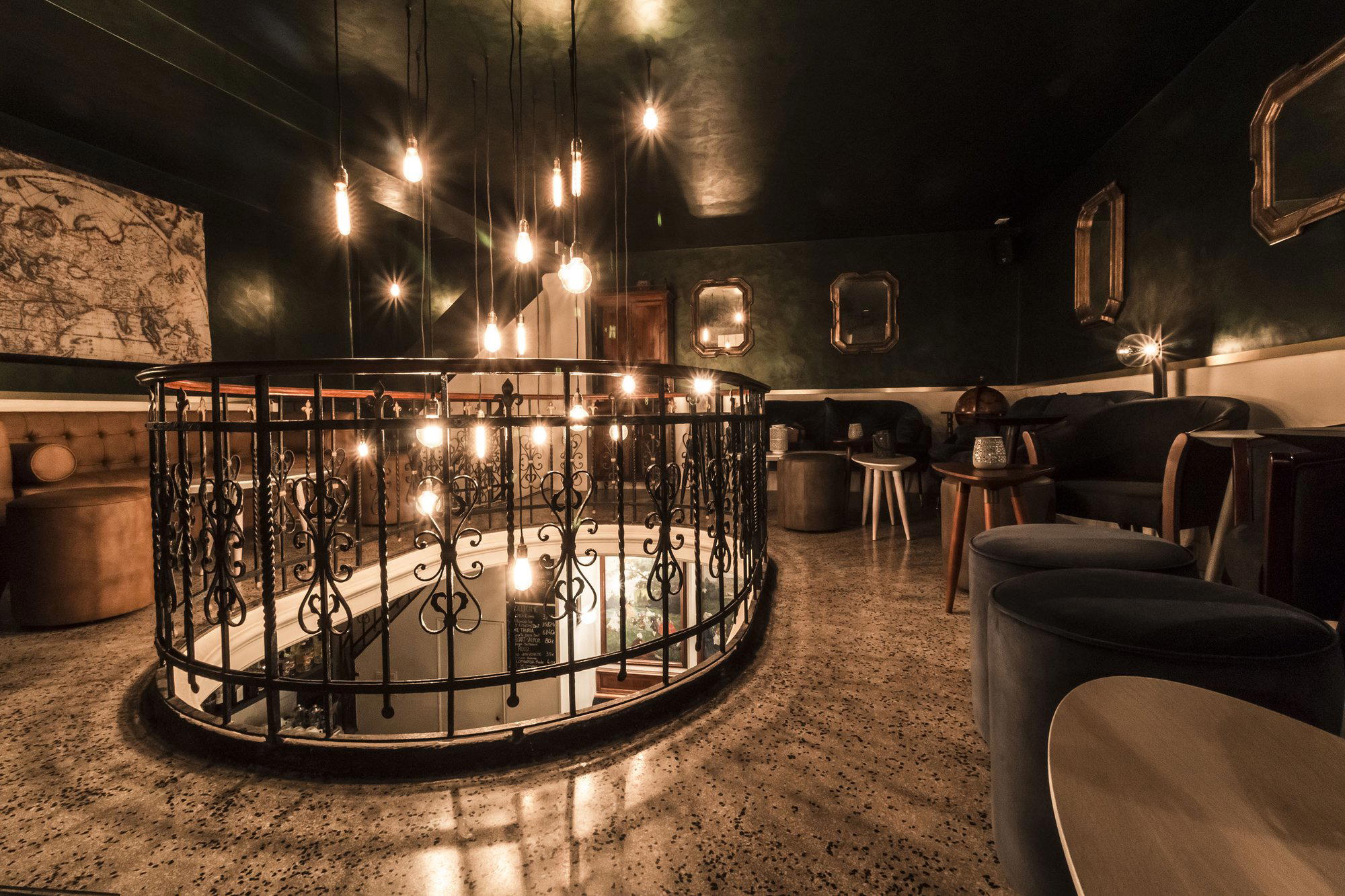
Bars in Venice
Browse all →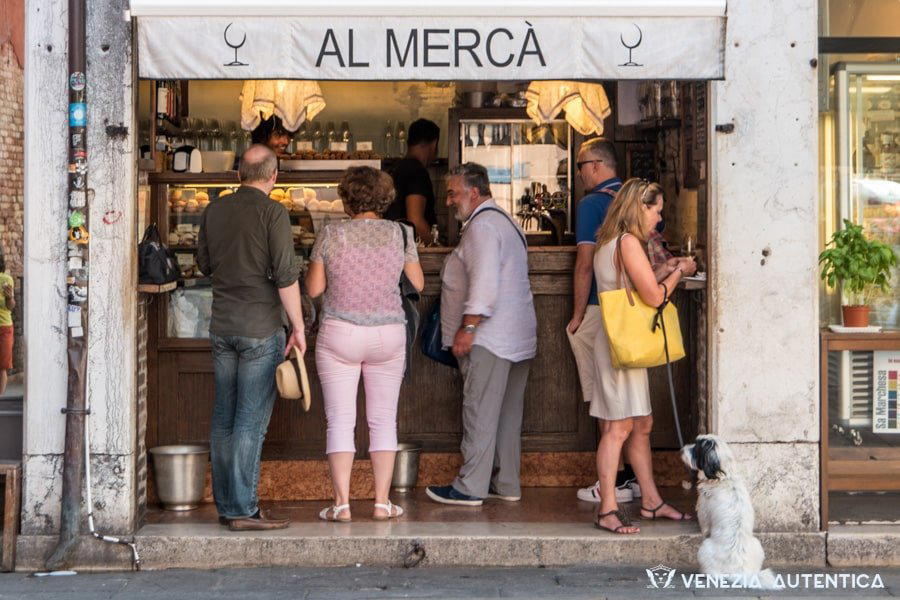
Restaurants in Venice
Browse all →
Hotels in Venice
Browse all →
At a Glance
- Rustic
- Classic
- Well Known
- Cozy
- Casual Hangout
- After Work
- Solo
- Waterfront
- Standalone
- Historic Building
- Standing Room
- Counter Only
- Conventional Wine
- Craft Beer
- Street Scene
Current opening hours
- Monday
- 10 AM–2:30 PM
- Tuesday
- 10 AM–2:30 PM
- Wednesday
- 10:30 AM–2:30 PM
- Thursday
- 10 AM–2:30 PM
- Friday
- 10 AM–2:30 PM
- Saturday
- 10 AM–2:30 PM
- Sunday
- Closed
Hours can change for holidays and private events. Last verified .