Open since 1720, Caffè Florian occupies the arcaded southern wing of Piazza San Marco and holds a credible claim to being Europe's oldest continuously operating café. The menu spans coffee, hot chocolate, and a selection of Venetian pastries and cicchetti, served inside gilded rooms that have changed little across three centuries. It is as much a cultural site as a place to drink.
Pearl is the En Primeur Club membership app — saves, bookings, and concierge access live there. Same editors, same standards.
- Address
- P.za San Marco, 57, 30124 Venezia VE, Italy
- Phone
- +39 041 520 5641
- Website
- caffeflorian.com
- Directions
- Get directions
 Saves & bookings on Pearl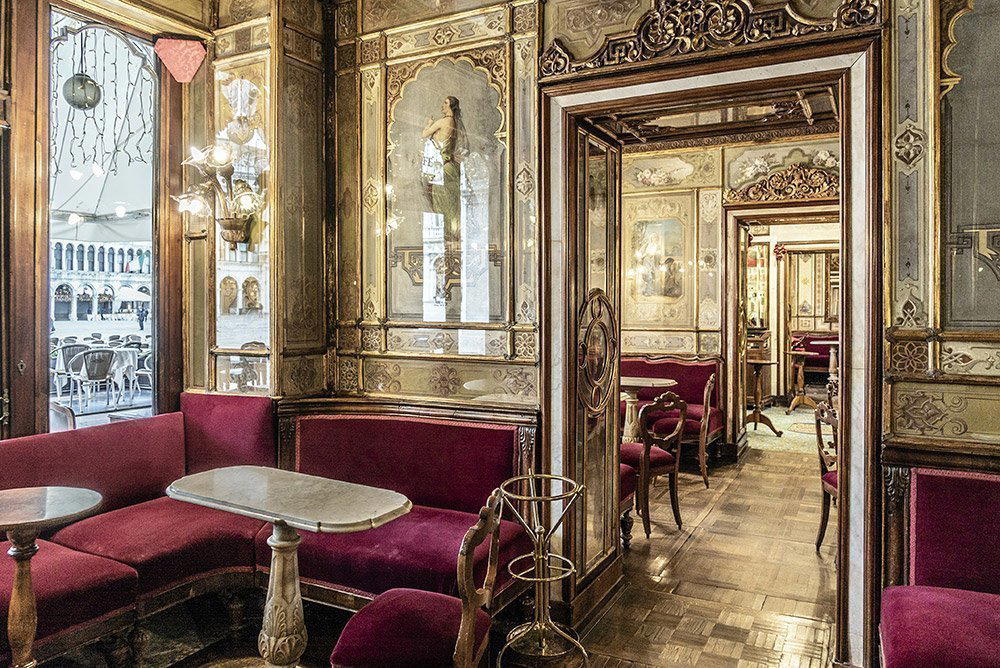
The Weight of the Piazza
Piazza San Marco imposes a particular logic on everything within it. The square does not merely surround Caffè Florian, it frames the entire visit, dictating pace, posture, and expectation. Arriving under the Procuratie Nuove arcades on a grey November morning, when the acqua alta has retreated and the tourists have thinned, is a different experience from pushing through a summer crowd in August. The café has operated from this position since 1720, and the building registers that duration in ways that newer institutions cannot manufacture: worn marble thresholds, mirrors that have fogged slightly at the edges, rooms scaled for conversation rather than throughput.
Across three centuries, the café has occupied the same corner of Venetian social life that European coffee houses once held collectively: a place where the distinction between staying and leaving was deliberately blurred. That function has been commercially formalized today, there is a cover charge when the orchestra plays in the square, but the underlying proposition has not changed. You are paying, in part, for the right to sit inside a building that Casanova, Byron, and Proust all entered. Venice charges a premium for historical adjacency, and Caffè Florian is among the more explicit examples of that pricing logic in the city.
How the Menu Is Built, and What It Tells You
The menu at Caffè Florian is not structured around food. This distinction matters. Unlike a restaurant, where the sequence of courses frames the experience, or a cocktail bar where the drinks program is the editorial statement, Florian's menu is organized around a set of traditional café preparations that act as props in a longer social ritual. The coffee arrives with the same ceremony as the setting warrants: served on a silver tray, accompanied by water and a small sweet, in a format that references Viennese coffeehouse tradition as much as Italian bar culture.
Hot chocolate occupies a different tier in the menu's implicit hierarchy. Venice has a documented history with cacao predating most of the Italian peninsula, and Florian's version of the preparation carries that lineage, served thick and bitter in small cups. It is the kind of preparation that reveals the café's orientation: toward depth and duration rather than volume and speed. This is not a place where you order quickly and move on. The menu is structured to slow you down.
The food offerings, pastries, small sandwiches, cicchetti-adjacent preparations depending on the time of day, are secondary to the beverage program but not incidental. In this respect, Florian's menu architecture mirrors the logic of the grand café format that dominated European capitals from Vienna to Paris in the eighteenth and nineteenth centuries, and which has largely been replaced elsewhere by faster service models. Venice's particular relationship with time, the city does not hurry, has preserved the format in amber.
Florian in the Context of Venice's Drinking Culture
Venice's bar scene is more layered than San Marco's tourist concentration suggests. The city's bacaro tradition, concentrated in Cannaregio, Dorsoduro, and around the Rialto markets, operates on entirely different terms: standing, cheap, ombra-and-cicchetti sequences that serve as punctuation between movements through the city. Bars like Al Mercà near the Rialto, Al Covino in the Castello sestiere, and Al Covo operate within that tradition of brief, local-facing hospitality. The Aman Bar, at the other end of the spectrum, occupies a palazzo on the Grand Canal and prices accordingly against international luxury hotel comparables.
The bar sits in a separate category from all of these. It is not a bacaro, not a cocktail destination, and not quite a hotel bar, though its pricing places it in the same conversation as the luxury tier. Its competitive set is better understood as a handful of European institutions that have survived long enough to become part of the built heritage of their respective cities: Café Central in Vienna, Les Deux Magots in Paris, Café Greco in Rome. These venues are reviewed on terms that have nothing to do with their drinks programs in isolation, and everything to do with whether the experience of sitting inside them delivers on the weight of their reputations.
For readers planning a broader itinerary across Italy's premium bar culture, the contrast with venues like 1930 in Milan, Drink Kong in Rome, Gucci Giardino in Florence, or L'Antiquario in Naples is instructive. Each of those venues represents the contemporary Italian cocktail scene at its most technically serious. Florian represents something different: a format that predates cocktail culture entirely and has outlasted most of the trends that followed it. Internationally, the same quality of historical staying power in a café format appears at venues like Lost & Found in Nicosia or Bar Leather Apron in Honolulu, though these operate on entirely different premises. For wine-forward alternatives closer to home, Enoteca Storica Faccioli in Bologna offers a similarly institution-minded experience in a different register.
Planning the Visit
The practical question with the bar is not where to sit but when to go and what you are willing to pay for the occasion. A coffee at the bar is priced differently from a coffee at a table with the orchestra playing in the square, and the price differential is not incidental, it is the cover charge for among the more theatrically loaded public spaces in Europe. Morning visits, before the square fills, offer the clearest version of the interior without the seasonal surcharge of summer crowds. The café is accessible directly from the arcades on the south side of Piazza San Marco; no reservation is required. For the broader context of what else Venice's drinking culture offers across its sestieri, the full Venice guide maps the city's bars from bacaro to luxury.
Where the Accolades Land
Comparable venues nearby, for context on price, style, and recognition.
| Venue | Cuisine | Price | Notes |
|---|---|---|---|
| Caffè FlorianThis venue — the venue you are viewing | hotel_bar | $$$$ | Not listed |
| Caffe Lavena | cocktail_bar | $$$$ | San Marco |
| The Wagon Bar | cocktail_bar | $$$$ | Cannaregio |
| la sete | wine_bar | $$ | Cannaregio |
| Al Mercà | wine_bar | $$ | San Polo |
| Arts Bar | cocktail_bar | $$$ | San Marco |
Continue exploring
More in Venice
Bars in Venice
Browse all →
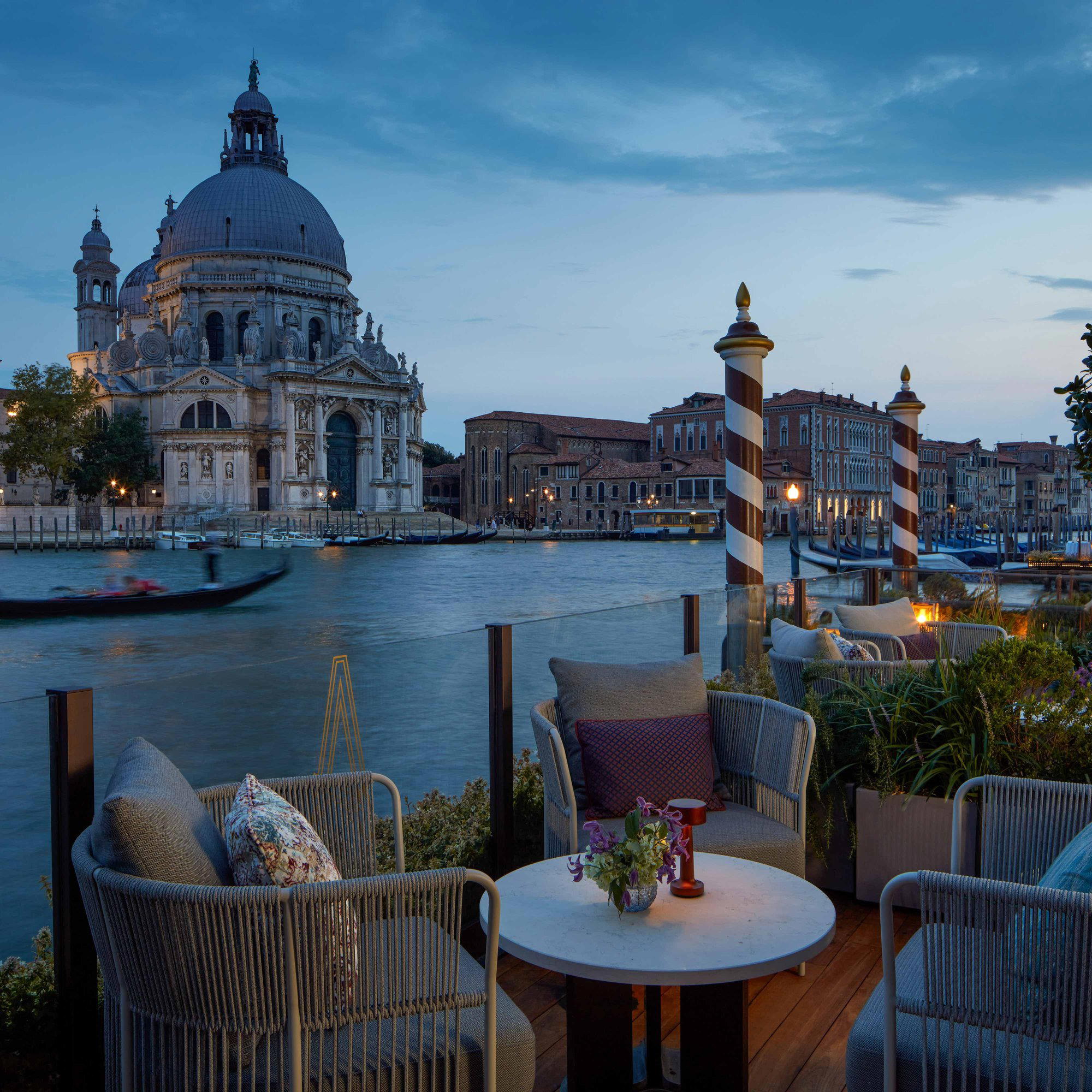
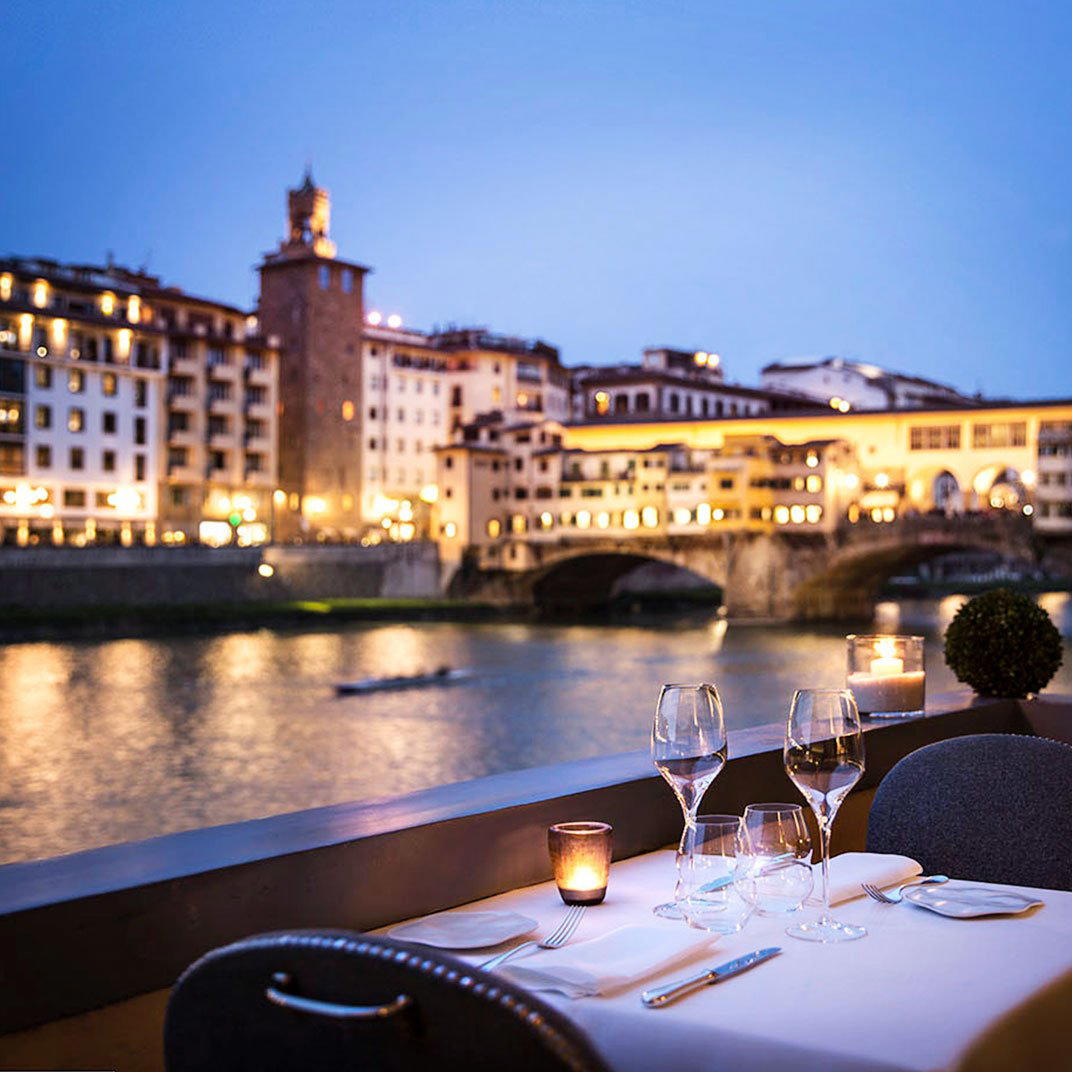
Restaurants in Venice
Browse all →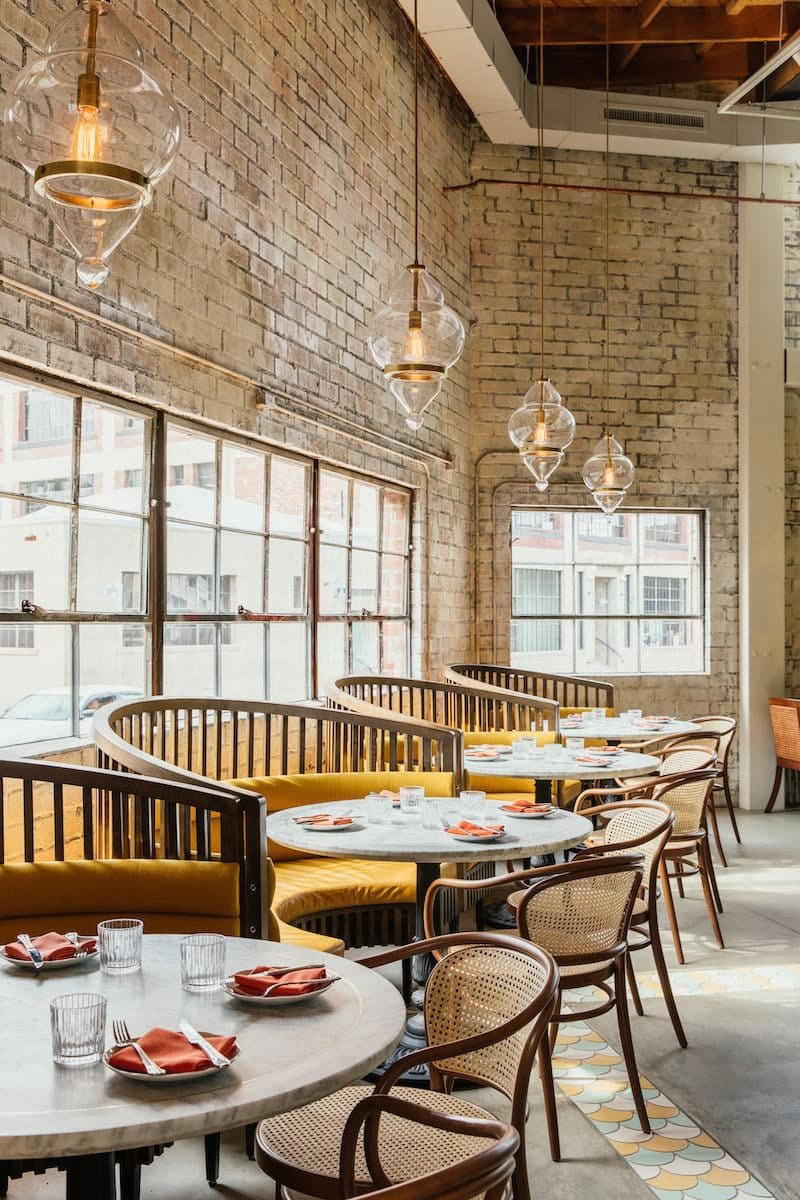
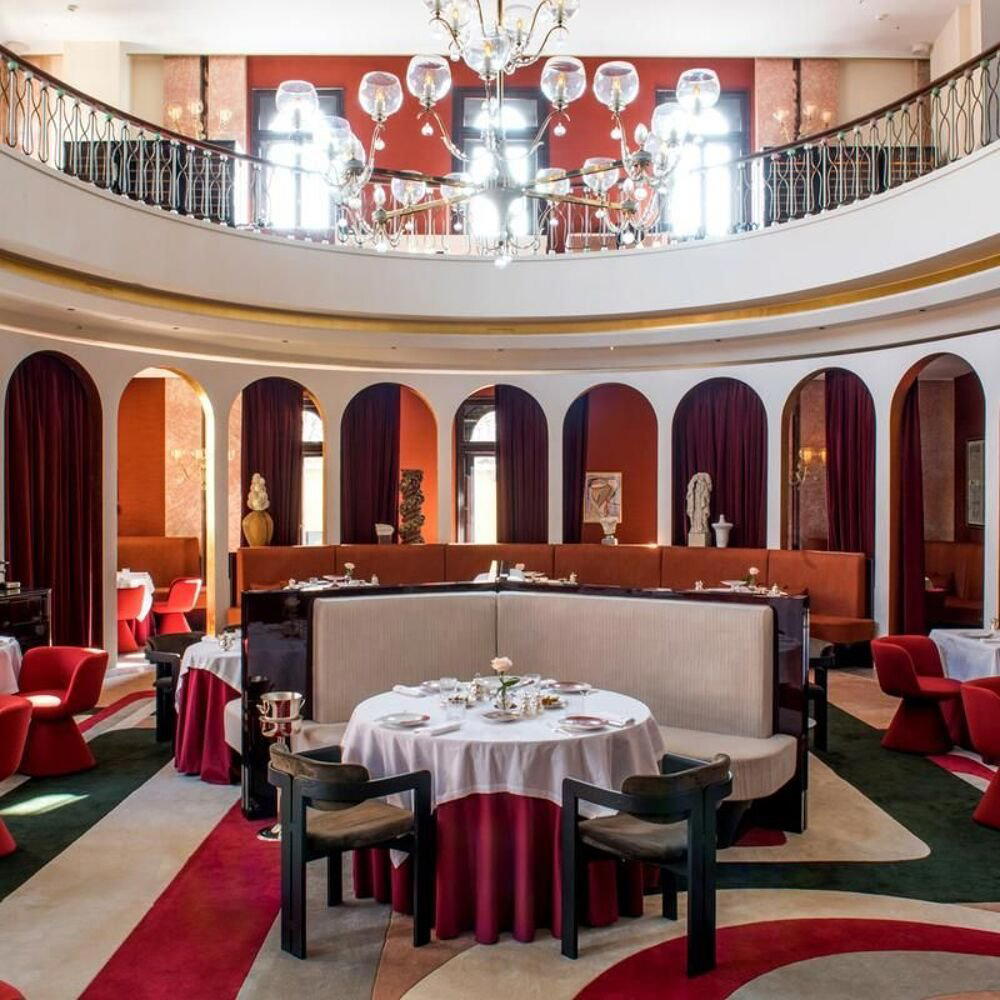
Hotels in Venice
Browse all →

At a Glance
- Romantic
- Elegant
- Classic
- Well Known
- Sophisticated
- Ornate
- Date Night
- Special Occasion
- Live Music
- Historic Building
- Waterfront
- Lounge Seating
- Outdoor Terrace
- Classic Cocktails
- Street Scene
Current opening hours
- Monday
- 9 AM–11 PM
- Tuesday
- 9 AM–11 PM
- Wednesday
- 9 AM–11 PM
- Thursday
- 9 AM–11 PM
- Friday
- 9 AM–11 PM
- Saturday
- 9 AM–11 PM
- Sunday
- 9 AM–11 PM
Hours can change for holidays and private events. Last verified .
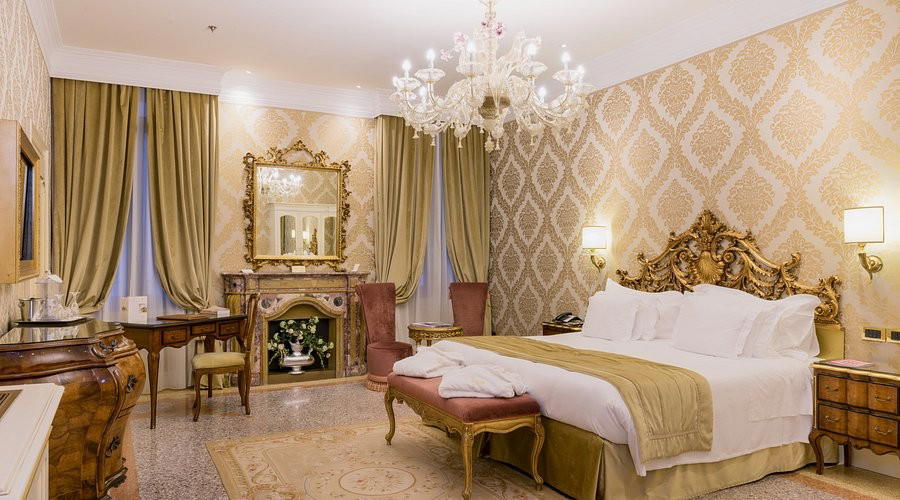
Ornate 18th-century gilded interiors with chandeliers, rich wood paneling, intricate wallpapers, and 19th-century paintings, creating a dreamy, romantic, and timelessly sophisticated atmosphere.