


2 Michelin Keys · Mr & Mrs Smith Seal of Approval · Virtuoso Luxury Hotel Partner
A former Chamber of Commerce on Calle Larga XXII Marzo, Nolinski Venezia translates the Evok Collection's Parisian boutique formula into 43 rooms of Art Nouveau, Stile Liberty, and Modernist layering. The 2024 Michelin Key, design-led luxury tier. Chef Philip Chronopoulos anchors the restaurant program in Mediterranean generosity shaped by French technique.

Pearl is the En Primeur Club membership app, where members save venues, book tables and use the concierge.
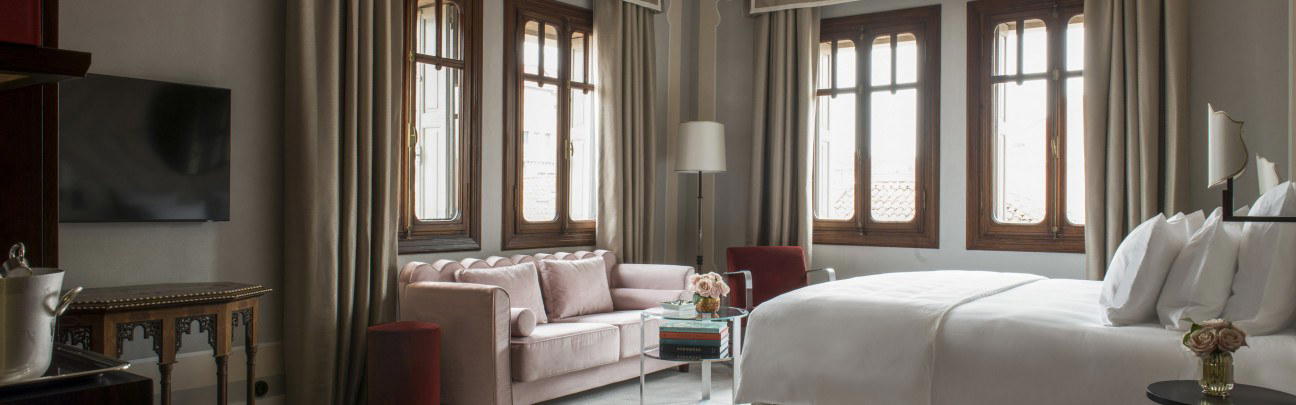
A Commerce Hall Turned Into a Study in Venetian Material Culture
On Calle Larga XXII Marzo, one of San Marco's widest and most commercially active streets, the building that now houses Nolinski Venezia once served as Venice's Chamber of Commerce. That origin is not incidental to how the hotel reads today. Former institutional buildings carry proportions that purpose-built hotels rarely achieve: ceiling heights that require something to say, corridor widths that impose a deliberate pace, and facades designed to project civic authority rather than hospitality warmth. The chimera figures on the exterior, drawn from Poseidon's mythology and referencing Venice's relationship with the sea, predate any hotel by centuries. They frame an entrance that feels inherited rather than designed.
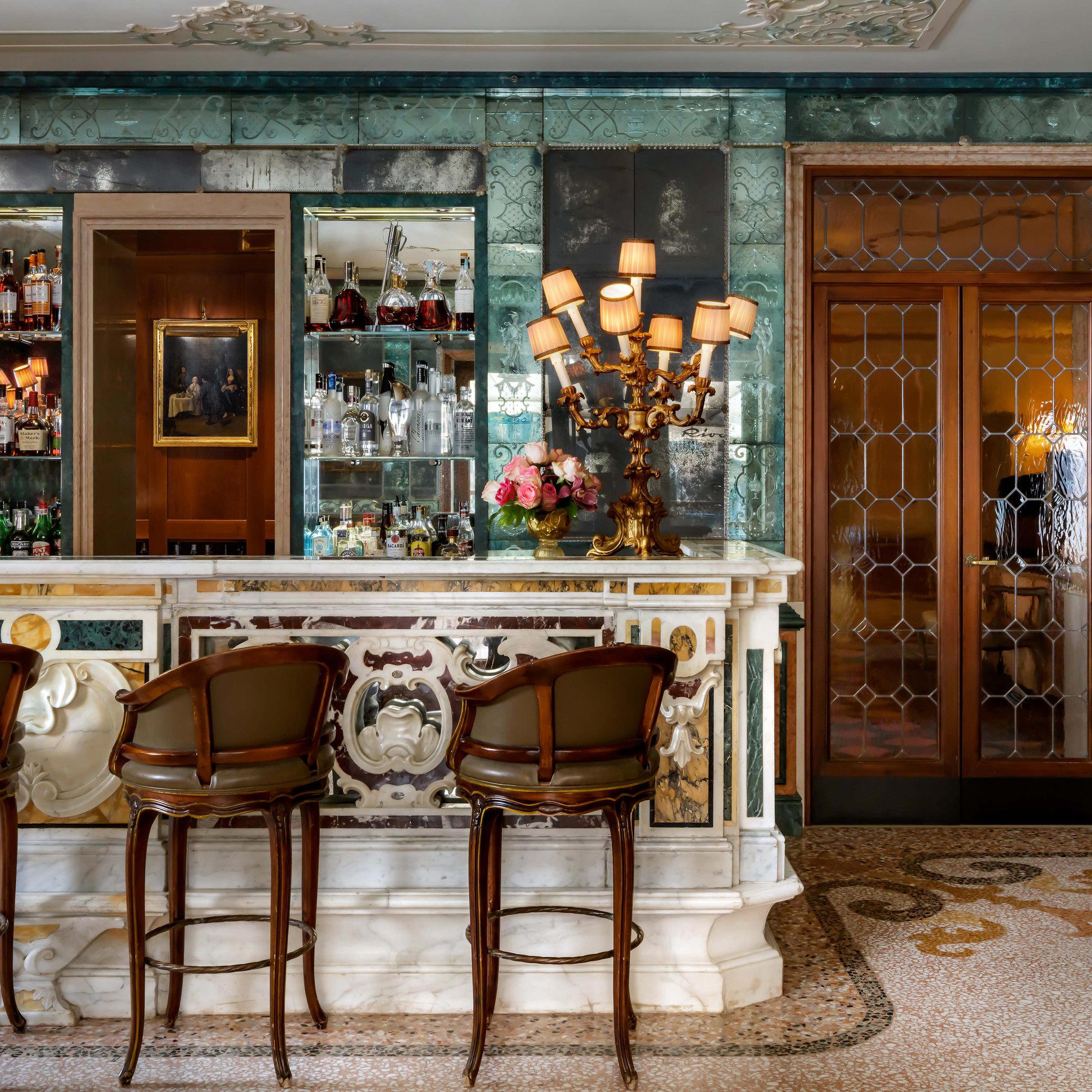
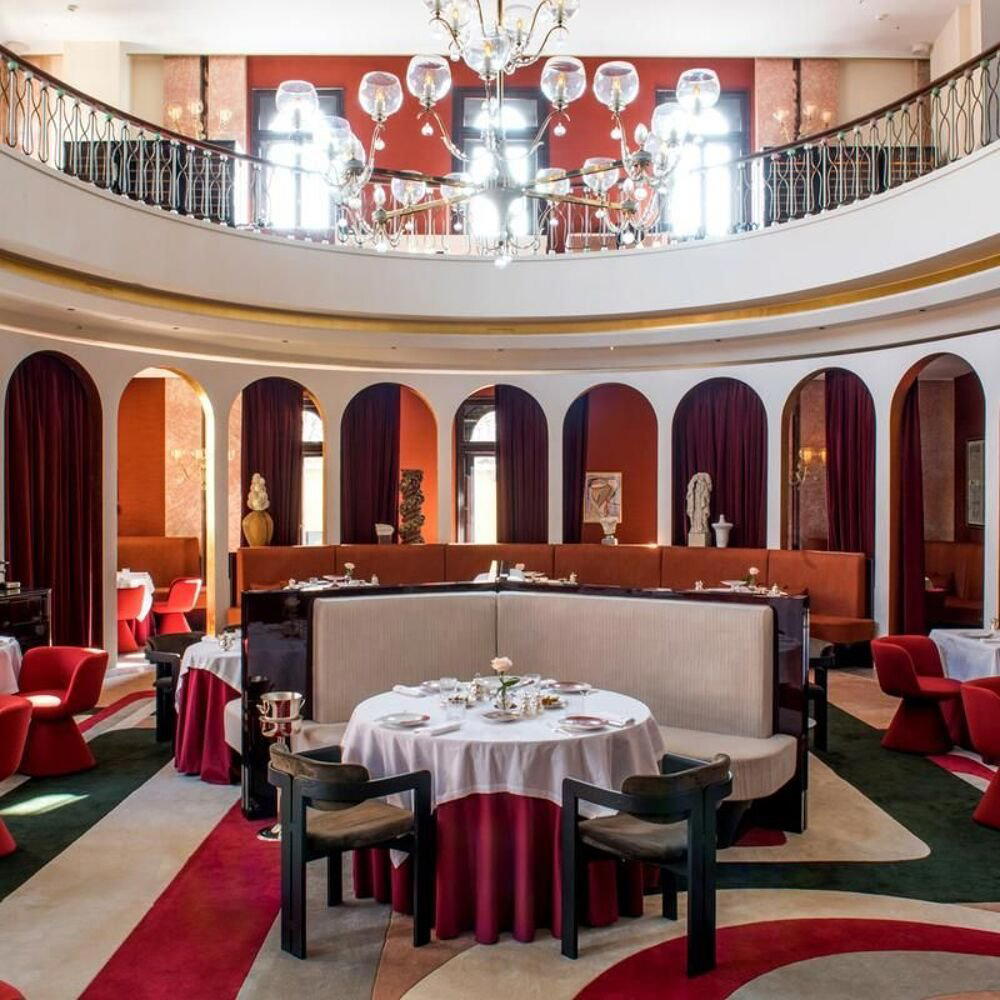
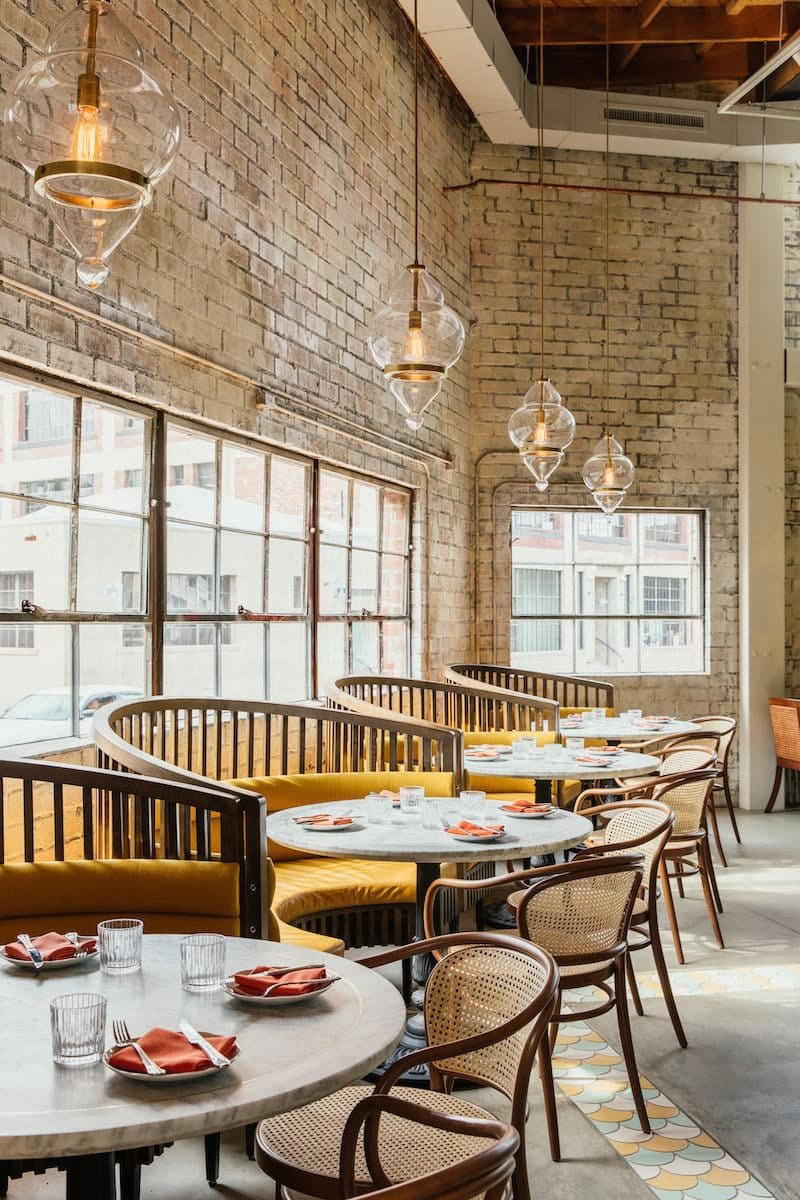
The Evok Collection, renowned for Parisian properties including Brach, Sinner, Cour des Vosges, and the original Nolinski on Avenue de l'Opéra, has made a consistent practice of placing high-fashion interiors inside buildings with pre-existing civic weight. In Venice, the approach maps onto a city where that kind of material history is less the exception than the ambient condition. Interior designers Le Coadic Scotto worked across five floors with stucco marble, marmorino plasterwork, mango woodwork, and a mix of ancient and contemporary art. The result positions itself at the intersection of Art Nouveau, Stile Liberty, and Modernism, with a Parisian accent applied to recognizably Venetian materials. Venetian glass appears throughout, but so do the saturated colors and Art Deco structural lines that are signatures of Evok's French output.
Forty-Three Rooms and What the Count Signals
Venice's luxury hotel tier has split over the past decade between large-footprint legacy properties and smaller, design-intensive operations. Aman Venice occupies a 16th-century palazzo with 24 rooms; Cipriani, A Belmond Hotel, Venice offers a different calculus entirely, isolated on Giudecca with historic restaurant credentials attached. Hotel Gritti Palace sits directly on the Grand Canal with a storied guest list and a room count in the heritage bracket. Nolinski Venezia's 43 rooms, including 13 suites described as individually configured rather than standardized, place it in the smaller, design-led cohort rather than the grand-hotel tradition.
That scale matters operationally. Forty-three keys allows for the kind of staff-to-guest ratio and spatial individuality that larger Venice hotels trade against their canal-side positioning or historic dining reputations. A 2024 Michelin Key, awarded in the first year Michelin applied its hotel selection criteria to Venice, confirms the property's position within a formally recognized peer group. The Key designation evaluates the overall hospitality experience rather than dining alone, which places Nolinski Venezia alongside properties where the design and service program is considered as seriously as the food offering.
For guests deciding between properties at this price point, around $743 per night, comparisons naturally include Ca' di Dio, Il Palazzo Experimental, and Palazzo Venart Luxury Hotel, each of which operates in the boutique-luxury tier with distinct architectural propositions. Corte di Gabriela and Londra Palace Venezia offer different entry points to the same neighborhood logic.
The Restaurant Program and What Mediterranean-French Actually Means in Practice
Chef Philip Chronopoulos frames the Nolinski Venezia restaurant program around what the hotel describes as Mediterranean generosity shaped by French culinary technique. That framing deserves some unpacking, because it describes a real and specific approach rather than a marketing synthesis. Mediterranean cooking in this context means seasonal produce driven, ingredient-forward, and relatively liberal with olive oil and legumes. French technique means classical sauce construction, brigade discipline, and a respect for mise en place that produces consistency across service periods. Where the two traditions converge is in the handling of seafood, which in Venice is both a cultural expectation and a practical resource: the Adriatic supplies different species and textures than Atlantic coasts, and a chef with French training working in that context produces something neither straightforwardly Italian nor straightforwardly French.
The positioning places Nolinski Venezia's dining program in a small peer group within Venice's hotel restaurant category. Most of the city's five-star hotel restaurants anchor to regional Italian cooking, either Venetian or more broadly northern Italian, with wine lists built around Veneto producers. A French-Mediterranean hybrid approach at this price point is a differentiated bet, and one that works better in a property with a Parisian brand lineage than it would in a palazzo hotel where guests arrive with specifically Venetian expectations.
Calle Larga XXII Marzo: The Street and Its Implications
The hotel's address on Calle Larga XXII Marzo is a locational statement in Venice's compressed geography. The street runs between San Marco and the Accademia bridge zone, with Ferragamo, Armani, and peer luxury retailers as immediate neighbors. It is one of the few streets in central Venice wide enough to feel like a street rather than a corridor, which affects both the physical approach to the building and the ambient noise level. A few canals from San Marco and the Teatro La Fenice puts the hotel within walking distance of two of Venice's highest-density tourist circuits without being embedded in either.
For guests planning around the operational realities of Venice, the San Marco adjacency matters more than it might in other cities. Venice has no taxis in any conventional sense; getting from the airport means either the Alilaguna water bus (roughly 80 minutes to San Marco) or a private water taxi (around 30-40 minutes, significantly higher cost). The hotel's position on Calle Larga XXII Marzo means arriving by vaporetto at San Marco or Santa Maria del Giglio, both manageable distances with luggage on a dry day, less direct in acqua alta season, which runs roughly October through February.
Travelers arriving in late autumn or winter should factor acqua alta timing into room preference and itinerary planning. Ground-floor retail and restaurant access across the city can be temporarily disrupted during high-water events, and while a hotel of this standard will have protocols in place, the rhythm of a Venetian stay changes materially in flood conditions.
Evok's Italian Proposition and What It Means for Design-Conscious Travelers
The Evok Collection's move into Venice sits within a broader pattern of Parisian boutique hotel groups extending into Italian cities with proven design credentials. Portrait Milano and Four Seasons Hotel Firenze represent the larger end of that Italian luxury bracket. Properties such as Passalacqua in Moltrasio, Castello di Reschio in Umbria, Rosewood Castiglion Del Bosco in Montalcino, and Casa Maria Luigia in Modena each approach Italian luxury through very different architectural and hospitality frameworks. Evok's contribution via Nolinski Venezia is a specifically urban, design-forward proposition that treats Venice as a city to engage with rather than a backdrop to retreat from.
That orientation is visible in the street-level location and the commercial-building origin, both choices that embed the hotel in Venice's active center rather than isolating it on a canal or private island. Travelers who find the more sequestered model of Aman Venice or Borgo Santandrea on the Amalfi Coast more aligned with their preferences are working from a different brief than the guest Nolinski Venezia is built for. This is a hotel for people who want to step out directly into the city, with a design-rich room to return to. See our full Venice restaurants guide for broader context on the dining scene surrounding the hotel.
For those extending an Italian itinerary beyond Venice, the Evok approach at Nolinski Venezia offers useful comparison points against Bulgari Hotel Roma, Il San Pietro di Positano, JK Place Capri, Il Pellicano in Porto Ercole, Borgo Egnazia in Puglia, and Corte della Maestà in Civita di Bagnoregio. Each operates in a distinct Italian context, but the shared thread is design seriousness in a historic building. For travelers whose Italian itineraries extend internationally, The Fifth Avenue Hotel, Aman New York, and Amangiri in Canyon Point represent a comparable design-first approach in radically different settings.
Planning Details
Nolinski Venezia is located at Calle Larga XXII Marzo, 2032, in the San Marco sestiere. At approximately $743 per night, it sits in the upper-mid range of Venice's boutique luxury tier, above the entry-level design hotels and below the most expensive palazzo properties. The 43 rooms include 13 suites, each individually configured. Booking is leading handled directly or through preferred travel advisors, particularly for the suite categories, which given the individually designed formats and limited count, are the rooms most likely to reach capacity during Carnival (February), the Biennale opening periods (April-May in odd years for Art, June in even years for Architecture), and the Festa del Redentore weekend in July.
At-a-Glance Comparison
Comparable venues nearby, for context on price, style, and recognition.
| Venue | Cuisine | Price | Awards | Notes |
|---|---|---|---|---|
| Nolinski VeneziaThis venue (the venue you are viewing) | Contemporary Venetian luxury in a historic stock exchange building | $750–1,000 | 2 Michelin Keys · Mr & Mrs Smith Seal of Approval | Not listed |
| Hotel Gritti Palace | Historic Venetian palazzo dating to 1525, meticulously restored as a luxury heritage property blending five centuries of history with contemporary comfort and technology. | $750–1,000 | 2 Michelin Keys · La Liste Top Hotels | San Marco |
| Violino D'Oro | Venetian boutique in historic 1700 building renovated 2023 | $500–750 | 1 Michelin Key · Mr & Mrs Smith Seal of Approval | San Marco |
| Londra Palace Venezia | Historic Venetian palace blending tradition with modern touches | Not listed | 1 Michelin Key · Relais Chateaux Award | Castello |
| Palazzo Venart Luxury Hotel | Restored 16th-century Venetian palazzo blending historic grandeur with modern luxury | Not listed | 1 Michelin Key · Virtuoso Luxury Hotel Partner | Santa Croce |
| Il Palazzo Experimental | Historic Renaissance palazzo reimagined as a modern boutique hideaway | Not listed | 1 Michelin Key · Mr & Mrs Smith Seal of Approval | Dorsoduro |
Recognition history
Dated appearances from independent guides and award organizations, with the underlying list record or original source where available.
Michelin 2 Keys
Michelin
Mr & Mrs Smith Seal of Approval
Mr & Mrs Smith
Virtuoso Luxury Hotel Partner
Virtuoso
Full recognition history (5 entries)
Michelin 2 Keys
Michelin
Michelin 1 Key
Michelin
Continue exploring
More in Venice
Hotels in Venice
All hotels in Venice →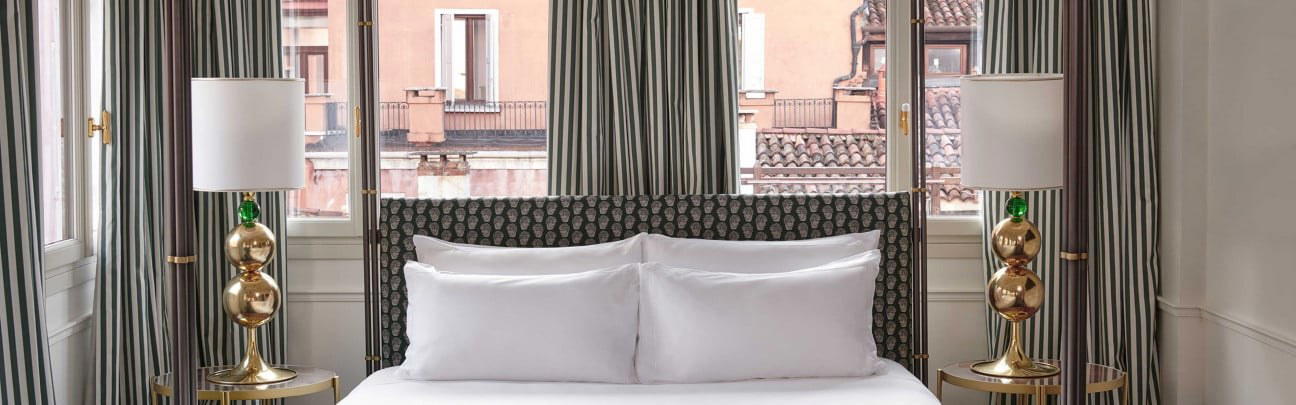
Bars in Venice
All bars in Venice →

Details
- Elegant
- Sophisticated
- Ornate
- Romantic Getaway
- Honeymoon
- Anniversary
- Rooftop Pool
- Historic Building
- Panoramic View
- Wi Fi
- Pool
- Spa
- Room Service
- Concierge
- Restaurant
- Elevator
- Wheelchair Accessible
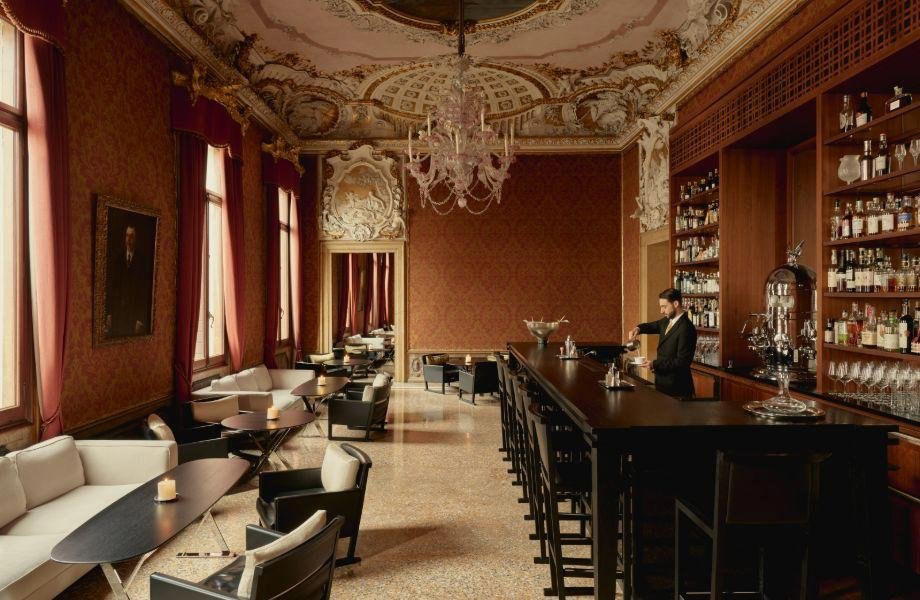
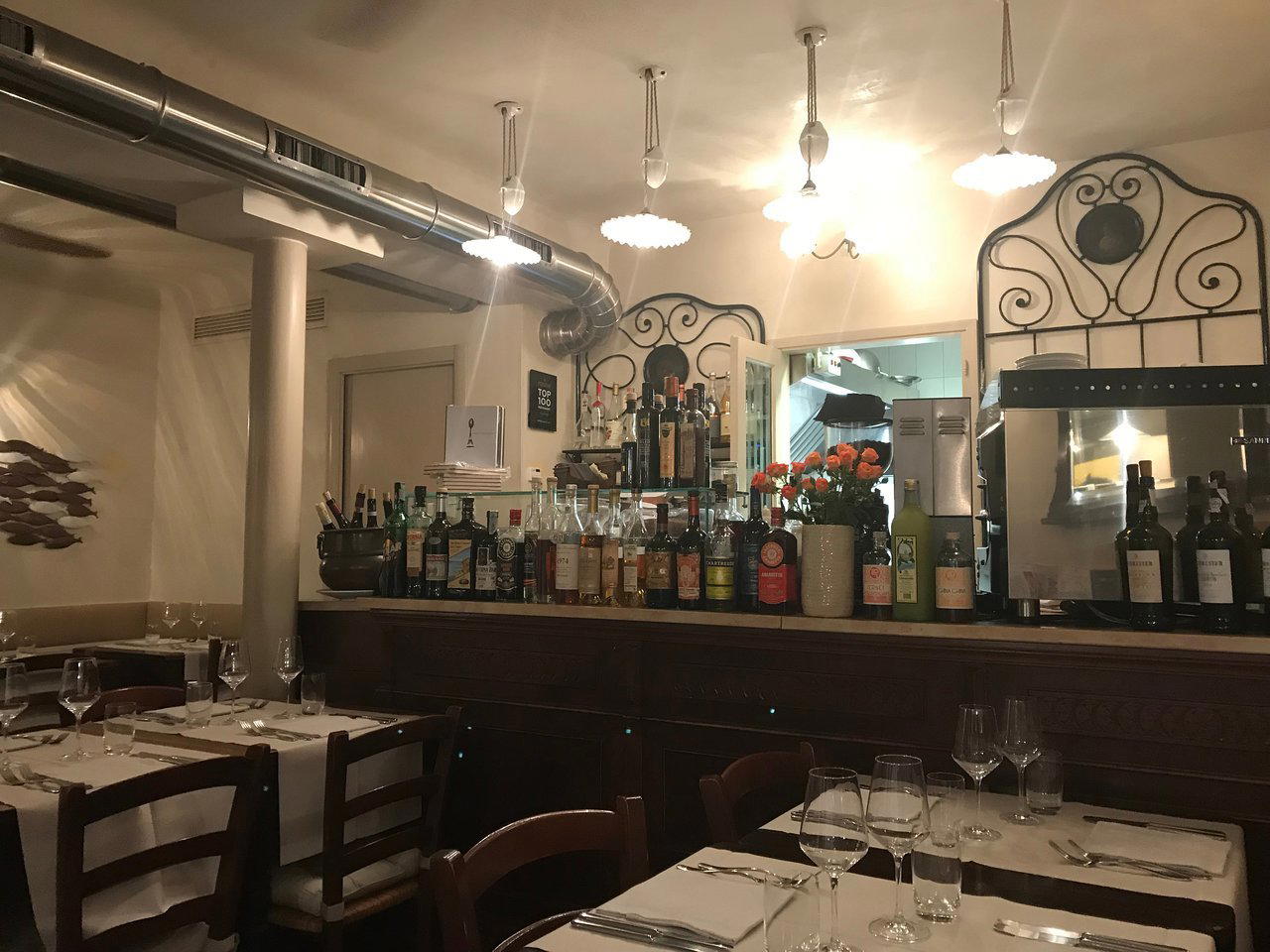
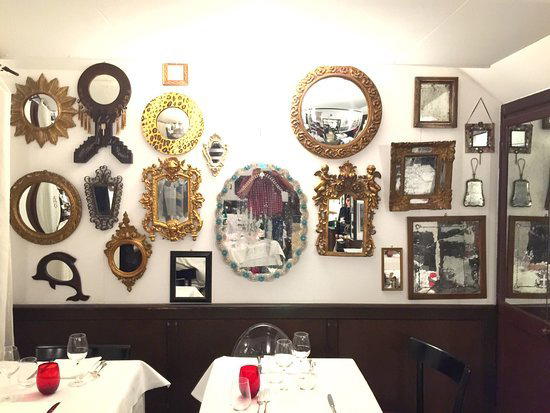
Intimate and luxurious with sophisticated lighting, grand yet cozy public spaces featuring a library bar with frescoes, and serene spa areas.