Ma Langue Sourit






2 Michelin Stars · La Liste Top Restaurants · Falstaff Restaurant - 95 Falstaff Points
Our verdict
Two Michelin stars and a 91-point La Liste score position Ma Langue Sourit among Luxembourg's most decorated tables. Chef Cyril Molard's contemporary French cooking places the raw ingredient at the centre of every dish, with vegetables carrying unusual weight across the menu, from starters through to dessert. The address is Oetrange, a short drive southeast of Luxembourg City, and the room runs Tuesday through Saturday at lunch and dinner.

Pearl is the En Primeur Club membership app, where members save venues, book tables and use the concierge.
The menu
See the current menu on mls.lu →A Country Road, a Cosy Room, and a Kitchen That Takes Its Vegetables Seriously
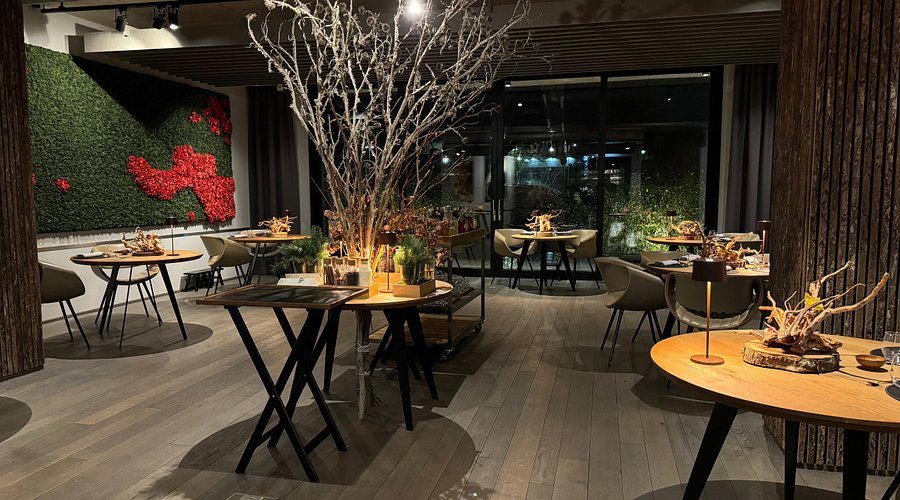
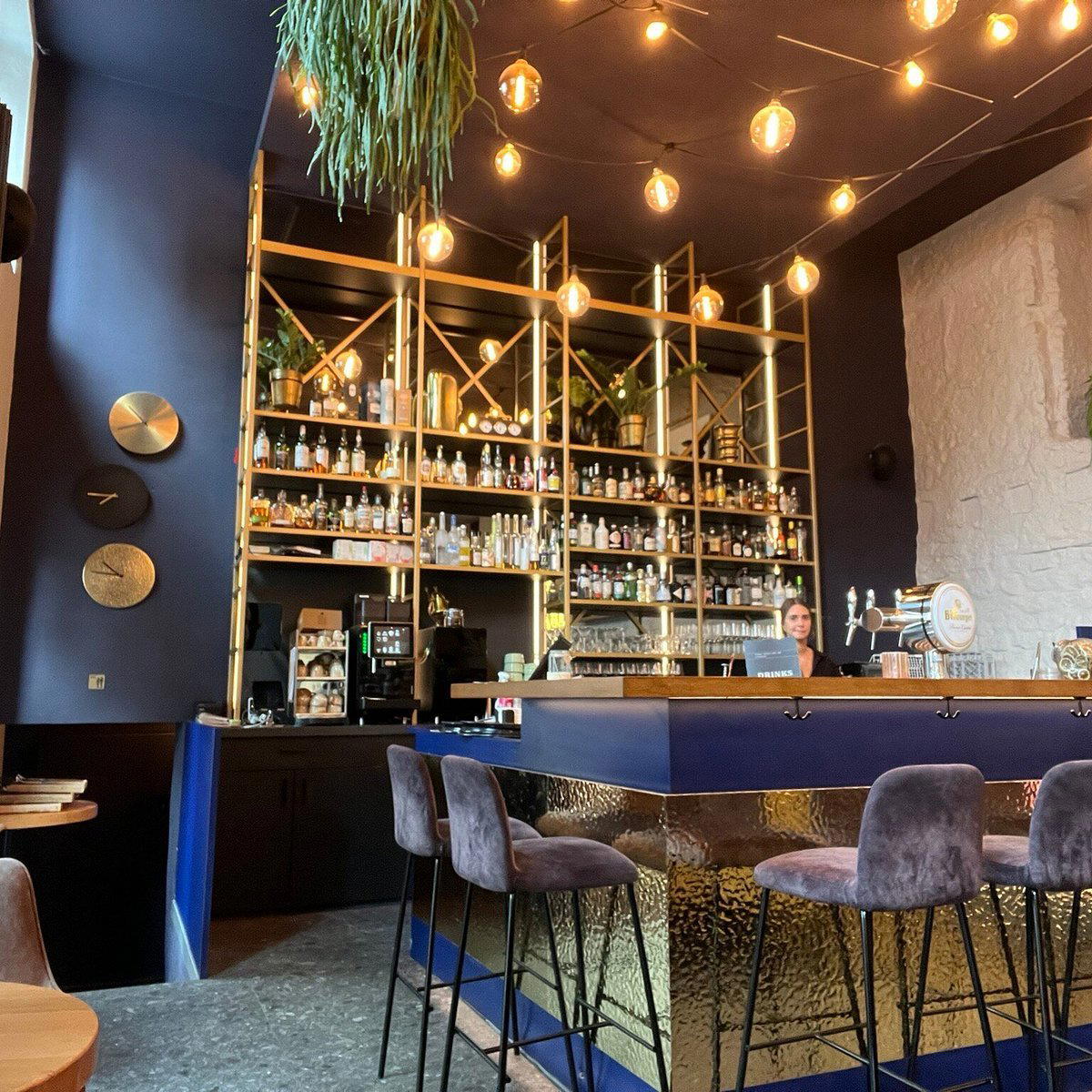
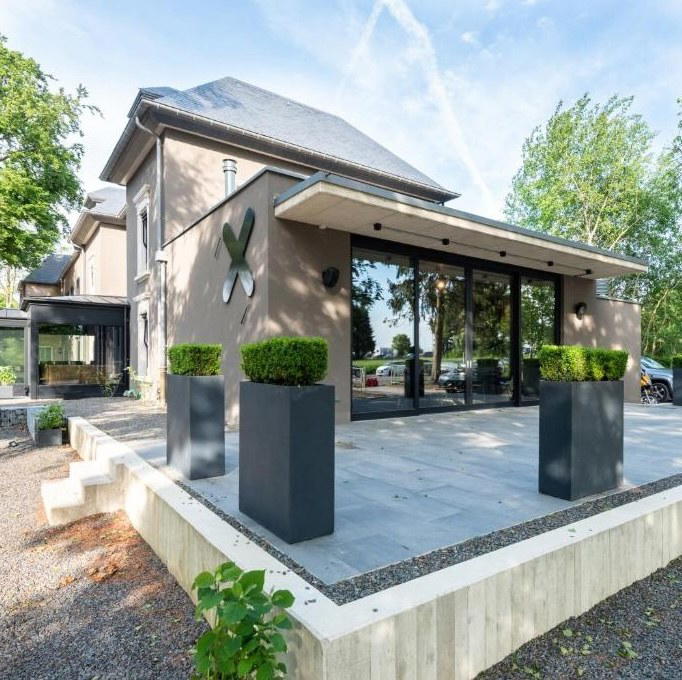
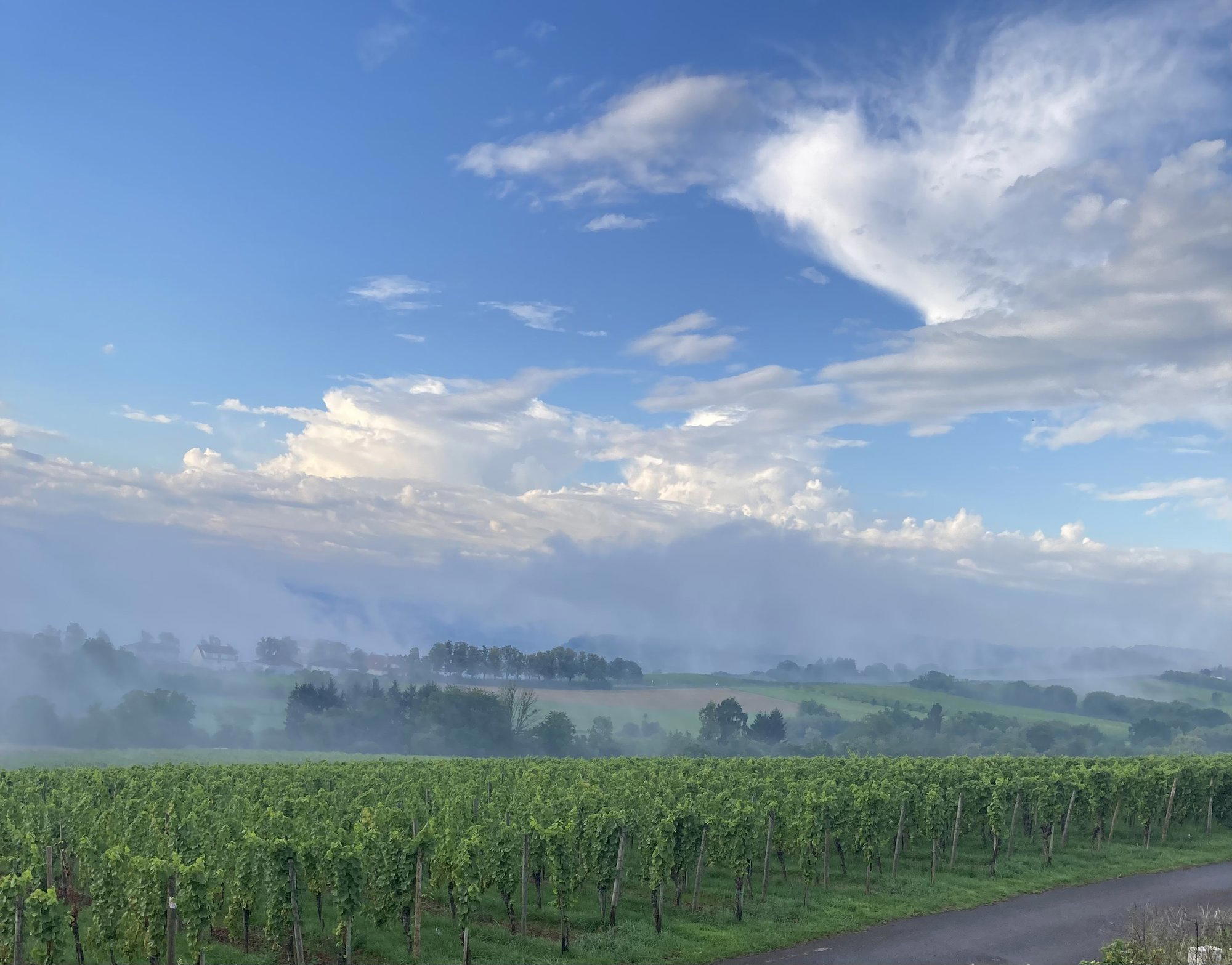
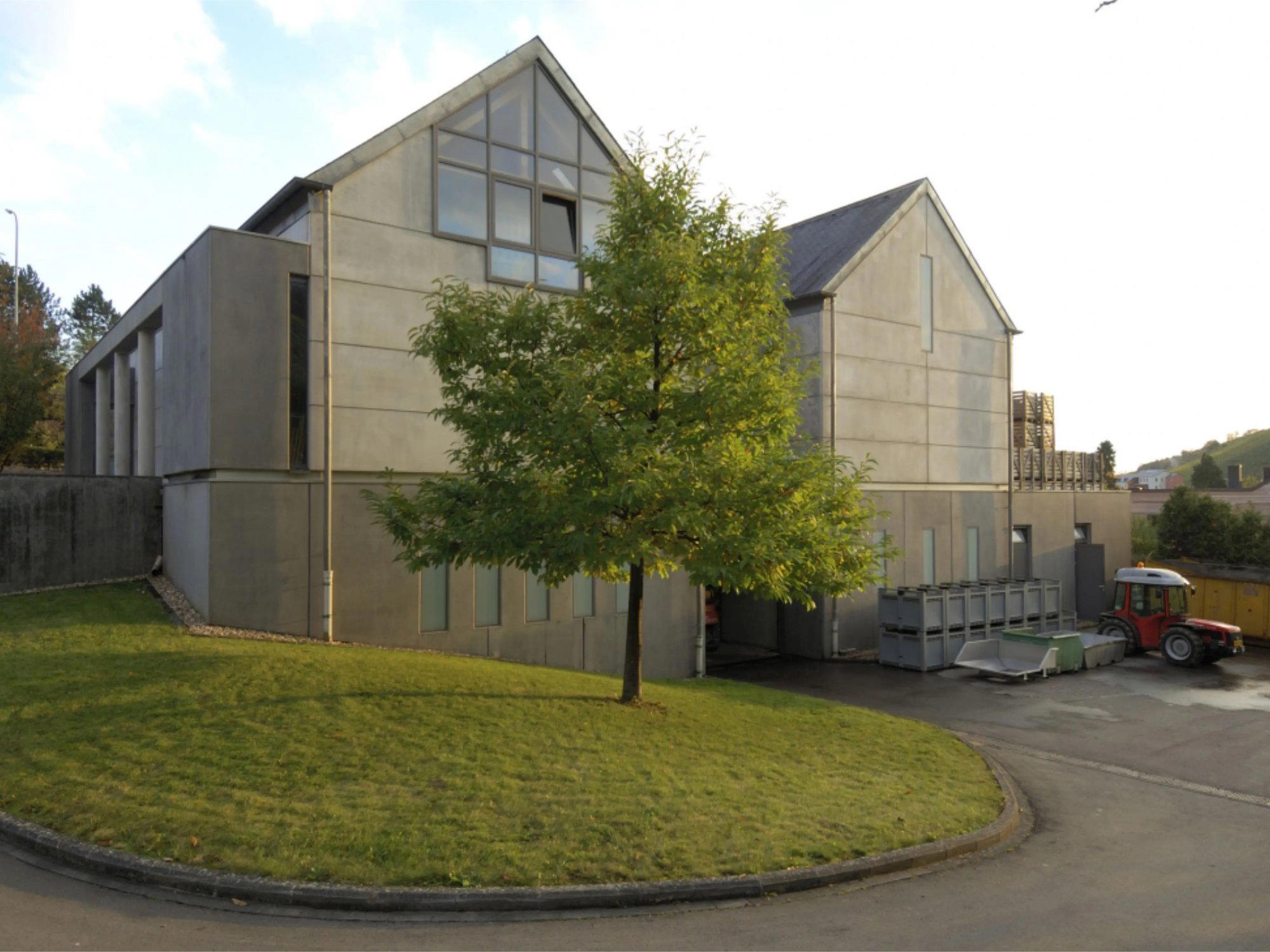
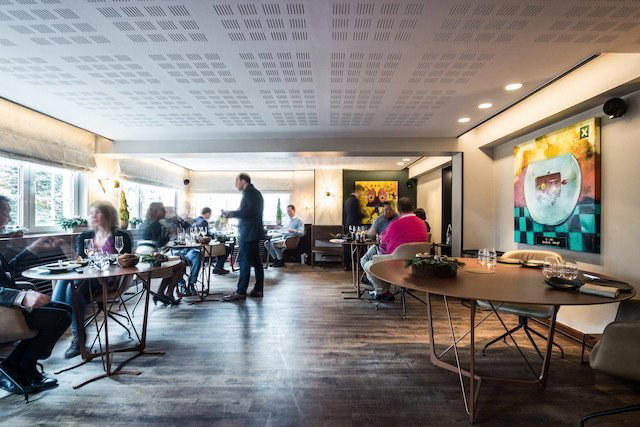
The road to Oetrange runs southeast from Luxembourg City through agricultural land that, depending on the season, sits either under low grey cloud or bright continental sun. The village is small, the kind of place you pass through rather than head to, which makes the presence of a two-Michelin-starred restaurant at its edge all the more deliberate. Arriving at Ma Langue Sourit, the impression is of a room that has been thought about rather than styled, warm, proportioned for intimacy, without the austere formality that sometimes dogs destination dining in small European towns. The setting is a signal: this is not a kitchen performing for a metropolitan audience. It is cooking rooted in a specific place, operating on its own terms.
Where Luxembourg Fine Dining Sits Today
Luxembourg's top-tier restaurant scene is smaller than its reputation suggests. The city and its immediate surrounds support a handful of addresses working at Michelin level, among them Léa Linster (Modern French), Apdikt (Creative), and Archibald De Prince (Organic). These are not interchangeable metrics. La Liste aggregates critic scores globally; OAD draws on diner surveys weighted toward frequent, experienced eaters. Appearing prominently on both, over consecutive years, reflects a consistency that single-snapshot awards cannot capture. Ma Langue Sourit also carries the Les Grandes Tables du Monde designation for 2025, a network that self-selects for kitchens where the table experience, not just the cooking, is taken seriously.
For readers building a broader Luxembourg itinerary, our full Luxembourg restaurants guide maps the current field, and our full Luxembourg hotels guide, bars guide, wineries guide, and experiences guide cover the full range of the Grand Duchy.
The Cultural Logic of a Vegetable-Led French Kitchen
Contemporary French cooking has been renegotiating the hierarchy of ingredients for at least two decades, but the pace of that shift varies considerably depending on the kitchen. The classical French tradition placed protein at the centre and built outward: the sauce, the garnish, the vegetable accompaniment. A growing number of serious kitchens have inverted that structure without abandoning the technical vocabulary of classical training. The result is cooking that reads as French in its discipline and precision but plants vegetables, grains, or textural contrasts where a protein once sat.
Ma Langue Sourit belongs to this tendency. According to La Liste's assessors, vegetables now play an increasing role across the menu, appearing as a primary element in starters, carrying through into desserts. A dish described as a "vegetable walk at Sandrine, raw and cooked" exemplifies the approach: vegetables from a named source, presented across temperatures and textures rather than as a supporting cast. This is not a token gesture toward plant-forward cooking. When a kitchen runs vegetables into the dessert sequence, it is making a structural argument about what an ingredient can do, not simply adjusting a protein-to-vegetable ratio.
That same logic informs the broader sensibility of the cooking. La Liste describes a kitchen that "juggles with textures, techniques and flavours resulting in a variety of surprising flavours," with the product, the raw ingredient, as the protagonist. Michelin's assessors note a classical direction in the saucing, specifically a fish stock made with red wine accompanying a scallop and truffle pithiviers, where the technique serves to amplify the ingredient rather than mask or overshadow it. Acidity is used carefully, described as "subtle additions of tangy acidity" that add energy to a dish without pulling it off course. This is the kind of detail that separates technically accomplished cooking from cooking that is also well-judged.
The French tradition of cooking at this level has a long geography. Kitchens working in comparable registers can be found from Paris addresses like Kei, Nakatani, Frenchie, and Lucas Carton to mountain settings like Flocons de Sel in Megève, rural France at L'Arnsbourg in Baerenthal, and further afield to Marchal in Copenhagen and Le Champignon Sauvage in Cheltenham. What unites them is a commitment to classical French technique applied with contemporary restraint. Ma Langue Sourit operates in that same tradition, from a village in the Luxembourg countryside.
Cyril Molard and the Question of Produce
Chef Cyril Molard's name appears across multiple award citations, and the consistent emphasis in each is the same: a kitchen where the ingredient precedes the technique, not the other way around. Michelin's notes describe asparagus cooked in a way that makes it taste like asparagus at its most concentrated, and fish handled with a precision that preserves rather than transforms the texture. These are not simple achievements. Cooking to amplify rather than complicate requires both technical control and restraint, two qualities that tend not to coexist in kitchens still performing their own ambition.
The atmosphere in the dining room reflects the same disposition. Michelin assessors note that Molard and his team move between the kitchen and the tables during service, checking in with diners without formality. The restaurant's name, which translates from French as "my tongue smiles," carries a kind of directness about its intention: the meal is meant to produce pleasure, not awe. That framing puts Ma Langue Sourit in a different emotional register from kitchens where the experience is designed to impress rather than satisfy. La Liste's description of a chef who "aims to ensure that the diner enjoys their meal as much as a child devouring an ice cream" is, in context, a precise observation about hospitality philosophy rather than a comment on the cooking's seriousness. The cooking is serious. The dining room is not stiff.
Seasonality, Luxembourg's Position, and the Local Food Context
Luxembourg sits at a culinary crossroads that its size obscures. Bordered by France, Germany, and Belgium, the Grand Duchy draws on French classical traditions, Germanic ingredient sensibility, and the broader Moselle agricultural belt. Local produce in this region is genuinely varied: the Moselle valley, which runs along Luxembourg's eastern border, supports wine production and market gardening alongside it. The reference in the awards notes to vegetables from "Sandrine" suggests a named supplier relationship, which in contemporary fine dining indicates a kitchen building its sourcing around specific growers rather than seasonal availability in the abstract.
For seasonal timing, the asparagus reference in Michelin's notes points to spring as a particularly strong moment in the menu's calendar, though the kitchen operates year-round Tuesday through Saturday, covering both lunch sittings (12 to 2pm) and dinner (7 to 9:30pm). The restaurant is closed Monday and Sunday. At the €€€€ price point, it sits alongside Léa Linster and Archibald De Prince in Luxembourg's highest tier, and above the €€€ addresses such as Apdikt and Fields by René Mathieu. For the commitment of a meal at this level, lunch service offers access to the full kitchen at a format that typically runs shorter than dinner, which is worth considering for first visits. The address is 1 Route de Remich, 5331 Oetrange Contern, accessible by car from Luxembourg City in under twenty minutes. Given the rural location, driving or arranging a car service is more practical than public transport.
Frequently asked questions
Who runs the kitchen at Ma Langue Sourit?
The chef associated with Ma Langue Sourit is Cyril Molard.
Is Ma Langue Sourit focused on a specific cuisine style?
What do regulars order at Ma Langue Sourit?
The kitchen's signatures lean toward vegetable-forward dishes that carry equal weight alongside fish and meat courses. La Liste's citation specifically calls out the 'vegetable walk at Sandrine, raw and cooked' as a defining starter, and notes that Molard extends vegetables into desserts. His preparation of scallop pithiviers in a red wine fish stock with truffle also appears repeatedly in award commentary as a reference point for the kitchen's classical-rooted technique.
What's the price range at Ma Langue Sourit?
Pricing at Ma Langue Sourit is listed as €€€€.
When is Ma Langue Sourit open?
Hours at Ma Langue Sourit: Hours: Monday Closed Tuesday 12–2 pm, 7–9:30 pm Wednesday 12–2 pm, 7–9:30 pm Thursday 12–2 pm, 7–9:30 pm Friday 12–2 pm, 7–9:30 pm Saturday 12–2 pm, 7–9:30 pm Sunday Closed.
In Context: Similar Options
| Venue | Cuisine | Price | Awards | Notes |
|---|---|---|---|---|
| Ma Langue SouritThis venue (the venue you are viewing) | Modern French Fine Dining | $150–200 | 2 Michelin Stars · La Liste Top Restaurants | Not listed |
| Léa Linster | Modern French Fine Dining | Not listed | 2 Michelin Stars · La Liste Top Restaurants | Modern French |
| Grünewald Chef’s Table | Modern French Chef's Table | $100–150 | 1 Michelin Star | Modern Cuisine |
| Guillou Campagne | Traditional French Country Bistro | $100–150 | 1 Michelin Star | Classic French |
| Apdikt | French Contemporary Fine Dining | $150–200 | 1 Michelin Star · We're Smart World 2 Radishes | Creative |
| Archibald De Prince | Creative French Fine Dining | $100–150 | 1 Michelin Star · We're Smart World 4 Radishes | Organic |
Recognition history
Dated appearances from independent guides and award organizations, with the underlying list record or original source where available.
Michelin 2 Stars
Michelin
La Liste Top Restaurants
La Liste
Falstaff Restaurant - 95 Falstaff Points
Falstaff
Les Grandes Tables du Monde Member
Les Grandes Tables du Monde
Opinionated About Dining Classical in Europe Ranked #64
Opinionated About Dining
Full recognition history (13 entries)
La Liste Top Restaurants
La Liste
Michelin 2 Stars
Michelin
Opinionated About Dining Classical in Europe Ranked #64
Opinionated About Dining
We're Smart World 5 Radishes
We're Smart World
We're Smart World Top 100 #67
We're Smart World
Michelin 2 Stars
Michelin
Opinionated About Dining Classical in Europe Ranked #61
Opinionated About Dining
Opinionated About Dining Classical in Europe Highly Recommended
Opinionated About Dining