Weingut Fritz Haag

Falstaff Winery - Listed
Weingut Fritz Haag is one of the Mosel's defining addresses for Riesling grown on Brauneberg's steep, blue-slate slopes. Visitors and collectors treating the Mittelmosel seriously will want this address on their list.

Pearl is the En Primeur Club membership app, where members save venues, book tables and use the concierge.
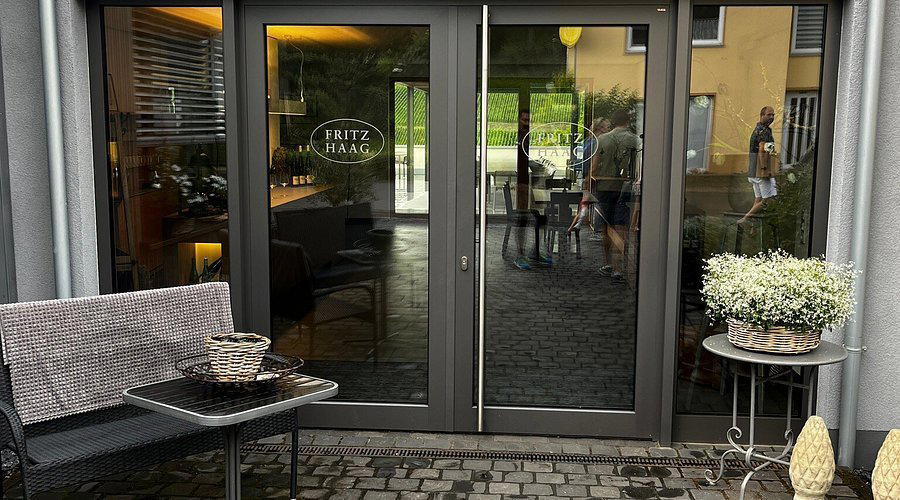
German Riesling at the Prädikat level, from Kabinett through to Trockenbeerenauslese, encodes ripeness and sweetness not as stylistic choices but as records of the vintage's weather, the harvest date, and the degree of botrytis. At Fritz Haag, the site's elevation and aspect mean that decisions about when to pick, and which rows, carry a weight that flatter, more predictable sites never impose. The wines that result are less the product of a house style than of an ongoing negotiation with geology and climate. That is what prestige-tier Mosel Riesling, at its clearest, is meant to be.
For those building comparative reference points across German wine regions, the contrast with Pfalz producers like Weingut A. Christmann in Neustadt an der Weinstraße, Weingut Bassermann-Jordan in Deidesheim, or Weingut Dr. Bürklin-Wolf in Wachenheim an der Weinstraße is instructive.
Where Fritz Haag Sits in the Mosel's Upper Tier
Across the broader German wine scene, the reference set for this tier includes Weingut Georg Breuer in Rüdesheim am Rhein in the Rheingau, Weingut Battenfeld-Spanier in Hohen-Sülzen in Rheinhessen, and Weingut Jakob Schneider in Niederhausen in the Nahe.
Within the Mosel itself, the prestige tier is narrow. Historically documented estates with long track records at the leading tend to trade on site ownership rather than winemaking novelty. Fritz Haag's address at the foot of the Juffer hillside is an argument the estate does not need to remake vintage by vintage; the site's reputation precedes it. What varies, and what the prestige recognition reflects, is the consistency with which the estate translates that site advantage into bottles that hold up comparatively.
Visitors interested in the broader history of German viticulture can extend their itinerary northeast to Kloster Eberbach in Eltville, where Cistercian monks formalized a viticultural discipline in the Rheingau that still shapes how premium German wine estates operate today. The structural contrast between a monastic estate of that scale and a focused family producer like Fritz Haag illuminates how different the Mosel's development model has been: smaller holdings, steeper sites, a concentration on single-vineyard expression rather than estate-wide blends. The B53, which follows the Mosel's course through the Mittelmosel, passes directly through. For those arriving by train, Wittlich Hbf or Bernkastel-Kues (via the Moselweinstraße bus connections) are the practical access points; the Mosel is not well-served by rail along its most scenic stretches, which is a deliberate argument for driving or cycling the wine route rather than treating it as a rail destination. 44, places the winery in the village itself rather than on the hillside; cellar visits, tasting appointments, and direct sales typically operate through advance contact. As with most prestige-tier German estates, walk-in visits are not the standard format, and planning ahead is advised.enprimeurclub.
Collectors comparing Mosel producers with the Franken tradition can extend eastward to Weingut Bürgerspital zum Heiligen Geist in Würzburg, while those whose reference points extend to Weingut Allendorf in Oestrich-Winkel in the Rheingau or as far as Accendo Cellars in St. Helena and
Comparable Spots, Quickly
Comparable venues nearby, for context on price, style, and recognition.
| Venue | Cuisine | Price | Awards | Notes |
|---|---|---|---|---|
| Weingut Fritz HaagThis venue (the venue you are viewing) | Riesling | Not listed | Falstaff Winery - Listed | Not listed |
| Weingut Immich-Batterieberg | Riesling, Pinot Noir | $30–50 | Falstaff Winery - 3 Stars | Enkirch |
| Evening Land Vineyards | Winery | $30–50 | Not listed | Salem |
| Walter Scott Wines | Winery | Not listed | Not listed | Salem |
| Weingut Jakob Schneider | Riesling, Spätburgunder | Not listed | Falstaff Winery - Listed | Niederhausen |
| Weingut Joh. Bapt. Schäfer | Riesling, Grauburgunder | $20–30 | Falstaff Winery - 4 Stars | Burg Layen |
Recognition history
Dated appearances from independent guides and award organizations, with the underlying list record or original source where available.
Falstaff Winery - Listed
Falstaff
Continue exploring
More in Brauneberg
Wineries in Brauneberg
All wineries in Brauneberg →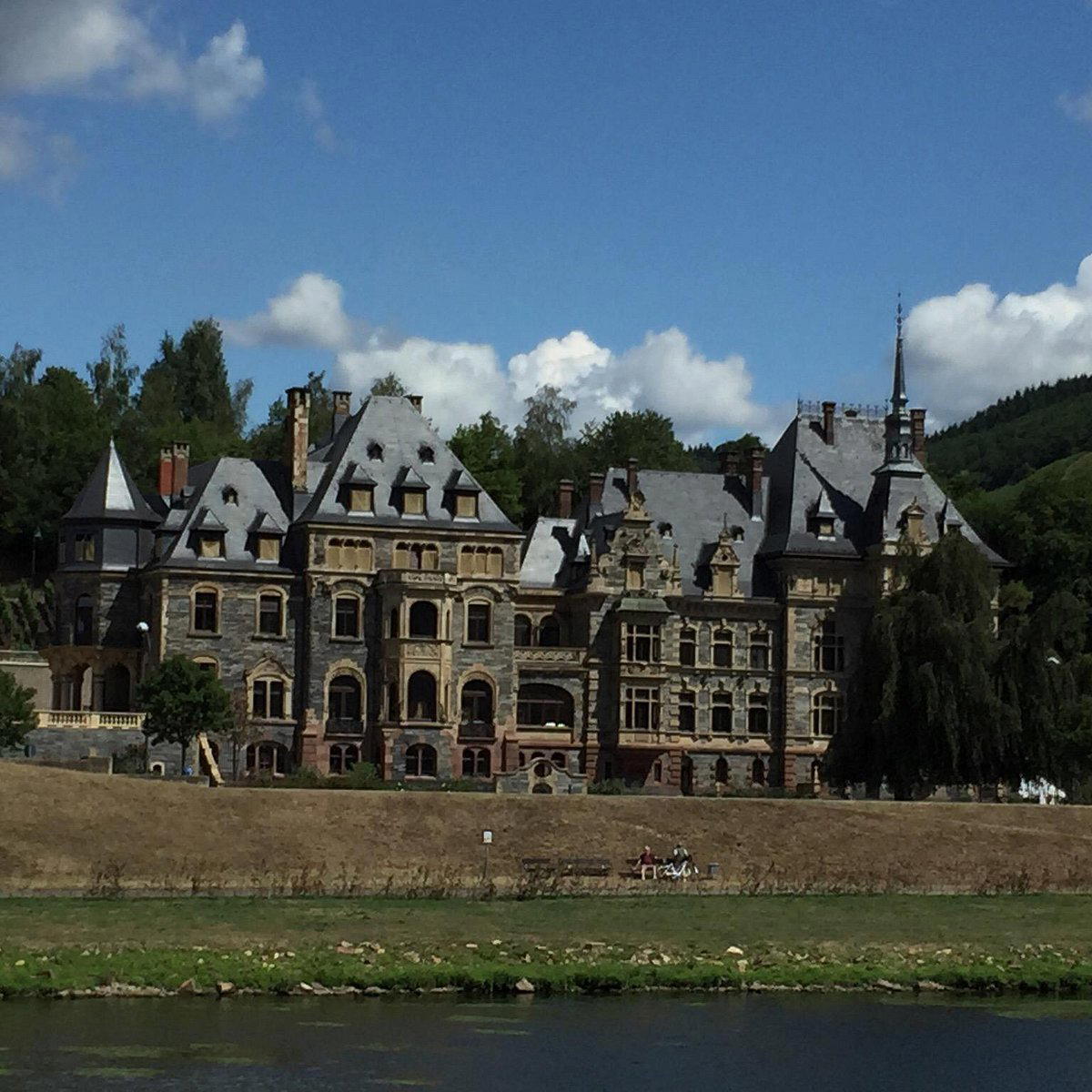

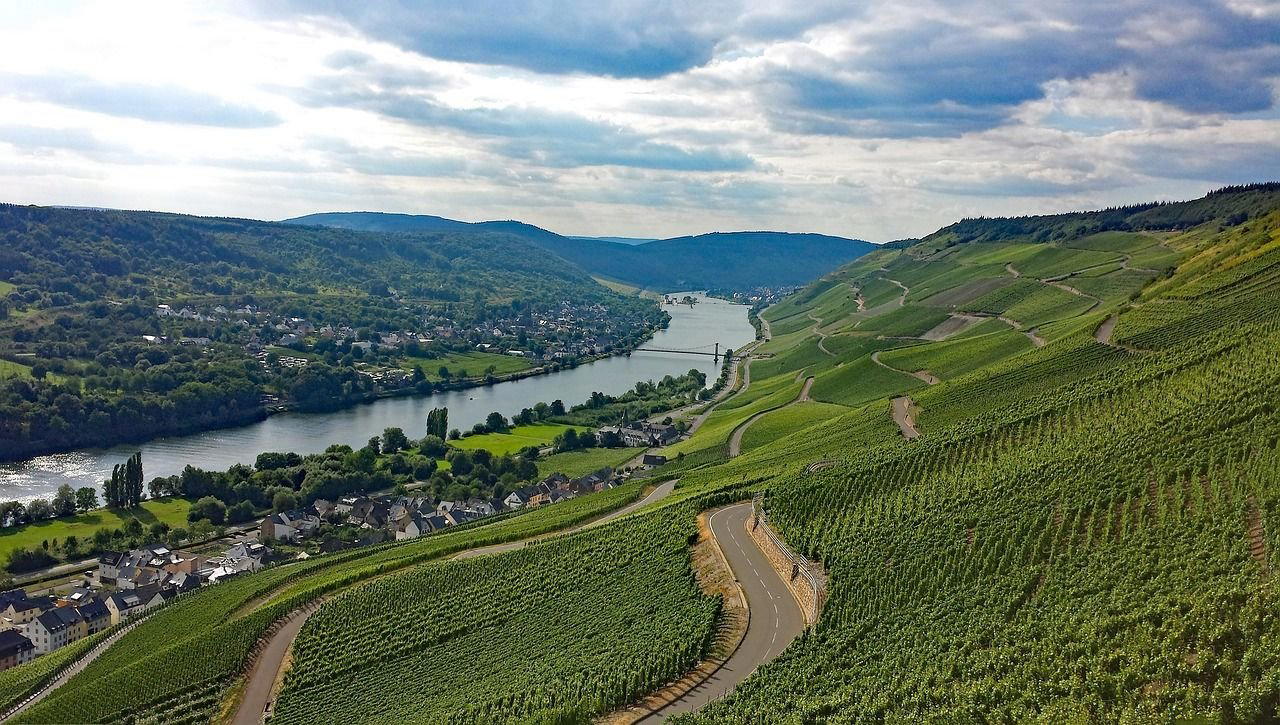
Bars in Brauneberg
Browse all →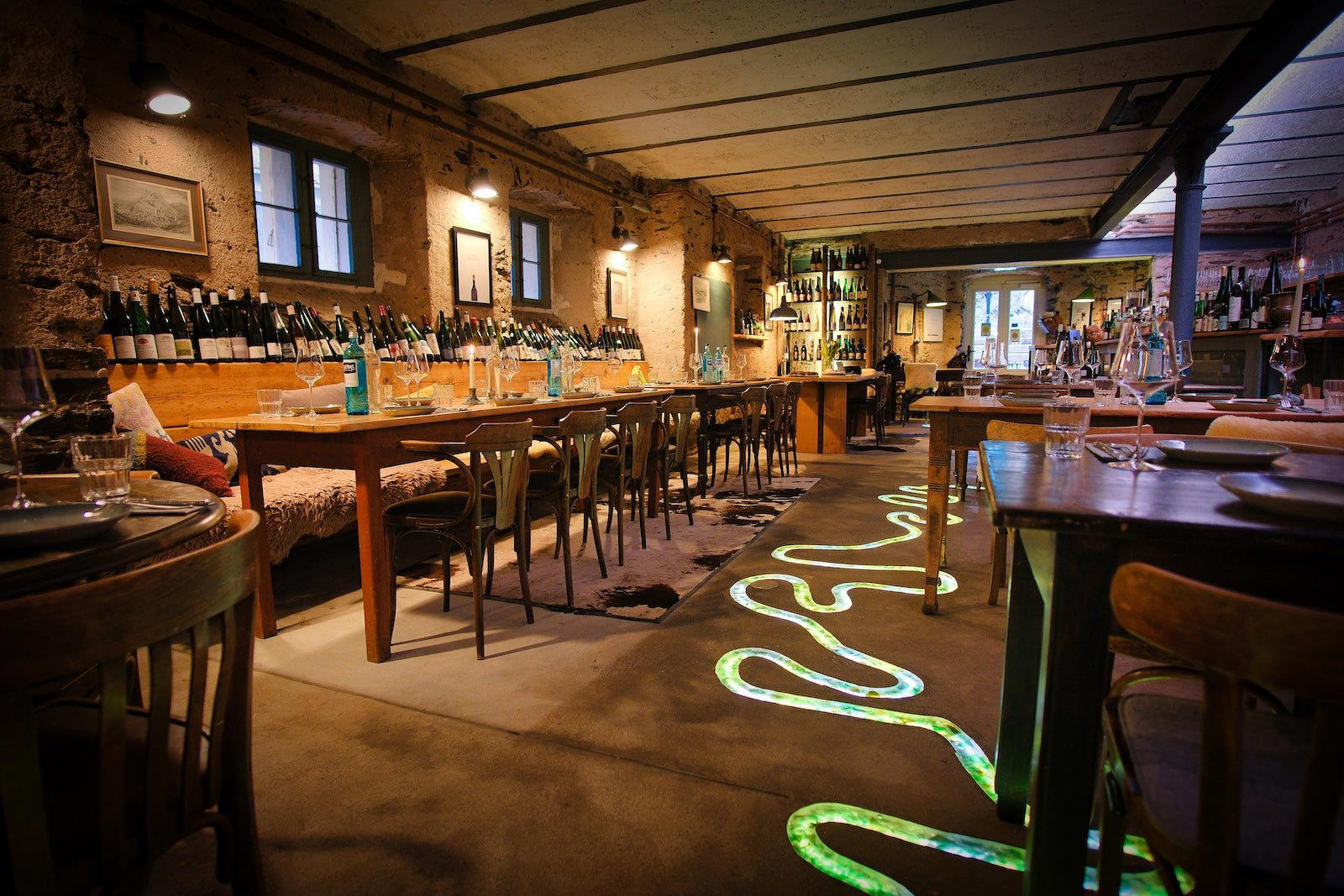
Details
- Classic
- Elegant
- Rustic
- Scenic
- Wine Education
- Solo Exploration
- Special Occasion
- Vineyard Tour
- Estate Grounds
- Panoramic View
- Vineyard
- Mountain
- Riesling
- Still White
- Cave Tasting
- Private Tasting
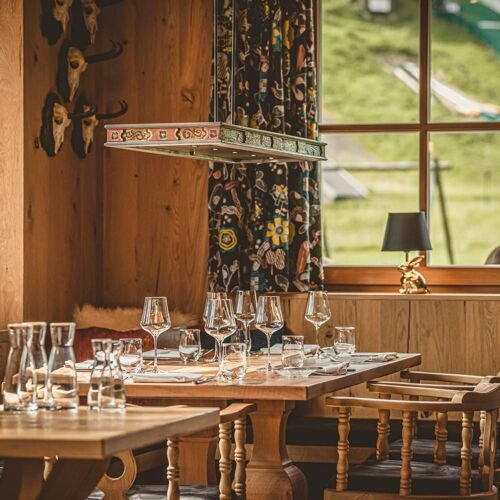
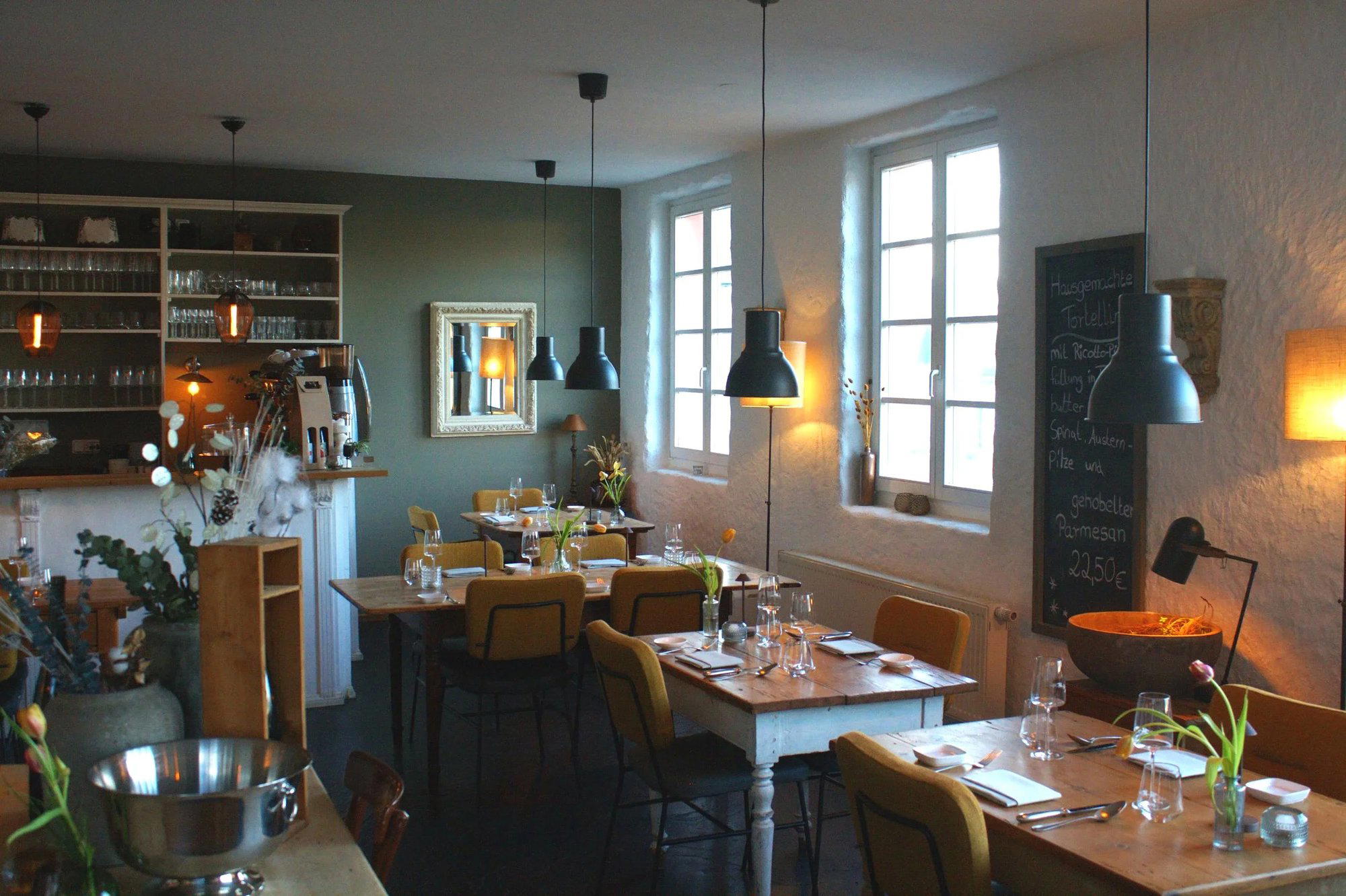
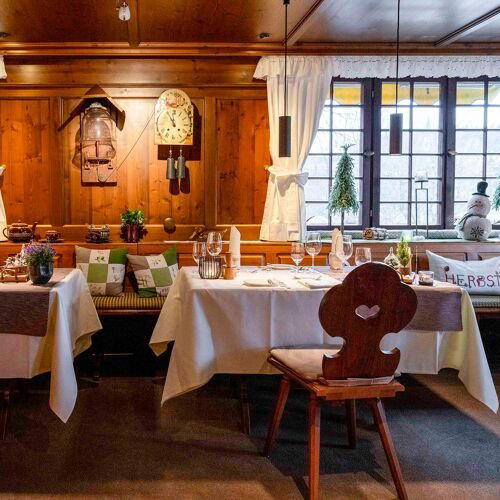
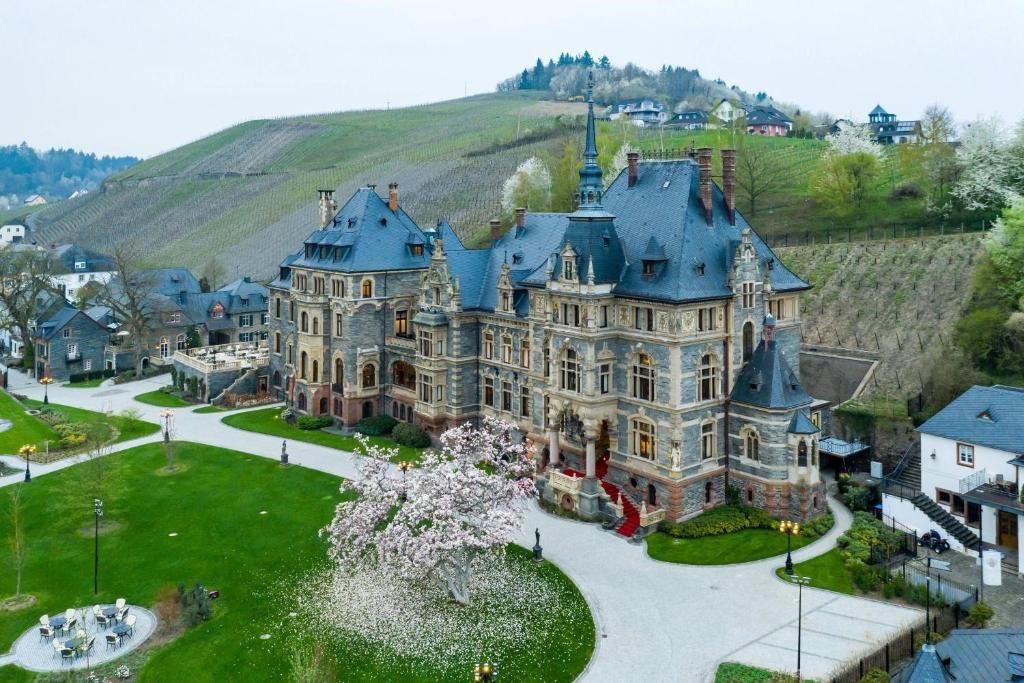
Refined and sophisticated with mineral slate character and elegant minerality from steep hillside vineyards.