Die Mosel

Star Wine List
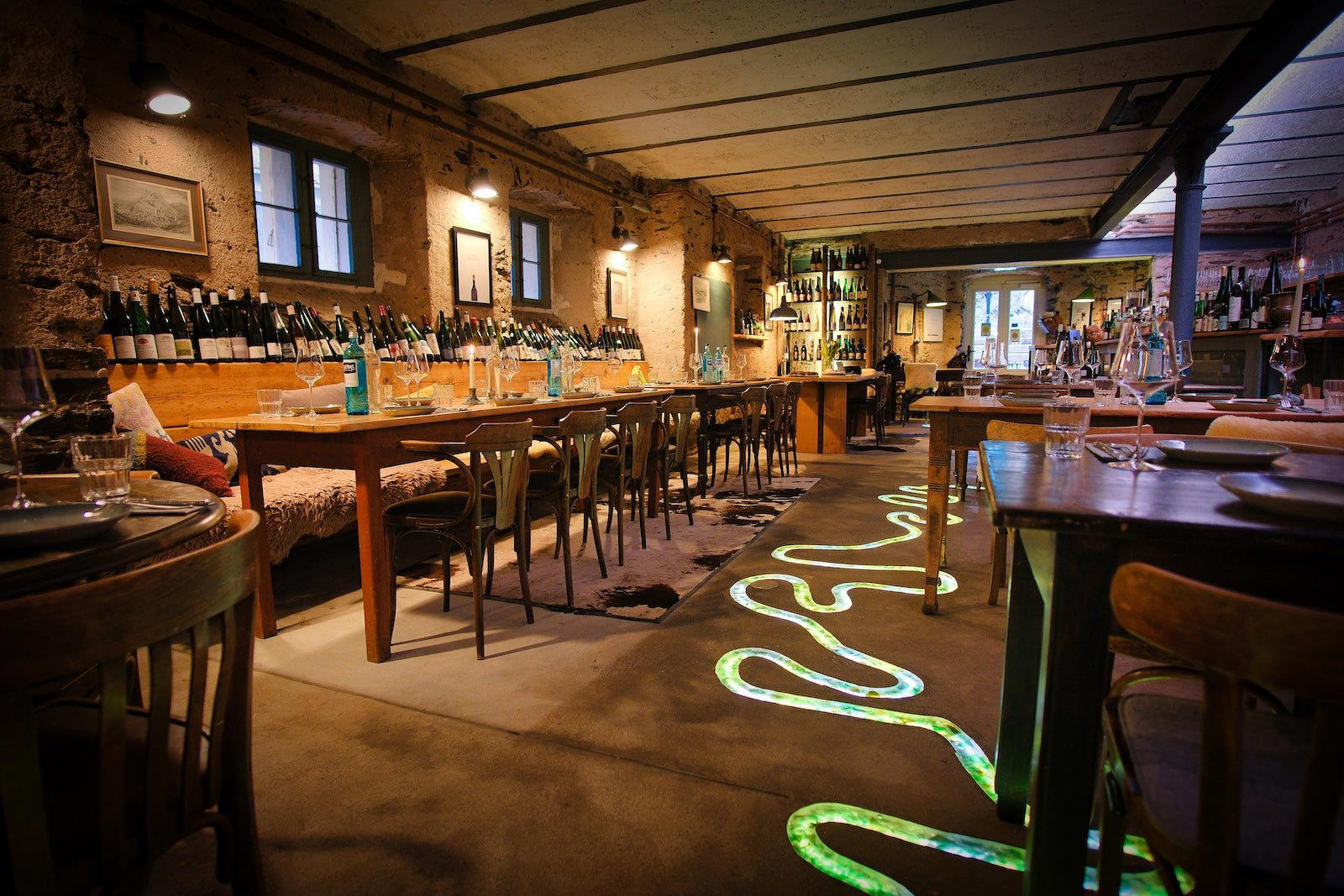
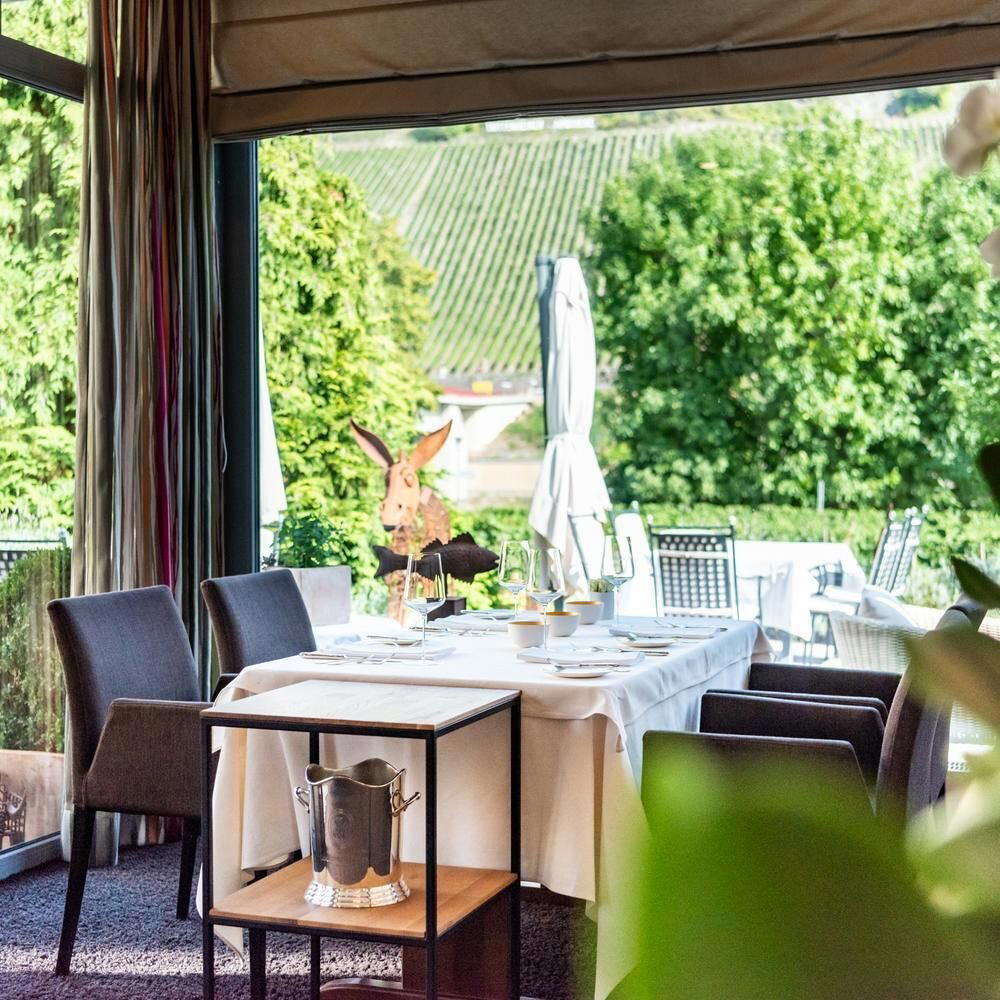
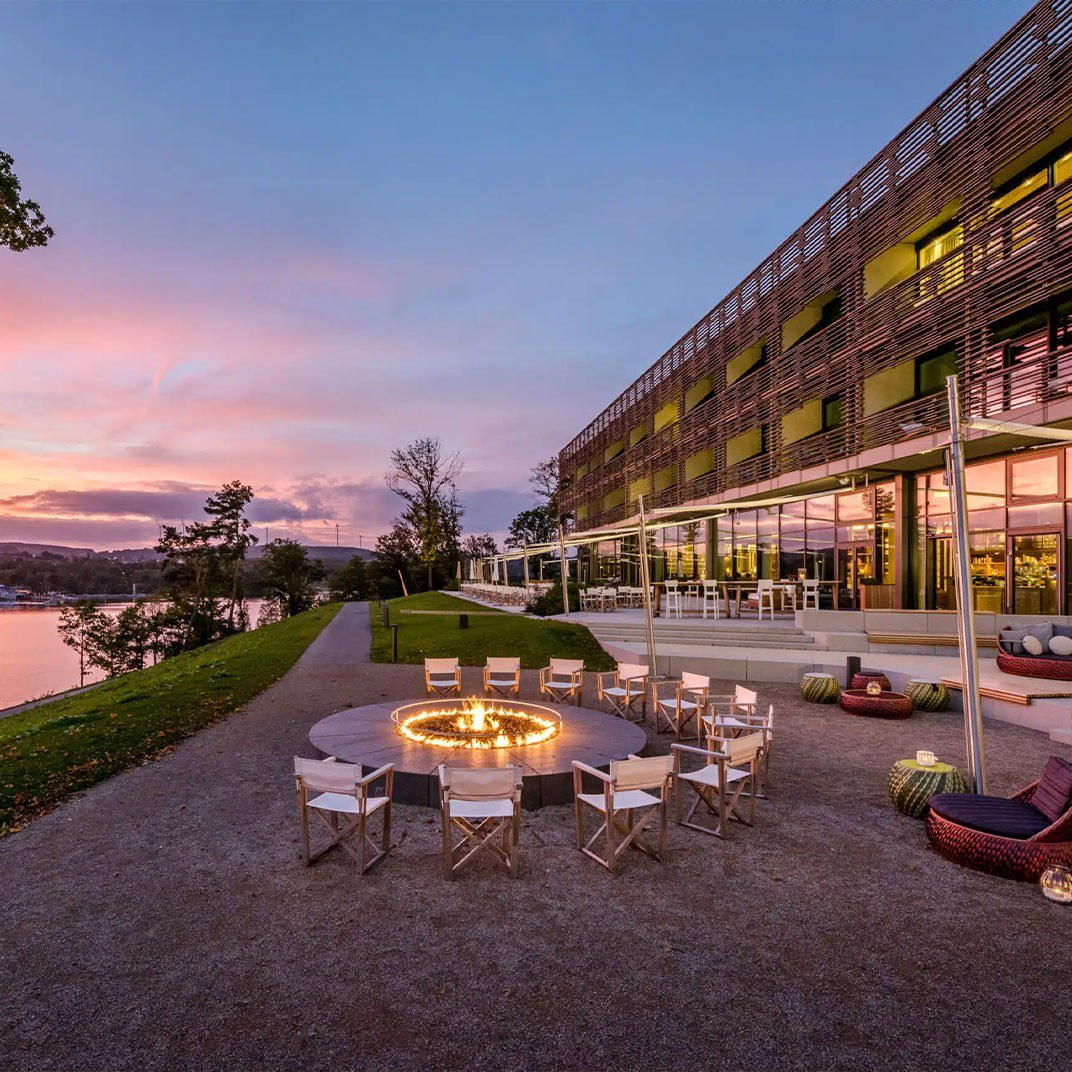
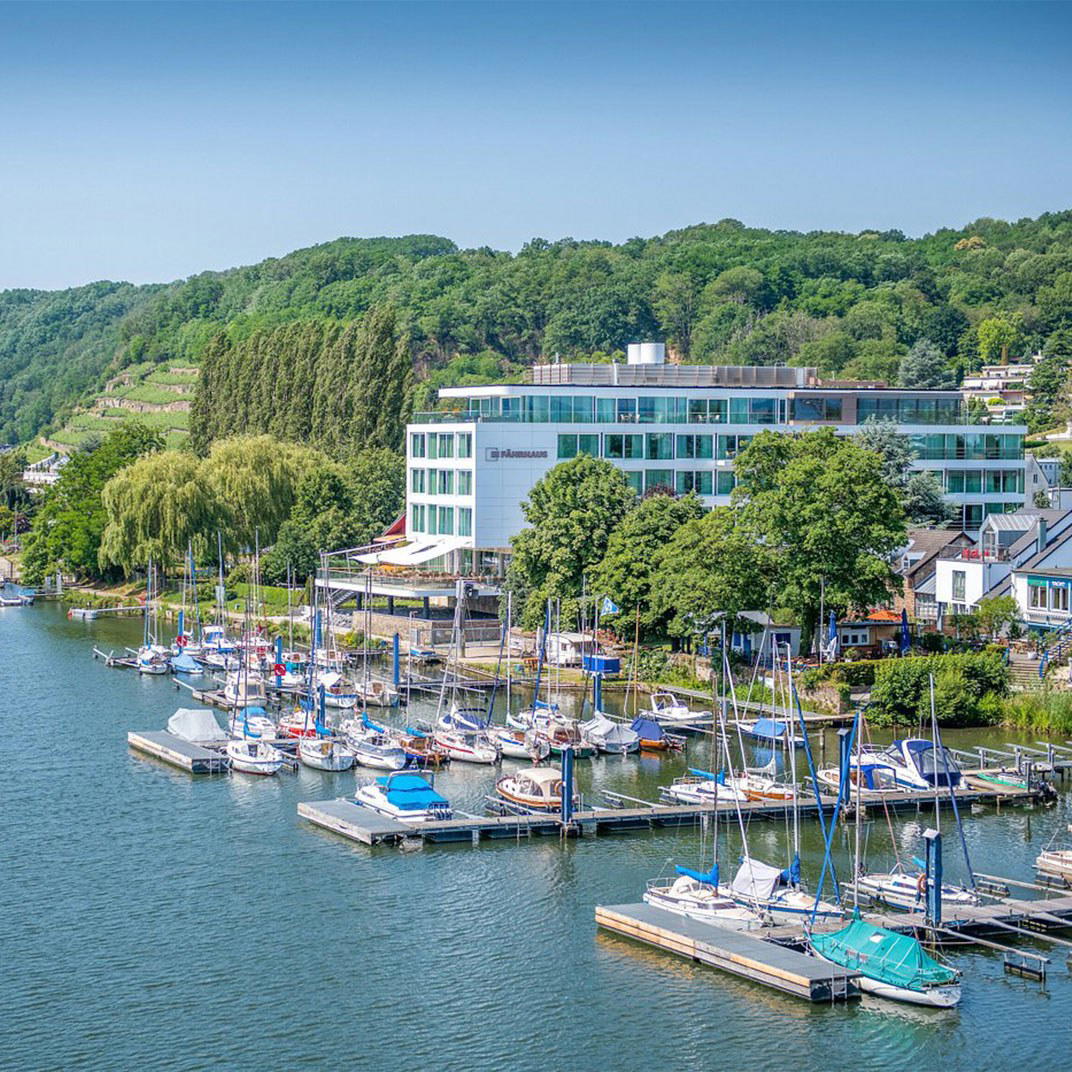
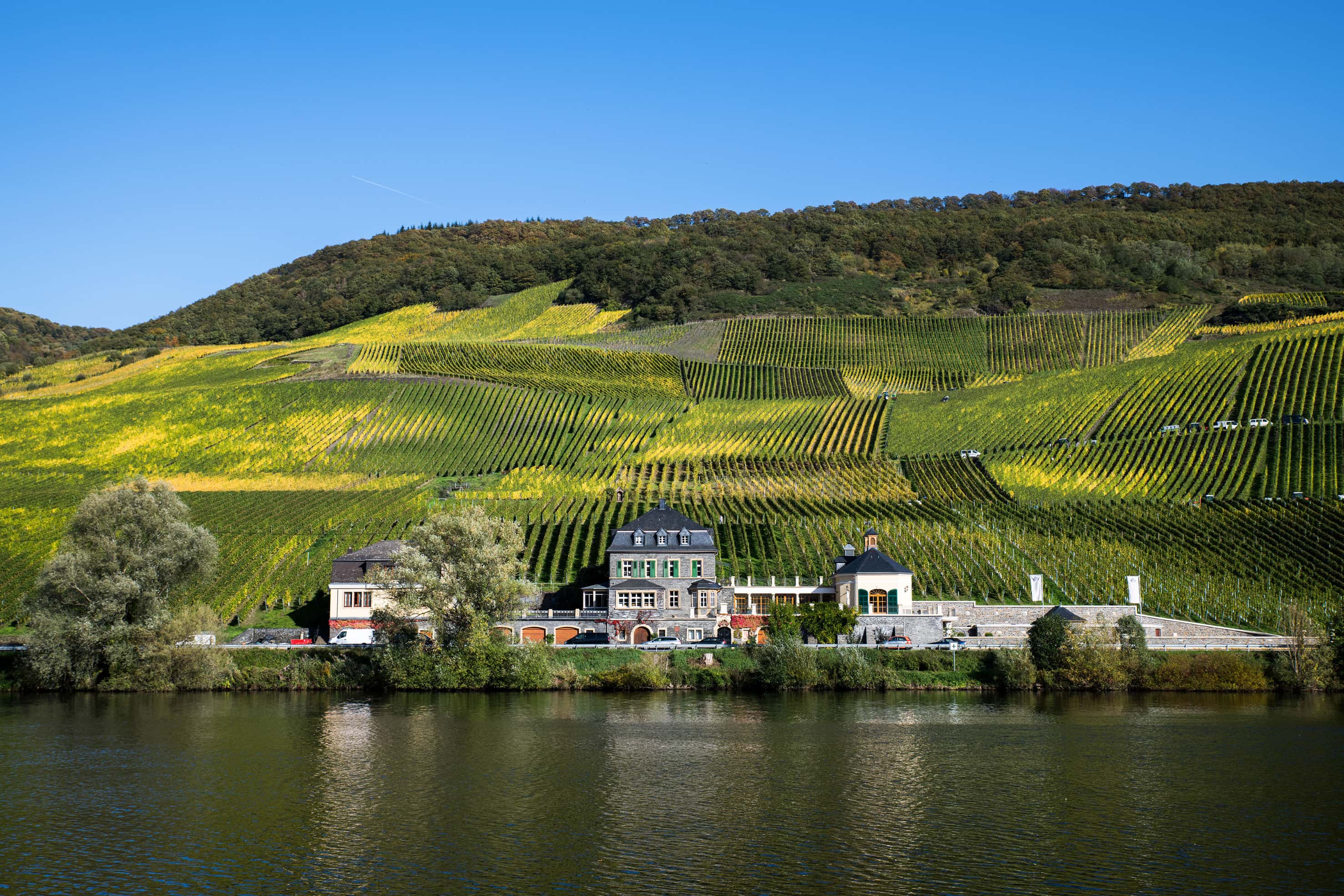
On the Trarbach bank of the Mosel, Die Mosel puts the river at the centre of the drinking experience rather than the background. Arrive by boat or car and the draw is the same: a glass of local wine with an unobstructed view of the water. For a town that built its identity on Riesling, this is a natural starting point.

Pearl is the En Primeur Club membership app, where members save venues, book tables and use the concierge.
The River as Context
Traben-Trarbach occupies a sharp bend in the Mosel valley, and the river is not incidental to the town, it is the reason the town exists. Wine estates cling to the slate slopes above both banks, and the historic bridge that connects the Traben and Trarbach sides has for centuries made this a trading point for the region's Riesling. Drinking wine here, with the current moving steadily past and the vine-covered hillsides framing the view, is less an aesthetic choice than a geographic logic. The landscape earns its own presence at the table. Die Mosel, positioned on the water's edge on the Trarbach side, takes that logic literally: the river is the view, and the view is the point.
Riverfront drinking in the Mosel valley has its own grammar. Unlike the restaurant-dense wine towns of the Nahe or the Ahr, Traben-Trarbach leans into its position as a practical waypoint, a place where barge crews once stopped and where cyclists and boaters now follow the same instinct to pause. Venues that hold a water-facing position here are not competing on cocktail lists or kitchen ambition; they are competing on something more immediate: the quality of the glass in hand and the unobstructed sightline to the river. That is the category Die Mosel occupies, and it is worth understanding that category clearly before arriving with other expectations.
Arriving at the Water's Edge
The venue's address, Rißbacher Str. 13, on the Trarbach bank, places it within easy reach by road or by the river. The Mosel cycling route (Moselradweg), one of Germany's most-used long-distance cycling paths, passes through Traben-Trarbach, and the river is navigable for private craft and passenger boats throughout the warmer months. For those arriving by water, the immediate proximity to the bank means the transition from deck to terrace requires almost no effort. That physical ease of arrival is part of the appeal: the experience starts before you sit down.
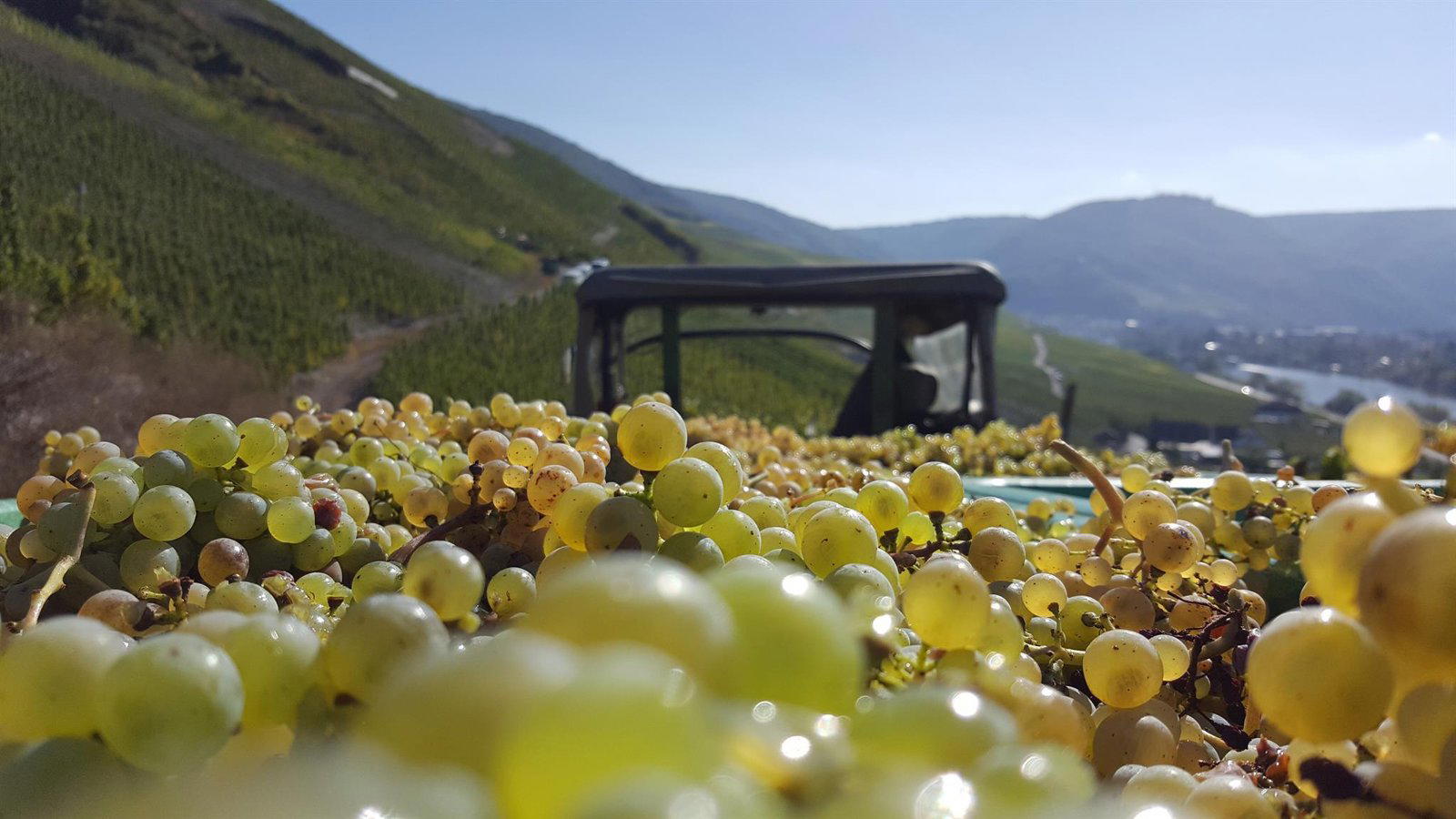
Seasonal timing matters here in a way it does not at a conventional bar. The Mosel's outdoor culture is compressed into spring and autumn, bookended by the cold valley winters and punctuated by the harvest season in September and October, when the slopes above town are at their most active and the wine available in the glass is at its most locally resonant. Arriving at the height of harvest, when the air carries something faintly ferrous from the slate and the light on the water shifts gold in the late afternoon, sets a very specific tone for the drink in front of you.
What to Drink and Why It Matters
The editorial angle here is not the cocktail programme in the sense that a technically ambitious bar like Buck and Breck in Berlin or Le Lion Bar de Paris in Hamburg would understand it. Those operations compete on technique, ingredient sourcing, and the creative vision of a named bartender. Die Mosel's programme, by contrast, is rooted in the geography it inhabits: Mosel Riesling, served with a view of the valley that produced it, is the signature drink by definition. The slate soils of the Mosel produce Rieslings of a particular mineral precision, high acidity, lower alcohol, and a tension between fruit and stone that makes them unusually good outdoors, in natural light, paired with the ambient noise of moving water.
Germany's wine bar culture has become more sophisticated in recent years, with urban operations in Frankfurt, Munich, and Hamburg building serious by-the-glass programmes around German Spätlese and Auslese wines that were previously consigned to cellar collections. Goldene Bar in Munich and The Parlour in Frankfurt represent that urban, technically refined end of German drinking culture. Die Mosel represents the other end of the same spectrum: the place of production, where the wine's context is the argument and the setting does the editorial work that technique does elsewhere.
For visitors whose drinking habits run more toward spirits and mixed drinks, the broader German bar scene offers ample reference points. Bar Trattoria Celentano in Cologne, Uerige in Düsseldorf, and edelrausch in Leipzig each operate programmes that are about craft and curation in a way that suits city-centre bar-hopping. Alte Kanzlei in Stuttgart and Main Tower Restaurant and Lounge in Frankfurt add a height-and-view dimension to urban drinking. Kieler Brauerei am alten Markt in Kiel anchors its identity in regional brewing tradition, much as Die Mosel anchors its identity in Mosel viticulture. Even internationally, the idea of a bar whose location and regional product do the primary persuading has strong precedent: Bar Leather Apron in Honolulu demonstrates how a precise sense of place can underpin a serious drinks offer. The point of these comparisons is not to position Die Mosel in competition with technically ambitious bars, it is to clarify that different categories of drinking place operate by different rules, and riverfront wine venues in production valleys play by their own.
Planning Your Visit
Traben-Trarbach sits roughly equidistant between Trier to the south and Koblenz to the north, with the B53 road running along the river valley connecting both. The town is accessible by train via the Moselbahn line from Bullay, with journey times from Koblenz running approximately 90 minutes with a change. For those driving the river road, parking on the Trarbach side is available near the waterfront. Given the venue's outdoor orientation, visits between May and October will yield the most of the setting; the harvest window of late September through mid-October adds the specific interest of tasting wine at the moment the vintage is being gathered on the slopes visible from the terrace.
Pricing is around $30 per person, with a smart casual dress code and reservations recommended. The address, Rißbacher Str. 13, provides a reliable orientation point on the Trarbach bank.
Questions About Die Mosel
- What is the general vibe of Die Mosel?
- Die Mosel is a waterfront wine venue on the Trarbach bank of the river, oriented around the view and the regional wine rather than a structured bar or restaurant experience. The atmosphere follows the rhythm of the Mosel valley: relaxed during the week, busier with cyclists and boaters on summer weekends, and specifically charged during harvest season in autumn. It sits in the category of outdoor riverside drinking rather than formal dining or cocktail-bar culture.
- What should I try at Die Mosel?
- Given the venue's location in one of Germany's most distinctive wine valleys, Mosel Riesling is the logical order, the variety that the surrounding slopes produce and that the setting is built to frame. Mosel Rieslings are typically high in acidity with pronounced mineral character from the slate soils, and they drink particularly well outdoors in natural light.
- What is Die Mosel known for?
- Die Mosel is known for its position directly on the river's edge on the Trarbach bank, making it one of the more directly situated waterfront spots in the town for drinking with an open view of the water. Traben-Trarbach itself is a notable Mosel wine town, and the venue's identity is inseparable from that regional wine culture. Die Mosel has one award in the record and is priced around $30 per person.
Quick Comparison
Comparable venues nearby, for context on price, style, and recognition.
| Venue | Cuisine | Price | Awards | Notes |
|---|---|---|---|---|
| Die MoselThis venue (the venue you are viewing) | wine_bar | $30–50 | Star Wine List | Not listed |
| Venloer Str. 437 | cocktail_bar | $20–30 | Not listed | Ehrenfeld |
| Frohnatur | wine_bar | $20–30 | Star Wine List · Falstaff Wine Bar - 91 Falstaff Points | Altstadt/Nord |
| Doctor Flotte | pub | $10–20 | Not listed | Goethehaus |
| Uerige | beer_bar | $10–20 | Not listed | Altstadt |
Recognition history
Dated appearances from independent guides and award organizations, with the underlying list record or original source where available.
Star Wine List
Star Wine List
Continue exploring
More in Traben-Trarbach
Bars in Traben-Trarbach
All bars in Traben-Trarbach →
Restaurants in Traben-Trarbach
All restaurants in Traben-Trarbach →
Hotels in Traben-Trarbach
Browse all →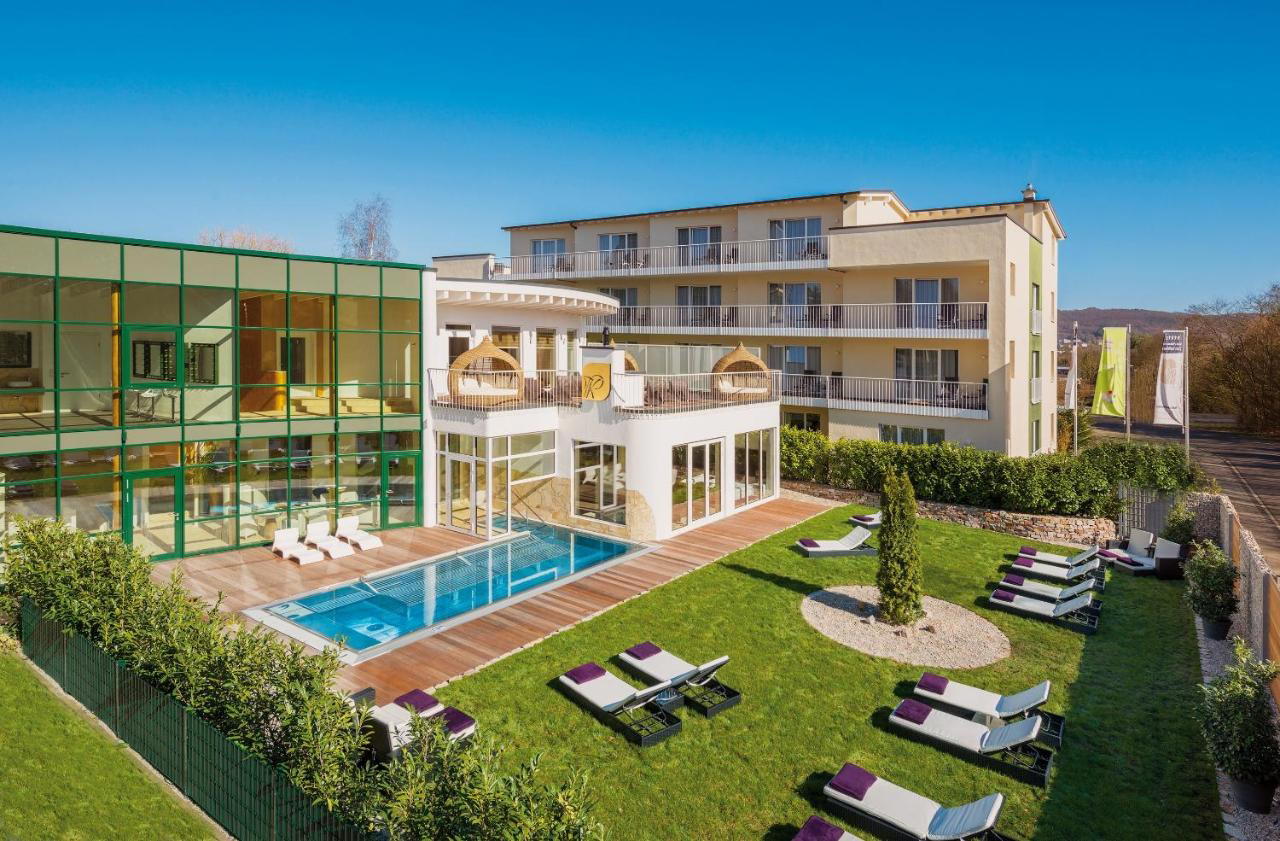
Details
- Romantic
- Cozy
- Rustic
- Elegant
- Scenic
- Date Night
- Casual Hangout
- Group Outing
- Waterfront
- Terrace
- Historic Building
- Lounge Seating
- Outdoor Terrace
- Natural Wine
- Conventional Wine
- Waterfront
Current opening hours
- Monday
- Closed
- Tuesday
- Closed
- Wednesday
- 5–10 PM
- Thursday
- 5–10 PM
- Friday
- 12–3 PM, 5–10 PM
- Saturday
- 12–3 PM, 5–10 PM
- Sunday
- 12–3 PM, 5–10 PM
Hours can change for holidays and private events. Hours as of .
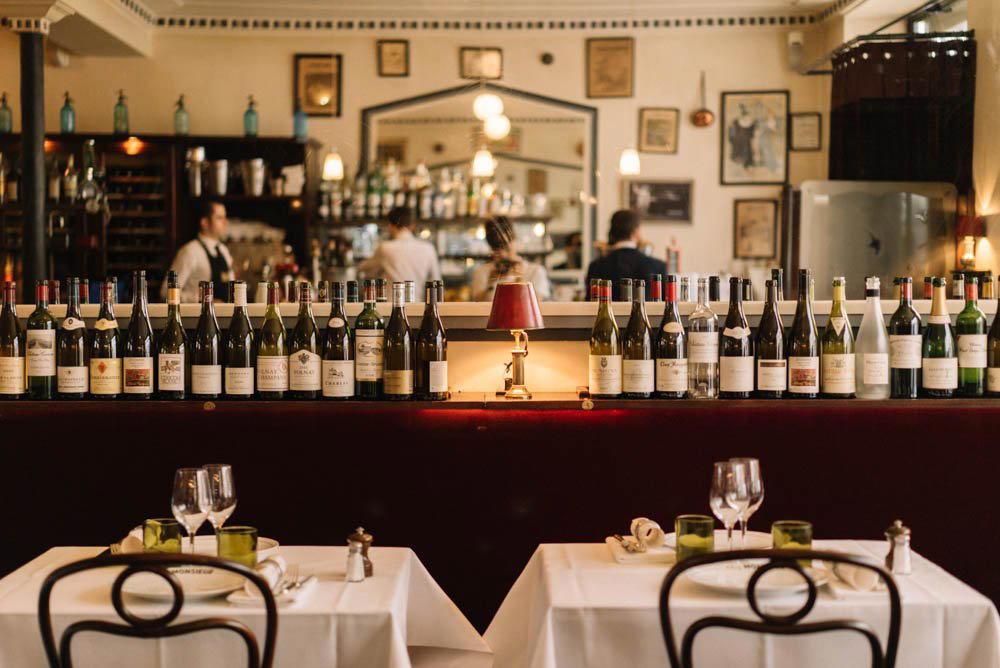
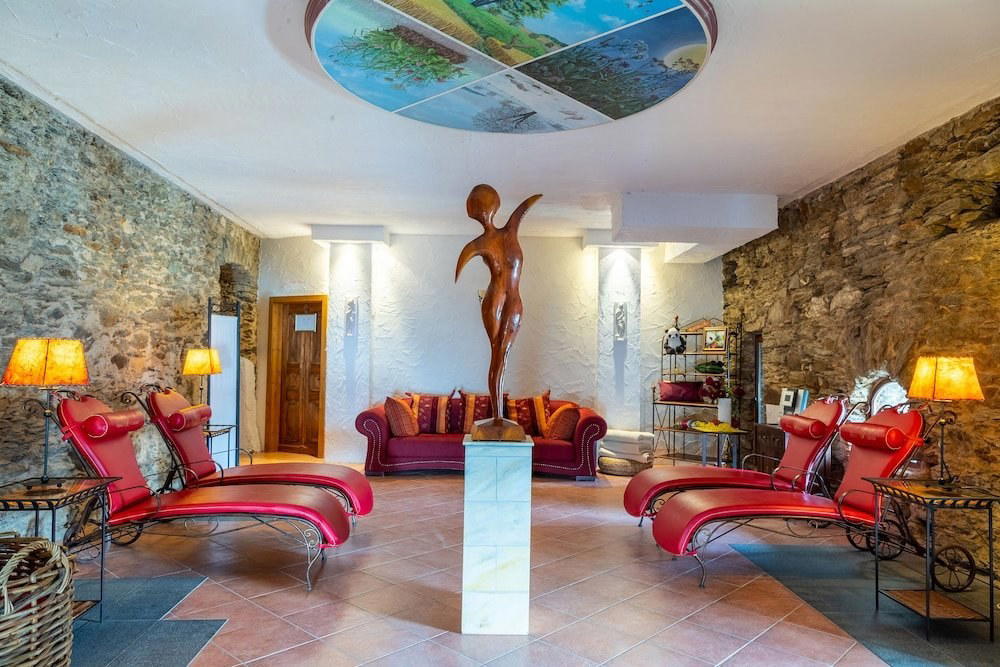
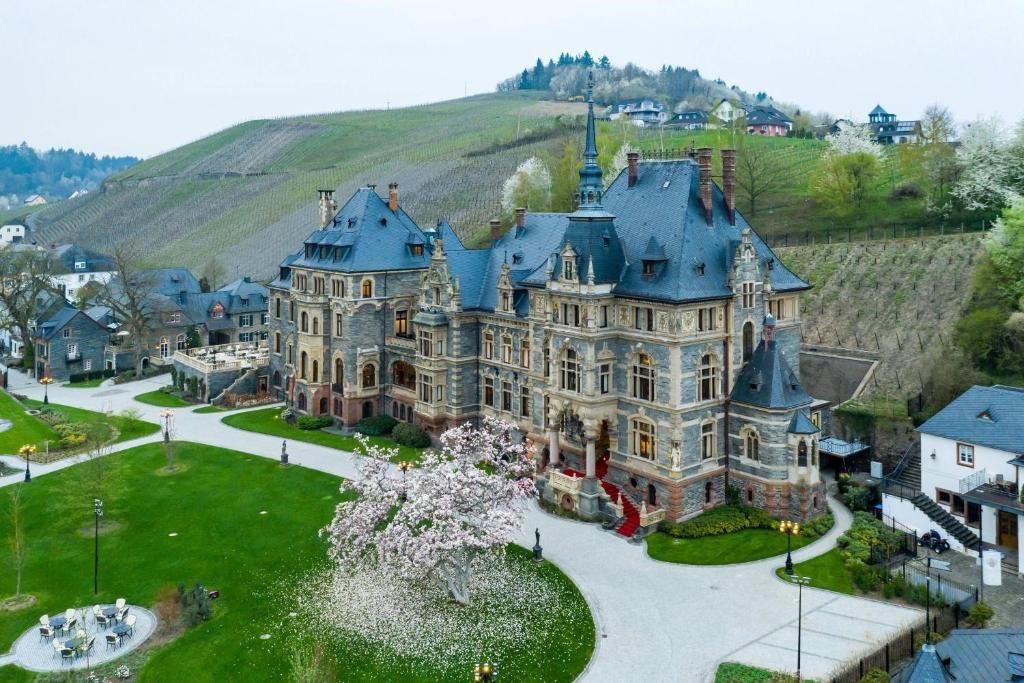
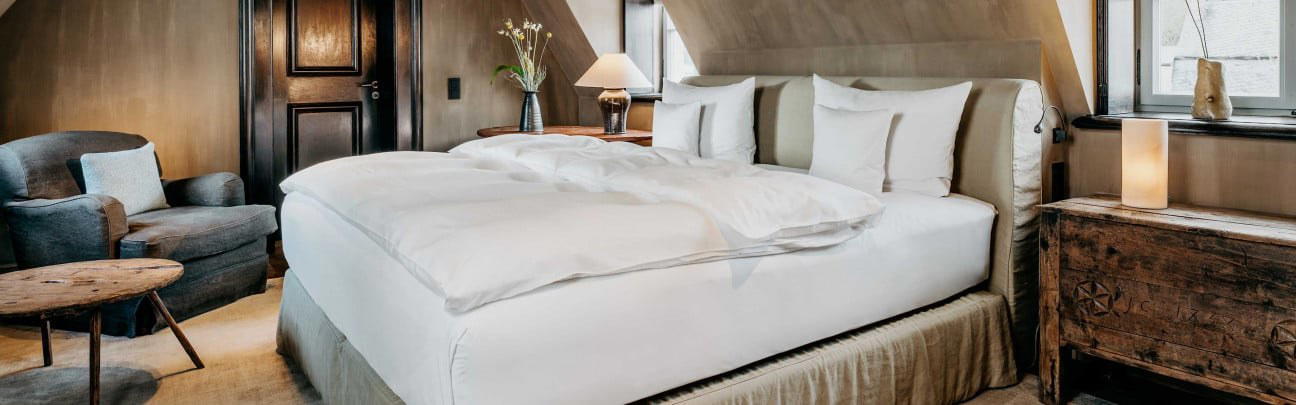
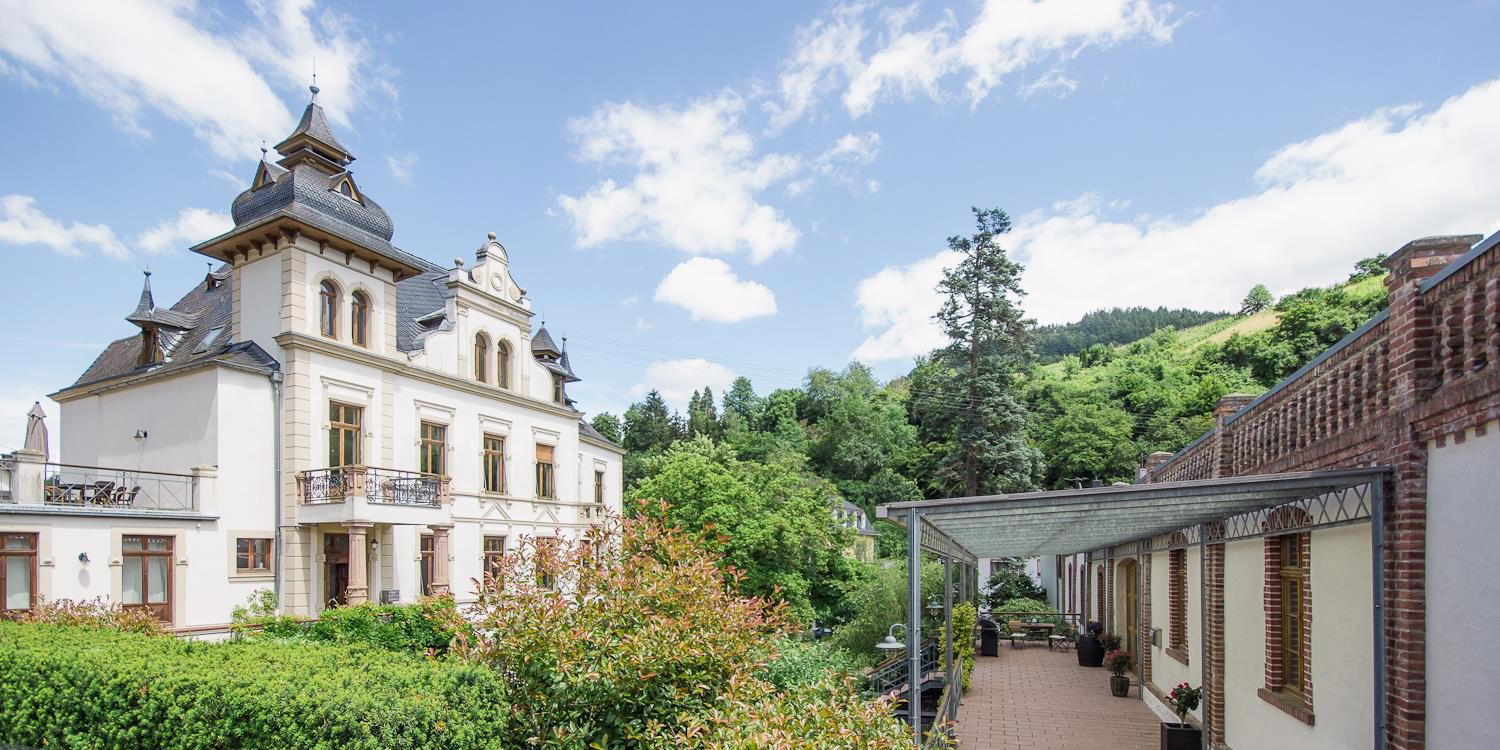
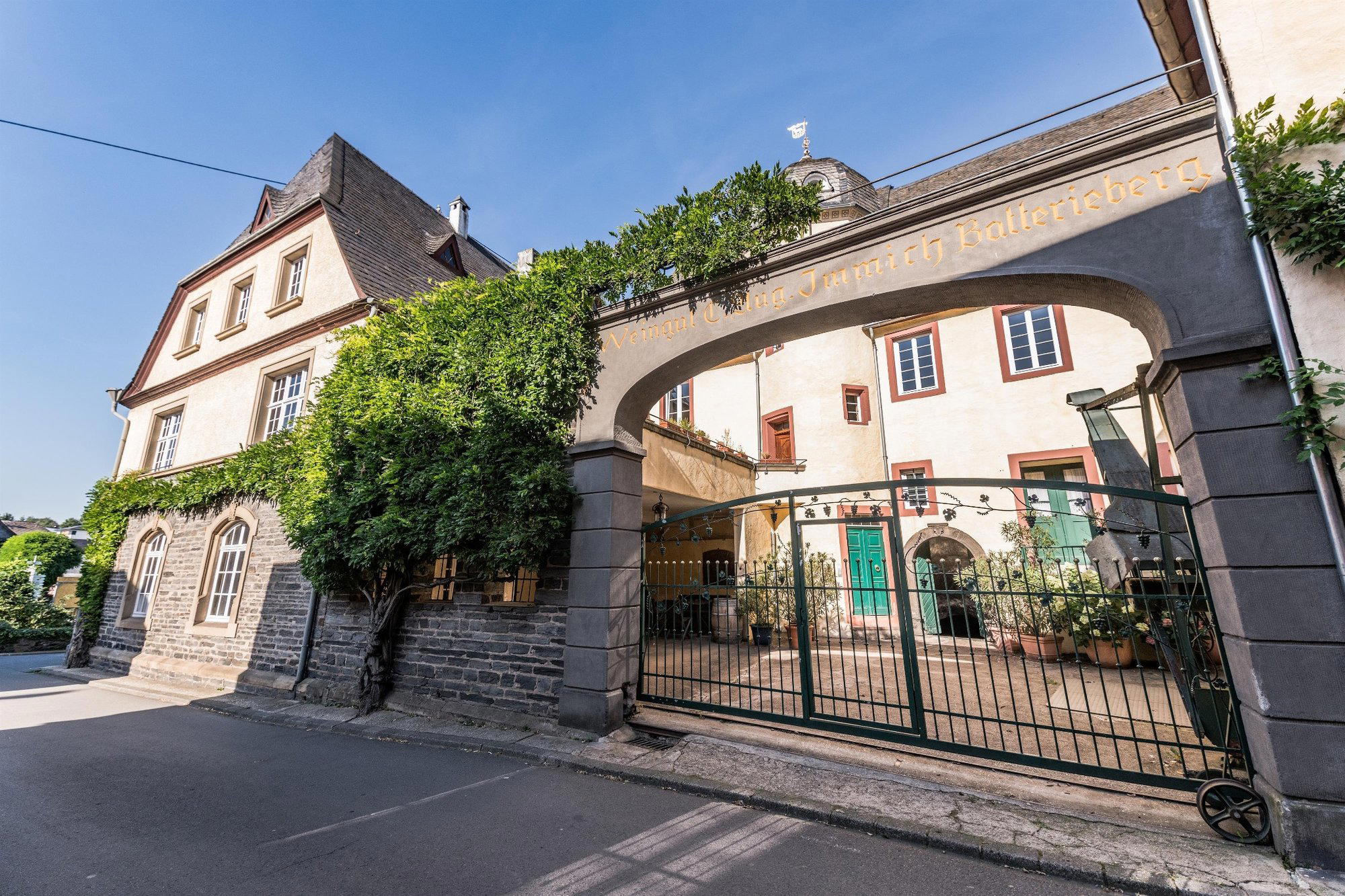
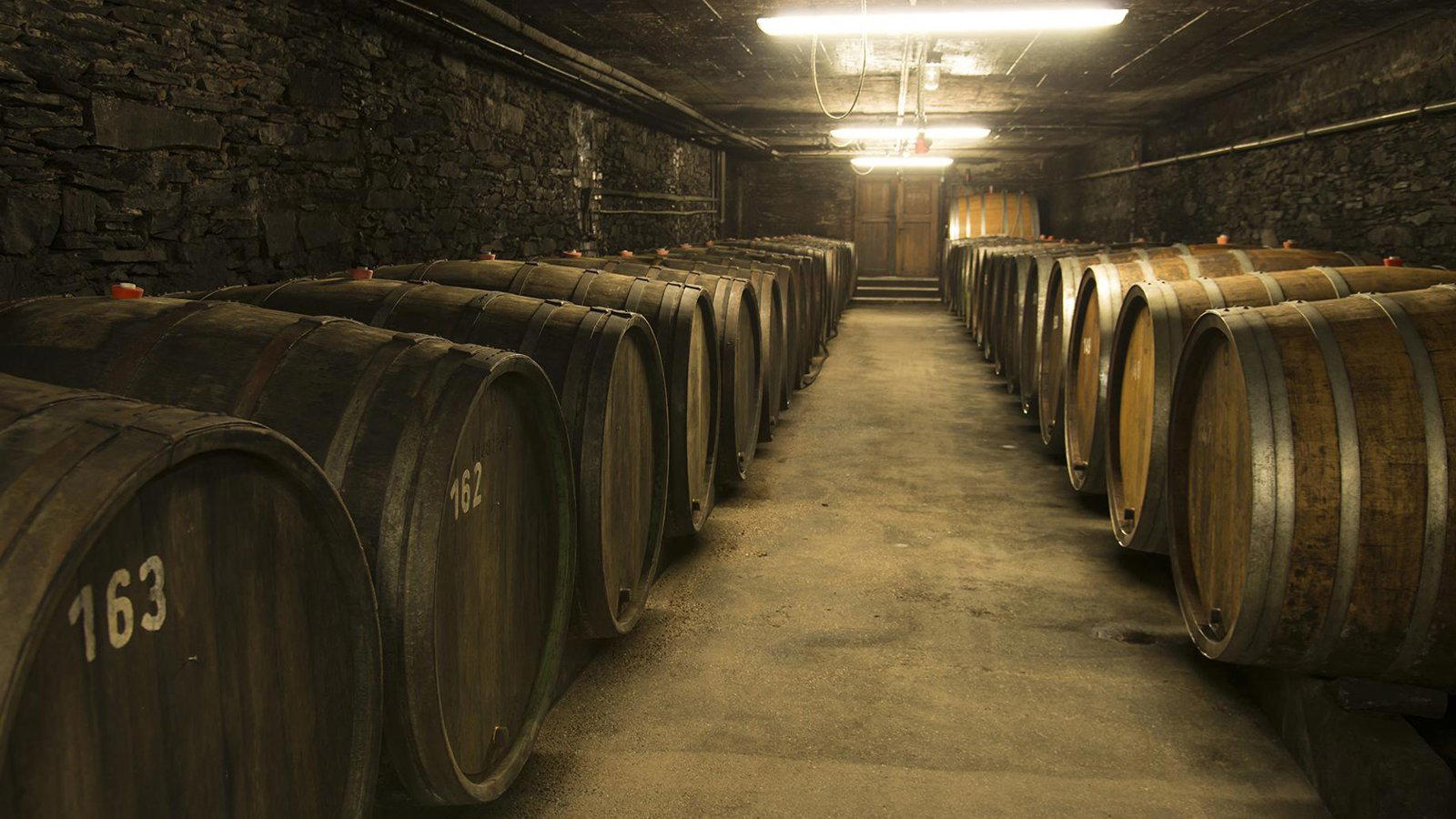
Cozy historic villa with elegant rustic style, warm lighting, trendy decorations, and magical terrace views over the Mosel river.